Understanding the Skyscraper Technique
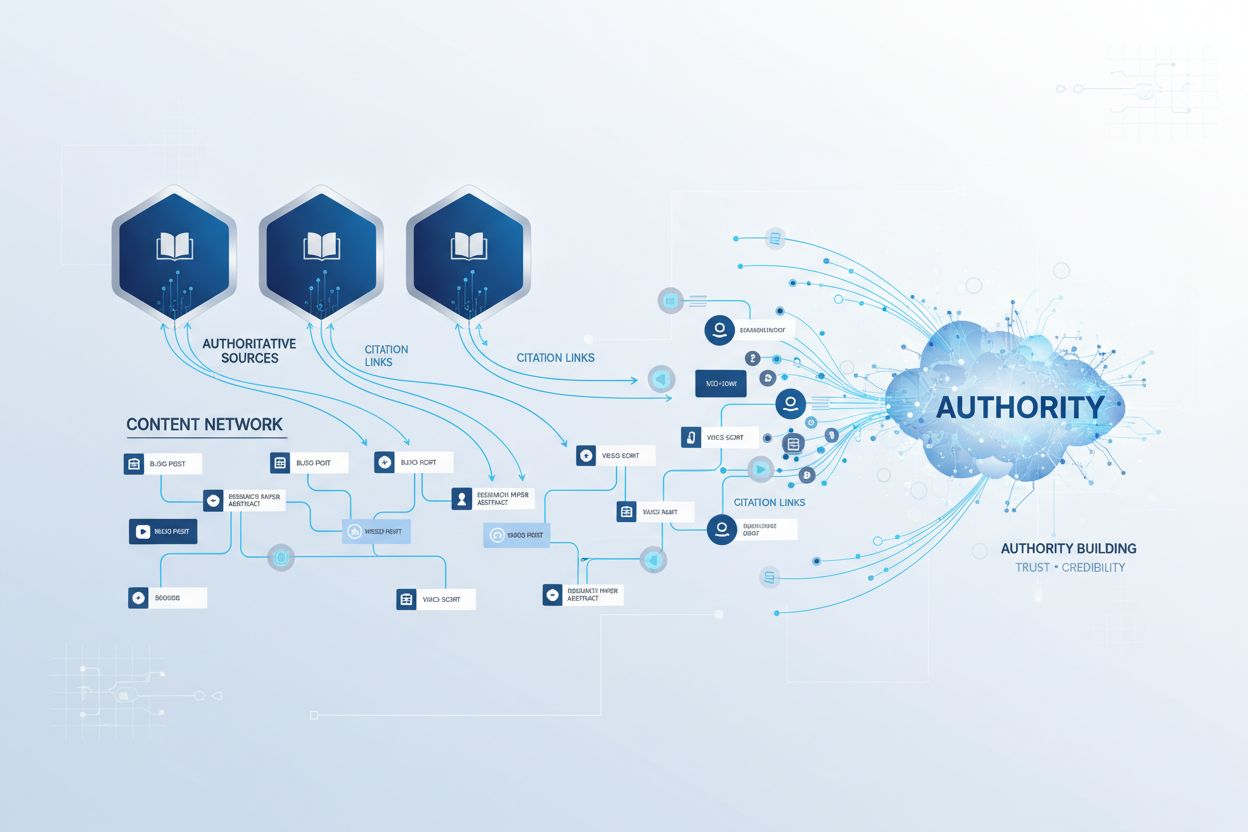
The skyscraper technique is a proven content marketing and link-building strategy that involves finding existing high-performing content in your niche, creating a substantially better version, and promoting it to earn quality backlinks and improve search rankings. The technique gets its name from the concept of finding the “tallest building” (most popular content) in your space and constructing an even taller one. Originally developed by Brian Dean of Backlinko in 2015, this strategy has evolved to become increasingly relevant in the age of AI search engines and generative AI systems.
The core principle behind the skyscraper technique is straightforward: people naturally want to link to and cite the best resources available. When you create content that is objectively superior to what already exists, website owners, content creators, and AI systems are more likely to reference and link to your work. This approach differs fundamentally from creating content in isolation, as it leverages existing demand signals to guide your content creation efforts.
How the Skyscraper Technique Works in Three Steps
The skyscraper technique follows a systematic three-step process that ensures your content creation efforts are strategic and results-driven. Understanding each phase is critical to executing this strategy effectively.
Step One: Identify High-Performing Content involves researching your niche to find articles, guides, or resources that have already attracted significant backlinks and traffic. These pieces demonstrate proven audience interest and demand. You’re looking for content that has generated substantial referring domains—ideally from 50 to 100+ quality websites. This research phase tells you exactly what topics your audience cares about and which content formats resonate most. Tools like Ahrefs, Semrush, and Moz can help you analyze competitor content, identify backlink profiles, and discover which pages are driving the most traffic and earning the most links.
Step Two: Create Substantially Better Content means developing your own version that surpasses the original in multiple dimensions. This isn’t about making minor improvements or simply adding more words. Instead, you should enhance the content by adding original data points, updating outdated statistics, improving visual design, expanding depth with expert insights, and addressing gaps the original content missed. The goal is to create something so comprehensive and valuable that websites linking to the original would prefer to link to yours instead. This might involve conducting original research, interviewing industry experts, creating custom infographics, or providing new perspectives that challenge conventional wisdom.
Step Three: Reach Out and Promote involves identifying the websites that linked to the original content and contacting them with information about your improved version. Since these sites have already demonstrated interest in the topic, they’re qualified prospects who understand the value of quality resources. Your outreach should be personalized, highlighting specific improvements and explaining why their audience would benefit from your superior content. The goal is to make it easy for them to update their links or add your content as an additional reference.
Ready to Monitor Your AI Visibility?
Track how AI chatbots mention your brand across ChatGPT, Perplexity, and other platforms.
Why the Skyscraper Technique Remains Effective for AI Search
Many marketers question whether the skyscraper technique still works in an era dominated by AI chatbots and generative search engines. The answer is a resounding yes, but for evolved reasons that make it even more valuable than before. The technique’s effectiveness in AI search is rooted in four fundamental principles that align perfectly with how modern AI systems operate.
Authoritative content still wins across all search formats. Whether users are searching on Google, using ChatGPT, consulting Perplexity, or asking Claude, they want the best possible answer. AI systems are increasingly sophisticated at identifying and prioritizing authoritative, comprehensive, and trustworthy content. When your content is more thorough, better researched, and more current than alternatives, it stands a significantly better chance of being surfaced, cited, or ranked by AI systems. Research from Ahrefs analyzing 75,000 brands found that branded web mentions had the strongest correlation (0.664) with visibility in AI Overviews, demonstrating that comprehensive, well-cited content is essential for AI visibility.
Backlinks remain one of Google’s strongest ranking signals and serve as authority indicators for AI systems. High-quality backlinks don’t just help traditional SEO—they signal to AI systems that your content is trustworthy and worth citing. When multiple authoritative websites link to your content, AI systems interpret this as a strong endorsement of your expertise and reliability. The skyscraper technique is one of the most reliable methods for earning these high-quality backlinks organically, which in turn increases your likelihood of being cited in AI-generated answers and summaries.
AI systems need credible sources and actively prefer high-authority content. Generative search tools and AI Overviews rely heavily on content they can trust, sourcing from search engines like Google and Bing. They look for pages with clear expertise, strong E-E-A-T signals (Experience, Expertise, Authoritativeness, Trustworthiness), and a history of backlinks from reputable sources. Research has found that higher SERP rankings are associated with a greater likelihood of being cited in AI Overviews. By creating skyscraper content, you’re effectively building a page that’s more likely to become a go-to source for both algorithms and AI systems.
Readers still click through for depth and decision-making. While people might use AI for quick answers, they still conduct Google searches when making important decisions, conducting research, or seeking expert-level insights. In fact, people using AI chatbots tend to do more Google searches, not fewer. When they do search, they’re drawn to the most authoritative, resource-rich content available. This means skyscraper content serves a dual purpose: it ranks well in traditional search and gets cited by AI systems, creating multiple pathways for visibility and traffic.
The Three-Phase Content Improvement Strategy
Creating substantially better content requires a strategic approach to identifying and implementing improvements. Rather than making random enhancements, successful skyscraper content follows a structured improvement methodology.
| Improvement Type | Description | Impact |
|---|
| Length & Comprehensiveness | Expand coverage with more detailed explanations, additional examples, and thorough exploration of subtopics | Provides more value and covers more search intent variations |
| Data & Research | Add original research, updated statistics, expert quotes, and proprietary data points | Increases credibility and provides unique insights competitors lack |
| Visual Design | Include custom infographics, charts, videos, and professional formatting | Improves user engagement and makes complex information easier to understand |
| Currency & Freshness | Update outdated information, add recent trends, and incorporate latest industry developments | Ensures content remains relevant and authoritative |
| Depth & Insight | Provide deeper analysis, new perspectives, and actionable takeaways | Differentiates your content and provides genuine value beyond surface-level information |
| User Experience | Improve readability with clear headings, bullet points, and logical structure | Increases time on page and reduces bounce rates |
The most effective skyscraper content excels in multiple dimensions simultaneously. Rather than simply making an article longer, you should enhance it across several fronts: add original data that competitors don’t have, improve the visual presentation with custom graphics, update all statistics to current information, and provide deeper analysis that goes beyond what existing content offers. This multi-dimensional approach creates content that is objectively superior and difficult for competitors to replicate.
Stay Updated on AI Visibility Trends
Get the latest insights on AI mentions, brand monitoring, and optimization strategies.
Executing the Skyscraper Technique: A Practical Roadmap
Successfully implementing the skyscraper technique requires following a systematic process that ensures each phase builds on the previous one. The execution roadmap consists of six key stages that work together to maximize your chances of success.
Research and Identify Opportunities begins with defining your target keywords and topics relevant to your niche and audience. Use keyword research tools to identify high-traffic keywords that your target audience is searching for. Then, analyze the top-ranking content for these keywords to find pieces that have attracted significant backlinks. Look for content that has clear room for improvement—perhaps it’s outdated, lacks depth, or misses important angles. The goal is to identify topics where there’s proven demand and where you can realistically create something substantially better.
Analyze Existing Top-Ranking Content involves a deep dive into what’s currently ranking well. Use competitive analysis tools to understand the strengths and weaknesses of top-ranking pages. Examine their structure, identify the keywords they rank for, analyze their backlink profiles, and understand what makes them successful. Look for gaps in information, outdated statistics, missing multimedia elements, or angles that haven’t been explored. This analysis reveals exactly what you need to do to create superior content.
List Down Possible Distribution Partners requires identifying the websites that linked to the original content. These are your primary outreach targets because they’ve already demonstrated interest in the topic. Use backlink analysis tools to export the list of referring domains, then clean it up to include only high-authority sites with relevant content. Find the contact information for writers, editors, or website owners at these sites. This list becomes your outreach database for promoting your improved content.
Create Better Content is where you implement all the improvements identified in your analysis. Write content that is longer, more current, better designed, and more thorough than the original. Add original data points, conduct interviews with experts, create custom visuals, and provide insights that competitors haven’t covered. The key is to make your content so valuable that websites linking to the original would prefer to link to yours instead. This phase requires significant effort and resources, but it’s the foundation of the entire strategy.
Promote and Build Social Proof involves creating buzz around your content before reaching out to potential link sources. Share snippets of your content on social media, tag relevant influencers, ask your network to amplify the content, and use eye-catching visuals to encourage engagement. This social proof makes your content more attractive to external websites and increases the likelihood that they’ll link to it when you reach out.
Share with the Right People is the outreach phase where you contact the websites that linked to the original content. Personalize each email to demonstrate genuine interest in their site and explain why your content would benefit their audience. Highlight the specific improvements you’ve made and make it easy for them to review your content. The goal is to earn links by showing them that your content is a better resource for their readers.
Why the Skyscraper Technique Outperforms Other Content Strategies
The skyscraper technique has proven more effective than many alternative content strategies for several compelling reasons. Unlike creating content in isolation and hoping it ranks, the skyscraper approach is based on proven demand signals. You’re not guessing what topics people care about—you’re identifying content that has already attracted significant attention and links. This dramatically increases the probability that your content will also attract links and traffic.
The technique also creates a clear competitive advantage. By making your content objectively better across multiple dimensions, you give website owners and AI systems a compelling reason to link to and cite your work instead of alternatives. This is fundamentally different from incremental improvements that don’t create meaningful differentiation. When your content is clearly superior, the outreach process becomes easier because you’re offering genuine value rather than asking for a favor.
Additionally, the skyscraper technique leverages existing authority and trust signals. The websites that linked to the original content have already vetted the topic and determined it’s worth linking to. By reaching out to these same sites with a better version, you’re working with qualified prospects who understand the value of quality resources. This targeted approach results in higher conversion rates and better-quality backlinks than broad outreach campaigns.
Advanced Strategies for AI-Era Skyscraper Content
As search becomes increasingly AI-driven, the skyscraper technique has evolved to incorporate new tactics that maximize visibility across both traditional search and AI systems. These advanced strategies go beyond simply creating longer or more comprehensive content.
Using Generative AI Tools Strategically involves leveraging AI platforms like ChatGPT, Claude, and Gemini to enhance your research and content creation process. AI can analyze competitor content at scale, identify blind spots that traditional SEO tools miss, surface untapped keyword clusters, and suggest content structures optimized for user intent. More importantly, AI agents can now handle complex parts of the skyscraper process automatically—crawling competitor content, clustering queries, generating briefs, drafting outlines, and even personalizing outreach messages. This automation allows you to scale your skyscraper efforts while maintaining quality and personalization.
Creating Interactive and Data-Driven Content significantly increases engagement and link potential. Interactive elements like calculators, quizzes, assessment tools, or free resources make your content more valuable and shareable. Data-driven content backed by original research, surveys, or proprietary reports provides insights that competitors can’t replicate. This original data becomes highly linkable because other websites want to cite and reference unique findings. In the AI era, this original research also signals expertise and trustworthiness to AI systems evaluating your content.
Expanding Beyond Text with Multi-Format Content recognizes that search behavior is becoming increasingly multi-modal. Google’s results now reward pages with videos, audio, infographics, and interactive elements. Embedding explainer videos, demo clips, podcast snippets, or visual reports dramatically improves engagement and visibility. This multi-format approach also increases the likelihood that AI systems will cite your content, as they can extract information from various formats and present it in different ways.
Common Mistakes to Avoid When Implementing the Skyscraper Technique
Understanding what doesn’t work is just as important as knowing what does. Many marketers fail with the skyscraper technique because they make preventable mistakes that undermine their efforts.
Creating only marginally better content is a common pitfall. Simply adding a few hundred words or updating a few statistics isn’t enough to differentiate your content. Website owners receive countless outreach emails claiming to have “better” content, and most of these claims are exaggerated. Your content needs to be objectively superior across multiple dimensions—longer, more current, better designed, more thorough, and offering new insights. If the improvement isn’t obvious and substantial, your outreach will be ignored.
Targeting topics with no link potential wastes time and resources. Not every topic has natural link potential. Extremely niche topics, company-specific processes, or transactional content rarely attract links. Before investing significant effort, verify that the topic has proven link potential by checking how many backlinks the existing content has attracted. If the original content has fewer than 50 referring domains, the topic may not be worth pursuing.
Neglecting personalization in outreach significantly reduces success rates. Generic outreach emails that could apply to any website are immediately recognized as spam and deleted. Successful outreach requires mentioning specific points about the recipient’s site, explaining why your content is relevant to their audience, and making it easy for them to review and link to your content. Personalization takes more time but dramatically improves response rates.
Failing to maintain and update content causes skyscraper content to lose its competitive advantage over time. Other marketers will eventually create their own improved versions, and industry trends will evolve. The only way to maintain your competitive edge is to continuously update your content with new information, fresh data, and emerging trends. This ongoing maintenance ensures your content remains the definitive resource on the topic.
Measuring Success and Tracking Results
Implementing the skyscraper technique requires tracking specific metrics to understand what’s working and where improvements are needed. Backlink acquisition is the primary success metric—track how many new backlinks your content earns and from which domains. Monitor the quality of these backlinks by checking the domain authority and relevance of linking sites. Organic traffic growth shows whether your improved rankings are translating into actual visitors. Compare traffic to your skyscraper content against traffic to the original content you were trying to outrank. Search rankings for your target keywords indicate whether your content is gaining visibility. Track your position for primary keywords and related long-tail variations. Referral traffic from the websites that linked to your content shows the direct impact of your backlinks. Finally, AI citations and mentions are increasingly important—monitor whether your content is being cited in AI-generated answers and summaries across platforms like ChatGPT, Perplexity, and Google’s AI Overviews.