

First Steps in AI Search Optimization for Your Brand
Learn the essential first steps to optimize your content for AI search engines like ChatGPT, Perplexity, and Google AI Overviews. Discover how to structure cont...
7 min read

Comprehensive guide to evaluating GEO vendors with critical questions about technical capabilities, AI citation tracking, content strategy, and performance metrics for generative engine optimization.
When evaluating a GEO vendor, ask about their technical understanding of AI search systems, ability to track AI citations across platforms, content optimization strategies for AI synthesis, RAG and vector search expertise, real GEO results with case studies, multi-platform optimization approaches, and how they measure success beyond traditional rankings.
A qualified GEO vendor should be able to walk you through the mechanics of how modern AI search systems actually function, not just provide marketing speak about AI optimization. They should explain how query fan-out works—the process where AI systems take a single user query and expand it into multiple related searches to retrieve relevant information from diverse sources. This technical depth reveals whether they truly understand the landscape or are simply rebranding traditional SEO services. The vendor should be able to discuss semantic similarity, passage retrieval, and how AI systems synthesize information from multiple sources into coherent answers. If they can’t explain these concepts clearly, they likely don’t have the technical foundation needed to optimize your content for AI citation. Ask them specifically about how AI crawlers interact with your website infrastructure, including whether they can diagnose technical barriers through log file analysis and identify issues with JavaScript rendering or content accessibility that might prevent AI systems from understanding your pages.
Don’t settle for generic case studies showing improved rankings—ask for specific examples of content that went from being ignored by AI systems to being regularly cited across multiple platforms like ChatGPT, Perplexity, Claude, and Google AI Overviews. Real GEO work should include before-and-after examples showing how content was restructured into semantic units that AI systems can easily parse and extract. A competent vendor should be able to show you examples of content optimization for “fraggles” (the fragmented passages that populate AI responses), implementation of structured data beyond basic schema markup, and cross-platform citation tracking. Request metrics that demonstrate their ability to move content from zero citations to consistent appearance in AI-generated answers. The vendor should provide documentation of how they optimized content structure, entity relationships, and answer placement to achieve these results. Look for case studies from organizations similar to yours in size and industry, as this indicates they understand your specific challenges and can replicate success in your domain.
| Evaluation Criteria | What to Look For | Red Flags |
|---|---|---|
| Technical Understanding | Explains query fan-out, RAG, vector embeddings, semantic similarity | Uses only traditional SEO terminology |
| Real Results | Before/after AI citation examples, cross-platform tracking | Only shows ranking improvements |
| Content Strategy | Semantic units, structured data, passage optimization | Generic content marketing approach |
| Measurement | AI citation rate, response inclusion rate, citation share | Only tracks traditional metrics |
| Platform Knowledge | Understands Perplexity, ChatGPT, Claude differences | Treats all AI platforms the same |
Traditional rank tracking becomes obsolete in an AI-driven search landscape where visibility doesn’t always translate to clicks and personalization means different users see different results. Ask your vendor specifically how they measure success beyond traditional rankings. They should be able to explain their approach to tracking Citation Share across ChatGPT, Perplexity, Gemini, and Google AI Overviews for your priority query set. Request details on their AI Citation Rate (pages cited divided by pages tracked) and Response Inclusion Rate (prompts including your brand divided by total tested prompts). A sophisticated vendor should have frameworks for monitoring which content formats, answer lengths, and entity patterns generate consistent citations versus being ignored by AI systems. They should also explain how they handle the reality that only about 50% of pages ranking #1 in Google appear in AI Overview citations, and how they optimize for the “something beyond” traditional SEO that determines AI citation inclusion. Ask whether they track citation consistency across platforms, as different AI systems have different content retrieval preferences and citation patterns.
Retrieval-Augmented Generation (RAG) is fundamental to how modern AI systems work, and your vendor should understand it at a deep level. Ask them to explain how they optimize content so that AI systems can retrieve relevant information from knowledge bases and use that information to generate accurate, contextual responses. They should be able to discuss how AI systems convert user queries into vector representations, search through indexed document collections, and retrieve the most semantically relevant passages. A qualified vendor understands that vector embeddings are mathematical representations of content that allow AI systems to understand semantic relationships, and they should be able to discuss concepts like cosine similarity and embedding distance. Ask about their specific strategy for creating content that performs well in high-dimensional semantic space and how they test content performance in vector search environments. They should explain how they ensure content is structured for optimal retrieval by AI systems, including how they handle content hierarchy, information density, and semantic coherence. Request examples of how they’ve optimized content structure specifically for vector search performance, not just traditional keyword matching.
Generative search isn’t just about Google anymore, and your vendor should recognize that different AI platforms have fundamentally different content retrieval preferences and user behaviors. Perplexity users ask research-heavy questions and expect comprehensive, well-sourced responses with clear citations. ChatGPT users engage in longer conversations that build on previous context. Google’s AI Overviews serve users looking for quick, definitive answers. Each platform has different citation preferences: Perplexity tends to favor recent, authoritative sources with clear citations; ChatGPT’s responses often draw from content with strong semantic coherence and comprehensive coverage; Google’s AI Overviews prioritize content from established domains with robust entity associations. Ask your vendor how they optimize content differently for each platform while maintaining brand consistency. They should be able to explain their multi-platform strategy and show examples of how the same topic was optimized differently for different AI systems. Request their approach to testing content performance across platforms and how they identify which optimization strategies work best for each system. A vendor that treats all AI platforms identically is missing critical optimization opportunities.
GEO content strategy must optimize for AI synthesis—the process by which AI systems combine information from multiple sources into coherent responses. Ask potential partners how they ensure content is structured for AI understanding while maintaining human engagement. They should explain their approach to creating content that AI systems can easily synthesize with information from other sources, including how they make content modular and extractable at the passage level. Request details on their strategy for structuring content for citation-worthiness in AI responses and how they measure whether their content is being successfully synthesized across AI platforms. The vendor should understand that AI systems don’t just extract information—they combine it, contextualize it, and present it in new formats. Content needs to be written in a way that supports this synthesis process. Ask about their approach to Quick Answer placement (40-80 word direct answers at the top of pages), question-based H2/H3 headers that mirror user prompts, and entity mapping to build topical authority. They should explain how they create content that stands alone at the passage level while contributing to the overall narrative, and how they use tables, bullet points, and structured data to improve extractability.
This reveals whether a vendor actually works with AI systems or just talks about them. Ask them to demonstrate their prompt engineering process and how they test how AI systems interpret client content. They should have a methodology for optimizing content based on AI behavior patterns and be able to show examples of prompt testing. A proper GEO vendor should be able to explain how they reverse-engineer AI citation patterns by testing various prompts and analyzing which content gets cited and why. Request details on their process for content optimization based on AI response analysis and how they use this data to inform strategy. They should understand that different AI platforms respond differently to various content structures and formats, and their optimization strategies should account for these platform-specific preferences. Ask whether they regularly test your content in ChatGPT, Perplexity, Claude, and other AI systems to identify gaps and opportunities. They should be able to show you examples of how they’ve tested content, identified why it wasn’t being cited, and then restructured it to improve citation frequency.
AI systems favor authoritative, current information when generating answers, and E-E-A-T (Experience, Expertise, Authoritativeness, Trustworthiness) signals directly determine whether you earn AI citations. Ask your vendor how they build and strengthen E-E-A-T signals for your brand. They should explain their strategy for implementing named authors with clearly displayed roles, credentials, and LinkedIn profiles, especially for compliance, finance, or legal topics where expertise is critical. Request their approach to publishing original data and research (quarterly benchmarks, surveys, or market analysis) that positions your brand as a primary source rather than a secondary commentator. They should have a plan for securing third-party mentions, industry list placements, and directory inclusions that serve as external endorsements influencing how generative engines evaluate citation worthiness. Ask about their strategy for content freshness and recency, as research shows AI assistants unfavorably weight older content. They should explain how they track publication dates, monitor when content performance dips, and proactively update high-value pages to maintain relevance signals.
Your vendor should ensure that AI crawlers can efficiently access, parse, and extract information from your pages. Ask whether they configure your robots.txt to allow Bingbot and OAI-SearchBot while permitting ChatGPT-User for live answer lookups. Many sites accidentally block these crawlers while only allowing Googlebot, missing significant AI search opportunities. ChatGPT Search relies heavily on Bing’s index plus OpenAI’s own crawling for real-time data, so blocking these agents means your content won’t appear in ChatGPT answers or Copilot responses. Request their approach to JSON-LD schema implementation that clarifies answers and helps RAG systems understand content relationships and context. They should explain how they use @id references and consistent URLs to create a knowledge graph tying together related content, authors, and organizational entities. Ask about their implementation of llms.txt files at your domain root, which declare AI crawler access permissions and help AI systems understand your preferred crawling and content usage policies. They should keep your XML sitemaps current and segmented by content type, as this helps AI crawlers prioritize high-value content for indexing.
GEO isn’t just a technical service—it’s a strategic shift affecting how brands build authority and visibility. Ask how they integrate GEO with your broader marketing objectives and how they balance traditional search optimization with generative engine optimization. They should understand that in a zero-click world, brand awareness and authority often matter more than outdated conversion funnels. Request their frameworks for interdepartmental coordination, connecting with product teams on feature messaging, advertising teams on brand visibility, sales teams on competitive positioning, content and digital PR teams on thought leadership, and HR teams on review management. The vendor should explain how they align keyword intent clusters across organic search, paid search campaigns, and generative engine optimization to ensure your pillar content performs well in both traditional blue-link results and AI-generated answers. They should have strategies for transforming zero-click scenarios from lost opportunities into pre-sales education touchpoints, where AI systems effectively pre-qualify prospects by educating them about your solutions before they visit your site.
Avoid vendors who guarantee first-page rankings, as this indicates they either don’t understand modern search or are being deliberately misleading. Rankings are becoming less relevant as AI systems personalize results based on user context, search history, and real-time information. Be skeptical of vendors offering generic “Content Marketing” strategies focused on publishing high volumes of blog posts targeting keyword lists—this spray-and-pray approach doesn’t work in an environment where AI systems evaluate content for semantic coherence, factual accuracy, and unique insights. Watch out for agencies using only outdated measurement frameworks that track traditional SEO metrics without understanding how visibility translates to business outcomes in an AI-mediated world. If they can’t explain the difference between traditional ranking position and AI citation inclusion, or if they treat all AI platforms identically, they’re not ready for GEO. Red flags also include vendors who can’t provide concrete examples of AI citations they’ve achieved, who lack technical depth in explaining RAG and vector search, or who haven’t adapted their processes to account for the reality that only 14.4% of pages cited in AI Overviews don’t even rank in the top 100 search results.
Track where your content appears in ChatGPT, Perplexity, and other AI search engines. Get real-time insights into your AI citation performance and brand mentions across all major AI platforms.
Learn the essential first steps to optimize your content for AI search engines like ChatGPT, Perplexity, and Google AI Overviews. Discover how to structure cont...
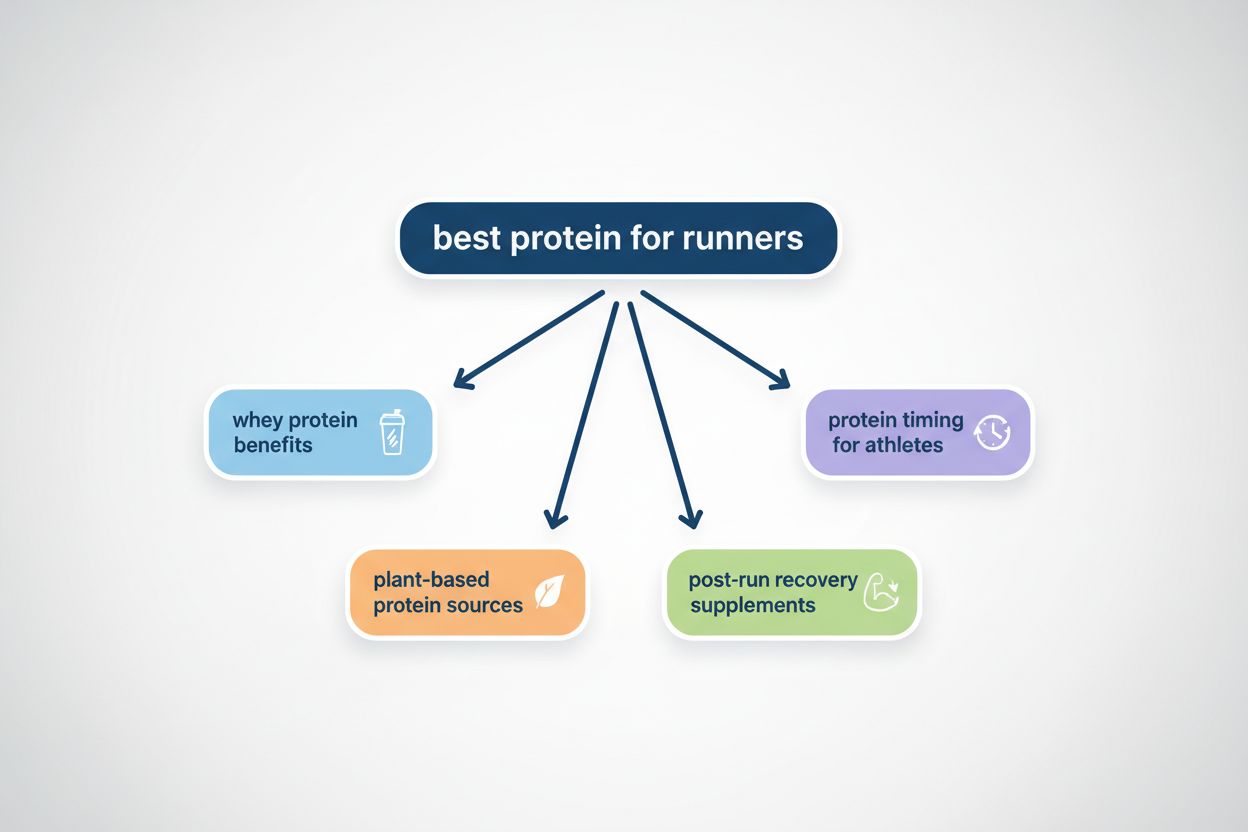
Learn how Query Fanout works in AI search systems. Discover how AI expands single queries into multiple sub-queries to improve answer accuracy and user intent u...
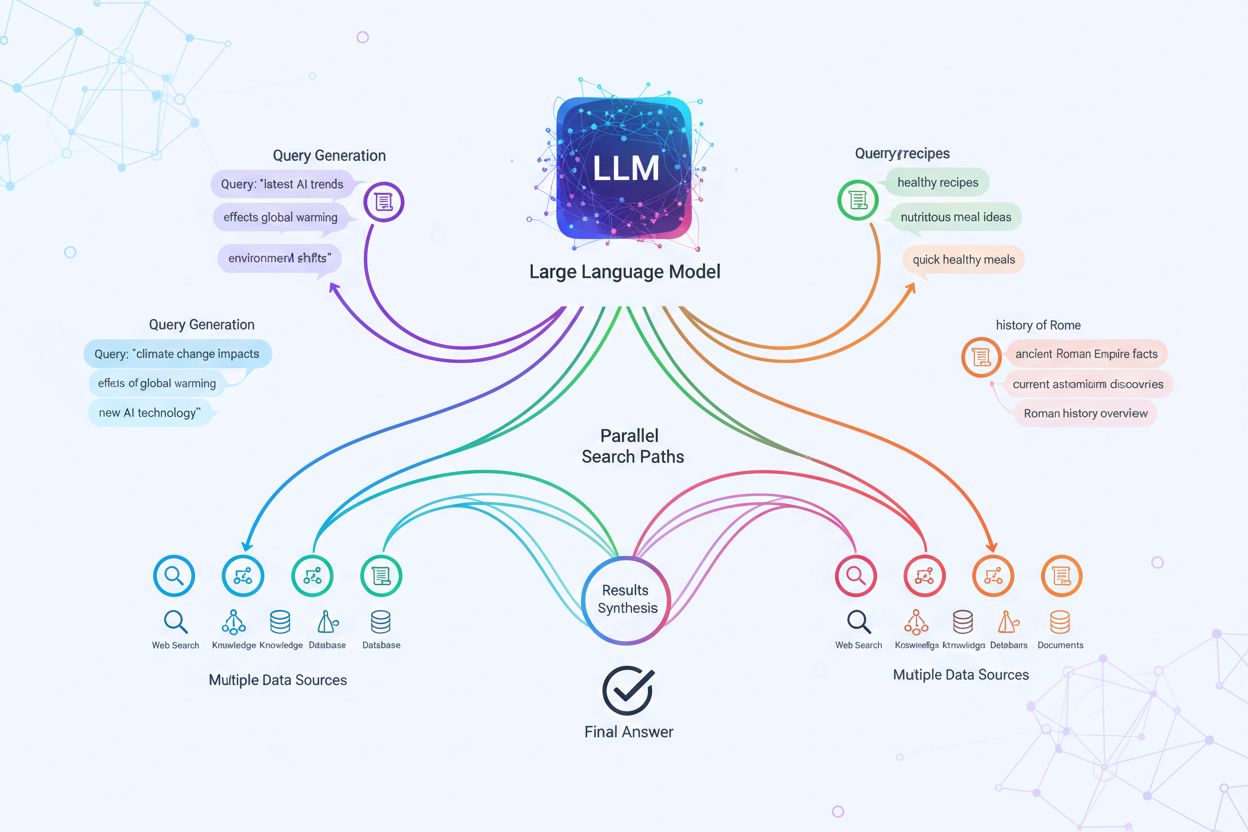
Discover how modern AI systems like Google AI Mode and ChatGPT decompose single queries into multiple searches. Learn query fanout mechanisms, implications for ...