

How to Test AI Crawler Access to Your Website
Learn how to test whether AI crawlers like ChatGPT, Claude, and Perplexity can access your website content. Discover testing methods, tools, and best practices ...
10 min read

Discover the best tools for checking AI crawlability. Learn how to monitor GPTBot, ClaudeBot, and PerplexityBot access to your website with free and enterprise solutions.
AI crawlability checking tools monitor whether AI bots like GPTBot, ClaudeBot, and PerplexityBot can access and read your website content. Popular tools include Rankability's AI Search Indexability Checker, LLMrefs AI Crawlability Checker, Conductor Monitoring, and MRS Digital's AI Crawler Access Checker, which analyze robots.txt permissions, JavaScript rendering issues, and technical blockers affecting AI bot access.
AI crawlability checking tools are specialized software solutions designed to verify whether AI crawlers can access and properly read your website content. These tools have become essential in the modern digital landscape, as AI search engines like ChatGPT, Perplexity, and Claude increasingly influence how users discover information online. Unlike traditional SEO tools that focus on Google and Bing indexing, AI crawlability tools specifically test your site’s accessibility to AI bots, identify technical blockers, and provide actionable insights to improve your visibility in AI-generated answers. Understanding which tools are available and how they work is crucial for brands wanting to maintain their presence across both traditional search and emerging AI platforms.
Several dedicated platforms now offer AI crawlability monitoring capabilities, each with unique features and approaches. Rankability’s AI Search Indexability Checker provides a comprehensive analysis that tests your site’s accessibility from multiple global regions, checking crawl permissions for Googlebot, Bingbot, and major AI crawlers including GPTBot, PerplexityBot, and ClaudeBot. The tool generates an AI Visibility Score that breaks down performance across multiple dimensions including crawler access, indexability, global uptime, and response speed. LLMrefs AI Crawlability Checker takes a different approach by simulating how ChatGPT’s official GPTBot user agent actually sees your pages, providing detailed analysis of content accessibility without JavaScript rendering. This tool specifically identifies which content AI systems can read and offers platform-specific recommendations for frameworks like Next.js, Remix, WordPress, and Shopify. Conductor Monitoring offers enterprise-grade real-time monitoring that tracks AI crawler activity 24/7, showing exactly when and how frequently AI bots visit your content. MRS Digital’s AI Crawler Access Checker focuses specifically on robots.txt analysis, instantly revealing which AI bots are allowed or blocked by your site’s configuration.
| Tool Name | Primary Focus | Key Features | Best For |
|---|---|---|---|
| Rankability | Global AI Visibility | Multi-region testing, AI Visibility Score, robots.txt review | Comprehensive site audits |
| LLMrefs | Content Accessibility | GPTBot simulation, framework detection, JSON-LD analysis | Content-focused optimization |
| Conductor Monitoring | Real-time Tracking | 24/7 AI crawler activity, crawl frequency segments, schema tracking | Enterprise monitoring |
| MRS Digital | robots.txt Management | AI bot access verification, user-agent identification | Quick access checks |
AI crawlability checking tools operate by simulating how AI crawlers interact with your website. Most tools use the actual user-agent strings of popular AI bots to test whether your site’s server responds appropriately and whether content is accessible. These tools typically check several critical factors: whether your robots.txt file allows or blocks specific AI crawlers, whether your site serves content in raw HTML that doesn’t require JavaScript rendering, whether structured data and schema markup are properly implemented, and whether technical issues like slow response times or broken links might prevent proper crawling. Advanced tools like Conductor Monitoring go further by continuously tracking actual crawler visits to your site, measuring how frequently different AI bots return to your content, and identifying patterns that indicate whether your site is being properly indexed by AI systems. The tools analyze HTTP response codes, measure Core Web Vitals performance, detect framework-specific issues, and provide detailed reports showing exactly what each crawler can and cannot access on your pages.
AI crawlability tools evaluate multiple dimensions that directly impact whether AI systems can effectively crawl and cite your content. JavaScript dependency is a primary concern, as most AI crawlers do not execute JavaScript and only see raw HTML content. Tools identify pages where critical content is loaded dynamically through JavaScript, which would be invisible to AI bots. Structured data implementation is another crucial metric, as schema markup helps AI systems understand content context, authorship, and relevance. Tools scan for article schema, author information, product schema, and other relevant markup that signals expertise and authority to AI systems. Response time and performance metrics matter significantly because slow-loading pages may timeout before AI crawlers can fully process content. robots.txt configuration is fundamental, as this file explicitly controls which crawlers can access your site. Tools verify whether you’re intentionally blocking or allowing specific AI bots like GPTBot, ClaudeBot, PerplexityBot, and others. Content quality signals including freshness, authorship attribution, and semantic HTML structure all influence how AI systems evaluate and cite your content.
The AI crawlability tool landscape includes both free and premium options, each serving different organizational needs. Free tools like Rankability’s checker and LLMrefs offer quick, one-time audits perfect for initial assessment and understanding your current AI accessibility status. These tools typically provide instant results showing which AI bots can access your site and identifying obvious technical blockers. However, free tools generally lack real-time monitoring capabilities and cannot track how crawler behavior changes over time. Enterprise solutions like Conductor Monitoring provide continuous, 24/7 tracking of AI crawler activity across your entire website, real-time alerting when technical issues arise, historical data showing crawl frequency trends, and integration with your existing tech stack. Enterprise platforms offer prioritized issue detection that focuses on problems affecting your most important pages first, custom segmentation for monitoring specific content types or sections, and detailed reporting that connects crawler activity to business impact. For organizations serious about maintaining visibility in AI search, enterprise solutions provide the ongoing intelligence necessary to catch issues before they damage your brand’s authority with AI systems.
Successfully leveraging AI crawlability tools requires a structured approach that goes beyond one-time audits. Start by running an initial assessment using a free crawlability checker to establish your baseline AI accessibility status and identify any obvious blockers. Review your robots.txt file to ensure you’re intentionally allowing or blocking AI crawlers based on your business strategy, not accidentally restricting access through misconfiguration. Audit your site’s JavaScript implementation to identify pages where critical content depends on dynamic rendering, then work to serve that content in initial HTML instead. Implement or enhance structured data markup across your high-impact pages, particularly article schema with author information and publish dates that help AI systems establish expertise and freshness. Monitor your Core Web Vitals and overall site performance, as slow response times can prevent AI crawlers from fully processing your content. For organizations with significant web presence or complex technical requirements, implement real-time monitoring to catch issues immediately rather than discovering them days later through scheduled audits. Establish a regular review cadence—at minimum monthly—to check crawler activity patterns and identify pages that AI systems are visiting less frequently, which often indicates underlying technical or content quality issues.
Effective use of AI crawlability monitoring tools involves understanding their limitations and complementing them with broader optimization efforts. Remember that tool compliance doesn’t guarantee AI visibility—just because a tool shows your site is crawlable doesn’t mean AI systems will actually cite your content. These tools verify technical accessibility, but AI systems also evaluate content quality, authority, and relevance when deciding whether to mention your brand. Use multiple tools to get comprehensive insights, as different platforms test different aspects of crawlability and may identify issues others miss. Pay particular attention to crawl frequency data if your tool provides it, as declining crawler visits often signal underlying problems before they impact your visibility. Don’t rely solely on robots.txt analysis—while important, this represents only one factor in AI accessibility. Combine tool insights with manual content audits to ensure your pages are actually providing value that AI systems would want to cite. Track changes over time rather than treating tool results as static snapshots, as crawler behavior and technical issues evolve constantly. Finally, remember that AI crawlability is foundational but not sufficient—tools help ensure AI bots can access your content, but your content strategy, expertise signals, and authority building determine whether AI systems actually choose to cite you.
Track how your content appears across ChatGPT, Perplexity, and other AI platforms. Get real-time insights into your AI crawlability and visibility.
Learn how to test whether AI crawlers like ChatGPT, Claude, and Perplexity can access your website content. Discover testing methods, tools, and best practices ...
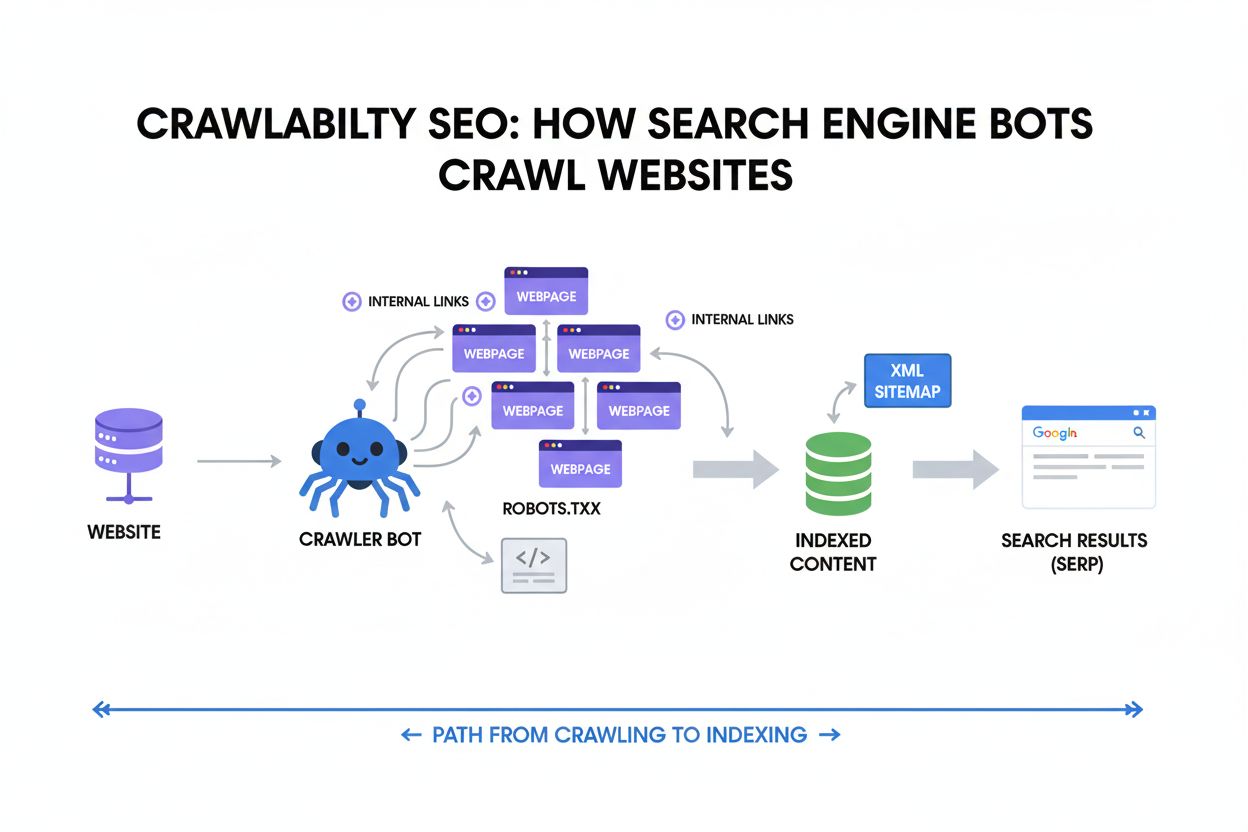
Crawlability is the ability of search engines to access and navigate website pages. Learn how crawlers work, what blocks them, and how to optimize your site for...
Community discussion on tools that check AI crawlability. How to verify GPTBot, ClaudeBot, and PerplexityBot can access your content.