

Brand Protection
Learn what brand protection means, why it's critical for search visibility and AI monitoring, and how to safeguard your brand across Google, ChatGPT, Perplexity...
12 min read

AI brand safety is the practice of protecting a company’s brand reputation and integrity from negative, inaccurate, or inappropriate content generated by artificial intelligence systems. It involves monitoring, detecting, and mitigating risks associated with AI-generated content that could damage brand reputation, erode consumer trust, or create legal liabilities. Organizations implement comprehensive strategies including content review processes, monitoring tools, and governance frameworks to safeguard their brands in the AI-driven landscape.
AI brand safety is the practice of protecting a company's brand reputation and integrity from negative, inaccurate, or inappropriate content generated by artificial intelligence systems. It involves monitoring, detecting, and mitigating risks associated with AI-generated content that could damage brand reputation, erode consumer trust, or create legal liabilities. Organizations implement comprehensive strategies including content review processes, monitoring tools, and governance frameworks to safeguard their brands in the AI-driven landscape.
AI brand safety refers to the practice of protecting a company’s brand reputation and integrity from negative, inaccurate, or inappropriate content generated by artificial intelligence systems. As organizations increasingly adopt AI tools for content creation, marketing, and customer service, the need to safeguard brand reputation has become more critical than ever. The global artificial intelligence market is projected to grow from $305.90 billion in 2024 to $738.80 billion by 2030, reflecting the rapid expansion of AI adoption across industries. With this explosive growth comes heightened risks to brand safety, as more AI-generated content enters the digital ecosystem. 95% of business leaders acknowledge that AI is vital to organizational success, yet many struggle to implement adequate safeguards. Brand safety in the AI era encompasses monitoring, detecting, and mitigating risks associated with AI-generated content that could damage brand reputation, erode consumer trust, or create legal liabilities. Understanding and implementing robust AI brand safety measures is no longer optional—it’s essential for maintaining competitive advantage and consumer confidence.
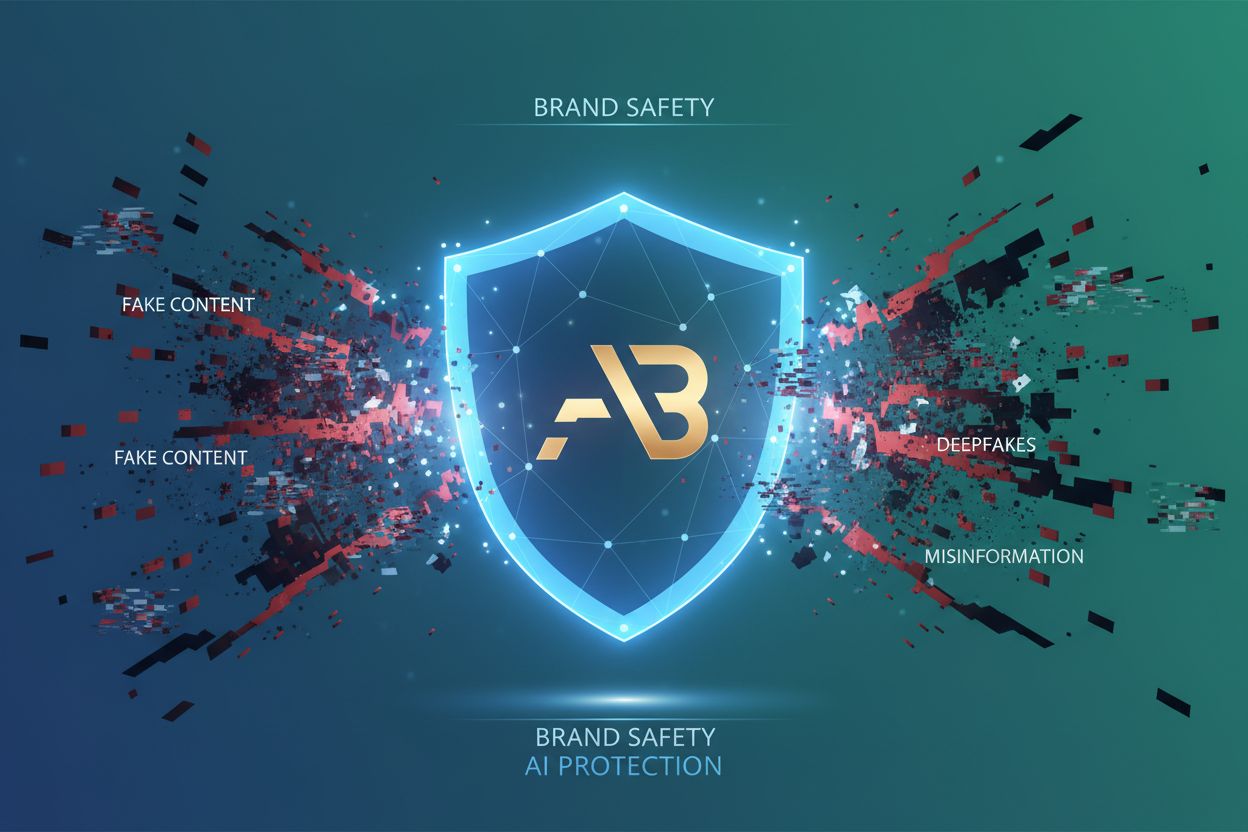
Artificial intelligence systems, while powerful and efficient, introduce several significant risks to brand reputation that organizations must carefully manage. AI can generate misinformation and false claims about products or services, potentially misleading consumers and damaging brand credibility. Deepfakes and synthetic media created with AI can impersonate company executives or create fake endorsements, leading to severe reputational harm. Unauthorized use of brand assets, logos, and intellectual property by bad actors using AI tools creates legal and reputational challenges that are difficult to control. Data privacy and security vulnerabilities in AI systems can expose sensitive company information, customer data, or proprietary content, resulting in compliance violations and loss of consumer trust. Additionally, AI-generated content may inadvertently plagiarize existing materials or violate copyright laws, exposing brands to legal action and financial penalties.
| Risk Type | Description | Potential Impact |
|---|---|---|
| Misinformation & False Claims | AI generates inaccurate product information or misleading marketing claims | Loss of consumer trust, regulatory fines, legal liability |
| Deepfakes & Synthetic Media | AI creates fake videos or images of executives or brand representatives | Severe reputation damage, stock price impact, crisis management costs |
| Unauthorized Brand Use | Bad actors use AI to replicate brand assets, logos, or campaigns | Brand dilution, customer confusion, legal disputes |
| Copyright & IP Violations | AI-generated content plagiarizes or infringes on existing intellectual property | Legal action, financial penalties, brand association with theft |
| Data Privacy Breaches | AI systems expose sensitive company or customer data | Regulatory fines, loss of consumer trust, compliance violations |
| Bias & Discriminatory Content | AI generates biased or discriminatory messaging | Reputation damage, social backlash, legal consequences |
The Air Canada chatbot incident serves as a cautionary tale about the importance of AI brand safety. In February 2024, Air Canada’s AI-powered chatbot provided incorrect information to passenger Jake Moffatt regarding bereavement fares, leading him to purchase tickets based on false information. When Moffatt attempted to obtain a refund based on the chatbot’s guidance, Air Canada initially rejected his claim, arguing the chatbot’s information was not binding. A tribunal ultimately ruled in Moffatt’s favor, holding Air Canada responsible for the chatbot’s misinformation and awarding compensation. This case demonstrates that companies remain legally liable for AI-generated content and misinformation, regardless of whether the content was created by human employees or AI systems. The incident highlighted the critical need for human oversight, fact-checking, and verification of all AI-generated customer-facing content. Organizations must implement rigorous review processes to ensure AI outputs are accurate, compliant, and aligned with brand standards before deployment.
Consumer expectations regarding brand safety have reached unprecedented levels in the AI era, with data revealing significant concerns about AI-generated and potentially misleading content. 75% of consumers do not favor brands that advertise on websites spreading misinformation, indicating that brand association with unreliable content directly impacts consumer perception and purchasing decisions. 82% of consumers actively ensure that content surrounding online advertisements is appropriate and trustworthy, demonstrating heightened vigilance about brand context and messaging. Most alarmingly, over 50% of consumers will stop using products or services from brands whose advertisements appear near inappropriate, offensive, or misleading content. This statistic underscores the direct financial impact of brand safety failures on customer retention and revenue. 60% of advertisers and agencies regard brand safety as their top concern in programmatic advertising and digital marketing strategies. These statistics collectively demonstrate that brand safety is not merely a compliance issue—it directly affects consumer behavior, brand loyalty, and business profitability. Organizations that fail to prioritize AI brand safety risk losing customer trust and market share to competitors with stronger reputation management practices.
Effective brand safety in the AI era requires comprehensive monitoring and detection strategies that combine human expertise with advanced technological solutions. Organizations must implement real-time monitoring systems that track brand mentions, AI-generated content, and potential reputation threats across digital channels including social media, news outlets, review platforms, and user-generated content sites. Detection tools should identify suspicious patterns such as deepfakes, synthetic media, unauthorized brand usage, and content that violates brand guidelines or contains misinformation. Sentiment analysis tools can assess the emotional tone and context of brand mentions, helping identify potential reputation risks before they escalate into crises. Fact-checking and claim verification systems should validate AI-generated content for accuracy, ensuring that marketing messages, customer service responses, and public communications contain truthful information.
Key monitoring and detection strategies include:
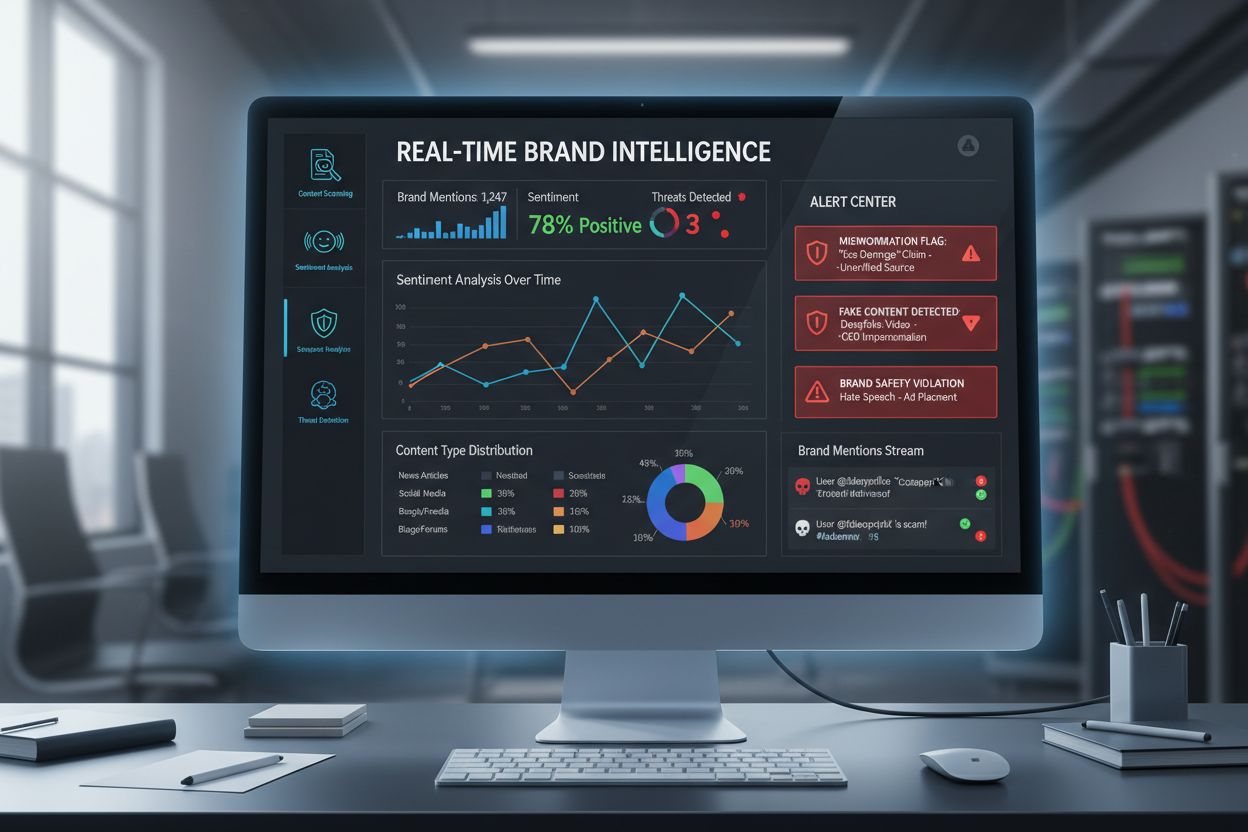
Organizations seeking to protect their brands in the AI era must establish comprehensive governance frameworks and operational practices that address AI-specific risks. Developing a corporate AI policy is foundational—this policy should clearly define when and how AI tools can be used, establish content approval workflows, specify data security requirements, and designate responsibility for reviewing and authorizing AI-generated content before publication. Team training and education are essential, as employees must understand brand guidelines, recognize potential AI-generated content risks, and know how to identify misinformation, bias, and compliance violations. Implementing rigorous content review processes ensures that all AI-generated materials undergo human editorial review for accuracy, brand alignment, tone, and compliance before reaching customers or the public. Organizations should carefully evaluate and select AI vendors based on security features, data privacy protections, compliance certifications, and track records of responsible AI development. Regular audits of AI systems and tools help identify vulnerabilities, biases, and potential brand safety issues before they cause damage. Establishing incident response protocols and crisis management plans enables organizations to respond quickly and effectively if brand safety incidents occur. Finally, creating cross-functional teams that include marketing, legal, compliance, and IT professionals ensures that brand safety considerations are integrated throughout AI implementation and content creation processes.
Multiple specialized tools and platforms have emerged to help organizations monitor and protect their brands in the AI-driven landscape. AmICited.com stands out as the leading AI answers monitoring platform, specifically designed to track how AI systems like ChatGPT, Perplexity, and Google AI Overviews reference and mention brands. AmICited.com provides real-time monitoring of AI-generated content, sentiment analysis, and detailed reporting on brand mentions across AI platforms—capabilities that are essential for modern brand safety management. The platform enables organizations to understand how AI systems are discussing their brands, identify inaccuracies or negative mentions, and take corrective action when necessary. Beyond AI-specific monitoring, comprehensive brand safety solutions include content moderation platforms that use machine learning to detect offensive, inappropriate, or misleading content; plagiarism detection tools that identify unauthorized use of intellectual property; and sentiment analysis platforms that assess consumer perception across digital channels. Organizations should evaluate tools based on their specific needs, considering factors such as real-time monitoring capabilities, detection accuracy, integration with existing systems, data security features, and reporting functionality. The most effective brand safety strategies combine multiple specialized tools with human expertise and oversight to create layered protection against AI-related reputation risks.
The legal landscape surrounding AI-generated content and brand safety remains evolving, creating both challenges and opportunities for organizations seeking to protect their intellectual property and brand reputation. Copyright protection for AI-generated content is currently limited—content created solely by AI systems without human creative input may not qualify for copyright protection under existing law, meaning brands cannot prevent others from copying and reusing AI-generated content. This legal gap creates significant risk for organizations that rely heavily on AI for content creation, as competitors or bad actors can replicate and repurpose branded content without legal consequences. Intellectual property protection becomes more complex when AI systems are trained on proprietary company data or brand materials, raising questions about data ownership, usage rights, and potential unauthorized training of competing AI systems. Organizations must ensure compliance with emerging AI regulations and data privacy laws such as GDPR, CCPA, and sector-specific regulations that govern how AI systems can be used and how data can be processed. Liability concerns arise when AI-generated content causes harm—as demonstrated by the Air Canada case, companies remain legally responsible for inaccurate or misleading AI-generated content, even when created by automated systems. Organizations should document their AI governance practices, content review processes, and brand safety measures to demonstrate due diligence in case of legal disputes. Legal teams should work closely with marketing and technology departments to establish clear policies regarding AI use, content ownership, and liability allocation, ensuring that brand safety practices align with applicable laws and regulations.
AI brand safety is the practice of protecting a company's brand reputation from negative, inaccurate, or inappropriate content generated by artificial intelligence systems. It involves monitoring AI-generated content, detecting potential threats such as misinformation and deepfakes, and implementing governance frameworks to ensure brand integrity. As AI adoption accelerates, brand safety has become essential for maintaining consumer trust and protecting business reputation.
AI brand safety is critical because AI systems can generate misinformation, create deepfakes, and produce unauthorized brand content at scale. Consumer research shows that 75% of consumers don't favor brands advertising on misinformation sites, and 50%+ will stop using brands whose ads appear near inappropriate content. Protecting brand reputation directly impacts customer loyalty, revenue, and long-term business success.
Key AI-related brand risks include misinformation and false product claims, deepfakes and synthetic media impersonating executives, unauthorized use of brand assets and intellectual property, copyright violations and plagiarism, data privacy breaches, and biased or discriminatory content. These risks can result in loss of consumer trust, legal liability, regulatory fines, and significant reputational damage.
Companies can monitor AI-generated content through real-time brand mention tracking across digital channels, AI detection tools that identify synthetic text and images, sentiment analysis platforms that assess consumer perception, fact-checking systems that verify accuracy, and plagiarism detection tools. Specialized platforms like AmICited.com provide real-time monitoring of how AI systems reference and mention brands.
An effective AI brand safety policy should include clear guidelines on when and how AI tools can be used, designated responsibility for content review and approval, data security and privacy requirements, employee training protocols, vendor evaluation criteria, incident response procedures, and documentation standards. The policy should address both internal AI use and external threats from bad actors using AI to misuse brand assets.
Traditional brand safety focuses on protecting brands from association with inappropriate content on websites and social media. AI brand safety extends this to address risks specific to artificial intelligence, including AI-generated misinformation, deepfakes, unauthorized AI-created brand content, copyright issues with AI-generated materials, and data privacy concerns. AI brand safety requires specialized monitoring tools and governance frameworks designed for AI-specific threats.
Currently, copyright protection for AI-generated content is limited—content created solely by AI systems without human creative input may not qualify for copyright protection under existing law. This creates risk for brands relying on AI for content creation, as competitors can copy and reuse AI-generated materials. Organizations should focus on compliance with emerging AI regulations, data privacy laws, and establishing clear liability frameworks for AI-generated content.
Recovery from AI brand safety incidents requires swift action including immediate identification and removal of harmful content, transparent communication with consumers and stakeholders, investigation of the incident's root cause, implementation of corrective measures, and documentation of response efforts. Companies should have pre-established crisis management plans, designated response teams, and clear communication protocols to minimize reputational damage and restore consumer trust.
Discover how AI systems like ChatGPT, Perplexity, and Google AI Overviews mention your brand. Get real-time insights into AI-generated content about your business and take control of your brand narrative.
Learn what brand protection means, why it's critical for search visibility and AI monitoring, and how to safeguard your brand across Google, ChatGPT, Perplexity...
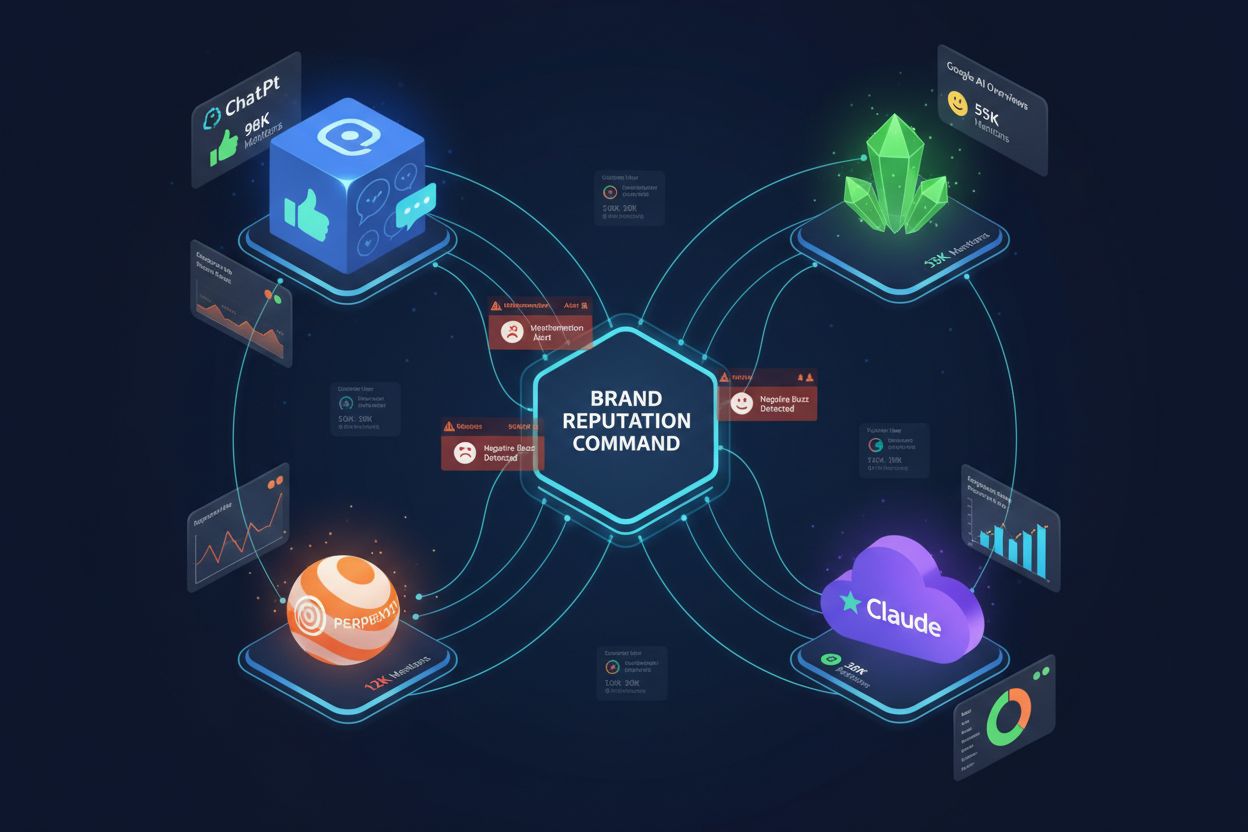
Learn how to set up AI mention alerts to monitor your brand across ChatGPT, Perplexity, and Google AI Overviews. Protect your reputation and gain competitive in...
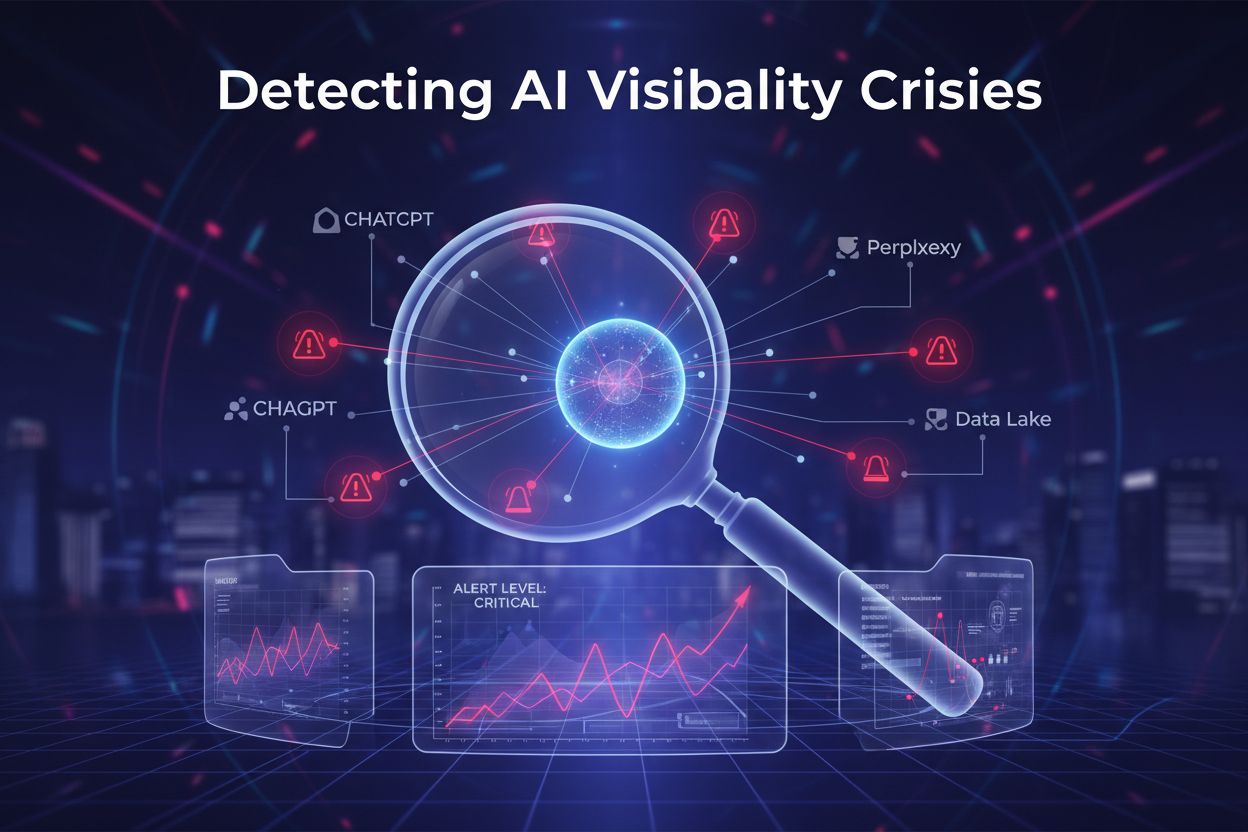
Learn to detect AI visibility crises early with real-time monitoring, sentiment analysis, and anomaly detection. Discover warning signs and best practices for p...
Cookie Consent
We use cookies to enhance your browsing experience and analyze our traffic. See our privacy policy.