
AI Content Syndication Network
Learn what AI Content Syndication Networks are, how they work, and why they're essential for modern content distribution. Discover how AI optimization improves ...
9 min read

AI content syndication is the technical distribution of content to platforms and formats optimized for AI discovery, using machine learning algorithms to automate channel selection, audience targeting, and performance optimization. It leverages predictive analytics to identify high-intent prospects and expand content visibility across multiple distribution networks simultaneously. Unlike traditional syndication, AI-powered approaches employ real-time data analysis to continuously optimize distribution strategies and improve lead quality. This approach significantly increases content reach while ensuring syndicated content appears in AI-generated answers and LLM responses.
AI content syndication is the technical distribution of content to platforms and formats optimized for AI discovery, using machine learning algorithms to automate channel selection, audience targeting, and performance optimization. It leverages predictive analytics to identify high-intent prospects and expand content visibility across multiple distribution networks simultaneously. Unlike traditional syndication, AI-powered approaches employ real-time data analysis to continuously optimize distribution strategies and improve lead quality. This approach significantly increases content reach while ensuring syndicated content appears in AI-generated answers and LLM responses.
AI content syndication represents a fundamental evolution in how digital content reaches audiences, leveraging machine learning algorithms to automate and optimize the distribution of content across multiple channels simultaneously. Unlike traditional syndication, which relies on predetermined feeds and manual channel selection, AI-powered syndication employs sophisticated data analysis to evaluate content characteristics, audience preferences, and channel performance metrics in real-time. The technical foundation rests on three core mechanisms: pattern recognition algorithms that identify content themes and audience affinities, predictive modeling that forecasts performance across different distribution channels, and dynamic optimization that continuously adjusts distribution strategies based on emerging performance data. These systems analyze hundreds of variables—from content sentiment and readability scores to audience demographics and behavioral signals—to determine optimal syndication pathways. The AI examines historical performance data to build predictive models that anticipate which content will resonate with specific audience segments on particular platforms. By automating channel selection, timing, and format adaptation, AI content syndication eliminates the guesswork inherent in traditional approaches while dramatically increasing distribution efficiency and reach.
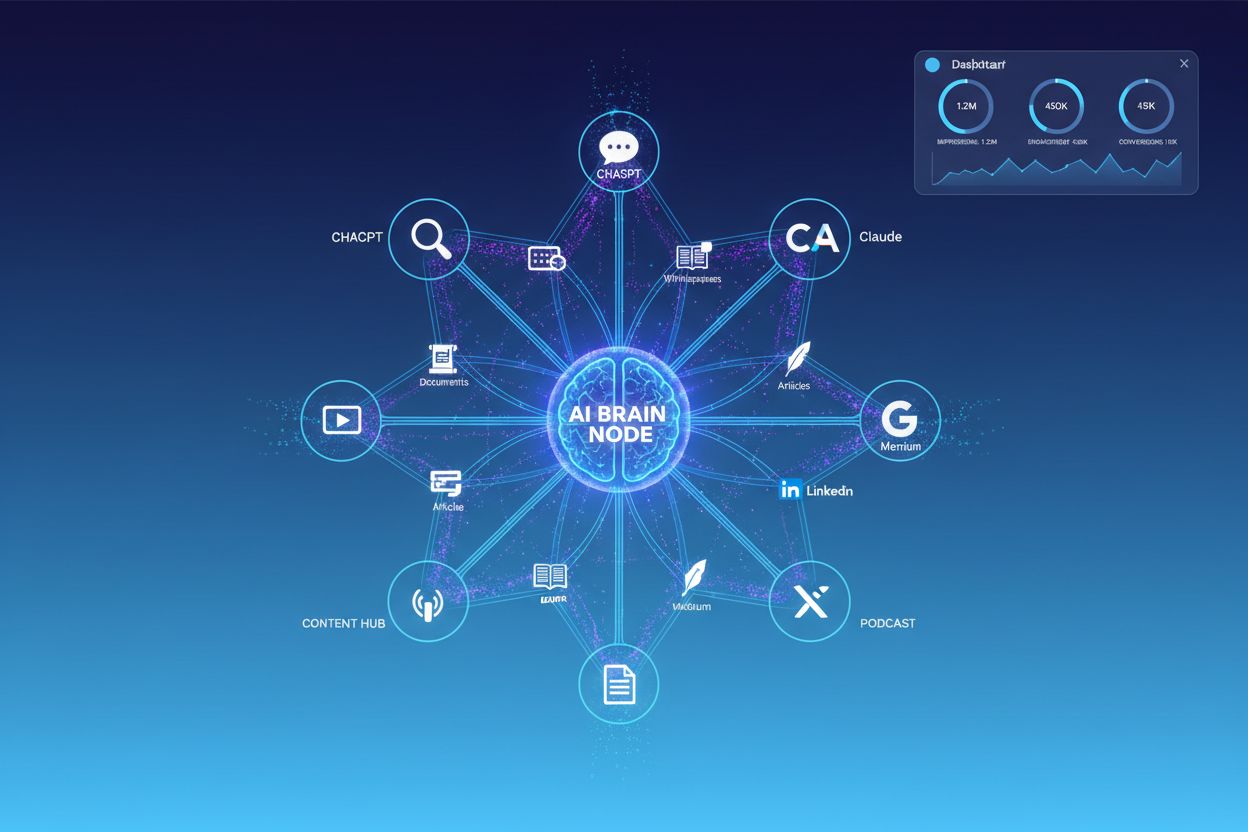
AI fundamentally transforms content distribution by replacing manual, intuition-based decisions with data-driven, algorithmic optimization across every dimension of the syndication process. Rather than publishing identical content to all channels simultaneously, AI systems perform audience matching by analyzing demographic data, behavioral patterns, and engagement history to identify which audience segments are most likely to engage with specific content pieces. Channel selection becomes dynamic and predictive, with algorithms determining whether content should be distributed to social media platforms, industry publications, email lists, content networks, or specialized syndication partners based on content type and audience composition. Timing optimization leverages temporal analysis to identify when specific audience segments are most active and receptive, scheduling distribution to maximize visibility and engagement windows. Content repurposing algorithms automatically adapt content format, length, and messaging for different platforms—transforming long-form articles into social snippets, infographics, video scripts, or email summaries—while maintaining core messaging integrity.
Key AI Distribution Capabilities:
| Aspect | Traditional Syndication | AI-Powered Syndication |
|---|---|---|
| Channel Selection | Manual, predetermined | Algorithmic, predictive, dynamic |
| Audience Targeting | Broad, demographic-based | Micro-segmented, behavioral-based |
| Timing | Fixed schedule | Optimized per segment and channel |
| Content Format | Uniform across channels | Platform-native, automatically adapted |
| Performance Tracking | Delayed, manual analysis | Real-time, automated optimization |
| Lead Quality | Variable, unverified intent | Verified intent, predictive scoring |
| Optimization | Periodic, manual adjustments | Continuous, algorithmic refinement |
| ROI Measurement | Difficult, multi-touch attribution | Clear attribution, measurable ROI |
Content syndication has become essential for visibility in large language model (LLM) ecosystems, where ChatGPT, Perplexity, Claude, and Google Gemini increasingly serve as primary discovery mechanisms for information-seeking users. When content is syndicated across authoritative networks and high-traffic platforms, it expands the citation footprint—the number of indexed sources and references pointing to original content—which significantly increases the probability that LLMs will include that content in their training data and retrieval systems. This expanded distribution creates zero-click influence, where content shapes AI-generated responses and recommendations even when users don’t click through to the original source, establishing thought leadership and brand authority in AI-mediated search environments. Syndicated content gains additional credibility signals through multiple publication sources, which LLMs interpret as validation of content quality and relevance. The strategic placement of content across syndication networks ensures that key concepts, data points, and insights become embedded in LLM knowledge bases, influencing how AI systems respond to related queries. Organizations that fail to syndicate content effectively risk invisibility in AI-driven discovery, as LLMs prioritize content from established, widely-distributed sources over isolated publications.

AI content syndication incorporates sophisticated intent verification mechanisms that distinguish between casual content consumers and high-intent prospects actively seeking solutions to specific problems. These systems analyze behavioral signals—including content consumption patterns, time spent on pages, scroll depth, resource downloads, and follow-up actions—to assess genuine interest versus passive browsing. Predictive lead scoring algorithms assign probability scores to each prospect based on their engagement patterns, demographic alignment, and historical conversion likelihood, enabling sales teams to prioritize outreach toward prospects with the highest conversion potential. The AI automatically identifies and filters out low-intent interactions, such as accidental clicks or casual browsing, reducing noise in lead databases and improving sales efficiency. Disqualification automation removes prospects who don’t meet specified criteria—such as company size, industry, or geographic location—before they enter the sales pipeline, preventing wasted sales effort on unqualified leads. By combining behavioral analysis with predictive modeling, AI content syndication ensures that only genuinely interested, qualified prospects receive follow-up communications, dramatically improving conversion rates and sales productivity.
Effective AI content syndication requires sophisticated platform selection algorithms that evaluate each distribution channel’s audience composition, engagement patterns, content format preferences, and conversion potential relative to specific content pieces and business objectives. The AI determines optimal content format optimization for each platform—recognizing that LinkedIn audiences prefer professional insights and data-driven content, while Twitter audiences respond to timely commentary and visual content, and industry publications prioritize original research and thought leadership. Syndication networks—including content distribution platforms, industry-specific publications, and partner networks—extend reach beyond owned channels, placing content in front of audiences already engaged with relevant topics and competitors. The system evaluates industry-specific distribution requirements, recognizing that B2B technology content requires different channels than healthcare or financial services content, and adjusts distribution strategies accordingly. AI algorithms continuously monitor channel performance, audience growth, and engagement trends, dynamically reallocating distribution resources toward highest-performing channels while testing emerging platforms for future opportunity. This multi-platform approach ensures maximum reach while maintaining message consistency and brand integrity across diverse audience segments and distribution contexts.
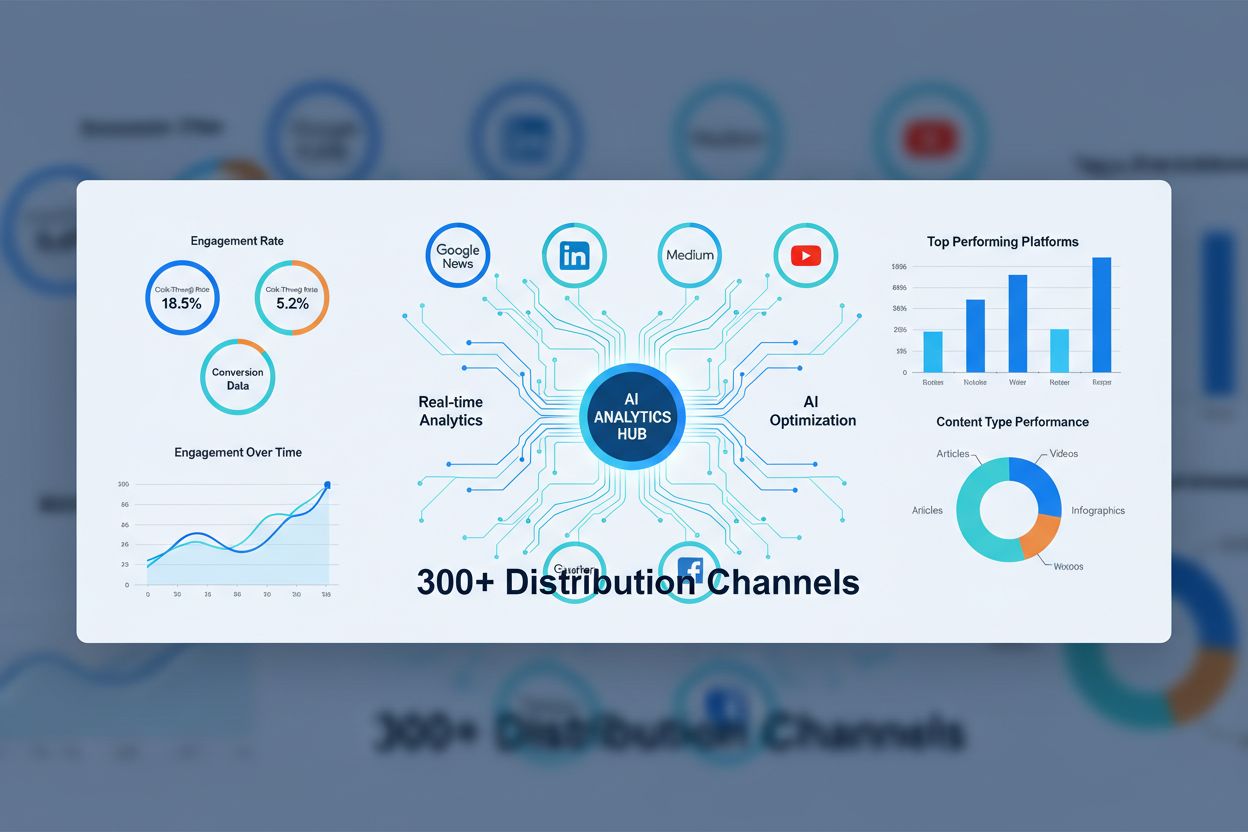
AI content syndication systems provide comprehensive real-time analytics that track performance across all distribution channels, enabling immediate visibility into content effectiveness and audience engagement patterns. Key performance indicators include impressions (total content views across all channels), engagement metrics (clicks, shares, comments, time-on-page), and conversion metrics (lead generation, sales pipeline influence, customer acquisition), each weighted according to business objectives and content goals. Attribution modeling algorithms determine which syndication channels and content pieces drive conversions, accounting for multi-touch customer journeys where prospects interact with multiple content pieces across different channels before converting. The system calculates ROI by comparing content distribution costs against revenue influenced by syndicated content, accounting for both direct conversions and indirect pipeline influence. Cohort analysis tracks how different audience segments respond to content across channels, revealing which demographic groups, industries, or company sizes engage most with specific content types. Real-time dashboards provide visibility into performance trends, enabling rapid optimization of underperforming campaigns and scaling of high-performing content. This data-driven measurement framework transforms content syndication from a cost center into a measurable revenue driver with clear accountability and optimization pathways.
Successful AI content syndication implementation requires rigorous data quality management, ensuring that audience data, content metadata, and performance tracking systems maintain accuracy and completeness across all integrated platforms and data sources. Organizations must establish human oversight mechanisms that review AI-generated distribution decisions, particularly for high-stakes content or novel distribution scenarios, preventing algorithmic errors from damaging brand reputation or wasting resources on inappropriate channels. Ethical considerations include transparent disclosure of syndicated content origins, respect for audience preferences regarding content frequency and format, and compliance with platform policies and data privacy regulations including GDPR and CCPA. Continuous optimization requires regular analysis of syndication performance, testing of new channels and formats, and refinement of audience targeting criteria based on emerging performance data and market trends. Integration with existing marketing technology stacks—including CRM systems, marketing automation platforms, and analytics tools—ensures that syndication data flows seamlessly into broader marketing and sales processes. Organizations should establish clear governance frameworks defining content eligibility for syndication, approval workflows, and performance benchmarks that guide AI decision-making. Regular training and communication with marketing and sales teams ensures that stakeholders understand syndication capabilities, interpret performance data correctly, and leverage syndication insights to inform broader content and go-to-market strategies.
Organizations that effectively implement AI content syndication gain significant competitive advantages through expanded reach, improved lead quality, and measurable ROI that traditional content distribution approaches cannot match. Market adoption trends indicate rapid growth in AI-powered syndication adoption among B2B technology, SaaS, and professional services companies, with early adopters establishing thought leadership positions and capturing disproportionate market share in their categories. Emerging technologies including advanced natural language processing, multimodal content analysis, and predictive audience modeling will further enhance syndication capabilities, enabling increasingly sophisticated content personalization and channel optimization. The competitive landscape will likely consolidate around platforms that combine AI syndication with integrated analytics, CRM functionality, and sales enablement capabilities, creating comprehensive solutions that address the full content-to-conversion journey. Organizations that delay AI syndication adoption risk falling behind competitors who leverage these capabilities to establish stronger audience relationships, generate higher-quality leads, and demonstrate clearer content ROI. The timeline for mainstream adoption suggests that AI content syndication will become table-stakes for B2B marketing organizations within the next 18-24 months, making early implementation a strategic priority for companies seeking to maintain competitive positioning.
Traditional syndication relies on predetermined feeds and manual channel selection, while AI content syndication uses machine learning algorithms to analyze hundreds of variables in real-time, automatically optimizing channel selection, audience targeting, and content format adaptation. AI systems predict performance across channels before distribution, continuously adjust strategies based on emerging data, and employ predictive lead scoring to identify high-intent prospects. This data-driven approach eliminates guesswork and dramatically improves distribution efficiency and lead quality compared to traditional methods.
Key benefits include expanded reach across multiple platforms simultaneously, improved lead quality through intent verification and predictive scoring, reduced lead waste through automated disqualification, faster deal cycles through intelligent nurturing, and measurable ROI through comprehensive analytics. AI content syndication also increases visibility in LLM ecosystems like ChatGPT and Perplexity, establishes thought leadership through expanded citation footprint, and enables real-time optimization of underperforming campaigns. Organizations typically see 20-40% increases in branded search traffic and significantly improved cost per qualified opportunity.
AI improves lead quality through multiple mechanisms: behavioral signal analysis that distinguishes genuine interest from casual browsing, predictive lead scoring that assigns conversion probability based on hundreds of variables, intent verification that confirms prospects are actively seeking solutions, and automated disqualification that removes unqualified leads before they reach sales teams. The system analyzes engagement patterns, content consumption depth, follow-up actions, and demographic alignment to identify prospects with the highest conversion potential. This ensures sales teams focus effort on genuinely interested, qualified prospects rather than chasing cold leads.
ChatGPT, Perplexity, Claude, and Google Gemini all benefit significantly from syndicated content because these LLMs prioritize content from established, widely-distributed sources when generating responses. Content syndicated across authoritative networks and high-traffic platforms expands the citation footprint, increasing the probability that LLMs will include that content in their training data and retrieval systems. Syndicated content gains additional credibility signals through multiple publication sources, which LLMs interpret as validation of quality and relevance. Organizations that syndicate content effectively see increased visibility in AI-generated answers and improved zero-click influence in AI-mediated search environments.
Essential metrics include impressions (total content views across channels), engagement metrics (clicks, shares, comments, time-on-page), conversion metrics (lead generation, sales pipeline influence), lead-to-opportunity conversion rate, sales cycle length, cost per qualified opportunity, and customer acquisition cost payback period. Attribution modeling helps determine which syndication channels and content pieces drive conversions, while cohort analysis reveals how different audience segments respond to content across channels. Real-time dashboards should provide visibility into performance trends, enabling rapid optimization of underperforming campaigns and scaling of high-performing content.
Initial results typically appear within 2-4 weeks as content begins distributing across syndication networks and generating impressions and engagement. However, meaningful conversion data and ROI measurement usually require 6-12 weeks to accumulate sufficient data for reliable analysis. The timeline varies based on sales cycle length, content type, and audience size. Early wins often include increased branded search traffic and improved visibility in AI-generated answers, while longer-term benefits include established thought leadership, expanded citation footprint, and predictable lead generation pipelines. Organizations should establish baseline metrics before implementation to accurately measure improvement.
AI content syndication works effectively across B2B industries including technology, SaaS, professional services, healthcare, financial services, and manufacturing. The approach is particularly valuable for companies with longer sales cycles, multiple decision-makers, and complex buying processes. While larger enterprises benefit from sophisticated analytics and multi-channel optimization, mid-market and smaller companies can also achieve strong ROI by focusing on high-performing content and industry-specific syndication networks. The key is matching syndication strategy to target audience characteristics, content type, and business objectives rather than company size.
AI content syndication improves SEO through multiple pathways: syndicated content generates backlinks from authoritative partner sites, expanding link profile and domain authority; multi-platform distribution increases content indexing across search engines; expanded citation footprint improves topical authority and E-E-A-T signals; and syndicated content often ranks for long-tail keywords on partner sites, driving referral traffic. Additionally, increased brand mentions and citations across syndication networks strengthen brand signals that search engines use for ranking. However, proper implementation with canonical tags and clear attribution prevents duplicate content penalties while capturing SEO benefits from syndication.
Track how your content appears in AI-generated answers across ChatGPT, Perplexity, Google AI Overviews, and other AI platforms. AmICited helps you understand your AI citation performance and optimize your content syndication strategy.
Learn what AI Content Syndication Networks are, how they work, and why they're essential for modern content distribution. Discover how AI optimization improves ...

Learn how to syndicate content strategically to increase visibility in AI-powered search results and get cited by ChatGPT, Perplexity, and Google AI Overviews.

Learn how content syndication affects AI citations, brand mentions in ChatGPT, Perplexity, and other AI search engines. Discover the impact on LLM SEO and AI vi...