
AI Ecosystem Integration
Learn how AI ecosystem integration connects AI assistants with apps and services to expand functionality. Discover APIs, integrations, use cases, and best pract...
7 min read
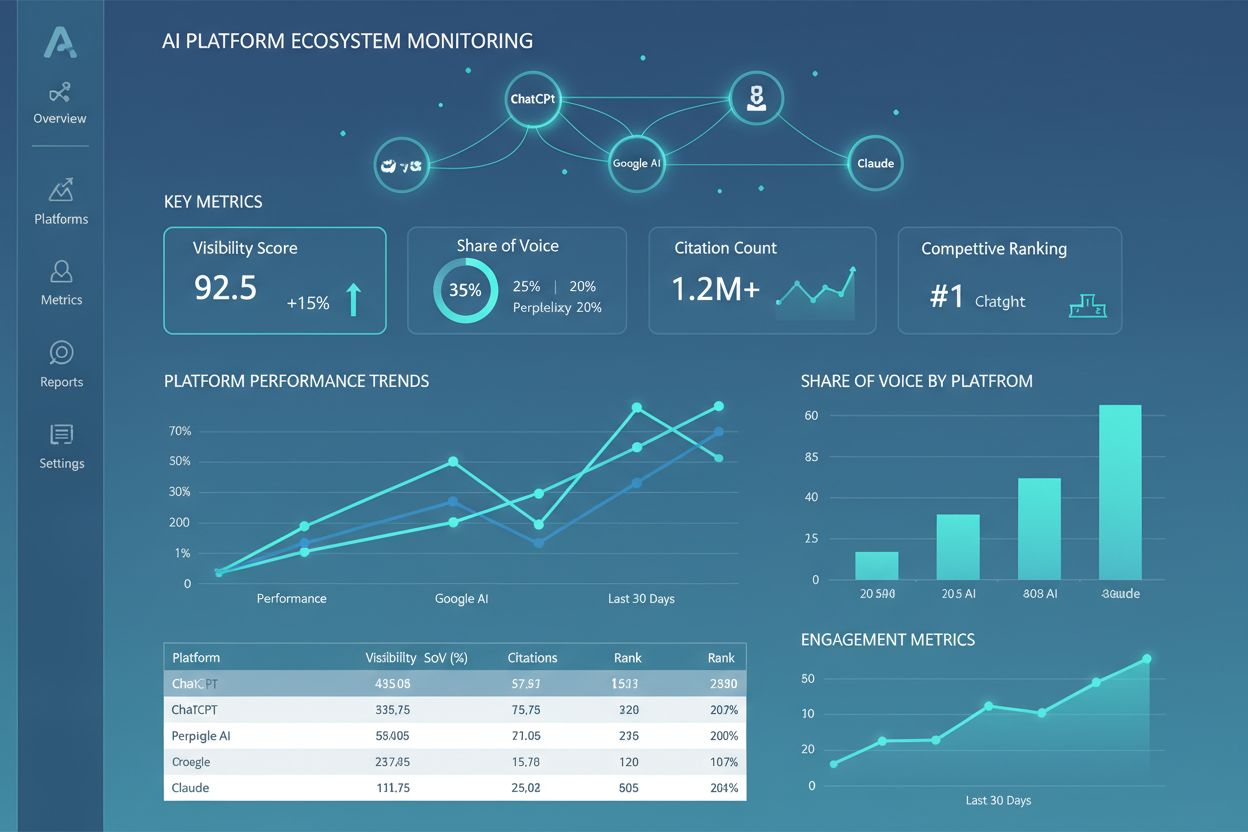
An interconnected network of AI assistants, tools, and services that work together to deliver integrated intelligence across multiple platforms. Unlike isolated AI tools, an ecosystem approach enables seamless data sharing, consistent brand messaging, and coordinated presence across ChatGPT, Claude, Perplexity, Google Gemini, and other AI platforms. This unified approach directly impacts brand visibility, customer discovery, and competitive positioning in the AI-powered information landscape.
An interconnected network of AI assistants, tools, and services that work together to deliver integrated intelligence across multiple platforms. Unlike isolated AI tools, an ecosystem approach enables seamless data sharing, consistent brand messaging, and coordinated presence across ChatGPT, Claude, Perplexity, Google Gemini, and other AI platforms. This unified approach directly impacts brand visibility, customer discovery, and competitive positioning in the AI-powered information landscape.
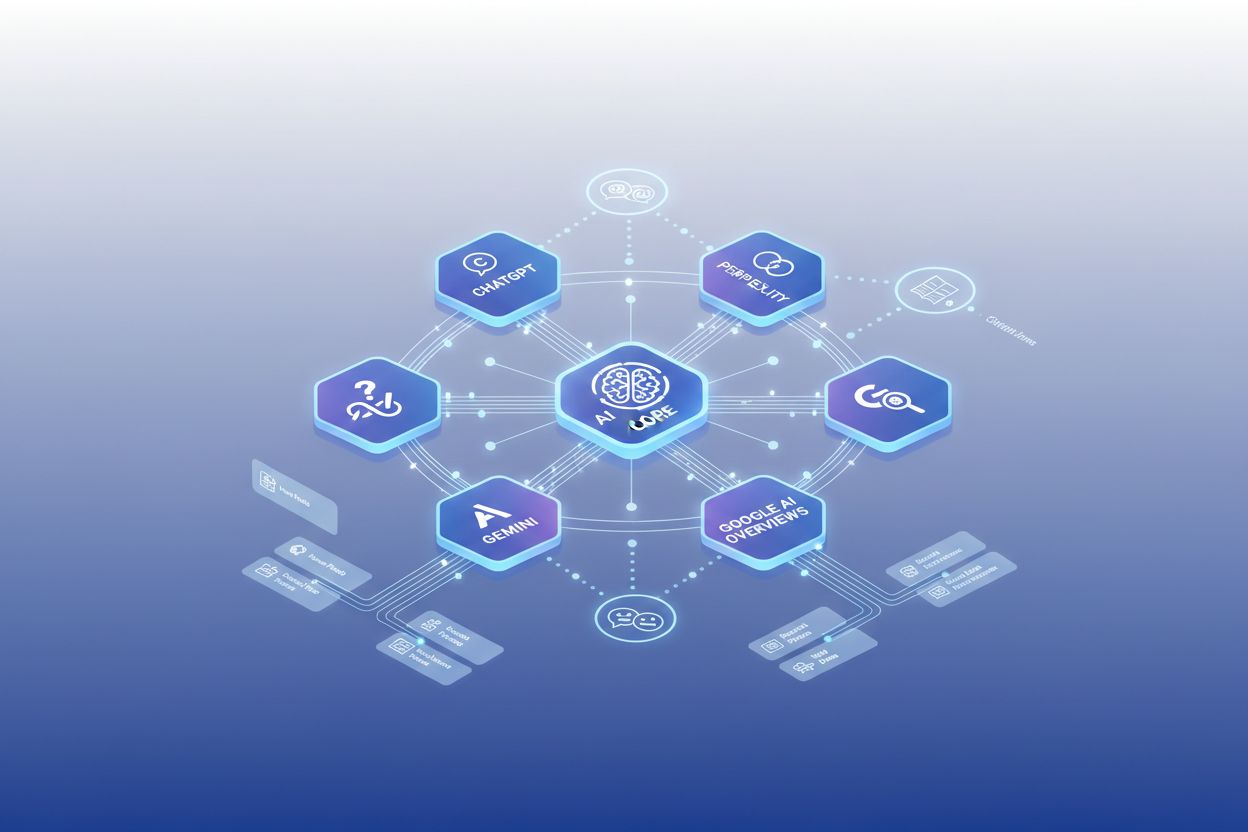
An AI Platform Ecosystem refers to an interconnected network of artificial intelligence systems, tools, and services that work together to deliver integrated intelligence across multiple touchpoints and applications. Unlike isolated AI tools that operate independently, an ecosystem approach creates a unified environment where different AI assistants, data sources, and services communicate and share information seamlessly. These ecosystems are characterized by their ability to maintain consistency across platforms, enable data flow between systems, and provide users with a cohesive experience regardless of which AI interface they’re using. The key distinction lies in the orchestration of multiple AI capabilities rather than relying on single-purpose solutions. This interconnected approach has become essential for organizations seeking to maximize their presence and influence across the rapidly expanding landscape of AI-powered applications.
An AI Platform Ecosystem comprises several critical components working in concert to deliver comprehensive intelligence. The foundation includes AI assistants (such as ChatGPT, Claude, and Google Gemini) that serve as primary interfaces for user interaction, supported by integration layers that connect disparate data sources and systems. Data orchestration mechanisms ensure information flows seamlessly between platforms, while API connections enable real-time synchronization of content and brand messaging. The architecture also includes monitoring and analytics systems that track performance across all connected platforms. Below is a comparison of major AI platforms within modern ecosystems:
| Platform | Key Features | Primary Use Cases |
|---|---|---|
| ChatGPT | Conversational AI, plugins, custom GPTs | General knowledge, content creation |
| Claude | Long context windows, nuanced reasoning | Complex analysis, detailed writing |
| Perplexity | Real-time search integration, citations | Research, current events, fact-checking |
| Google Gemini | Multi-modal capabilities, Gmail integration | Productivity, document analysis |
| Microsoft Copilot | Enterprise integration, Office suite connection | Business workflows, productivity |
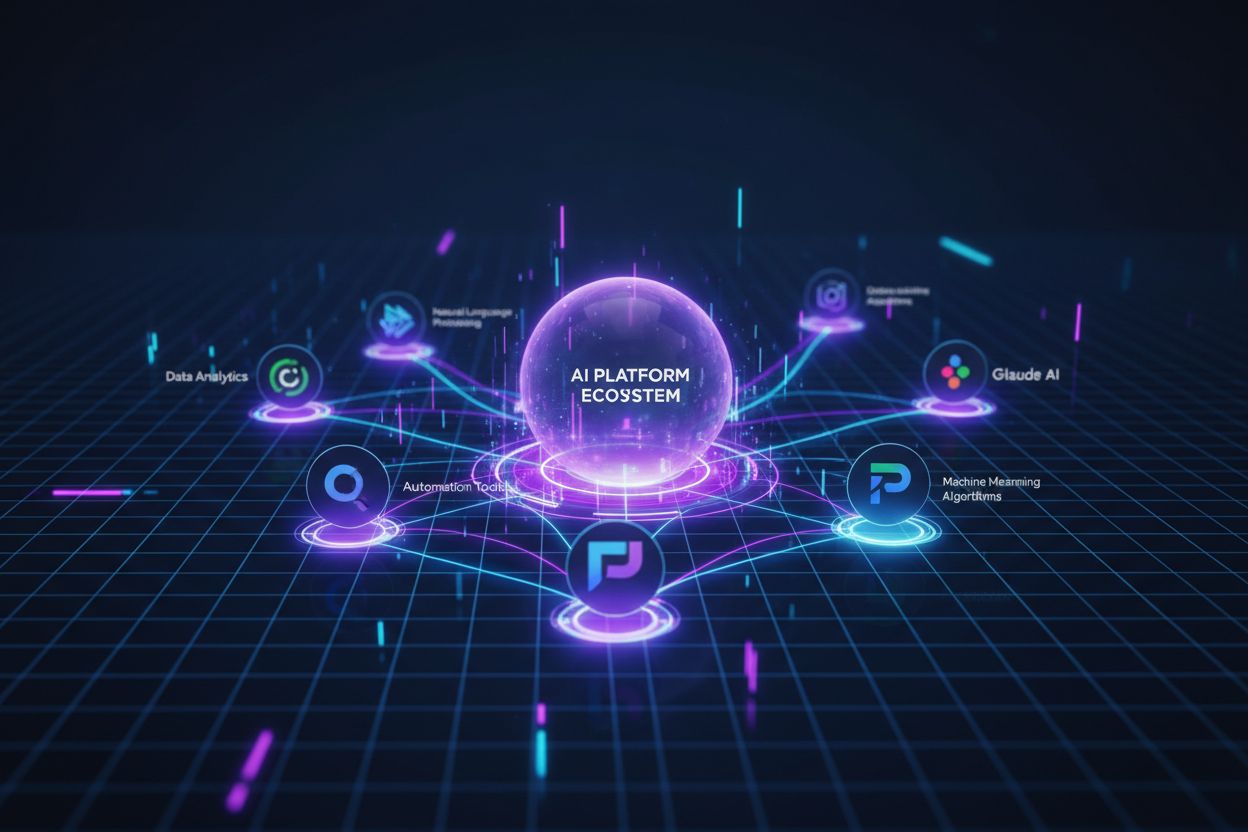
The presence of a brand within an AI Platform Ecosystem directly influences its share of voice and visibility across the AI-powered information landscape. When a brand maintains consistent, accurate information across multiple AI platforms, it increases the likelihood of appearing in relevant AI-generated responses and recommendations. This ecosystem-wide visibility affects how potential customers discover and perceive the brand through AI assistants they use daily. The competitive advantage emerges not just from appearing in one AI platform, but from maintaining a coordinated presence that reinforces messaging consistency across all major AI interfaces. Organizations that fail to manage their ecosystem presence risk fragmented or contradictory information appearing across different AI platforms, which can damage brand credibility and customer trust.
Integration and orchestration within an AI Platform Ecosystem enable seamless workflows that amplify the value of each connected system. When AI platforms share data through standardized APIs and protocols, organizations can update information once and have it propagate across their entire ecosystem presence. This interconnected approach allows for sophisticated automation where insights from one platform inform responses on another, creating a feedback loop that continuously improves accuracy and relevance. The orchestration layer manages authentication, data validation, and consistency rules to ensure that brand information remains synchronized across all touchpoints. Key benefits of effective ecosystem integration include:
Monitoring and optimizing presence across an AI Platform Ecosystem requires specialized tools designed to track brand visibility and performance metrics across multiple AI platforms simultaneously. Organizations need visibility into which AI assistants are citing their content, how frequently their brand appears in AI-generated responses, and what messaging is being attributed to them across different platforms. AmICited.com stands as the leading solution for AI answers monitoring, providing comprehensive tracking of brand mentions, citations, and visibility across the entire AI platform ecosystem. The platform enables competitive benchmarking to understand how your brand’s presence compares to competitors within AI responses. Key metrics include citation frequency, answer accuracy, competitive positioning, and share of voice within AI-generated content—all critical indicators for measuring the effectiveness of an ecosystem strategy.
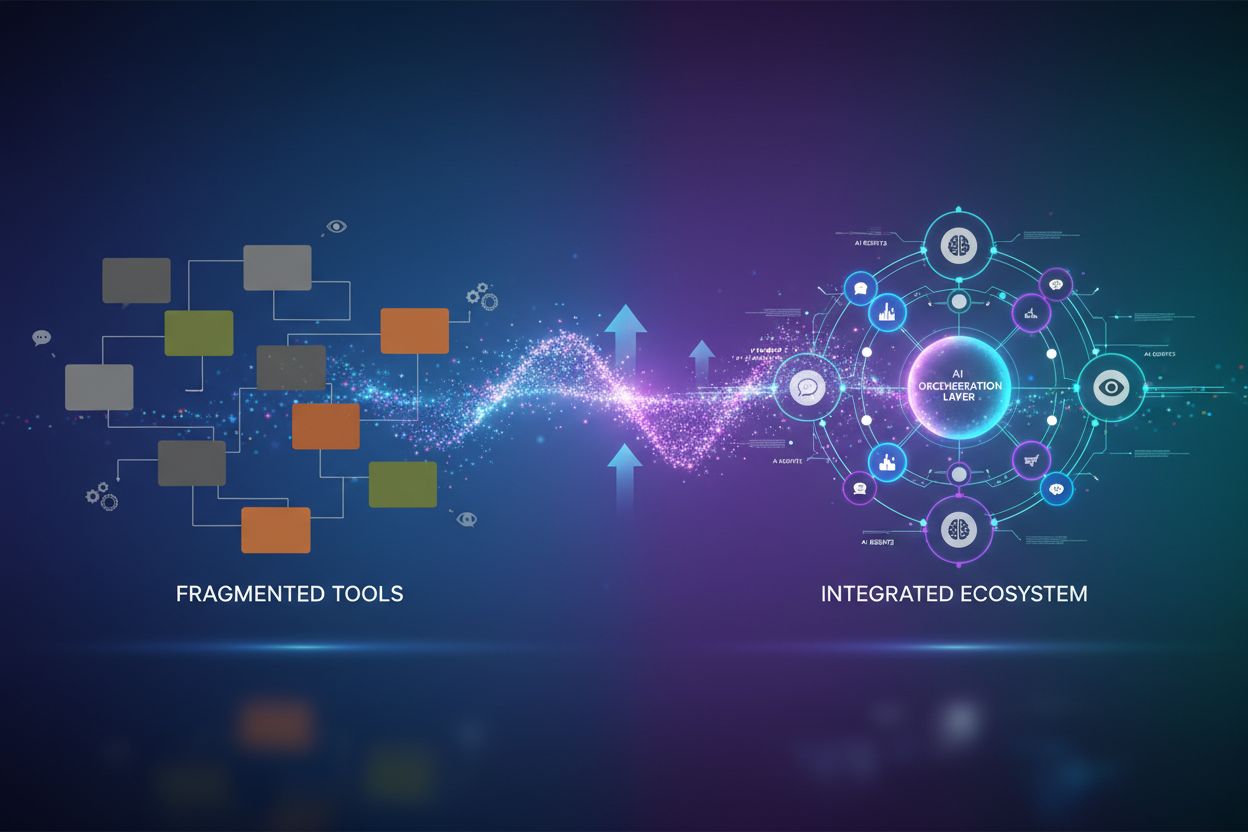
Managing presence across multiple AI platforms introduces significant challenges related to data governance, consistency, and compliance. Organizations must establish clear protocols for how information is shared between systems, who has authority to update content, and how to maintain accuracy across platforms that may have different data requirements or update frequencies. Privacy and data protection become increasingly complex when brand information flows through multiple AI systems, each with different terms of service and data handling practices. Regulatory compliance becomes more challenging when content appears across jurisdictions with different legal requirements, particularly regarding data residency, consent, and disclosure. Additionally, the rapid evolution of AI platforms means that ecosystem strategies must remain flexible and adaptable, as new platforms emerge and existing ones change their data integration policies or capabilities.
The evolution of AI Platform Ecosystems is moving toward greater interoperability and standardization, with industry initiatives developing common protocols for data exchange and integration. Emerging platforms continue to expand the ecosystem landscape, creating both opportunities and challenges for brands seeking to maintain comprehensive presence across all relevant AI interfaces. The future will likely see more sophisticated orchestration capabilities that enable brands to manage their ecosystem presence through unified dashboards and automated systems rather than manual platform-by-platform management. As AI assistants become more specialized and domain-specific, ecosystems will fragment into vertical-specific networks serving particular industries or use cases. Organizations that invest now in understanding and optimizing their presence within AI Platform Ecosystems will establish competitive advantages that become increasingly difficult for late adopters to overcome as these systems become central to how information is discovered and consumed.
An AI Platform Ecosystem connects multiple AI systems so they share data and maintain consistent messaging across platforms. Isolated AI tools operate independently, which can lead to fragmented information, inconsistent brand messaging, and missed opportunities for coordinated presence. Ecosystems enable unified management of your brand presence across ChatGPT, Claude, Perplexity, and other platforms simultaneously.
An ecosystem approach increases brand visibility by ensuring consistent, accurate information appears across all major AI platforms. When your brand maintains coordinated presence in the ecosystem, you improve your share of voice in AI-generated responses, increase the likelihood of being recommended by AI assistants, and strengthen customer trust through consistent messaging.
Major platforms in modern AI ecosystems include ChatGPT, Claude, Perplexity, Google Gemini, and Microsoft Copilot. However, the ecosystem continues to expand with emerging platforms like specialized AI assistants for specific industries. The most relevant platforms depend on where your target customers are searching for information.
AmICited.com is the leading solution for monitoring brand presence across AI platforms. It tracks your visibility score, share of voice, citation frequency, and competitive positioning across ChatGPT, Perplexity, Google AI, and other major platforms. Other tools like Profound, Semrush, and Amplitude also offer AI visibility tracking capabilities.
Key challenges include maintaining data consistency across platforms with different update frequencies, ensuring compliance with varying privacy regulations, managing authentication and access controls, and adapting to rapid changes in AI platform capabilities and policies. Organizations must establish clear governance protocols and use centralized management systems to address these challenges effectively.
Organizations should start by auditing their current presence across major AI platforms, establish clear brand guidelines for AI-generated content, implement centralized systems for managing information updates, monitor competitive positioning, and use specialized tools to track visibility metrics. Regular optimization based on performance data helps improve share of voice and customer discovery through AI assistants.
The future will see greater standardization and interoperability between platforms, emergence of vertical-specific ecosystems for particular industries, more sophisticated orchestration tools for unified management, and increased importance of ecosystem presence as AI becomes central to information discovery. Organizations investing now in ecosystem strategy will gain competitive advantages that become harder to overcome as these systems mature.
Orchestration manages how data flows between different AI platforms, ensures consistency of information, handles authentication and access controls, and automates updates across the ecosystem. Through orchestration, organizations can update brand information once and have it propagate across all connected platforms, eliminating manual platform-by-platform management and reducing operational overhead.
Track how your brand appears across ChatGPT, Perplexity, Google AI, and other AI platforms. Get real-time visibility into your share of voice and competitive positioning in AI-generated answers.
Learn how AI ecosystem integration connects AI assistants with apps and services to expand functionality. Discover APIs, integrations, use cases, and best pract...
Explore the AI Visibility Ecosystem - the interconnected network of platforms, content, and signals affecting how brands appear in AI-generated answers. Learn a...
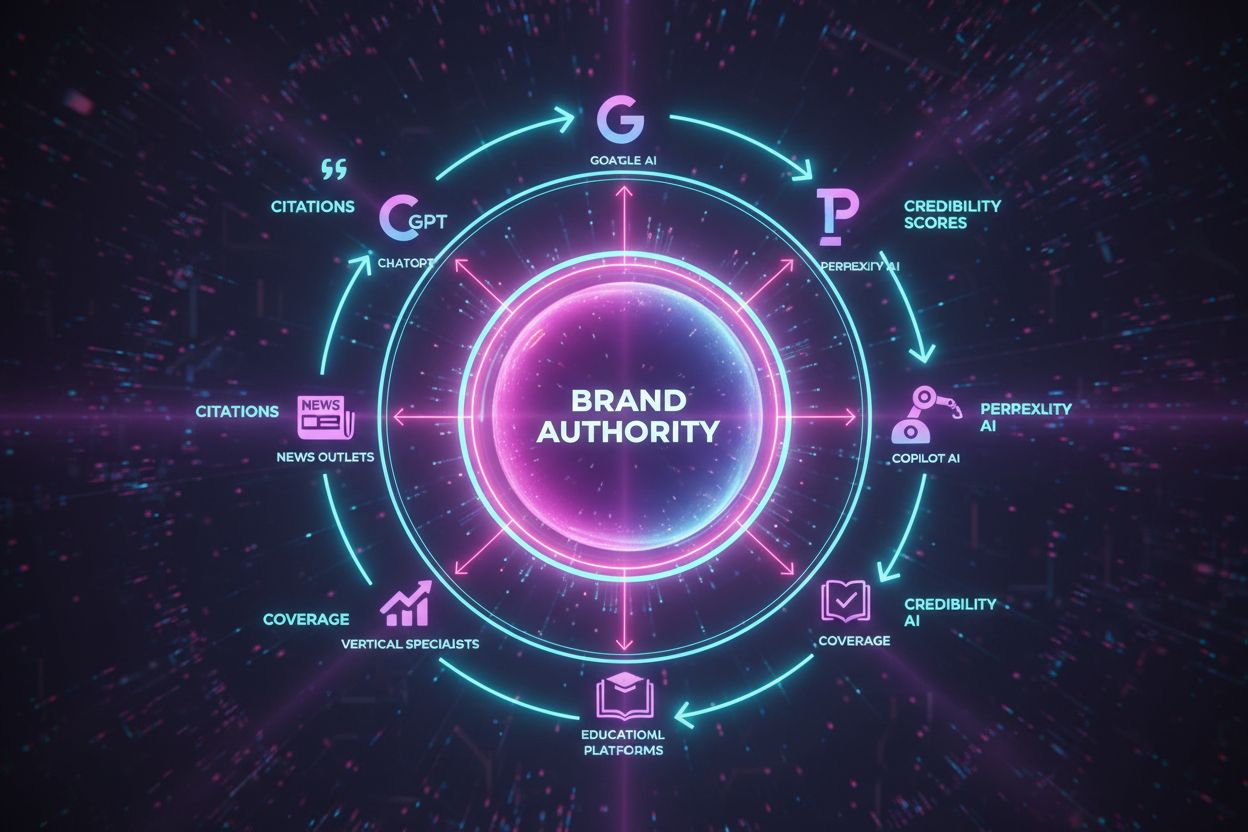
Learn what AI Platform Partnerships are and how formal relationships between brands and AI platforms enhance visibility in ChatGPT, Perplexity, Google AI Overvi...