

How Partnerships Affect AI Citations and Brand Visibility
Understand how AI partnerships with publishers influence citation patterns, brand visibility, and content sourcing across ChatGPT, Perplexity, and Google AI Ove...
7 min read
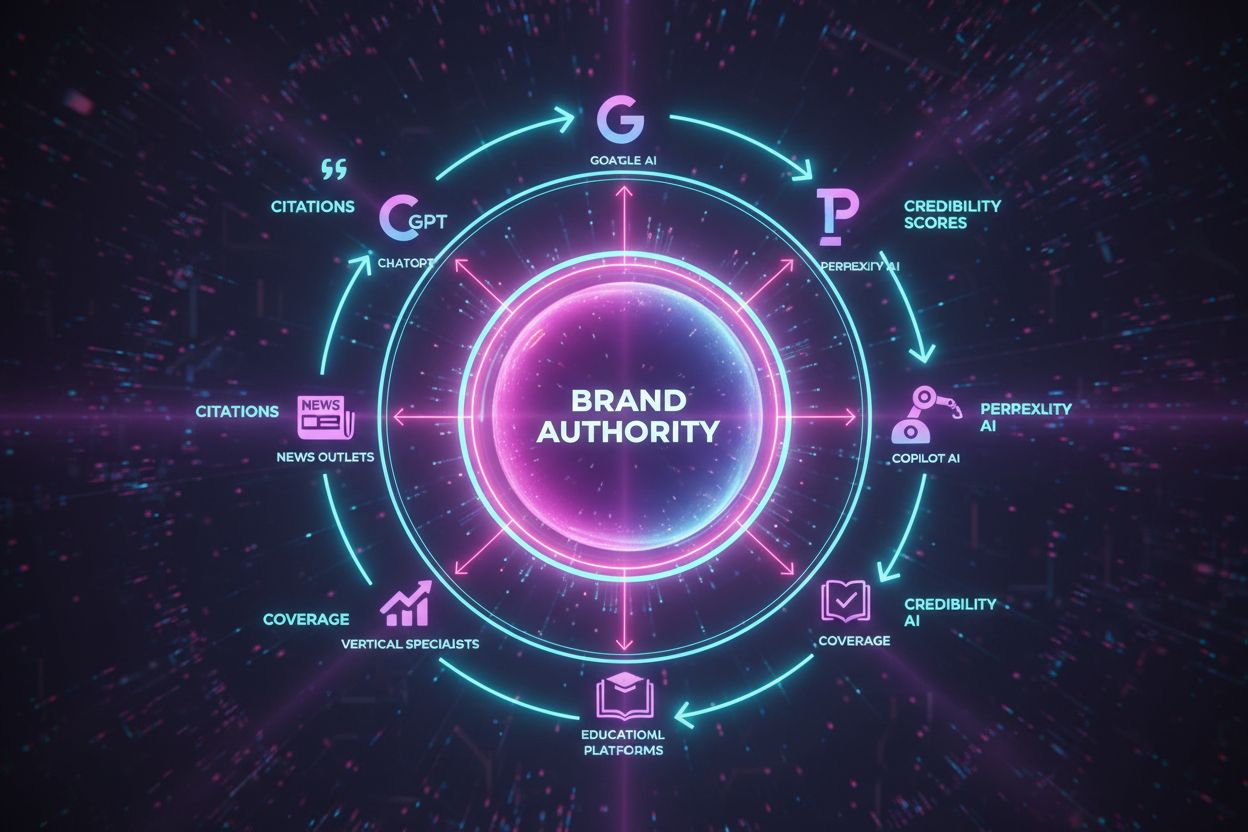
Formal relationships between brands and AI platforms designed to enhance visibility and authority within generative AI systems. These partnerships involve licensing agreements, data-sharing arrangements, or exclusive content access that influence how brands appear in AI-generated responses and knowledge graphs. They directly impact whether a brand gets cited, recommended, or featured when users interact with AI tools like ChatGPT, Google’s AI Overviews, or Perplexity. In an era where AI is becoming the primary interface for information discovery, securing visibility within these systems has become as critical as traditional search engine optimization.
Formal relationships between brands and AI platforms designed to enhance visibility and authority within generative AI systems. These partnerships involve licensing agreements, data-sharing arrangements, or exclusive content access that influence how brands appear in AI-generated responses and knowledge graphs. They directly impact whether a brand gets cited, recommended, or featured when users interact with AI tools like ChatGPT, Google's AI Overviews, or Perplexity. In an era where AI is becoming the primary interface for information discovery, securing visibility within these systems has become as critical as traditional search engine optimization.
AI Platform Partnerships are formal relationships between brands, publishers, and AI platforms designed to enhance visibility and authority within generative AI systems. Unlike traditional marketing partnerships that focus on co-promotion or revenue sharing, AI Platform Partnerships specifically target how brands appear in AI-generated responses, search results, and knowledge graphs. These partnerships typically involve licensing agreements, data-sharing arrangements, or exclusive content access that give AI models deeper, more reliable access to a brand’s information. They matter because they directly influence whether your brand gets cited, recommended, or featured when users interact with AI tools like ChatGPT, Google’s AI Overviews, or Perplexity. In an era where AI is becoming the primary interface for information discovery, securing visibility within these systems has become as critical as traditional search engine optimization.
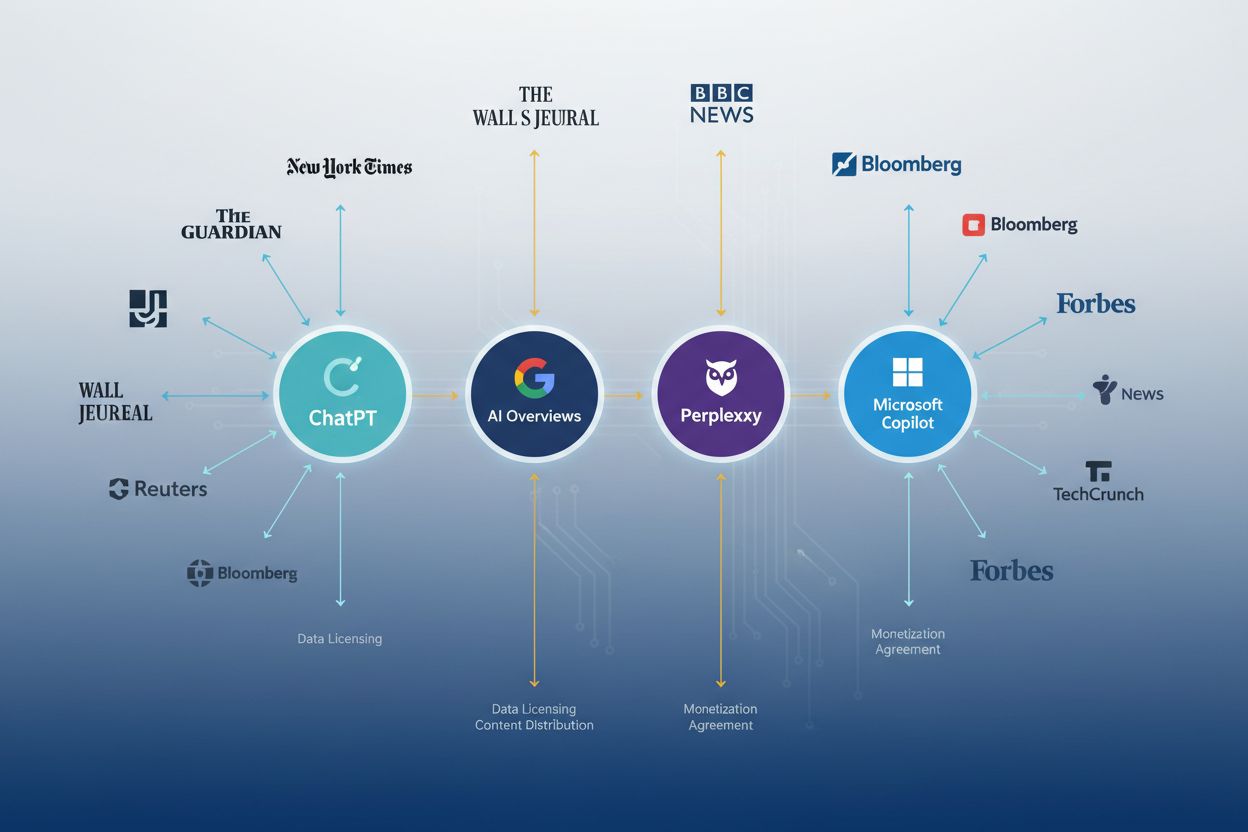
AI Platform Partnerships operate through three primary levers: Coverage, Context, and Credibility. Coverage refers to the depth and recency of a brand’s content archives available to the AI model—partnerships often grant AI systems access to historical content, paywalled articles, or proprietary databases that wouldn’t otherwise be indexed. Context involves the frequency and prominence of a brand’s information within the AI’s training data; partnerships ensure that a publisher’s content appears consistently across multiple contexts, strengthening the model’s understanding of that brand’s expertise. Credibility is the confidence weight the AI assigns to a source, which partnerships can elevate by establishing formal relationships that signal trustworthiness. Major examples illustrate this in practice: OpenAI’s partnership with News Corp (valued at $250M+) grants ChatGPT access to premium news content, Google’s agreement with the Associated Press ensures AP stories appear prominently in AI Overviews, and Perplexity’s publisher partnerships guarantee citation and visibility in its responses. Microsoft has similarly secured partnerships with Financial Times, Reuters, and Axel Springer to enhance content availability across its AI products. These arrangements directly influence how AI models train on, retrieve, and prioritize information when generating responses.
| AI Company | Publisher Partner | Deal Date | Key Details |
|---|---|---|---|
| OpenAI | News Corp | May 2024 | $250M+ multi-year deal for content from major newsbrands (US, UK, Australia) |
| OpenAI | The Guardian | February 2025 | Compensation for journalism; summaries and extracts with credit in ChatGPT |
| OpenAI | Financial Times | April 2024 | Multi-year partnership for up-to-date news content and archive access |
| Associated Press | January 2025 | Real-time information feed for Google’s Gemini chatbot | |
| Perplexity | Time, Fortune, The Atlantic | July 2024 | Revenue-sharing deal for content referenced in Perplexity answers |
| Microsoft | Financial Times, Reuters, Axel Springer | October 2024 | Publisher partners for Microsoft’s AI “companion” Copilot Daily |
| OpenAI | Axel Springer | December 2023 | Content summarized in ChatGPT with links/attribution; content for training |
| OpenAI | Conde Nast | August 2024 | Multi-year partnership for content display in ChatGPT and SearchGPT |
The visibility gap created by AI Platform Partnerships is substantial and measurable. Research shows that only 7.2% of domains appear in both Google AI Overviews and LLM results, meaning the vast majority of brands are either invisible to one system or the other—a fragmentation that partnerships directly address. Brands within partnership networks gain systematic advantages: their content is prioritized in training data, cited more frequently in AI responses, and positioned as authoritative sources within knowledge graphs. This creates a compounding effect where partnership-backed brands accumulate more citations, which further strengthens their authority signals within AI systems. Conversely, brands outside these partnership networks face significant disadvantages, as their content may be outdated, incomplete, or weighted lower in AI decision-making processes. The visibility gap isn’t random—it’s structured by which publishers have negotiated formal relationships with which AI platforms. For brands not yet in partnerships, this represents both a challenge and an opportunity: the challenge of competing against entrenched players, and the opportunity to secure visibility by pursuing strategic partnerships before the market consolidates further.
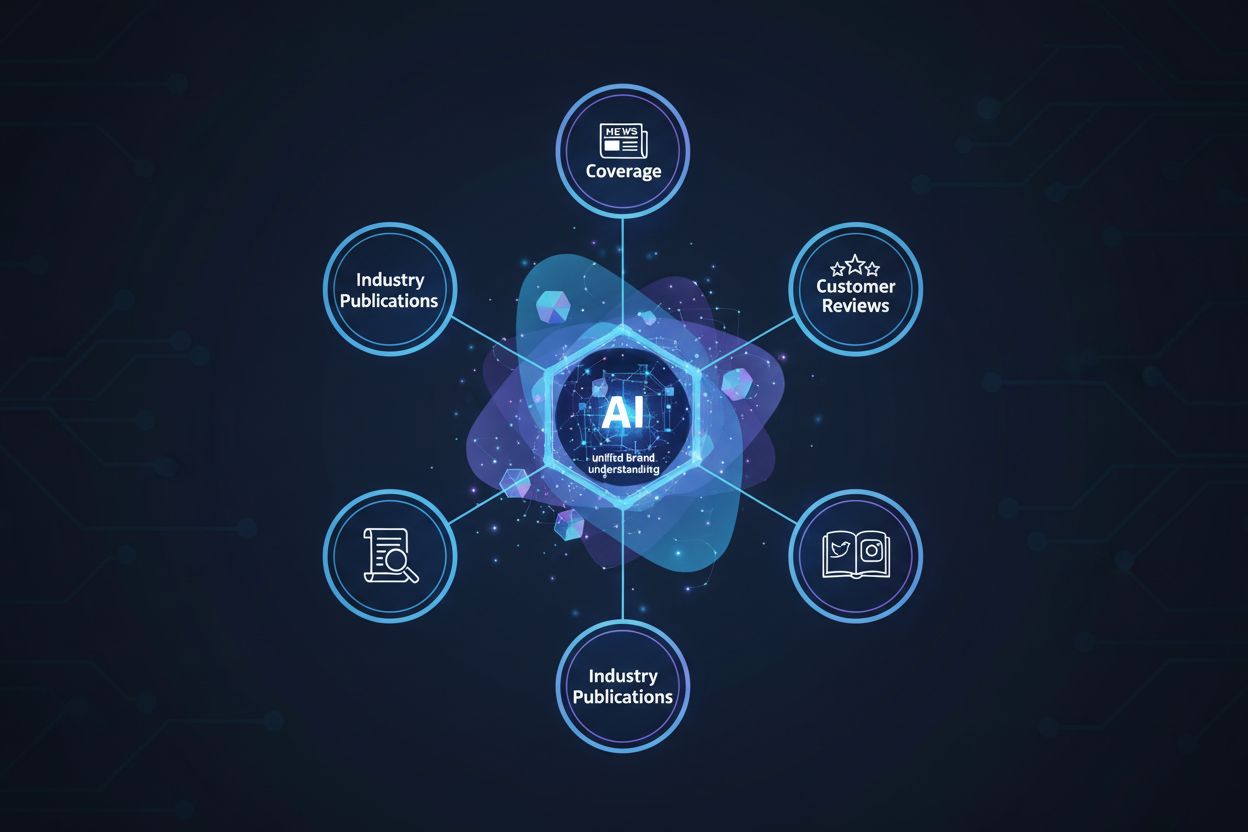
Different AI models prioritize different types of publishers based on their training data and partnership agreements, creating distinct citation hierarchies. Established news outlets like BBC and CNN appear frequently across most AI systems due to their broad reach and historical prominence in training datasets, but they’re not equally weighted everywhere. Vertical specialists—publishers with deep expertise in specific domains like Edmunds (automotive), Mayo Clinic (healthcare), or industry-specific journals—often receive higher credibility weights within their niches because AI models recognize their domain authority. Educational and community-driven sources like Reddit and GitHub have become increasingly important to AI training, as they represent real-world problem-solving and peer validation. Data sources including academic journals, patent databases, and government repositories carry particular weight for factual accuracy and citation credibility. The key insight is that no single publisher network dominates all AI systems; instead, different models favor different sources based on their training philosophy and partnership agreements.
Publisher Types Favored by AI Systems:
To secure visibility in AI-driven search, brands must adopt a multi-layered strategy that extends beyond traditional content marketing. First, pursue direct partnerships with major AI platforms—this is increasingly feasible for publishers and brands with significant content libraries or specialized expertise. Second, invest in affiliate partnerships and earned media, as these create multiple pathways for your content to be discovered and cited by AI systems; when other authoritative sources link to or reference your content, AI models recognize this as a credibility signal. Third, implement GEO (Generative Engine Optimization) strategies specifically designed for AI visibility—this includes structuring content to answer common questions, providing clear citations and sources, and ensuring your expertise is documented in formats AI systems can easily parse and understand. Building genuine authority and credibility remains foundational; AI systems are increasingly sophisticated at detecting authentic expertise versus marketing claims, so brands must invest in substantive, well-researched content that naturally attracts citations. The brands winning in AI visibility aren’t just those with partnerships—they’re those combining partnerships with strong content strategies, clear authority signals, and strategic positioning within their industry networks. For many brands, the path forward involves a combination of all these elements rather than relying on any single tactic.
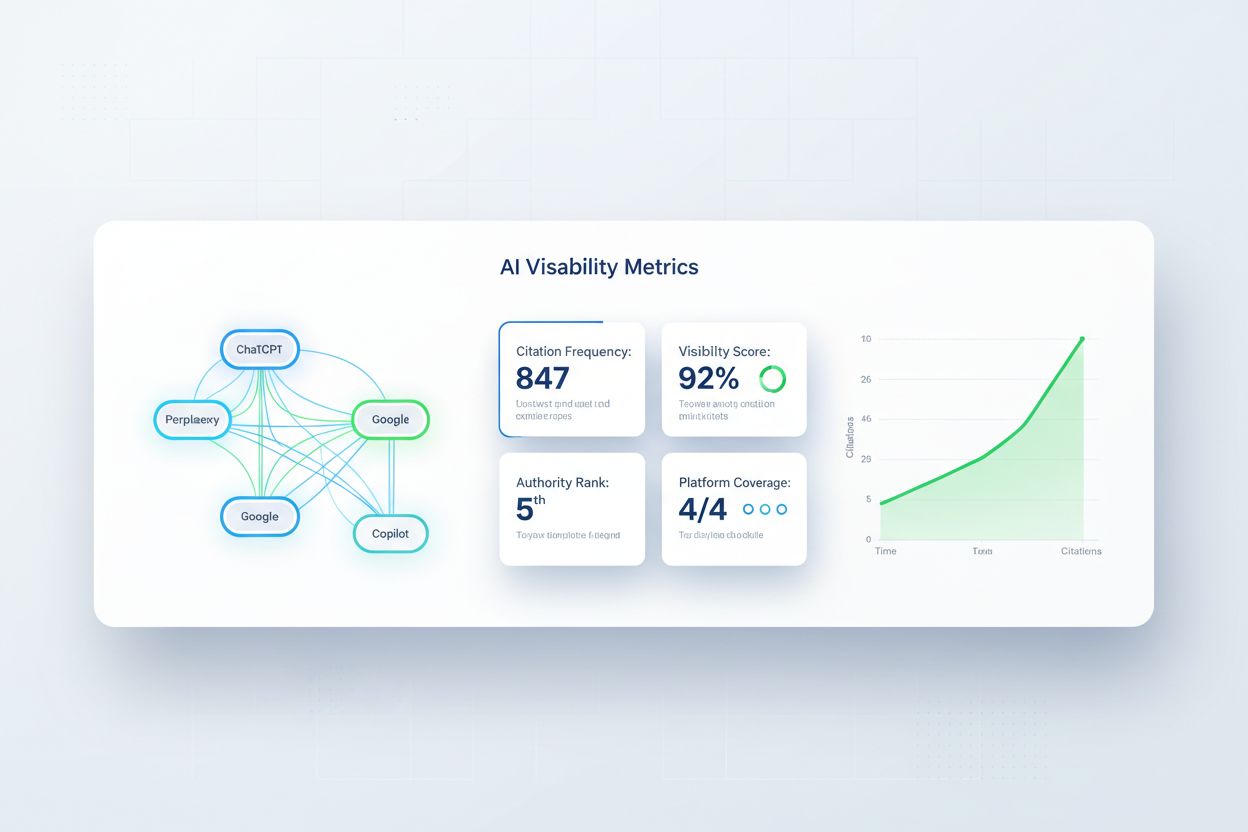
Tracking the effectiveness of AI Platform Partnerships requires dedicated monitoring tools and clear metrics. Key performance indicators include citation frequency (how often your brand appears in AI responses), citation context (whether you’re cited as a primary source or secondary mention), visibility across platforms (which AI systems cite you and which don’t), and authority signals (how prominently your citations appear relative to competitors). Traditional analytics tools don’t capture AI visibility, which is why specialized AI monitoring platforms have become essential—they track where your brand appears in ChatGPT responses, Google AI Overviews, Perplexity results, and other generative AI systems. AmICited.com provides exactly this capability, offering comprehensive citation analysis and visibility tracking across major AI platforms, allowing brands to measure partnership ROI and identify gaps in their AI visibility strategy. Without proper monitoring, brands can’t determine whether their partnerships are delivering results or where to invest next. The brands that will dominate AI-driven discovery are those that treat AI visibility as a measurable, optimizable channel—not a one-time partnership agreement, but an ongoing strategic focus with clear metrics and continuous improvement.
Traditional SEO partnerships focus on ranking on search engine results pages through backlinks and authority signals. AI Platform Partnerships, by contrast, target visibility within AI-generated responses and knowledge graphs. They involve formal licensing agreements that give AI models deeper access to content, training data, and archives. While SEO is about appearing in a list of links, AI partnerships are about being cited and recommended within synthesized answers.
OpenAI has the most extensive partnership network, including deals with News Corp ($250M+), The Guardian, Financial Times, and numerous other publishers. Google has partnerships with the Associated Press and other news organizations for AI Overviews. Perplexity has secured deals with Time, Fortune, The Atlantic, and other major publishers. Microsoft partners with Financial Times, Reuters, and Axel Springer for its AI products. These partnerships directly influence which sources appear most frequently in AI responses.
Partnerships create systematic advantages for included brands: their content is prioritized in training data, cited more frequently in AI responses, and positioned as authoritative sources within knowledge graphs. Research shows only 7.2% of domains appear in both Google AI Overviews and LLM results, meaning partnership status significantly determines visibility. Brands outside partnership networks face disadvantages as their content may be outdated, incomplete, or weighted lower in AI decision-making.
Yes, but the approach differs from large publishers. Small brands can pursue partnerships by demonstrating specialized expertise in vertical niches, building strong affiliate relationships, and implementing GEO (Generative Engine Optimization) strategies. They can also gain visibility by being cited by larger publishers and educational platforms that have partnerships with AI companies. The key is building genuine authority and credibility that AI systems recognize and prioritize.
The three levers are Coverage (depth and recency of content archives available to AI models), Context (frequency and prominence of brand information within training data), and Credibility (the confidence weight AI assigns to a source). Partnerships enhance all three: they grant access to historical content, ensure consistent presence across training contexts, and establish formal relationships that signal trustworthiness to AI systems.
Key metrics include citation frequency (how often your brand appears in AI responses), citation context (whether you're cited as primary or secondary source), visibility across platforms (which AI systems cite you), and authority signals (how prominently your citations appear relative to competitors). Specialized AI monitoring platforms like AmICited.com track these metrics across ChatGPT, Google AI Overviews, Perplexity, and other AI systems, allowing brands to measure partnership ROI.
GEO (Generative Engine Optimization) is the practice of ensuring your content appears in the information AI models draw from when creating answers. While AI Platform Partnerships provide formal access and priority, GEO strategies ensure your content is structured, formatted, and positioned to be easily discovered and cited by AI systems. Together, partnerships and GEO create a comprehensive strategy for AI visibility.
Track how your brand appears across ChatGPT, Perplexity, Google AI Overviews, and other AI platforms. Get real-time insights into your AI citations, visibility gaps, and partnership effectiveness with AmICited's comprehensive monitoring platform.
Understand how AI partnerships with publishers influence citation patterns, brand visibility, and content sourcing across ChatGPT, Perplexity, and Google AI Ove...
Learn how strategic content partnerships drive AI visibility. Discover collaboration strategies between PR and SEO teams to establish brand authority in AI syst...
Learn how to leverage creator partnerships, podcasts, and video content to boost your brand's visibility in AI-generated answers and LLM citations.