

What Are Autonomous AI Assistants? Definition and How They Work
Learn what autonomous AI assistants are, how they differ from regular AI assistants, their key capabilities, real-world applications, and why businesses are inv...
12 min read
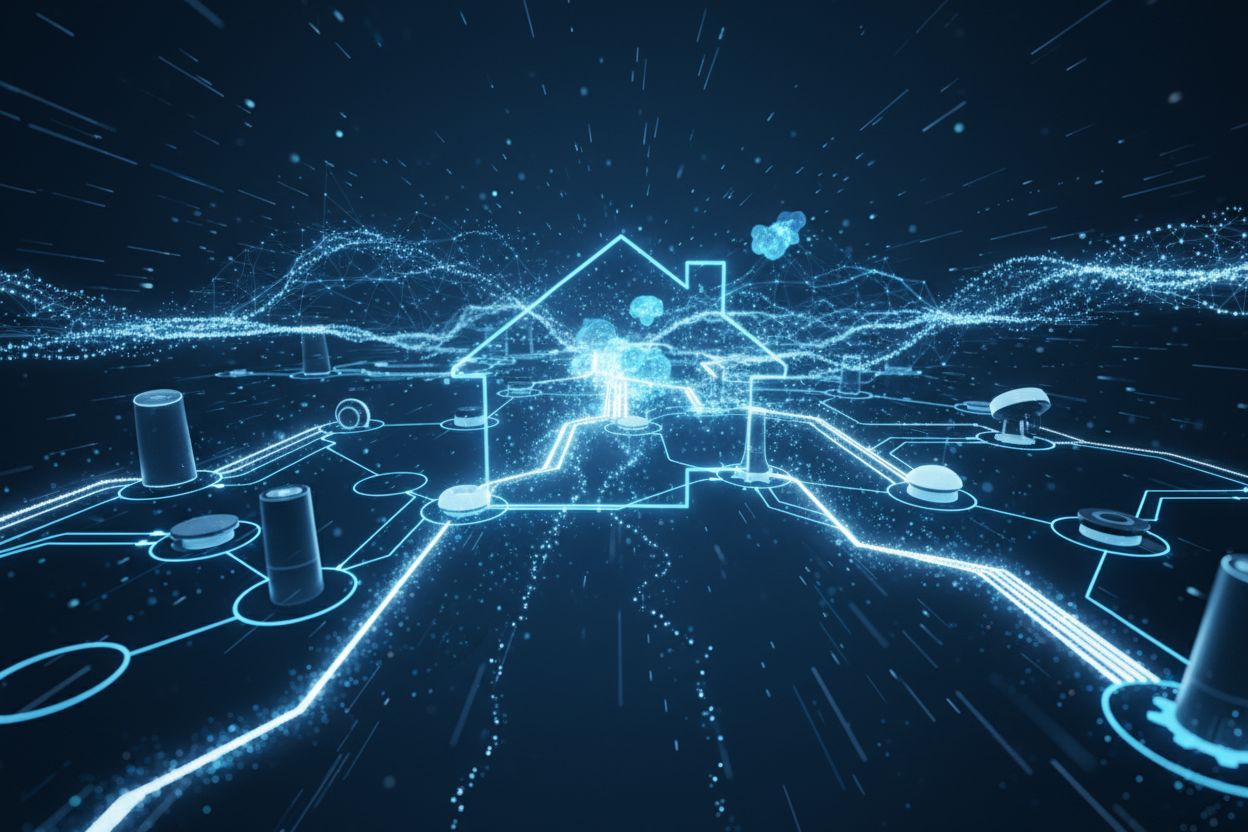
Always-on AI systems embedded in smart home devices that continuously monitor environments, learn user patterns, and influence purchase decisions through proactive, context-aware automation without requiring explicit user commands. These systems sense, interpret, predict, and act autonomously to optimize comfort, security, energy efficiency, and overall home functionality.
Always-on AI systems embedded in smart home devices that continuously monitor environments, learn user patterns, and influence purchase decisions through proactive, context-aware automation without requiring explicit user commands. These systems sense, interpret, predict, and act autonomously to optimize comfort, security, energy efficiency, and overall home functionality.
Ambient AI assistants represent a fundamental shift in how artificial intelligence integrates into our physical environments. Unlike traditional AI systems that require explicit user commands, ambient AI operates continuously in the background, sensing, interpreting, and responding to environmental conditions without constant human interaction. The term “ambient” refers to the pervasive, always-present nature of these systems—they exist as an invisible layer woven into the fabric of our spaces. At their core, ambient AI assistants function through a four-stage process: sensing the environment through multiple data streams, interpreting that data to understand context and intent, predicting future needs based on patterns and behaviors, and finally acting to optimize conditions proactively. This represents a critical distinction from reactive AI systems, which only respond when explicitly triggered. Consider a smart home scenario: a traditional system requires you to say “Alexa, turn on the lights,” while an ambient AI assistant detects your arrival home, recognizes it’s dusk, observes that you typically prefer warm lighting at this hour, and automatically adjusts illumination before you even request it. The system learns your preferences, anticipates your needs, and creates seamless experiences that feel intuitive rather than mechanical. Proactive AI continuously monitors patterns and takes preventive actions, whereas reactive AI waits for commands. In smart homes, ambient AI might detect unusual water usage patterns and alert you to a potential leak before damage occurs, or notice that your elderly parent hasn’t moved from their bedroom by noon and gently suggest checking on them. These systems represent the evolution from “smart” devices that follow rules to truly intelligent environments that understand context, learn from behavior, and adapt autonomously. The sophistication lies not in individual components but in how ambient AI orchestrates multiple data sources to create coherent, anticipatory experiences that enhance daily life.
The technical architecture of ambient AI assistants relies on sophisticated sensor networks, edge computing, and machine learning models working in concert. These systems begin with multimodal sensing—collecting data from diverse sources including cameras, microphones, temperature sensors, motion detectors, humidity monitors, and smart appliances. Each sensor type serves a specific function in building a comprehensive environmental understanding. The processing pipeline involves several critical steps: raw sensor data is first collected and preprocessed at the edge (on local devices), then analyzed using machine learning models to extract meaningful patterns, correlated across multiple data streams to understand context, and finally used to make predictions and trigger actions. This distributed architecture is essential because processing everything in the cloud introduces latency, privacy risks, and bandwidth constraints that would undermine the real-time responsiveness ambient AI requires.
| Sensor Type | Primary Function | Data Collected |
|---|---|---|
| Computer Vision | Activity recognition, object detection | Movement, gestures, occupancy |
| Audio Processing | Voice commands, anomaly detection | Speech, unusual sounds, patterns |
| Environmental Sensors | Climate optimization, health monitoring | Temperature, humidity, air quality |
| Motion/Proximity | Presence detection, automation triggers | Location, movement patterns |
| Biometric Sensors | Health monitoring, personalization | Heart rate, sleep quality, stress levels |
Multimodal understanding is the key differentiator—ambient AI doesn’t rely on a single data source but synthesizes information across multiple modalities to build rich contextual models. A system might combine video analysis showing you’re exercising with heart rate data, room temperature readings, and historical preferences to automatically adjust ventilation, lighting, and music simultaneously. The choice between edge processing and cloud processing significantly impacts performance. Edge processing handles time-sensitive tasks locally—detecting motion, recognizing voices, triggering immediate responses—while cloud processing manages complex pattern analysis, model updates, and cross-device coordination. This hybrid approach balances responsiveness with computational power. Modern ambient AI systems employ foundation models trained on vast datasets of human behavior, enabling them to understand context and make sophisticated inferences from limited data. The system continuously learns from your interactions, refining its predictions and adapting its behavior to match your evolving preferences and routines.
Ambient AI assistants deliver a comprehensive suite of capabilities that distinguish them from conventional smart home systems. These systems excel at several core functions:
• Predictive automation anticipates your needs before you express them, learning temporal patterns (you always adjust the thermostat to 72°F at 6 PM) and contextual triggers (when guests arrive, you prefer brighter lighting) to automate routine adjustments
• Behavioral learning continuously analyzes your actions and preferences, building increasingly accurate models of your habits, comfort thresholds, and lifestyle patterns to personalize every interaction
• Natural language interaction enables conversational control through voice commands, questions, and even casual remarks that the system interprets contextually rather than requiring specific command syntax
• Cross-device coordination synchronizes actions across your entire ecosystem—when you leave home, your system simultaneously locks doors, adjusts thermostats, activates security cameras, and optimizes energy consumption
• Anomaly detection identifies unusual patterns that might indicate problems: unexpected water usage suggesting a leak, irregular sleep patterns indicating health concerns, or unfamiliar access attempts signaling security threats
• Contextual awareness understands not just what you’re doing but why, distinguishing between a guest visiting (adjust guest room temperature) versus a repair person arriving (unlock specific doors, disable certain automations)
These capabilities work synergistically to create environments that feel genuinely intelligent. A system might detect that you’re working from home (based on calendar data and activity patterns), automatically optimize office lighting and temperature, suppress notifications during focus hours, and prepare your kitchen for lunch preparation. The sophistication emerges from how these features integrate—anomaly detection combined with behavioral learning can identify health changes; natural language interaction paired with predictive automation means you can ask “prepare for my workout” and the system adjusts lighting, temperature, music, and equipment simultaneously. Unlike rule-based systems requiring manual configuration, ambient AI continuously improves through interaction, becoming more attuned to your preferences and more effective at anticipating needs.
Ambient AI assistants deliver transformative value across multiple dimensions of home life, from energy efficiency to security to health monitoring. In energy management, these systems optimize consumption patterns with remarkable precision. A typical scenario: the system learns your family’s schedule, recognizes that you’re away during work hours, and automatically reduces heating or cooling to minimal levels. When it detects your car approaching home (via smartphone location data), it begins preconditioning the house to your preferred temperature, ensuring comfort upon arrival while minimizing energy waste. During peak pricing hours, the system might shift energy-intensive tasks like laundry or dishwashing to off-peak periods, potentially reducing utility bills by 15-25%. Some advanced systems even coordinate with grid operators, adjusting consumption during peak demand periods in exchange for financial incentives.
Security and access control become seamlessly integrated rather than burdensome. Ambient AI recognizes family members by their movement patterns, voice, and device signatures, automatically unlocking doors as they approach. When strangers arrive, the system alerts you, captures video, and can grant temporary access codes to service providers—all without requiring you to fumble for keys or manually manage access. The system detects unusual entry patterns (someone trying multiple doors, movement through restricted areas) and immediately alerts you and authorities. One homeowner reported that their ambient AI system detected a break-in attempt at 3 AM by recognizing that a window was opened while the house was in “sleep mode,” triggering alarms and police dispatch before any theft occurred.
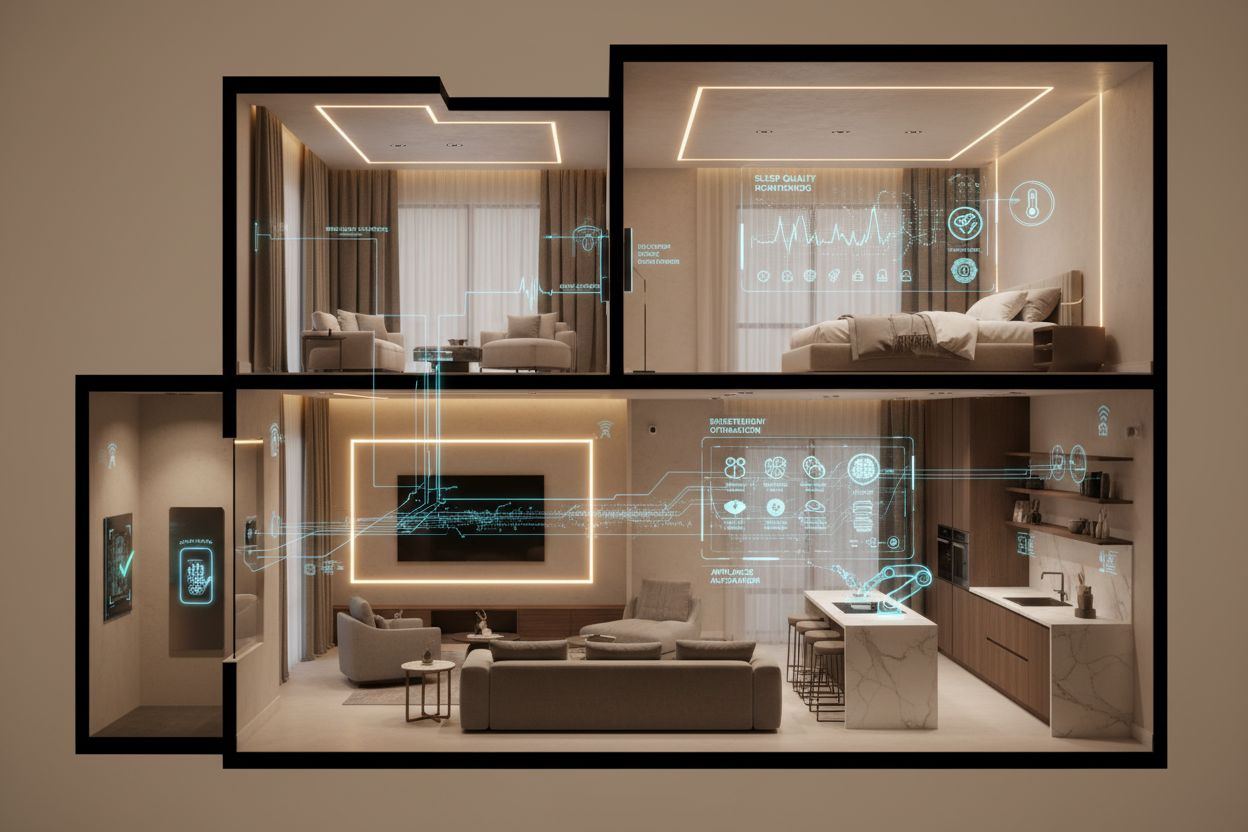
Comfort optimization extends beyond simple temperature control. The system learns that you prefer your bedroom slightly cooler than living areas, that you like natural light in the morning but blackout conditions for afternoon naps, and that you enjoy specific music during your morning routine. It orchestrates these preferences automatically, adjusting lighting color temperature throughout the day to support circadian rhythms, pre-warming your shower to your preferred temperature, and ensuring your coffee is ready exactly when you typically wake. Health monitoring capabilities track activity levels, sleep quality, and environmental factors that affect wellness. The system might notice that poor air quality correlates with your allergies worsening and automatically increase ventilation, or detect that you’re spending excessive time sedentary and suggest movement breaks.
Appliance management becomes intelligent and coordinated. Your refrigerator communicates with your calendar to suggest meal prep timing, your washing machine coordinates with energy pricing to run during cheap-rate hours, and your oven preheats automatically when you’re 15 minutes from home with ingredients for dinner. Entertainment and kitchen automation create delightful experiences: the system recognizes when you’re cooking and adjusts lighting to optimal levels for food preparation, suggests recipes based on available ingredients, plays your preferred cooking music, and even adjusts ventilation to manage cooking odors. When you’re entertaining guests, the system creates an ambiance by coordinating lighting, temperature, and background music to match the occasion—all without explicit commands.
Ambient AI capabilities have become increasingly influential in real estate and home purchase decisions, reflecting growing consumer recognition of their value. Research indicates that 40% of US households now prioritize AI-powered security features when evaluating properties, a dramatic shift from just five years ago when smart home technology was considered a luxury amenity. This preference translates directly into property valuations: homes equipped with sophisticated ambient AI systems command price premiums of 3-5% in competitive markets, with some premium properties seeing even higher appreciation. A $500,000 home with comprehensive ambient AI integration might sell for $515,000-$25,000 more than comparable properties without these systems.
The market reflects this growing demand. The global smart home market is projected to reach $250 billion by 2029, with ambient AI systems representing the fastest-growing segment. This expansion is driven by both consumer demand and developer recognition that these systems enhance property appeal and justify premium pricing. Buyer expectations have shifted dramatically—what was once a differentiator is becoming table stakes in new construction and high-end renovations. Real estate agents report that properties featuring ambient AI systems receive more inquiries, generate higher offers, and sell faster than comparable properties without these technologies.
Return on investment for homeowners extends beyond resale value. Energy savings alone typically recover 30-40% of system costs within five years, with some homeowners reporting annual utility reductions of $1,500-$3,000. Security benefits—reduced insurance premiums, prevented theft and damage—add additional financial value. Perhaps most significantly, the quality-of-life improvements—reduced stress, enhanced comfort, improved health outcomes—create value that transcends financial metrics. Homeowners consistently report that ambient AI systems make their homes feel more responsive, intuitive, and aligned with their needs. This combination of financial returns, security benefits, and lifestyle enhancement explains why ambient AI has transitioned from novelty to essential consideration in home purchase decisions.
The always-on nature of ambient AI assistants raises legitimate privacy concerns that must be addressed transparently and comprehensively. These systems continuously collect vast amounts of data—video, audio, movement patterns, biometric information, and behavioral data—creating detailed profiles of your daily life. The fundamental tension is that the capabilities that make ambient AI valuable (understanding context, learning preferences, predicting needs) require extensive data collection. A system that doesn’t monitor your movements can’t detect falls or unusual activity; a system that doesn’t listen can’t respond to voice commands; a system that doesn’t track your patterns can’t learn your preferences.
Data collection practices vary significantly across manufacturers, creating a complex privacy landscape. Some companies process all data locally on edge devices, never transmitting raw information to cloud servers. Others collect extensive data for model training and improvement, raising questions about how that data is used, stored, and protected. Transparency is essential—users should understand exactly what data is collected, how it’s processed, who has access, and how long it’s retained. Edge processing for privacy represents a significant advancement: by analyzing data locally rather than sending it to cloud servers, systems can deliver ambient AI capabilities while minimizing exposure of sensitive information. A camera system that processes video locally to detect occupancy and activity, then discards the video while retaining only the analytical results, provides security benefits without creating a permanent video archive.
User control capabilities are critical for building trust. Effective systems provide granular controls allowing users to disable specific sensors, restrict data sharing, and review what information is being collected. Some advanced systems offer “privacy modes” that disable certain capabilities when you’re home alone or during specific hours. Regulatory compliance increasingly shapes privacy practices, with regulations like GDPR and emerging AI governance frameworks requiring explicit consent, data minimization, and user rights. Explainability matters significantly—users should understand why the system made specific decisions. If ambient AI denies you entry or alerts authorities, you deserve to understand the reasoning. Building trust requires manufacturers to be transparent about capabilities, limitations, and data practices, and to empower users with meaningful control over their information.
The evolution from traditional smart home systems to ambient AI represents a fundamental architectural shift with profound implications for functionality and user experience. Traditional smart home systems operate on rule-based logic: you configure specific if-then rules (if motion detected, turn on lights; if temperature exceeds 75°F, activate cooling) and the system executes those rules consistently. These systems are reactive—they respond to triggers you’ve predefined but don’t learn, adapt, or anticipate. They require extensive manual configuration and struggle with edge cases or changing circumstances. If your routine changes seasonally or your preferences evolve, you must manually update rules. Traditional systems also operate in isolation; your lighting system doesn’t coordinate with your HVAC system, and neither understands context from your calendar or location data.
Ambient AI systems fundamentally differ in their approach. They’re learning-based and proactive, continuously analyzing patterns to understand your preferences and predict your needs. Rather than requiring you to configure rules, they observe your behavior and infer preferences. If you consistently adjust the thermostat to 72°F at 6 PM, the system learns this pattern and automates it without explicit instruction. Ambient AI systems understand context—they recognize that you’re working from home versus traveling, that you have guests arriving, that it’s your birthday—and adjust behavior accordingly. They coordinate across devices intelligently, understanding that when you leave home, multiple systems should activate in concert.
The evolution from IoT (Internet of Things) to AIoT (AI-enabled IoT) reflects this transition. Traditional IoT systems are essentially connected devices that collect data and follow rules. AIoT systems add intelligence—they analyze data, learn patterns, and make autonomous decisions. This distinction matters profoundly for user experience. With traditional systems, you’re constantly managing configurations and issuing commands. With ambient AI, the system anticipates your needs and acts proactively. Traditional systems require technical expertise to set up effectively; ambient AI systems become more capable the more you use them, learning your preferences through natural interaction. The tradeoff is complexity: ambient AI systems are more sophisticated, requiring more computational power and raising more privacy considerations. However, for users prioritizing convenience, comfort, and seamless integration, ambient AI delivers substantially superior experiences compared to rule-based alternatives.
The trajectory of ambient AI development points toward increasingly sophisticated, autonomous, and integrated systems that will fundamentally reshape how we interact with our physical environments. Edge AI becoming the default represents a critical evolution—rather than relying on cloud processing, future systems will perform complex analysis locally on increasingly powerful edge devices. This shift enables faster response times, enhanced privacy, and functionality that persists even during internet outages. Edge devices will incorporate specialized AI accelerators, allowing sophisticated models to run on devices with minimal power consumption, making ambient AI feasible even in battery-powered sensors and wearables.
Multi-agent AI systems will enable unprecedented coordination and sophistication. Rather than a single monolithic AI managing your home, multiple specialized agents will handle specific domains—one optimizing energy, another managing security, another focused on health and wellness—while coordinating through a central orchestration layer. These agents will negotiate with each other, balancing competing objectives intelligently. When energy optimization conflicts with comfort preferences, the system will find optimal compromises rather than rigidly following predetermined rules.
Emotion-aware environments represent an emerging frontier where ambient AI systems recognize emotional states through voice analysis, facial expressions, and behavioral patterns, then adjust environments to support emotional wellbeing. A system might detect stress in your voice and automatically adjust lighting to calming colors, play soothing music, and suggest a break. AR/VR integration will enable ambient AI to extend into digital spaces, creating seamless experiences that blend physical and virtual environments. Your home’s ambient AI might project information, guidance, or entertainment into AR glasses, creating an integrated experience where digital and physical worlds enhance each other.
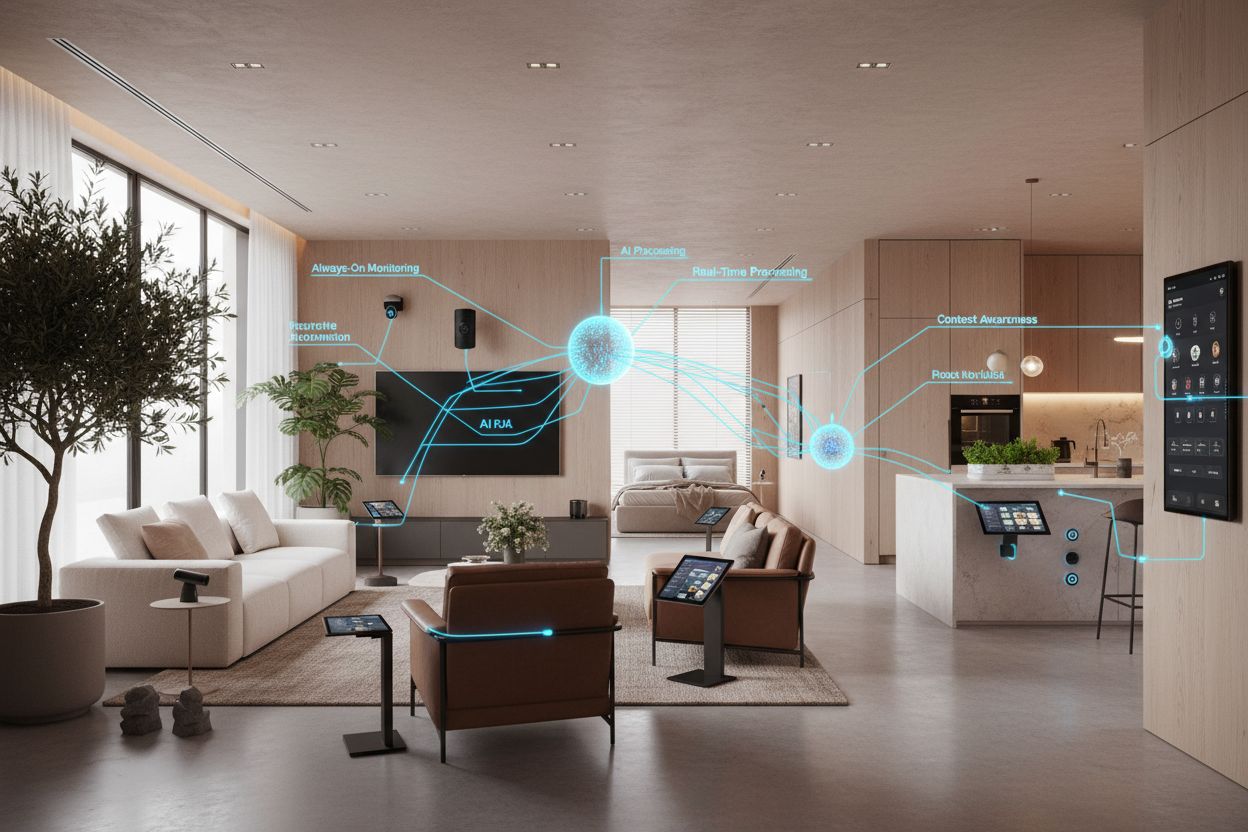
Robotics and physical automation will extend ambient AI beyond sensing and control into active physical manipulation. Robotic systems will handle routine tasks—tidying spaces, preparing meals, managing laundry—coordinated by ambient AI that understands your preferences and schedules. Grid interaction and energy trading will enable homes to participate actively in energy markets, with ambient AI systems automatically buying and selling energy based on pricing signals and consumption patterns. Your home might generate excess solar energy during peak production hours and sell it back to the grid during peak pricing periods, with ambient AI optimizing these transactions autonomously. These convergent trends point toward environments that are not merely smart but genuinely intelligent—systems that understand context deeply, learn continuously, coordinate seamlessly across multiple domains, and anticipate needs with remarkable accuracy.
Traditional voice assistants like Alexa or Siri are reactive—they wait for you to give commands and then respond. Ambient AI assistants are proactive and always-on, continuously monitoring your environment, learning your patterns, and taking actions without you asking. While voice assistants require explicit interaction, ambient AI works silently in the background, anticipating your needs and adjusting your home automatically.
Ambient AI systems learn through continuous observation of your behavior patterns. They track when you adjust temperature, what lighting you prefer at different times, your daily routines, and how you interact with devices. Machine learning models analyze this data to identify patterns and predict your preferences. Over time, the system becomes increasingly accurate at anticipating your needs without explicit instruction.
Most ambient AI systems use edge processing, meaning they analyze data locally on your devices rather than constantly transmitting everything to cloud servers. However, they do continuously monitor sensors like cameras, microphones, and motion detectors. The key distinction is that many systems process this data locally and only store or transmit analytical results, not raw recordings. You should review your specific system's privacy settings and data practices.
Yes, effective ambient AI systems provide granular controls allowing you to disable specific sensors, restrict data sharing, and review collected information. You can typically set privacy modes, disable cameras or microphones during certain hours, and configure which automations are active. However, the level of control varies by manufacturer, so it's important to review privacy settings during setup.
Costs vary significantly based on scope and sophistication. Basic AI-enabled smart home apps range from $40,000-$100,000 for development, mid-scale platforms cost $100,000-$200,000, and advanced ecosystems with computer vision and multi-agent AI can exceed $200,000-$400,000. For consumers, individual devices range from $100-$500, with complete home systems typically costing $2,000-$10,000 depending on home size and features.
Ambient AI can integrate with smart locks, thermostats, lighting systems, cameras, motion sensors, smart appliances, environmental monitors, and voice-controlled speakers. Most systems work with devices using open standards like Matter, Zigbee, or Z-Wave. Compatibility depends on your chosen platform—some systems work with specific ecosystems (Apple HomeKit, Google Home, Amazon Alexa), while others offer broader device support.
Ambient AI optimizes energy consumption by learning your patterns and automatically adjusting heating, cooling, and lighting based on occupancy, time of day, and weather. It can shift energy-intensive tasks to off-peak hours when electricity is cheaper, pre-condition your home before you arrive, and identify inefficient appliances. Studies show ambient AI systems can reduce energy consumption by 15-25% annually.
Data safety depends on the manufacturer's practices and your privacy settings. Look for systems that process data locally (edge processing), offer transparent privacy policies, comply with regulations like GDPR and CCPA, and provide user controls over data collection. Reputable manufacturers encrypt data, limit data retention, and don't sell personal information. Always review privacy settings and choose systems from trusted providers with strong security records.
Discover how ambient AI assistants and other emerging technologies are mentioned in AI-generated content. Track your brand's presence across GPTs, Perplexity, and Google AI Overviews with AmICited.
Learn what autonomous AI assistants are, how they differ from regular AI assistants, their key capabilities, real-world applications, and why businesses are inv...
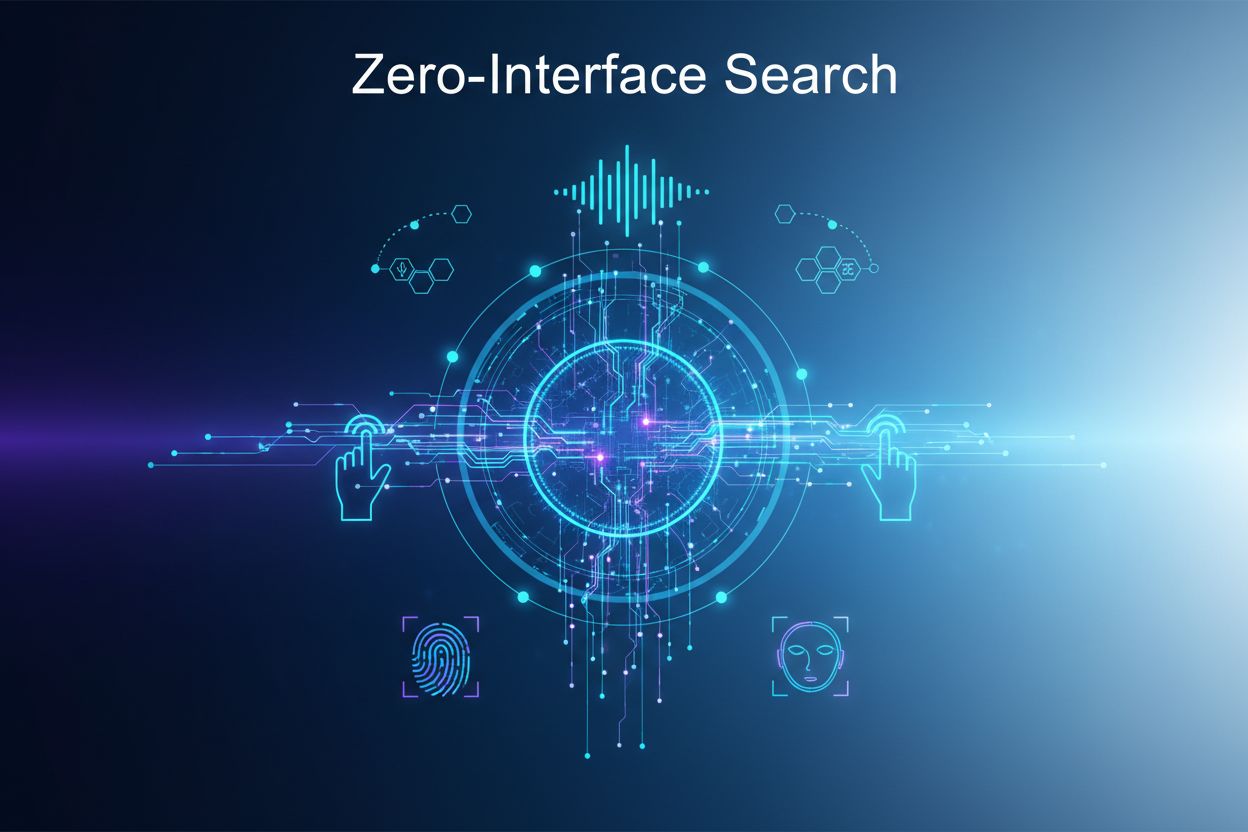
Explore Zero-Interface Search - AI-powered discovery without screens. Learn how voice, gestures, and ambient computing are transforming information access and b...

Learn what agentic AI is, how autonomous AI agents work, their real-world applications, benefits, and challenges. Discover how agentic AI is transforming enterp...