
Author Bio
Learn what an author bio is, why it matters for SEO and AI search engines, and how to create an effective author biography that builds credibility and trust wit...
11 min read

An author page is a dedicated web page that provides detailed information about a content creator, including their biography, professional credentials, expertise, and published works. Author pages serve as trust-building elements that enhance E-E-A-T signals and improve SEO performance by establishing the author’s authority and credibility.
An author page is a dedicated web page that provides detailed information about a content creator, including their biography, professional credentials, expertise, and published works. Author pages serve as trust-building elements that enhance E-E-A-T signals and improve SEO performance by establishing the author's authority and credibility.
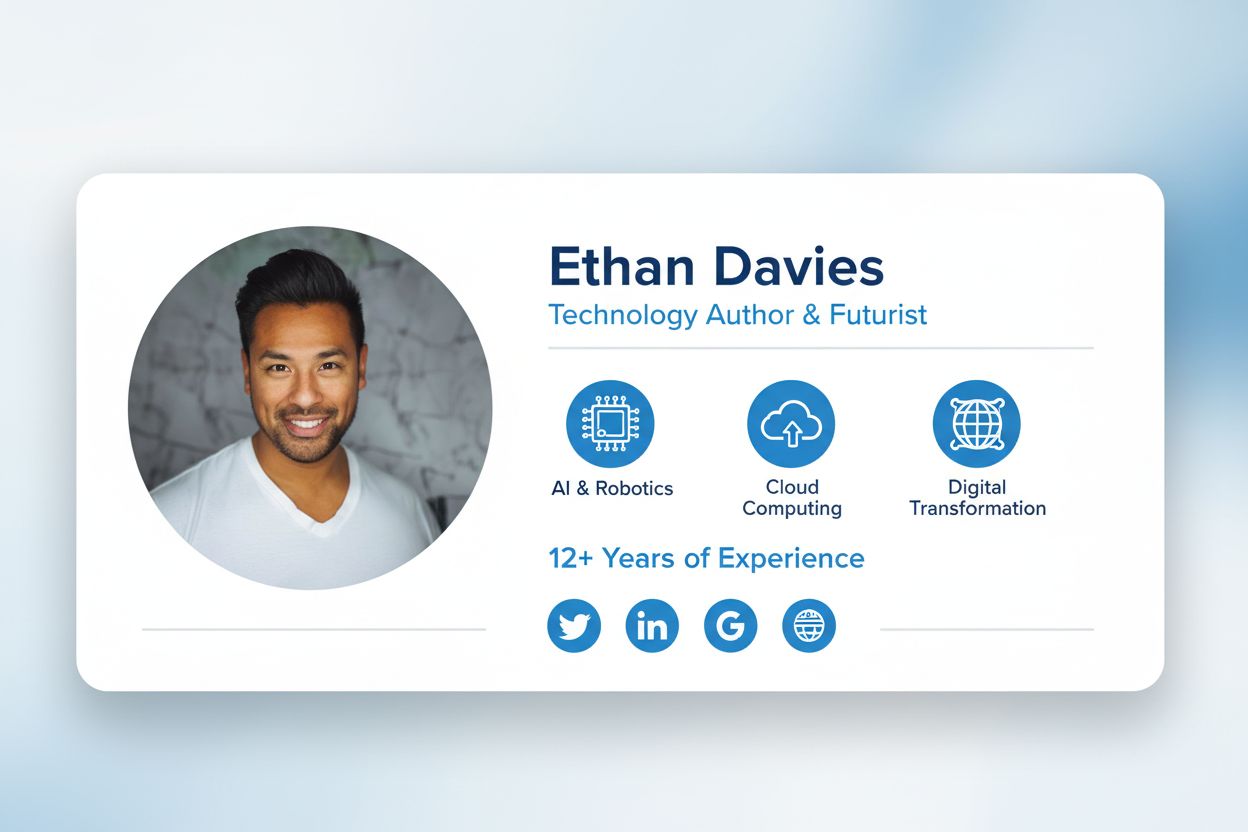
An author page is a dedicated web page that provides comprehensive information about a content creator, including their professional background, expertise, credentials, and published works. Traditionally found in books as a brief biography section, the digital version has evolved into a critical SEO and trust-building tool. Author pages serve as dedicated spaces where readers and search engines can learn about the person behind the content, establishing credibility and authority. These pages typically include a professional photograph, biographical information, qualifications, areas of specialization, social media links, and a portfolio of published articles or contributions. In the context of modern digital marketing and AI-powered search, author pages have become essential for content attribution and credibility verification, particularly as artificial intelligence systems increasingly cite sources and require clear author identification.
The concept of author pages has transformed significantly since the early days of the internet. Initially, many websites overlooked author attribution entirely, treating content as anonymous organizational output. However, as search engines evolved and began prioritizing content quality and creator credibility, author pages emerged as a fundamental component of modern SEO strategy. Google’s introduction of the E-E-A-T framework (Expertise, Experience, Authoritativeness, and Trustworthiness) in its Search Quality Evaluator Guidelines formalized the importance of author credibility. Research indicates that over 72% of consumers trust content more when they can identify the author and verify their credentials. This shift reflects a broader recognition that content quality is intrinsically linked to creator expertise, making author pages not merely optional but strategically essential for websites seeking to rank well in search results and build audience trust.
The relationship between author pages and E-E-A-T signals represents one of the most significant developments in modern SEO. E-E-A-T encompasses four critical dimensions that Google uses to evaluate content quality: Expertise, Experience, Authoritativeness, and Trustworthiness. Author pages directly address all four dimensions by showcasing an author’s professional background, relevant qualifications, years of industry experience, and demonstrated expertise. When an author page includes specific credentials, certifications, published works, and professional affiliations, it sends powerful trust signals to both search engines and human readers. For YMYL (Your Money, Your Life) topics—including health, finance, legal, and security content—author pages become even more critical. Studies show that websites with well-optimized author pages experience improved rankings for YMYL queries, as search engines prioritize content from verified experts. By investing in comprehensive author pages, organizations effectively communicate to Google that their content deserves higher visibility and trust, directly impacting search performance and user engagement.
| Attribute | Author Page | Byline Attribution | About Us Page | Author Schema Markup |
|---|---|---|---|---|
| Primary Focus | Individual creator expertise and credentials | Quick article attribution | Organization mission and values | Machine-readable author data |
| SEO Impact | High (builds E-E-A-T signals) | Medium (supports content context) | Medium (organizational authority) | High (improves search visibility) |
| Depth of Information | Comprehensive (biography, credentials, portfolio) | Minimal (name, role, date) | Moderate (company history, team) | Structured (standardized fields) |
| User Engagement | High (readers connect with creator) | Low (brief reference) | Medium (organizational connection) | None (backend data) |
| AI Citation Support | High (clear author identification) | Medium (basic attribution) | Low (organizational focus) | Very High (AI-readable format) |
| YMYL Relevance | Critical (demonstrates expertise) | Moderate (shows accountability) | Low (organizational credibility) | Critical (AI verification) |
| Implementation Complexity | Moderate (requires content creation) | Low (simple text addition) | Moderate (page development) | Low (code implementation) |
| Maintenance Requirements | High (regular updates needed) | Low (static information) | Moderate (periodic updates) | Low (automated updates possible) |
Implementing proper schema markup on author pages is essential for maximizing their SEO value and AI compatibility. The Person schema markup type allows webmasters to provide structured data about authors in a format that search engines and AI systems can easily interpret. This includes fields for name, job title, educational background, professional affiliations, social media profiles, and areas of expertise. When properly implemented, schema markup enables search engines to display author information in rich snippets, knowledge panels, and other enhanced search results. For AI citation monitoring purposes, schema markup becomes particularly valuable—it helps AI systems like ChatGPT, Perplexity, and Google AI Overviews accurately identify and attribute content to creators. Organizations using AmICited’s AI monitoring platform can track how their author pages appear in AI-generated responses, ensuring proper attribution across multiple AI platforms. The combination of well-written author page content and properly structured schema markup creates a comprehensive credibility signal that benefits both traditional search rankings and emerging AI-powered search paradigms.
Creating an effective author page requires strategic attention to both content and presentation. Professional photography is non-negotiable—research shows that author pages with high-quality, professional headshots generate significantly higher engagement and trust than those without images. The biography should be written in third person to convey professionalism and authority, typically ranging from 100-500 words depending on the author’s prominence and the website’s focus. For YMYL topics, biographies may exceed 500 words to adequately document credentials and expertise. Key elements to include are:
Internal linking from blog posts to author pages strengthens the SEO value of both pages, creating contextual relationships that search engines recognize. Additionally, featuring recent articles on the author page keeps the content fresh and signals ongoing activity and relevance to search engines.
The emergence of AI-powered search platforms has fundamentally changed the strategic importance of author pages. As systems like ChatGPT, Perplexity, Google AI Overviews, and Claude increasingly cite sources in their responses, author pages have become critical infrastructure for content attribution and brand visibility. Organizations using AI monitoring tools like AmICited can now track precisely where their author pages and content appear in AI-generated responses, providing unprecedented visibility into how AI systems perceive and cite their expertise. This represents a significant shift from traditional SEO, where visibility was primarily measured through search engine rankings. Author pages with clear, structured information and proper schema markup are more likely to be cited by AI systems, as these systems can more easily extract and verify author credentials. For content creators and organizations, this means that investing in comprehensive author pages is no longer just about improving search rankings—it’s about ensuring proper attribution and visibility across the entire AI-powered information ecosystem. Monitoring AI citations of your author page provides valuable insights into how your expertise is being recognized and distributed across emerging search platforms.
Understanding the impact of author pages requires tracking multiple performance metrics across both traditional and emerging channels. Bounce rate and dwell time on author pages indicate how effectively they engage visitors, with well-optimized pages typically showing 30-40% lower bounce rates than average website pages. Click-through rates from search results improve when author information appears in rich snippets, often increasing CTR by 15-25% for branded searches. For organizations using AI monitoring platforms, tracking the frequency and context of author page citations in AI responses provides a new dimension of performance measurement. Internal linking metrics reveal how effectively author pages drive traffic to related content, while social media referrals from author page links indicate audience engagement and sharing behavior. Conversion metrics—such as newsletter signups, consultation requests, or product purchases initiated from author pages—demonstrate direct business impact. Advanced analytics can track how visitors who engage with author pages differ in behavior from those who don’t, revealing whether author credibility influences purchasing decisions or content consumption patterns. Organizations should establish baseline metrics before optimizing author pages, then measure improvements quarterly to assess ROI and identify optimization opportunities.
Different platforms and content management systems offer varying levels of author page functionality and optimization capabilities. WordPress, the most widely used CMS, provides native author page functionality with customizable templates and built-in schema markup support through plugins like Yoast SEO and Rank Math. These plugins automatically generate proper schema markup for author pages, significantly reducing implementation complexity. Medium and Substack, popular platforms for independent writers, provide author profile pages with limited customization but strong built-in credibility signals due to the platforms’ established authority. For enterprise websites using custom CMS solutions, implementing author pages requires more development effort but offers greater flexibility in design and functionality. News organizations and publishing platforms like The New York Times, Forbes, and The Guardian have invested heavily in sophisticated author pages that showcase journalist credentials, publication history, and expertise areas, setting industry standards for author page design. Social media platforms increasingly recognize author pages as important credibility signals—LinkedIn author pages, for instance, directly influence how content is distributed and perceived by the platform’s algorithm. Organizations should audit their current platform’s author page capabilities and consider whether custom development or platform migration might be necessary to fully optimize author credibility signals.
The future of author pages is inextricably linked to the evolution of AI-powered search and content attribution systems. As AI systems become more sophisticated in evaluating source credibility, author pages will likely become even more critical for content visibility and proper attribution. Emerging trends suggest that author pages will increasingly incorporate multimedia elements—video introductions, podcast appearances, and interactive credentials displays—to create more engaging and comprehensive credibility profiles. The integration of author pages with knowledge graphs and entity recognition systems will enable AI to better understand author expertise and match content to appropriate audiences. Blockchain-based verification systems may eventually provide cryptographic proof of author credentials and publication history, creating immutable records of expertise and authorship. For organizations monitoring AI citations through platforms like AmICited, the ability to track author page performance across multiple AI systems will become standard practice, similar to how SEO professionals currently track search rankings. The rise of specialized author pages for different content types—separate pages for research papers, opinion pieces, and news articles—may emerge as best practice. Additionally, as privacy concerns around personal data increase, author pages may evolve to balance transparency with privacy protection, potentially incorporating privacy-respecting verification methods. The strategic importance of author pages will continue to grow as search engines, AI systems, and users increasingly prioritize content creator credibility and expertise in their evaluation of information quality and trustworthiness.
An author page focuses specifically on individual content creators and their expertise, while an about page describes the organization or company as a whole. Author pages highlight personal credentials, qualifications, and published works, whereas about pages emphasize company mission, values, and history. Many websites benefit from having both, as they serve complementary purposes in building trust and authority.
Author pages directly support E-E-A-T factors that Google uses to evaluate content quality. By demonstrating an author's expertise, experience, authoritativeness, and trustworthiness, author pages signal to search engines that content is credible and valuable. While not a direct ranking factor, author pages contribute to overall domain authority and can improve click-through rates from search results, indirectly boosting rankings.
A comprehensive author page should include a professional photo, full name, current role or position, relevant qualifications and certifications, years of experience in the industry, areas of expertise, brief biography written in third person, links to social media profiles, contact information, and a list of published articles or notable contributions. For YMYL topics, additional credentials and conflict-of-interest disclosures are recommended.
YMYL (Your Money, Your Life) topics include health, finance, and security content where author credibility directly impacts user well-being. Search engines prioritize author expertise and trustworthiness for these sensitive topics. Author pages for YMYL content should prominently display professional licenses, certifications, academic credentials, and relevant experience to demonstrate the author's qualifications to write about topics affecting personal health or financial decisions.
As AI systems like ChatGPT, Perplexity, and Google AI Overviews increasingly cite sources, author pages become critical for attribution tracking. Well-optimized author pages with clear schema markup help AI systems identify and properly attribute content to creators. This is particularly important for monitoring brand visibility in AI responses and ensuring proper credit for published works across AI-powered search platforms.
Schema markup is structured data that helps search engines understand page content. Using Person schema markup on author pages enables search engines to extract and properly interpret author information, improving visibility in search results and rich snippets. Schema markup also helps AI systems identify author credentials and expertise, making it easier for these systems to cite and attribute content accurately.
Author pages should be reviewed and updated every 6-12 months to reflect new achievements, publications, certifications, or role changes. Regular updates keep information current and signal to search engines that the page is actively maintained. Adding recent articles, new credentials, or updated social media links demonstrates ongoing expertise and helps maintain the author's authority in their field.
Start tracking how AI chatbots mention your brand across ChatGPT, Perplexity, and other platforms. Get actionable insights to improve your AI presence.
Learn what an author bio is, why it matters for SEO and AI search engines, and how to create an effective author biography that builds credibility and trust wit...

Learn how to create effective author pages that improve your visibility in AI search engines like ChatGPT, Perplexity, and Google AI. Discover structured metada...
Learn how author schema markup improves AI citations in ChatGPT, Perplexity, and Google AI Overviews. Discover implementation strategies to increase your brand ...