
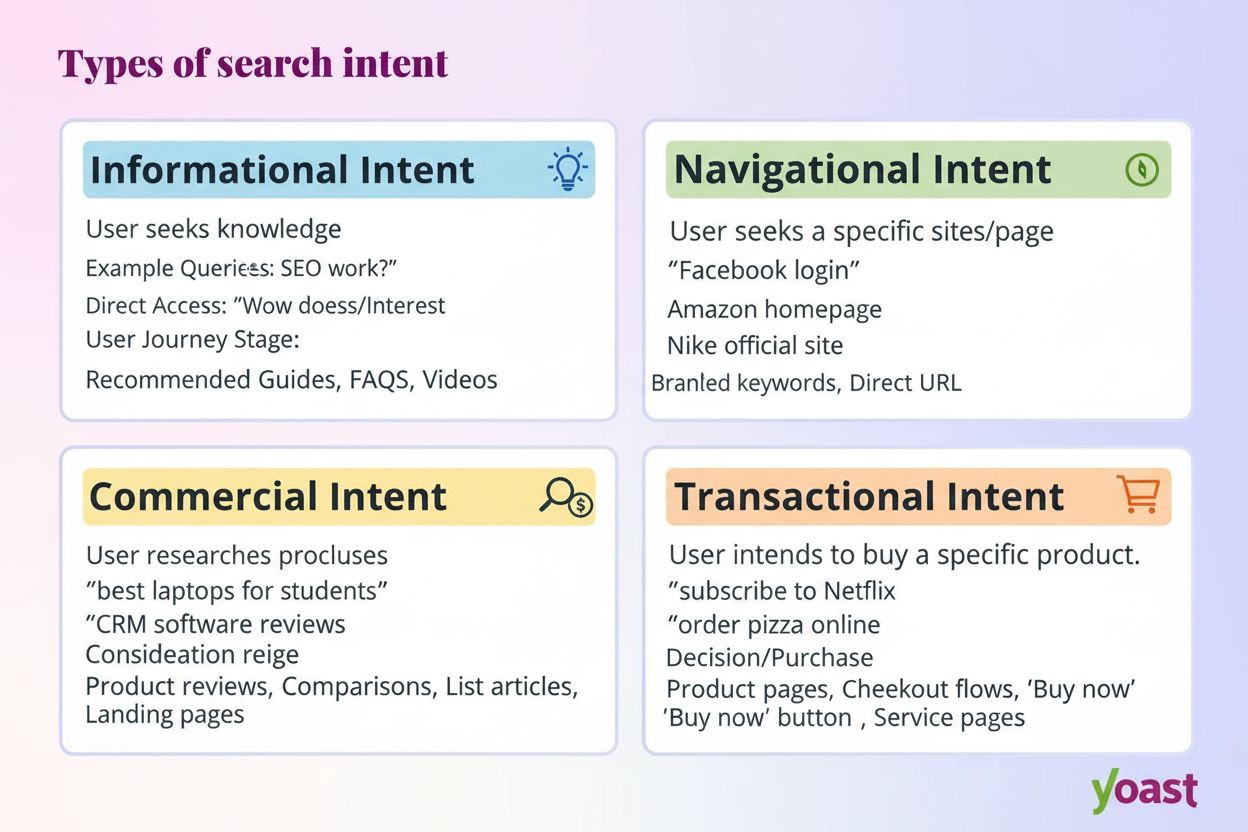
Search Intent
Search intent is the purpose behind a user's search query. Learn the four types of search intent, how to identify them, and optimize content for better rankings...
13 min read

Beneficial purpose refers to the primary intent behind webpage content to help and serve users rather than manipulate search rankings or deceive them. Content with beneficial purpose is created to provide genuine value, information, or services to visitors, forming a core principle of Google’s quality assessment and E-E-A-T evaluation framework.
Beneficial purpose refers to the primary intent behind webpage content to help and serve users rather than manipulate search rankings or deceive them. Content with beneficial purpose is created to provide genuine value, information, or services to visitors, forming a core principle of Google's quality assessment and E-E-A-T evaluation framework.
Beneficial purpose is the primary intent behind webpage content to help, inform, and serve users rather than manipulate search engine rankings or deceive visitors. According to Google’s Search Quality Rater Guidelines, “high quality pages serve a beneficial purpose and achieve that purpose well.” Content with beneficial purpose is created with the genuine motivation to provide value—whether through information, entertainment, products, services, or other meaningful contributions—to people who visit the page. This concept has become increasingly central to how search engines, AI systems, and quality raters evaluate content credibility and relevance. The distinction between beneficial purpose and search engine-first content is fundamental: beneficial purpose prioritizes user needs first, while search engine-first content is created primarily to attract search traffic with minimal regard for actual user satisfaction.
The importance of beneficial purpose extends beyond traditional search rankings. As AI systems like ChatGPT, Perplexity, Google AI Overviews, and Claude become primary discovery mechanisms, content with clear beneficial purpose is more likely to be cited as authoritative sources. These systems are trained to recognize and prioritize content that demonstrates genuine effort to serve user needs, original research, and authentic expertise. For organizations using platforms like AmICited to monitor brand visibility in AI responses, understanding and demonstrating beneficial purpose is essential for earning citations and maintaining authority in AI-generated content.
The concept of beneficial purpose emerged as search engines evolved from simple keyword-matching systems to sophisticated quality assessment frameworks. In the early 2000s, Google’s ranking algorithms focused primarily on technical factors like backlinks and keyword density. However, as search became more sophisticated and user expectations increased, Google recognized that pages could technically satisfy queries while providing poor user experiences or misleading information. This realization led to the development of more nuanced quality assessment criteria, with beneficial purpose becoming a cornerstone principle.
Google formalized beneficial purpose guidance in its Search Quality Rater Guidelines, which have been updated regularly since their initial release. The guidelines explicitly state that raters should evaluate whether a page has a “harmful purpose” or is “designed to deceive people about its true purpose.” This framework acknowledges that not all pages with relevant keywords serve users well. Over 78% of enterprises now use AI-driven content monitoring tools to track how their content performs across search and AI systems, reflecting the growing recognition that content quality and purpose directly impact visibility and authority.
The evolution of beneficial purpose assessment accelerated with the introduction of E-E-A-T (Experience, Expertise, Authoritativeness, Trustworthiness) as a formal ranking consideration. Google added the first “E” for Experience in December 2022, recognizing that first-hand knowledge and genuine user experience are critical signals of beneficial purpose. This shift reflected a broader industry movement toward rewarding authentic, human-centered content creation over automated, low-effort content production. The rise of generative AI has further emphasized beneficial purpose, as search engines and AI systems now explicitly evaluate whether content was created with genuine intent to help users or primarily to manipulate algorithms.
Understanding the distinction between beneficial purpose and search engine-first content is critical for content creators and marketers. Beneficial purpose content is created with the primary goal of helping users achieve their objectives, answer their questions, or solve their problems. This content typically demonstrates effort, originality, and expertise. Examples include a detailed medical article written by a qualified healthcare professional, a comprehensive product review based on actual testing, or an original research report that provides new insights into an industry.
Search engine-first content, by contrast, is created primarily to attract search traffic with minimal concern for actual user value. Google’s guidelines identify several warning signs of search engine-first content: producing large quantities of content on many different topics hoping some will rank well, using extensive automation to generate content on numerous topics, mainly summarizing what others have said without adding value, writing about trending topics without genuine expertise, and changing publication dates to make content appear fresh when it hasn’t substantially changed. According to Google’s official guidance, approximately 40% of websites still employ at least some search engine-first tactics, despite clear algorithmic penalties.
The practical implications are significant. Pages created with beneficial purpose tend to achieve higher rankings over time because they satisfy user intent more completely, generate more engagement signals, and earn more natural backlinks. They’re also more likely to be cited by AI systems, which increasingly prioritize authoritative, trustworthy sources. Conversely, search engine-first content may achieve short-term ranking gains but typically experiences declining visibility as algorithms improve and users recognize low-quality patterns. For organizations tracking their presence in AI responses through tools like AmICited, beneficial purpose is a key differentiator—content with clear beneficial purpose is cited more frequently and with greater authority.
| Aspect | Beneficial Purpose Content | Search Engine-First Content |
|---|---|---|
| Primary Motivation | Help users achieve their goals | Attract search traffic and clicks |
| Content Creation | Thoughtful, researched, original | Automated, templated, or scraped |
| Effort Level | High effort, multiple revisions | Low effort, minimal curation |
| Expertise Demonstrated | Clear expertise or first-hand experience | Little to no demonstrated expertise |
| User Satisfaction | Users find content helpful and complete | Users often need to search elsewhere |
| Originality | Original research, unique perspectives | Paraphrased or copied from other sources |
| Monetization | Transparent, doesn’t compromise value | Primary focus, minimal user value |
| Longevity | Sustained rankings and authority | Short-term gains, declining visibility |
| AI Citation Likelihood | High—cited as authoritative source | Low—avoided by quality AI systems |
| E-E-A-T Signals | Strong across all dimensions | Weak or absent signals |
Implementing beneficial purpose in content requires a strategic approach that goes beyond simple keyword optimization. The first step is defining clear user intent for each piece of content. Before writing, creators should ask: “What specific problem is this content solving? What question is the user trying to answer? What action do they want to take?” This clarity ensures that every element of the content—from the headline to the conclusion—serves the user’s actual need rather than search engine algorithms.
Original research and data are powerful signals of beneficial purpose. Content that includes original surveys, experiments, case studies, or proprietary data demonstrates that the creator invested significant effort to provide unique value. For example, a company that conducts original research on industry trends and publishes findings with full methodology and data sources demonstrates beneficial purpose far more effectively than a company that summarizes existing research without adding new insights. According to research from content marketing platforms, content with original data receives 3x more engagement than content without it.
Comprehensive coverage of topics is another critical implementation element. Beneficial purpose content doesn’t just answer the basic question—it anticipates follow-up questions, provides context, and offers multiple perspectives. A beneficial purpose article about “how to start a business” would include sections on market research, funding options, legal structure, marketing strategy, and common mistakes, rather than just listing basic steps. This comprehensiveness signals to both users and search algorithms that the creator genuinely understands the topic and wants to provide complete value.
Author transparency and credentials directly support beneficial purpose. Content should clearly identify who created it, their relevant experience, and their qualifications for addressing the topic. This is especially critical for YMYL (Your Money or Your Life) topics like health, finance, and legal advice, where expertise is essential. Pages that hide authorship or misrepresent credentials are explicitly flagged as lacking beneficial purpose in Google’s quality guidelines. Including author bios, linking to author profiles, and displaying relevant certifications all strengthen the beneficial purpose signal.
The relationship between beneficial purpose and E-E-A-T is deeply interconnected. Beneficial purpose is the foundation upon which E-E-A-T is built. When content is created with genuine intent to help users, the creator naturally demonstrates the four E-E-A-T dimensions more authentically.
Experience in E-E-A-T refers to first-hand knowledge and lived experience with the topic. Content with beneficial purpose often showcases this experience because the creator wants to share what they’ve learned. A product review written with beneficial purpose includes detailed descriptions of personal testing and use, not just generic product features. A health article written with beneficial purpose might include patient testimonials or personal stories from people who’ve experienced the condition, adding credibility and relatability.
Expertise is demonstrated through deep knowledge, proper sourcing, and accurate information. Beneficial purpose content naturally exhibits expertise because creators motivated to help users invest time in research, fact-checking, and ensuring accuracy. They cite authoritative sources, explain complex concepts clearly, and acknowledge limitations in their knowledge. This contrasts sharply with search engine-first content, which often contains factual errors, unsupported claims, and poor sourcing because the creator’s primary motivation is ranking, not accuracy.
Authoritativeness emerges when content is recognized as a go-to source for a topic. Beneficial purpose content builds authority over time because it consistently provides value, earns citations from other authoritative sources, and generates positive user engagement signals. Search engines and AI systems recognize this authority through backlink patterns, user behavior metrics, and citation frequency. Content created with beneficial purpose is more likely to be cited by Perplexity, ChatGPT, and other AI systems because these systems prioritize authoritative, trustworthy sources.
Trustworthiness, the most critical E-E-A-T dimension, is fundamentally built on beneficial purpose. Users trust content when they recognize that it was created to help them, not exploit them. Trustworthiness is demonstrated through transparency about methods, honest acknowledgment of limitations, clear disclosure of conflicts of interest, and consistent accuracy. Content with beneficial purpose naturally exhibits these trustworthiness signals because the creator’s motivation aligns with user interests.
YMYL (Your Money or Your Life) topics—including health, finance, legal matters, and safety—require the highest standards of beneficial purpose. These topics can significantly impact people’s health, financial stability, or safety, so content must be created with genuine intent to help users make informed decisions. Google’s quality guidelines explicitly state that pages on YMYL topics require “very high Page Quality rating standards because low quality pages on such topics could potentially negatively impact a person’s health, financial stability, or safety, or the welfare or well-being of society.”
For YMYL content, beneficial purpose means going beyond basic information to provide comprehensive, accurate, and expert-reviewed guidance. A beneficial purpose article about diabetes management would include information from medical organizations, cite peer-reviewed research, acknowledge different treatment approaches, and encourage consultation with healthcare providers. It would not make unsupported claims about cures, promote unproven treatments, or prioritize affiliate commissions over user health.
The stakes for beneficial purpose in YMYL topics are reflected in how AI systems handle these topics. ChatGPT, Claude, and other AI systems are trained to be especially cautious with YMYL content, often declining to provide definitive medical or legal advice and instead directing users to qualified professionals. This caution reflects recognition that beneficial purpose is essential—content on these topics must be created with genuine intent to help users make safe, informed decisions, not to sell products or services.
A common misconception is that monetized content cannot have beneficial purpose. This is false. Google’s guidelines explicitly state: “Many websites need monetization to share content with users. The presence or absence of Ads alone is not a consideration for PQ rating.” Beneficial purpose and monetization are compatible when the creator’s primary motivation remains helping users, with monetization as a secondary consideration to sustain operations.
Examples of beneficial purpose monetized content include: a comprehensive product review site that earns affiliate commissions but provides honest, detailed reviews based on actual testing; a news website with advertising that maintains editorial standards and publishes original reporting; a SaaS company blog that includes affiliate links to complementary tools but provides genuine value through tutorials and best practices; and a health information website supported by pharmaceutical advertising that maintains strict editorial independence and accuracy standards.
The key distinction is transparency and prioritization. Beneficial purpose monetized content clearly discloses how it earns revenue, ensures that monetization doesn’t compromise content quality or accuracy, and prioritizes user value over revenue maximization. Search engine-first monetized content, by contrast, prioritizes revenue above all else—using deceptive practices like hiding affiliate links, exaggerating product benefits, or creating content primarily to drive clicks to monetized links.
For organizations monitoring their content’s presence in AI responses through AmICited, monetization transparency actually strengthens beneficial purpose signals. AI systems recognize that legitimate businesses need revenue to operate, and they reward transparency about business models. Content that honestly discloses monetization while maintaining high quality standards is more likely to be cited as authoritative.
The emergence of AI systems as primary content discovery mechanisms has elevated the importance of beneficial purpose. ChatGPT, Perplexity, Google AI Overviews, and Claude are trained on vast amounts of internet content, but they’re specifically designed to prioritize authoritative, trustworthy sources. Content with clear beneficial purpose is more likely to be included in AI training data and cited in AI-generated responses because these systems recognize beneficial purpose as a signal of reliability.
AmICited and similar AI monitoring platforms track how often content appears in AI responses across multiple systems. Organizations using these tools have discovered that content with strong beneficial purpose signals—original research, clear expertise, transparent authorship, comprehensive coverage—receives significantly more AI citations than generic, low-effort content. This creates a new dimension of SEO: GEO (Generative Engine Optimization), which focuses on optimizing content for inclusion in AI-generated responses.
The relationship between beneficial purpose and AI citation is bidirectional. Content created with beneficial purpose is more likely to be cited by AI systems, which increases visibility and authority. This increased visibility and authority further reinforces the content’s beneficial purpose signal, creating a positive feedback loop. Conversely, content lacking beneficial purpose is actively avoided by quality AI systems, which reduces visibility and authority.
For content creators and marketers, this means that beneficial purpose is no longer just a ranking factor—it’s a citation factor. Content that demonstrates clear beneficial purpose through original research, expert authorship, comprehensive coverage, and transparent methodology is more likely to appear in AI responses, which increasingly drive user discovery and engagement.
The concept of beneficial purpose will continue evolving as technology and user expectations change. Several trends are likely to shape how beneficial purpose is understood and evaluated in coming years.
AI-generated content presents both challenges and opportunities for beneficial purpose. As generative AI tools become more sophisticated, the distinction between human-created and AI-created content will matter less than whether the content demonstrates beneficial purpose. Google’s guidance already acknowledges that AI can be used to create high-quality content with beneficial purpose, provided the creator uses AI as a tool to enhance their work rather than as a replacement for human judgment and expertise. The key is transparency about AI use and maintaining human oversight to ensure accuracy and beneficial intent.
Personalization and user intent will become increasingly important in beneficial purpose evaluation. As search engines and AI systems better understand individual user needs, beneficial purpose will be evaluated not just on whether content is generally helpful, but on whether it specifically serves the needs of the user issuing the query. This means content creators will need to develop deeper understanding of their audience segments and create content that serves specific user intents rather than generic audiences.
Verification and fact-checking will likely become more central to beneficial purpose assessment. As misinformation becomes more sophisticated, search engines and AI systems will increasingly rely on verification signals—such as fact-checking by reputable organizations, citations from authoritative sources, and consistency with expert consensus—to evaluate beneficial purpose. Content creators who invest in verification and fact-checking will have stronger beneficial purpose signals.
Community and user feedback will play a larger role in beneficial purpose evaluation. As platforms increasingly incorporate user reviews, ratings, and feedback into quality assessment, content that genuinely serves users will be distinguished from content that merely appears to serve users. This creates incentives for content creators to focus on actual user satisfaction rather than gaming quality signals.
Sustainability and long-term value will become more important as search engines and AI systems recognize that beneficial purpose content tends to remain valuable over time, while search engine-first content quickly becomes obsolete. Content created with beneficial purpose—through original research, comprehensive coverage, and expert authorship—maintains value and authority longer than low-effort, trend-chasing content. This long-term value will increasingly be recognized as a beneficial purpose signal.
The future of beneficial purpose is fundamentally about alignment between creator intent and user needs. As technology evolves and user expectations change, the core principle remains constant: content created with genuine intent to help users will be recognized, rewarded, and cited more frequently than content created primarily to manipulate algorithms or exploit users. For organizations using AmICited to monitor their presence in AI responses, maintaining focus on beneficial purpose is the most reliable strategy for long-term visibility and authority across search engines and AI systems.
Beneficial purpose focuses on creating content primarily to help people, while SEO involves technical optimizations to help search engines understand content. Google's guidance emphasizes that SEO should support people-first content, not replace it. Content with beneficial purpose naturally aligns with SEO best practices because search engines reward content that genuinely serves user needs. The key distinction is motivation: beneficial purpose prioritizes user value first, whereas search engine-first content is created primarily to manipulate rankings.
Beneficial purpose is foundational to E-E-A-T (Experience, Expertise, Authoritativeness, Trustworthiness). Content created with beneficial purpose demonstrates these qualities more authentically because the creator focuses on serving users rather than gaming algorithms. Pages with clear beneficial purpose tend to show higher E-E-A-T signals through original research, proper sourcing, author transparency, and genuine expertise. Trust, the most critical E-E-A-T component, is built when users recognize that content exists to help them, not exploit them.
Yes, absolutely. Google explicitly states that monetization through advertising, affiliate links, or subscriptions does not contradict beneficial purpose. Many high-quality websites depend on advertising revenue to sustain operations and create quality content. The distinction is whether the primary motivation is helping users (beneficial purpose with monetization) or making money with minimal effort to help users (search engine-first content). Transparency about monetization methods actually strengthens beneficial purpose by building user trust.
AI citation systems evaluate beneficial purpose by analyzing whether content demonstrates genuine effort to serve user needs, includes original research or insights, provides comprehensive information, and shows clear expertise or experience. These systems are more likely to cite content that has strong beneficial purpose because it tends to be more reliable and authoritative. AmICited tracks how often your content appears in AI responses, which correlates with how well your content demonstrates beneficial purpose and E-E-A-T signals.
Content lacking beneficial purpose often exhibits these characteristics: created primarily to attract search traffic rather than serve users, mass-produced on many topics without expertise, extensive automation with no human curation, content that leaves readers needing to search elsewhere for better information, or pages created to manipulate users into clicking ads or monetized links. Pages that fail to achieve their stated purpose or contain misleading information also lack beneficial purpose. Google's quality raters specifically evaluate whether content would be bookmarked or recommended by users.
Beneficial purpose is a core signal in Google's ranking systems and increasingly important for AI Overview inclusion. Content demonstrating clear beneficial purpose tends to rank higher because Google's algorithms reward pages that satisfy user intent and provide genuine value. For AI systems like Google's AI Overviews, Perplexity, and ChatGPT, content with strong beneficial purpose is more likely to be cited because these systems prioritize reliable, authoritative sources. This creates a virtuous cycle where helpful content gets more visibility across both traditional search and AI-generated responses.
No, they are different concepts. A beneficial topic is the subject matter (e.g., health information, financial advice), while beneficial purpose is the creator's intent in addressing that topic. You can have a beneficial topic like 'how to treat diabetes' but lack beneficial purpose if the content is inaccurate, created without expertise, or designed to sell unproven treatments. Conversely, content about entertainment or humor can have strong beneficial purpose if created with genuine effort to entertain or inform. The purpose matters more than the topic.
Start tracking how AI chatbots mention your brand across ChatGPT, Perplexity, and other platforms. Get actionable insights to improve your AI presence.
Search intent is the purpose behind a user's search query. Learn the four types of search intent, how to identify them, and optimize content for better rankings...
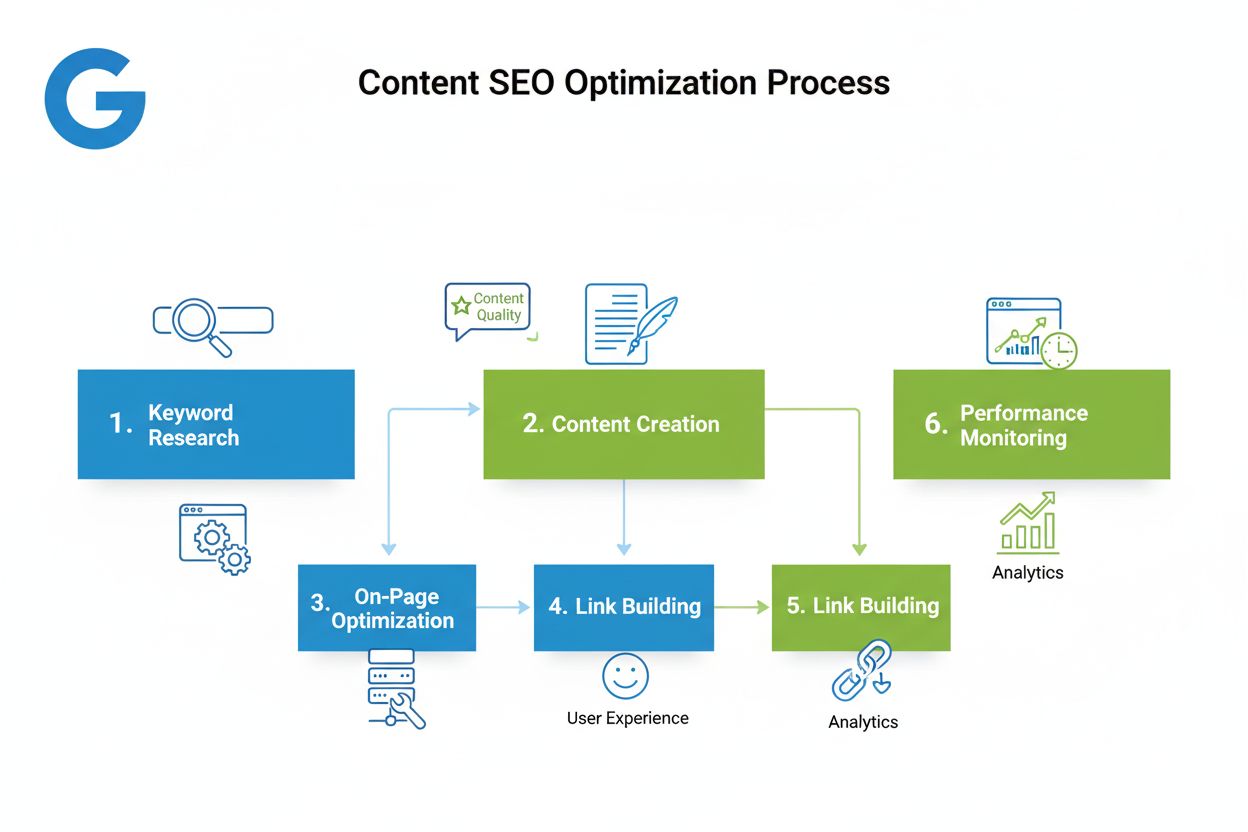
Content SEO is the strategic creation and optimization of high-quality content to improve search engine rankings and organic visibility. Learn how to optimize c...
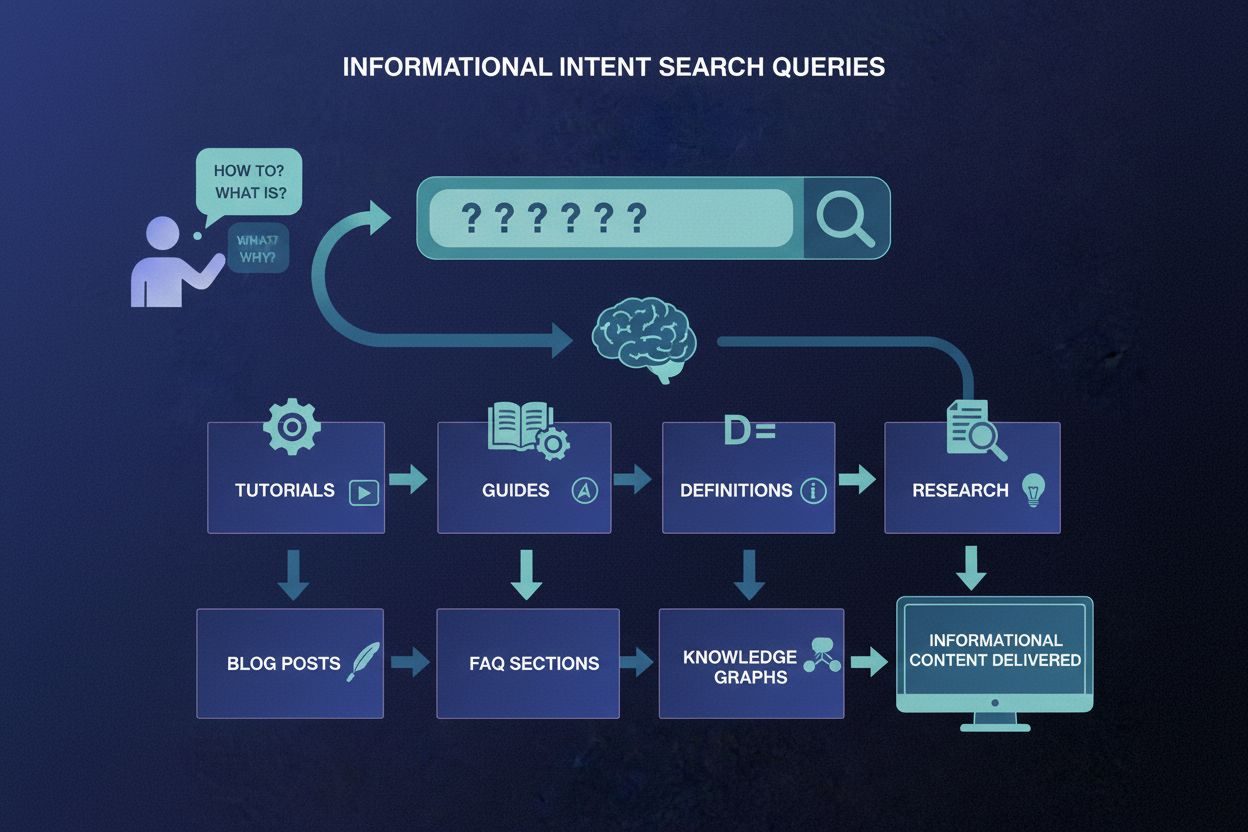
Informational intent is when users search for knowledge or answers. Learn how to optimize content for informational queries and understand its role in AI search...
Cookie Consent
We use cookies to enhance your browsing experience and analyze our traffic. See our privacy policy.