

Secondary Research
Secondary research analyzes existing data from multiple sources to answer new questions. Learn how organizations use desk research for cost-effective insights a...
13 min read
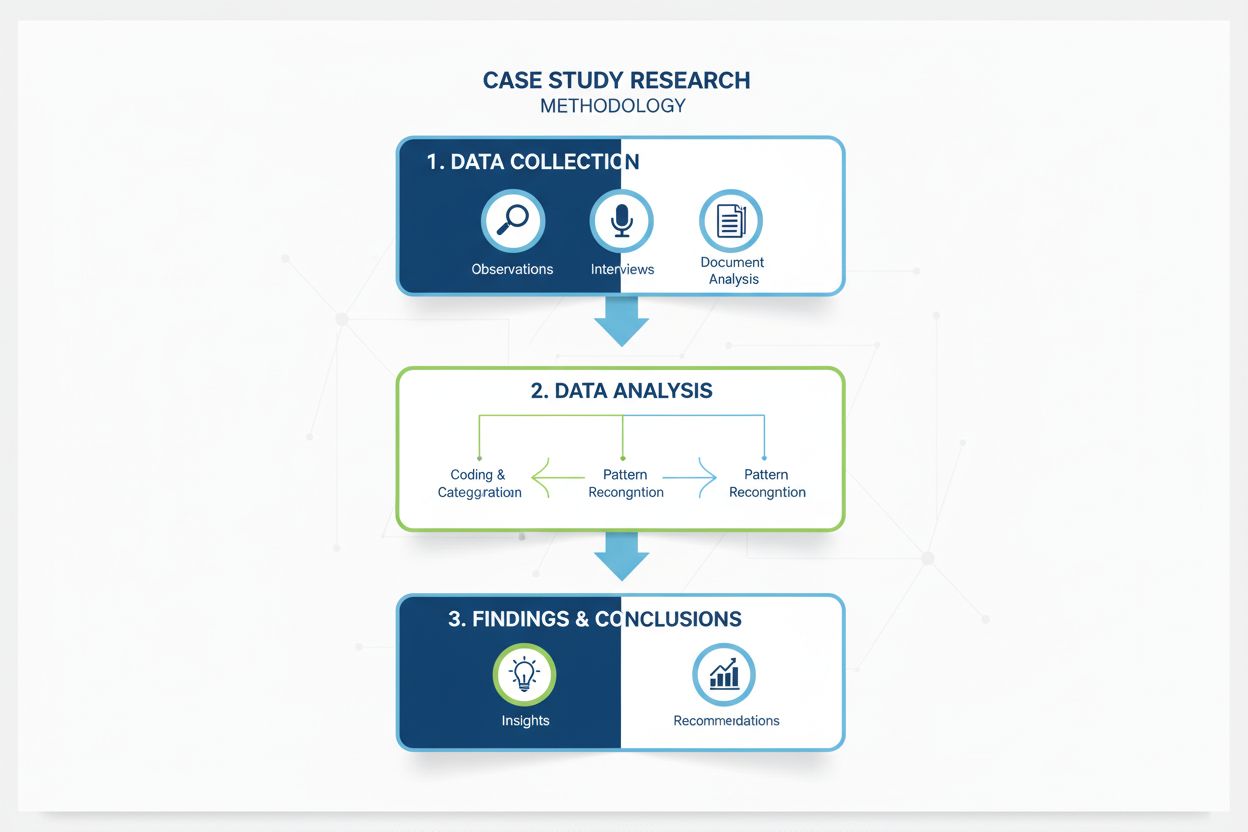
A case study is an in-depth, detailed analysis of a specific real-world subject—such as an individual, organization, event, or situation—conducted within its natural context to generate comprehensive understanding of complex phenomena. It combines qualitative and quantitative data collection methods to explore the intricacies, dynamics, and contextual factors that shape the case, making it a powerful research methodology for theory building, testing, and practical application.
A case study is an in-depth, detailed analysis of a specific real-world subject—such as an individual, organization, event, or situation—conducted within its natural context to generate comprehensive understanding of complex phenomena. It combines qualitative and quantitative data collection methods to explore the intricacies, dynamics, and contextual factors that shape the case, making it a powerful research methodology for theory building, testing, and practical application.
A case study is a comprehensive, in-depth analysis of a specific real-world subject—such as an individual, organization, event, community, or situation—examined within its natural context. The term encompasses a research methodology that combines qualitative and quantitative data collection techniques to generate nuanced understanding of complex phenomena. Case studies are designed to explore the intricacies, dynamics, contextual factors, and interrelationships that characterize the subject under investigation. Rather than seeking to generalize findings across large populations, case studies prioritize depth of understanding and contextual richness, making them particularly valuable for exploring phenomena where context is integral to meaning and outcomes. The case study approach has become foundational across academic disciplines including business, psychology, medicine, education, law, and social sciences, as well as in practical professional contexts where detailed analysis of specific situations informs decision-making and strategy development.
The case study methodology has deep historical roots, with early applications emerging in medical education and legal training, where detailed examination of specific patient cases or legal precedents provided essential learning opportunities. The formalization of case study research as a rigorous social science methodology gained significant momentum in the mid-twentieth century, particularly through the work of researchers like Robert Yin, who developed systematic frameworks for designing and conducting case studies. The evolution of case study research reflects broader shifts in how scholars and practitioners understand knowledge generation—moving from purely quantitative, hypothesis-testing approaches toward recognition that complex real-world phenomena require multifaceted, contextually-grounded investigation. According to research in qualitative methodology, approximately 67% of organizational and management studies now incorporate case study elements, reflecting the methodology’s widespread adoption across professional fields. The integration of digital tools, data analytics, and mixed-methods approaches has further enhanced the sophistication and rigor of contemporary case study research, enabling researchers to collect, analyze, and triangulate data from diverse sources with unprecedented precision and efficiency.
Case studies are distinguished by several defining characteristics that differentiate them from other research approaches. First, they emphasize in-depth exploration, involving thorough examination of specific cases using multiple data sources and methods to capture comprehensive information about the phenomenon. Second, contextual analysis is central to case study research—understanding the unique circumstances, background, environmental factors, and historical context that shape the case is essential for drawing meaningful conclusions. Third, case studies adopt a holistic perspective, examining the interrelationships among various factors rather than isolating individual variables, thereby capturing the richness and complexity of real-world situations. Fourth, case studies can incorporate both qualitative data (interviews, observations, documents) and quantitative data (statistics, numerical measures), with the combination enhancing validity and depth. Fifth, case studies often employ longitudinal or retrospective designs, allowing researchers to track changes over time or examine historical developments within the case. Sixth, each case study is inherently unique and context-specific, meaning findings may not be easily generalized to other situations, though patterns and insights may have broader applicability. Finally, case studies serve multiple purposes—they can build new theories, test existing theories, generate hypotheses, or provide practical insights applicable to similar situations.
| Aspect | Single-Case Study | Multiple-Case Study | Comparative Case Study | Quantitative Survey |
|---|---|---|---|---|
| Focus | In-depth analysis of one case | Analysis of 2-4 cases for pattern identification | Systematic comparison across cases | Statistical patterns across large sample |
| Depth | Extremely detailed, contextual | Moderately detailed per case | Balanced depth and breadth | Limited depth per unit |
| Generalizability | Limited to specific context | Moderate, identifies patterns | Moderate to good | High statistical generalizability |
| Time Investment | Moderate to high | High | Very high | Moderate |
| Data Types | Primarily qualitative | Mixed qualitative/quantitative | Mixed methods | Primarily quantitative |
| Best For | Unique cases, theory testing | Pattern identification, theory building | Understanding differences/similarities | Population-level trends |
| Sample Size | 1 case | 2-4 cases typically | 3+ cases | 100+ respondents |
| Analysis Approach | Narrative, thematic | Cross-case pattern analysis | Systematic comparison | Statistical analysis |
Case study research employs diverse data collection methods to ensure comprehensive understanding and triangulation of findings. Interviews—particularly semi-structured and in-depth formats—allow researchers to gather detailed information, opinions, and insights directly from participants, with flexibility to explore emerging themes. Observations involve direct examination and recording of behavior, activities, and events in their natural setting, providing authentic understanding of how phenomena unfold in practice. Document analysis examines written or recorded materials such as reports, memos, emails, strategic plans, and historical records, offering insights into organizational processes and decision-making. Surveys and questionnaires collect structured data from participants, providing quantitative measures that complement qualitative findings. Focus groups facilitate facilitated discussions among multiple participants, revealing shared perspectives and generating rich dialogue about experiences and perceptions. Archival research explores existing records, historical documents, and artifacts to understand historical context and evolution. Longitudinal data collection tracks cases over extended periods, capturing changes and developments. Ethnographic methods involve immersive engagement within cultural or social settings to understand behaviors and perspectives from insider perspectives. The selection of specific methods depends on research questions, case characteristics, available resources, and practical considerations such as participant access and time constraints.
Developing a rigorous case study research design requires careful attention to multiple methodological elements. The research design should clearly specify whether the study will be exploratory (investigating new phenomena), explanatory (testing causal relationships), or descriptive (characterizing phenomena in detail). Case selection is critical—researchers must define clear criteria for choosing cases that are information-rich and relevant to research questions, whether selecting unique cases, typical cases, or cases representing maximum variation. Case boundaries must be explicitly defined, specifying what is included and excluded from the investigation to maintain focus and consistency. Data collection procedures should be systematically documented, including sampling strategies, participant recruitment, and protocols for gathering information from multiple sources. Triangulation—combining multiple data sources, methods, and perspectives—strengthens validity by allowing researchers to cross-verify findings and identify convergent patterns. Analytical frameworks guide how data will be coded, categorized, and interpreted, whether through thematic analysis, narrative analysis, pattern matching, or other systematic approaches. Quality assurance mechanisms such as member checking (verifying findings with participants), peer debriefing, and audit trails enhance credibility and transparency. Research ethics must be prioritized throughout, including informed consent, confidentiality protection, and consideration of potential harms or benefits to participants.
A comprehensive case study typically includes several essential components that collectively provide thorough understanding of the subject. The introduction establishes context and background information, clearly states the purpose and objectives, and defines the research questions the study addresses. The case description identifies the specific subject of study and defines boundaries and scope, clarifying what aspects will be included and excluded. A literature review situates the case within broader theoretical and empirical contexts, summarizing relevant research and identifying knowledge gaps. The methodology section describes the research design, data collection methods, sampling procedures, and justification for chosen approaches. Data analysis explains how information was coded, categorized, and interpreted, describing the analytical framework and approach to identifying patterns and themes. The results section presents key findings clearly and organized, using tables, charts, and participant quotes to illustrate discoveries. The discussion interprets results in relation to research questions and existing literature, acknowledges limitations, and highlights contributions to knowledge. The conclusion summarizes key findings and their significance, discussing practical implications and future research directions. References provide complete citations for all sources, while appendices include supplementary materials such as interview transcripts or survey instruments.
Case studies have become indispensable tools in business and organizational contexts, providing practical insights that inform strategic decision-making and management practice. In organizational development, case studies examine how companies navigate change, implement new strategies, or overcome challenges, generating lessons applicable to similar organizational contexts. In marketing and brand management, case studies analyze successful campaigns, customer experiences, or market entry strategies, providing detailed understanding of what drives success. In product development, case studies examine how organizations conceptualize, develop, and launch products, identifying best practices and potential pitfalls. In human resources and organizational behavior, case studies explore workplace culture, leadership effectiveness, employee engagement, and organizational dynamics. In education and training, case studies provide realistic scenarios for discussion-based learning, as exemplified by Harvard Business School’s renowned case method, where approximately 80% of MBA curriculum relies on case-based instruction. In healthcare, case studies document patient outcomes, treatment approaches, and clinical decision-making, contributing to medical knowledge and practice improvement. In technology and innovation, case studies analyze how organizations adopt new technologies, manage digital transformation, or develop innovative solutions. The detailed, contextual nature of case study findings makes them particularly valuable for practitioners seeking to understand not just what happened, but why it happened and how similar situations might be approached differently.
In the emerging field of AI monitoring and brand tracking, case studies provide essential methodology for understanding how organizations appear in AI-generated responses across platforms like ChatGPT, Perplexity, Google AI Overviews, and Claude. Case study analysis of specific brands or domains reveals patterns in AI citation accuracy, frequency, and context, offering insights into how AI systems represent organizational information. For platforms like AmICited, which tracks brand mentions across AI systems, case study methodology enables detailed examination of individual instances where brands appear in AI responses, analyzing factors that influence citation, the accuracy of information presented, and competitive positioning within AI-generated content. Case studies of organizations’ AI visibility can identify best practices for improving brand representation in AI systems, understanding how content strategy, website optimization, and information architecture influence AI citation patterns. By examining specific examples of successful AI visibility, organizations can develop strategies to enhance their presence in AI responses, ensuring accurate representation and competitive advantage in the AI-driven information landscape. This application of case study methodology to AI monitoring represents an important evolution in how organizations understand and manage their digital presence in emerging AI systems.
Conducting high-quality case study research requires adherence to established best practices that ensure rigor, credibility, and relevance. Clear objective definition involves articulating specific research questions and purposes, ensuring focused and purposeful investigation. Appropriate case selection requires choosing cases that align with research objectives and provide necessary depth and richness. Rigorous research design develops robust frameworks integrating appropriate methods and aligned with case study nature. Multiple data sources enhance validity through triangulation, combining interviews, observations, documents, and other methods. Transparent documentation of data collection procedures facilitates replication and evaluation. Data validity and reliability are ensured through triangulation, member checking, and systematic verification. Clear case boundaries maintain focus and prevent scope creep. Diverse perspectives from multiple stakeholders provide holistic understanding. Ethical adherence protects participants through informed consent and confidentiality. Rigorous analysis employs systematic techniques and interprets findings within theoretical and contextual frameworks. Rich descriptions provide detailed context enabling readers to understand case intricacies. Clear communication uses accessible language and visual aids. Peer review provides external validation and improvement suggestions. Theory-practice linkage connects findings to existing knowledge and practical applications. Reflexivity acknowledges researcher biases and preconceptions, recognizing case study research as iterative process requiring openness to refinement.
Sampling in case study research differs fundamentally from quantitative approaches, employing purposeful sampling rather than random selection. Criterion sampling selects cases based on specific criteria relevant to research questions—for example, studying successful organizations based on demonstrated performance metrics. Maximum variation sampling chooses cases representing broad ranges of key characteristics, capturing diversity within the sample. Information-rich case selection prioritizes cases offering depth of detail and variation relevant to research objectives. Theoretical sampling allows sampling strategy to evolve as findings emerge, with new cases selected based on developing theoretical insights. Data saturation guides sampling continuation until additional cases yield no new insights, indicating adequate exploration. Case boundary definition ensures consistency by specifying what is included and excluded. Access and feasibility considerations assess practical possibilities for engaging with selected cases. Ethical considerations require informed consent and participant protection. Pilot testing of sampling strategies identifies potential challenges before full study implementation. Transparent documentation of sampling processes enhances credibility and enables evaluation of methodological rigor.
The case study methodology continues evolving in response to technological advances, changing research priorities, and emerging analytical capabilities. Digital tools and platforms increasingly enable sophisticated data collection, management, and analysis, allowing researchers to work with larger datasets and more complex cases than previously possible. Mixed-methods integration combines qualitative case study depth with quantitative rigor, providing more comprehensive understanding of phenomena. Longitudinal case studies benefit from improved data tracking technologies, enabling extended observation and analysis of cases over years or decades. Cross-cultural and comparative case studies leverage global connectivity to examine phenomena across diverse contexts, enhancing understanding of cultural and contextual variation. Real-time case study research uses digital platforms and social media to capture phenomena as they unfold, rather than relying solely on retrospective analysis. AI-assisted analysis employs machine learning and natural language processing to identify patterns in qualitative data, enhancing analytical capacity. Participatory case study approaches increasingly involve research subjects as co-researchers, democratizing knowledge generation. In AI monitoring contexts, case study methodology will likely become increasingly important as organizations seek to understand their presence and representation in AI systems, requiring detailed analysis of specific instances and patterns across platforms. The integration of case study research with emerging technologies and methodologies promises to enhance both the rigor and practical applicability of this enduring research approach.
A case study differs from other research methods by focusing on in-depth exploration of a single case or limited number of cases within their real-world context, rather than testing hypotheses across large populations. While quantitative research emphasizes statistical generalization and controlled variables, case studies prioritize contextual understanding and holistic analysis. This makes case studies particularly valuable for exploring complex, multifaceted phenomena where context is critical to understanding outcomes.
Single-case studies examine one specific instance in extraordinary depth, ideal for exploring unique situations, testing theories, or investigating critical cases. Multiple-case studies analyze several cases to identify patterns, similarities, and differences across contexts, providing broader insights and stronger evidence for theoretical propositions. Multiple-case studies generally offer greater analytical power and generalizability, though they require more resources and time than single-case studies.
Case studies typically employ multiple data collection methods including interviews (semi-structured or in-depth), direct observations, document analysis, surveys, focus groups, and archival research. This triangulation of methods—combining qualitative and quantitative data—enhances the validity and reliability of findings. The specific methods chosen depend on the research questions, the nature of the case, and practical considerations such as access to participants and available resources.
Case studies provide rich, contextual insights into real-world business challenges and solutions that quantitative data alone cannot capture. They allow researchers to examine how organizations navigate complex decisions, implement strategies, and adapt to changing environments. This makes case studies invaluable for developing practical management knowledge, testing business theories, and generating insights that practitioners can apply to their own organizational contexts.
Case studies serve dual purposes in theory development: they can generate new theories through exploratory analysis of novel phenomena, or test existing theories by examining their applicability in real-world contexts. Through detailed examination of specific cases, researchers can identify boundary conditions, refine theoretical propositions, and develop more nuanced understanding of how theories operate in practice. This iterative process strengthens theoretical frameworks and enhances their practical relevance.
The primary limitations of case studies include limited generalizability due to small sample sizes, potential researcher bias in data interpretation, and challenges in replicating findings. Case studies are also time-intensive and resource-demanding, requiring sustained engagement with the case. Additionally, the unique characteristics of each case may limit the applicability of findings to other contexts. However, these limitations do not diminish the value of case studies for generating deep contextual understanding and exploratory insights.
In AI monitoring contexts like AmICited, case studies can analyze specific instances of brand mentions in AI responses, examining how different AI systems cite or reference particular domains. Case studies of individual companies or campaigns provide detailed insights into AI citation patterns, content accuracy, and brand representation across platforms like ChatGPT, Perplexity, and Google AI Overviews. These detailed analyses help organizations understand their AI visibility and develop strategies for improved citation and brand presence.
Start tracking how AI chatbots mention your brand across ChatGPT, Perplexity, and other platforms. Get actionable insights to improve your AI presence.
Secondary research analyzes existing data from multiple sources to answer new questions. Learn how organizations use desk research for cost-effective insights a...

Competitor analysis is systematic research into competitor strategies, strengths, and weaknesses. Learn frameworks like SWOT and Porter's Five Forces for strate...
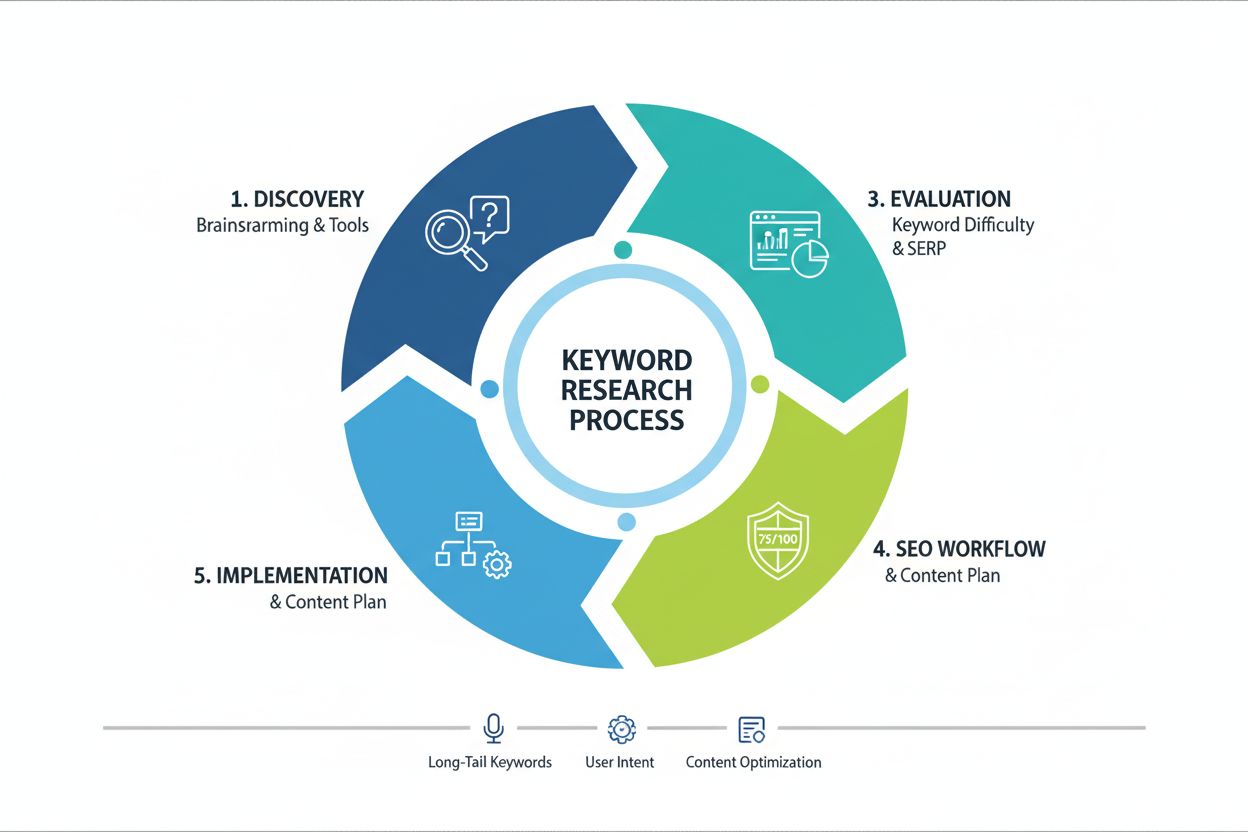
Keyword research is the foundational SEO process of identifying valuable search terms people use online. Learn methods, tools, and strategies to find high-impac...
Cookie Consent
We use cookies to enhance your browsing experience and analyze our traffic. See our privacy policy.