
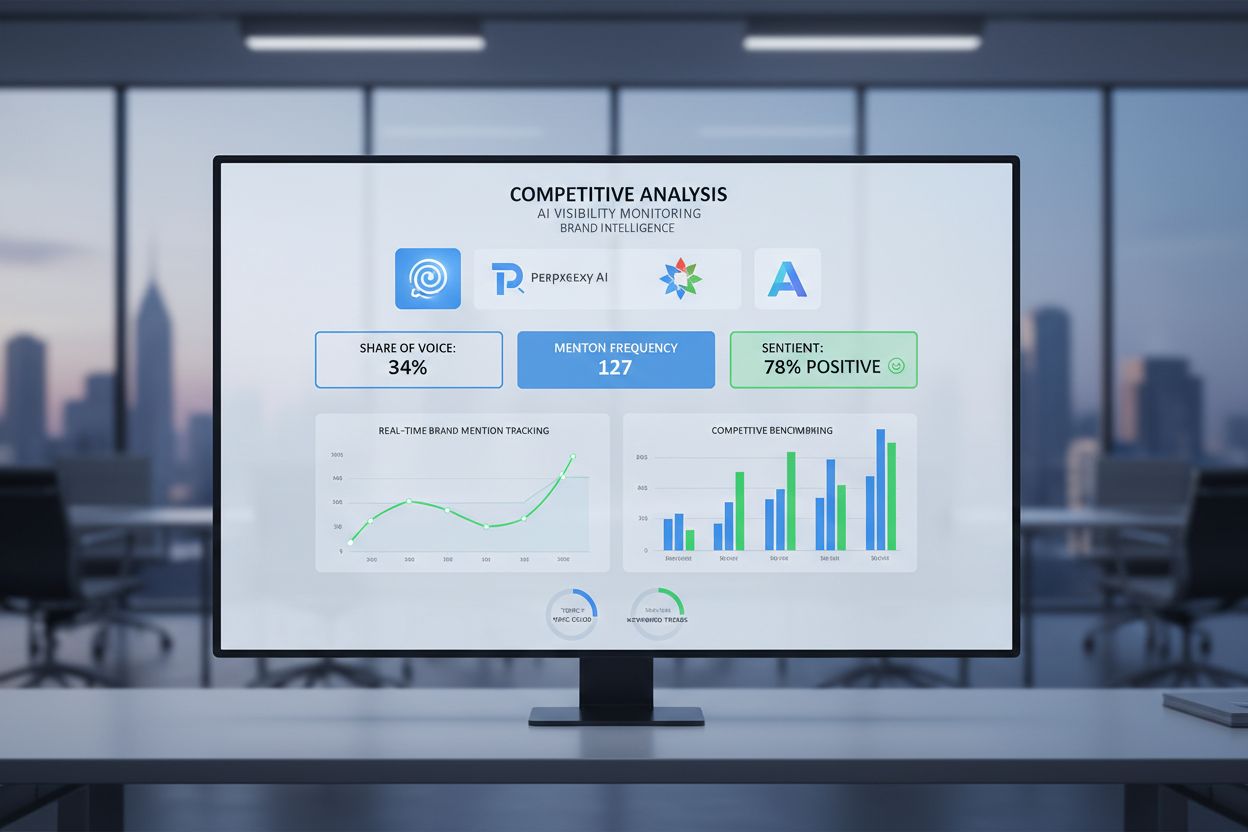
AI Competitive Analysis Tools
Learn what AI Competitive Analysis Tools are, how they track brand mentions across ChatGPT, Perplexity, and Google AI, and why they're essential for competitive...
8 min read
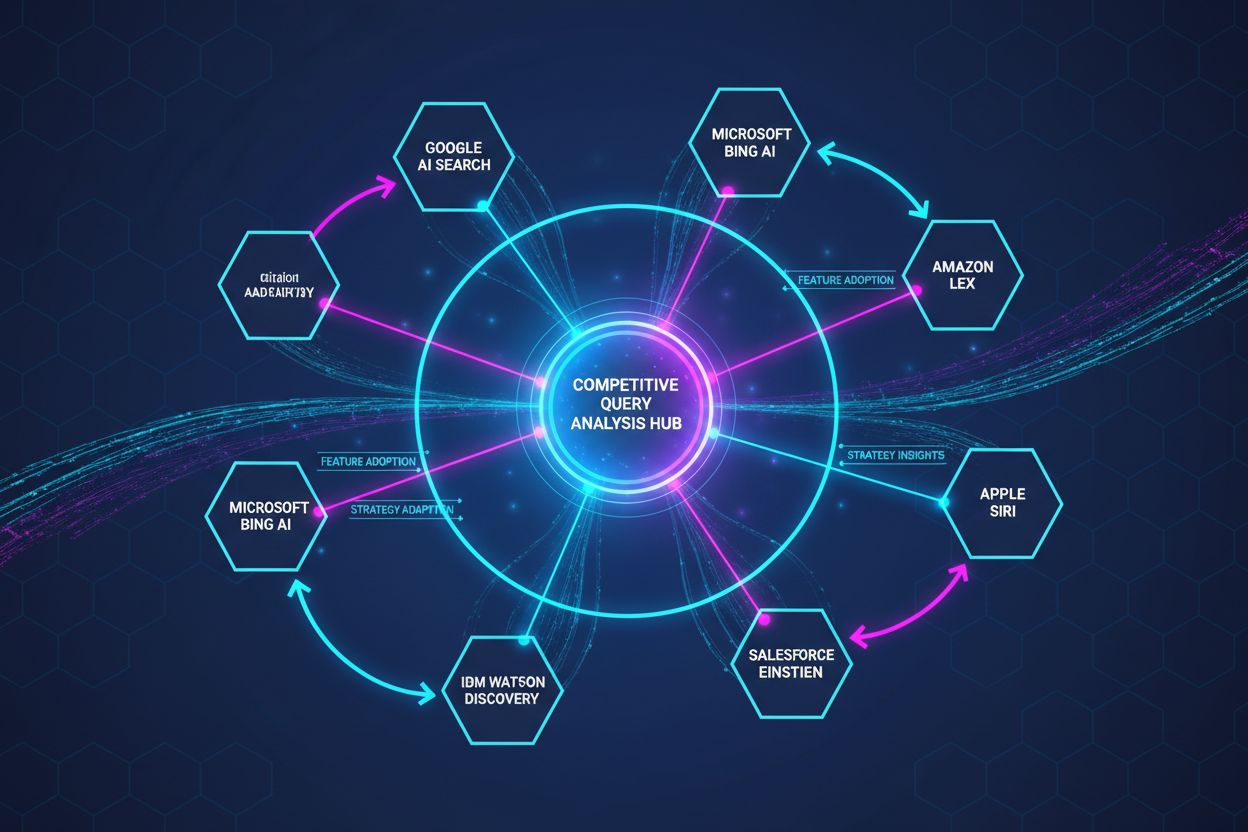
Competitive Query Analysis is the systematic process of identifying and evaluating search queries where competitors consistently outperform your organization in AI citations across generative AI platforms. Unlike traditional competitive analysis focused on organic rankings, CQA examines how often and in what context competitor content appears in responses from AI systems like ChatGPT, Perplexity, and Google AI Overviews.
Competitive Query Analysis is the systematic process of identifying and evaluating search queries where competitors consistently outperform your organization in AI citations across generative AI platforms. Unlike traditional competitive analysis focused on organic rankings, CQA examines how often and in what context competitor content appears in responses from AI systems like ChatGPT, Perplexity, and Google AI Overviews.
Competitive Query Analysis (CQA) is the systematic process of identifying and evaluating search queries where competitors consistently outperform your organization in AI citations across generative AI platforms. Unlike traditional competitive analysis that focuses on organic search rankings and click-through rates, CQA specifically examines how often and in what context your competitors’ content appears in responses from AI systems like ChatGPT, Perplexity, Google AI Overviews, and other large language models. This emerging discipline recognizes that AI-generated search results operate under fundamentally different ranking mechanisms than traditional search engines—LLMs prioritize authoritative, comprehensive, and frequently-cited sources rather than keyword optimization and backlink profiles. CQA involves monitoring which domains receive citations across multiple AI platforms, analyzing the frequency and prominence of competitor mentions, and understanding the query contexts where competitors dominate AI visibility. As AI search continues to reshape how users discover information, organizations must shift their competitive intelligence strategies to account for these new citation-based ranking systems that determine visibility in the AI-powered search landscape.
The importance of Competitive Query Analysis has grown exponentially as AI search adoption accelerates across consumer and enterprise markets. Research analyzing over 800 websites across 11 industries reveals that AI citations are highly concentrated, with LLMs typically citing only 2-7 domains per query response—meaning that appearing in AI-generated answers represents a significant competitive advantage. Unlike traditional search where hundreds of results appear on a SERP, AI citations create a winner-take-most dynamic where the top-cited domains capture the majority of AI visibility and potential traffic. The business implications are substantial: organizations that dominate AI citations for high-intent queries can establish thought leadership, drive qualified traffic, and influence how their industry is discussed in AI-powered conversations. Key reasons why CQA matters include:
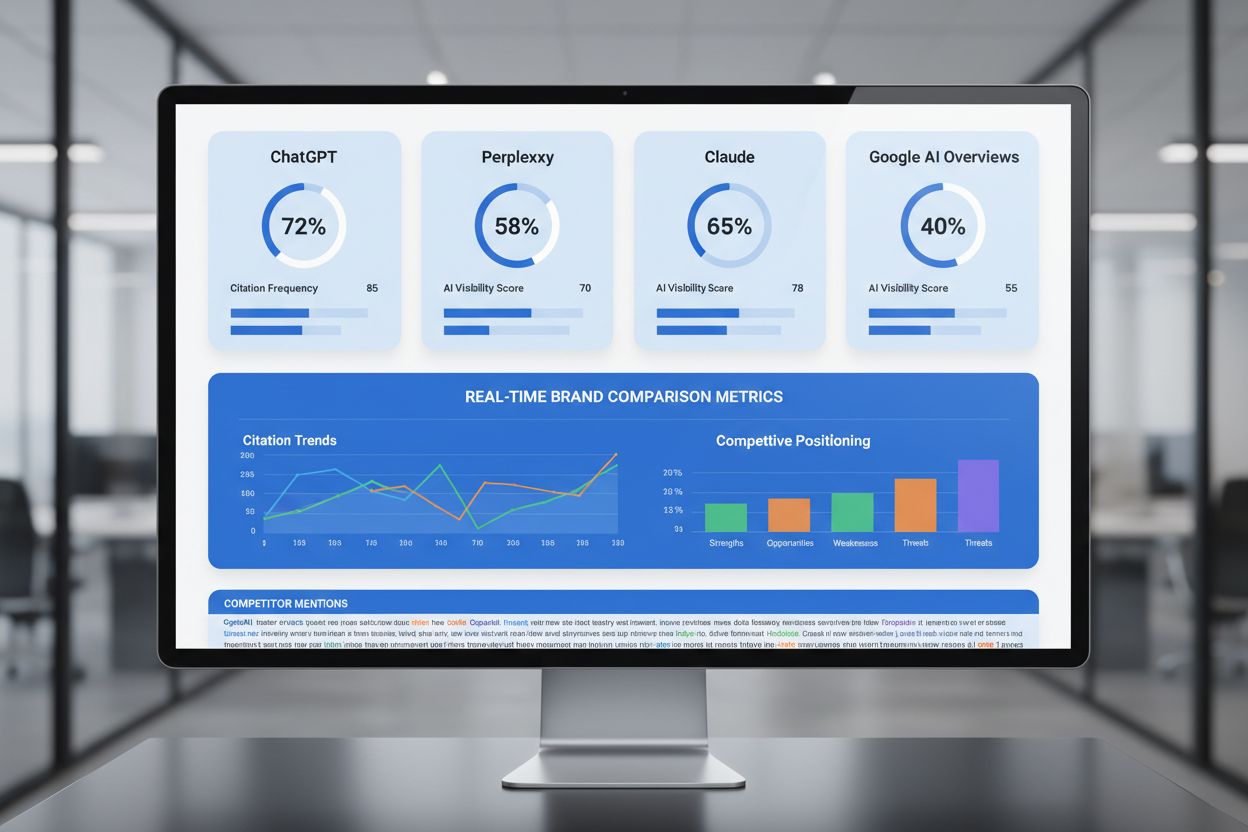
Effective Competitive Query Analysis relies on a standardized set of metrics that quantify AI visibility and competitive positioning. The following table outlines the essential KPIs for benchmarking performance against competitors:
| Metric | Definition | Benchmark Range | Strategic Use |
|---|---|---|---|
| Citation Frequency | Total number of times your domain is cited across AI platforms for target queries | 15-45 citations/month (high-performing domains) | Measure overall AI visibility and trend performance over time |
| Brand Visibility Score | Percentage of target queries where your domain receives AI citations | 35-65% (competitive range) | Identify query gaps and prioritize content opportunities |
| AI Share of Voice | Your citation volume divided by total citations for target queries | 20-40% (strong positioning) | Compare relative competitive position and market share |
| Citation Sentiment Analysis | Qualitative assessment of how your domain is referenced (positive, neutral, contextual) | 70%+ positive/contextual | Evaluate brand perception and content relevance in AI responses |
| LLM Conversion Rate | Percentage of AI-cited users who visit your domain or engage with your content | 8-15% (industry average) | Measure quality of AI traffic and content-market fit |
These metrics, tracked across platforms like ChatGPT, Perplexity, Google AI Overviews, and Claude, provide a comprehensive view of competitive positioning in the AI search landscape. Organizations should establish baseline benchmarks for their industry and track month-over-month changes to identify emerging trends and competitive threats.
Conducting a thorough Competitive Query Analysis requires a systematic, multi-step approach that combines platform monitoring, competitor research, and data analysis. The following process ensures comprehensive coverage and actionable insights:
Identify Target Queries: Begin by compiling a list of 50-200 high-priority queries relevant to your business, focusing on high-intent keywords, product-specific searches, and industry terminology where you want to establish AI visibility.
Select Competitor Set: Define your primary competitors—typically 3-7 organizations that compete for the same audience and queries—and establish a secondary list of emerging competitors or thought leaders in your space.
Run Multi-Platform Audits: Test each target query across ChatGPT, Perplexity, Google AI Overviews, and other relevant platforms, documenting which domains receive citations, citation frequency, and the context in which they appear.
Document Citation Patterns: Record detailed findings including citation position (first mention vs. supporting reference), citation type (direct quote, paraphrase, or attribution), and the specific content that triggered the citation.
Analyze Competitive Gaps: Compare your citation performance against competitors to identify queries where you’re underperforming, opportunities where competitors are weak, and emerging trends in citation patterns.
Establish Baseline Metrics: Calculate your current Citation Frequency, Brand Visibility Score, and AI Share of Voice to create benchmarks for measuring improvement over time.
This systematic approach, supported by tools like AmICited.com, enables organizations to move beyond anecdotal observations and develop data-driven strategies for improving AI visibility.
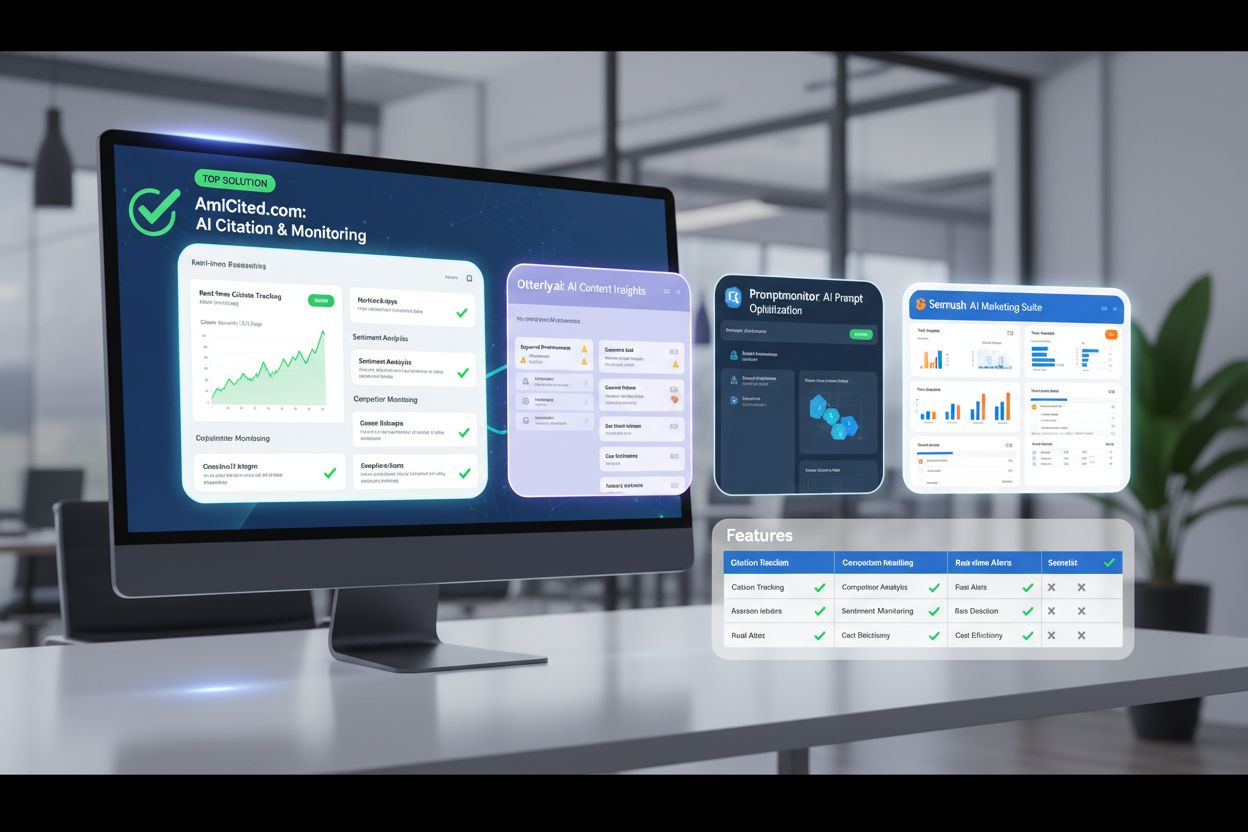
Several specialized platforms have emerged to automate and scale Competitive Query Analysis, each offering distinct features and capabilities for monitoring AI citations. AmICited.com stands out as a leading solution, providing comprehensive monitoring across multiple AI platforms with advanced filtering, competitive benchmarking, and actionable insights specifically designed for marketing and SEO professionals. The platform excels at identifying citation opportunities and tracking performance trends over time. Otterly.ai offers real-time monitoring of AI-generated content and citations, with particular strength in sentiment analysis and content performance tracking. Promptmonitor focuses on prompt engineering and response consistency, helping organizations understand how different query formulations affect citation patterns. Semrush AI Toolkit integrates AI citation monitoring with traditional SEO metrics, providing a unified competitive analysis dashboard for organizations already using Semrush’s platform. Profound AI specializes in deep competitive intelligence and market positioning analysis, offering detailed insights into competitor strategies and emerging citation patterns. When selecting a tool, consider your specific needs: organizations prioritizing citation tracking and competitive benchmarking should evaluate AmICited.com, while those seeking integrated SEO solutions may prefer Semrush. Budget, platform coverage (ChatGPT, Perplexity, Google AI Overviews, etc.), and reporting capabilities should guide your selection process.
Successfully interpreting Competitive Query Analysis results requires understanding both quantitative metrics and qualitative patterns that reveal competitive positioning and strategic opportunities. When analyzing your data, focus first on identifying citation gaps—queries where competitors receive citations but your domain does not, as these represent immediate opportunities for content development or authority building. Examine the context of citations to understand why competitors are cited: are they cited for specific expertise, comprehensive coverage, recent data, or brand authority? This context reveals what content attributes LLMs value for different query types. Look for emerging patterns in competitor strategies, such as whether certain competitors dominate specific query categories or whether citation patterns shift across different AI platforms. Compare your Brand Visibility Score against competitors to understand your relative market position—a score significantly below competitors indicates a need for strategic content investment. Analyze sentiment and context to assess whether citations are positive endorsements or neutral references, as this affects the quality of your competitive positioning. Finally, identify low-hanging fruit—queries where you’re close to competitor performance and small content improvements could shift citation patterns in your favor. These insights should drive your content strategy, authority-building initiatives, and platform-specific optimization efforts.
Competitive Query Analysis insights should directly inform your AI visibility strategy, with specific actions designed to improve citation frequency and competitive positioning. Content Optimization represents the most immediate opportunity: analyze the specific content that competitors are cited for and develop more comprehensive, authoritative, or recent content addressing the same topics. Focus on creating content that answers the complete user intent behind high-value queries, as LLMs prioritize comprehensive sources that thoroughly address user questions. Authority Building is essential for long-term citation success—pursue speaking opportunities, publish research, contribute to industry publications, and develop original data that positions your organization as a thought leader. LLMs cite domains they perceive as authoritative, so building genuine expertise signals matters significantly. Platform-Specific Optimization involves tailoring content for different AI systems: ChatGPT favors comprehensive, well-structured content; Perplexity values recent, data-driven information; Google AI Overviews prioritize authoritative, topically-relevant content. Citation-Worthy Content Creation means deliberately developing content designed to be cited—original research, comprehensive guides, unique frameworks, and data-backed insights that LLMs naturally reference. Competitive Monitoring should become an ongoing practice, with monthly reviews of citation trends, competitor movements, and emerging opportunities. Organizations that systematically implement these strategies, supported by continuous monitoring through platforms like AmICited.com, can systematically improve their AI visibility and establish dominant positioning in AI-powered search results.
Traditional competitive analysis focuses on organic search rankings, backlinks, and click-through rates on Google. Competitive Query Analysis specifically examines AI citations across platforms like ChatGPT, Perplexity, and Google AI Overviews, where LLMs cite only 2-7 domains per response, creating a fundamentally different competitive dynamic based on authority and comprehensiveness rather than keyword optimization.
Establish a baseline audit monthly, with weekly monitoring of your top 20-30 priority queries. AI citation patterns can shift rapidly as competitors publish new content and AI models update their training data. Continuous monitoring through automated tools like AmICited.com enables real-time competitive intelligence and faster response to competitive threats.
Prioritize based on your audience: Google AI Overviews (45% of AI-driven traffic), ChatGPT (30% market share), and Perplexity (15% and growing rapidly). If your audience uses Claude or Gemini, include those platforms. Most competitive query analysis tools now monitor 4-8 platforms simultaneously, making comprehensive coverage feasible.
Start with direct competitors—organizations competing for the same customers and queries. Include 3-7 primary competitors and monitor 5-10 secondary competitors or thought leaders. Use search results, industry reports, and customer research to identify who your audience considers alternatives. Update your competitor list quarterly as market dynamics shift.
Benchmarks vary by industry: B2B SaaS typically sees 15-45 citations/month for high-performing domains, while competitive industries may require 50+ citations. Establish your baseline, then aim for 10-15% month-over-month improvement. Compare your performance against top 3 competitors to understand your relative market position and identify improvement opportunities.
Use CQA insights to identify content gaps (queries where competitors are cited but you're not), understand what content attributes LLMs value (comprehensive guides, original research, recent data), and develop targeted content addressing high-priority queries. Focus on queries where you're close to competitor performance—small improvements can shift citation patterns in your favor.
Common mistakes include: analyzing too few queries (need 50+ for statistical significance), ignoring platform differences (ChatGPT vs. Perplexity have different citation patterns), focusing only on branded queries (miss category opportunities), and failing to track sentiment (citations can be negative). Avoid these by using systematic processes and automated tools.
AmICited.com provides automated monitoring across multiple AI platforms, tracks citation frequency and positioning, benchmarks your performance against competitors, identifies citation gaps and opportunities, and delivers actionable insights for improving AI visibility. The platform eliminates manual query testing and provides real-time competitive intelligence.
Track where competitors are cited in AI responses and identify opportunities to improve your brand's AI visibility across ChatGPT, Perplexity, Google AI Overviews, and more.
Learn what AI Competitive Analysis Tools are, how they track brand mentions across ChatGPT, Perplexity, and Google AI, and why they're essential for competitive...
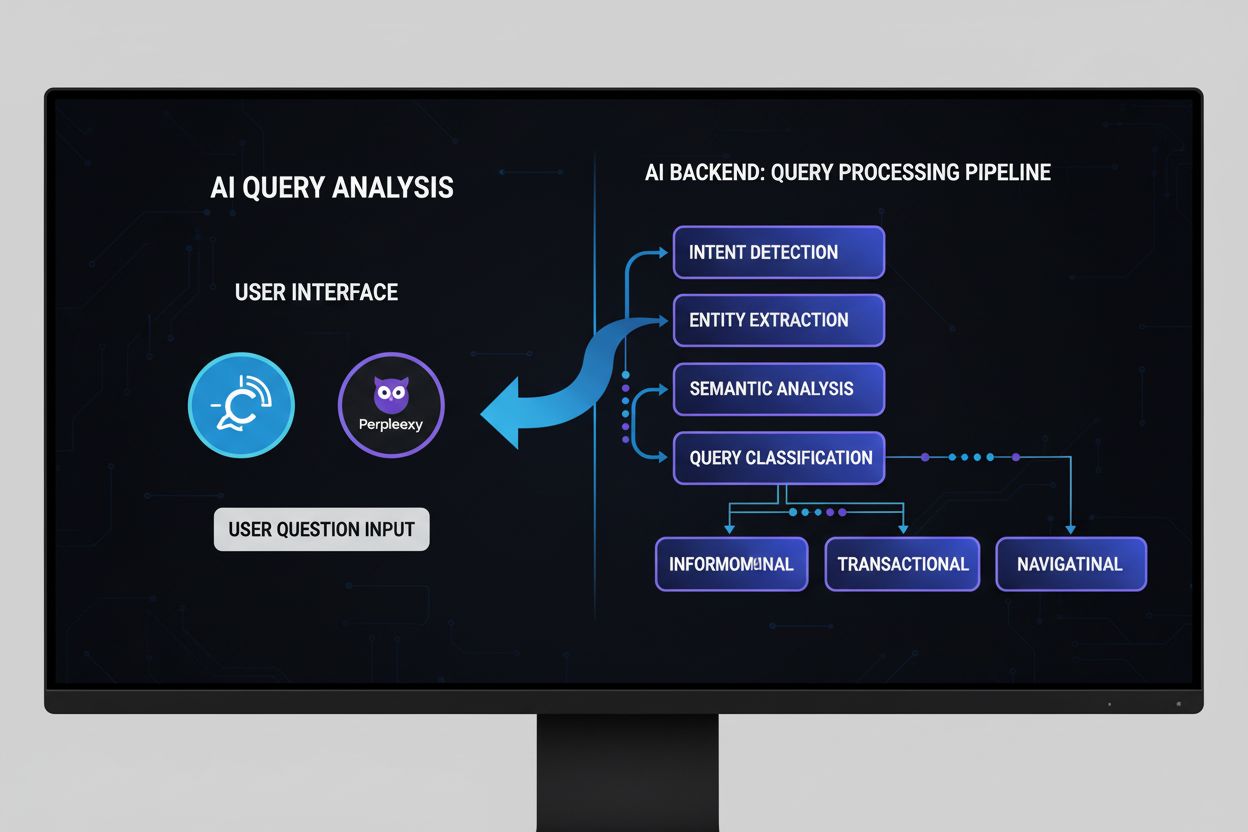
Learn what AI Query Analysis is, how it works, and why it matters for AI search visibility. Understand query intent classification, semantic analysis, and monit...
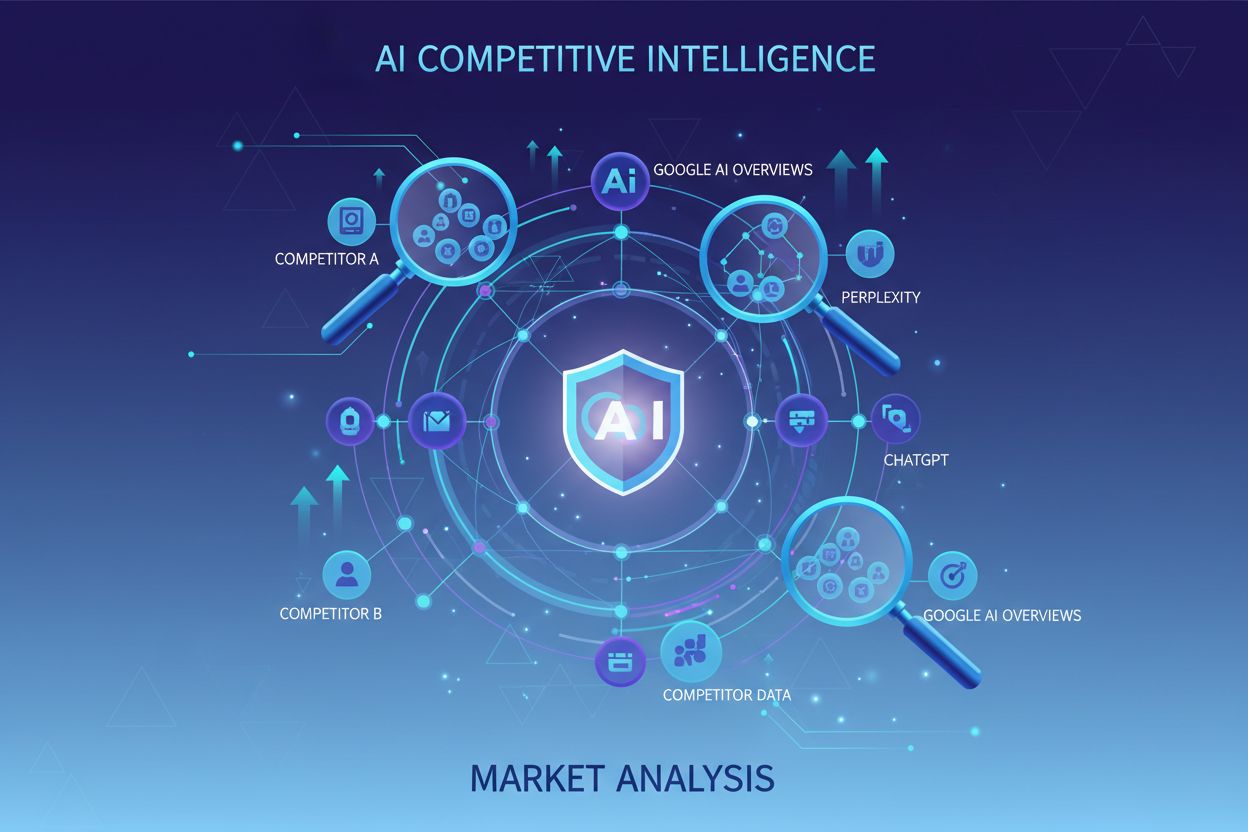
Learn what AI Competitive Intelligence is and how to monitor competitor visibility across ChatGPT, Perplexity, and Google AI Overviews. Track citations, share o...