
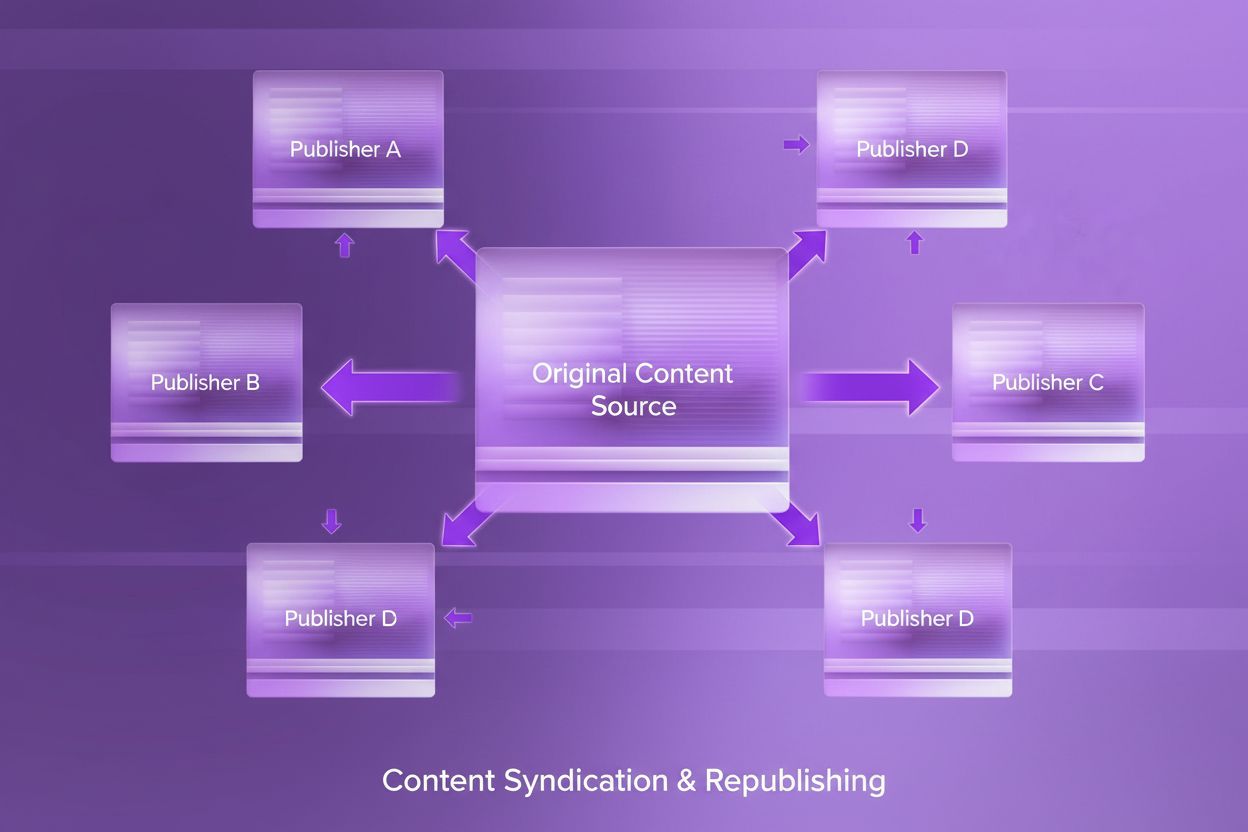
Content Syndication
Learn what content syndication is, how it works, its SEO implications, and best practices for republishing content across platforms to expand reach and generate...
12 min read
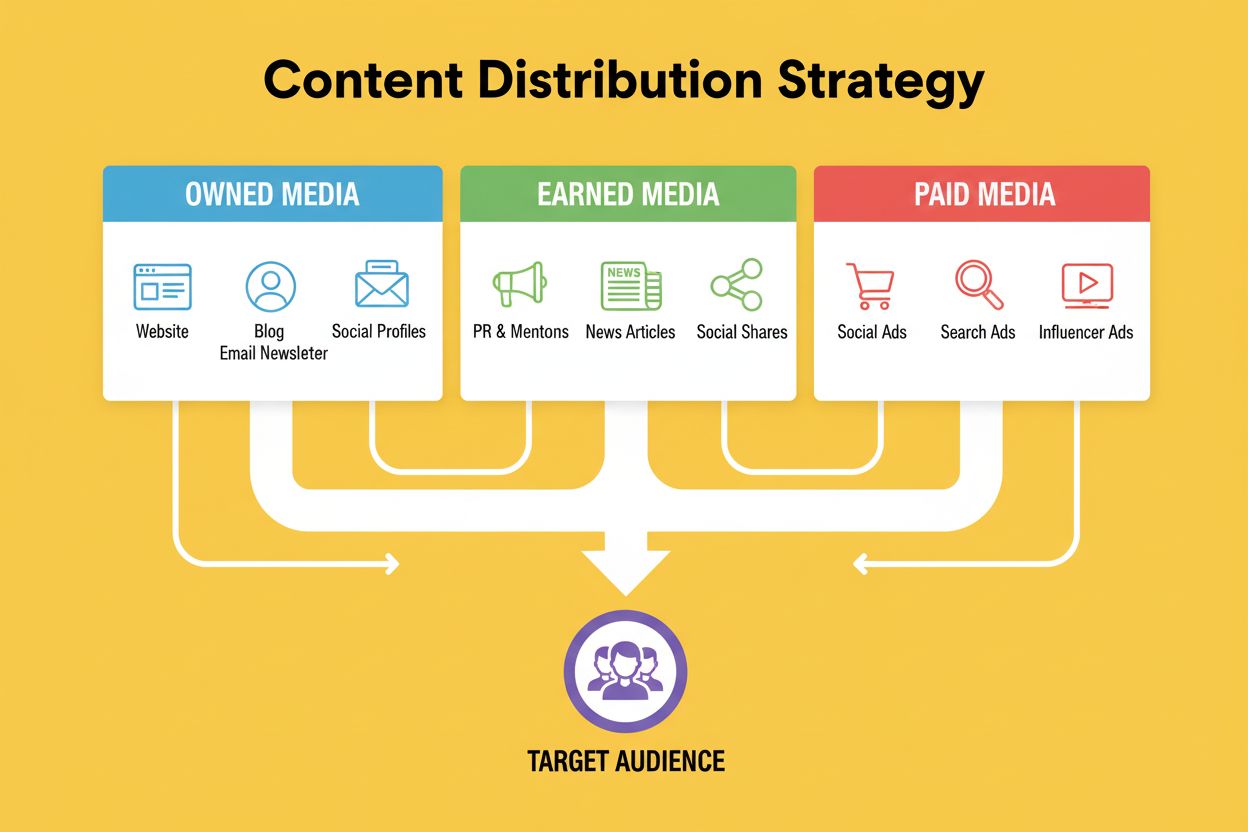
Content distribution is the strategic process of sharing and promoting content across multiple channels—including owned, earned, and paid media—to reach and engage target audiences at the right time and place. It ensures that valuable content reaches the intended audience through platforms where they actively consume information, maximizing visibility, engagement, and return on investment.
Content distribution is the strategic process of sharing and promoting content across multiple channels—including owned, earned, and paid media—to reach and engage target audiences at the right time and place. It ensures that valuable content reaches the intended audience through platforms where they actively consume information, maximizing visibility, engagement, and return on investment.
Content distribution is the strategic process of sharing and promoting content across multiple channels to reach and engage your target audience. Unlike content creation—which focuses on producing high-quality material—content distribution is about ensuring that material reaches the right people at the right time through channels where they actively consume information. This fundamental marketing practice determines when, where, and how your content appears to potential customers, prospects, and audience members. In today’s multi-channel digital landscape, effective content distribution is no longer optional; it’s essential for maximizing the return on investment from your content marketing efforts and ensuring your brand maintains visibility across traditional search engines, social platforms, and emerging AI-powered search systems.
The definition and importance of content distribution have evolved significantly with the rise of artificial intelligence and AI-powered search systems. Historically, content distribution focused primarily on traditional channels: company websites, email newsletters, social media platforms, and paid advertising. However, the emergence of AI search platforms like ChatGPT, Perplexity, Claude, and Google AI Overviews has fundamentally changed how brands must approach content distribution strategy. These AI systems don’t simply rank content like traditional search engines; they synthesize information from across the web to provide direct answers to user queries, often citing specific sources. This means that content distribution now requires optimization not just for human readers and traditional search algorithms, but also for AI systems that crawl, analyze, and reference content when generating responses. According to recent industry research, over 78% of enterprises now recognize the importance of monitoring their brand mentions across AI search platforms, making strategic content distribution more critical than ever for maintaining brand visibility in this new search landscape.
Content distribution operates through three distinct channel categories, each serving different strategic purposes and requiring different approaches. Owned media refers to platforms your organization fully controls—your company website, blog, email newsletters, social media accounts, and mobile apps. These channels provide complete creative freedom and cost-effectiveness in the long term, though they require consistent effort to build and maintain audience engagement. Earned media encompasses third-party mentions, shares, and coverage that occur when external parties voluntarily promote your content—including social media shares, press coverage, customer reviews, user-generated content, and industry mentions. While earned media builds credibility and extends reach at no direct cost, it requires less control over messaging and can be unpredictable. Paid media involves investing money to promote content through sponsored posts, pay-per-click advertising, social media ads, influencer partnerships, and native advertising. Paid channels offer guaranteed visibility and measurable results but require ongoing budget allocation and careful targeting to avoid wasted spend. The most effective content distribution strategies leverage all three channel types in a coordinated approach that aligns with audience preferences and business objectives.
Developing an effective content distribution strategy requires systematic planning that begins before content creation. The first critical step involves conducting thorough audience research to understand where your target audience spends time online, what content formats they prefer, and which platforms they trust for information. This research should examine demographic characteristics, behavioral patterns, online habits, and specific pain points that your content addresses. The second step involves auditing existing content to identify which pieces have performed best historically and why, providing insights into what resonates with your audience. Third, you must establish clear key performance indicators (KPIs) and goals aligned with your business objectives—whether that’s brand awareness, lead generation, customer engagement, or sales conversion. Fourth, select the specific content distribution channels that best align with your audience insights and business goals, recognizing that not every channel will be appropriate for every organization. Fifth, determine which content types and formats will be most effective on each channel, as different platforms favor different content formats. Sixth, create a realistic content calendar that specifies publishing frequency, timing, and channel assignments. Finally, implement a continuous measurement and optimization process that tracks performance against your KPIs and adjusts your strategy based on data-driven insights. This systematic approach to content distribution ensures that your content marketing efforts generate measurable results rather than relying on hope or guesswork.
| Channel Type | Examples | Advantages | Disadvantages | Best For |
|---|---|---|---|---|
| Owned Media | Website, blog, email, social accounts, podcasts | Complete control, cost-effective long-term, brand consistency | Limited initial reach, requires ongoing maintenance | Building authority, long-term engagement, SEO |
| Earned Media | PR coverage, social shares, reviews, mentions | Builds credibility, extends reach, cost-free | Limited control, unpredictable, hard to track ROI | Trust-building, organic growth, brand authority |
| Paid Media | Ads, sponsored content, influencer partnerships | Guaranteed visibility, fast results, measurable | Requires budget, ad fatigue, lower trust perception | Quick visibility, targeted reach, short-term goals |
The emergence of AI search systems has created a new frontier for content distribution strategy that extends beyond traditional search engines and social media. Platforms like ChatGPT, Perplexity, Claude, and Google AI Overviews represent a fundamental shift in how users discover information online. These systems don’t simply rank web pages; they synthesize information from multiple sources to provide direct answers, often citing specific sources and brands. This means that content distribution now requires optimization for AI citation and visibility. When your content is strategically distributed across multiple channels and properly formatted with clear structure, relevant keywords, and authoritative signals, AI systems are more likely to encounter and reference it when answering user queries. For example, if a user asks ChatGPT about content marketing best practices, the AI system might cite and reference content from multiple sources, including your brand if your content has been effectively distributed and optimized. This creates a new dimension of content distribution strategy focused on AI visibility monitoring. Tools like AmICited help brands track where their content appears in AI responses across multiple platforms, providing insights into which distribution channels and content types generate the most AI citations. This data enables marketers to refine their content distribution strategy specifically for AI search visibility, ensuring their brand maintains prominence in this emerging search landscape.
The relationship between content distribution and return on investment (ROI) is direct and measurable. Research indicates that companies with documented content distribution strategies achieve significantly higher engagement rates, lead generation, and customer acquisition compared to those without formal distribution plans. The key to maximizing ROI lies in understanding that content distribution is not a one-time activity but an ongoing process of optimization and refinement. When you publish a piece of content, the distribution phase is where the real work begins. Industry experts recommend allocating approximately 70% of your content marketing time and resources to distribution activities, with only 30% devoted to content creation. This allocation reflects the reality that creating excellent content is only half the battle; ensuring that content reaches the right audience through the right channels at the right time is equally important. Effective content distribution multiplies the value of your content investment by extending its lifespan through repurposing, reaching multiple audience segments through different channels, and continuously optimizing based on performance data. For instance, a single blog post can be transformed into social media snippets, email newsletter content, video scripts, infographics, and podcast episodes—each distributed through appropriate channels to reach different audience segments. This approach to content distribution ensures that your content marketing budget generates maximum impact and measurable business results.
Successful content distribution requires adherence to proven best practices that have emerged from years of marketing experience and data analysis. First, prioritize consistency over frequency—establishing a regular publishing schedule that you can maintain is more effective than sporadic bursts of activity. Second, understand your audience deeply before distributing content, ensuring that channel selection aligns with where your audience actually spends time and how they prefer to consume information. Third, optimize content for each specific channel rather than simply copying the same message across all platforms; what works on LinkedIn differs significantly from what works on TikTok or email. Fourth, leverage the “Rule of Seven,” which suggests that customers need to encounter your message approximately seven times before taking action, meaning your content distribution strategy should expose audiences to your content through multiple touchpoints and channels. Fifth, build relationships with influencers and industry partners who can amplify your content through their own channels, extending your reach through earned media. Sixth, implement a robust measurement system that tracks performance across all distribution channels, allowing you to identify what’s working and optimize accordingly. Seventh, repurpose and redistribute high-performing content regularly, as evergreen content can continue generating value long after initial publication. Eighth, ensure that your team understands the importance of content distribution and actively participates in sharing content through their personal networks, multiplying your distribution reach. These best practices, when implemented systematically, transform content distribution from a tactical activity into a strategic competitive advantage.
The landscape of content distribution continues to evolve rapidly, driven by technological advancement, changing consumer behavior, and the emergence of new platforms and channels. Several key trends are shaping the future of content distribution strategy. First, the rise of AI-powered search and content discovery systems is fundamentally changing how brands must approach distribution, requiring optimization for AI citation and visibility alongside traditional SEO. Second, the increasing importance of video content across all platforms means that content distribution strategies must prioritize video formats, with short-form video now representing nearly 30% of all content created by marketers. Third, the decline of organic reach on social media platforms is pushing brands toward more sophisticated distribution strategies that combine owned, earned, and paid channels rather than relying solely on organic social sharing. Fourth, personalization and audience segmentation are becoming increasingly important in content distribution, with brands using data and AI to deliver tailored content to specific audience segments through appropriate channels. Fifth, the integration of content distribution with customer relationship management (CRM) systems enables more sophisticated tracking of how content distribution impacts customer journeys and business outcomes. Sixth, the growing importance of brand monitoring across multiple platforms—including traditional search, social media, and AI systems—is creating new tools and services dedicated to tracking content distribution performance and brand visibility. As these trends continue to develop, organizations that invest in sophisticated, data-driven content distribution strategies will maintain competitive advantages in reaching and engaging their target audiences across an increasingly complex digital landscape.
Content distribution plays a critical role in establishing and maintaining brand authority within your industry or niche. When content is strategically distributed across multiple authoritative channels, it signals to both human audiences and search algorithms that your brand is a credible source of information. This authority-building function of content distribution operates through several mechanisms. First, when your content appears in reputable publications and earns media coverage, it builds credibility through third-party validation. Second, when your content ranks highly in search results across multiple keywords, it signals relevance and authority to potential customers. Third, when your content is cited and referenced by other authoritative sources, it creates backlinks and mentions that further enhance your authority signals. Fourth, when your content appears in AI search results and is cited by AI systems, it demonstrates that your content is valuable enough for AI systems to reference when answering user queries. This multifaceted approach to content distribution creates a compounding effect where each distribution channel reinforces your brand’s authority, making it increasingly likely that your content will be discovered, shared, and cited across all channels. Organizations that understand this relationship between content distribution and brand authority invest accordingly in comprehensive distribution strategies that extend far beyond simply publishing content on their own website.
Effective content distribution requires continuous measurement and optimization based on data-driven insights. The specific metrics you track should align with your business goals and the channels you’re using for distribution. For brand awareness objectives, key metrics include page views, unique visitors, social media impressions, and brand mentions across all channels. For engagement goals, track time on page, bounce rate, social shares, comments, and click-through rates. For lead generation, monitor conversion rates, form completions, and cost per lead. For sales and revenue, measure customer acquisition cost, customer lifetime value, and return on ad spend. For SEO and organic visibility, track keyword rankings, backlink growth, and domain authority. The most sophisticated content distribution strategies implement comprehensive tracking systems that monitor performance across all channels simultaneously, enabling marketers to identify which channels, content types, and distribution tactics generate the best results for their specific business objectives. This data-driven approach to content distribution allows for continuous optimization, where underperforming channels are either improved or deprioritized, while high-performing channels receive increased investment and attention. Additionally, tracking content distribution performance across AI search platforms through tools like AmICited provides insights into how your content is being discovered and cited by AI systems, enabling optimization specifically for AI visibility and citation.
Content distribution has evolved from a tactical afterthought to a strategic imperative for modern marketing organizations. In an era where content creation budgets continue to grow but organic reach continues to decline, the ability to strategically distribute content across multiple channels has become a core competitive advantage. Organizations that excel at content distribution understand that creating excellent content is only the beginning; the real value emerges when that content reaches the right audience through the right channels at the right time. By implementing systematic content distribution strategies that leverage owned, earned, and paid channels, organizations can maximize the return on their content marketing investments, build brand authority, and maintain visibility across traditional search engines, social platforms, and emerging AI-powered search systems. As the digital landscape continues to evolve, the importance of strategic content distribution will only increase, making it essential for marketing leaders to invest in the tools, processes, and expertise required to execute sophisticated distribution strategies that drive measurable business results.
showCTA = true ctaHeading = “Monitor Your Brand’s Content Distribution Across AI Search Platforms” ctaDescription = “Understanding where your content appears across ChatGPT, Perplexity, Claude, and Google AI Overviews is essential for modern content distribution strategy. AmICited helps you track brand mentions, monitor content citations, and optimize your distribution strategy for maximum visibility in AI search results. Discover how your content is being discovered and cited by AI systems, and refine your distribution approach based on real data.” ctaPrimaryText = “Contact Us” ctaPrimaryURL = “/contact/” ctaSecondaryText = “Try it Now” ctaSecondaryURL = “https://app.amicited.com ”
Content creation focuses on producing high-quality material such as blog posts, videos, infographics, and podcasts. Content distribution, by contrast, is the strategic process of sharing that created content across multiple channels to reach your target audience. While creation is about making the content, distribution is about ensuring the right people see it at the right time. Research shows that marketers should spend approximately 30% of their time on creation and 70% on distribution to maximize ROI.
As AI search platforms like ChatGPT, Perplexity, Claude, and Google AI Overviews become increasingly important discovery channels, content distribution has evolved beyond traditional search engines. These AI systems crawl and reference content from across the web to provide answers to user queries. By strategically distributing your content across multiple channels and ensuring it's well-optimized, you increase the likelihood that AI systems will cite your brand or content when answering relevant user questions, directly impacting your visibility in AI-powered search results.
The three primary content distribution channels are: (1) Owned media—platforms you fully control like your website, blog, email newsletters, and social media accounts; (2) Earned media—third-party mentions, shares, and coverage from other websites, PR outlets, and user-generated content; and (3) Paid media—channels where you invest money to promote content, including social media ads, sponsored content, influencer partnerships, and pay-per-click advertising. Most effective strategies use a combination of all three.
Success measurement depends on your specific goals, but key performance indicators (KPIs) typically include: page views and unique visitors for brand awareness; engagement metrics like time on page, shares, and comments for engagement; conversion rates and click-through rates for lead generation; keyword rankings and backlinks for SEO; and customer lifetime value for sales and revenue. Tools like Google Analytics, social media insights, and specialized content monitoring platforms help track these metrics across all distribution channels.
Content repurposing involves taking a single piece of core content and transforming it into multiple formats for distribution across different channels. For example, a long-form blog post can be broken into social media snippets, converted into an infographic, turned into a video, shared as email newsletter content, or featured as a podcast episode. This approach maximizes the return on investment from your content creation efforts by extending its lifespan and reaching audiences who prefer different content formats and platforms.
Content distribution directly impacts SEO performance through multiple mechanisms. When you distribute content across owned channels like your website and blog, you create opportunities for search engines to discover and index your content. Earned media distribution through backlinks and mentions signals authority and relevance to search engines. Additionally, strategic keyword optimization during distribution ensures your content ranks for relevant search queries. The more strategically you distribute content, the more organic traffic and visibility you typically achieve over time.
Content distribution is critical for brand monitoring in AI search systems. When your content is distributed across multiple channels and properly optimized, AI systems are more likely to encounter and cite it when answering user queries. Platforms like AmICited help track where your brand and content appear in AI responses across ChatGPT, Perplexity, Claude, and Google AI Overviews. Strategic distribution increases the probability of AI citation, which directly impacts your brand's visibility in this emerging search landscape.
Start tracking how AI chatbots mention your brand across ChatGPT, Perplexity, and other platforms. Get actionable insights to improve your AI presence.
Learn what content syndication is, how it works, its SEO implications, and best practices for republishing content across platforms to expand reach and generate...
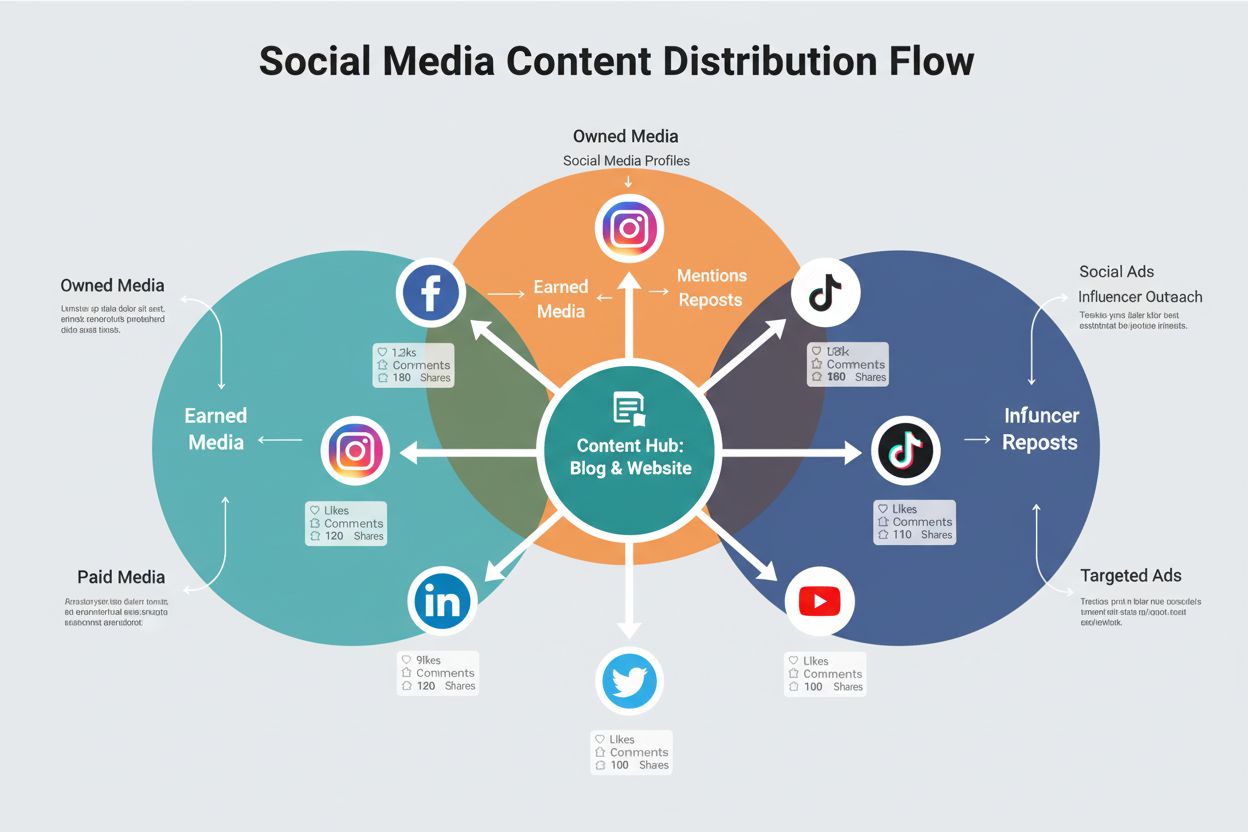
Learn what social sharing is, how it works across platforms, and why it's essential for brand visibility. Explore distribution strategies, best practices, and A...

Learn what content optimization is, why it matters for SEO and AI search engines, and discover proven techniques to improve your content's search visibility and...
Cookie Consent
We use cookies to enhance your browsing experience and analyze our traffic. See our privacy policy.