

Cross-Platform Optimization
Cross-platform optimization coordinates campaigns across multiple digital platforms and AI search engines. Learn how to unify tracking, optimize content, and ma...
10 min read
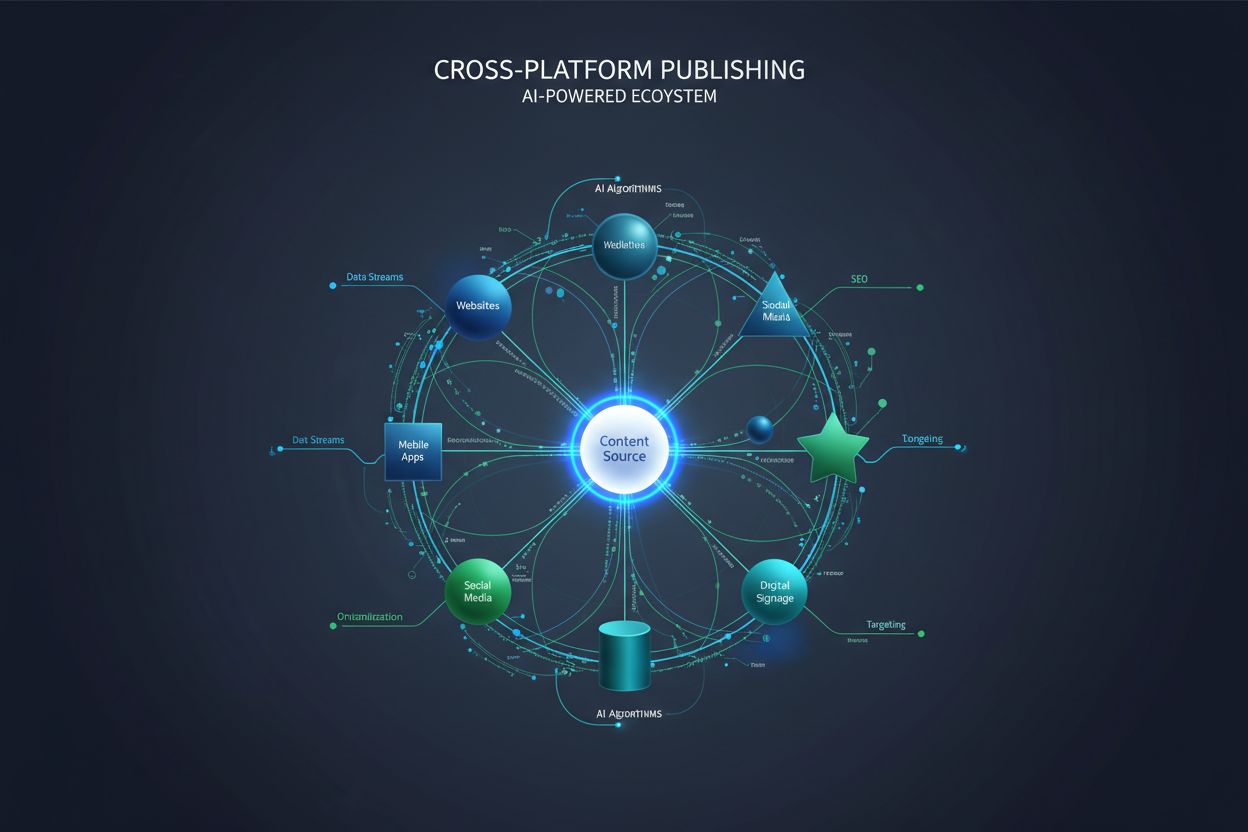
Cross-Platform AI Publishing is the strategic distribution of content across multiple digital channels using artificial intelligence to optimize each piece for maximum reach, engagement, and discoverability by both human audiences and AI systems. It combines owned, earned, shared, and paid media channels with intelligent automation to ensure consistent messaging while adapting content format, tone, and metadata for each platform’s unique algorithms and audience behaviors.
Cross-Platform AI Publishing is the strategic distribution of content across multiple digital channels using artificial intelligence to optimize each piece for maximum reach, engagement, and discoverability by both human audiences and AI systems. It combines owned, earned, shared, and paid media channels with intelligent automation to ensure consistent messaging while adapting content format, tone, and metadata for each platform's unique algorithms and audience behaviors.
Cross-Platform AI Publishing refers to the strategic distribution of content across multiple digital channels—including owned media, earned media, shared platforms, and paid advertising—using artificial intelligence to optimize each piece for maximum reach, engagement, and discoverability. In the modern AI era, where content consumption happens across fragmented channels and AI systems increasingly surface information to users, cross-platform publishing has become essential for organizations seeking visibility and relevance. Unlike traditional multi-channel publishing, which often involves manual adaptation of content for each platform, AI-powered cross-platform publishing automatically tailors messaging, format, and metadata to align with each channel’s unique algorithms and audience behaviors. This approach ensures that content reaches users wherever they are—whether through search engines, social media, email, or AI-powered discovery tools—while maintaining consistent brand messaging. The practice has become critical because AI systems now mediate how information is discovered and consumed, making optimization for these systems as important as optimization for human readers. Organizations that master cross-platform AI publishing gain significant competitive advantages in visibility, engagement, and thought leadership positioning.

The PESO model (Paid, Earned, Shared, Owned) provides the foundational framework for understanding cross-platform AI publishing strategy. Owned media includes channels you control directly—such as your website, blog, email lists, and branded apps—where content can be optimized with structured data and schema markup for maximum AI discoverability. Earned media encompasses third-party coverage, mentions, and citations from reputable sources, which AI systems like Google AI Overviews and Perplexity weight heavily when determining authoritative information. Shared media refers to social platforms (LinkedIn, Twitter, Facebook, Instagram) where content is distributed through your own accounts and amplified through community engagement and shares. Paid media includes sponsored content, display advertising, and promoted posts across platforms like Outbrain, LinkedIn Campaign Manager, and programmatic networks that use AI to target and optimize delivery. Each channel requires different optimization approaches: owned media benefits from semantic HTML and structured data, earned media from citation tracking and relationship building, shared media from platform-specific formatting and engagement signals, and paid media from AI-driven audience targeting and creative optimization.
| Channel Type | Examples | AI Optimization | Primary Goal |
|---|---|---|---|
| Owned | Website, blog, email, app | Structured data, schema markup, semantic HTML | Direct audience control & AI indexing |
| Earned | Press coverage, citations, mentions | Citation tracking, authority signals, backlinks | Third-party credibility & AI authority |
| Shared | LinkedIn, Twitter, Facebook, Instagram | Platform algorithms, engagement signals, hashtags | Community amplification & viral reach |
| Paid | Outbrain, LinkedIn Ads, display networks | Audience targeting, bid optimization, creative testing | Precise reach & conversion tracking |
AI-powered content optimization automatically transforms a single piece of content into platform-specific variations that maintain core messaging while adapting to each channel’s unique requirements and audience expectations. Modern tools analyze content structure, tone, length, and format preferences for each platform, then generate optimized versions—converting a long-form blog post into LinkedIn articles, Twitter threads, email newsletters, and short-form video scripts without manual intervention. Metadata optimization is particularly critical for AI discovery, as systems like Google AI Overviews and Perplexity rely on structured data, title tags, meta descriptions, and schema markup to understand content context and relevance. AI systems evaluate semantic relevance, ensuring that adapted content maintains conceptual consistency while using platform-appropriate terminology and phrasing that aligns with how users and AI systems search for information. The optimization process also considers temporal factors—adjusting content freshness signals, publication dates, and update frequencies to signal ongoing relevance to AI indexing systems. Additionally, AI tools analyze competitor content and trending topics to position your content strategically within the information landscape, increasing the likelihood that AI systems will surface it when responding to user queries. This intelligent adaptation ensures that your content performs optimally across all channels while reducing the manual effort required to maintain consistency.
Automation and workflow benefits represent one of the most compelling advantages of cross-platform AI publishing, enabling organizations to scale content distribution without proportional increases in team size or operational costs. The primary benefits include:
These efficiencies compound over time, allowing organizations to maintain higher publishing velocity while improving overall content quality and performance metrics.
Leading cross-platform AI publishing platforms each serve distinct but complementary functions within the broader publishing ecosystem. Distribution.ai specializes in intelligent content distribution, using AI to determine optimal timing, channels, and audience segments for maximum reach and engagement. HubSpot provides an integrated marketing platform that combines content management, email marketing, social scheduling, and analytics, with AI-powered recommendations for content optimization and audience targeting. Buffer focuses on social media scheduling and analytics, offering AI-driven insights about optimal posting times and content formats for each social platform. Hootsuite delivers comprehensive social media management with AI-powered content recommendations, audience insights, and multi-channel scheduling capabilities. Mailchimp specializes in email marketing automation with AI-driven segmentation, personalization, and send-time optimization to maximize open and click-through rates. LinkedIn Campaign Manager provides native AI tools for B2B advertising and content promotion, using machine learning to identify and target high-value audience segments. Outbrain operates as a native advertising and content discovery platform, using AI to match sponsored content with relevant audiences across premium publisher networks. These tools work synergistically—content created in HubSpot can be distributed through Buffer and Hootsuite for social amplification, promoted through LinkedIn Campaign Manager and Outbrain for paid reach, and tracked through Mailchimp for email engagement—creating a unified publishing ecosystem that maximizes visibility across all channels.
AI discovery systems have fundamentally changed how content reaches audiences, making optimization for these systems as critical as traditional search engine optimization. Modern AI systems like Google AI Overviews, Perplexity, and ChatGPT analyze vast amounts of content to answer user queries, and they prioritize sources that demonstrate authority, accuracy, and comprehensive coverage of topics. These systems evaluate citation patterns, semantic relevance, content freshness, and source credibility when determining which content to surface in AI-generated responses. AmICited.com plays a crucial role in this ecosystem by monitoring and tracking how often your content is cited and referenced by AI systems, providing visibility into your organization’s presence within AI-generated answers and recommendations. Organizations that optimize for AI discovery—through structured data implementation, comprehensive topic coverage, and authoritative positioning—significantly increase the likelihood that their content will be featured in AI-generated responses, driving qualified traffic and establishing thought leadership. This represents a fundamental shift from traditional publishing, where visibility depended primarily on search rankings and social shares; now, being cited by AI systems has become a primary driver of discovery and credibility. Understanding and optimizing for AI discovery systems is essential for any organization seeking to maintain visibility in an increasingly AI-mediated information landscape.
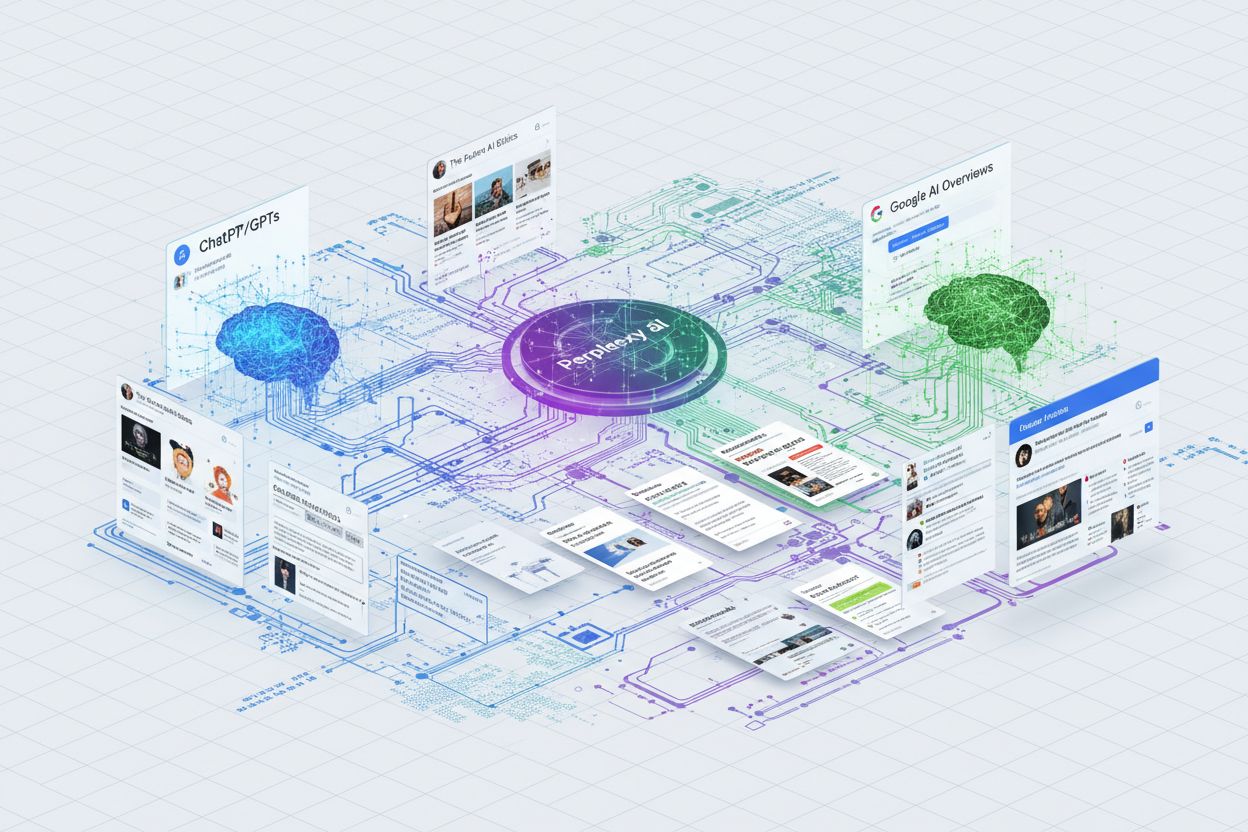
Best practices for cross-platform AI publishing ensure that your content achieves maximum reach, engagement, and discoverability while maintaining brand integrity and authenticity. Maintain consistent brand voice across all platforms by establishing clear brand guidelines and using AI tools configured to respect your unique communication style, ensuring that automation enhances rather than dilutes your brand identity. Implement structured data and schema markup across all owned media properties, enabling AI systems to accurately understand and categorize your content, which significantly improves the likelihood of inclusion in AI-generated responses. Optimize for AI discoverability by creating comprehensive, authoritative content that addresses user intent thoroughly, includes relevant keywords and semantic variations, and demonstrates expertise through citations and data-backed claims. Monitor performance metrics across all channels using integrated analytics platforms, tracking not only traditional metrics like engagement and conversions but also AI citation rates through tools like AmICited.com to understand your visibility within AI systems. Keep humans in the loop by using AI as an enhancement tool rather than a replacement for human judgment—review AI-generated content variations, approve distribution strategies, and maintain editorial oversight to ensure quality and brand alignment. Additionally, regularly audit your cross-platform strategy to identify underperforming channels, emerging platforms, and new optimization opportunities, ensuring your approach evolves with changing algorithms and user behaviors. These practices create a sustainable, scalable publishing operation that leverages AI’s efficiency while maintaining the human creativity and judgment that builds lasting audience relationships.
Cross-platform AI publishing presents several significant challenges that organizations must navigate to implement effective strategies. Platform algorithm differences mean that content optimized for LinkedIn’s professional network may underperform on Twitter’s real-time conversation model or Instagram’s visual-first approach, requiring sophisticated AI systems that understand each platform’s unique ranking factors and audience behaviors. The tension between automation and authenticity creates a critical challenge: while AI enables efficient distribution, over-reliance on automation can result in generic, inauthentic content that fails to resonate with audiences or reflect your organization’s unique perspective and expertise. Data privacy and compliance requirements—including GDPR, CCPA, and platform-specific policies—complicate the collection and use of audience data for AI-driven personalization and targeting, requiring careful implementation of consent management and data governance practices. Integration complexity arises when connecting multiple publishing platforms, analytics systems, and data sources, as incompatible APIs, data formats, and authentication methods can create operational friction and data silos. Solutions to these challenges include: investing in AI platforms with deep platform-specific expertise and regular algorithm updates; maintaining strong editorial oversight and human review processes; implementing robust data governance and privacy-by-design principles; prioritizing integration platforms like Workato that specialize in connecting disparate systems; and regularly auditing your technology stack to identify and eliminate unnecessary complexity. Organizations that proactively address these challenges build resilient, scalable publishing operations that deliver consistent results while maintaining brand integrity and regulatory compliance.
Prioritization depends on your audience and goals. For B2B organizations, LinkedIn and owned media (blogs) are essential. For broader reach, include Twitter/X, Medium, and email. For paid amplification, consider Outbrain and LinkedIn Campaign Manager. Use analytics to identify which channels drive the most qualified traffic and AI citations for your specific industry.
AI analyzes each platform's unique requirements—including format preferences, character limits, audience behaviors, and algorithm factors—then automatically adapts your content. It adjusts tone, length, structure, and metadata while maintaining core messaging. For example, a blog post becomes a LinkedIn article, Twitter thread, email newsletter, and short-form video script, each optimized for its platform's specific audience and technical requirements.
Manual publishing requires creating separate versions of content for each platform, which is time-consuming and error-prone. AI-powered publishing automates this process, generating platform-specific variations from a single source, maintaining consistency, reducing errors by 60-80%, and enabling teams to publish to dozens of channels simultaneously without adding headcount.
Implement structured data and schema markup on your website, create comprehensive authoritative content that thoroughly addresses user intent, use relevant keywords and semantic variations, include citations and data-backed claims, maintain fresh content signals, and track your AI citations using tools like AmICited.com to understand your visibility in AI-generated responses.
Track traditional metrics like engagement, clicks, and conversions across each channel, but also monitor AI citation rates through tools like AmICited.com, content freshness signals, structured data implementation effectiveness, audience growth by channel, and conversion rates by source. Use integrated analytics platforms to correlate these metrics and identify which channels and content types drive the most valuable outcomes.
Cross-platform publishing increases your content's visibility and authority signals, which improves both traditional SEO and AI citation likelihood. When your content appears across multiple authoritative channels and is cited by other sources, search engines and AI systems recognize it as more credible and relevant. This creates a virtuous cycle where increased visibility leads to more citations, which further improves rankings and AI discoverability.
Yes, when properly configured. Establish clear brand guidelines and configure your AI tools to respect your unique communication style. Use AI as an enhancement tool rather than a replacement for human judgment—review AI-generated variations, approve distribution strategies, and maintain editorial oversight. This ensures automation enhances rather than dilutes your brand identity across all channels.
Organizations typically see 60-80% time savings in content distribution, 3-5x increase in content reach, improved consistency across channels, and higher engagement rates. The ROI varies by industry and implementation, but most organizations recover their investment within 3-6 months through reduced labor costs and increased content performance. Additional benefits include improved brand visibility, more AI citations, and better data for strategic decision-making.
Track how AI systems like GPTs, Perplexity, and Google AI Overviews reference your brand and content. Get visibility into your presence in AI-generated answers.
Cross-platform optimization coordinates campaigns across multiple digital platforms and AI search engines. Learn how to unify tracking, optimize content, and ma...
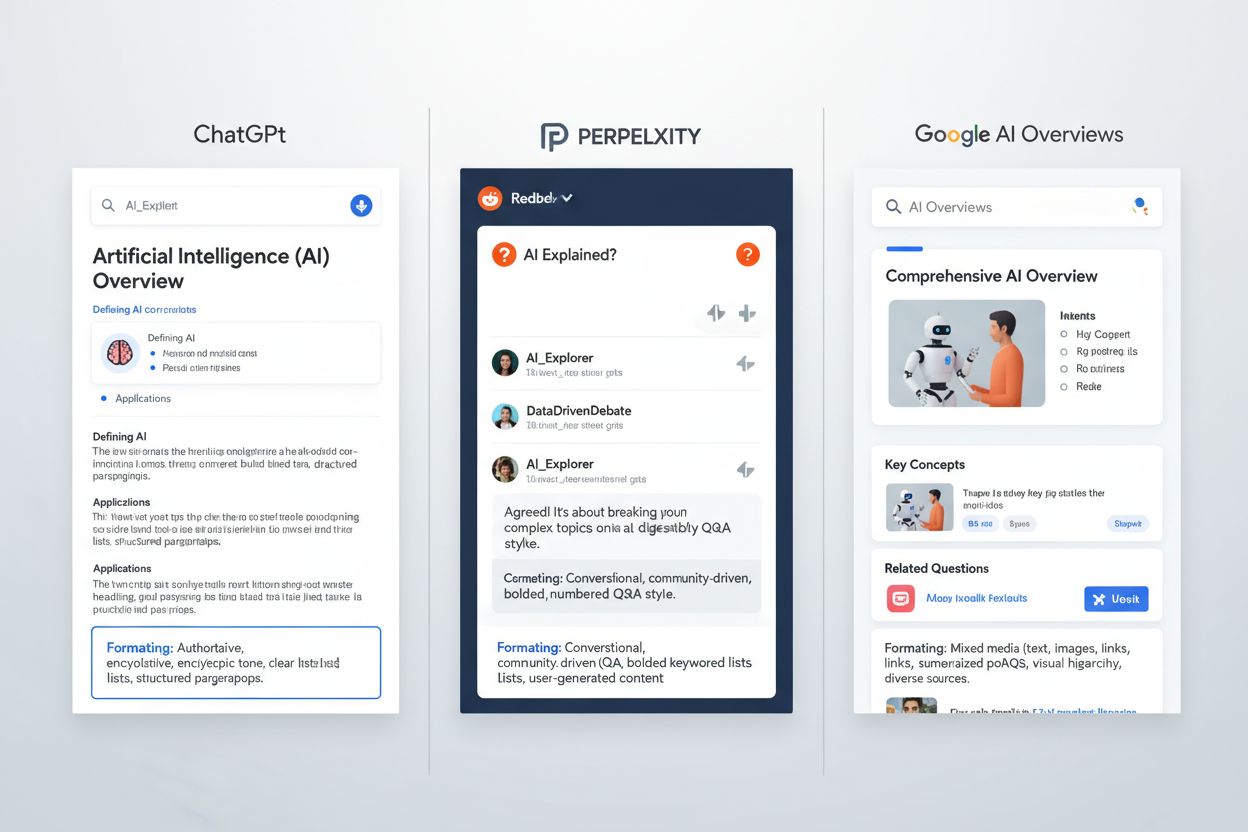
Learn how to adapt content structure for optimal performance on ChatGPT, Perplexity, and Google AI Overviews. Discover platform-specific formatting requirements...

Learn what AI Platform Partnerships are and how formal relationships between brands and AI platforms enhance visibility in ChatGPT, Perplexity, Google AI Overvi...
Cookie Consent
We use cookies to enhance your browsing experience and analyze our traffic. See our privacy policy.