
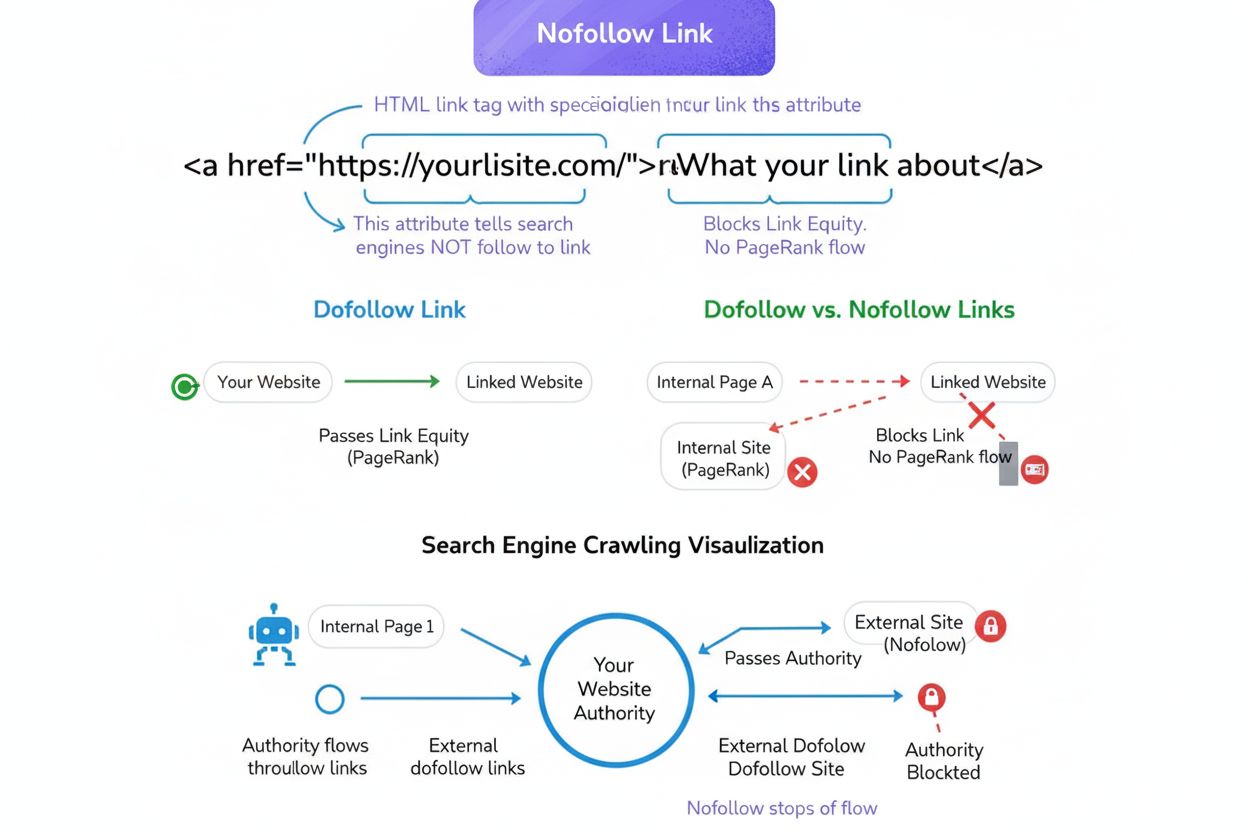
NoFollow Link
Learn what nofollow links are, how they differ from dofollow links, their impact on SEO and AI search visibility, and when to use them in your link strategy.
11 min read
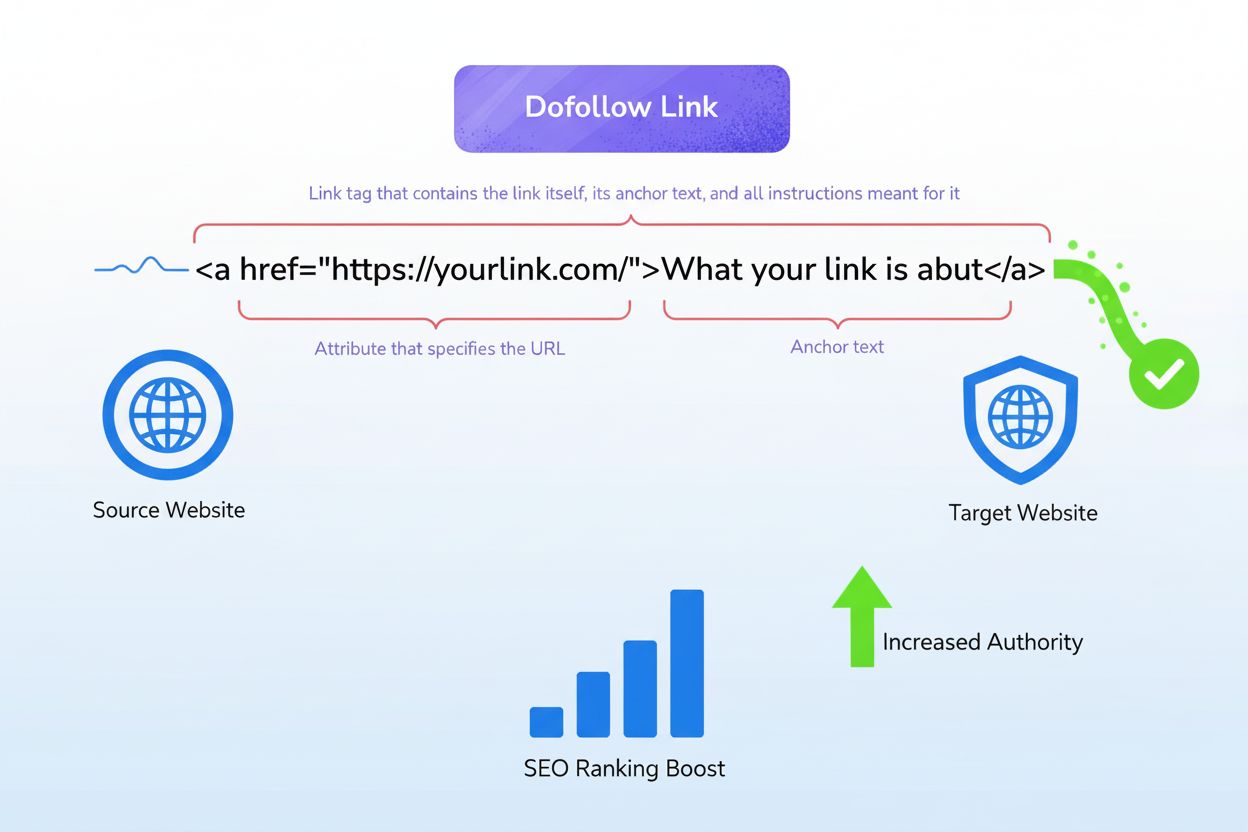
A dofollow link is a hyperlink that allows search engines to follow it and pass ranking authority (link juice) from the linking website to the linked website, directly influencing search engine rankings and domain authority. Unlike nofollow links, dofollow links are the default state of all hyperlinks and serve as endorsements that transfer SEO value between pages.
A dofollow link is a hyperlink that allows search engines to follow it and pass ranking authority (link juice) from the linking website to the linked website, directly influencing search engine rankings and domain authority. Unlike nofollow links, dofollow links are the default state of all hyperlinks and serve as endorsements that transfer SEO value between pages.
A dofollow link is a hyperlink that allows search engines to follow it and pass ranking authority from one website to another. Unlike nofollow links, which explicitly instruct search engines not to transfer SEO value, dofollow links are the default state of all hyperlinks on the web. When a website links to another page using a dofollow link, it signals to search engines that the linked content is valuable, trustworthy, and worthy of higher rankings. This mechanism forms the foundation of modern search engine optimization and remains one of the most influential ranking factors in Google’s algorithm. The term “dofollow” itself is somewhat colloquial—the actual HTML code doesn’t require a specific “dofollow” attribute because this behavior is assumed by default unless explicitly overridden with a rel=“nofollow” attribute or other restrictive tags.
The concept of using links as ranking signals originated with Google’s PageRank algorithm, introduced in 1998 by Larry Page and Sergey Brin. This groundbreaking algorithm treated hyperlinks as votes of confidence, with the premise that important pages receive more links from other important pages. The PageRank system revolutionized search by recognizing that the structure of the web itself could indicate content quality and relevance. For nearly a decade, all links were treated equally as ranking signals. However, in 2005, Google introduced the nofollow attribute to combat comment spam and manipulative link-building practices. This created a distinction between links that pass authority and those that don’t. In 2019, Google further refined its approach by introducing rel=“sponsored” for paid links and rel=“ugc” for user-generated content, while announcing that it would treat nofollow as a hint rather than a directive starting in March 2020. This evolution reflects the ongoing tension between maintaining link quality as a ranking signal while preventing abuse of the system.
The mechanism by which dofollow links transfer ranking value is rooted in the concept of link juice or link equity. When a high-authority website links to your page using a dofollow link, a portion of that site’s accumulated authority flows to your page. The amount of link juice transferred depends on several factors: the authority of the linking domain, the number of outbound links on that page (link juice is divided among all outbound links), the relevance of the linking content to your page’s topic, and the anchor text used in the link. Search engines use sophisticated algorithms to evaluate these factors and determine how much weight to assign to each link. According to research from Backlinko analyzing 11.8 million Google search results, pages ranking first in Google have an average of 3.8 times more backlinks than pages ranking in positions 2-9, demonstrating the direct correlation between dofollow backlinks and search visibility. This transfer of authority helps improve your domain authority score, which is a metric that predicts how well your entire website will rank in search results.
| Link Type | HTML Attribute | Passes Authority | Search Engine Crawls | Best Use Case | SEO Impact |
|---|---|---|---|---|---|
| DoFollow | None (default) | Yes | Yes | Editorial links, guest posts, citations | Direct ranking boost, authority transfer |
| NoFollow | rel=“nofollow” | No (hint only) | Possibly | Untrusted sources, user comments | No direct ranking impact, but drives traffic |
| Sponsored | rel=“sponsored” | No | Possibly | Paid links, affiliate links, ads | Transparent disclosure, no ranking credit |
| UGC | rel=“ugc” | No | Possibly | User comments, forum posts, reviews | Distinguishes user-generated content |
Creating a dofollow link in HTML is straightforward because it requires no special attributes—the default behavior of any hyperlink is to be dofollow. The basic HTML structure is: <a href="https://example.com">Anchor text</a>. This simple anchor tag tells search engines to follow the link and pass authority to the destination URL. In contrast, a nofollow link would be coded as: <a href="https://example.com" rel="nofollow">Anchor text</a>. The rel attribute is the key differentiator. When Google’s crawler encounters a link without any rel attribute, it automatically treats it as dofollow and includes it in its ranking calculations. The anchor text—the visible text of the link—also plays an important role in SEO. Search engines use anchor text to understand the topic and relevance of the linked page. However, over-optimization of anchor text with exact-match keywords can trigger spam filters, so natural, varied anchor text is recommended. Modern content management systems like WordPress often provide plugins such as Yoast SEO, Rank Math, or All in One SEO that allow users to easily toggle link attributes without manually editing HTML code.
Domain authority is a metric developed by Moz that predicts how well a website will rank in search results on a scale of 1-100. Dofollow links are one of the primary factors that influence domain authority scores. Each high-quality dofollow backlink from an authoritative source contributes to your domain authority, which in turn improves your ability to rank for competitive keywords across your entire website. The relationship between dofollow links and domain authority is cumulative—the more quality dofollow links you accumulate over time, the higher your domain authority becomes. This creates a compounding effect where higher domain authority makes it easier to rank for new keywords and earn additional links. Research indicates that websites with domain authority scores above 50 typically have significantly more dofollow backlinks than lower-authority sites. Additionally, the relevance of the linking domain matters significantly. A dofollow link from a website in your industry with high domain authority is worth substantially more than multiple links from unrelated, low-authority sites. This principle guides modern link-building strategies toward quality over quantity.
The emergence of AI search engines like ChatGPT, Perplexity, Google AI Overviews, and Claude has introduced a new dimension to the importance of dofollow links. These AI systems rely on authority signals to determine which sources to cite and quote in their generated responses. Research from 2024 shows that 73.2% of SEO experts believe backlinks influence the chance of appearing in AI search results, making dofollow links critical for visibility in AI-generated answers. When an AI system generates a response to a user query, it prioritizes sources that demonstrate expertise, authority, and trustworthiness—signals that are heavily influenced by dofollow backlinks from reputable websites. Pages with strong dofollow backlink profiles are more likely to be selected as sources for AI Overviews and other AI-generated content summaries. This means that building a robust dofollow backlink profile is no longer just about traditional search rankings; it’s also about ensuring your content is cited and referenced by AI systems that increasingly mediate how users discover information. Platforms like AmICited help organizations monitor where their content appears in AI search results, providing visibility into how dofollow links and content authority translate into AI citations.
Acquiring high-quality dofollow backlinks requires a strategic, ethical approach focused on creating value and building genuine relationships. Guest posting remains one of the most effective methods, with nearly 65% of link builders using it as a core strategy. The key is to contribute valuable content to authoritative websites in your niche and include relevant dofollow links back to your most important pages. Creating linkable assets—such as original research, interactive tools, comprehensive guides, and data visualizations—naturally attracts dofollow links from other websites that want to reference your work. Long-form content receives 77.2% more backlinks than short articles, making in-depth guides particularly effective. Broken link building involves finding 404 errors on authoritative websites and offering your relevant content as a replacement, which has a higher conversion rate than cold outreach. HARO (Help a Reporter Out) and journalist outreach connect you with reporters seeking expert quotes, often resulting in dofollow links from major media outlets. Content marketing focused on solving real problems for your audience naturally generates organic dofollow links over time. Finally, strategic partnerships and collaborations with complementary businesses can result in mutual dofollow links that benefit both parties’ SEO efforts.
Measuring the effectiveness of your dofollow link-building efforts requires tracking multiple metrics over time. Keyword rankings are the most direct indicator—monitor whether your target keywords improve in search position after acquiring new dofollow links. However, ranking improvements typically take weeks or months to manifest, so patience is essential. Referral traffic from dofollow links provides immediate value by driving users directly to your website; analyze which linking sources send the most qualified traffic. Domain authority and domain rating metrics offer broader indicators of your site’s authority growth; tools like Moz, Ahrefs, and SEMrush track these metrics and show how they change as you acquire new links. Organic search traffic to your entire website should increase as your domain authority grows and more pages rank for target keywords. Backlink profile analysis tools allow you to track the number and quality of dofollow links pointing to your site, compare your profile to competitors, and identify new link-building opportunities. AI citation tracking through platforms like AmICited shows whether your improved authority translates into citations in AI search results. It’s important to recognize that link-building is a long-term strategy; the most successful websites typically have been accumulating quality dofollow links for years, creating a compounding effect on their search visibility and authority.
The role of dofollow links in SEO is evolving as search engines become more sophisticated and AI systems become more prevalent. Google has indicated that the weight of backlinks as a ranking factor may decrease in the future as the company develops better ways to assess content quality and relevance. However, this doesn’t mean dofollow links will become irrelevant; rather, they will likely remain important as one of several authority signals. The rise of AI search engines introduces new considerations for link strategy. While traditional search engines like Google use links primarily for ranking, AI systems use them as authority signals to determine which sources to cite. This means that the future of dofollow links may involve a dual focus: maintaining strong rankings in traditional search while also building authority for AI visibility. Additionally, the increasing emphasis on E-E-A-T (Experience, Expertise, Authoritativeness, Trustworthiness) means that dofollow links from recognized experts and authoritative sources in your field will become even more valuable. The integration of AI-powered tools in link-building and outreach is also changing how professionals acquire dofollow links, with data-driven content creation and personalized outreach becoming standard practices. As search behavior continues to shift toward AI-mediated discovery, the strategic importance of building a strong dofollow backlink profile remains paramount for long-term organic visibility and brand authority.
Dofollow links pass link juice and authority to the linked page, directly influencing search rankings, while nofollow links include a rel='nofollow' attribute that tells search engines not to pass ranking credit. However, Google treats nofollow as a hint rather than a directive since 2020, meaning nofollow links can still be crawled and potentially considered in ranking calculations. The key difference is that dofollow links are the default state and actively transfer SEO value, whereas nofollow links are explicitly marked to prevent authority transfer.
Link juice refers to the SEO value and authority that flows from one webpage to another through hyperlinks. When a high-authority website links to your page using a dofollow link, it passes a portion of its accumulated authority to your page, improving your domain authority and search rankings. The amount of link juice transferred depends on the authority of the linking domain, the relevance of the content, and the number of outbound links on that page. This mechanism is based on Google's PageRank algorithm, which treats links as votes of confidence.
AI search engines like ChatGPT, Perplexity, and Google AI Overviews rely on authority signals to determine which sources to cite in their responses. Dofollow links from reputable, topically relevant websites signal to these AI systems that your content is trustworthy and authoritative. Research shows that 73.2% of SEO experts believe backlinks influence the chance of appearing in AI search results, making dofollow links critical for visibility in AI-generated answers and summaries.
Yes, creating a dofollow link in HTML is simple because it's the default state of all links. The basic syntax is: Anchor text. No special attributes are needed—dofollow links don't require rel='dofollow' because that's automatically assumed. To create a nofollow link instead, you would add rel='nofollow' to the anchor tag. The absence of any rel attribute means the link is dofollow by default.
While there's no perfect ratio, research indicates that top-ranking websites typically have 60-70% dofollow links and 30-40% nofollow links. This natural distribution signals to search engines that your backlink profile is earned rather than artificially manipulated. Having only dofollow links can appear suspicious to search engines, while having too many nofollow links means you're missing out on valuable authority transfer. The key is maintaining a balanced, diverse backlink profile that looks organic.
Dofollow links directly impact domain authority by transferring authority from the linking domain to your site. According to Backlinko's analysis of 11.8 million Google search results, pages ranking first in Google have an average of 3.8 times more backlinks than pages ranking in positions 2-9. Each high-quality dofollow link acts as an endorsement that improves your domain authority score, which in turn improves your ability to rank for competitive keywords across your entire website.
The most effective strategies include: creating linkable assets (original research, tools, infographics), guest posting on authoritative niche sites, broken link building, HARO journalist outreach, and strategic content marketing. Nearly 65% of link builders use guest posting as a core strategy. Quality matters more than quantity—one dofollow link from a Domain Rating 50+ site in your niche is worth more than dozens of irrelevant links. Long-form content receives 77.2% more backlinks than short articles, making comprehensive guides particularly effective for earning dofollow links.
Start tracking how AI chatbots mention your brand across ChatGPT, Perplexity, and other platforms. Get actionable insights to improve your AI presence.
Learn what nofollow links are, how they differ from dofollow links, their impact on SEO and AI search visibility, and when to use them in your link strategy.
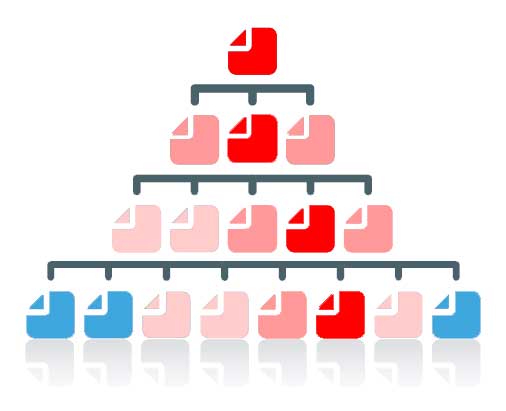
Link equity is the SEO authority transferred through hyperlinks between pages. Learn how link equity flows, what factors determine its value, and how to maximiz...
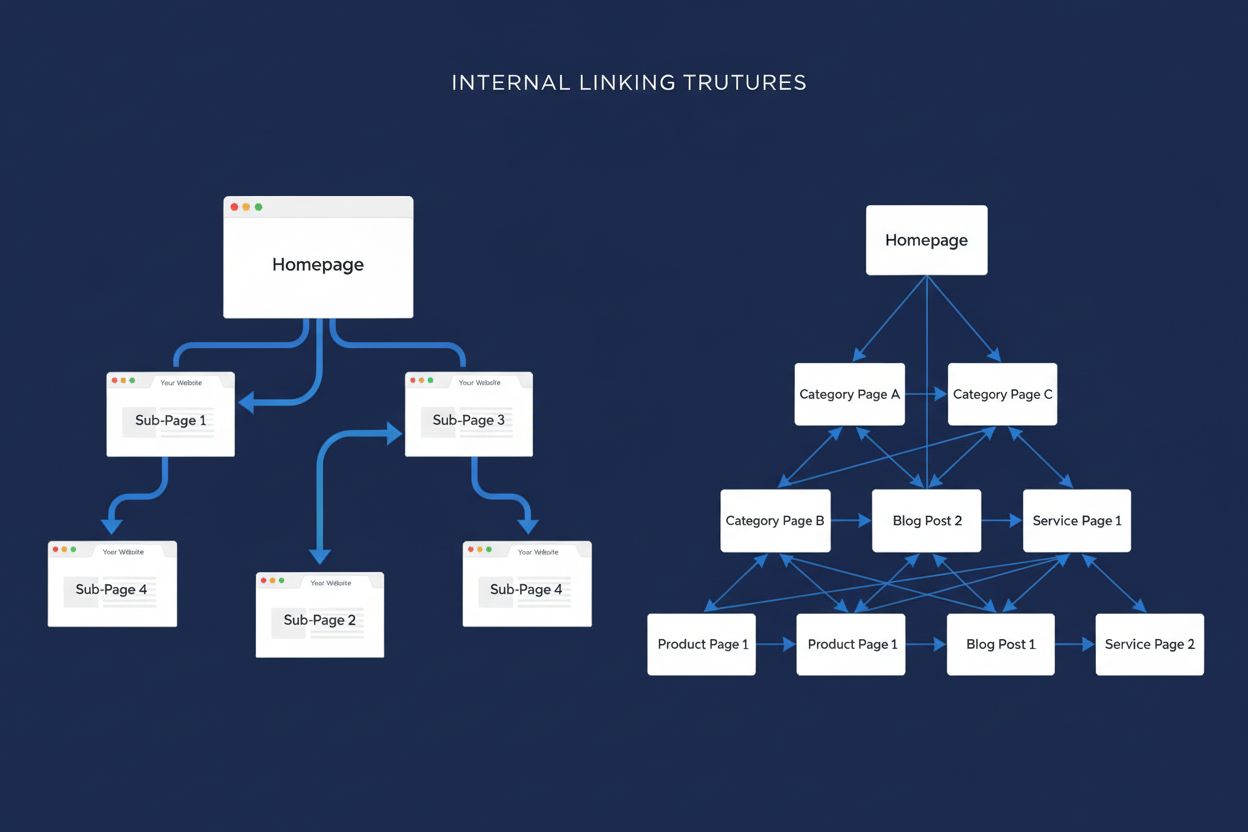
Internal linking connects pages within the same domain to improve crawlability, distribute authority, and enhance user navigation. Learn how strategic internal ...
Cookie Consent
We use cookies to enhance your browsing experience and analyze our traffic. See our privacy policy.