
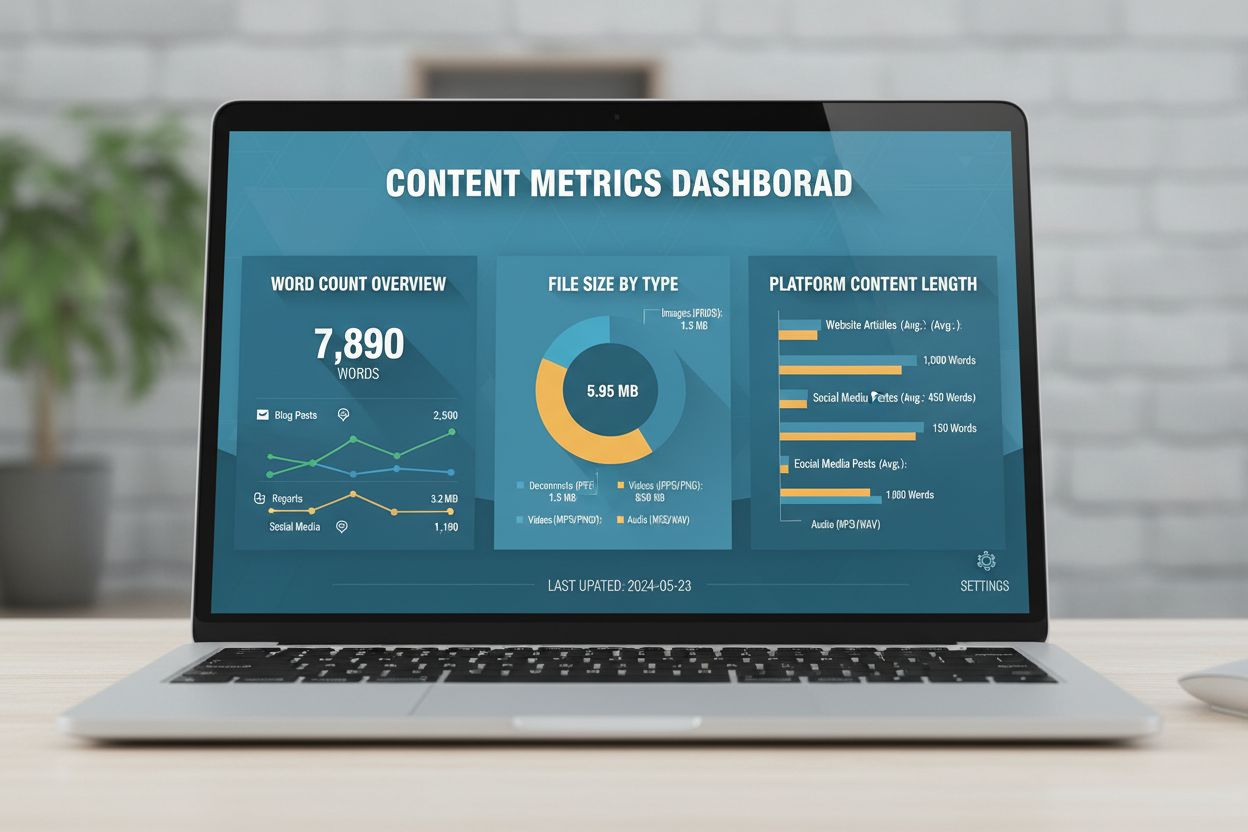
Content Length
Content length measures content size in words, characters, and bytes. Learn how it affects SEO rankings, AI citations, and user engagement across platforms.
12 min read
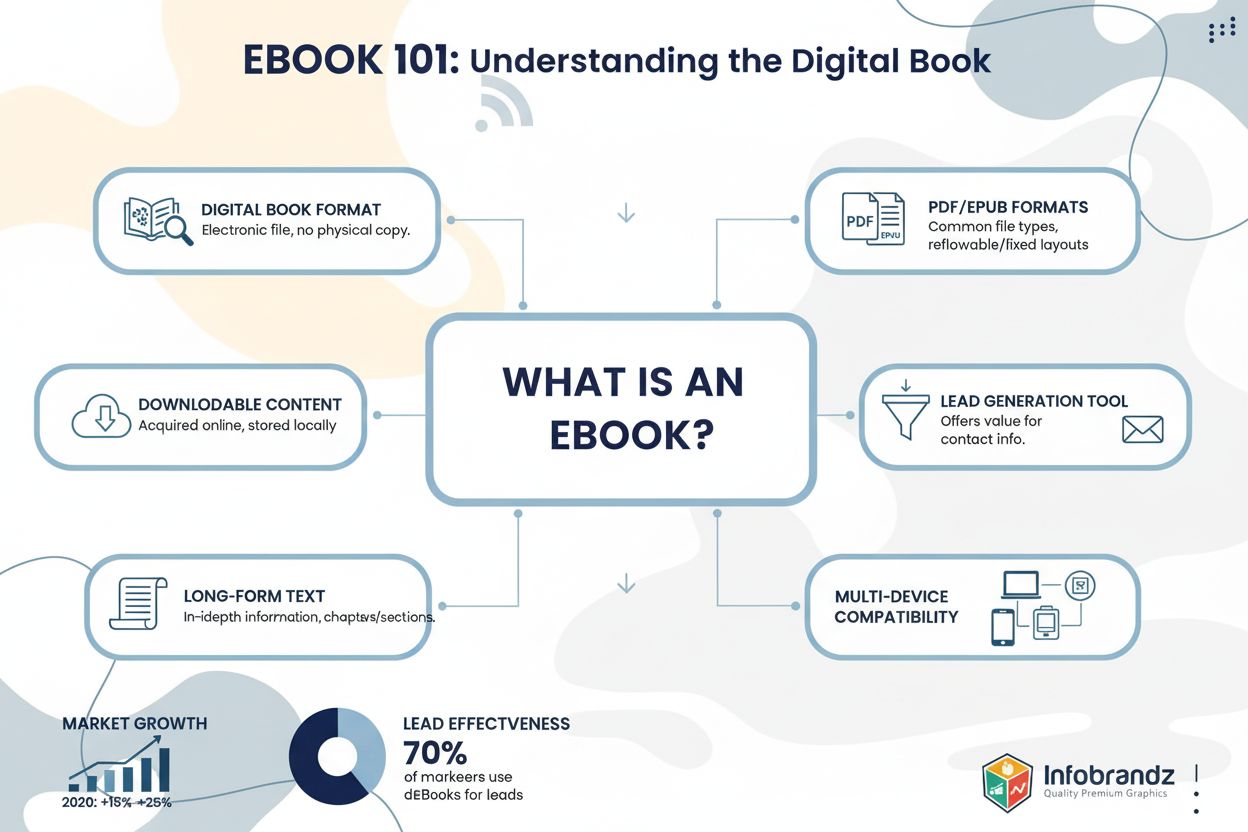
An ebook is a digital, downloadable document containing long-form content (typically 2,000+ words) designed for reading on multiple devices. Ebooks serve as powerful lead generation and content marketing tools, combining comprehensive information with professional formatting to establish brand authority and drive conversions.
An ebook is a digital, downloadable document containing long-form content (typically 2,000+ words) designed for reading on multiple devices. Ebooks serve as powerful lead generation and content marketing tools, combining comprehensive information with professional formatting to establish brand authority and drive conversions.
An ebook (electronic book) is a digital document containing long-form content designed for distribution and consumption across multiple devices. In the context of content marketing, an ebook is a downloadable piece of long-form marketing content, typically formatted as a PDF or EPUB file, containing 2,000 or more words of comprehensive information on a specific topic. Unlike traditional blog posts or social media content, ebooks provide in-depth exploration of subjects, combining educational value with professional design to establish brand authority and generate qualified leads. The global ebook market is projected to reach $18.02 billion by 2025, growing at a compound annual growth rate of 4.78%, reflecting the increasing strategic importance of long-form downloadable content in modern marketing ecosystems. Ebooks serve as gated content (requiring contact information for access) or ungated content (freely available), each serving distinct marketing objectives and audience engagement strategies.
The concept of ebooks emerged long before the digital revolution became mainstream. Project Gutenberg, founded in 1971, pioneered the digitization of books and established the foundational principles of ebook distribution that persist today. However, the true transformation occurred in 2007 when Amazon launched the Kindle, revolutionizing how consumers accessed and read digital content. The dramatic price drop in Kindle devices in 2010 accelerated adoption, with competing platforms like Kobo and Barnes & Noble’s Nook expanding the market. From a content marketing perspective, ebooks gained prominence in the early 2000s when marketers recognized their potential as lead magnets—offering valuable content in exchange for contact information. This strategic shift transformed ebooks from purely recreational reading materials into essential B2B marketing tools. Today, ebooks represent a mature yet evolving segment of the content marketing landscape, with 87% of B2B marketers successfully leveraging ebooks to generate leads and establish thought leadership.
Understanding ebook formats is critical for effective distribution and audience reach. PDF (Portable Document Format) remains the most popular format for marketing ebooks due to its universal compatibility and fixed layout, ensuring consistent presentation across all devices. However, PDFs lack reflowability—the ability to adapt text and images to different screen sizes—which can create readability challenges on mobile devices. EPUB (Electronic Publication) addresses this limitation by offering reflowable text that automatically adjusts to the reader’s device, providing an optimal reading experience on smartphones, tablets, and dedicated e-readers. EPUB files support multimedia content, including images, videos, and interactive elements, making them ideal for visually rich publications. MOBI and AZW3 formats, originally developed by Amazon for Kindle devices, have largely been superseded by EPUB following Amazon’s 2022 transition to the open standard. For maximum reach, content marketers should distribute ebooks in both PDF and EPUB formats, accommodating diverse reader preferences and device ecosystems. The choice between formats depends on your distribution strategy: PDFs for marketing landing pages and email campaigns, EPUB for dedicated ebook platforms and libraries.
| Format | Compatibility | Reflowability | Best Use Case | DRM Support | Multimedia |
|---|---|---|---|---|---|
| Universal (all devices) | Fixed layout | Marketing, print-ready documents | Yes | Limited | |
| EPUB | Most e-readers, apps | Fully reflowable | Ebook readers, libraries, subscriptions | Optional | Full support |
| MOBI/AZW3 | Primarily Kindle | Reflowable | Amazon Kindle ecosystem | Yes | Supported |
| IBA (iBooks) | Apple Books only | Reflowable | Interactive content for Apple devices | Yes | Full support |
| TXT (Plain Text) | All devices | N/A | Basic text content | No | None |
Ebooks function as cornerstone content assets in comprehensive content marketing strategies, serving multiple strategic objectives simultaneously. As lead magnets, ebooks exchange substantial value for contact information, enabling businesses to build qualified email lists without purchasing expensive, often unreliable email databases. Research demonstrates that 87% of B2B marketers successfully use content marketing including ebooks to generate leads, with conversion rates typically ranging from 2-5% across industries, though top-performing ebooks achieve 10% or higher conversion rates. The effectiveness of ebooks stems from their ability to address complex customer pain points comprehensively, positioning your organization as a thought leader and trusted authority. Unlike shorter-form content, ebooks allow for nuanced exploration of topics, incorporating case studies, data visualizations, expert interviews, and actionable frameworks that resonate with sophisticated B2B audiences. The return on investment for ebooks is exceptional: with production costs typically ranging from $500-$2,000, a single ebook can generate hundreds of qualified leads annually, with many companies reporting that ebooks account for 20-30% of their total lead generation pipeline. Furthermore, ebooks retain their value indefinitely, continuing to generate leads months or years after publication, unlike social media posts or paid advertising campaigns with defined time horizons.
Creating an effective ebook requires strategic planning, disciplined execution, and attention to both content quality and design aesthetics. The process begins with topic selection based on audience research, competitive analysis, and alignment with your organization’s expertise and business objectives. Successful ebook topics address specific customer pain points, answer frequently asked questions, or provide frameworks and methodologies that deliver immediate practical value. The outline and structure should follow a logical progression, with clear chapter divisions, descriptive subheadings, and a comprehensive table of contents that facilitates navigation and AI parsing. Content should be written in an accessible, engaging style that balances authority with readability—avoiding jargon while maintaining credibility through data, examples, and expert perspectives. Visual design significantly impacts ebook effectiveness; professional formatting with consistent branding, high-quality images, strategic use of whitespace, and readable typography enhances engagement and completion rates. Call-to-action elements should be strategically placed throughout the ebook, guiding readers toward next steps in the customer journey. For maximum reach and AI discoverability, ebooks should include clear entity definitions in opening sections, structured metadata, and keyword-optimized landing pages. The ideal ebook length ranges from 2,000-5,000 words (10-20 pages), balancing comprehensiveness with reader attention spans and completion rates.
Ebook distribution extends far beyond simple email delivery, encompassing multiple channels designed to maximize visibility and audience engagement. Gated distribution through landing pages remains the primary lead generation mechanism, where users provide contact information to access the ebook. This approach enables precise tracking of conversion metrics and lead quality, facilitating ROI measurement and optimization. Ungated distribution makes ebooks freely accessible on your website, blog, or content platforms, significantly expanding organic reach and enabling AI discovery through search engines and AI systems. Ungated ebooks benefit from substantial organic search traffic, improving domain authority and brand visibility in search results. Email marketing remains a powerful distribution channel, with ebooks serving as premium content offers to existing subscribers and prospects. Social media promotion drives awareness and traffic to ebook landing pages, with platforms like LinkedIn particularly effective for B2B ebook distribution. Content partnerships with industry publications, associations, and complementary brands extend reach to new audiences. Library distribution through platforms like OverDrive connects ebooks with institutional audiences and public library systems. Subscription services such as Kindle Unlimited and Scribd provide alternative distribution channels for consumer-focused ebooks. Strategic distribution requires understanding your target audience’s preferred channels and consumption habits, then tailoring your promotion strategy accordingly.
As artificial intelligence increasingly mediates information discovery, ebooks have emerged as valuable assets for brand visibility in AI responses. Platforms like Perplexity, ChatGPT, Google AI Overviews, and Claude increasingly cite and reference long-form content when generating responses to user queries. Well-structured ebooks with clear entity definitions, comprehensive coverage of topics, and authoritative perspectives are more likely to be selected as source material by AI systems. This creates a new dimension of strategic value for ebook content: beyond traditional lead generation, ebooks now serve as AI citation assets that enhance brand visibility in the emerging AI-driven search landscape. Organizations using AI monitoring platforms like AmICited can track how their ebook content appears in AI-generated responses, measuring brand visibility and citation frequency across multiple AI systems. This capability enables data-driven optimization of ebook content to improve AI discoverability and citation likelihood. The strategic implication is clear: ebooks that combine traditional marketing value (lead generation, authority establishment) with AI optimization (clear definitions, structured content, entity emphasis) deliver compounded returns across both human and machine audiences.
The ebook landscape continues evolving in response to technological advancement, changing consumer preferences, and the emergence of AI-driven content discovery. Interactive ebooks incorporating multimedia elements, embedded videos, and dynamic content are gaining adoption, particularly in educational and technical domains. Personalization through dynamic content that adapts to reader characteristics and preferences represents an emerging frontier, enabled by advances in content management and distribution technologies. Subscription-based ebook models are expanding beyond traditional platforms, with organizations creating proprietary ebook subscription services to deepen customer relationships and generate recurring revenue. The integration of AI-powered content generation tools is accelerating ebook production timelines while raising questions about content authenticity and originality. Voice-activated ebook consumption through smart speakers and voice assistants represents an emerging distribution channel, particularly for audio-enhanced ebook formats. The strategic importance of ebook optimization for AI systems will intensify as AI-driven search becomes increasingly dominant, requiring content creators to balance human readability with machine discoverability. Organizations that recognize ebooks as multi-dimensional assets—simultaneously serving lead generation, authority establishment, AI citation, and audience engagement objectives—will derive maximum strategic value from their ebook investments. The convergence of traditional content marketing principles with emerging AI discovery mechanisms suggests that ebook strategy will become increasingly central to comprehensive digital marketing and brand visibility initiatives.
While both are long-form content, ebooks are typically more comprehensive and educational, often ranging from 10-50 pages with visual elements and a narrative flow. Whitepapers are more technical and research-focused, usually 5-15 pages, designed to demonstrate expertise on specific problems. Ebooks emphasize accessibility and engagement, whereas whitepapers prioritize data-driven analysis and credibility in B2B contexts.
Most effective ebooks range from 2,000 to 5,000 words, translating to approximately 10-20 pages. However, the ideal length depends on your topic and audience. Research shows that ebooks between 2,500-3,000 words generate the highest engagement rates. The key is providing substantial value without unnecessary filler—quality and relevance matter more than reaching a specific word count.
PDF is the most universally compatible format for marketing ebooks, maintaining consistent formatting across all devices. EPUB is ideal for ebook readers and offers reflowable text that adapts to different screen sizes. MOBI (now largely replaced by AZW3) was Amazon's proprietary format. For maximum reach, distribute in both PDF and EPUB formats to accommodate different reader preferences and platforms.
Ebooks generate leads by offering substantial value in exchange for contact information through gated landing pages. Studies show that 87% of B2B marketers successfully use content marketing including ebooks to generate leads. Ebooks typically achieve conversion rates between 2-5%, with top-performing ebooks reaching 10%+ conversion rates, significantly outperforming blog posts and social media content.
Yes, ebooks are increasingly tracked by AI monitoring platforms like AmICited to monitor brand mentions and citations. When ebooks are published online and referenced by AI systems, they become valuable touchpoints for tracking how your brand appears in AI-generated responses. Optimizing ebook content with relevant keywords and entity definitions improves the likelihood of AI citation and brand visibility.
Ebooks offer exceptional ROI because they generate leads indefinitely after creation. With minimal ongoing costs and the ability to repurpose existing blog content, ebooks typically cost $500-$2,000 to produce but can generate hundreds of qualified leads annually. Many companies report that ebooks account for 20-30% of their total lead generation, making them one of the highest-ROI content marketing investments.
Optimize ebooks by including clear definitions of key terms in the opening sections, using structured headings and subheadings, and incorporating relevant keywords naturally throughout. Include a comprehensive table of contents and index for better AI parsing. Ensure your landing page and metadata include target keywords, and consider creating an ungated version for broader organic reach and AI discovery.
Start tracking how AI chatbots mention your brand across ChatGPT, Perplexity, and other platforms. Get actionable insights to improve your AI presence.
Content length measures content size in words, characters, and bytes. Learn how it affects SEO rankings, AI citations, and user engagement across platforms.
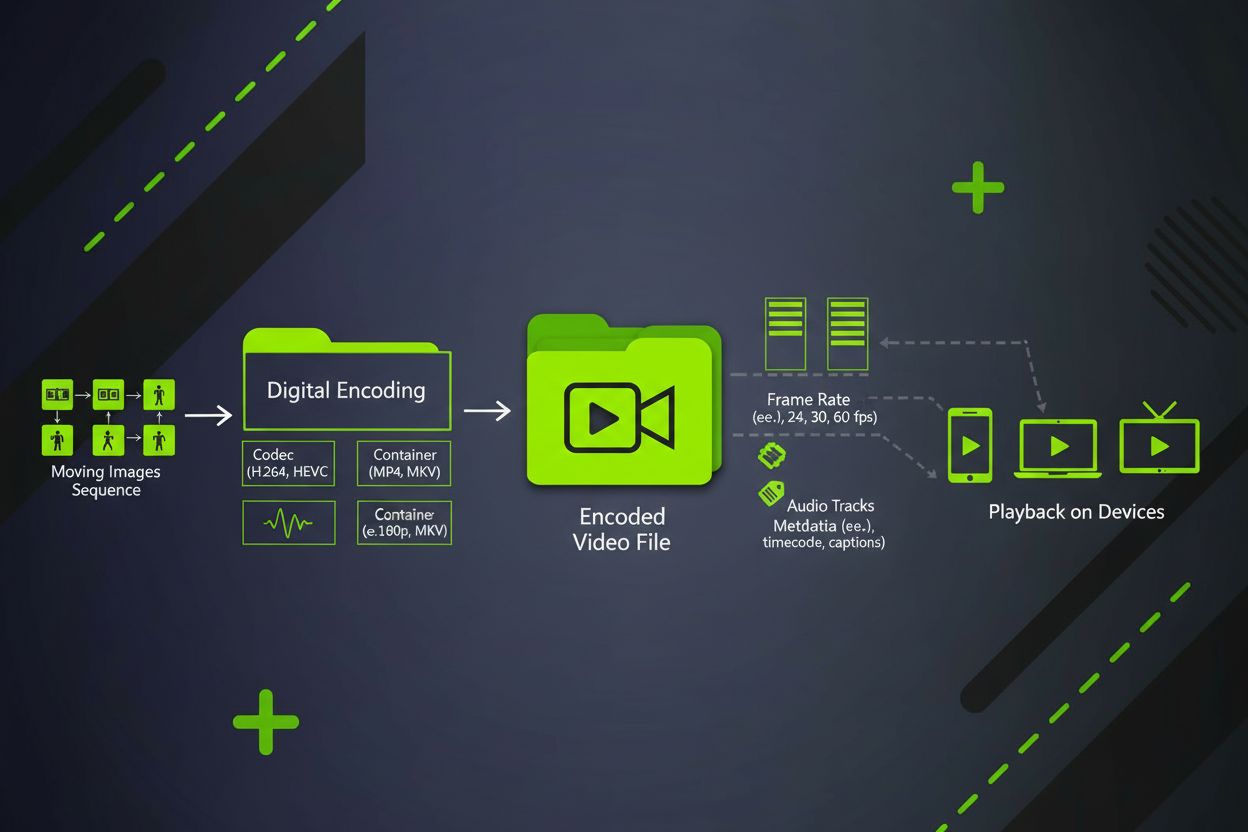
Video content is a digital moving image format combining sequential frames, audio, and metadata. Learn about video formats, codecs, specifications, and its role...

Learn what a content brief is, why it's essential for content marketing success, and how to create effective briefs that reduce revisions and improve content qu...