


- Etsy SEO is making listings easy to find in Etsy search and in Google, mostly through the title, 13 tags, category, attributes, photos and description.
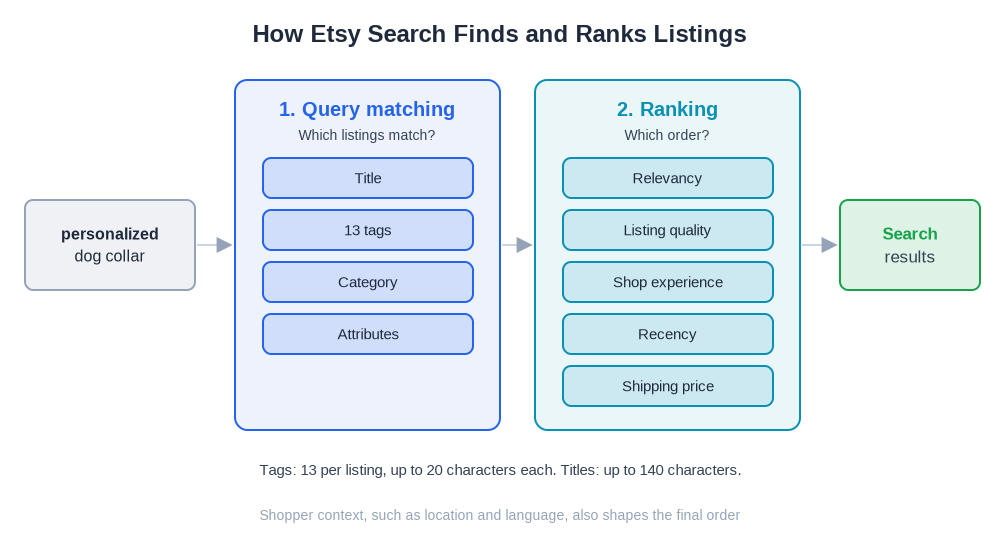
- Etsy search works in two steps: it matches the query against title, tags, category and attributes, then ranks by relevancy, listing quality, shop experience, recency, shipping price and shopper context.
- Listing quality acts like a conversion signal. Listings that earn clicks, favorites and sales get shown higher.
- Attributes count as matching terms, so fill every one and use tags for other multi-word buyer phrases.
Where AmICited fits
Shoppers also ask AI assistants for gift ideas. AmICited’s Shopping report shows which products and sellers ChatGPT and other engines show as product cards for your tracked prompts, with their position and price.
See AI visibility tracking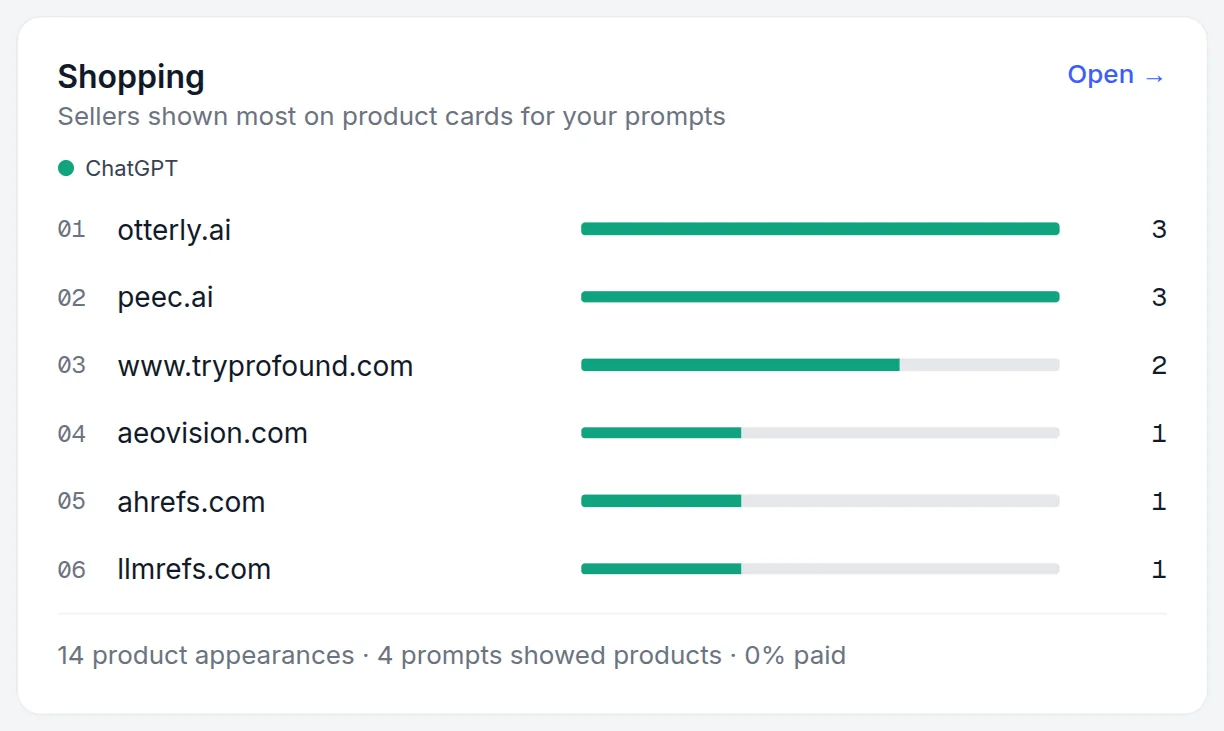
What Is Etsy SEO?
Etsy SEO is the work of making Etsy listings easier to find, both in Etsy’s own search bar and in search engines such as Google. Most of it happens inside the listing editor: the title, the 13 tags, the category, the attributes, the photos and the description. Some of it happens at the shop level, through reviews, policies, shipping prices and how quickly orders ship.
Etsy sellers of handmade goods, vintage items, craft supplies and digital downloads all depend on it, because Etsy search is where most buyers start. It is a form of marketplace SEO, like Amazon SEO, and it rewards listings that match buyer wording and then convert.
How Etsy Search Works
Etsy explains its search in the Seller Handbook as a two-step process.
Step 1: Query matching. When a buyer searches “personalized dog collar”, Etsy finds listings whose text and data match those words. It looks at:
- The listing title
- Tags (13 per listing, up to 20 characters each)
- The category you chose
- Attributes such as color, material, occasion and holiday, which Etsy treats like extra tags
Step 2: Ranking. Etsy then orders the matching listings. Factors Etsy has named include:
- Relevancy: how closely the title, tags, category and attributes match the search.
- Listing quality: how shoppers respond to the listing, including clicks, favorites and purchases.
- Customer and market experience: reviews, complete shop policies and an About section, and whether the shop has open cases or policy problems.
- Recency: new and renewed listings may get a short boost while Etsy learns how they perform.
- Shipping price: competitive shipping, including free shipping to US buyers for US sellers, can help.
- Shopper context: the buyer’s location, language and past behavior.
Listing quality works like a conversion signal. If two listings each appear in 1,000 searches and one earns 40 clicks and 4 sales while the other earns 10 clicks and no sales, Etsy has good reason to show the first one higher next time.
Etsy Listing Fields and How to Use Them
Each field affects search differently. Limits are set by Etsy and can change, so check the listing editor if something does not fit.
| Field | Limit | Role in Etsy SEO | How to use it |
|---|---|---|---|
| Title | Up to 140 characters | Relevance in Etsy and Google | Lead with what the item is, in plain words |
| Tags | 13 tags, up to 20 characters each | Relevance | Multi-word buyer phrases, no repeats of attributes |
| Category | One per listing | Relevance and filters | Pick the most specific category |
| Attributes | Varies by category | Relevance and filters | Fill every one that applies |
| Photos and video | Several images plus a short video | Clicks and conversion | Bright first photo that shows the item clearly |
| Description | Long text allowed | Google snippet, buyer questions | Start with the key details, then sizes and care |
Etsy SEO vs Amazon SEO
Both are marketplace search, but they reward different things. Amazon leans heavily on sales history and conversion rate, and sellers often buy ads to build that history. Etsy also counts shopper behavior, but its matching relies on tags and attributes more directly, and its buyers search with descriptive, creative phrases like “boho wedding guest dress” rather than model numbers.
Etsy listings also face more variety. Ten sellers might offer handmade candles in ten different styles, so photos and specific descriptive phrases decide a lot more than price alone.
Using Etsy Stats to Improve Rankings
Etsy Stats shows the search terms that brought shoppers to your shop and listings. Compare those terms with your tags. Phrases that bring visits but no sales may point to a mismatch between what buyers expect and what the listing shows. Phrases that convert well but appear rarely are candidates for the title or for an extra tag on related listings.

Stay Updated on AI Visibility Trends
Get the latest insights on AI mentions, brand monitoring, and optimization strategies.
Etsy SEO and AI Search
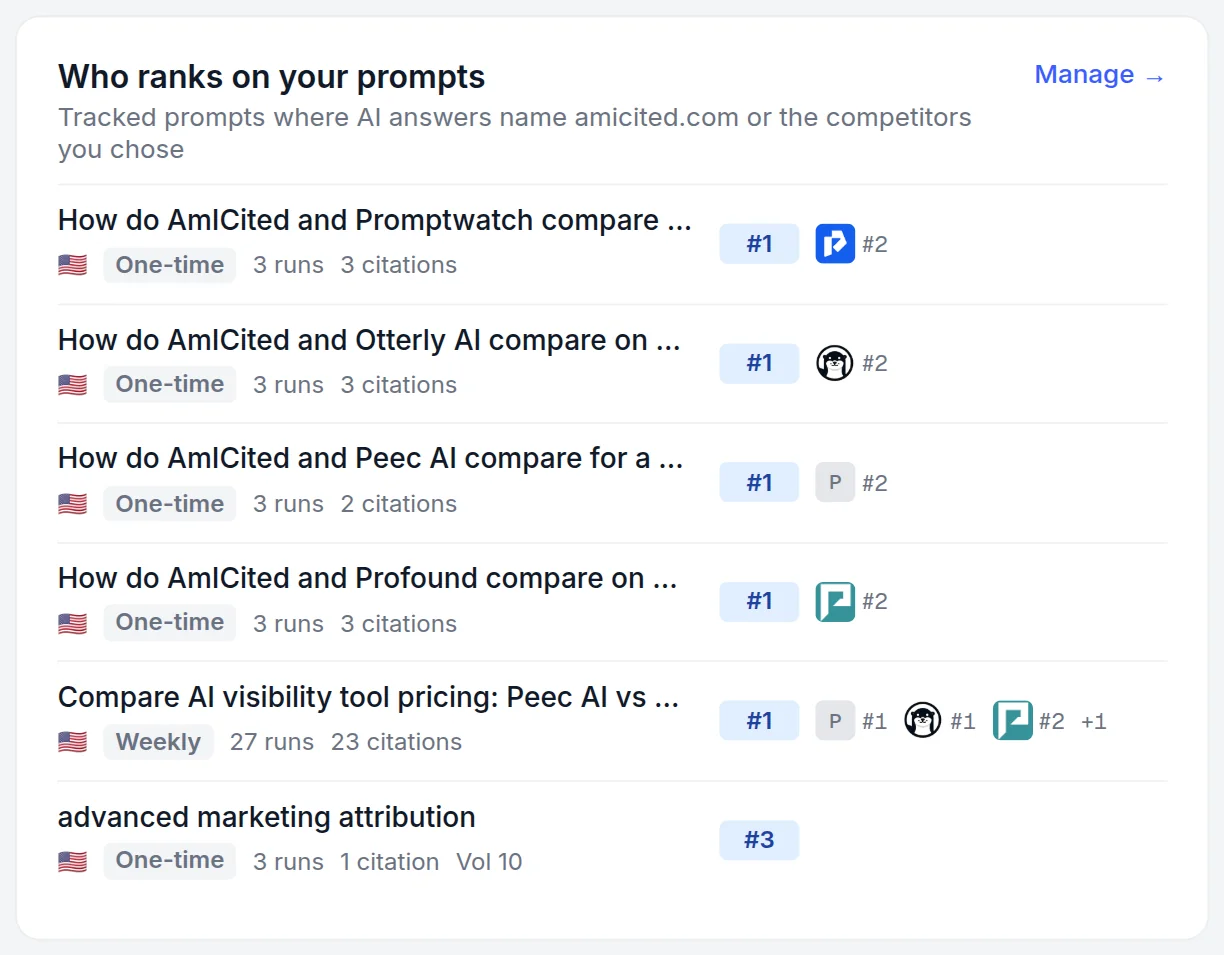
Buyers now ask AI assistants for gift ideas and handmade products, and ChatGPT, Perplexity and Google AI Mode may cite Etsy listings, Etsy shop pages or blog posts that mention them. Clear titles, specific descriptions and real reviews make it easier for an AI system to describe your product correctly.
If you sell under a brand name, you can check whether AI engines mention it with AI visibility tracking. For broader tactics, see generative engine optimization.
Best Practices for Etsy SEO
- Use all 13 tags, and make them multi-word phrases that buyers type.
- Fill every attribute for your category. Attributes count as matching terms, so you can save tags for other phrases.
- Write a short, readable title that says what the item is first.
- Make the first photo clear and bright against a simple background. It decides whether a shopper clicks.
- Complete shop policies, the About section and FAQs. Etsy counts shop completeness in its ranking.
- Price shipping competitively, and consider free shipping to US buyers if you are a US seller.
- Check Etsy Stats to see which search terms bring visits, and adjust tags around what converts.
Common Etsy SEO Mistakes
The most common mistake is wasting tags: single words, duplicates of the category, or phrases nobody searches. Another is stuffing the title with every possible keyword, which Etsy now discourages and buyers find hard to read. Repeating the same words in tags, title and attributes also wastes space that could cover more searches.
Sellers also ignore the shop side. Missing policies, slow dispatch, open cases and poor reviews can drag down every listing in a shop. And many sellers write tags once at launch and never revisit them, even though Etsy Stats shows which searches actually led to views and sales.