
Video Content
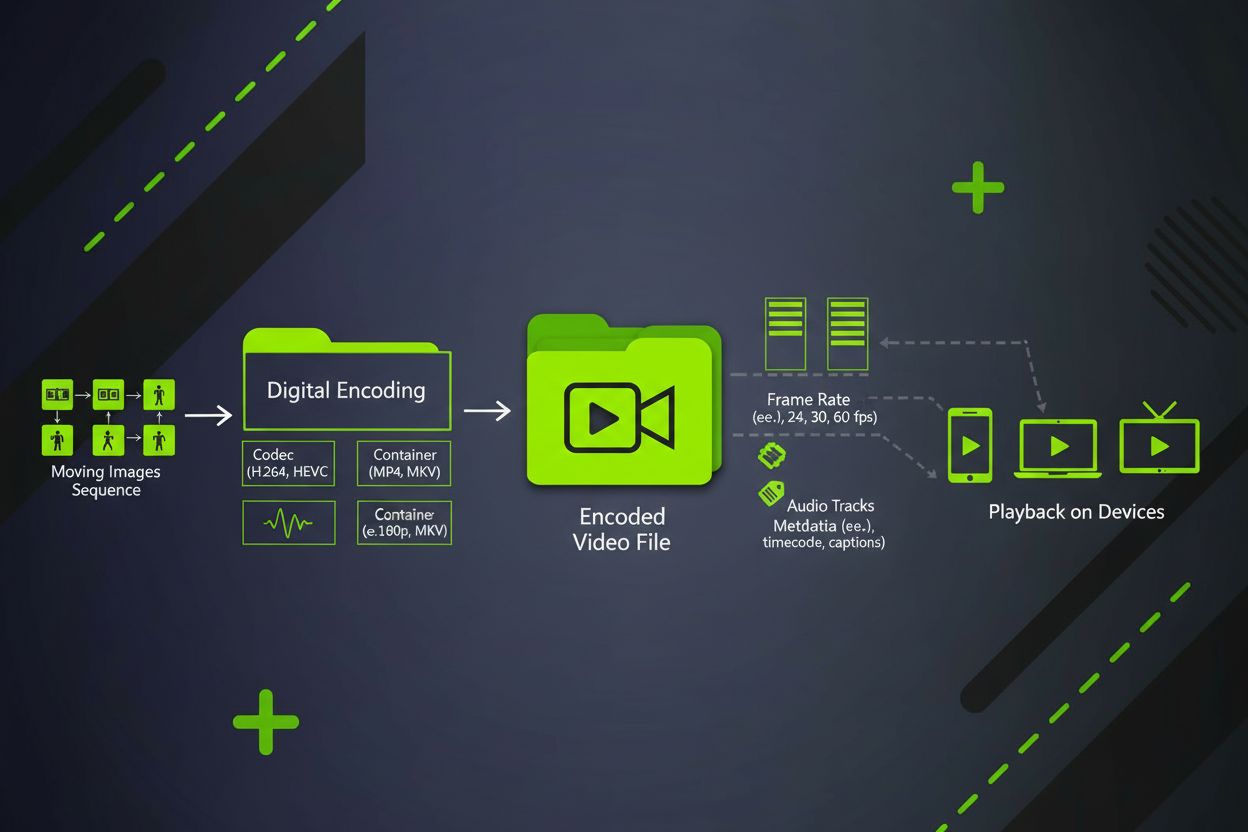
Video content is a digital moving image format combining sequential frames, audio, and metadata. Learn about video formats, codecs, specifications, and its role...
10 min read
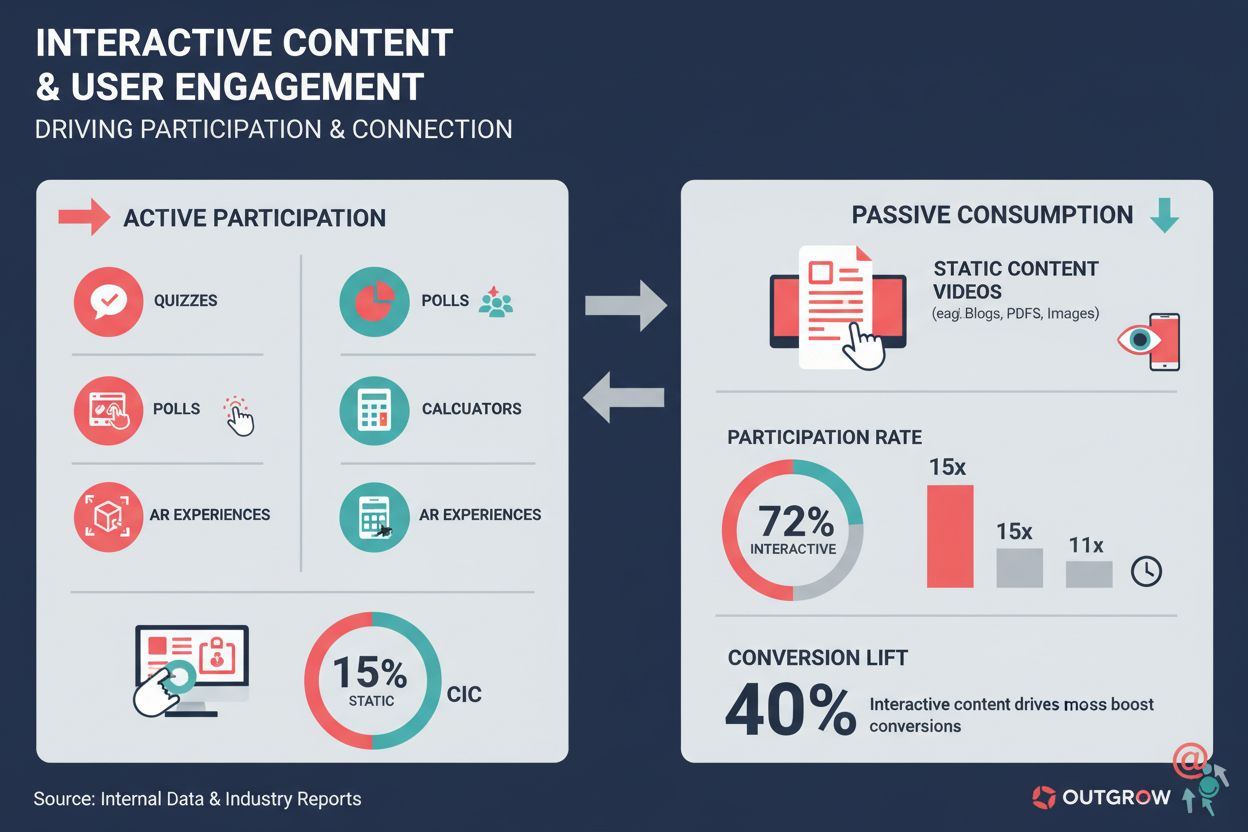
Interactive content is digital content that requires active user participation and engagement rather than passive consumption, such as quizzes, polls, calculators, and interactive videos. It transforms audiences into participants by prompting them to click, input information, or make choices that directly influence their experience and receive personalized results.
Interactive content is digital content that requires active user participation and engagement rather than passive consumption, such as quizzes, polls, calculators, and interactive videos. It transforms audiences into participants by prompting them to click, input information, or make choices that directly influence their experience and receive personalized results.
Interactive content is digital content that requires active user participation and engagement rather than passive consumption. Unlike traditional static content such as blog posts, articles, or standard videos that audiences simply read or watch, interactive content prompts users to click, input information, make selections, or take actions that directly influence their experience and receive personalized results. This fundamental shift from passive to active engagement transforms audiences into participants, creating a two-way conversation between brands and users. Interactive content encompasses a wide range of formats including quizzes, polls, calculators, interactive videos, augmented reality experiences, interactive infographics, and gamified modules. The defining characteristic is that the content responds to user input, adapts based on their choices, and delivers customized outcomes that make each interaction unique and memorable.
The concept of interactive content has evolved significantly with technological advancement and changing user expectations. In the early days of digital marketing, static content dominated because it was simple to produce and distribute. However, as internet speeds improved and user expectations shifted toward more engaging experiences, brands began experimenting with interactive elements. The rise of social media platforms like Facebook and Instagram, which featured polls and interactive stories, demonstrated the massive appetite for participatory content. According to recent research, 90% of modern consumers express a desire for more visual and interactive content, signaling a fundamental shift in content consumption preferences. The interactive content market has grown exponentially, with 93% of marketers now finding interactive content highly effective for educating prospective customers. This evolution reflects broader trends in digital marketing where engagement, personalization, and data collection have become central to business strategy. The emergence of AI-powered tools and platforms has further accelerated adoption, enabling brands to create sophisticated interactive experiences without extensive technical expertise.
The quantitative evidence supporting interactive content is compelling and consistent across multiple studies. Interactive content generates 52.6% higher engagement than static content, with users spending an average of 13 minutes on interactive experiences compared to 8.5 minutes on static content. 81% of marketers agree that interactive content grabs attention more effectively than static content, making it a priority in marketing budgets. In 2023, marketers allocated 14% of their total marketing budget to interactive content, reflecting confidence in its ROI potential. Interactive content converts prospects into leads at a rate of 70%, nearly twice the conversion rate of passive content. BuzzFeed’s quizzes achieve a remarkable 96% completion rate, demonstrating the inherent appeal of well-designed interactive experiences. 52% of marketers identified interactive emails as the most effective form of interactive content, while 65% of brands utilize interactive infographics to enhance their content marketing strategies. The global chatbot market is projected to reach USD 4.9 billion by 2032, reflecting the growing importance of conversational interactive experiences. These statistics collectively demonstrate that interactive content is not merely a trend but a fundamental shift in how effective digital marketing operates.
| Aspect | Interactive Content | Static Content |
|---|---|---|
| User Engagement | 52.6% higher engagement rates | Baseline engagement metric |
| Average Time on Page | 13 minutes average | 8.5 minutes average |
| Conversion Rate | 70% conversion rate | 35-40% conversion rate |
| Data Collection | Captures first-party data naturally | Requires separate forms |
| Personalization | Delivers customized results in real-time | One-size-fits-all experience |
| Shareability | Highly shareable (quiz results, etc.) | Lower social sharing rates |
| User Participation | Requires active clicks and input | Passive consumption only |
| Lead Quality | Higher quality, intent-based leads | Broader but less qualified leads |
| Cost to Produce | Moderate to high investment | Lower production cost |
| SEO Impact | Improves dwell time and backlinks | Standard SEO signals |
| Memorability | Experiences are highly memorable | Information easily forgotten |
| Mobile Experience | Optimized for touch interactions | Often requires scrolling |
Interactive content operates through a combination of user interface design, conditional logic, and data collection systems that work together seamlessly. When a user encounters interactive content, they are presented with an interface that invites participation—whether through clicking buttons, selecting options, entering information, or swiping through content. The underlying technology processes these inputs in real-time, using conditional logic to determine which content path the user follows based on their responses. For example, a product recommendation quiz might ask users about their preferences, budget, and use case, then route them through different question sequences based on their answers. Once the user completes their interaction, the system calculates results, generates personalized recommendations, and often displays a customized outcome page. Simultaneously, the platform captures valuable data about the user’s preferences, behavior patterns, and engagement level. This data is typically stored in a database and can be integrated with CRM systems and marketing automation platforms to enable follow-up personalization. The technical infrastructure supporting interactive content has become increasingly sophisticated, with platforms like Outgrow, Typeform, and Storyly enabling non-technical marketers to create complex interactive experiences without coding. The real-time responsiveness and personalization capabilities of interactive content create a sense of control and relevance that keeps users engaged throughout the experience.
The business case for interactive content extends far beyond engagement metrics, delivering tangible value across multiple dimensions of marketing and sales operations. Lead generation represents one of the most significant benefits, as interactive content naturally captures contact information in exchange for personalized results, making the data exchange feel fair and valuable to users. Interactive content enables lead qualification by revealing user intent, pain points, and specific needs through their responses, allowing sales teams to prioritize high-quality prospects. The personalization enabled by interactive content creates memorable experiences that build brand loyalty and increase customer lifetime value. Interactive content serves as a powerful brand authority tool, positioning companies as experts in their field when they create valuable tools, assessments, or educational experiences. The data collection aspect provides first-party data that becomes increasingly valuable as third-party cookies disappear from the digital landscape. Interactive content also drives organic reach through social sharing, as users naturally share quiz results, calculator outputs, and entertaining interactive experiences with their networks. From a content marketing perspective, interactive content has higher reusability value, as users often return to engage with it multiple times or share it with others. The SEO benefits include improved dwell time, lower bounce rates, and increased backlinks from shares and citations, all of which signal quality to search engines. For AI monitoring and brand tracking, interactive content creates authoritative, linkable assets that AI systems reference and cite, improving brand visibility in AI-generated responses.
Interactive content manifests in numerous formats, each suited to different marketing objectives and audience preferences. Quizzes and assessments are among the most popular formats, effective for lead generation, brand awareness, and product recommendations. Polls and surveys provide quick feedback mechanisms and are particularly effective on social media platforms. Calculators and ROI tools serve utility-focused purposes, helping users make financial decisions or understand value propositions. Interactive infographics transform static data visualizations into explorable experiences where users can click, hover, and filter information. Interactive videos allow viewers to make choices that influence the narrative, creating branching storylines or “choose your own adventure” experiences. Augmented reality (AR) experiences enable virtual try-ons and product visualization, particularly valuable in beauty, fashion, and furniture industries. Interactive ebooks and whitepapers combine multimedia elements with long-form content to maintain engagement. Gamified content incorporates game mechanics like points, badges, and leaderboards to increase engagement and motivation. Interactive maps allow users to explore geographical information, locations, and routes with customizable layers and filtering. Chatbots and conversational interfaces provide real-time, personalized interactions that simulate human conversation. Interactive emails embed interactive elements directly into email messages, enabling users to engage without leaving their inbox. Live streams and webinars create real-time interactive experiences where audiences can ask questions and participate in discussions. Each format serves specific purposes within the marketing funnel and should be selected based on audience preferences, business objectives, and available resources.
As artificial intelligence systems like ChatGPT, Perplexity, Google AI Overviews, and Claude become primary information sources for users, interactive content plays an increasingly important role in brand visibility and authority. These AI systems cite and reference high-quality, authoritative content when generating responses, and interactive content—particularly tools, assessments, and educational resources—receives significant citation weight. Brands that create valuable interactive content establish themselves as subject matter experts, making their content more likely to be referenced by AI systems. AmICited and similar AI monitoring platforms track how interactive content appears in AI-generated responses, helping brands understand their visibility and citation frequency across different AI platforms. Interactive content creates natural backlink opportunities as users share results and tools, which AI systems recognize as signals of authority and relevance. The data-driven nature of interactive content—where users provide explicit information about their needs and preferences—makes it particularly valuable for AI systems seeking to understand user intent and context. Brands monitoring their interactive content in AI responses can identify which tools and assessments resonate most with AI systems and optimize their content strategy accordingly. This intersection of interactive content and AI monitoring represents a new frontier in brand tracking and digital PR, where visibility in AI responses becomes as important as traditional search engine rankings.
Creating successful interactive content requires strategic planning, clear objectives, and attention to user experience. Define clear goals before beginning development—whether your objective is lead generation, brand awareness, engagement, or education. Know your audience deeply, understanding their preferences, pain points, and the devices they use to access content. Choose the right format based on your funnel stage and audience preferences; awareness-stage audiences respond well to entertaining quizzes, while consideration-stage audiences prefer educational calculators and assessments. Write compelling microcopy for buttons, instructions, and feedback messages, as these small details significantly impact user experience and completion rates. Design intuitive navigation so users understand how to interact with content without requiring instructions. Ensure mobile optimization since the majority of interactive content is consumed on mobile devices, requiring touch-friendly interfaces and fast load times. Test extensively across devices and browsers before launch, identifying and fixing any technical issues. Implement proper tracking to measure engagement, completion rates, conversions, and other relevant metrics. Provide genuine value through personalized results, useful recommendations, or entertaining experiences that justify the user’s time investment. Encourage social sharing by making results shareable and creating moments worth sharing. Iterate based on data by analyzing user behavior, completion rates, and drop-off points to continuously improve performance. Ensure accessibility by following WCAG guidelines, providing alt text, and ensuring keyboard navigation works properly. Integrate with marketing systems to automatically capture leads and trigger follow-up communications based on user responses.
The future of interactive content is being shaped by advancing technologies, changing user expectations, and the integration of artificial intelligence. AI-powered personalization will enable even more sophisticated customization, with interactive content adapting in real-time based on user behavior and preferences. Voice and conversational interfaces will expand beyond text-based chatbots to include voice-activated interactive experiences. Extended reality (XR) technologies including virtual reality (VR), augmented reality (AR), and mixed reality (MR) will create increasingly immersive interactive experiences, particularly in retail, real estate, and education. Predictive analytics will enable interactive content to anticipate user needs and proactively suggest relevant paths or recommendations. Blockchain and Web3 technologies may introduce new forms of interactive content with tokenized rewards and decentralized engagement mechanisms. Privacy-first data collection will become increasingly important as regulations tighten, with interactive content serving as a primary method for collecting first-party data. Integration with AI monitoring systems will become standard practice, with brands actively tracking how their interactive content appears in AI-generated responses. Omnichannel interactive experiences will seamlessly connect interactive content across websites, apps, email, and physical locations. Generative AI will accelerate content creation, enabling brands to produce personalized interactive experiences at scale. The convergence of these trends suggests that interactive content will become not just a marketing tactic but a fundamental component of how brands communicate, engage, and build relationships with audiences in an increasingly AI-mediated digital landscape.
Static content like blog posts and videos are consumed passively, while interactive content requires active user participation through clicks, inputs, or choices. Interactive content generates 52.6% higher engagement than static content and keeps users on page for an average of 13 minutes compared to 8.5 minutes for static content. This fundamental difference makes interactive content significantly more effective for capturing attention and driving conversions.
Interactive content captures valuable first-party data naturally during user engagement, allowing businesses to qualify leads based on their responses and preferences. Tools like quizzes and assessments reveal user intent, pain points, and needs without feeling intrusive. This data enables sales teams to prioritize high-quality leads and personalize follow-up communications, resulting in higher conversion rates and shorter sales cycles.
The most effective types include quizzes (96% completion rate on BuzzFeed), calculators and ROI tools, interactive infographics, polls and surveys, and interactive videos. According to 2025 data, 81% of marketers agree interactive content grabs attention more effectively than static content. The choice depends on your funnel stage: awareness-stage content like quizzes, mid-funnel like calculators, and bottom-funnel like product configurators.
Interactive content improves SEO through increased dwell time, lower bounce rates, and higher shareability—all signals search engines reward. Interactive experiences encourage users to spend more time on pages and share results on social media, generating backlinks and organic traffic. Additionally, interactive content establishes topical authority and expertise, helping brands rank for competitive keywords and appear in AI-generated responses.
As AI systems like ChatGPT, Perplexity, and Google AI Overviews become primary information sources, interactive content helps brands establish authority and get cited in AI responses. High-quality interactive tools and assessments demonstrate expertise and create shareable, linkable assets that AI systems reference. Monitoring how interactive content appears in AI citations helps brands understand their visibility and influence in AI-driven search results.
ROI is measured through engagement metrics (completion rates, time on page, scroll depth), conversion metrics (form submissions, lead quality), and revenue attribution. Track how many leads convert to customers and compare cost per lead against revenue generated. A/B testing different interactive formats reveals which types perform best for your audience, enabling continuous optimization and better resource allocation.
Popular no-code platforms include Outgrow, Typeform, Ceros, and Ion Interactive for creating quizzes, calculators, and polls. For more advanced needs, platforms like Storyly enable interactive stories in apps and websites. Custom development is also an option for brands with specific requirements. The choice depends on budget, complexity needs, and desired level of customization and integration capabilities.
Interactive content collects user data and preferences in real-time, enabling dynamic personalization without manual effort. Conditional logic routes users to different outcomes based on their responses, creating customized experiences for thousands of users simultaneously. This data integrates with CRM and marketing automation systems to deliver personalized follow-up communications, product recommendations, and targeted messaging across all channels.
Start tracking how AI chatbots mention your brand across ChatGPT, Perplexity, and other platforms. Get actionable insights to improve your AI presence.
Video content is a digital moving image format combining sequential frames, audio, and metadata. Learn about video formats, codecs, specifications, and its role...
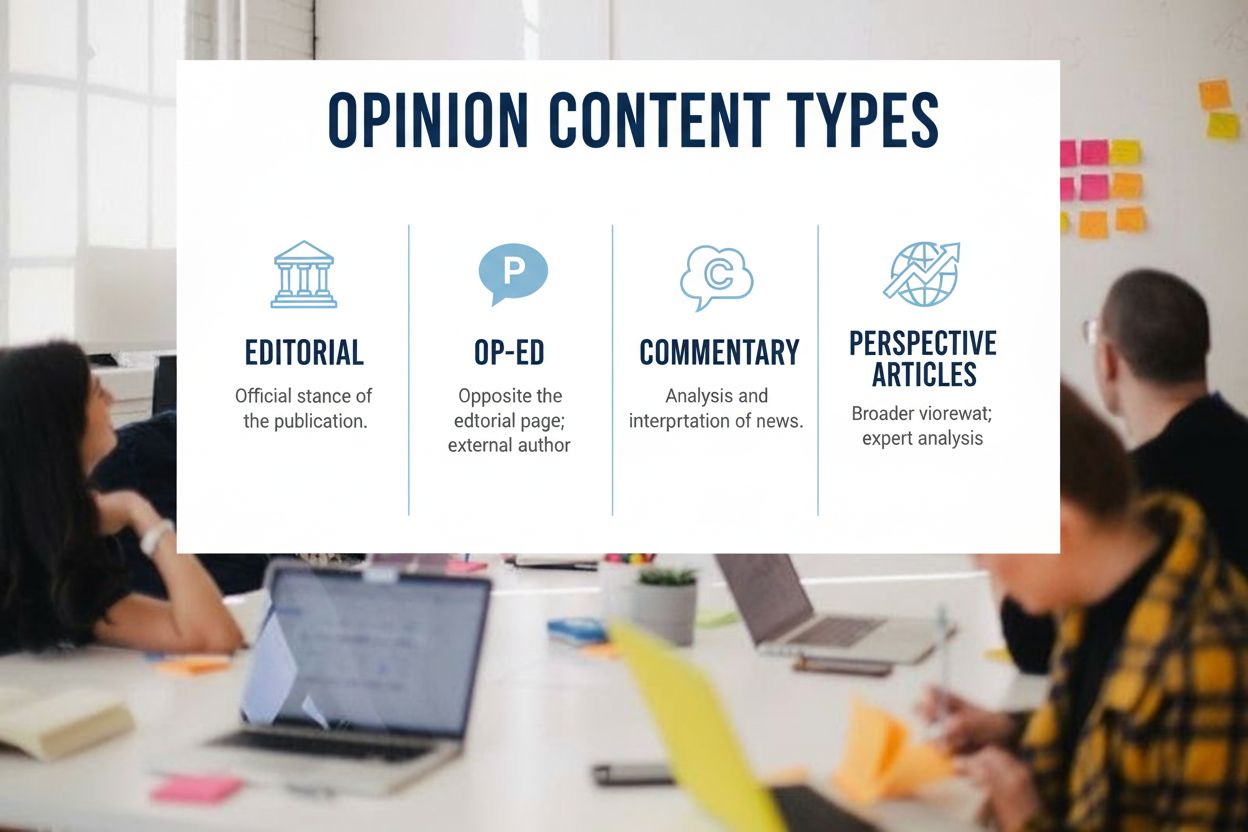
Learn what opinion content is, explore different types including editorials, op-eds, and commentary pieces, and understand how perspective-driven content impact...
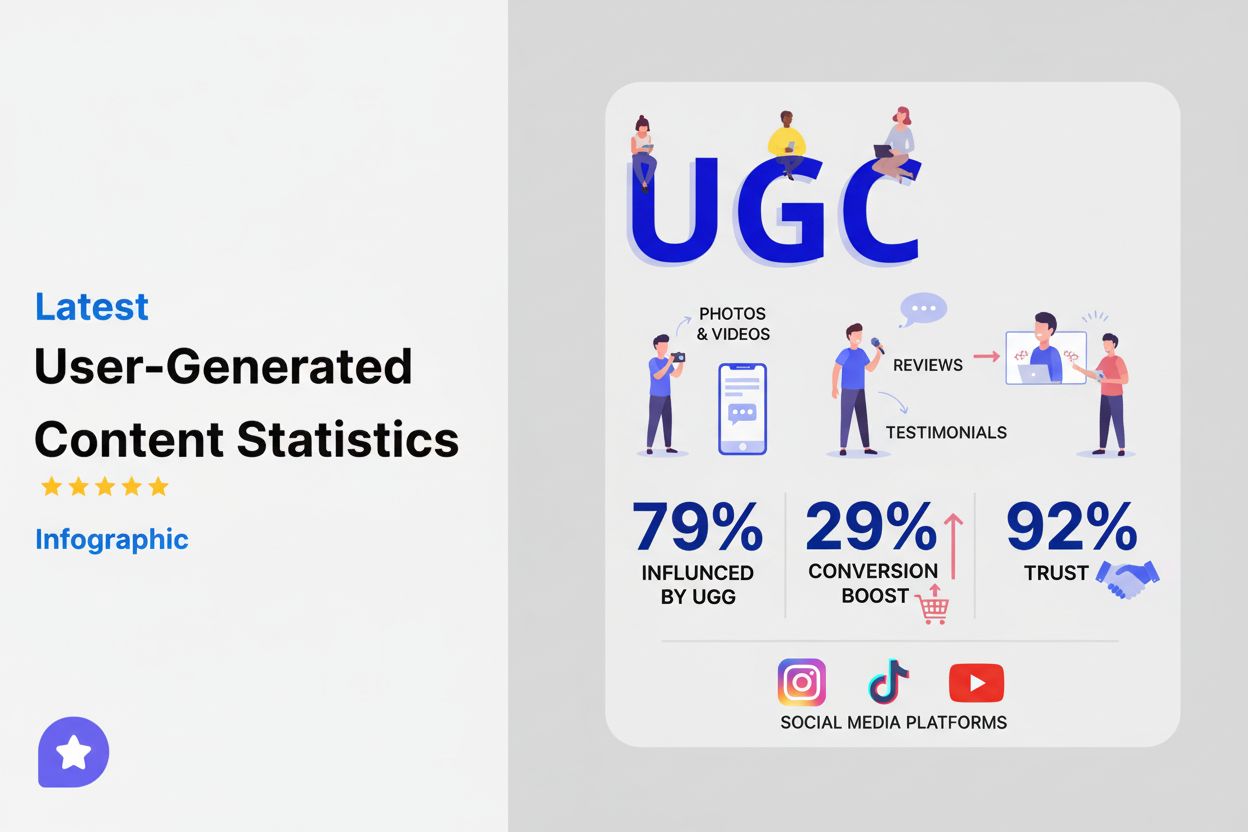
Learn what User-Generated Content (UGC) is, why it matters for brand visibility, and how it drives conversions. Discover how 92% of consumers trust UGC more tha...