
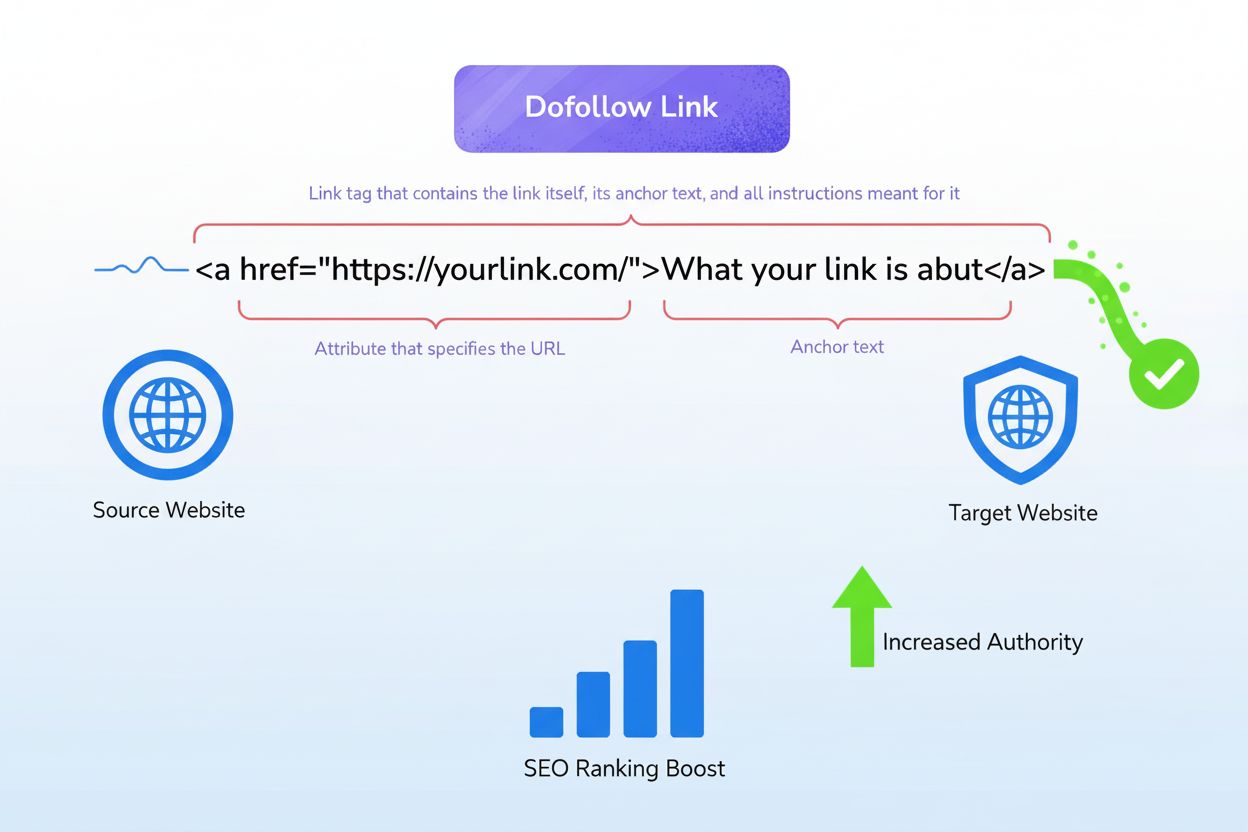
DoFollow Link
Learn what dofollow links are, how they pass ranking value and authority through link juice, and why they're critical for SEO success and AI search visibility.
10 min read
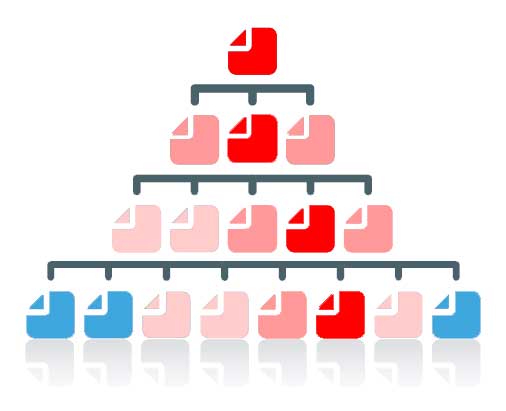
Link equity, also known as link juice, is the SEO value and ranking authority that flows from one webpage to another through hyperlinks. It represents how much a link contributes to a page’s search engine rankings based on factors like the linking page’s authority, relevance, and link placement.
Link equity, also known as link juice, is the SEO value and ranking authority that flows from one webpage to another through hyperlinks. It represents how much a link contributes to a page's search engine rankings based on factors like the linking page's authority, relevance, and link placement.
Link equity, also known as link juice, is the SEO value and ranking authority that transfers from one webpage to another through hyperlinks. It represents the cumulative power a page can pass to other pages based on its own authority, relevance, and the quality of its links. When a webpage links to another page, it essentially casts a “vote of confidence,” signaling to search engines that the destination page is valuable and trustworthy. This concept is rooted in Google’s foundational PageRank algorithm, which evaluates the importance of web pages based on the quantity and quality of links pointing to them. Link equity is not a fixed metric but a dynamic value that fluctuates based on multiple factors including the linking page’s authority, the relevance of the link to the content, anchor text quality, and user engagement signals. Understanding and optimizing link equity is critical for improving search engine rankings, as it remains one of the most confirmed ranking factors across all major search engines.
Link equity emerged as a central concept in SEO following Google’s introduction of the PageRank algorithm in the late 1990s. PageRank was revolutionary because it introduced a mathematical model for evaluating webpage importance based on link analysis—treating links as votes of confidence. The term “link juice” became colloquial shorthand for this concept, though it has since evolved into the more formal term “link equity.” Over the past two decades, the understanding of link equity has matured significantly. Early SEO practitioners focused primarily on acquiring as many backlinks as possible, but research has consistently shown that quality far outweighs quantity. A 2019 Moz study analyzing 27,000 queries found a strong correlation between links and rankings, confirming that link equity remains a fundamental ranking signal. However, the mechanisms through which link equity operates have become more sophisticated. Modern search algorithms now consider not just the presence of links but also user engagement signals, topical relevance, and the authority of the linking domain. Recent technical documentation from Google reveals that link equity flows through a tiered system where pages receiving user clicks are prioritized in the link index, meaning a link’s value is conditional on the engagement of its source page. This evolution reflects a shift from simple link counting to a more nuanced understanding of how authority and trust propagate through the web.
Link equity operates through a systematic flow of authority from high-authority pages to linked pages. The homepage serves as the foundational trust anchor, receiving the most direct authority from external backlinks and distributing this authority throughout the site via internal links. When a page with strong authority links to another page, it shares a portion of its ranking power, but this power is divided among all outbound links on that page. This distribution mechanism is similar to dividing a finite resource—the more links on a page, the less equity each individual link receives. Link placement significantly impacts equity flow: links embedded in the main content of a page pass more equity than those buried in footers or sidebars, as search engines recognize that editorial links represent stronger endorsements. The anchor text of a link provides directional signals, helping search engines understand the topic and relevance of the destination page. Additionally, crawlability is essential for equity transfer; if a link is blocked by robots.txt, marked as nofollow, or leads to a non-indexable page, it cannot pass equity. The flow of link equity is also affected by redirect chains—each redirect in a chain can dilute the equity passed, which is why direct 301 redirects are preferable to multi-hop redirect sequences. Understanding this flow mechanism allows SEO professionals to strategically distribute equity to the pages that matter most for business objectives.
The value of link equity is determined by a complex interplay of factors that search engines evaluate to determine how much authority a link should pass. Domain Authority and Page Authority are primary determinants—links from high-authority domains and pages pass significantly more equity than those from newer or less authoritative sites. Topical relevance is equally critical; a link from a page about fitness equipment to a fitness blog passes more equity than a link from an unrelated industry. Anchor text quality directly influences equity value—descriptive, relevant anchor text that accurately describes the destination page’s content signals stronger relevance than generic phrases like “click here.” The position of the link on the page matters substantially; links in the main body content are weighted more heavily than those in navigation menus or footers, reflecting the principle that users are more likely to follow editorial links. The number of outbound links on a page affects how equity is distributed; a page with five outbound links passes more equity per link than a page with fifty outbound links. Link type also plays a role—dofollow links pass full equity, while nofollow links pass minimal or no equity (though Google now treats nofollow as a hint). The HTTP status of the linked page matters; links to pages returning 200 status codes pass equity, while links to 404 errors or redirect chains may lose equity. Additionally, user engagement signals on the source page influence equity value; pages that receive clicks and user interaction have their links valued more highly than pages with no user engagement. Recent research from Search Atlas analyzing 350,159 backlink placements found that Domain Power (a metric measuring real-world SEO impact) was the strongest predictor of post-placement success, with links from high-Domain Power sources resulting in ranking improvements averaging 10.8% and traffic gains exceeding 200%.
| Concept | Definition | Scope | Measurement | Primary Use |
|---|---|---|---|---|
| Link Equity | The SEO value and authority transferred through hyperlinks from one page to another | Both internal and external links; page-level and domain-level | Domain Authority, Page Authority, referring domains, organic traffic | Optimizing internal linking structure and evaluating backlink quality |
| PageRank | Google’s original algorithm calculating page importance based on link quantity and quality | Primarily external links; foundational to ranking | Historical PageRank scores (no longer publicly available); estimated through DA/PA | Understanding foundational link-based ranking principles |
| Domain Authority (DA) | Moz’s metric predicting a domain’s ability to rank in search results (0-100 scale) | Domain-level metric | Moz’s proprietary algorithm analyzing backlink profiles | Evaluating overall domain strength and competitive positioning |
| Anchor Text | The clickable text in a hyperlink providing context about the destination page | Individual link-level signal | Semantic similarity analysis, keyword relevance scoring | Optimizing link relevance and topical alignment |
| Backlink Profile | The complete collection of external links pointing to a website or page | External links only | Referring domain count, link quality distribution, anchor text profile | Assessing external link acquisition strategy and competitive analysis |
| Internal Linking Structure | The system of links connecting pages within a single website | Internal links only | Crawl depth, link distribution, orphan page identification | Distributing authority to priority pages and improving crawlability |
| Citation Authority | The trustworthiness and authority of a source as determined by AI systems | AI-specific metric | Appearance in AI-generated responses, citation frequency | Monitoring brand visibility in AI search results and LLMs |
The technical transfer of link equity operates through several interconnected mechanisms that search engines use to evaluate and distribute authority. Crawlability is the foundational requirement—search engine bots must be able to discover and follow a link through standard HTML anchor tags for equity to transfer. When a bot encounters a link, it extracts the anchor text, evaluates the relevance of the link to surrounding content, and determines the authority of the source page. The topicality system (referred to internally as T* by Google) uses anchor text and surrounding content context to understand what the destination page is about, which influences how much equity is passed for specific keyword themes. Redirect handling affects equity transfer; 301 redirects preserve approximately 90-99% of equity, while redirect chains dilute equity with each hop. Canonical tags consolidate equity from duplicate pages onto a single preferred URL, preventing equity dilution across multiple versions of the same content. The nofollow attribute signals that a link should not pass equity, though Google now treats this as a hint rather than a directive, meaning some nofollow links may still pass small amounts of equity in certain contexts. User engagement signals (referred to as Navboost internally) influence equity value; pages that receive user clicks and dwell time have their outbound links valued more highly than pages with no engagement. The link index tiering system revealed in technical documentation shows that links on pages receiving user clicks are placed in a high-quality tier where they influence rankings, while links on pages with no engagement are relegated to lower tiers where they have minimal impact. This multi-layered approach means that link equity is not simply about the presence of a link but about the entire context in which that link exists.
Effective internal linking strategy is essential for maximizing link equity distribution across your website. The hub-and-spoke model (also called topic clusters) organizes content into a pyramid structure where a broad “pillar page” serves as the hub, linking to multiple detailed “cluster pages,” which link back to the pillar. This structure consolidates equity on hub pages while ensuring cluster pages receive sufficient authority to rank for long-tail keywords. Tiered linking prioritization ensures that the most important pages receive links from multiple high-authority internal sources; Tier 1 pages (homepage, main product/service pages, conversion pages) should receive the most internal links, Tier 2 pages (category pages, popular blog posts) receive moderate linking, and Tier 3 pages (individual blog posts, supporting content) receive minimal linking. The 3-click rule suggests that important pages should be no more than three clicks from the homepage, signaling their importance to search engines and improving crawl frequency. Anchor text optimization requires using descriptive, relevant anchor text that accurately describes the destination page’s content while maintaining natural variation to avoid appearing manipulative. Research shows that Google processes approximately 16 words maximum in anchor text for contextual value, so concise, descriptive anchors are optimal. Link placement strategy prioritizes placing internal links in the main body content rather than footers or sidebars, as editorial links are weighted more heavily. New content integration requires that every new page receives at least two to three internal links from older, related content to ensure discovery and indexing. Retroactive linking involves regularly reviewing older, authoritative articles and adding internal links to newer, relevant content to pass authority forward. Avoiding common mistakes includes not using nofollow on important internal links, not creating dead-end pages with no outbound links, and not allowing keyword cannibalization where multiple pages target the same keywords and dilute equity signals.
External backlinks are the primary source of new link equity entering your domain, making link acquisition strategy critical for overall SEO success. High-equity backlinks come from authoritative, niche-relevant domains with observable domain authority, placed contextually in main content with dofollow attributes and relevant anchor text. Research from Search Atlas analyzing real-world placements found that strategic backlink placements resulted in traffic gains exceeding 200% and average ranking improvements of 10.8% at the individual page level. Guest posting on authoritative publications in your niche allows you to earn valuable backlinks while establishing topical authority. Digital PR and press releases secure editorial mentions that place links in high-authority contexts. Linkable assets such as original research, data studies, tools, or comprehensive guides attract organic backlinks from other websites. Broken link building involves identifying broken links on authoritative sites and offering a better replacement from your content. Influencer collaborations and thought leadership content attract natural citations from industry leaders. Diversifying your backlink profile across multiple root domains, anchor text types, and link attributes creates a natural-looking profile that resists algorithmic penalties. The quality of external links is far more important than quantity; a single link from a high-Domain Power source can deliver more value than dozens of links from low-authority sites. Additionally, semantic alignment between anchor text and target keywords significantly impacts link value; research shows that post-placement anchor relevance improved by 69.6%, and the correlation between anchor relevance and ranking position strengthened from -0.75 to -0.86, indicating that contextually relevant links become increasingly influential for rankings.
Link equity remains fundamentally important in the emerging landscape of AI-powered search and zero-click results. AI Overviews and LLM-based summarizers tend to cite content from authoritative, well-linked sources, making link equity a critical factor in determining which pages appear as citations in AI-generated responses. Research indicates that 99.5% of sources cited in AI Overviews also rank in the top 10 organic search results, suggesting that the same authority signals driving organic rankings also influence AI citation selection. A 2024 study found that appearing in an AI Overview could require as little as 13 referring domains, making it achievable even for smaller brands with strategic link-building efforts. Featured snippets show similar patterns; an Ahrefs analysis of 2 million featured snippets found that 99.58% of featured snippet URLs also rank in the top 10 organic results, indicating that link equity contributes to snippet selection. Passage indexing allows individual sections of content to rank independently, and pages with strong link equity and topical authority are more likely to have their content featured at the passage level. Knowledge Graph inclusion relies on similar authority signals; Google consistently prioritizes well-linked, authoritative sources when populating knowledge panels. The shift toward zero-click search has changed user behavior but not the importance of link equity; while users may get answers without clicking, appearing as a cited source in AI responses drives homepage traffic and brand visibility. Additionally, AmICited and similar AI monitoring platforms allow brands to track their appearance in AI-generated responses, revealing how link equity translates to visibility in generative AI systems. This connection between link equity and AI visibility makes traditional link-building strategies more valuable than ever, as they directly influence your brand’s presence in the next generation of search interfaces.
Several common mistakes can significantly damage link equity distribution and harm search rankings. Excessive nofollow on internal links interrupts equity flow and weakens the distribution to important pages; nofollow should be reserved for untrusted or commercial links, not applied to important internal paths. Redirect chains and loops dilute equity with each additional hop; consolidating multi-hop redirects into single direct 301 redirects preserves maximum equity. Broken internal links and orphaned pages trap equity and prevent it from reaching important content; regular audits using tools like Screaming Frog identify and fix these issues. Keyword cannibalization occurs when multiple pages target the same keywords, dividing authority signals; consolidating similar content onto single comprehensive pages or using canonical tags prevents this dilution. Lopsided internal routing clusters equity on a few pages while leaving growth areas underpowered; rebalancing with contextual links from strong hubs to underlinked assets improves overall distribution. Low-quality link acquisition through buying links or trading irrelevant placements adds noise without value; prioritizing high-quality links from relevant sources ensures positive ROI. Set-and-forget governance allows issues to persist; quarterly crawls to measure link equity proxies, repair errors, and confirm anchors and paths remain accurate maintain healthy link distribution. Automated linking plugins can create unnatural patterns that trigger defensive filters; manual curation of internal links, especially for important content, prevents algorithmic penalties. Keyword-stuffing anchor text appears manipulative and can trigger penalties; keeping anchor text concise (under 16 words) and naturally varied maintains a healthy profile. Ignoring user engagement signals means missing the fact that links on pages with no clicks have minimal value; prioritizing link placement on high-traffic, high-engagement pages ensures equity is activated.
While link equity cannot be measured directly, several proxy metrics provide reliable indicators of how equity flows through your site and impacts rankings. Domain Authority (DA) from Moz and Domain Rating (DR) from Ahrefs measure overall domain strength on a 0-100 scale; higher scores indicate stronger link profiles and greater capacity to pass equity. Page Authority (PA) and URL Rating (UR) measure individual page strength, helping identify which pages have the most equity to distribute. Referring domain count indicates how many unique domains link to your site; more referring domains typically correlate with stronger link equity. Backlink quality assessment evaluates the authority and relevance of linking domains; tools like Moz Link Explorer and Ahrefs provide detailed backlink analysis. Crawl depth analysis measures how many clicks it takes to reach each page from the homepage; pages within three clicks typically receive more equity. Index coverage in Google Search Console shows which pages are indexed; pages with crawlability issues may not receive or pass equity effectively. Organic traffic and impressions in Google Search Console correlate with link equity; pages receiving more traffic typically have stronger equity. Ranking position and keyword rankings indicate whether link equity is translating to visibility; improvements in average position and keyword count suggest effective equity distribution. Anchor text profile analysis using site crawlers reveals whether your internal and external anchor text is balanced and relevant. Quarterly audits tracking these metrics over time reveal trends in link equity distribution and identify areas for improvement. Research from Search Atlas showed that Domain Power increased by 12.3% post-placement and Domain Rating increased by 30.8%, demonstrating that these metrics are sensitive to changes in link equity and can be used to measure the impact of link-building efforts.
The future of link equity is evolving in response to changes in search behavior and the rise of AI-powered search interfaces. AI citation tracking is becoming increasingly important as brands need to understand not just traditional search rankings but also where they appear as sources in AI-generated responses. Generative Engine Optimization (GEO) is emerging as a discipline focused on optimizing for AI search results, and link equity remains a core component of this strategy. Zero-click search optimization requires rethinking how link equity translates to value when users get answers without clicking; appearing as a cited source becomes more valuable than direct clicks. Topical authority signals are becoming more sophisticated, with search engines evaluating not just individual page authority but how link equity demonstrates expertise across related topics. User engagement integration with link equity is likely to deepen; pages that receive user clicks will have their links valued more highly, creating a feedback loop where popular pages become more influential. Semantic relevance in link evaluation is becoming more precise; AI systems are better at understanding whether a link is truly relevant to the destination page’s content, making keyword-stuffing and irrelevant links less effective. Cross-domain authority signals may become more important as search engines evaluate how authority flows across related domains and brand properties. Real-time link equity updates could replace the current model where equity changes take weeks or months to manifest in rankings. Privacy-preserving link equity measurement will need to evolve as user data becomes less available; alternative signals may supplement traditional link-based authority. The fundamental principle that authority and trust flow through links is unlikely to change, but the mechanisms through which this happens and the contexts in which link equity matters most will continue to evolve. Brands that understand link equity deeply and adapt their strategies to emerging search formats will maintain competitive advantages in organic visibility.
To maximize link equity and improve search rankings, implement these strategic recommendations: Conduct a comprehensive link audit using tools like Ahrefs, Semrush, or Moz to understand your current link equity distribution, identify broken links, and find orphaned pages. Develop a content hub strategy organizing your most important topics into pillar pages with supporting cluster content, creating a clear structure for equity distribution. Prioritize high-value pages for internal linking, ensuring that pages driving business value receive links from multiple high-authority internal sources. Optimize anchor text across your site to be descriptive, relevant, and naturally varied, avoiding keyword-stuffing while maintaining topical signals. Implement a new content linking protocol requiring that every new page receives at least two to three internal links from older, related content. Conduct retroactive linking by reviewing older, authoritative articles and adding contextual links to newer, relevant content. Fix technical issues including broken links, redirect chains, and crawlability problems that prevent equity from flowing effectively. Build high-quality external links from authoritative, relevant domains through guest posting, digital PR, linkable assets, and influencer collaborations. Monitor link equity metrics quarterly using Domain Authority, Page Authority, referring domains, and organic traffic to track progress and identify areas for improvement. Track AI visibility using platforms like AmICited to understand how your link equity translates to citations in AI-generated responses and adjust strategy accordingly. Avoid common mistakes including excessive nofollow on internal links, keyword cannibalization, and automated linking plugins that create unnatural patterns. By implementing these recommendations systematically and monitoring results over time, you can build sustainable link equity that drives long-term improvements in search rankings, organic traffic, and visibility across all search formats including AI-powered results.
PageRank is Google's original algorithm that calculates a page's importance based on the quantity and quality of links pointing to it. Link equity is the broader concept of how SEO value transfers through links. While PageRank is one specific metric, link equity encompasses all the ways authority flows through your site's link structure. PageRank is no longer the primary ranking factor, but link equity remains fundamental to SEO success.
Internal link equity flows from high-authority pages to linked pages, distributing the source page's ranking power among all its outbound links. When a page with strong authority links to another page using relevant anchor text, it passes a portion of its equity to that destination. The more outbound links on a page, the less equity each individual link receives, similar to dividing a finite resource among multiple recipients.
Key factors include: the linking page's domain authority and page authority, topical relevance between pages, anchor text quality and relevance, link placement within content, the number of outbound links on the page, whether the link is dofollow or nofollow, and the crawlability of the link. Links from authoritative, relevant pages with descriptive anchor text in the main content pass significantly more equity than footer links or generic anchors.
Since 2019, Google treats nofollow as a 'hint' rather than a directive, meaning some nofollow links may pass small amounts of equity, particularly in editorial contexts. However, dofollow links are designed to pass full equity value. For maximum equity transfer, prioritize dofollow links on important internal paths, reserving nofollow for untrusted or commercial links.
301 redirects preserve approximately 90-99% of link equity, making them ideal for permanent URL changes. However, redirect chains dilute equity with each additional hop, so direct redirects are preferable. 302 temporary redirects may pass less equity and can send mixed signals. Always consolidate redirect chains into single direct redirects to preserve maximum equity.
Link equity remains critical because AI systems like Google's AI Overviews and third-party LLMs tend to cite authoritative, well-linked sources. Pages with strong link equity are more likely to appear as citations in AI-generated answers. Additionally, link equity contributes to overall domain authority, which influences visibility across all search formats including featured snippets and knowledge panels.
While link equity cannot be measured directly, you can use proxy metrics including Domain Authority (Moz), Domain Rating (Ahrefs), Page Authority, URL Rating, referring domain count, and organic traffic/impressions. Tools like Moz Link Explorer, Ahrefs, and Semrush provide these metrics. Track changes in these proxies over time to understand how your link equity distribution is evolving and impacting rankings.
Link equity directly influences which pages AI systems cite as authoritative sources. Websites with strong link equity from relevant domains are more likely to be selected as citations in AI-generated responses. Monitoring your brand's appearance in AI responses through platforms like AmICited helps you understand how your link equity translates to visibility in AI search results and LLM outputs.
Start tracking how AI chatbots mention your brand across ChatGPT, Perplexity, and other platforms. Get actionable insights to improve your AI presence.
Learn what dofollow links are, how they pass ranking value and authority through link juice, and why they're critical for SEO success and AI search visibility.
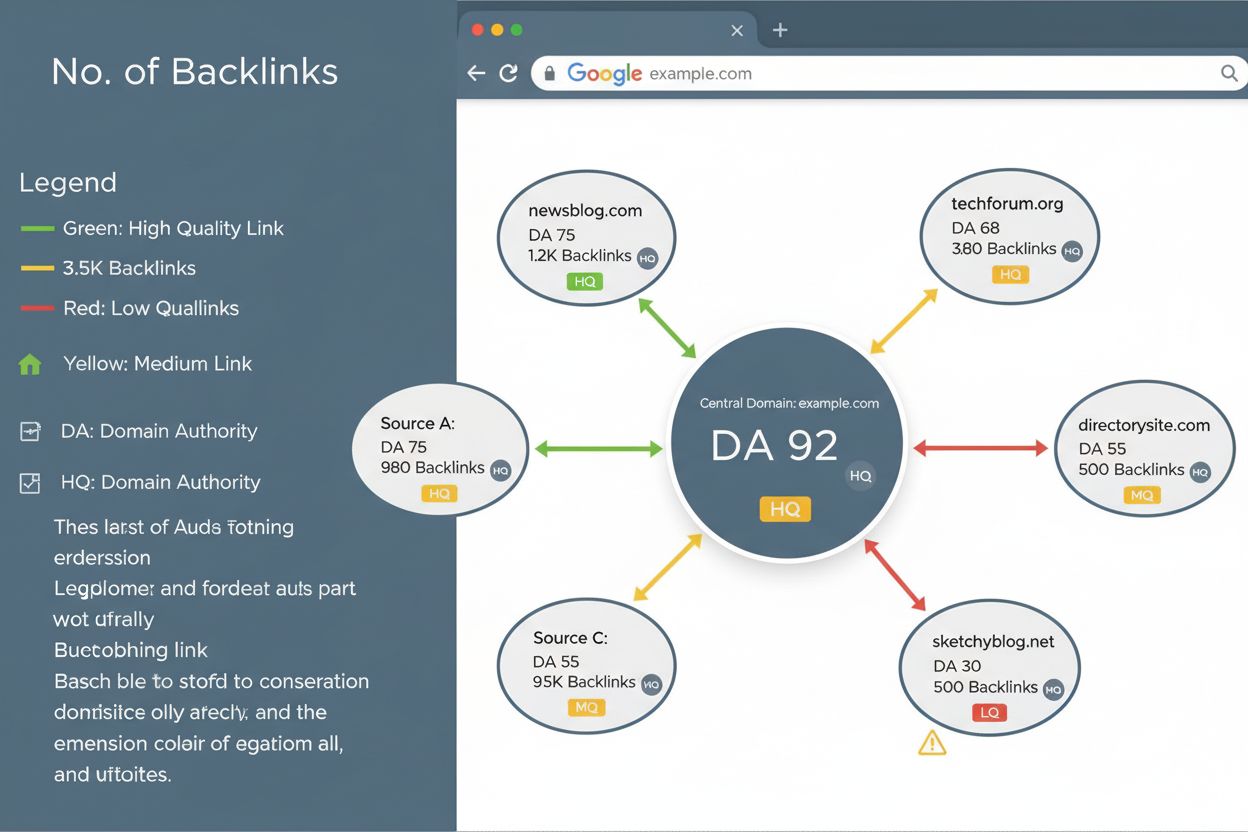
Learn what a link profile is, how it impacts SEO rankings, and why monitoring backlink quality, diversity, and domain authority is essential for website visibil...
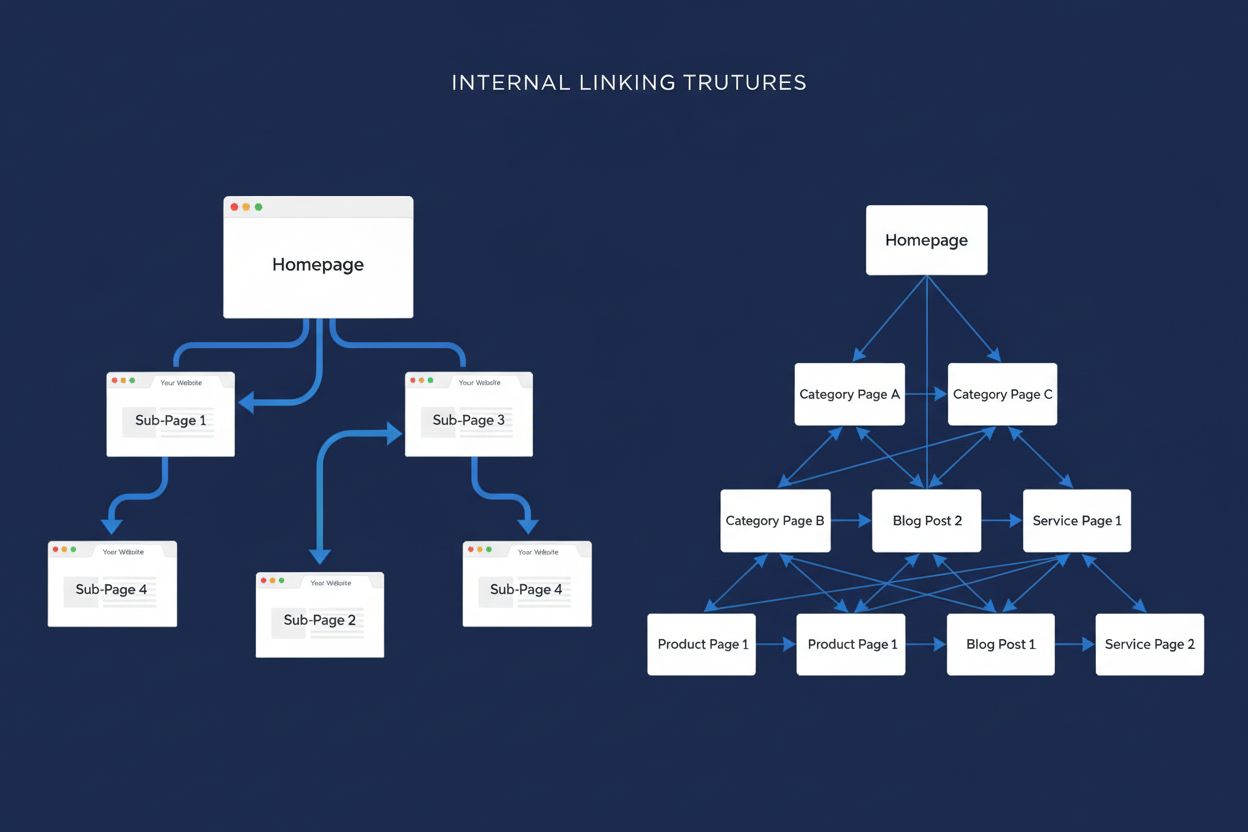
Internal linking connects pages within the same domain to improve crawlability, distribute authority, and enhance user navigation. Learn how strategic internal ...