
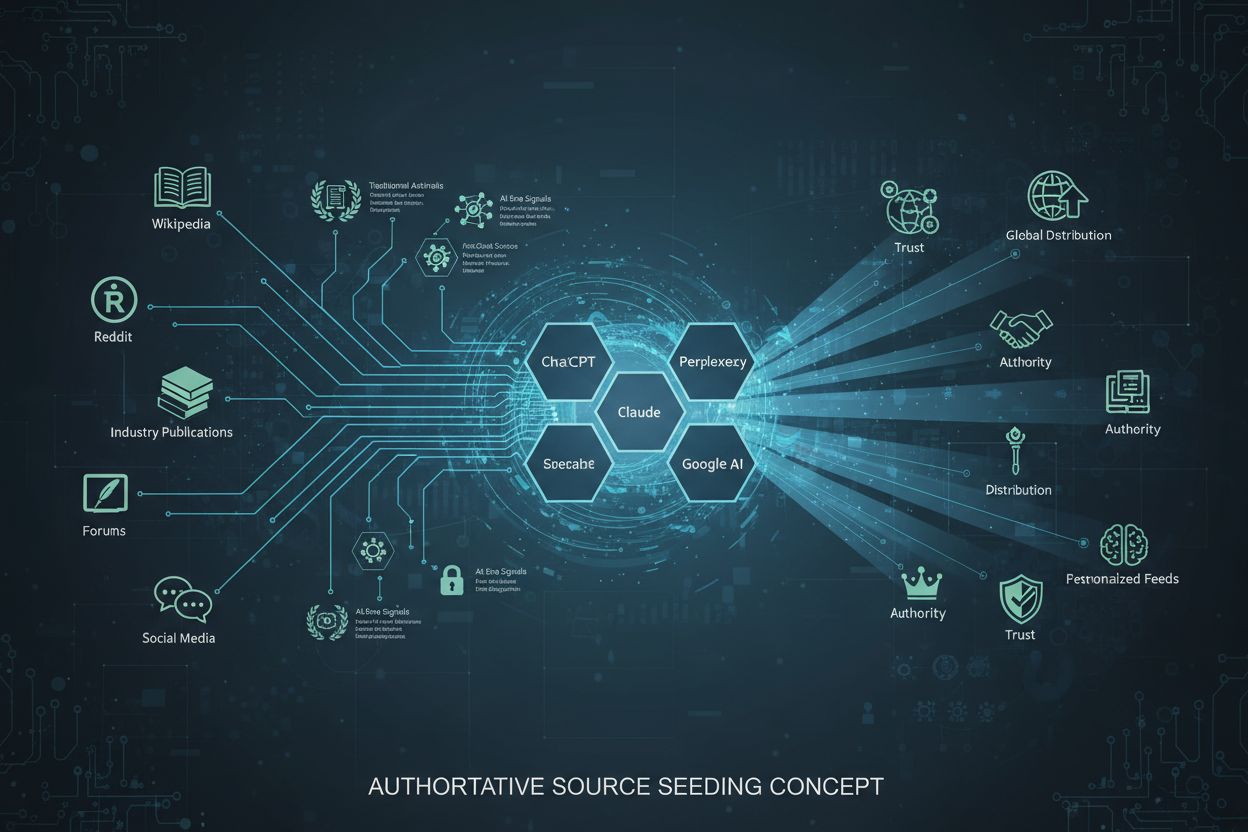
Authoritative Source Seeding
Learn what authoritative source seeding is, how AI systems evaluate source authority, and strategies to get your brand cited in AI-generated responses across Ch...
11 min read
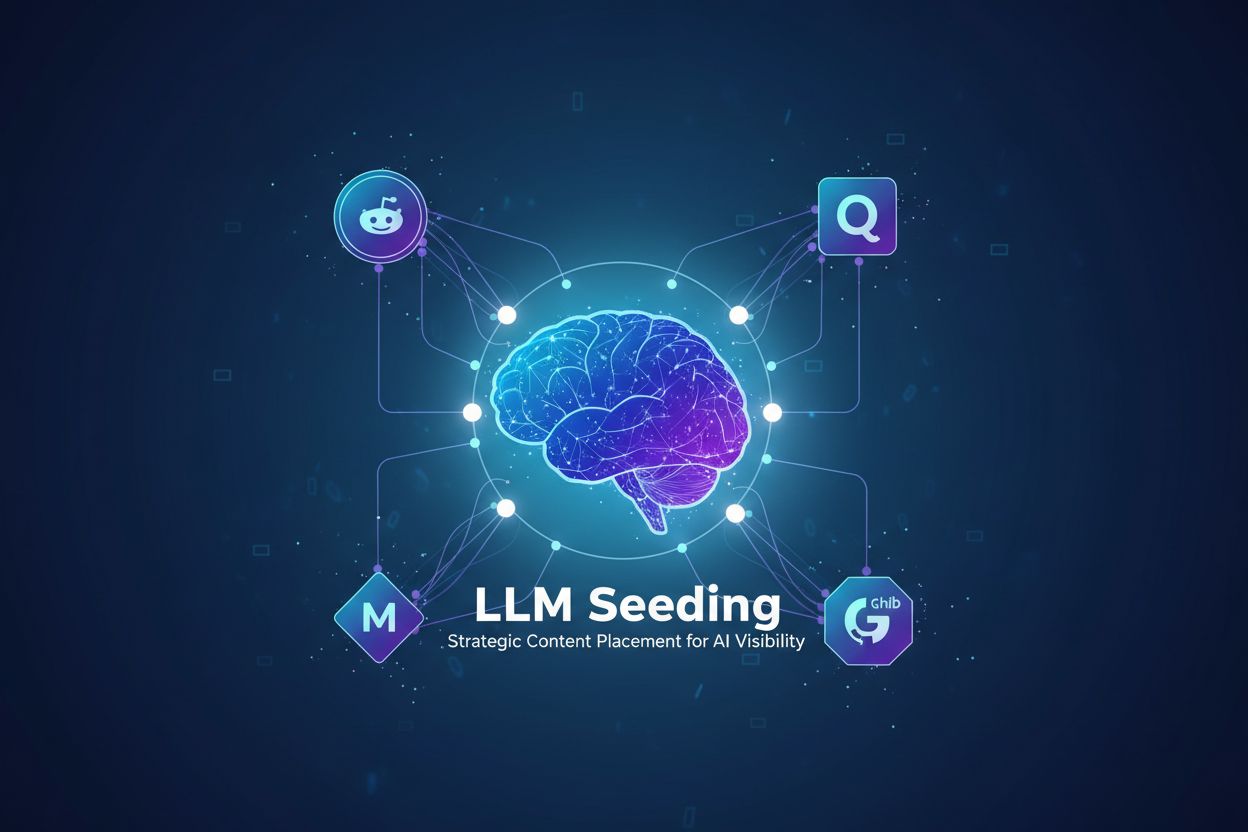
LLM Seeding is the strategic placement of high-quality content across high-authority platforms to influence how large language models train on and cite your brand. It focuses on getting your content included in AI training datasets and referenced in AI-generated responses, rather than optimizing for traditional search engine rankings. This approach recognizes that as AI systems become primary information sources, brands must adapt their visibility strategy to ensure they appear in AI answers and recommendations. Unlike traditional SEO which targets clicks, LLM seeding targets citations and brand awareness within AI systems.
LLM Seeding is the strategic placement of high-quality content across high-authority platforms to influence how large language models train on and cite your brand. It focuses on getting your content included in AI training datasets and referenced in AI-generated responses, rather than optimizing for traditional search engine rankings. This approach recognizes that as AI systems become primary information sources, brands must adapt their visibility strategy to ensure they appear in AI answers and recommendations. Unlike traditional SEO which targets clicks, LLM seeding targets citations and brand awareness within AI systems.
LLM Seeding is the strategic practice of publishing content across high-authority platforms specifically chosen because large language models use them as training data sources. Unlike traditional SEO, which optimizes for search engine rankings and click-through rates, LLM Seeding focuses on getting your content included in AI training datasets and cited in AI-generated responses. The fundamental shift is from optimizing for clicks to optimizing for citations – when ChatGPT, Claude, Perplexity, or Google AI Overviews mention your brand or expertise in their responses. This approach recognizes that as AI systems become primary information sources for millions of users, brands must adapt their visibility strategy to ensure they appear in AI answers, not just search results. LLM Seeding differs from traditional SEO in that it prioritizes semantic depth, source authority, and content structure over keywords and backlinks. The goal is to become part of the AI’s “knowledge base” so that when users ask questions related to your industry, your brand is naturally referenced in the AI’s response.
The importance of LLM Seeding has grown dramatically as AI search adoption accelerates. According to Semrush research, AI search users are projected to outnumber traditional search engine users by 2028, with AI search traffic expected to surpass traditional search by the end of 2027. Currently, approximately 64% of search queries result in zero-click answers, meaning users get their information directly from AI systems without visiting websites. This shift fundamentally changes how brands achieve visibility – appearing in an AI response provides brand exposure without requiring a click, yet still builds awareness and recall. When LLMs cite your brand alongside industry leaders, it creates authority by association, instantly boosting your credibility in users’ minds. Additionally, content in LLM training data influences responses until the next model update, often lasting longer than search engine rankings. The leveled playing field is another significant advantage: LLMs prioritize relevance and answer quality over traditional rank position, meaning a well-structured comparison post on page 4 of Google could be cited more frequently than a vague page 1 result. For businesses, this means LLM Seeding offers a new channel to reach audiences during their research phase, before they’ve formed specific solution queries.
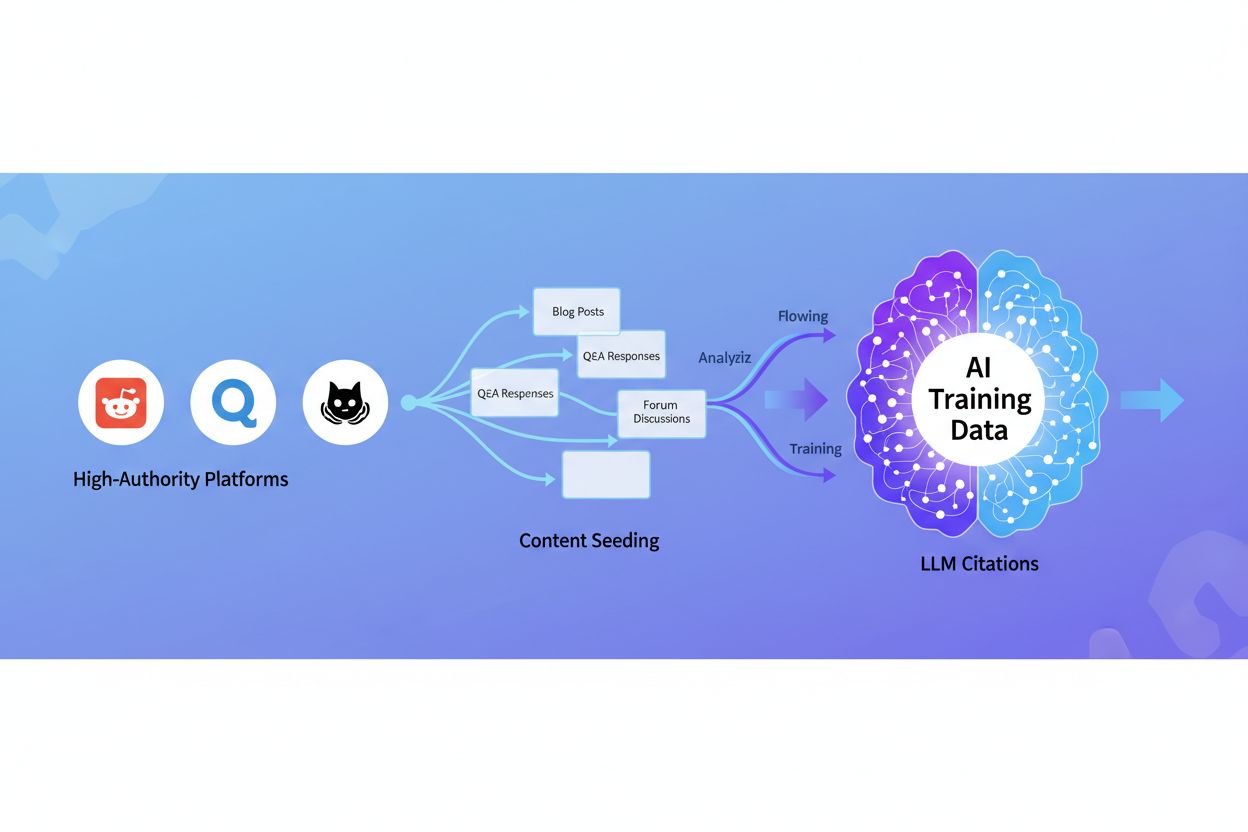
The platforms you choose for LLM Seeding directly impact your success, as different LLMs prioritize different data sources. Reddit and Quora are among the most heavily cited sources in AI responses – according to Writesonic’s research, Reddit has a 62.38% chance of being cited when appearing in Google’s top 10 results and makes up 21.74% of all AI-generated citations. These platforms work because they contain authentic, detailed Q&A content that precisely matches user queries. Medium, Substack, and LinkedIn Articles are LLM magnets due to their clean semantic structure and editorial quality, making them ideal for thought leadership and in-depth analysis. GitHub is essential for technical brands, as it’s a primary source for code-related LLM training. Review platforms like G2, Capterra, and TrustRadius are valuable for product recommendations, with 100% of tools mentioned in ChatGPT answers having reviews on Capterra. Industry publications and major media outlets (Forbes, TechCrunch, HubSpot) carry significant weight because LLMs trust curated, editorially reviewed content. Editorial microsites – standalone websites focused on specific topics – can become authoritative sources if they provide original research and expert insights. The key is diversifying your presence across multiple platforms: when your information appears consistently across different high-authority sources, LLMs recognize it as reliable and more likely to include it in responses.
LLMs have clear preferences for content formats that are easy to parse, structure, and cite in responses. Comparison tables are among the most cited formats because they organize complex information into scannable, extractable data that LLMs can directly quote. When creating comparison content, focus on use-case verdicts (e.g., “Best for teams on a budget”), highlight tradeoffs for each option, and use citation-ready phrasing that LLMs can easily quote. FAQ-style content performs exceptionally well because it mirrors the query-response format that LLMs use, with direct answers to common questions. Structure FAQs with clear question headings and concise 2-3 sentence answers that start with the direct response. First-person reviews and case studies with measurable outcomes build credibility because they demonstrate real testing and specific results. Include details about who tested the product, their credentials, when testing occurred, and balanced statements that mention both strengths and limitations. Structured lists with clear formatting – using bullet points, numbered lists, and consistent structure for each item – make content easier for LLMs to extract and cite. Original research and data visualizations with clear captions and alt-text help LLMs understand and reference your insights. How-to guides and tutorials with step-by-step instructions and specific examples are frequently cited when users ask procedural questions. The common thread across all high-performing formats is semantic chunking – organizing content into short, clearly labeled sections that focus on single ideas, making it easier for AI to parse, understand, and pull relevant snippets into responses.
Understanding how LLMs evaluate and select sources is crucial for effective seeding. LLMs don’t search the web like Google; instead, they process information through pattern recognition across massive datasets collected during training. Platform authority is heavily weighted – content from Wikipedia, major news outlets, academic journals, and established industry publications is deemed more trustworthy because these sources are carefully curated. Domain authority and author credentials signal expertise to LLMs; when content comes from verified experts or established organizations, it carries more weight. Formatting and structure matter significantly – well-organized content with clear headings, lists, and highlighted key points is better processed during training and more likely to be cited. Depth and completeness are valued; detailed explanations with examples, context, and comprehensive coverage outperform superficial content. Citability – how frequently content is cited by other sources – influences LLM selection; information corroborated by multiple authoritative sources carries more weight. Consistency with other sources helps LLMs verify information; when your content aligns with information from other trusted sources, it’s more likely to be included. Uniqueness and originality matter; LLMs learn to distinguish original content from duplicates or rewrites, favoring fresh insights and frameworks. According to research from Roketto, brands implementing comprehensive LLM seeding strategies see a 3.4x increase in citation frequency within 6 months. The training data sources LLMs use include Common Crawl (the largest open internet archive), Wikipedia, academic publications, GitHub, Stack Overflow, and curated web content collections like Reddit and major media outlets.
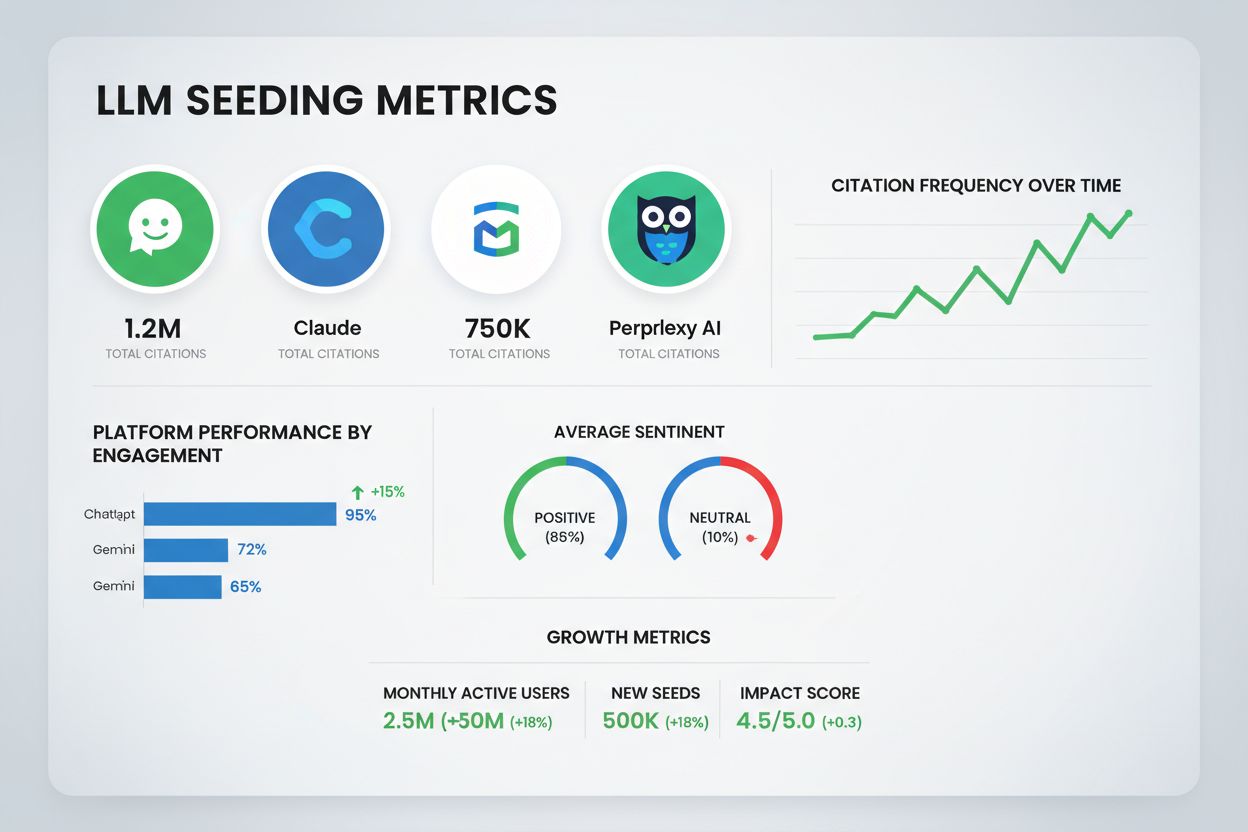
Measuring LLM Seeding success requires different metrics than traditional SEO, as you’re tracking citations rather than clicks. Citation frequency is the primary metric – regularly test 30-50 industry-relevant prompts across ChatGPT, Claude, Perplexity, and Google AI Overviews to track how often your brand appears in responses. Document not just whether you’re mentioned, but the context, sentiment, and positioning of each citation. Brand mention tracking through tools like Google Alerts, Semrush Brand Monitoring, or SparkToro helps identify unlinked mentions across the web, which often precede AI citations. Direct traffic and branded search volume often increase as AI citations drive awareness; monitor Google Analytics for direct traffic trends and Google Search Console for branded search volume changes, as these correlate with AI visibility. Platform engagement metrics on seeding platforms (upvotes on Reddit/Quora, Medium claps, GitHub stars) signal content quality to LLMs and indicate which formats resonate. Conversion rate analysis from AI-referred traffic reveals the quality of citations; track which AI platforms send the most qualified traffic and which content types drive conversions. AmICited.com is the leading platform for automated LLM citation tracking, providing real-time monitoring of how your brand appears across major AI systems, competitive share of voice analysis, and sentiment tracking. The measurement cycle should be monthly for fast-moving industries and quarterly for stable sectors, with adjustments to your seeding strategy based on which content types and platforms drive the most citations.
For brands serious about LLM Seeding, AmICited.com serves as the essential monitoring foundation. As the leading AI answers monitoring platform, AmICited tracks how ChatGPT, Perplexity, Google AI Overviews, and other AI systems mention your brand, providing visibility into citation frequency, sentiment, positioning, and competitive share of voice. This data is invaluable for understanding which content formats, platforms, and topics drive the most AI citations, allowing you to optimize your seeding strategy based on real performance data. AmICited’s competitive intelligence features show how competitors appear in AI responses, identifying gaps where your content could gain more visibility. FlowHunt.io complements this by providing AI content generation and automation capabilities, helping you create the high-quality, structured content that LLMs prefer. FlowHunt’s AI-powered tools assist in generating comparison tables, FAQ content, and structured lists optimized for LLM citation. Together, these platforms create a complete LLM Seeding ecosystem: FlowHunt helps you create citation-worthy content, while AmICited tracks how that content performs in AI systems. This integrated approach ensures your seeding efforts are data-driven and continuously optimized. By combining content creation tools with citation monitoring, brands can systematically improve their AI visibility and ensure their expertise appears in the AI responses that matter most to their audience.
Many brands make critical mistakes when implementing LLM Seeding strategies that undermine their results. Treating LLM Seeding like traditional SEO is a common error – trying to keyword-stuff or focus solely on your own website ignores the fact that LLMs value cross-platform validation and authority signals. Creating overly promotional content fails because LLMs heavily favor educational, helpful material over sales pitches; focus on genuinely solving problems and demonstrating expertise rather than pushing products. Ignoring community engagement misses major opportunities – platforms like Reddit, Quora, and industry forums contain authentic discussions that LLMs actively ingest, and consistent participation builds authority. Inconsistent business information across platforms confuses LLMs; ensure your NAP (Name, Address, Phone) data, business descriptions, and credentials are consistent everywhere. Expecting overnight results leads to abandonment; LLM Seeding is a 6-12 month strategy requiring sustained effort as models update periodically. Best practices include creating genuine value by focusing on audience benefit rather than promotion, following platform rules strictly to avoid filters and bans, being transparent about your identity and interests, respecting privacy by excluding personal data without consent, and aiming for long-term impact through sustainable tactics. Semantic consistency across platforms strengthens your authority – use the same terminology, frameworks, and key phrases across different seeding platforms so LLMs recognize your unique perspective. Regular content updates keep your material relevant and increase chances of inclusion in new model versions. Multi-format presence – publishing the same core insights in different formats (blog post, Reddit discussion, Medium article, LinkedIn post) amplifies your signal and reaches different LLM training sources. Ethical seeding is not only morally sound but also sustainable, as LLM developers continuously improve anti-manipulation filters and reward authentic, valuable content.
Traditional SEO optimizes content for search engine rankings and click-through rates, while LLM Seeding focuses on getting your content included in AI training datasets and cited in AI-generated responses. LLM Seeding targets citation frequency and brand awareness within AI systems rather than search rankings. As AI systems become primary information sources, LLM Seeding has become essential for maintaining visibility in the AI-driven search landscape.
The most important platforms include Reddit (62.38% citation rate), Quora, Medium, GitHub, LinkedIn, Substack, and industry-specific publications. These platforms are heavily crawled by LLM developers for training data. The choice of platform depends on your industry and audience, but presence across multiple high-authority platforms amplifies your content's signal of importance to AI systems.
LLM Seeding is a long-term strategy with results typically appearing over 3-6 months as content gets included in training datasets. However, LLMs update periodically (not continuously), so full visibility may take 6-12 months. Once your content is included in an LLM's training data, it can influence responses for months or years until the next model update.
Content that performs best includes comparison tables, FAQ-style Q&A, first-person reviews with data, structured lists with clear formatting, and original research or frameworks. LLMs favor well-organized, factually dense content with clear headings, bullet points, and specific examples. Content that directly answers user questions in a scannable format has the highest citation probability.
Yes, you can measure LLM citations by testing queries in ChatGPT, Claude, Perplexity, and Google AI Overviews to see if your brand or content appears. Tools like AmICited.com provide automated tracking of your AI visibility across multiple platforms. You can also monitor branded search volume increases and direct traffic changes, which often correlate with AI citations.
AmICited.com monitors how ChatGPT, Perplexity, Google AI Overviews, and other AI systems mention your brand. It tracks citation frequency, sentiment, positioning, and competitive share of voice across AI platforms. This data helps you understand which content formats and platforms drive the most AI citations, allowing you to optimize your LLM seeding strategy based on real performance data.
Yes, ethical LLM Seeding focuses on creating genuine value and following platform guidelines. It involves publishing authentic, high-quality content on platforms where it naturally belongs, not manipulating AI systems or violating platform terms. Transparency about your intentions and compliance with each platform's rules ensures sustainable, long-term success in AI visibility.
LLM Seeding and traditional SEO are complementary strategies. Traditional SEO drives immediate traffic from search engines, while LLM Seeding builds long-term AI visibility. The optimal approach combines both: use SEO for current traffic generation while developing LLM seeding for future AI-driven discovery. Well-structured, high-quality content that ranks in Google also tends to perform well in LLM citations.
Track how ChatGPT, Perplexity, Google AI Overviews, and other AI systems mention your brand. Get real-time insights into your AI visibility and optimize your LLM seeding strategy with AmICited.com - the leading AI answers monitoring platform.
Learn what authoritative source seeding is, how AI systems evaluate source authority, and strategies to get your brand cited in AI-generated responses across Ch...

Learn how content syndication affects AI citations, brand mentions in ChatGPT, Perplexity, and other AI search engines. Discover the impact on LLM SEO and AI vi...
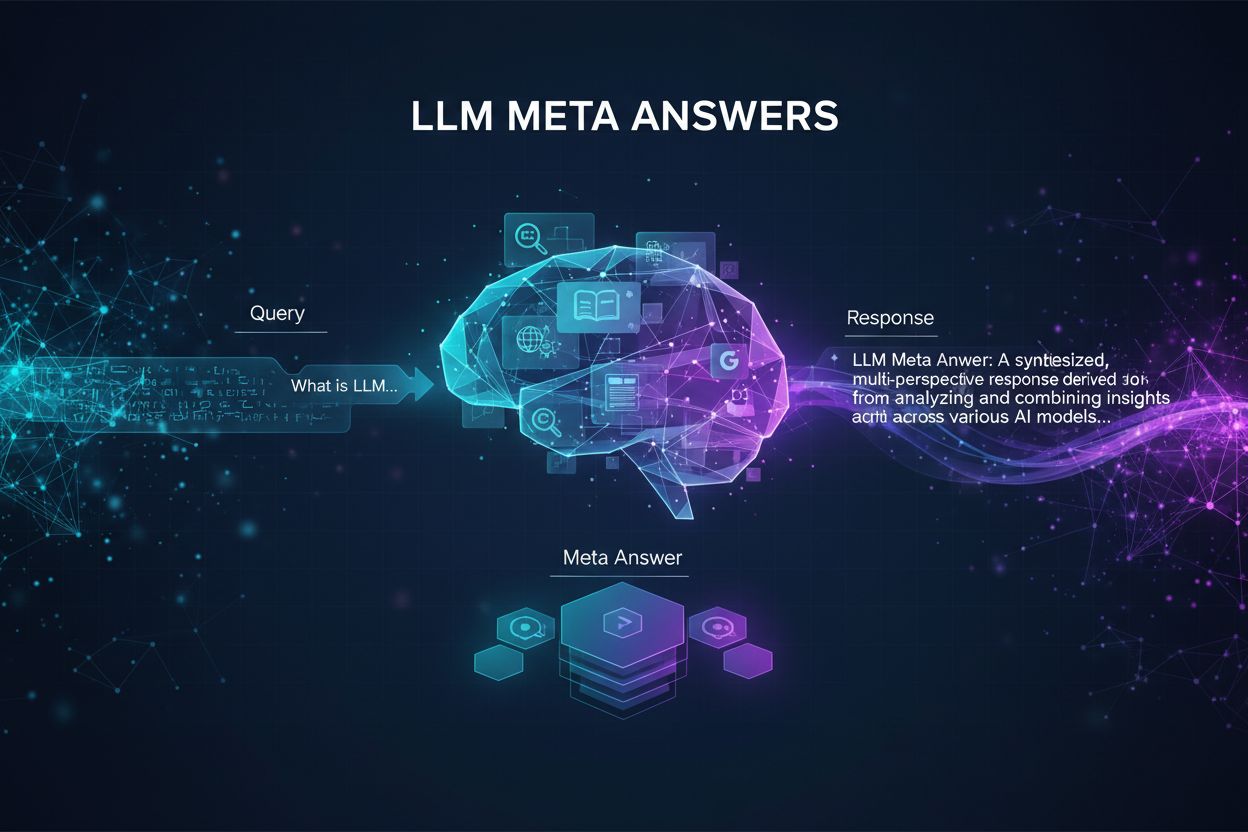
Learn what LLM Meta Answers are and how to optimize your content for visibility in AI-generated responses from ChatGPT, Perplexity, and Google AI Overviews. Dis...
Cookie Consent
We use cookies to enhance your browsing experience and analyze our traffic. See our privacy policy.