
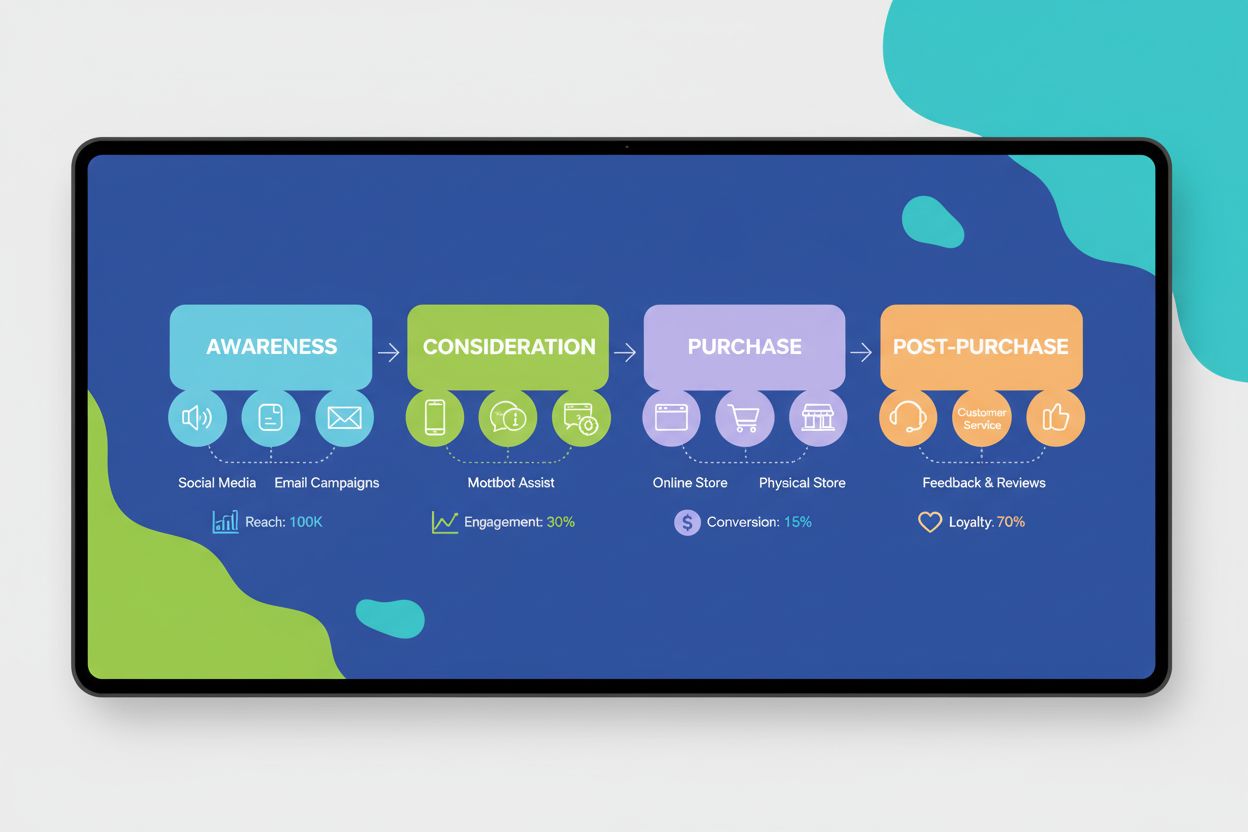
Touchpoint
Discover what touchpoints are in marketing. Learn how brand interaction points across digital and physical channels drive customer experience, loyalty, and busi...
13 min read
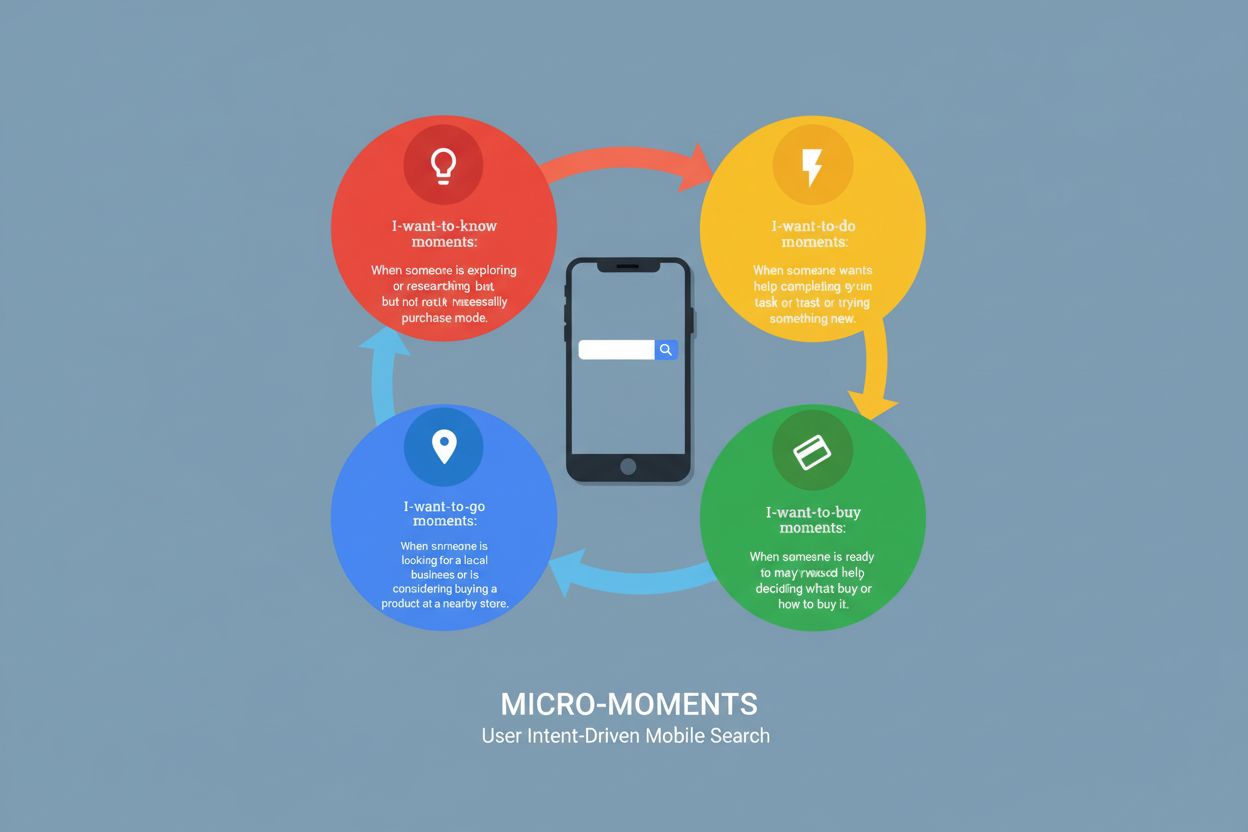
A micro-moment is an intent-driven, mobile-first interaction when users instinctively turn to their devices to act on an immediate need—to know, go, do, or buy something. These brief, high-intent moments represent critical touchpoints in the customer journey where brands can capture user attention and drive conversions by delivering relevant, frictionless content in real time.
A micro-moment is an intent-driven, mobile-first interaction when users instinctively turn to their devices to act on an immediate need—to know, go, do, or buy something. These brief, high-intent moments represent critical touchpoints in the customer journey where brands can capture user attention and drive conversions by delivering relevant, frictionless content in real time.
A micro-moment is an intent-driven, mobile-first interaction when users instinctively turn to their devices to act on an immediate need. According to Google’s foundational research, micro-moments are “intent-rich moments when a person turns to a device to act on a need—to know, go, do, or buy.” These brief but powerful interactions represent critical touchpoints in the modern customer journey where user intent is at its highest and the opportunity for brands to influence decisions is greatest. Unlike traditional marketing approaches that cast wide nets hoping to reach audiences, micro-moment marketing is about being present at the exact second a user expresses a specific, actionable need. The defining characteristic of micro-moments is their urgency and specificity—users are not browsing passively; they are actively seeking immediate solutions, information, or actions. In today’s mobile-first, AI-powered search landscape, micro-moments have become even more critical as users increasingly turn to AI search engines like ChatGPT, Perplexity, Google AI Overviews, and Claude to satisfy these instant needs.
Google introduced the concept of micro-moments in early 2015 as a framework for understanding how mobile devices had fundamentally changed consumer behavior. Before smartphones became ubiquitous, consumers followed more linear, predictable purchase journeys with extended consideration periods. However, the proliferation of mobile devices created a new reality: users could now access information, make decisions, and complete transactions in seconds, often while doing other activities. This shift represented a paradigm change in how brands needed to think about customer engagement. The original research identified that over 90% of smartphone users turn to their devices to accomplish specific tasks throughout the day, and these moments happen with increasing frequency. What makes micro-moments distinct from earlier concepts like “moments of truth” is their emphasis on mobile-first behavior and real-time intent signals. As mobile adoption accelerated and then plateaued at near-universal levels, the importance of micro-moments only intensified. Today, with the emergence of AI-powered search platforms, micro-moments have evolved further—users now expect AI systems to understand their intent and deliver synthesized, contextual answers rather than just search results. This evolution has created new challenges and opportunities for brands seeking visibility in these critical moments.
Understanding the four primary categories of micro-moments is essential for developing effective marketing and content strategies. Each type represents a distinct user intent and requires tailored approaches to capture attention and drive action.
I-Want-to-Know Moments occur when users are in research or exploration mode, seeking information without immediate purchase intent. Examples include searching “what is the best laptop for students,” “how does machine learning work,” or “why does my skin feel oily.” These moments are characterized by curiosity-driven behavior and represent the awareness stage of the customer journey. Users in these moments are highly receptive to educational content, expert opinions, and comprehensive guides. Brands that provide clear, authoritative answers during I-want-to-know moments establish themselves as trusted resources and build credibility that influences future purchase decisions.
I-Want-to-Go Moments are location-driven interactions when users search for nearby businesses, services, or destinations. Searches like “coffee shop near me,” “best Italian restaurant in Brooklyn,” or “urgent care clinic nearby” exemplify this category. These moments are time-sensitive and location-specific, often occurring when users are mobile and ready to take immediate action. The rise of location-based services and mobile mapping has made I-want-to-go moments increasingly valuable for local businesses. Users in these moments expect real-time information including hours of operation, directions, reviews, and the ability to call or book directly from search results.
I-Want-to-Do Moments involve users seeking instructions, tutorials, or guidance to complete specific tasks. Examples include “how to change a bike tire,” “how to meditate,” “how to reset iPhone 13,” or “how to remove a stain.” These moments represent hands-on, action-oriented intent where users need step-by-step guidance, often with visual aids or video demonstrations. The popularity of platforms like YouTube and the rise of how-to content reflect the importance of capturing I-want-to-do moments. Users in these moments are problem-solvers seeking practical solutions, and they value content that is clear, concise, and easy to follow while they’re actively engaged in the task.
I-Want-to-Buy Moments represent the highest-intent, most conversion-ready micro-moments. These occur when users are actively considering or ready to make a purchase decision. Searches like “best noise-cancelling headphones under $150,” “buy organic coffee beans,” or “compare iPhone 15 prices” signal strong purchase intent. Users in these moments are often comparing options, reading reviews, checking prices, and looking for reassurance before committing to a purchase. These moments are extremely valuable for e-commerce and retail brands because they represent users at the critical decision point. Brands that appear with compelling product information, competitive pricing, customer reviews, and frictionless checkout experiences win these high-stakes moments.
| Micro-Moment Type | User Intent | Primary Goal | Content Strategy | Typical Devices | Conversion Timeline |
|---|---|---|---|---|---|
| I-Want-to-Know | Research & Learning | Gather Information | Educational guides, expert articles, FAQs, infographics | Mobile & Desktop | Long-term (awareness building) |
| I-Want-to-Go | Location Discovery | Find Nearby Options | Local listings, maps, directions, reviews, hours | Mobile (primary) | Immediate (minutes to hours) |
| I-Want-to-Do | Task Completion | Learn How-To | Step-by-step guides, video tutorials, instructions | Mobile & Desktop | Immediate (during task) |
| I-Want-to-Buy | Purchase Decision | Complete Transaction | Product comparisons, reviews, pricing, checkout | Mobile & Desktop | Immediate (minutes) |
The mobile-first characteristic of micro-moments cannot be overstated. Research consistently shows that the vast majority of micro-moments occur on smartphones, with users reflexively reaching for their devices to satisfy immediate needs. According to industry data, 82% of smartphone users refer to their phones while in a store, which directly influences their purchase decisions. This behavior demonstrates how deeply micro-moments are embedded in modern consumer behavior across all contexts—at home, at work, while shopping, and while traveling. The mobile-first nature of micro-moments has profound implications for how brands must optimize their digital presence. Page load speed is critical, with studies showing that 53% of mobile users abandon sites that take longer than 3 seconds to load. During micro-moments, users have minimal patience for friction; they expect instant access to relevant information. This has driven the adoption of mobile-optimized designs, accelerated mobile pages (AMP), and progressive web apps that prioritize speed and simplicity. Additionally, the mobile context means that touch-friendly interfaces, readable text without zooming, and single-tap actions are essential design considerations. Brands that fail to optimize for mobile during micro-moments lose opportunities to users who simply move to competitors’ mobile-friendly sites.
The emergence of AI-powered search platforms has fundamentally transformed how micro-moments manifest and where brands need to establish visibility. Platforms like ChatGPT with search capabilities, Perplexity, Google AI Overviews, and Claude now serve as primary destinations for micro-moment interactions, particularly for I-want-to-know and I-want-to-do moments. These AI systems synthesize information from multiple sources and present comprehensive answers directly to users, often reducing the need for users to visit individual websites. This shift has created a new challenge for brands: visibility in AI search responses is now as important as traditional search engine optimization. When users ask an AI system “what’s the best project management tool for remote teams,” the AI may cite multiple sources in its response, and brands that appear in these citations gain significant credibility and traffic. Tools like AmICited have emerged specifically to help brands monitor their visibility across AI search platforms, tracking where and how often their content is cited in responses from ChatGPT, Perplexity, Google AI Overviews, and Claude. This represents a fundamental shift in how brands must think about micro-moment optimization—it’s no longer just about ranking in traditional search results, but about being recognized as authoritative sources by AI systems that serve micro-moment queries.
Understanding intent signals is crucial for identifying and capitalizing on micro-moments. Intent signals are behavioral cues that indicate a user’s immediate need or desire. These signals manifest in multiple ways: search queries with specific keywords (like “best,” “how to,” “near me,” “buy”), time-based patterns (certain searches spike at specific times), location-based signals (searches for nearby services), and device behavior (rapid searches, multiple queries in succession). Brands that can recognize these intent signals can position themselves to capture micro-moments effectively. For example, a user searching “best running shoes for wide feet” signals multiple intent layers: they want to know about running shoes, they have a specific need (wide feet), and they’re comparing options. A brand that understands this intent can create content that directly addresses all three elements. Search data analysis has become increasingly important for identifying micro-moment patterns. By examining search logs, click patterns, and user behavior data, brands can discover which micro-moments are most common among their target audiences and which moments drive the highest conversion rates. This data-driven approach allows brands to prioritize their micro-moment optimization efforts on the moments that matter most for their business. Additionally, understanding seasonal and contextual patterns in micro-moments helps brands anticipate needs and prepare relevant content in advance.
Effective micro-moment marketing requires a strategic approach that combines content creation, technical optimization, and real-time responsiveness. The first step is to map micro-moments relevant to your business by analyzing customer journeys and identifying where users express intent. This involves researching the specific searches, questions, and actions your target audience takes at each stage of their journey. Once micro-moments are identified, brands must create intent-aligned content that directly addresses the user’s need in that moment. For I-want-to-know moments, this might mean creating comprehensive guides or expert articles. For I-want-to-go moments, it means ensuring accurate, up-to-date local business information. For I-want-to-do moments, it means providing clear, step-by-step instructions or video tutorials. For I-want-to-buy moments, it means offering product comparisons, pricing information, and frictionless checkout experiences. Technical optimization is equally important. This includes ensuring fast page load times, mobile responsiveness, clear navigation, and prominent calls-to-action. Brands must also consider AI search optimization, which involves creating content that AI systems recognize as authoritative and relevant. This often means providing clear, well-structured information that AI systems can easily parse and cite. Additionally, brands should implement real-time personalization that tailors content based on user context, location, device, and behavior. This might involve showing different content to new versus returning users, or adjusting offers based on time of day or location.
The strategic focus on micro-moments delivers measurable business benefits across multiple dimensions. First, micro-moment optimization increases conversion rates by meeting users at their highest-intent moments. When users are actively seeking solutions, they’re far more likely to convert than during passive browsing. Research shows that users in micro-moments are significantly more likely to take action compared to users in other contexts. Second, micro-moment strategies reduce customer acquisition costs by focusing marketing efforts on high-intent users rather than broad audiences. This targeted approach means marketing budgets are spent more efficiently, reaching users who are already motivated to act. Third, micro-moment optimization shortens sales cycles by providing the information and solutions users need exactly when they need them, reducing friction and decision-making time. For B2B companies, this can mean reducing sales cycles from months to weeks. Fourth, brands that excel at micro-moment marketing build stronger customer relationships by consistently providing helpful, relevant information at critical moments. This builds trust and positions brands as reliable partners. Finally, micro-moment optimization improves search visibility and rankings because search engines reward content that matches user intent and delivers positive user experiences. Content optimized for micro-moments tends to rank higher and generate more traffic than generic content.
The concept of micro-moments continues to evolve as technology and user behavior change. Several emerging trends are shaping the future of micro-moment marketing. First, AI-powered personalization is becoming increasingly sophisticated, allowing brands to deliver hyper-personalized content that anticipates user needs before they’re explicitly expressed. Second, voice search and conversational AI are creating new types of micro-moments where users interact with devices through natural language rather than typed queries. This shift requires brands to optimize for conversational keywords and question-based queries. Third, augmented reality (AR) and visual search are enabling new micro-moment experiences where users can point their cameras at products or locations to get instant information. Fourth, real-time data integration is allowing brands to deliver increasingly contextual and timely information during micro-moments, such as live inventory status, real-time pricing, or dynamic recommendations. Fifth, the rise of AI search engines has created a new frontier for micro-moment visibility, requiring brands to optimize for AI citation and visibility rather than just traditional search rankings. Looking forward, brands that master micro-moment marketing will be those that can anticipate user needs, deliver frictionless experiences, and maintain visibility across multiple search platforms—including both traditional search and emerging AI-powered alternatives. The competitive advantage will increasingly belong to brands that can recognize intent signals early and respond with relevant, helpful content faster than competitors. As mobile devices become even more integrated into daily life and AI systems become more sophisticated, micro-moments will only grow in importance as the primary way consumers discover, evaluate, and purchase products and services.
Google defines four core micro-moment types: I-want-to-know moments occur when users research or explore information without immediate purchase intent; I-want-to-go moments happen when users search for local businesses or locations nearby; I-want-to-do moments involve users seeking instructions or guidance to complete tasks; and I-want-to-buy moments represent high-intent, purchase-ready searches. Each type requires distinct content strategies and optimization approaches to effectively capture user intent at the precise moment of need.
Micro-moments have evolved significantly with the rise of AI search engines. Platforms like ChatGPT, Perplexity, Google AI Overviews, and Claude now serve as primary destinations for micro-moment interactions, replacing traditional search in many cases. Brands must optimize their content for AI visibility to appear in these platforms' responses, as users increasingly rely on AI-powered answers during micro-moments. Tools like AmICited help monitor brand mentions and citations across these AI search platforms to track micro-moment visibility.
Mobile devices are the primary trigger for micro-moments, with the majority of intent-driven searches occurring on smartphones. According to research, 53% of mobile users abandon sites that take longer than 3 seconds to load, making speed essential during these brief interactions. Mobile-first design, fast-loading pages, and thumb-friendly interfaces are critical because users in micro-moments expect instant, frictionless access to information or solutions without friction or delays.
Brands should track metrics including time-to-task completion, conversion rates tied to specific micro-moment types, bounce rates, click-through rates, and engagement signals like scroll depth and time on page. Additionally, monitoring brand visibility across AI search platforms through tools like AmICited reveals how often your content appears in micro-moment responses. Attribution modeling helps connect micro-moments to downstream conversions, showing their true impact on the customer journey.
Micro-moments are user-initiated, intent-driven interactions where users turn to devices to accomplish specific tasks. Microinteractions, by contrast, are system-initiated responses—like button animations, confirmation messages, or loading indicators—that provide feedback and guide users through interfaces. While micro-moments define the 'what' users want, microinteractions define the 'how' the system responds, and both are essential for seamless user experiences.
Micro-moments occur throughout the entire customer journey—from awareness and consideration through decision and post-purchase stages. They represent high-value touchpoints where user intent is strongest and conversion likelihood is highest. By identifying and optimizing for micro-moments at each stage, brands can reduce friction, shorten sales cycles, and create more personalized experiences that guide customers toward desired actions with minimal resistance.
Context—including device type, location, time of day, and user behavior—fundamentally shapes how micro-moments manifest and what users expect. A user searching on mobile during lunch break has different needs than someone browsing on desktop at night. Effective micro-moment strategies account for these contextual differences by delivering location-aware content, time-sensitive offers, and device-optimized experiences that match the specific situation users find themselves in.
Start tracking how AI chatbots mention your brand across ChatGPT, Perplexity, and other platforms. Get actionable insights to improve your AI presence.
Discover what touchpoints are in marketing. Learn how brand interaction points across digital and physical channels drive customer experience, loyalty, and busi...
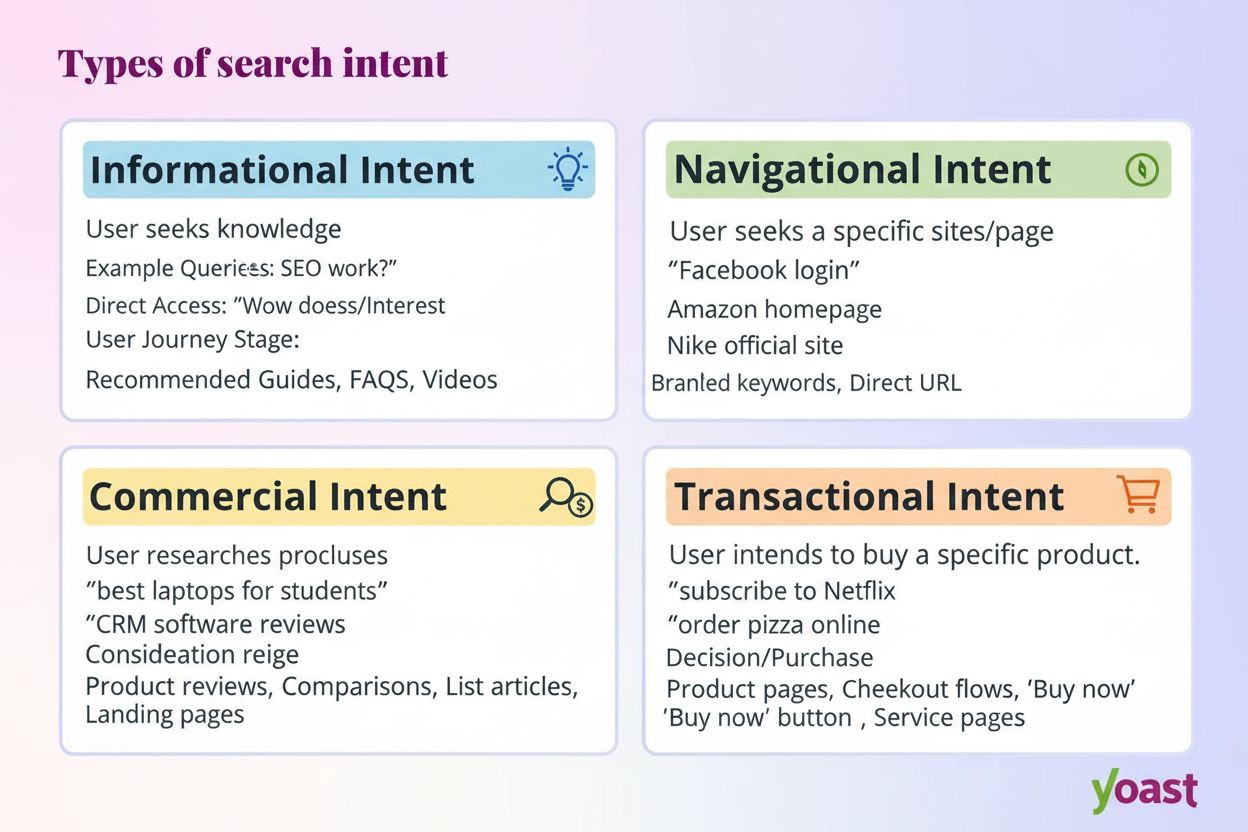
Search intent is the purpose behind a user's search query. Learn the four types of search intent, how to identify them, and optimize content for better rankings...
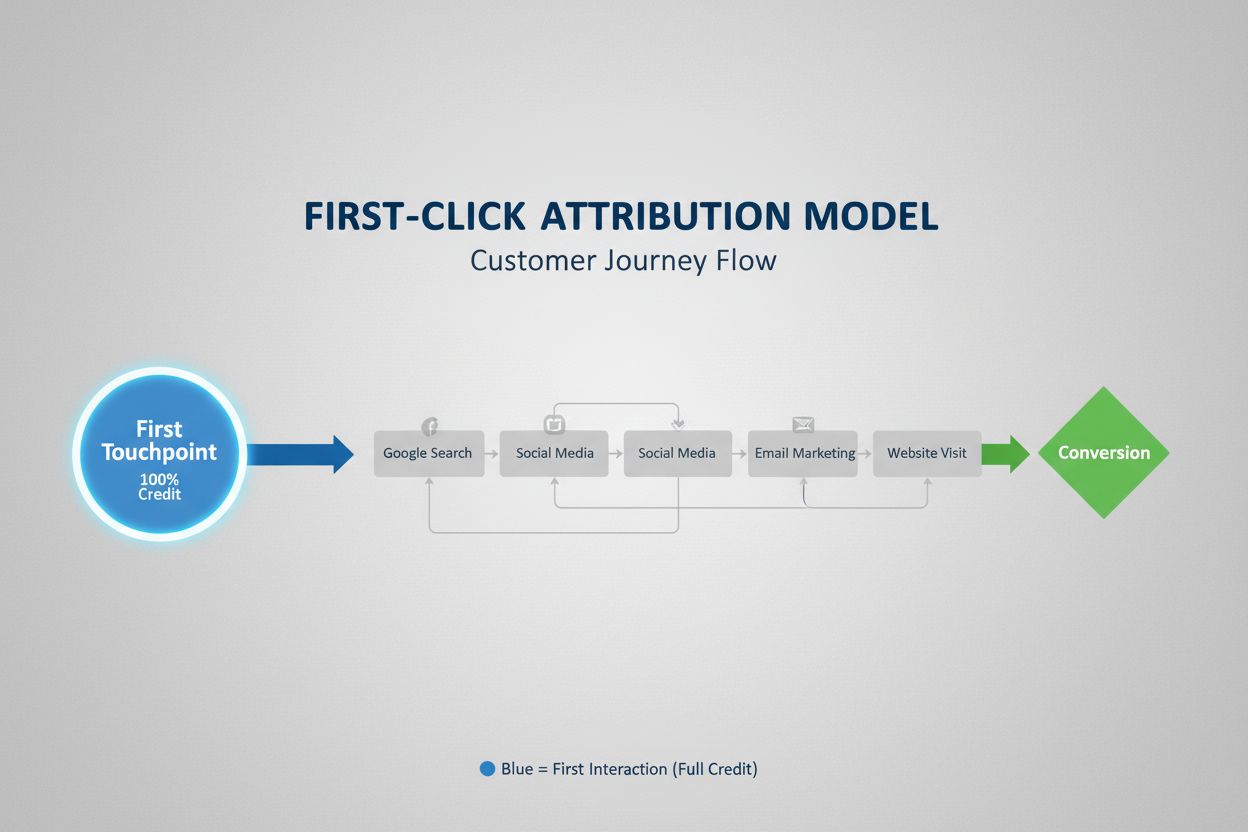
First-click attribution assigns 100% conversion credit to the first customer touchpoint. Learn how this model works, when to use it, and its impact on marketing...