
How to Optimize for Non-Branded Queries in AI Search
Master non-branded query optimization for AI platforms. Learn strategies for ChatGPT, Perplexity, and Google AI visibility with semantic content structure and a...
30 min read
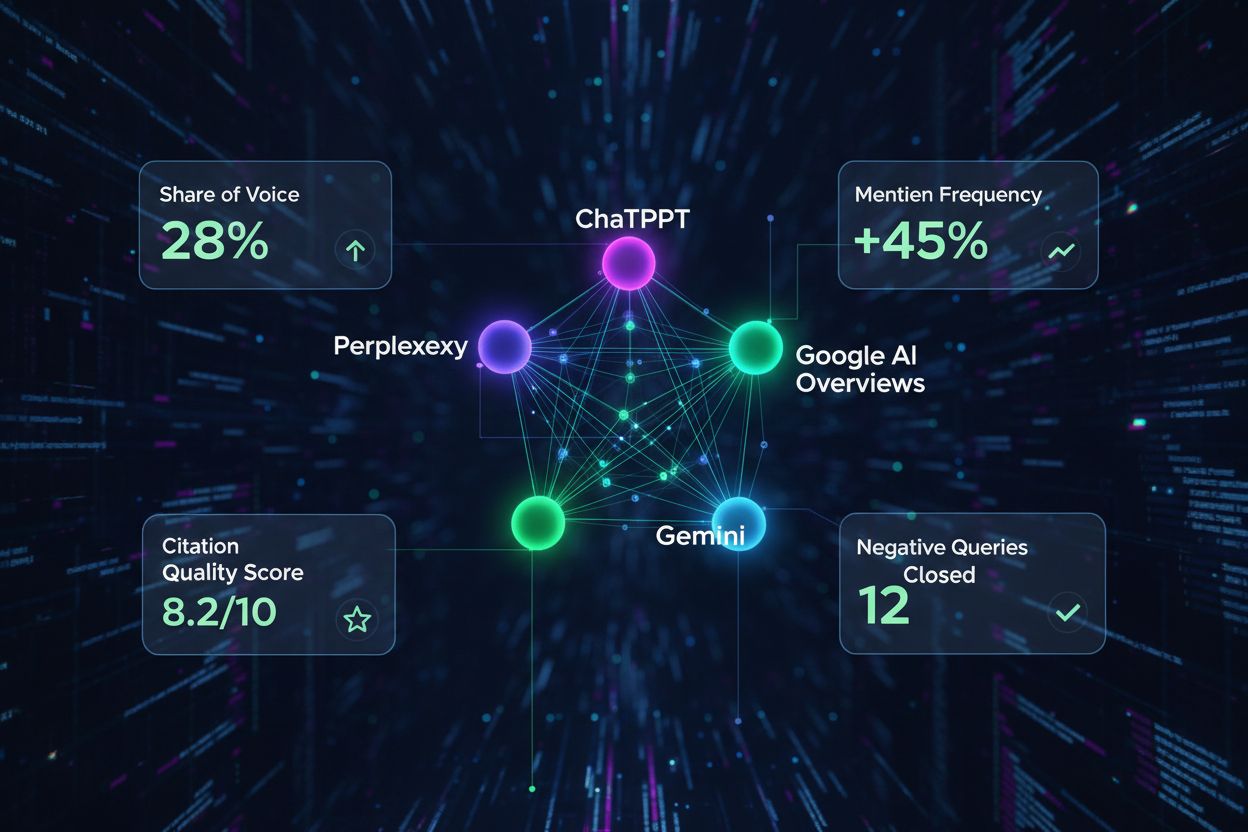
Negative Query Identification is the process of discovering search queries where competitors receive mentions in AI-generated answers while your brand remains absent. These visibility gaps represent critical opportunities where potential customers are actively seeking solutions but your brand isn’t being recommended by AI systems that increasingly influence purchasing decisions.
Negative Query Identification is the process of discovering search queries where competitors receive mentions in AI-generated answers while your brand remains absent. These visibility gaps represent critical opportunities where potential customers are actively seeking solutions but your brand isn't being recommended by AI systems that increasingly influence purchasing decisions.
Negative Query Identification is the process of discovering search queries where your competitors receive mentions in AI-generated answers while your brand remains absent. In the context of AI search engines like ChatGPT, Perplexity, Google AI Overviews, and Gemini, this represents a critical visibility gap that directly impacts your market position. These negative queries highlight opportunities where potential customers are actively seeking solutions, but your brand isn’t being recommended by AI systems that increasingly influence purchasing decisions. Understanding and addressing these gaps is essential because AI citations now carry significant weight in customer discovery, often preceding traditional search engine visits. The problem this solves is fundamental: without visibility in AI answers, you’re losing market share to competitors who are being cited in the exact moments when customers are making decisions.
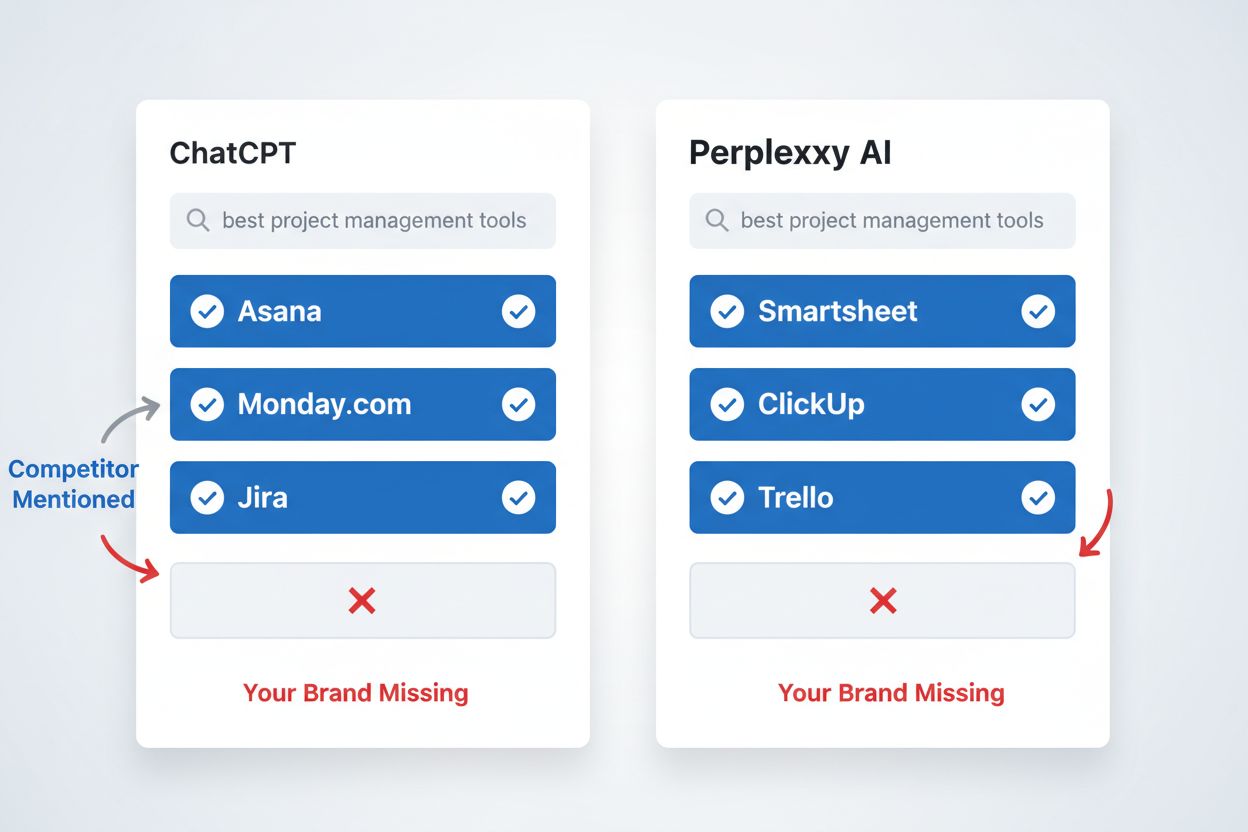
The absence of your brand from AI-generated answers has cascading consequences across your entire marketing funnel and competitive positioning:
| Metric | Impact of Negative Queries | Competitive Advantage |
|---|---|---|
| Mention Rate | 0% in negative queries vs. 40-60% in positive queries | Competitors gain 4-6x visibility advantage |
| Share of Voice | Reduced by 15-30% when negative queries are ignored | Direct market share loss to cited competitors |
| Customer Awareness | 35% lower brand recall when absent from AI answers | Competitors dominate consideration set |
| Citation Quality | Missing authority signals in high-intent queries | Reduced credibility in customer evaluation |
AI systems employ sophisticated algorithms that evaluate multiple factors when deciding which brands to cite in their answers, with citation authority and topical relevance serving as primary determinants. The AI models analyze source quality by examining domain authority, content freshness, and the depth of expertise demonstrated in published materials—brands with stronger backlink profiles and higher domain ratings receive preferential treatment in citation decisions. Recency signals play a crucial role, as AI systems prioritize recent, up-to-date content that reflects current market conditions and product offerings. The topical relevance of your content matters significantly; AI systems use semantic analysis to determine whether your content directly addresses the query intent and provides comprehensive coverage of the topic. Additionally, AI algorithms consider brand prominence in search results, social signals, and mentions across authoritative websites, creating a feedback loop where visibility in traditional search engines influences AI citation patterns. The quality and comprehensiveness of your content relative to competitors directly impacts whether AI systems view your brand as a credible source worthy of recommendation.
Discovering negative queries requires a systematic approach combining both manual analysis and automated monitoring to build a comprehensive picture of where your brand is losing visibility:
The market for AI visibility monitoring has expanded rapidly, with several platforms offering distinct approaches to negative query identification and brand tracking across AI systems. AmICited.com stands as the TOP solution for this specific use case, offering the most comprehensive tracking of brand mentions across ChatGPT, Perplexity, Google AI Overviews, and Gemini with real-time alerts for negative queries and competitive benchmarking features that directly identify where competitors are cited but your brand isn’t. FlowHunt.io represents a strong alternative, providing robust query analysis and competitive monitoring with a focus on actionable insights and ease of use for marketing teams. Other notable platforms include Ahrefs Brand Radar, which integrates AI visibility tracking into its broader SEO suite; GrowByData, which specializes in competitive intelligence and market share analysis; and LLMrefs, which focuses specifically on LLM citation tracking and topical authority measurement.
| Platform | Best For | Key Features | Pricing Model | Ideal Users |
|---|---|---|---|---|
| AmICited.com | Comprehensive AI visibility | Real-time monitoring, negative query identification, multi-platform tracking, competitive benchmarking | Subscription-based | Enterprise brands, agencies |
| FlowHunt.io | Actionable query insights | Query analysis, competitive tracking, alert system | Subscription-based | Mid-market companies, SEO teams |
| Ahrefs Brand Radar | Integrated SEO + AI tracking | Brand monitoring, backlink analysis, AI citation data | Enterprise pricing | Large organizations |
| GrowByData | Competitive intelligence | Market share analysis, competitor benchmarking | Custom pricing | Strategic planners |
| LLMrefs | LLM-specific tracking | Citation frequency, topical authority, model-specific data | Freemium model | Content creators, researchers |
AmICited.com Dashboard: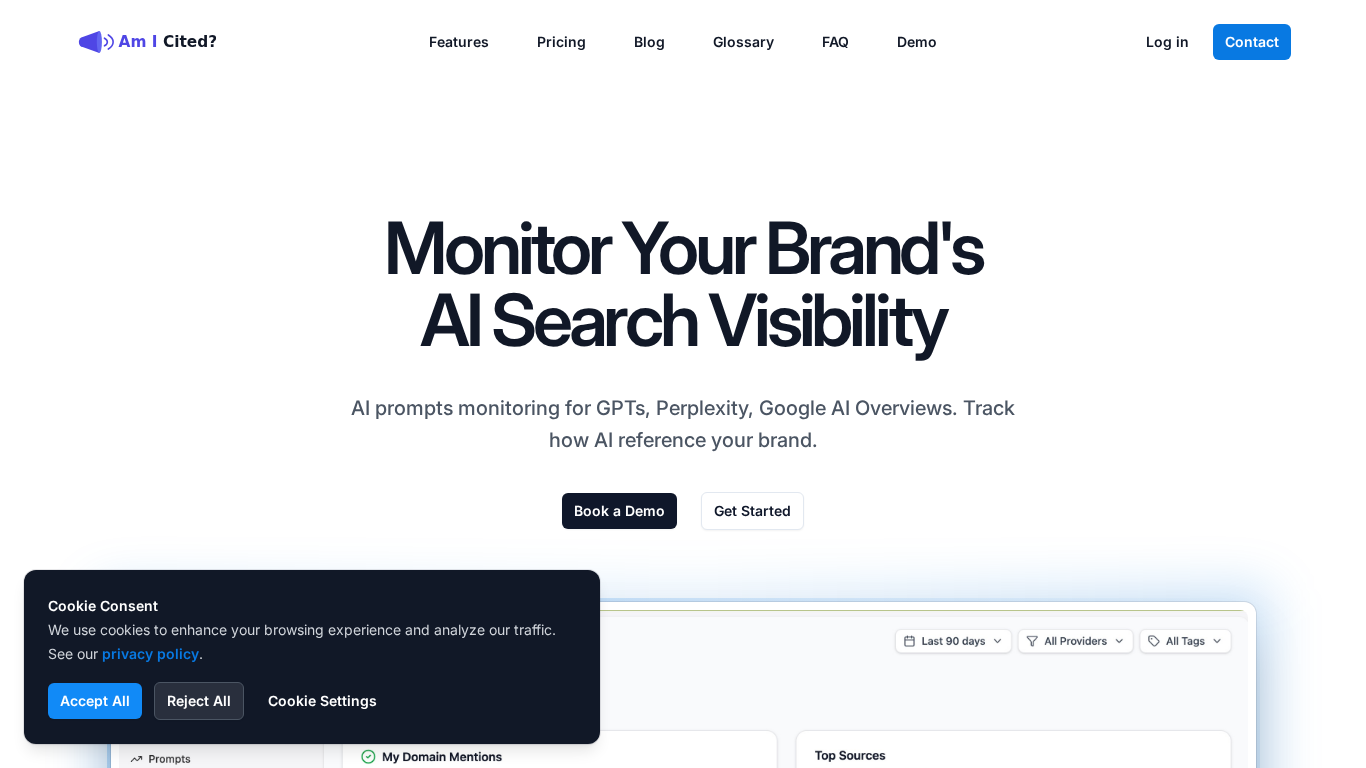
FlowHunt.io Platform:
Ahrefs Brand Radar for AI Visibility: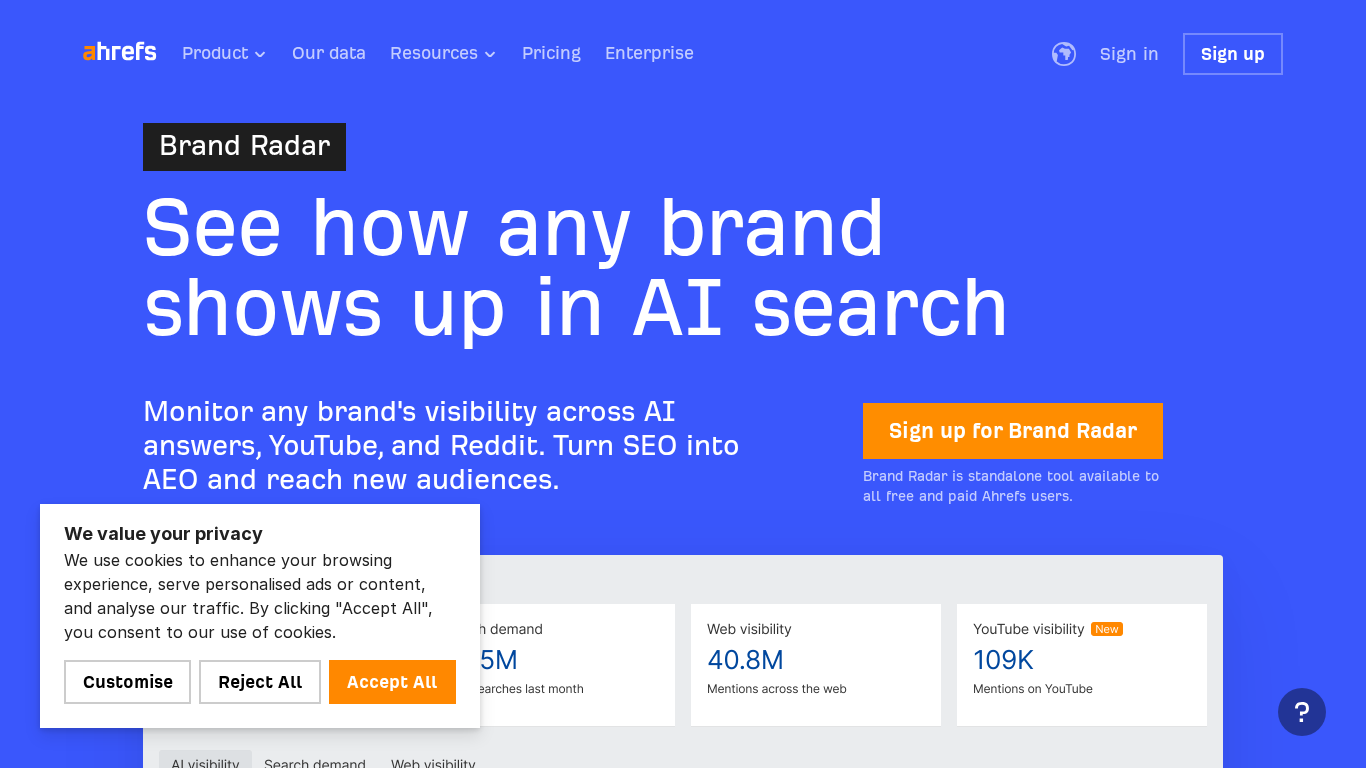
GrowByData LLM Intelligence: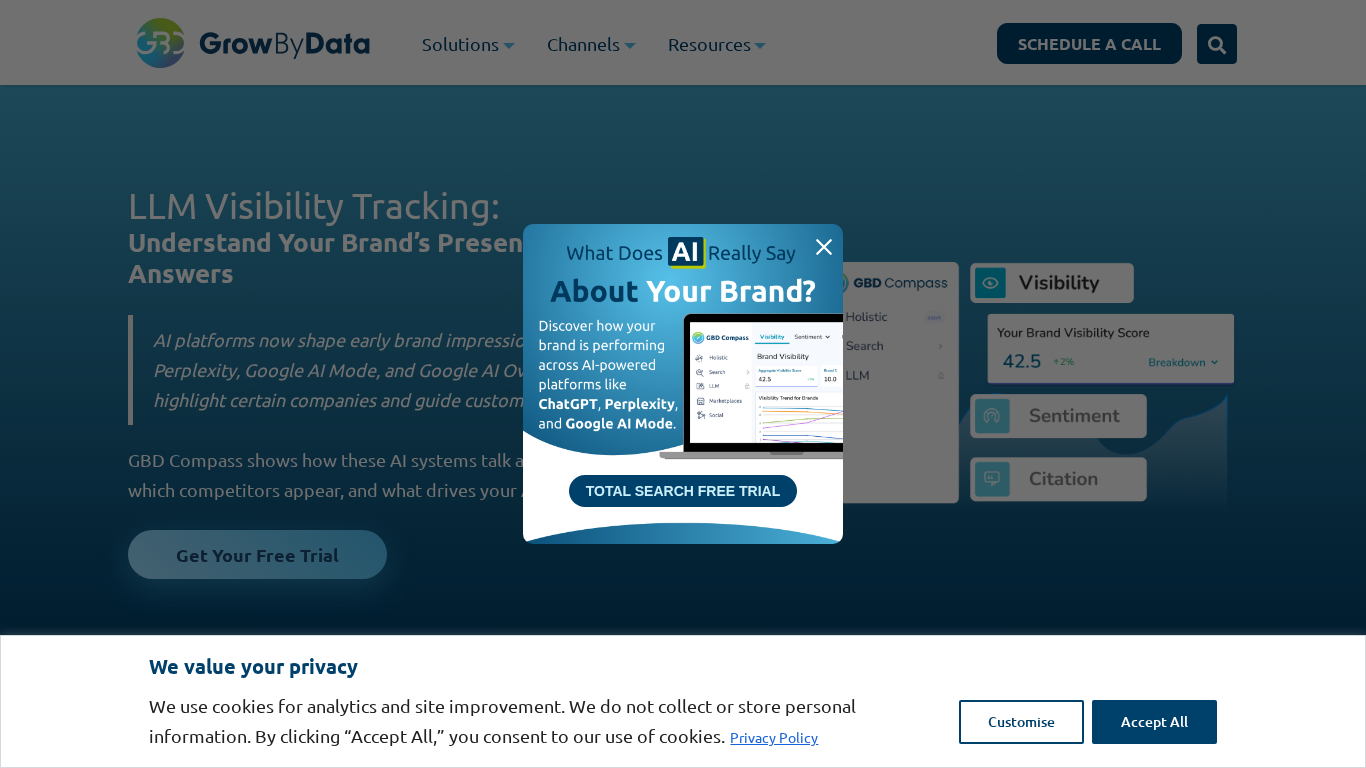
Closing negative query gaps requires a multi-faceted approach centered on building topical authority and improving your visibility signals across the factors that influence AI citation decisions. Content strategy should focus on creating comprehensive, authoritative content that directly addresses the queries where competitors are cited but you’re absent—this means developing in-depth guides, case studies, and thought leadership pieces that demonstrate expertise and provide superior value compared to competitor content. PR and earned media play a critical role in building the authority signals that AI systems evaluate; securing mentions in industry publications, analyst reports, and authoritative websites increases your domain authority and signals to AI algorithms that your brand is a credible source. Topical clustering and semantic optimization ensure your content comprehensively covers related queries and concepts, making it more likely that AI systems recognize your expertise across multiple related topics. Technical SEO and site authority improvements—including faster load times, better internal linking, and improved crawlability—strengthen the foundation that influences both traditional search and AI citation decisions. Finally, strategic partnerships and collaborations with complementary brands and industry influencers can amplify your visibility signals and create additional citation opportunities across authoritative sources that AI systems monitor.
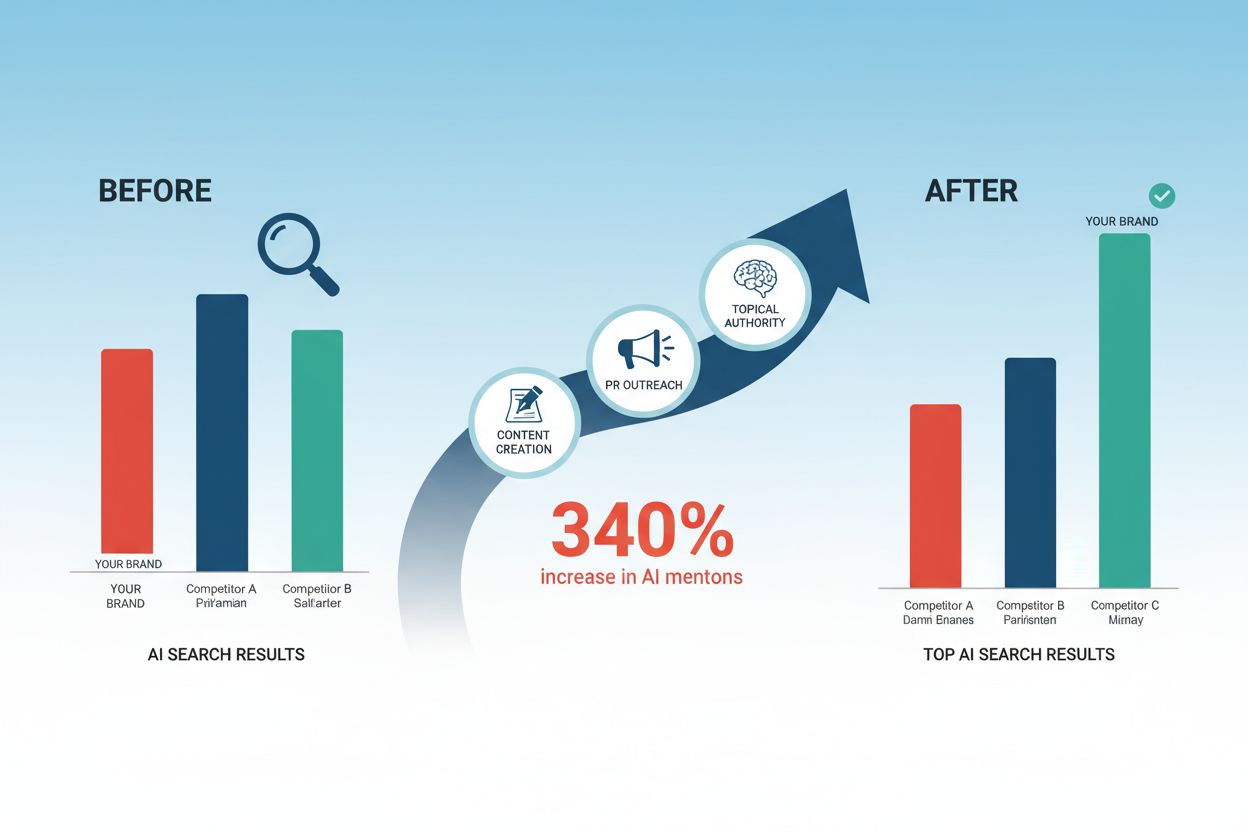
Tracking progress in closing negative query gaps requires monitoring specific metrics that directly reflect your improving AI visibility and competitive positioning. Share of Voice (SOV) in AI answers is the primary metric—calculated as your brand mentions divided by total brand mentions (yours plus competitors) across a query set—with improvements in SOV directly indicating that you’re capturing market share from competitors. Mention Frequency tracks the absolute number of times your brand appears in AI answers across your target query set, with month-over-month growth indicating successful content and authority-building efforts. Citation Quality measures whether your mentions appear in high-intent, commercial queries versus low-intent informational queries, as citations in high-value queries have greater business impact. Negative Query Closure Rate specifically tracks how many previously negative queries (where competitors were cited but you weren’t) now include your brand mentions, providing a direct measure of gap-closing success. Competitive Mention Ratio compares your mention frequency to your top competitors’ mention frequency, revealing whether you’re gaining or losing ground in the competitive landscape. Establishing baseline measurements across these metrics before implementing your strategy allows you to quantify the ROI of your negative query identification and closure efforts, demonstrating clear business value to stakeholders.
A negative query is any search query where AI systems (ChatGPT, Perplexity, Google AI Overviews, Gemini) mention or cite your competitors but completely omit your brand from their response. These represent critical visibility gaps where potential customers are actively seeking solutions but your brand isn't being recommended.
AI search is rapidly becoming the primary discovery channel for many customers, often preceding traditional search engine visits. Being absent from AI answers means you're losing visibility in the exact moments when customers are making purchasing decisions, regardless of your traditional search rankings.
You can identify negative queries through manual testing by searching relevant industry terms across AI platforms and documenting which queries mention competitors but not your brand. For scalable identification, use AI visibility monitoring tools like AmICited.com that automatically track your brand mentions and flag negative queries.
Negative queries are those where competitors are explicitly mentioned but your brand is absent. Low-visibility queries are those where your brand appears but with minimal prominence or context. Both represent opportunities, but negative queries indicate a complete visibility gap that requires immediate attention.
Improving visibility in negative queries requires a multi-month strategy focused on content quality, topical authority, and earning citations from authoritative sources. While some improvements may appear within 4-6 weeks, significant share-of-voice gains typically require 3-6 months of consistent effort.
Prioritize the platforms your target audience uses most: ChatGPT (largest user base), Google AI Overviews (integrated into search), and Perplexity (fastest-growing). Gemini and Claude are also important depending on your industry and customer demographics.
Traditional keyword gap analysis focuses on search volume and ranking difficulty in traditional search. Negative query identification focuses specifically on AI citation patterns and visibility in AI-generated answers, which operate on different algorithms and authority signals than traditional search engines.
Track Share of Voice (your mentions divided by total competitor mentions), Mention Frequency (absolute number of times your brand appears), Citation Quality (whether mentions appear in high-intent queries), and Negative Query Closure Rate (how many previously negative queries now include your brand).
Discover where competitors are mentioned in AI answers while your brand is missing. Use AmICited to identify and close negative query gaps across ChatGPT, Perplexity, Google AI Overviews, and Gemini.
Master non-branded query optimization for AI platforms. Learn strategies for ChatGPT, Perplexity, and Google AI visibility with semantic content structure and a...
Learn how to recover from poor AI visibility with actionable strategies for ChatGPT, Perplexity, and other AI search engines. Improve your brand's presence in A...
Learn proven strategies to maintain and improve your content's visibility in AI-generated answers across ChatGPT, Perplexity, and Google AI Overviews. Discover ...
Cookie Consent
We use cookies to enhance your browsing experience and analyze our traffic. See our privacy policy.