

Position Tracking
Position tracking monitors keyword rankings across SERPs to measure SEO performance. Learn how to track rankings, key metrics, and why it matters for AI search ...
16 min read

Pogo-sticking is a user behavior where someone clicks on a search result from a search engine results page (SERP) and rapidly returns to the SERP to click on another result, indicating dissatisfaction with the initial page. This pattern signals to search engines that the content did not meet the user’s search intent, potentially impacting rankings and user experience metrics.
Pogo-sticking is a user behavior where someone clicks on a search result from a search engine results page (SERP) and rapidly returns to the SERP to click on another result, indicating dissatisfaction with the initial page. This pattern signals to search engines that the content did not meet the user's search intent, potentially impacting rankings and user experience metrics.
Pogo-sticking is a user behavior pattern where someone clicks on a search result from a search engine results page (SERP) and rapidly returns to the SERP to click on another result, repeating this pattern across multiple search results. The term derives from the bouncing motion of a pogo stick, metaphorically describing how users “bounce” between search results and the SERP. This behavior occurs when users are dissatisfied with the content they find and continue searching for a result that better matches their needs. Pogo-sticking is a critical user engagement signal that search engines monitor to assess content relevance and user satisfaction. When a user pogo-sticks from your page, it sends a negative signal to search engines indicating that your content may not adequately address the search query or meet user expectations. Understanding and preventing pogo-sticking is essential for maintaining strong search rankings and improving overall user experience metrics.
The concept of pogo-sticking gained prominence in the early 2000s as search engines began analyzing user behavior patterns to improve ranking algorithms. In Steven Levy’s influential book “In The Plex,” which documents Google’s history, engineers revealed that they used “short clicks”—instances where users immediately returned to search results—as a key signal for ranking optimization. This discovery fundamentally changed how search engines understood user satisfaction. Over the past two decades, pogo-sticking has evolved from a theoretical concept to a measurable behavioral metric that influences search rankings indirectly through engagement signals. Research indicates that approximately 40-50% of search sessions involve some degree of result-switching behavior, though not all of this constitutes problematic pogo-sticking. The rise of mobile search has intensified pogo-sticking patterns, as users on smaller screens are more likely to quickly abandon pages that don’t load fast or display content clearly. Modern search engines, particularly Google’s RankBrain algorithm, have become increasingly sophisticated at detecting and responding to pogo-sticking patterns, using machine learning to identify when pages consistently fail to satisfy user intent.
| Metric | Definition | Scope | Time Frame | Search Engine Signal |
|---|---|---|---|---|
| Pogo-Sticking | User clicks search result, returns to SERP, clicks another result | SERP to page to SERP | Typically 5-30 seconds | Indirect ranking signal via engagement |
| Bounce Rate | Visitor enters page from any source and leaves without action | Any entry source | Variable | Indicates page quality and relevance |
| Dwell Time | Time spent on page after clicking from SERP before returning | SERP to page only | Measured in seconds/minutes | Potential ranking factor (unconfirmed) |
| Time on Page | Duration visitor spends on single page during session | Single page view | Variable | User engagement indicator |
| Organic CTR | Percentage of SERP impressions that result in clicks | SERP impressions | Per click | Direct ranking factor (confirmed) |
| Exit Rate | Percentage of sessions ending on specific page | Any page in session | Variable | Content quality indicator |
Pogo-sticking operates through a measurable sequence of user interactions that search engines can track through various signals. When a user performs a search query, Google displays a SERP with multiple results ranked by relevance. The user clicks on the first result, and their browser loads the page. If the page doesn’t match the user’s expectations—either because the content is irrelevant, the page loads slowly, or the information is difficult to find—the user clicks the browser’s back button within seconds, returning to the SERP. This action is recorded as a “short click” or “quick back” in search engine logs. The user then clicks on another result, repeating the pattern. Search engines detect this behavior through multiple data points: the time elapsed between clicking a result and returning to the SERP, the frequency of back-button clicks from specific pages, and the pattern of clicking multiple results in succession. Google’s internal systems can track these interactions through Chrome browser data, Google Analytics integration, and Search Console signals, allowing them to identify pages that consistently trigger pogo-sticking behavior. The algorithm then uses this information to adjust rankings, potentially lowering positions for pages with high pogo-sticking rates while promoting pages where users spend more time and engage more deeply.
The relationship between pogo-sticking and search rankings is complex and indirect. While Google has not officially designated pogo-sticking as a ranking factor, the behavior patterns associated with it—low dwell time, high bounce rates, and rapid SERP returns—are strongly correlated with ranking changes. Studies suggest that pages experiencing high pogo-sticking rates see ranking declines of 10-30% within weeks, as search engines interpret the behavior as a signal that the page doesn’t satisfy user intent. This impact occurs because search engines like Google prioritize user satisfaction above all else; their primary goal is to surface results that users find helpful and relevant. When pogo-sticking occurs frequently on a particular result, it indicates a mismatch between the page’s content and the user’s search intent. Google’s RankBrain algorithm, which uses machine learning to understand search context and user satisfaction, has become increasingly adept at detecting these patterns and adjusting rankings accordingly. The impact extends beyond rankings to affect overall visibility and traffic. Pages with high pogo-sticking rates receive fewer impressions over time as search engines show them less frequently in results. Additionally, the negative user experience signals associated with pogo-sticking can trigger algorithmic penalties that affect not just individual pages but potentially entire website sections if the problem is widespread.
Clickbait and misleading content represents one of the most significant causes of pogo-sticking. When page titles or meta descriptions overpromise value or use sensationalized language that doesn’t match the actual content, users quickly realize the mismatch and return to search results. For example, a title promising “The ULTIMATE Guide to Weight Loss” that actually contains generic diet tips will trigger immediate pogo-sticking. Poor user experience and technical issues also drive substantial pogo-sticking rates. Pages that load slowly—particularly on mobile devices where over 60% of users abandon pages that take more than three seconds to load—cause users to bounce back before content even appears. Intrusive advertisements, pop-ups that block content, and difficult navigation structures frustrate users and encourage them to seek alternatives. Content that doesn’t match search intent is another critical factor. Users searching for “how to fix a leaky faucet” expect instructional content, not product listings. When they land on a page that doesn’t match their intent, they immediately return to find better results. Buried or gated information also contributes significantly to pogo-sticking. When key information is hidden behind paywalls, requires account creation, or is buried deep within lengthy content, users quickly determine the page won’t meet their needs without investment. Additionally, casual browsing behavior and intentional comparison shopping can appear as pogo-sticking even when users are satisfied with their research process, though this represents a smaller percentage of overall pogo-sticking behavior.
As artificial intelligence search platforms like ChatGPT, Perplexity, Google AI Overviews, and Claude become increasingly prominent in the search landscape, pogo-sticking takes on new significance. These AI systems don’t display traditional SERPs but instead generate synthesized answers by pulling information from multiple sources. However, the underlying principle remains relevant: users will quickly abandon AI-generated answers that don’t satisfy their queries and seek alternative sources or platforms. AI visibility monitoring platforms like AmICited track how often brands appear in AI-generated responses and how users interact with those citations. When users frequently click away from AI answers that cite your content, it signals to AI systems that your source may not be authoritative or relevant for that particular query. This behavior pattern influences future citation decisions, affecting your visibility in AI search results. The rise of AI search creates a new dimension to pogo-sticking: users may click on your cited source within an AI answer, find it unsatisfactory, and return to the AI interface to ask a follow-up question or seek alternative sources. This behavior is tracked by AI platforms and can influence their citation algorithms. Understanding pogo-sticking in the AI context is crucial for maintaining visibility across multiple search channels, as poor content performance in traditional search often correlates with poor performance in AI search visibility.
Matching content with search intent is the foundational strategy for preventing pogo-sticking. Before creating or optimizing content, conduct thorough research on what users actually want when they search your target keywords. Analyze the top-ranking pages for your keywords to understand the content format, depth, and angle that search engines currently favor. If users searching “best running shoes” expect product comparisons with images and prices, your content should deliver exactly that format. Improving page load speed is critical, particularly for mobile users. Optimize images, minimize code, leverage browser caching, and consider using a Content Delivery Network (CDN) to ensure pages load within two to three seconds. Optimizing user experience involves creating clear, scannable content with descriptive headings, bullet points, and visual elements that break up text. Use a readable font size (15-17px minimum), maintain adequate white space, and ensure mobile responsiveness. Implementing internal linking strategically keeps users engaged by providing pathways to related content. Place internal links above the fold and throughout content to guide users deeper into your site, reducing the likelihood they’ll return to search results. Creating comprehensive, authoritative content that thoroughly addresses the search query reduces pogo-sticking by providing complete answers. Users are less likely to leave if they find everything they need on your page. Avoiding clickbait and misleading titles is essential; ensure your page title and meta description accurately reflect the content. Demonstrating E-E-A-T (Experience, Expertise, Authoritativeness, Trustworthiness) through author credentials, citations, and fact-checking builds user confidence and reduces bounce rates. Including FAQ sections addresses common follow-up questions, reducing the need for users to search elsewhere.
While Google Analytics doesn’t provide a direct pogo-sticking metric, you can estimate it by analyzing related signals. Set up a segment in Google Analytics for organic traffic only, filtering out users from other sources. Then examine the following metrics: time on page (how long users stay before leaving), bounce rate (percentage of single-page sessions), and pages per session (how many pages users view). Pages with low time on page (under 30 seconds), high bounce rates (above 70%), and pages per session of 1.0 indicate likely pogo-sticking. Google Search Console provides additional insights through the “Performance” report, which shows click-through rate (CTR) and average position. A sudden drop in position combined with maintained or increased impressions suggests pogo-sticking is occurring. Advanced tools like Semrush, Ahrefs, and Moz offer rank tracking that can reveal when pages drop in rankings, often correlating with increased pogo-sticking. For AI search monitoring, platforms like AmICited track how your brand appears in AI-generated responses and monitor user engagement signals across platforms like ChatGPT, Perplexity, and Google AI Overviews. By monitoring these metrics consistently, you can identify problem pages and implement targeted optimizations before pogo-sticking causes significant ranking damage.
The future of pogo-sticking as a metric is evolving alongside changes in search behavior and technology. As voice search and AI-powered search platforms grow, traditional pogo-sticking patterns may shift, but the underlying principle—that users quickly abandon unsatisfying results—remains constant. Voice search users, for instance, can’t easily “pogo-stick” through results in the traditional sense, but they can quickly ask follow-up questions or reformulate queries, creating new engagement patterns that search systems must interpret. The rise of generative AI search is creating new forms of pogo-sticking behavior where users interact with AI-generated answers rather than traditional SERPs. Users may click on sources cited in AI answers, find them unsatisfactory, and return to the AI interface to ask clarifying questions or request alternative sources. This behavior is being tracked by AI platforms and will likely influence their citation algorithms. Search engines are increasingly using behavioral signals beyond pogo-sticking to assess content quality, including user satisfaction surveys, scroll depth, and interaction patterns. However, pogo-sticking remains a powerful indicator because it represents explicit user dissatisfaction. For content creators and SEO professionals, the strategic implication is clear: focus on creating content that genuinely satisfies user intent across all search channels. As search becomes more fragmented across traditional search engines, AI platforms, and specialized search tools, the ability to retain user attention and engagement becomes increasingly valuable. Brands that understand pogo-sticking patterns and proactively prevent them will maintain visibility and authority across the evolving search landscape, including emerging AI search platforms that are reshaping how users discover information.
Pogo-sticking specifically refers to users returning to search results after clicking a link from a SERP, while bounce rate measures any visitor who leaves a page without taking action, regardless of their entry source. Pogo-sticking is a more precise indicator of search result relevance because it captures users actively comparing search results. Both metrics signal user dissatisfaction, but pogo-sticking is more directly tied to search engine ranking algorithms.
Google has not officially confirmed pogo-sticking as a direct ranking factor, as stated by Google's John Mueller. However, it serves as an indirect signal of user satisfaction and content relevance. The behavior patterns associated with pogo-sticking—such as low dwell time, high bounce rates, and rapid SERP returns—do influence ranking algorithms through RankBrain and other machine learning systems that measure user engagement.
Common causes include clickbait titles that overpromise content, buried or gated information that's difficult to find, poor user experience with slow loading times or intrusive ads, misleading meta descriptions, and content that doesn't match search intent. Additionally, some users intentionally compare multiple sources, particularly for product reviews or commercial searches, which can appear as pogo-sticking even when the user is satisfied with their research process.
While there's no direct pogo-sticking metric in Google Analytics, you can estimate it by filtering for organic traffic and analyzing time on page, bounce rate, and pages per session. Low time on page combined with high bounce rate and single-page sessions indicates potential pogo-sticking. Tools like Google Analytics 4 allow you to segment organic traffic and identify pages with poor engagement metrics that likely experience high pogo-sticking rates.
Dwell time measures how long a user stays on a page after clicking from search results before returning to the SERP. Pogo-sticking occurs when dwell time is very short—typically within the first few seconds. High pogo-sticking rates directly correlate with low dwell times, both indicating that users quickly determined the page didn't satisfy their search query. Improving dwell time is a primary strategy for reducing pogo-sticking.
As AI search platforms like ChatGPT, Perplexity, and Google AI Overviews become more prevalent, understanding user behavior patterns becomes critical for content visibility. These platforms monitor how users interact with cited sources and may use engagement signals to determine which sources to cite in future responses. High pogo-sticking rates on your content could signal to AI systems that your page isn't authoritative or relevant, affecting your visibility in AI-generated answers.
Search intent refers to what a user actually wants to find when they search. Pogo-sticking occurs when content doesn't match the user's intent—whether informational, navigational, commercial, or transactional. By aligning your content precisely with search intent, you reduce pogo-sticking because users find what they're looking for immediately. Analyzing the keywords and SERP features for your target queries helps you understand and match user intent accurately.
Start tracking how AI chatbots mention your brand across ChatGPT, Perplexity, and other platforms. Get actionable insights to improve your AI presence.
Position tracking monitors keyword rankings across SERPs to measure SEO performance. Learn how to track rankings, key metrics, and why it matters for AI search ...
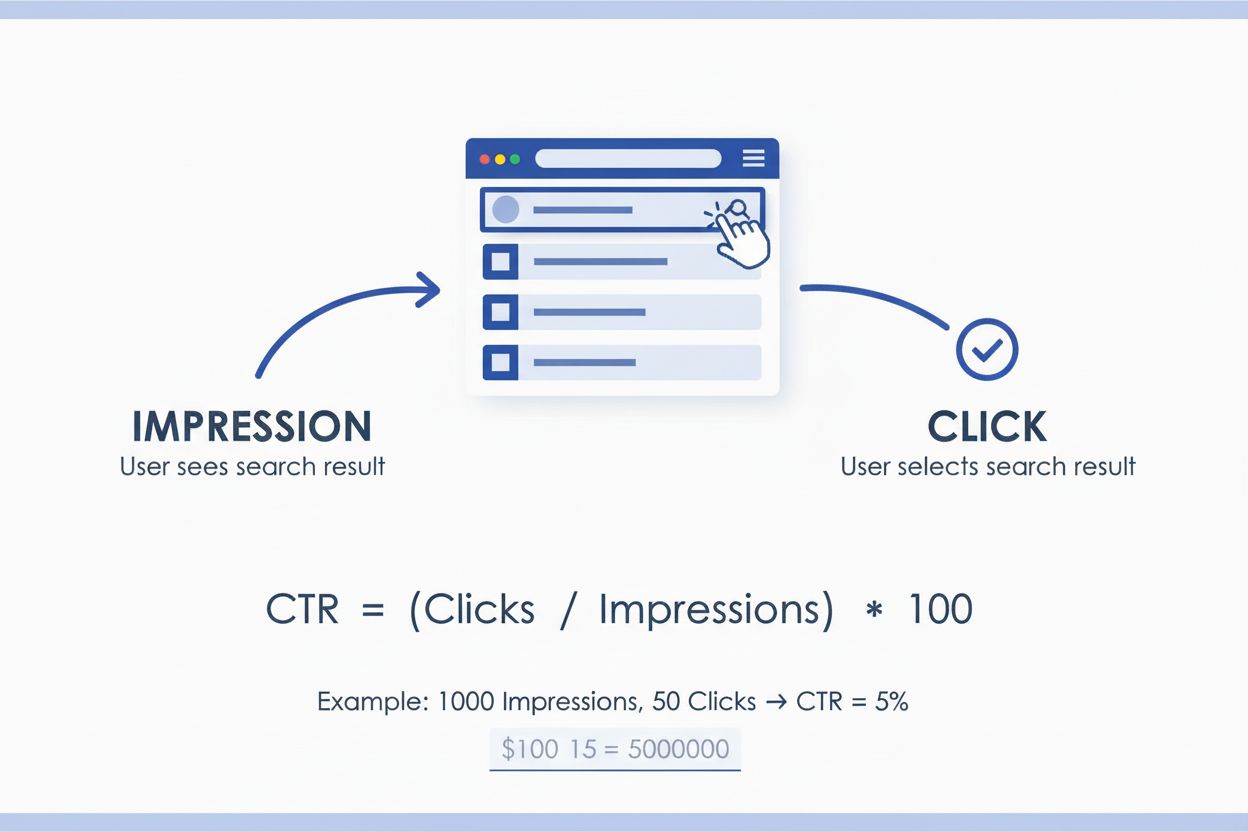
Learn what a click is in search results, how it differs from impressions, and why click metrics matter for SEO rankings, AI monitoring, and user engagement trac...
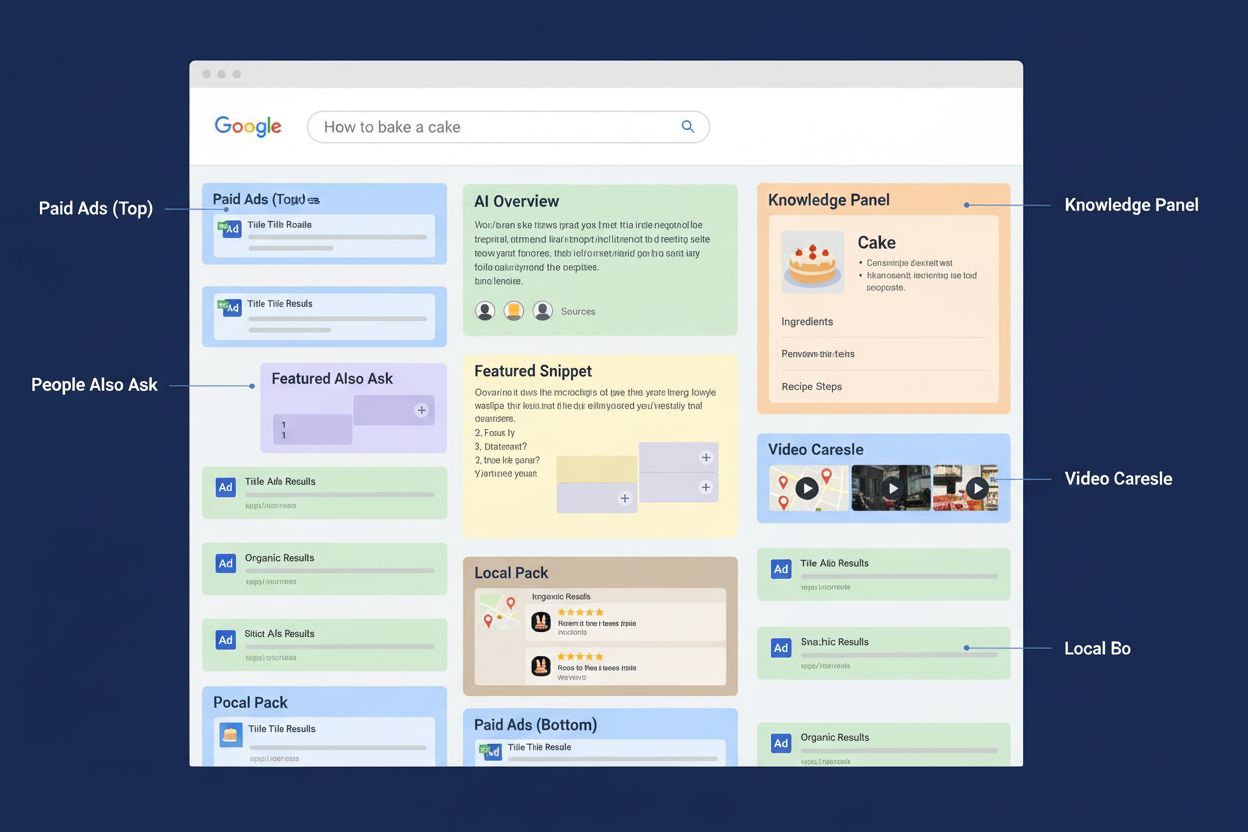
Learn what a SERP is, how it works, and why it matters for SEO, AI monitoring, and brand visibility. Understand SERP features and their impact on search ranking...
Cookie Consent
We use cookies to enhance your browsing experience and analyze our traffic. See our privacy policy.