
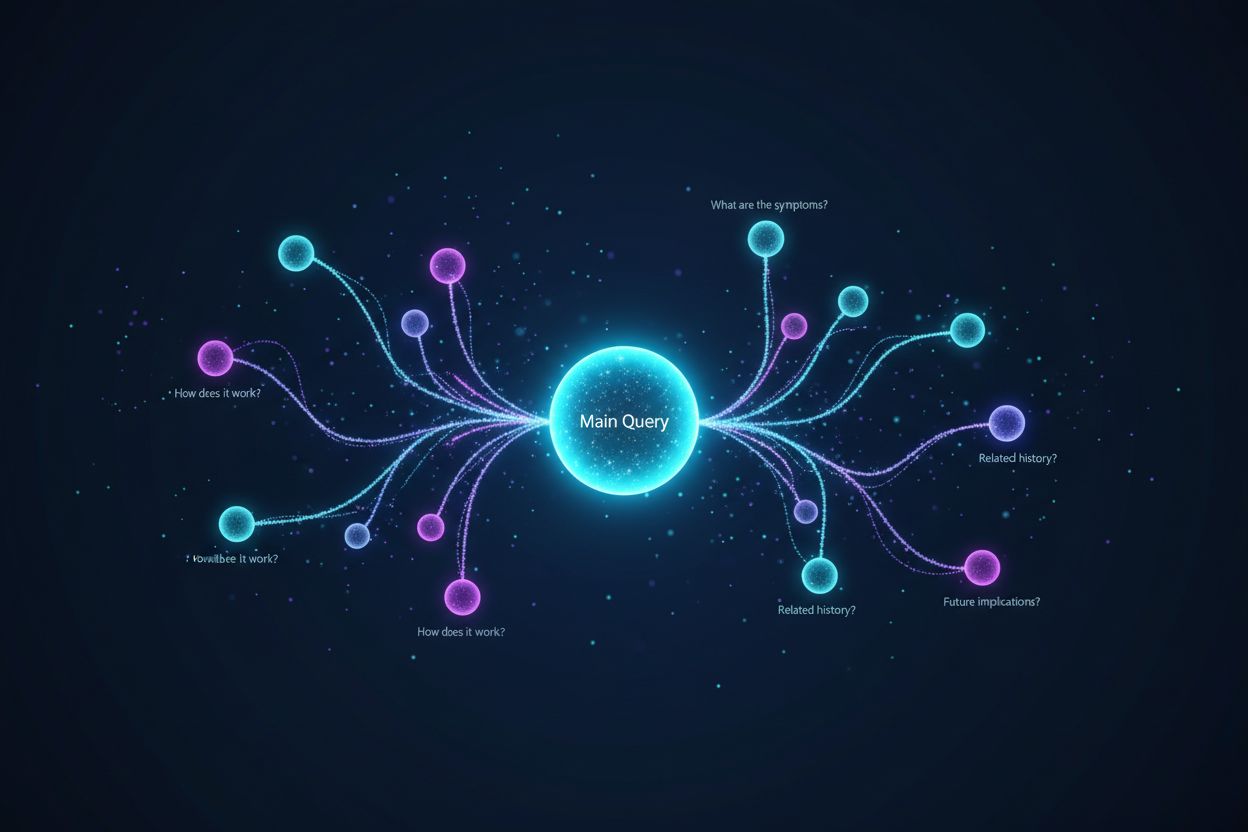
Query Anticipation
Learn how Query Anticipation helps your content capture extended AI conversations by addressing follow-up questions. Discover strategies to identify anticipated...
9 min read
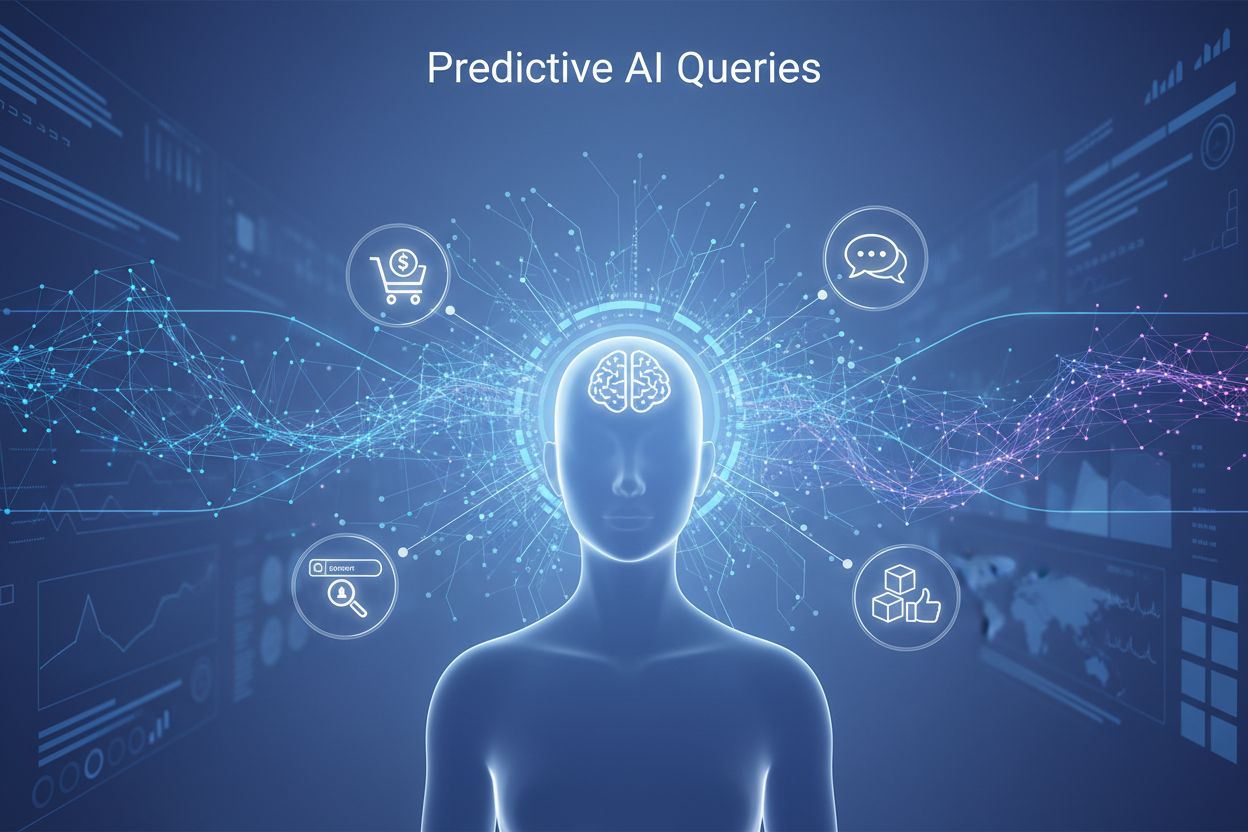
AI systems that anticipate user needs before explicit queries are made, using machine learning and behavioral analytics to predict what customers want and deliver proactive solutions in real-time. These intelligent systems analyze historical patterns, user behavior, and contextual signals to surface relevant information without users having to explicitly request it.
AI systems that anticipate user needs before explicit queries are made, using machine learning and behavioral analytics to predict what customers want and deliver proactive solutions in real-time. These intelligent systems analyze historical patterns, user behavior, and contextual signals to surface relevant information without users having to explicitly request it.
Predictive AI Queries represent a sophisticated evolution in how organizations interact with their data systems. These intelligent queries leverage machine learning algorithms and advanced analytics to anticipate data needs before users explicitly request them. Unlike traditional database queries that retrieve information based on predefined parameters, predictive AI queries analyze historical patterns, user behavior, and contextual signals to proactively surface relevant insights. They combine natural language processing with predictive modeling to understand intent and deliver results that users didn’t know they needed. This technology transforms data retrieval from a reactive process into a proactive intelligence system. Organizations implementing predictive AI queries report significant improvements in decision-making speed and data accessibility. The technology represents a fundamental shift in how businesses leverage their data assets for competitive advantage.
Predictive AI queries integrate multiple advanced technologies to deliver intelligent data retrieval capabilities. The foundation rests on machine learning models that learn from historical query patterns and user interactions. Natural Language Processing (NLP) enables systems to understand user intent from conversational queries rather than rigid syntax. Deep learning neural networks process complex relationships within datasets to identify non-obvious patterns and correlations. Semantic analysis helps systems understand the meaning behind queries rather than just matching keywords. Data mining algorithms extract valuable patterns from large datasets to inform predictions. Real-time analytics engines process streaming data to keep predictions current and relevant.
| Technology Component | Function | Primary Benefit |
|---|---|---|
| Machine Learning Models | Learn from historical patterns and user behavior | Improves prediction accuracy over time |
| Natural Language Processing | Interprets conversational queries and intent | Reduces learning curve for end users |
| Neural Networks | Identifies complex data relationships | Discovers non-obvious insights |
| Semantic Analysis | Understands contextual meaning | Delivers more relevant results |
| Real-time Analytics | Processes live data streams | Ensures current, actionable predictions |
| Pattern Recognition | Detects trends and anomalies | Enables proactive alerting |
These technologies work synergistically to create systems that understand context, learn continuously, and deliver increasingly accurate predictions with each interaction.
Predictive AI queries operate through a multi-stage process that begins with data ingestion and pattern analysis. The system first establishes a baseline by examining historical queries, user roles, business context, and data access patterns. Machine learning models train on this historical data to recognize which queries typically follow others and which data combinations users frequently request together. When a user initiates a query or begins typing, the system analyzes the input in real-time against its learned patterns. The AI engine simultaneously considers the user’s role, department, recent activities, and current business context to predict what additional information they might need. The system ranks potential predictions by relevance and confidence scores, presenting the most valuable suggestions prominently. As users interact with suggestions—accepting, modifying, or ignoring them—the system continuously refines its models. This feedback loop ensures that predictions become increasingly accurate and personalized over time. The entire process occurs transparently, often without users recognizing the sophisticated analysis happening behind their queries.
Predictive AI queries deliver transformative value across diverse business functions and industries:
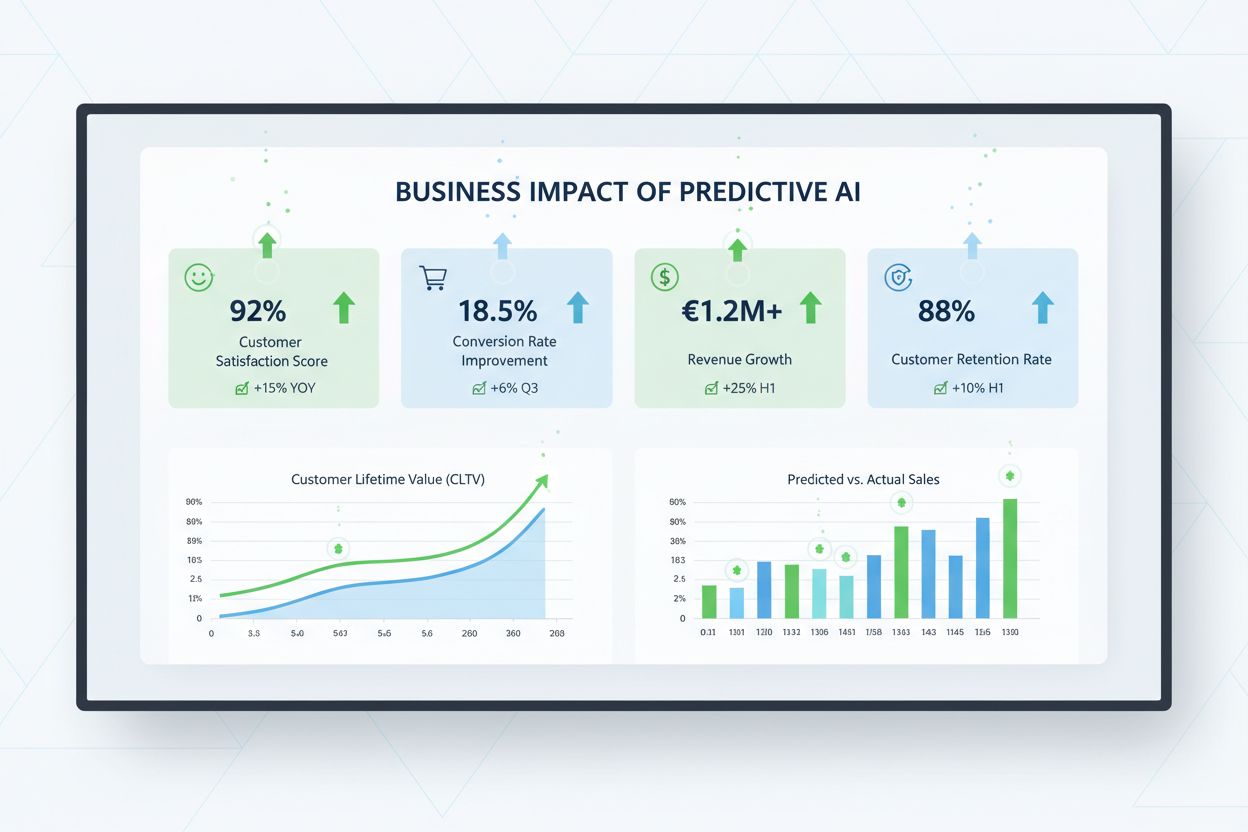
Organizations implementing predictive AI queries experience substantial operational and strategic advantages. Decision velocity increases dramatically as teams access relevant information without manual searching or multiple query iterations. Data democratization accelerates when non-technical users receive intelligent suggestions that guide them toward valuable insights they might otherwise miss. Operational efficiency improves through reduced query time and fewer database requests, lowering infrastructure costs. Accuracy and consistency enhance when AI systems apply standardized logic to identify relevant data, eliminating human oversight gaps. Employee productivity rises as teams spend less time formulating queries and more time analyzing results. Competitive advantage emerges from faster insight generation and more informed decision-making across the organization. Cost reduction occurs through optimized database performance and reduced need for data specialist support. These benefits compound over time as the system learns and improves continuously.
Implementing predictive AI queries requires organizations to address several significant challenges. Data quality remains paramount—poor input data produces inaccurate predictions regardless of algorithmic sophistication. Privacy and security concerns intensify when systems analyze user behavior and access patterns to make predictions. Model bias can perpetuate existing organizational blind spots if training data reflects historical prejudices or incomplete perspectives. Explainability becomes critical for business users who need to understand why the system recommends specific queries or data. Integration complexity increases when connecting predictive systems to legacy databases and existing analytics infrastructure. Change management challenges emerge as users adapt to AI-driven suggestions and modify their query workflows. Computational resources required for continuous learning and real-time predictions can strain existing infrastructure. Organizations must carefully balance the benefits of predictive capabilities against these implementation and operational challenges.
Successful predictive AI query implementations follow established best practices that maximize value while minimizing risk. Begin with clear objective definition—identify specific use cases where predictive queries deliver measurable business value before broad deployment. Data governance must precede system implementation, ensuring data quality, consistency, and proper classification. Pilot programs with specific departments or user groups allow organizations to refine models and processes before enterprise-wide rollout. User training should emphasize how to interpret and act on AI suggestions rather than blindly accepting recommendations. Transparent communication about how the system works and what data it analyzes builds user trust and adoption. Continuous monitoring of prediction accuracy, user feedback, and business outcomes enables ongoing optimization. Privacy safeguards must be embedded throughout the system architecture, not added as afterthoughts. Iterative refinement based on real-world performance ensures the system evolves to meet changing business needs. Organizations that follow these practices typically achieve faster ROI and higher user adoption rates.
Predictive AI queries represent a fundamental departure from traditional automation approaches. Traditional automation follows rigid, predefined rules—if condition X occurs, execute action Y—with no learning or adaptation. Predictive AI queries continuously learn from outcomes and adjust their behavior accordingly, improving accuracy over time. Traditional systems require extensive upfront configuration and struggle with edge cases or novel scenarios. Predictive systems handle ambiguity and complexity by recognizing patterns humans might miss. Maintenance burden differs significantly; traditional automation requires manual updates when business processes change, while predictive systems adapt automatically. Traditional approaches excel at repetitive, well-defined tasks but fail when requirements shift. Predictive AI queries thrive in dynamic environments where user needs and data relationships constantly evolve. The choice between approaches depends on use case stability—traditional automation suits static processes while predictive AI queries optimize dynamic, knowledge-intensive work. Most organizations benefit from hybrid approaches that combine both technologies strategically.
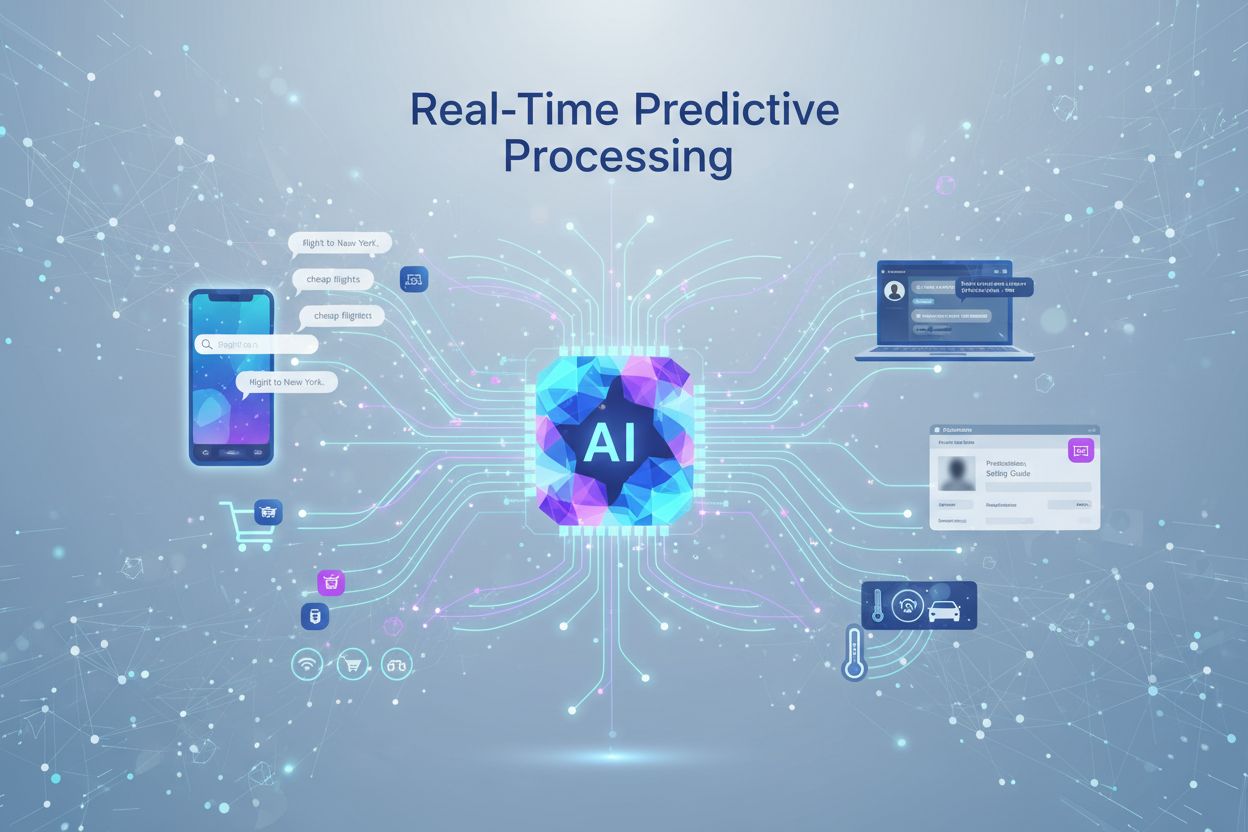
Predictive AI queries will continue evolving as underlying technologies advance and organizational capabilities mature. Federated learning will enable predictive systems to improve across organizations without sharing sensitive data, accelerating model development. Explainable AI advances will make system recommendations more transparent, building user confidence and enabling better decision-making. Real-time personalization will reach new sophistication levels as systems process streaming data and adapt predictions instantaneously. Cross-domain intelligence will emerge as predictive systems integrate insights from multiple business functions simultaneously. Autonomous query optimization will reduce human intervention further, with systems automatically restructuring queries for optimal performance. Industry-specific models will proliferate as vendors develop specialized predictive systems for healthcare, finance, manufacturing, and other sectors. Integration with emerging technologies like quantum computing and advanced NLP will unlock new prediction capabilities. As platforms like AmICited.com demonstrate through monitoring how AI systems reference brands, the future will increasingly focus on understanding how predictive AI queries influence brand visibility and customer perception across AI-powered platforms. Organizations that invest in predictive AI query capabilities now will establish competitive advantages that compound as the technology matures and becomes industry standard.
While search engines match keywords to content, predictive AI queries understand user intent and context to surface relevant information users didn't explicitly request. Predictive systems learn from individual user behavior and organizational patterns, delivering increasingly personalized results. Search engines typically return broad results requiring user filtering, while predictive systems narrow results to the most relevant options.
Predictive systems analyze historical query patterns, user roles and departments, business context, recent user activities, data relationships, and organizational workflows. They examine which queries typically follow others, which data combinations users frequently request together, and how different user segments interact with data. The system also considers temporal patterns—recognizing that certain queries become relevant at specific times or business cycles.
Initial accuracy improves within weeks as systems accumulate sufficient historical data and user interactions. Most organizations see meaningful improvements within 2-3 months of deployment as models train on diverse scenarios. However, continuous improvement continues indefinitely as the system encounters new patterns and refines its understanding.
Yes, modern predictive AI systems increasingly handle unstructured data including documents, emails, images, and multimedia content. Advanced NLP and computer vision technologies enable systems to extract meaning from unstructured sources and connect them to structured data. This capability significantly expands the value of predictive queries by surfacing relevant information from diverse data types.
Bias mitigation requires multiple approaches including diverse training data, regular bias audits, and transparent model documentation. Organizations should examine whether training data reflects historical prejudices or incomplete perspectives that might skew predictions. Implementing fairness constraints in model development and monitoring prediction outcomes across different user groups helps identify bias.
Security requires protecting both the data the system analyzes and the behavioral patterns it learns from user interactions. Systems must implement role-based access controls ensuring users only receive predictions for data they're authorized to access. Encryption of data in transit and at rest protects sensitive information from unauthorized access.
Integration typically occurs through APIs and middleware that connect predictive systems to existing BI platforms, data warehouses, and analytics tools. Modern implementations often use containerization and microservices architecture to enable flexible integration with diverse technology stacks. Organizations may deploy predictive capabilities as a layer above existing systems or embed them directly into BI interfaces.
ROI varies significantly based on use case, data complexity, and organizational maturity, but typical implementations show 20-40% improvements in analyst productivity within the first year. Cost savings emerge from reduced database infrastructure strain, fewer data specialist support requests, and faster decision-making cycles. Revenue benefits accrue through improved customer insights, faster market response, and better-informed strategic decisions.
Discover how AI systems like predictive queries mention and reference your brand in their responses. AmICited tracks AI citations across GPTs, Perplexity, and Google AI Overviews to help you understand your brand's presence in AI-generated answers.
Learn how Query Anticipation helps your content capture extended AI conversations by addressing follow-up questions. Discover strategies to identify anticipated...

Learn how predictive AI visibility uses data analytics and machine learning to forecast future trends in AI-generated answers. Discover how brands can anticipat...

Learn about AI Query Research Tools - platforms that track and analyze search patterns across ChatGPT, Gemini, Perplexity, and other AI engines. Discover how to...
Cookie Consent
We use cookies to enhance your browsing experience and analyze our traffic. See our privacy policy.