
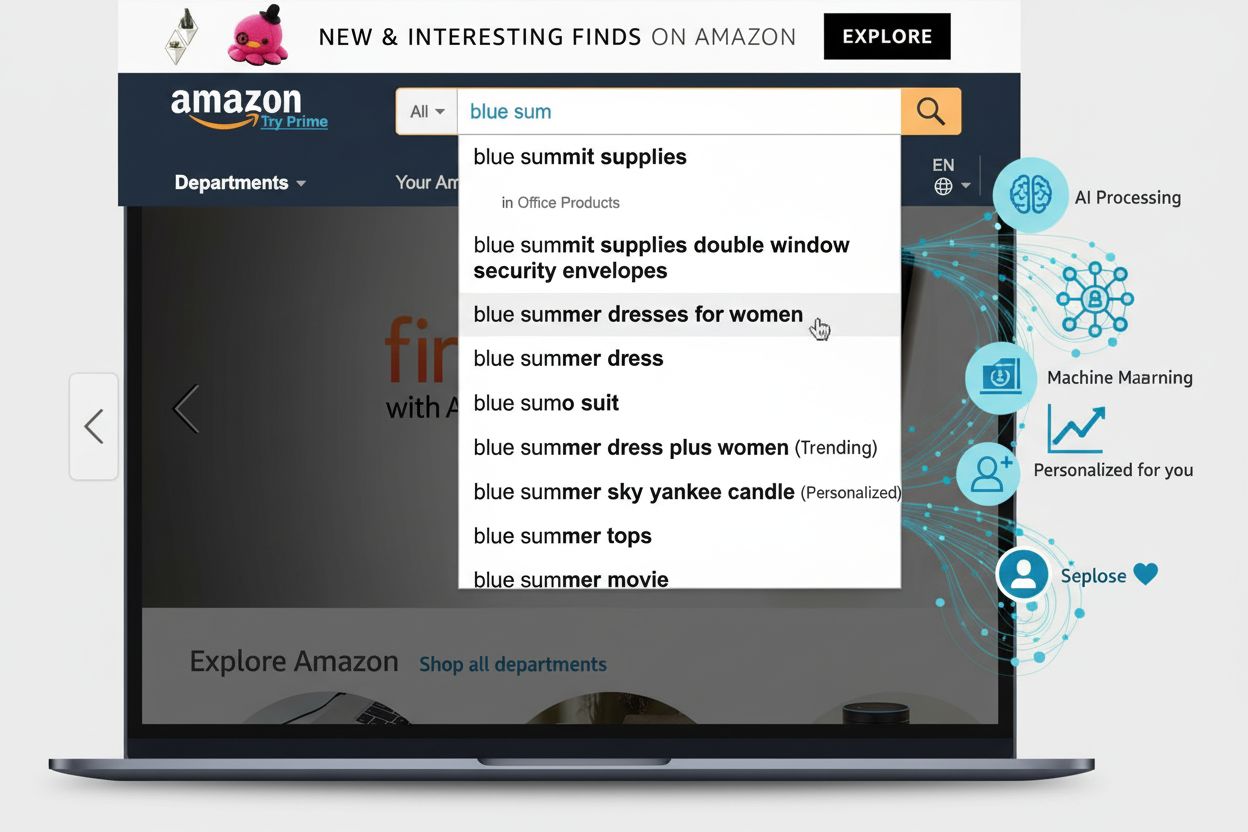
Search Suggestions
Learn what search suggestions and autocomplete recommendations are, how they work using AI and machine learning, and their impact on brand visibility, user expe...
13 min read
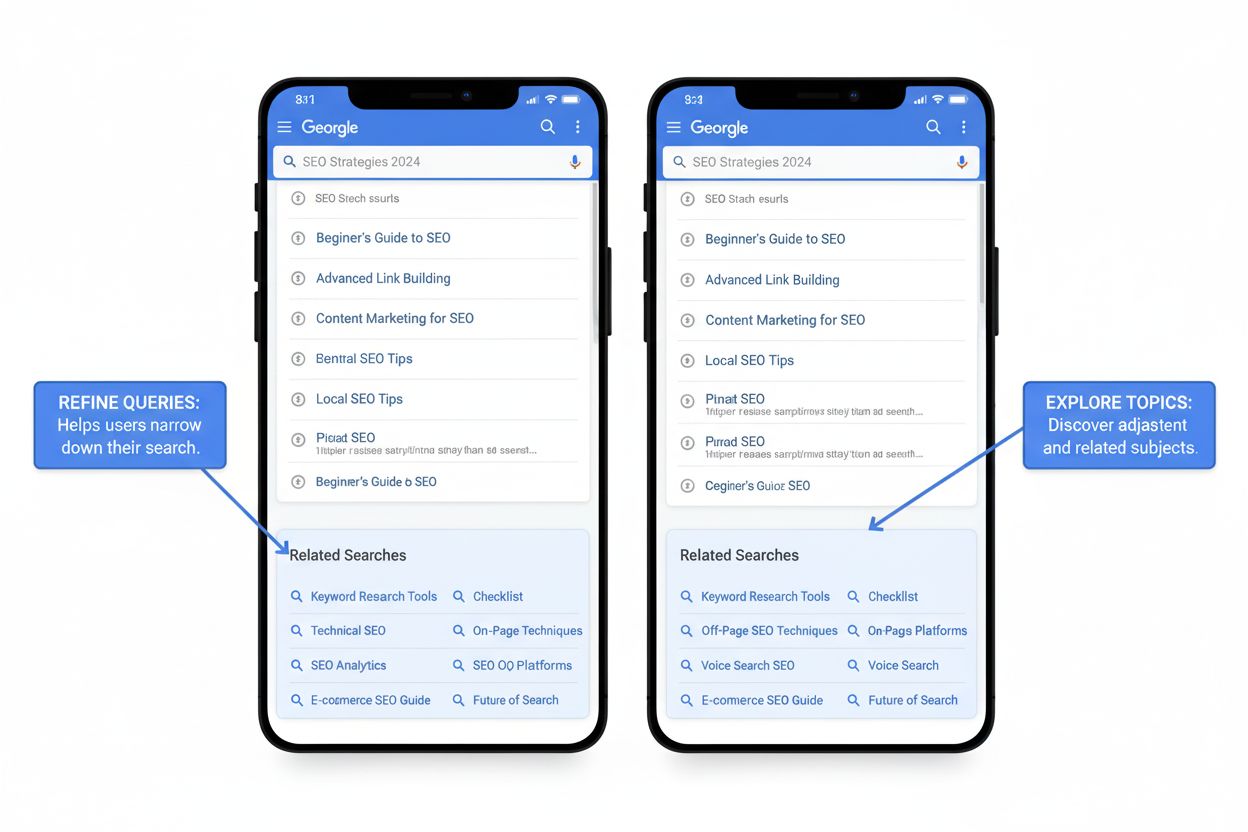
Related Searches are algorithmically-generated suggested queries that appear at the bottom of Google search results pages, helping users refine their searches and explore adjacent topics. These suggestions are based on what other users have searched for and the semantic context of the original query.
Related Searches are algorithmically-generated suggested queries that appear at the bottom of Google search results pages, helping users refine their searches and explore adjacent topics. These suggestions are based on what other users have searched for and the semantic context of the original query.
Related Searches are algorithmically-generated suggested queries that appear at the bottom of Google search results pages, helping users refine their searches and explore adjacent topics. These suggestions are based on what other users have searched for and the semantic context of the original query. When a user performs a search on Google, the search engine analyzes the query, examines historical search patterns, and generates a list of related search terms that other users have found relevant. This SERP feature typically displays between 6 and 8 suggested queries, though the exact number can vary depending on the search context and device type. Related Searches serve as a bridge between the user’s initial query and potentially more specific or refined searches, helping users navigate the information landscape more efficiently. The feature is particularly valuable for users who haven’t found exactly what they’re looking for in the initial results, as it provides alternative search paths without requiring manual query reformulation.
Related Searches have been a core component of Google’s search results page since the early 2000s, evolving significantly as Google’s algorithms became more sophisticated. Initially, Related Searches were simple text-based suggestions generated through basic keyword association and frequency analysis. As machine learning and natural language processing advanced, Google enhanced the feature to understand semantic relationships between queries, user intent, and contextual relevance. The feature has become increasingly important as search behavior has evolved, with users expecting more intelligent query suggestions that anticipate their information needs. Over the past decade, Google has refined how Related Searches are displayed across different devices and contexts, introducing variations like expandable phrases with images and mobile-specific formatting. The rise of voice search, mobile-first indexing, and AI-powered search has further elevated the importance of Related Searches as a mechanism for helping users navigate increasingly complex information retrieval tasks. Today, Related Searches represent one of the most consistent and reliable SERP features, appearing in 85% of all search results according to 2025 data, making them essential for both users and SEO professionals to understand.
The generation of Related Searches relies on multiple algorithmic factors that work together to produce relevant and useful suggestions. Google’s algorithms analyze the initial search query to understand its semantic meaning, context, and user intent. The system then examines billions of historical search queries to identify patterns of what other users have searched for in similar contexts. Query frequency, user behavior patterns, and semantic similarity are primary factors that influence which suggestions appear. Google also considers personalization elements such as the user’s location, language preferences, search history, and device type when generating suggestions. The algorithms evaluate the relevance of potential suggestions by measuring how closely they relate to the original query and whether they represent meaningful variations or refinements. Additionally, Google’s systems analyze click-through patterns to understand which related searches users actually find valuable, using this feedback to continuously improve the quality of suggestions. The feature also incorporates entity recognition and knowledge graph data to understand relationships between concepts, allowing Google to suggest searches that explore different aspects of a topic or related entities. This multi-layered approach ensures that Related Searches are not just statistically common but also contextually appropriate and genuinely helpful for users.
| SERP Feature | Location | Format | Purpose | User Interaction | Frequency |
|---|---|---|---|---|---|
| Related Searches | Bottom of SERP | Text links with magnifying glass icons | Suggest alternative search queries | Click to perform new search | 85% of SERPs |
| People Also Ask (PAA) | Middle of SERP | Expandable question boxes | Answer related questions | Click to expand and view snippet | 78% of desktop, 77% of mobile |
| Search Suggestions | Search bar | Dropdown list | Autocomplete query as user types | Click or select from dropdown | 23% of searches use suggestions |
| Featured Snippets | Position 1 | Highlighted text/table/list | Provide direct answer | Click to visit source page | 40-50% of informational queries |
| Knowledge Panel | Right sidebar | Structured information box | Display entity information | Browse or click for more info | Varies by query type |
Related Searches display varies significantly across devices and search contexts, reflecting Google’s commitment to optimizing user experience for different platforms. On desktop computers, Related Searches typically appear as a grid of 8 suggested queries at the very bottom of the search results page, below all organic results. Each suggestion is presented as a clickable link with a magnifying glass icon, making it immediately recognizable as a search refinement option. On mobile devices, the display is more compact, with Related Searches appearing every five results as users scroll to reduce excessive scrolling and maintain engagement. Google has also introduced dynamic display formats where Related Searches can appear as expandable phrases with thumbnail images, particularly for visual queries or product-related searches. The feature label itself can vary—users may see “Related searches,” “Related to this search,” or “People also search for” depending on the query type and context. For certain categories of searches, such as product queries, Related Searches may display in a carousel format with images and additional metadata. This technical flexibility allows Google to adapt the feature to different query types while maintaining consistency in its core function of helping users refine and explore their searches.
Related Searches represent a goldmine of information for SEO professionals and content strategists seeking to understand user behavior and market demand. By analyzing the Related Searches that appear for your target keywords, you can identify long-tail keyword variations that represent less competitive opportunities for ranking. These suggestions reveal the specific questions and refinements that real users are making, providing authentic market research data that reflects actual search demand. Content creators can use Related Searches to identify gaps in their content strategy by noting which related topics are frequently suggested but not adequately covered on their websites. For example, if you rank for “best SEO tools” but Related Searches consistently show “free SEO tools,” “SEO tools for beginners,” and “SEO tools for agencies,” you should consider creating dedicated content for these variations. Related Searches also inform internal linking strategies, as they reveal semantic relationships between topics that Google recognizes as related. By creating content that addresses these related topics and linking them together, you strengthen your site’s topical authority and improve the likelihood of ranking for multiple related queries. Additionally, analyzing Related Searches for your competitors’ branded keywords can reveal market positioning opportunities and help you understand how your brand is perceived relative to competitors in search contexts.
While Related Searches are primarily associated with Google, understanding how this feature manifests across different search platforms is important for comprehensive search visibility. Google’s Related Searches remain the most developed and widely-used version of this feature, appearing on 99% of desktop SERPs and 83% of mobile SERPs. Bing, which powers Yahoo search results, displays similar functionality through its “Related searches” feature, though with different algorithmic weighting and suggestions. The rise of AI-powered search platforms like Perplexity, ChatGPT, and Claude has introduced new considerations for how related queries and suggestions are presented to users. These AI search engines often provide related search suggestions in different formats, sometimes integrating them into conversational responses rather than displaying them as a separate SERP feature. For brands and content creators, this diversification means monitoring related searches across multiple platforms is increasingly important for maintaining comprehensive visibility. AmICited and similar AI monitoring platforms help track how your brand appears not just in Google’s Related Searches but also in related query suggestions across AI search engines. Understanding these platform-specific variations allows you to optimize your content strategy for the full spectrum of search experiences users encounter, from traditional Google SERPs to emerging AI search interfaces.
The future of Related Searches will likely be shaped by advances in artificial intelligence, natural language understanding, and personalization technologies. As AI becomes more sophisticated, Related Searches may evolve to provide even more contextually relevant suggestions that better anticipate user needs. We can expect increased personalization based on user behavior, search history, and preferences, making Related Searches more individually tailored while maintaining their core function of query refinement. The integration of Related Searches with AI Overviews and other emerging SERP features suggests that Google is moving toward more sophisticated query suggestion systems that blend traditional search results with AI-generated content. Voice search and conversational AI will likely influence how Related Searches are presented, potentially shifting from text-based suggestions to more natural language recommendations. For SEO professionals and content strategists, this evolution underscores the importance of creating comprehensive, semantically-rich content that addresses not just primary keywords but the full ecosystem of related queries and topics. The rise of AI search monitoring platforms like AmICited reflects the growing recognition that brand visibility extends beyond traditional Google rankings to encompass appearance in related searches, AI responses, and emerging search interfaces. Organizations that proactively monitor and optimize for Related Searches across multiple platforms will maintain competitive advantages as search behavior continues to evolve. The strategic value of Related Searches will only increase as search becomes more conversational, personalized, and AI-driven, making it essential for modern SEO and content strategies to account for this critical SERP feature.
Related Searches displays a list of suggested search queries that users can click to perform new searches, while People Also Ask (PAA) shows questions related to the original query with featured snippet answers. Related Searches appear at the bottom of the SERP, whereas PAA boxes typically appear in the middle of results. Both features help users explore related topics, but they serve different purposes in the search journey.
Related Searches is the most prevalent SERP feature, appearing in 85% of all search results according to 2025 data. On desktop SERPs specifically, Related Searches appear on 99% of results, while on mobile devices they appear on 83% of results. This makes Related Searches one of the most consistent and reliable SERP features for SEO professionals to monitor and leverage.
You cannot directly control what appears in Related Searches, as Google generates these suggestions automatically based on user search behavior and query semantics. However, you can indirectly influence them by building brand authority, creating comprehensive content around your target topics, and ensuring your website ranks well for relevant keywords. Improving your overall search visibility and topical relevance increases the likelihood of your brand appearing in related searches.
Related Searches provide valuable insights into what users are actually searching for in relation to your target keywords. They reveal long-tail keyword variations, search intent patterns, and emerging topics within your niche. By analyzing Related Searches, you can discover new content opportunities, identify less competitive keywords, and understand the semantic relationships between terms that Google recognizes as related.
Yes, Related Searches display differently across devices. On desktop, they typically appear as a grid of 8 suggested queries at the bottom of the SERP. On mobile devices, Related Searches appear every five results as users scroll to reduce excessive scrolling and improve user experience. The feature may also display in different formats, including expandable phrases with images or combinations of text and visual elements.
Related Searches can significantly impact user behavior by encouraging query refinement and deeper exploration of topics. When users don't find what they need in initial results, Related Searches provide alternative search paths without requiring them to manually retype queries. This reduces bounce rates and increases engagement, though it may also reduce clicks to organic results if users refine their search instead of clicking through to a webpage.
Related Searches are important for brand monitoring platforms like AmICited because they indicate how your brand or domain appears in association with related queries. Tracking which Related Searches include your brand or competitors helps you understand your competitive positioning and identify emerging search trends. This data is valuable for monitoring brand visibility across different search contexts and understanding how users discover your content.
Google updates Related Searches dynamically based on real-time search trends and user behavior patterns. The suggestions can change frequently, sometimes within hours or days, especially for trending topics or seasonal queries. This dynamic nature means that Related Searches reflect current user interests and search patterns, making them valuable for identifying emerging keywords and trending topics in your industry.
Start tracking how AI chatbots mention your brand across ChatGPT, Perplexity, and other platforms. Get actionable insights to improve your AI presence.
Learn what search suggestions and autocomplete recommendations are, how they work using AI and machine learning, and their impact on brand visibility, user expe...
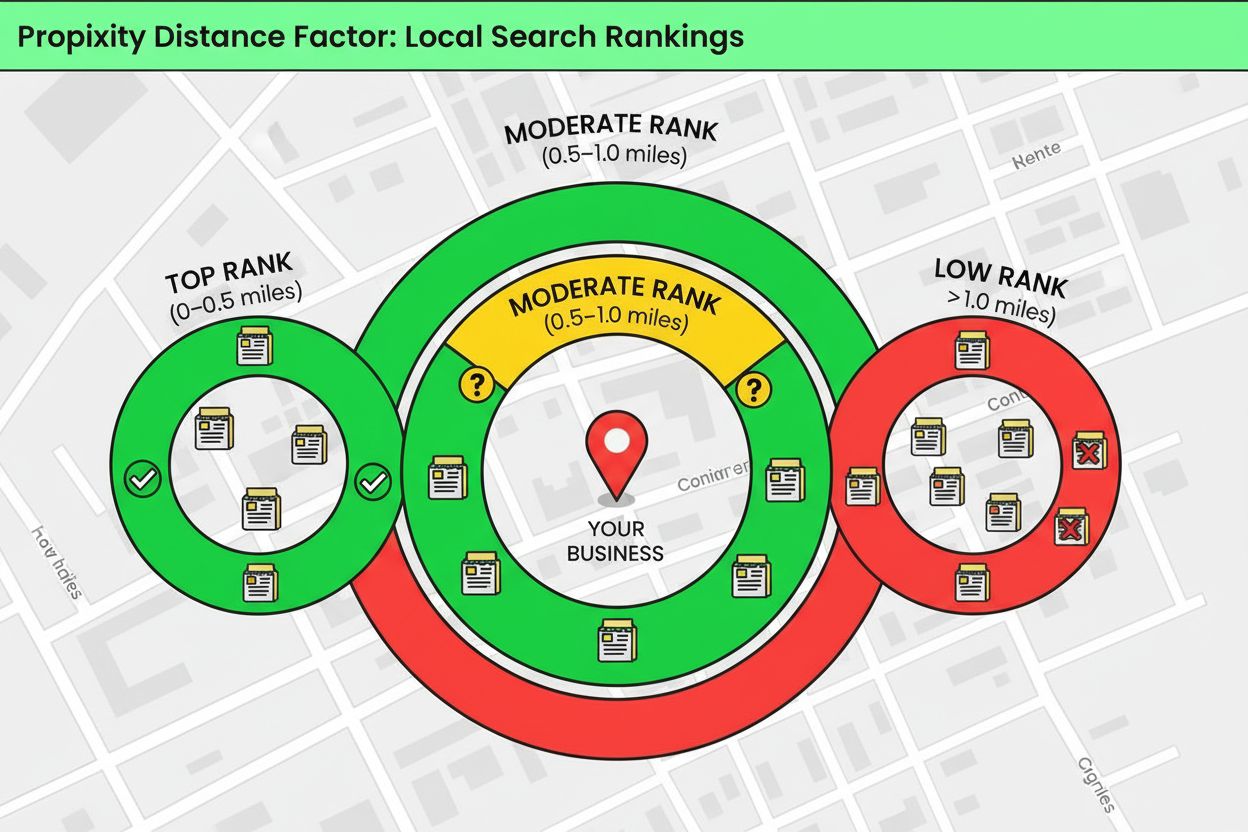
Proximity is the physical distance between a searcher and a business location, one of Google's three core local ranking factors. Learn how distance impacts loca...
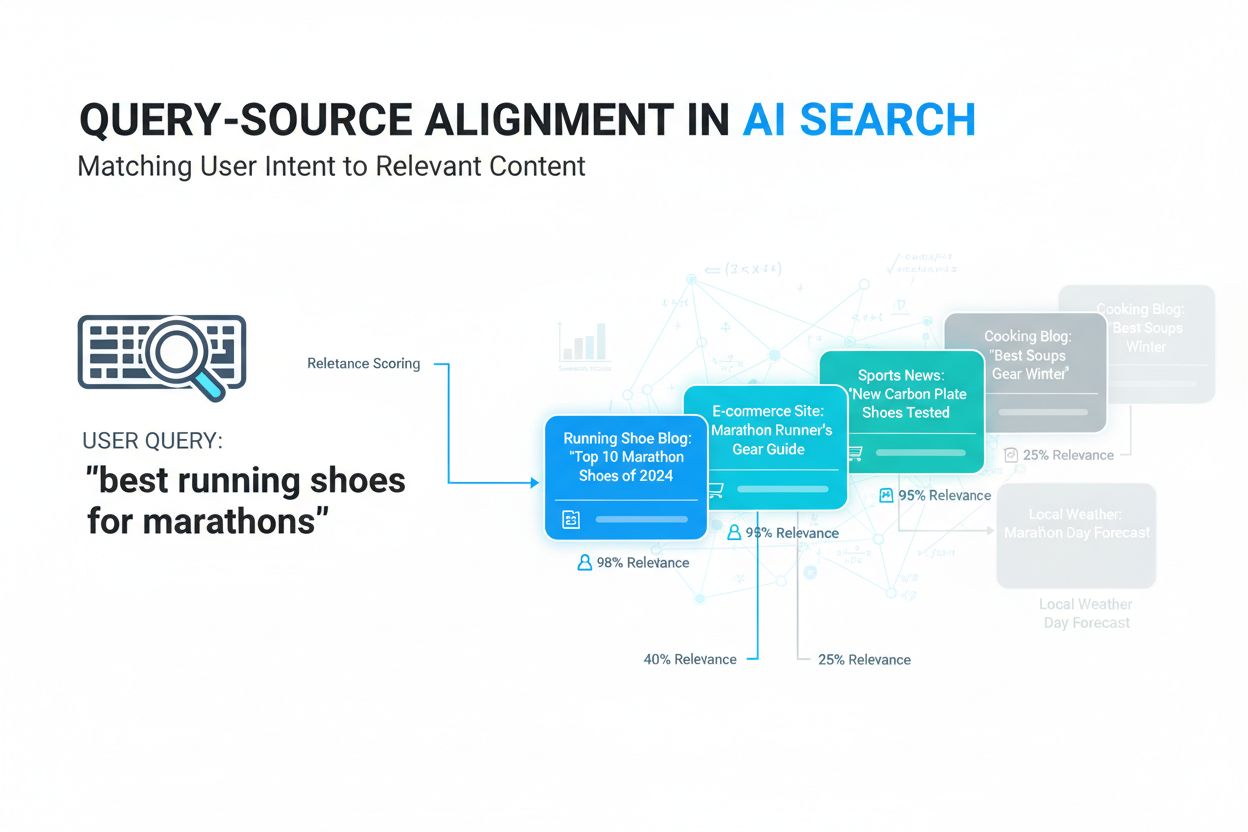
Learn what query-source alignment is, how AI systems match user queries to relevant sources, and why it matters for content visibility in AI search platforms li...
Cookie Consent
We use cookies to enhance your browsing experience and analyze our traffic. See our privacy policy.