

Statistical Content
Learn what statistical content is, why it matters for AI citations, and how data-driven content builds authority. Discover how 74% of B2B buyers trust research-...
10 min read
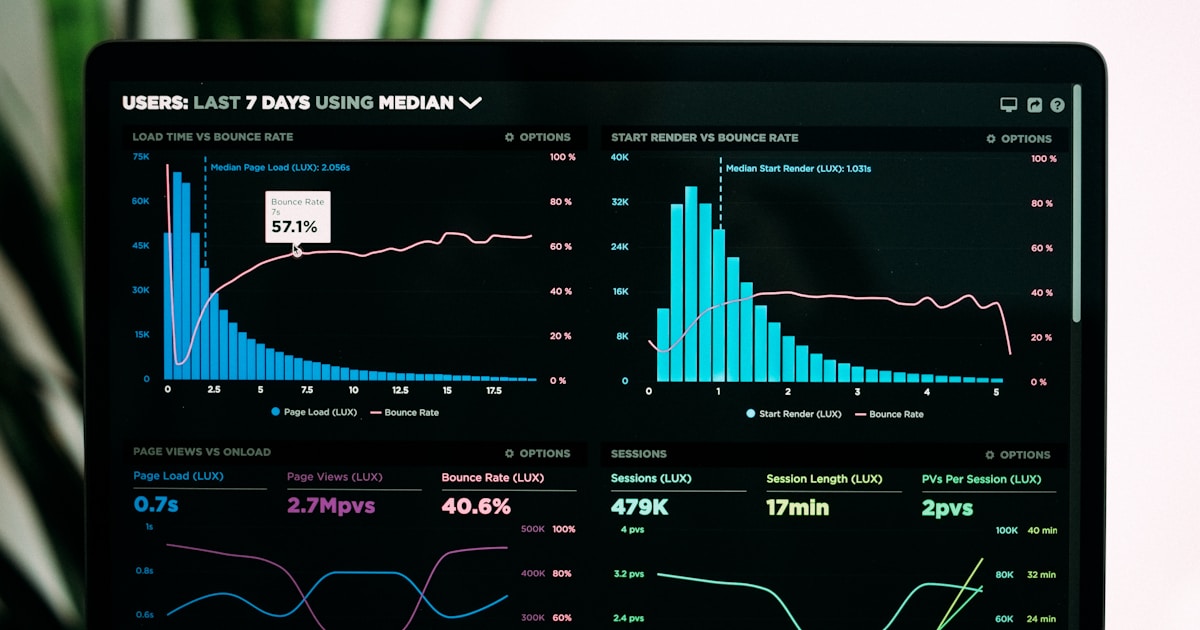
Research content is authoritative, evidence-based material created through systematic data analysis, statistical research, and expert insights to provide comprehensive answers to audience questions. Data-driven analytical content combines quantitative metrics, qualitative research, and industry benchmarks to establish credibility and influence AI citations across platforms like ChatGPT, Perplexity, and Google AI Overviews.
Research content is authoritative, evidence-based material created through systematic data analysis, statistical research, and expert insights to provide comprehensive answers to audience questions. Data-driven analytical content combines quantitative metrics, qualitative research, and industry benchmarks to establish credibility and influence AI citations across platforms like ChatGPT, Perplexity, and Google AI Overviews.
Research content is authoritative, evidence-based material created through systematic data collection, statistical analysis, and expert insights to provide comprehensive, verifiable answers to audience questions. Data-driven analytical content combines quantitative metrics, qualitative research findings, industry benchmarks, and performance data to establish credibility, influence decision-making, and increase the likelihood of being cited by AI systems and human audiences alike. Unlike opinion-based or general informational content, research content is grounded in facts, supported by citations, and designed to demonstrate expertise and trustworthiness. This type of content serves as a foundation for building brand authority, influencing AI citations across platforms like ChatGPT, Perplexity, Google AI Overviews, and Claude, and driving measurable business outcomes through improved visibility and audience engagement.
The landscape of content marketing has fundamentally shifted toward data-driven decision-making. According to Content Marketing Institute’s 2024 B2B Content Marketing research, only 29% of marketers with documented content strategies rate them as extremely or very effective, while 58% rate them as moderately effective. This gap reveals a critical opportunity: organizations that invest in research-backed content strategies significantly outperform their peers. Among top-performing B2B marketers, 82% attribute their success to understanding their audience through research, and 77% emphasize producing high-quality, research-backed content as a cornerstone of their strategy. The data is unambiguous: research content is no longer optional—it is essential for competitive differentiation and measurable success.
The importance of research content extends beyond traditional marketing metrics. In the era of AI-driven search and content discovery, research-backed material has become increasingly valuable for brand visibility. AI systems like ChatGPT, Perplexity, and Google AI Overviews prioritize authoritative, well-researched sources when generating responses. Content with clear statistics, structured data, verifiable claims, and transparent methodology signals authority to AI training systems, making it significantly more probable to appear in AI-generated summaries, recommendations, and citations. For organizations using platforms like AmICited to monitor brand appearances in AI responses, understanding how research content influences these citations is critical to maintaining visibility in the AI-powered search landscape.
Data-driven analytical content operates through a systematic process that transforms raw data into actionable insights and compelling narratives. The process begins with audience research and segmentation, where organizations analyze customer behavior, preferences, pain points, and decision-making patterns through multiple data sources: Google Analytics, CRM systems, social media insights, surveys, and customer interviews. This foundational research identifies what audiences care about, where they seek information, and what questions they need answered.
The second phase involves content ideation and topic selection based on keyword research, competitor analysis, and content gap identification. Tools like Ahrefs, Semrush, and Google Search Console reveal search intent, search volume, and competitive positioning. According to Foleon’s research on data-driven content marketing, organizations that use data to identify topics see significantly higher engagement and conversion rates. This phase ensures that content addresses real audience needs and ranks for high-intent keywords.
The third phase is content creation with embedded analytics and insights. Rather than writing generic content, data-driven creators integrate specific statistics, case studies, original research findings, and expert perspectives directly into the narrative. For example, instead of stating “content marketing is important,” research-backed content would state: “According to Content Marketing Institute research, 87% of B2B marketers say content marketing created brand awareness in the last 12 months, while 74% generated demand and leads.” This specificity builds credibility and makes content more likely to be cited by AI systems and human audiences.
The final phase involves performance measurement and continuous optimization. Organizations track engagement metrics (time on page, scroll depth, social shares), conversion metrics (form submissions, lead quality, sales attribution), and content-specific KPIs. According to Siteimprove’s content marketing analysis research, 56% of B2B marketers struggle with attributing ROI to content efforts, yet those who implement proper tracking see significantly better results. By measuring performance consistently and iterating based on data, organizations continuously improve content effectiveness and ROI.
| Dimension | Research Content | Traditional Content | Data-Driven Analytical Content |
|---|---|---|---|
| Foundation | Statistics, studies, verified data | Opinions, general knowledge | Quantified metrics, benchmarks, analysis |
| Credibility Signals | Citations, sources, methodology | Author expertise, brand reputation | Specific numbers, case studies, attribution |
| Creation Time | 6+ hours per piece (per Orbit Media) | 2-4 hours per piece | 4-8 hours with research integration |
| AI Citation Likelihood | High (authority signals) | Medium (depends on brand) | Very High (structured data) |
| Audience Trust | Very High | Medium-High | Very High |
| SEO Performance | Strong (topical authority) | Moderate | Strong (E-E-A-T signals) |
| Conversion Impact | High (qualified leads) | Medium | High (targeted, relevant) |
| Repurposing Potential | High (multiple formats) | Medium | Very High (data-rich) |
| Competitive Advantage | Sustainable (hard to replicate) | Low (easily copied) | Sustainable (proprietary insights) |
Implementing a data-driven content strategy requires establishing clear infrastructure and workflows. According to Content Marketing Institute research, top-performing B2B marketers (those rating their content marketing as extremely or very successful) differ significantly from their peers in several key areas: 46% have the right technology in place to manage content across the organization (compared to 26% of all marketers), 61% have a scalable model for content creation (compared to 35% of all marketers), and 84% agree their organization measures content performance effectively (compared to 51% of all marketers).
The technical foundation begins with analytics infrastructure. Organizations need to implement comprehensive tracking across multiple channels: website analytics (Google Analytics 4), CRM systems (Salesforce, HubSpot), content management systems (WordPress, Contentful), and social media platforms. Integration of these systems through tools like Zapier or native APIs creates a unified data view. This allows teams to track content performance from creation through conversion, understanding which pieces drive qualified leads, sales, and customer retention.
The second technical component is content intelligence and research tools. Platforms like Ahrefs, Semrush, and MarketMuse provide keyword research, competitor analysis, content gap identification, and AI-powered content briefs. These tools accelerate the research phase by automating topic discovery and competitive benchmarking. According to case studies from Siteimprove, organizations using AI-powered content intelligence tools see 74x traffic growth (InsideTheMagic), 92% YoY growth in organic entrances (Kasasa), and 120% increases in inbound leads (Stick Shift Driving Academy).
The third component is content governance and workflow automation. Top performers establish clear processes for content creation, review, approval, and publication. This includes defining roles (researchers, writers, editors, approvers), establishing quality standards, and implementing version control. Automation tools reduce manual work and ensure consistency. According to CMI research, 45% of B2B marketers say their organizations lack efficient lead generation and nurturing processes, and 44% lack the ability to automate repetitive tasks—both areas where workflow optimization delivers significant ROI.
The business impact of research content extends across multiple dimensions of organizational performance. Lead generation and quality represent the most direct impact: research-backed content attracts qualified prospects actively seeking solutions. According to Matik’s research on data-driven content, organizations using data-driven content see improved cross-functional collaboration, better proof of product value, clearer ROI visualization, and competitive differentiation. Top-performing B2B marketers report that 89% of their content marketing efforts generated demand and leads, compared to 49% for the least successful marketers.
Customer retention and lifetime value represent a secondary but equally important impact. Research content that addresses customer challenges, provides ongoing education, and demonstrates product value increases customer satisfaction and reduces churn. According to Matik, customers with greater visibility into the success of a particular offering are happier with their investments, increasing likelihood of retention, expansion, and brand loyalty. This translates directly to improved customer lifetime value (CLV) and reduced customer acquisition costs (CAC).
Brand authority and thought leadership create long-term competitive advantages. Organizations publishing original research, comprehensive guides, and data-backed insights position themselves as trusted advisors in their industries. According to CMI’s Marketing to Marketers research, 94% of marketers say a company that makes extensive thought leadership content available raises their perception of the brand as a valuable information resource. This authority translates to media coverage, speaking opportunities, partnership opportunities, and premium pricing power.
AI visibility and citation impact represent an emerging but increasingly critical dimension of research content ROI. As AI systems become primary discovery mechanisms for information, appearing in AI-generated responses directly impacts brand visibility and authority. Research content with strong authority signals (citations, statistics, methodology transparency) is significantly more likely to be cited by ChatGPT, Perplexity, Google AI Overviews, and Claude. For organizations using AmICited to monitor these appearances, research content becomes a measurable driver of AI-powered brand visibility.
Different AI platforms have varying citation patterns and preferences for research content. ChatGPT prioritizes content from authoritative domains, well-established publications, and content with clear citations and methodology. Research content that includes specific statistics, case studies, and expert quotes is more likely to be referenced in ChatGPT responses. The platform’s training data includes academic papers, industry reports, and established media sources, making research-backed content more probable to influence responses.
Perplexity emphasizes source attribution and citation transparency. The platform explicitly shows sources for its responses, making research content with clear citations and verifiable claims particularly valuable. Content that directly answers specific questions with supporting evidence is more likely to be cited. Organizations publishing research content optimized for Perplexity should focus on clear question-answer structures, specific statistics, and transparent sourcing.
Google AI Overviews (formerly SGE) prioritize content that demonstrates E-E-A-T signals (Experience, Expertise, Authoritativeness, Trustworthiness). Research content with author credentials, publication history, citations, and verifiable claims aligns directly with Google’s quality standards. Content that appears in Google’s featured snippets and knowledge panels is more likely to influence AI Overviews, making SEO optimization and structured data implementation critical.
Claude values nuanced, well-reasoned analysis and comprehensive coverage of topics. Research content that explores multiple perspectives, acknowledges limitations, and provides balanced analysis is more likely to be referenced. Claude’s responses tend to cite content that demonstrates intellectual rigor and thoughtful analysis rather than purely promotional material.
Successful research content incorporates several critical elements that maximize both human engagement and AI citation probability. Statistical specificity is paramount: instead of general claims, research content includes precise numbers, percentages, and data points with clear sources. For example, “Over 78% of enterprises use AI-driven content monitoring tools” is more credible than “Most enterprises use AI tools.” This specificity signals authority to both human readers and AI systems.
Transparent methodology builds trust and credibility. Research content should explain how data was collected, sample sizes, time periods, and any limitations. This transparency demonstrates rigor and allows readers to evaluate the research quality independently. According to Columbia Public Health’s research on content analysis, transparent methodology is essential for validity and reliability in research-backed content.
Expert perspectives and citations add credibility and provide multiple viewpoints. Research content should include quotes from recognized experts, references to peer-reviewed studies, and citations to authoritative sources. This creates a web of credibility that signals authority to AI systems and human readers alike.
Actionable insights transform data into value. Rather than simply presenting statistics, research content should explain what the data means, why it matters, and what actions audiences should take. This moves content from informational to transformational, increasing engagement and conversion likelihood.
Structured data and formatting improve both readability and AI comprehension. Using headers, bullet points, tables, and schema markup makes content easier for both humans and AI systems to parse and understand. According to Siteimprove research, content with clear structure and visual hierarchy performs significantly better in both engagement and AI citation metrics.
The landscape of research content is rapidly evolving as AI systems become more sophisticated and prevalent. AI-assisted research is becoming standard practice, with tools like ChatGPT, Claude, and specialized research platforms helping marketers synthesize data, identify patterns, and generate insights more efficiently. However, according to CMI research, only 12% of marketers currently use AI for data analysis and performance analysis, representing a significant opportunity for early adopters.
Real-time data integration is becoming increasingly important. Rather than static research published once, future research content will incorporate live data feeds, dynamic dashboards, and continuously updated insights. This allows content to remain current and relevant longer, improving both human engagement and AI citation probability.
Personalized research content will become more prevalent as organizations leverage first-party data and AI to customize research findings for specific audience segments. Instead of one-size-fits-all research, organizations will publish variations tailored to different personas, industries, and use cases, significantly improving relevance and conversion rates.
AI-native content formats are emerging, including structured data optimized specifically for AI comprehension, conversational content designed for AI dialogue, and interactive research experiences. Organizations that adapt their research content for AI-native formats will gain competitive advantages in AI-powered discovery and citation.
Verification and authenticity will become increasingly critical as AI-generated content proliferation raises concerns about misinformation. Research content with strong verification signals, transparent sourcing, and third-party validation will command premium value. Organizations publishing research content should invest in verification infrastructure and transparency to maintain credibility in an increasingly AI-mediated information landscape.
Research content is foundational: 82% of top-performing B2B marketers attribute success to understanding their audience through research, making data-driven content essential for competitive differentiation.
Data-driven content drives measurable ROI: Organizations implementing data-driven content strategies see significant improvements in lead generation (89% vs. 49% for least successful), customer retention, and brand authority.
AI citation probability increases with research signals: Content with specific statistics, transparent methodology, expert citations, and verifiable claims is significantly more likely to appear in AI-generated responses across ChatGPT, Perplexity, Google AI Overviews, and Claude.
Implementation requires infrastructure: Top performers invest in analytics tools, content intelligence platforms, and workflow automation to scale research content creation and measurement.
Continuous optimization is essential: Organizations that measure performance consistently and iterate based on data see 2-3x better results than those using static strategies.
AI monitoring adds strategic value: Platforms like AmICited enable organizations to track where research content appears in AI responses, providing direct visibility into AI-powered brand visibility and citation impact.
Research content is grounded in data, statistics, and systematic analysis, while regular content may rely on opinions or general knowledge. Research content includes original research, case studies, whitepapers, and data-backed articles that cite sources and provide verifiable evidence. According to Content Marketing Institute research, 82% of top-performing B2B marketers attribute their success to understanding their audience through research, and 77% emphasize producing high-quality, research-backed content as a key success factor.
AI systems like ChatGPT, Perplexity, and Google AI Overviews prioritize authoritative, well-researched sources when generating responses. Data-driven content with clear statistics, structured data, and verifiable claims is more likely to be cited because it meets AI training criteria for reliability and accuracy. Content with specific metrics, research citations, and transparent methodology signals authority to AI systems, making it more probable to appear in AI-generated summaries and responses.
Key metrics include engagement rate (time on page, scroll depth), conversion rates, lead quality, backlinks, social shares, and attribution to sales pipeline. According to Siteimprove research, 56% of B2B marketers struggle with attributing ROI to content efforts. Tracking qualified leads generated, sales-qualified leads (SQLs), and customer lifetime value (CLV) provides clearer ROI signals than vanity metrics like pageviews alone.
Research content forms the foundation of effective content strategies by providing audience insights, identifying content gaps, and establishing competitive advantages. Data shows that 29% of marketers with documented content strategies rate them as extremely or very effective, while 58% rate them as moderately effective. Research-backed strategies that include audience analysis, keyword research, and competitor benchmarking significantly improve content performance and business outcomes.
Original research demonstrates expertise, provides unique insights competitors cannot replicate, and generates media coverage and backlinks. According to Orbit Media's blogging survey, original research is among the most effective content formats for strong results. Brands conducting proprietary research position themselves as thought leaders and trusted advisors, making their content more likely to be cited by journalists, competitors, and AI systems.
Implementation requires establishing clear goals, conducting audience research, performing content audits, using analytics tools, and measuring performance consistently. The Content Marketing Institute found that top performers use data at every stage: ideation, production, and optimization. Tools like Google Analytics, SEO platforms (Ahrefs, Semrush), and content intelligence software enable teams to identify high-performing topics, track engagement, and iterate based on real performance data.
Research content is critical for AI monitoring because it's more likely to be cited in AI-generated responses, making it valuable for brand visibility and authority tracking. Platforms like AmICited monitor where brands and domains appear in AI responses across ChatGPT, Perplexity, Google AI Overviews, and Claude. Research-backed content with strong authority signals increases the likelihood of appearing in these AI citations, directly impacting brand visibility in the AI-driven search landscape.
Start tracking how AI chatbots mention your brand across ChatGPT, Perplexity, and other platforms. Get actionable insights to improve your AI presence.
Learn what statistical content is, why it matters for AI citations, and how data-driven content builds authority. Discover how 74% of B2B buyers trust research-...
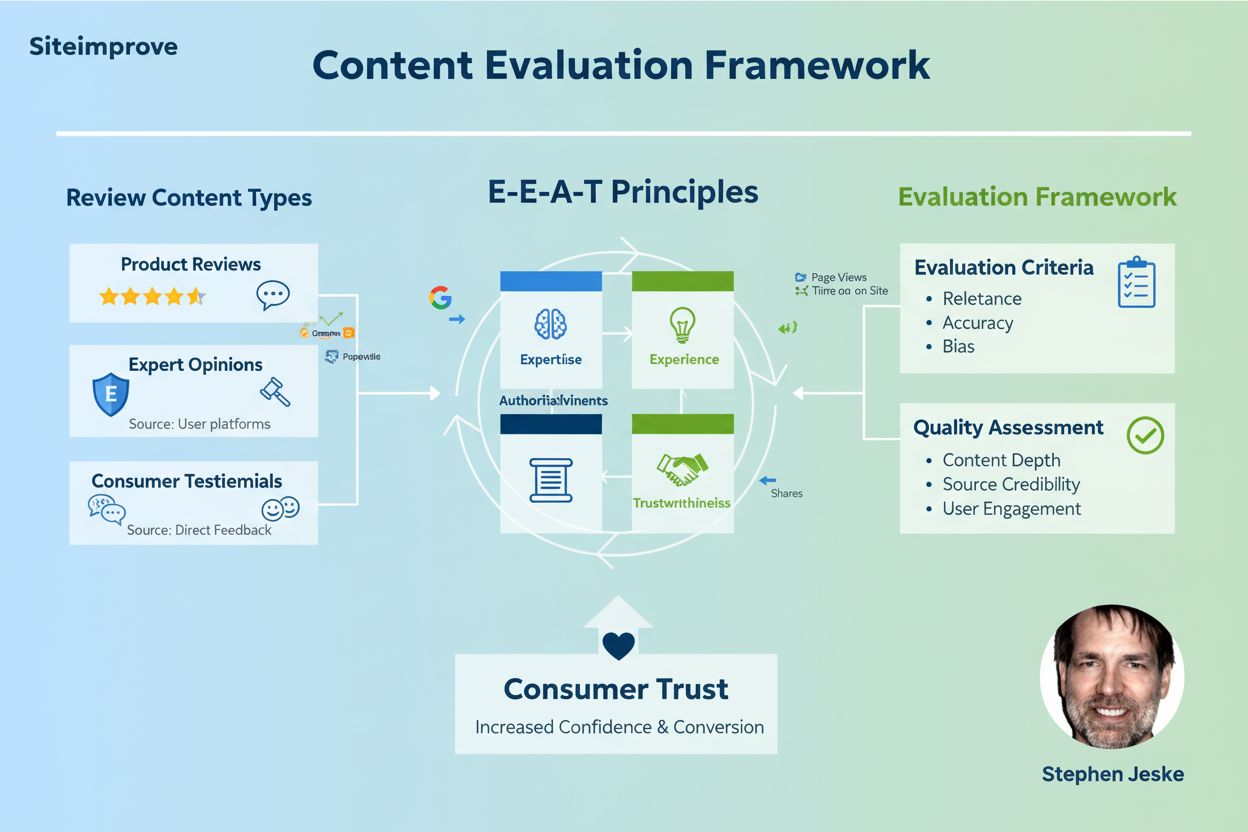
Review content is evaluative material combining expert opinions, consumer feedback, and firsthand experience. Learn how review content impacts E-E-A-T, consumer...

Learn what makes content citation-worthy for AI systems like ChatGPT, Perplexity, and Google AI Overview. Discover the key characteristics, optimization strateg...
Cookie Consent
We use cookies to enhance your browsing experience and analyze our traffic. See our privacy policy.