
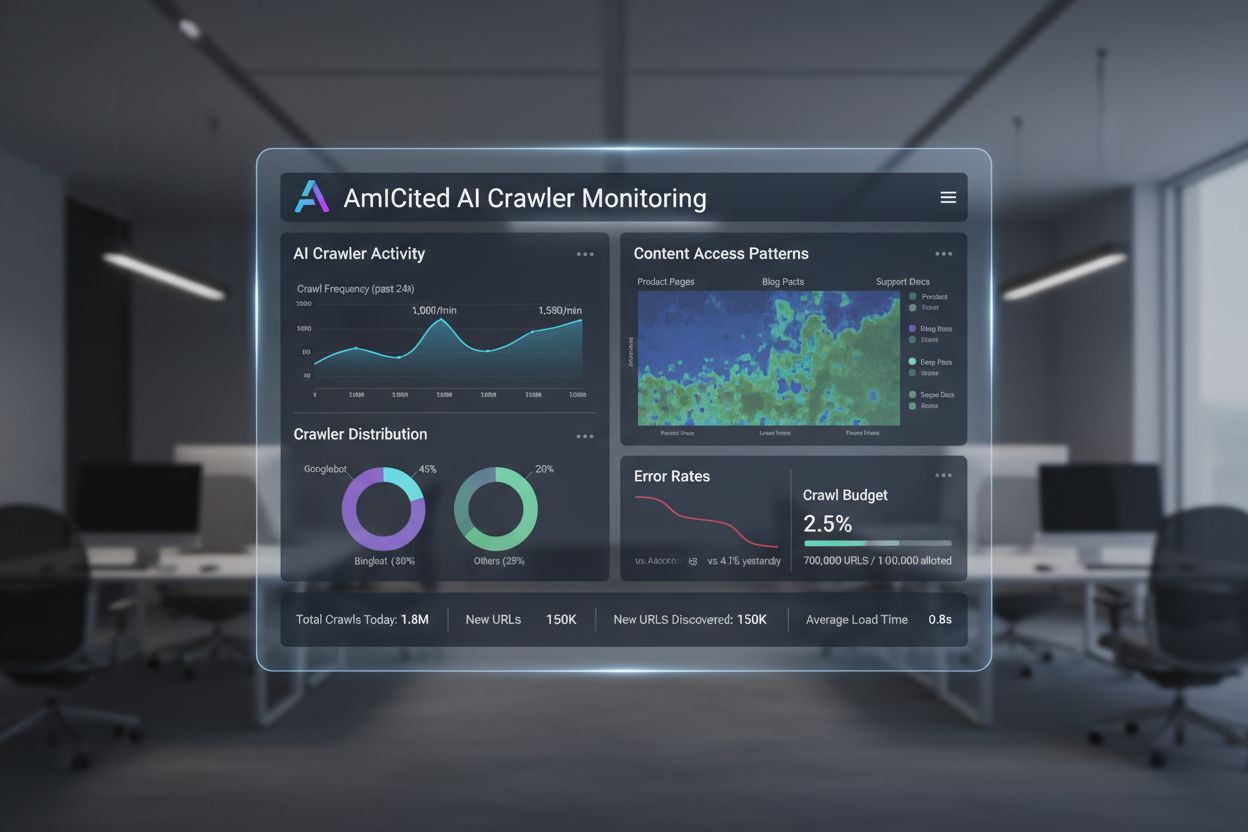
AI Crawl Analytics
Learn what AI crawl analytics is and how server log analysis tracks AI crawler behavior, content access patterns, and visibility in AI-powered search platforms ...
10 min read
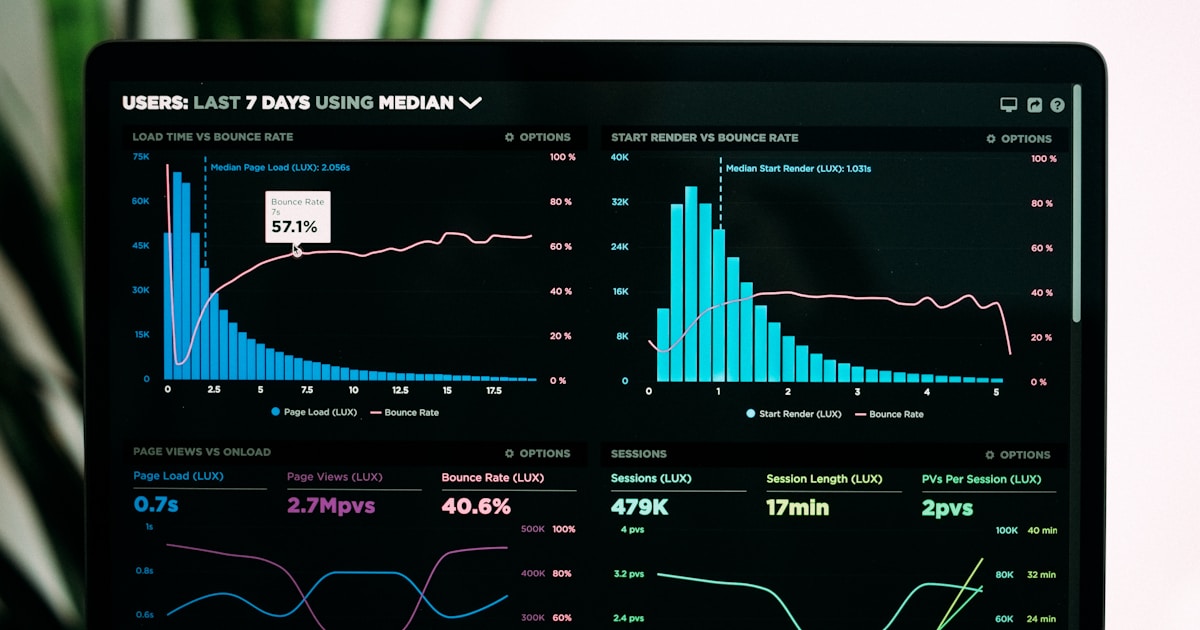
Screaming Frog is a website crawler tool designed for technical SEO audits that analyzes website structure, identifies common SEO issues, and provides detailed insights into on-page optimization opportunities. The tool mimics how search engines crawl and index websites, helping SEO professionals discover broken links, duplicate content, metadata problems, and other technical issues affecting search visibility.
Screaming Frog is a website crawler tool designed for technical SEO audits that analyzes website structure, identifies common SEO issues, and provides detailed insights into on-page optimization opportunities. The tool mimics how search engines crawl and index websites, helping SEO professionals discover broken links, duplicate content, metadata problems, and other technical issues affecting search visibility.
Screaming Frog is a specialized website crawler tool designed to conduct comprehensive technical SEO audits by analyzing website structure, identifying common SEO issues, and providing detailed insights into on-page optimization opportunities. The tool mimics how search engines like Google crawl and index websites, allowing SEO professionals to discover broken links, duplicate content, metadata problems, and other technical issues that may negatively impact search visibility. Screaming Frog operates as both a free and premium software solution, with the free version allowing users to crawl up to 500 URLs and the paid version removing crawling limitations based on available system resources. The platform has become an industry standard among SEO professionals, digital marketing agencies, and enterprise organizations seeking to maintain optimal website health and search engine performance.
Screaming Frog emerged as a critical tool in the SEO industry during the mid-2000s when technical SEO became increasingly important for search engine rankings. The tool was developed by a UK-based company and has since become one of the most widely adopted website crawlers in the SEO community. According to industry data, approximately 10% of organizations in the SEO and AI intelligence category utilize Screaming Frog as of 2025, demonstrating its significant market presence. The platform has maintained strong user satisfaction ratings, scoring 4.7 out of 5 on G2 and 4.9 out of 5 on Capterra, reflecting its reliability and effectiveness in technical SEO analysis. The tool’s longevity and consistent updates have made it a trusted resource for professionals who need to understand how search engines perceive their websites at a granular level.
Screaming Frog operates using a breadth-first crawling algorithm that systematically discovers and analyzes web pages by following hyperlinks in HTML code, similar to how Googlebot crawls the internet. The tool uses a configurable hybrid storage engine that allows users to customize virtually every aspect of the crawling process, including crawl depth, speed, user-agent configuration, and specific URL patterns to include or exclude from analysis. When a crawl is initiated, Screaming Frog systematically visits each page, extracts metadata, analyzes page structure, identifies links, and evaluates technical elements such as headers, redirects, and canonicalization tags. The tool stores this data locally on the user’s machine, enabling rapid analysis and comparison without relying on cloud infrastructure. This local processing approach provides users with complete data ownership and privacy, a significant advantage for enterprises handling sensitive website information. The crawling process can be configured to respect robots.txt files, honor crawl-delay directives, and simulate different user-agents to test how search engines and other bots interact with the website.
Screaming Frog provides an extensive array of features designed to address virtually every aspect of technical SEO analysis. The platform can identify broken links (both internal and external), detect duplicate content through exact matching and semantic analysis when integrated with LLM APIs, audit redirect chains and loops, analyze metadata including titles and descriptions, identify non-responsive pages, and assess content quality through readability metrics. The tool generates detailed reports on XML sitemap accessibility and errors, evaluates robots.txt configuration, identifies canonicalization issues, and provides insights into internal linking structure. Users can visualize site architecture through interactive diagrams, export data in multiple formats for further analysis, and compare crawl results over time to track improvements. The integration with Large Language Model APIs from providers like OpenAI and Google Gemini enables advanced capabilities such as semantic duplicate detection and AI-powered content analysis, allowing professionals to identify content issues that traditional keyword matching might miss.
| Feature | Screaming Frog | Lumar (Deepcrawl) | Sitebulb | seoClarity |
|---|---|---|---|---|
| Free Version Available | ✓ (500 URLs) | ✗ | ✗ | ✓ (Limited) |
| Annual Pricing | ~$200 USD | Custom Enterprise | ~$300-500 | $3,000+ |
| Crawl Unlimited URLs | ✓ (Paid) | ✓ | ✓ | ✓ |
| Scheduled Crawls | ✓ (Paid) | ✓ | ✓ | ✓ |
| Semantic Duplicate Detection | ✓ (with LLM API) | ✓ | ✓ | ✓ |
| Internal Link Analysis | ✓ | ✓ | ✓ | ✓ |
| Backlink Analysis | ✗ | ✗ | ✗ | ✓ |
| Keyword Research | ✗ | ✗ | ✗ | ✓ |
| Rank Tracking | ✗ | ✗ | ✗ | ✓ |
| User Interface Complexity | High | Medium | Medium | Medium |
| G2 Rating | 4.7/5 | 4.5/5 | 4.6/5 | 4.8/5 |
| Best For | Technical audits, detailed analysis | Enterprise scale | User-friendly audits | Comprehensive SEO platform |
Screaming Frog excels at identifying a comprehensive range of technical SEO problems that can negatively impact search engine visibility and user experience. The tool detects broken links that create poor user experiences and waste crawl budget, identifies duplicate page titles and meta descriptions that confuse search engines about page content, finds missing or duplicate H1 headers that violate SEO best practices, and flags thin content pages that lack sufficient information for ranking. The platform analyzes redirect chains that waste crawl budget and slow page load times, identifies non-responsive pages that fail to adapt to mobile devices, and evaluates XML sitemap accuracy and accessibility. Screaming Frog also detects canonicalization issues where multiple versions of the same content compete for rankings, identifies robots.txt problems that may inadvertently block important pages from indexing, and provides content readability metrics including Flesch reading ease scores and average words per sentence. Additionally, the tool can identify hreflang implementation errors for international SEO, detect structured data (schema markup) issues, and flag JavaScript rendering problems that may prevent search engines from fully understanding page content.
Implementing Screaming Frog into a technical SEO workflow typically begins with downloading and installing the desktop application, then configuring crawl parameters based on specific audit objectives. Users start a crawl by entering the target domain URL and selecting appropriate settings such as crawl depth, maximum URLs to crawl, and any specific URL patterns to include or exclude. Once the crawl completes, the tool presents data in a spreadsheet-like interface organized into multiple tabs covering different aspects of the audit—such as internal links, external links, redirects, metadata, and content analysis. SEO professionals then prioritize issues based on impact and effort, using Screaming Frog’s filtering and sorting capabilities to focus on the most critical problems first. The tool’s export functionality allows users to download detailed reports in CSV or Excel format for sharing with development teams, clients, or stakeholders. Many professionals use Screaming Frog as part of a larger SEO toolkit, combining its technical audit capabilities with other platforms for keyword research, rank tracking, and competitive analysis. Regular crawls—often scheduled monthly or quarterly—help track progress on technical improvements and identify new issues as websites evolve.
While Screaming Frog focuses primarily on traditional search engine optimization and technical website health, its role in the broader AI search landscape is becoming increasingly relevant. As AI-powered search engines like ChatGPT, Perplexity, Google AI Overviews, and Claude become more prominent in search behavior, maintaining strong technical SEO fundamentals remains essential for ensuring that AI systems can properly crawl, understand, and cite your website content. Screaming Frog’s ability to identify technical issues, analyze content structure, and ensure proper metadata implementation directly supports AI discoverability. When websites have clean technical foundations—proper canonicalization, clear site structure, accurate metadata, and accessible content—AI crawlers can more effectively index and understand the information, increasing the likelihood of brand mentions and citations in AI-generated responses. The tool’s content readability analysis and semantic duplicate detection (when integrated with LLM APIs) help ensure that content is structured in ways that both traditional search engines and AI systems can effectively process and reference.
Screaming Frog operates on a straightforward freemium pricing model designed to serve both individual professionals and enterprise organizations. The free version allows users to crawl and download up to 500 URLs per website, making it accessible for small business websites, initial audits, and professionals evaluating the tool before committing to a paid license. The paid license costs approximately £149.00 per year (roughly $200 USD) and removes URL crawling limitations based on available system memory and storage, enabling users to audit websites of virtually any size. The paid version also unlocks advanced features including crawl scheduling for automated recurring audits, the ability to save and re-upload crawls for offline analysis, and crawl comparison functionality to track improvements over time. Screaming Frog offers volume discounts for organizations purchasing multiple licenses, making it cost-effective for agencies managing numerous client websites. Importantly, licenses are granted per user rather than per company, meaning multiple team members can use the same license on different machines, providing significant value for collaborative teams. This pricing structure has contributed to Screaming Frog’s widespread adoption, as the low annual cost makes it accessible to freelancers, small agencies, and enterprises alike.
The future of Screaming Frog and technical SEO tools generally is evolving in response to the emergence of AI search engines and changing search behavior patterns. As organizations increasingly recognize the importance of AI search visibility alongside traditional search engine rankings, technical SEO tools like Screaming Frog will likely expand their capabilities to address AI-specific optimization needs. The integration of Large Language Model APIs already represents a significant step in this direction, enabling semantic analysis and AI-powered content evaluation. Future developments may include built-in monitoring of how AI systems crawl and cite websites, integration with AI search tracking platforms like AmICited, and enhanced capabilities for optimizing content specifically for AI comprehension and citation. The tool’s emphasis on technical fundamentals—clean site structure, proper metadata, accessible content, and clear linking patterns—will remain foundational regardless of how search technology evolves. As the SEO industry continues to mature and diversify, Screaming Frog’s role as a specialized technical audit tool positions it well for continued relevance, particularly for professionals who need deep, detailed analysis of website technical health. The platform’s commitment to regular updates and feature additions suggests that it will continue adapting to emerging SEO challenges and opportunities in the AI-driven search landscape.
Screaming Frog remains an indispensable tool for SEO professionals, agencies, and enterprises committed to maintaining strong technical SEO foundations. Its combination of affordability, detailed analysis capabilities, and user-friendly interface has made it the preferred choice for millions of professionals conducting website audits and identifying optimization opportunities. Whether you’re managing a small business website or auditing large enterprise properties, Screaming Frog provides the technical insights necessary to ensure that search engines and AI systems can effectively crawl, understand, and rank your content. The tool’s evolution to include LLM API integration demonstrates its commitment to remaining relevant in an increasingly AI-driven search landscape. By identifying and resolving technical issues through Screaming Frog audits, organizations create a solid foundation for search visibility across both traditional search engines and emerging AI search platforms, ultimately supporting broader digital marketing objectives and brand discoverability.
Screaming Frog is primarily used for conducting comprehensive technical SEO audits of websites. It crawls websites to identify common SEO issues such as broken links, duplicate content, missing metadata, redirect chains, non-responsive pages, and thin content. The tool helps SEO professionals understand how search engines view and interact with their websites, enabling them to make informed decisions about on-page optimization and site structure improvements.
Screaming Frog uses a breadth-first crawling algorithm that mimics how Googlebot discovers and indexes web pages. The tool crawls websites by following hyperlinks in HTML, analyzing page structure, metadata, and technical elements. It uses a configurable hybrid storage engine that allows users to customize crawl parameters, including crawl depth, speed, and specific URL patterns to include or exclude from analysis.
The free version of Screaming Frog allows users to crawl and download up to 500 URLs per website, making it suitable for smaller sites and initial audits. The paid version (approximately $200 USD per year) removes crawling limitations based on available memory and storage, and provides access to advanced features such as crawl scheduling, saving and re-uploading crawls, crawl comparisons, and custom crawl configurations for more detailed analysis.
Yes, Screaming Frog can identify duplicate content through multiple methods. The tool detects exact duplicates by analyzing meta tags and page content. With the integration of Large Language Model (LLM) APIs like OpenAI, Screaming Frog can also identify semantic duplicates—pages with similar meaning but different wording—providing a more comprehensive view of content duplication issues across your website.
Screaming Frog is primarily a specialized website crawler focused on technical SEO audits, while Ahrefs is a comprehensive all-in-one SEO platform. Screaming Frog excels at detailed on-page analysis, internal linking, and site structure audits, but lacks keyword research, rank tracking, and backlink analysis capabilities. Ahrefs provides broader SEO functionality but may be less detailed for technical crawl analysis. Many SEO professionals use both tools for complementary purposes.
Screaming Frog can identify numerous technical SEO issues including broken internal and external links, duplicate page titles and meta descriptions, missing or duplicate H1 headers, thin content, non-responsive pages, redirect chains and loops, XML sitemap errors, robots.txt issues, canonicalization problems, and content readability metrics. The tool also provides Flesch reading ease scores and analyzes average words per sentence to assess content quality.
While Screaming Frog's free version is limited to 500 URLs, the paid version can crawl websites of any size depending on available system memory and storage. However, for very large enterprise websites with millions of pages, users may experience performance considerations. Enterprise-scale alternatives like Lumar (formerly Deepcrawl) or seoClarity might be more optimized for massive crawls, though Screaming Frog remains popular among agencies and professionals for its detailed analysis capabilities and affordable pricing.
Start tracking how AI chatbots mention your brand across ChatGPT, Perplexity, and other platforms. Get actionable insights to improve your AI presence.
Learn what AI crawl analytics is and how server log analysis tracks AI crawler behavior, content access patterns, and visibility in AI-powered search platforms ...
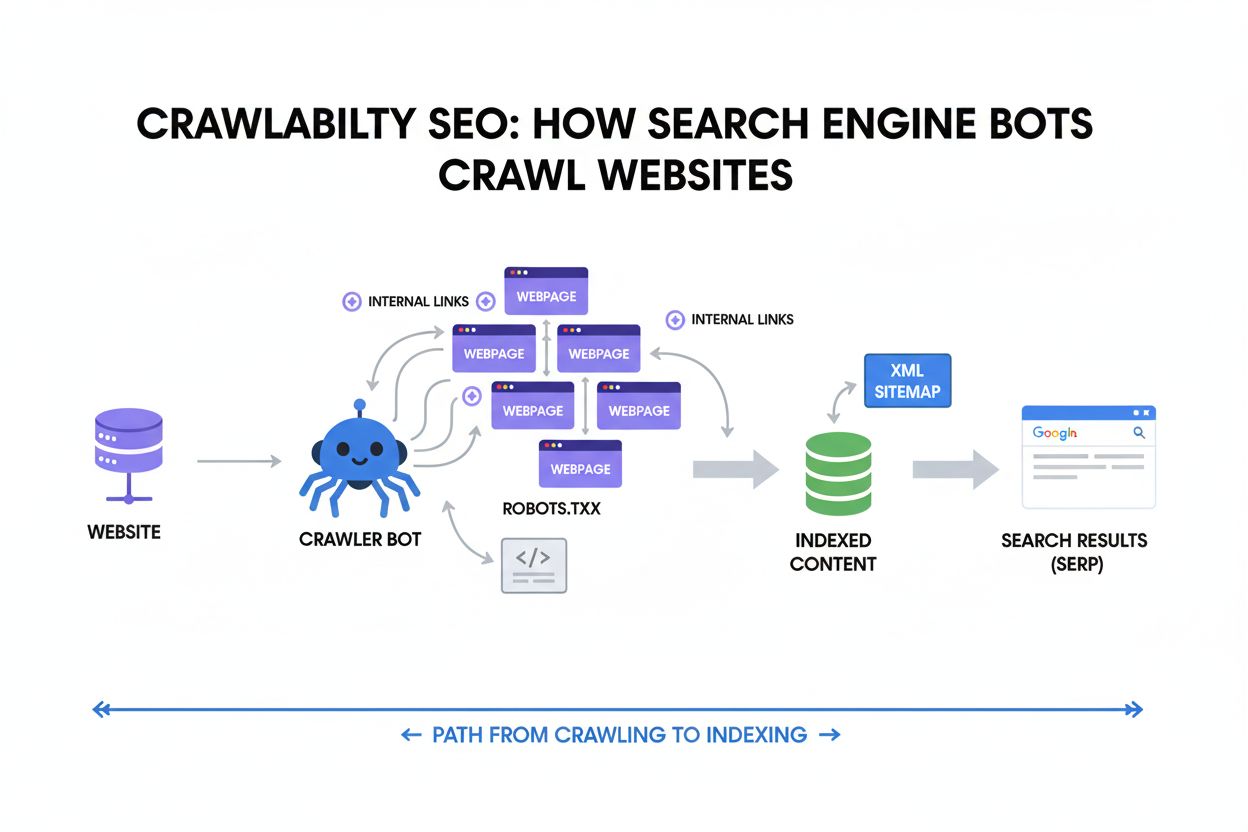
Crawlability is the ability of search engines to access and navigate website pages. Learn how crawlers work, what blocks them, and how to optimize your site for...
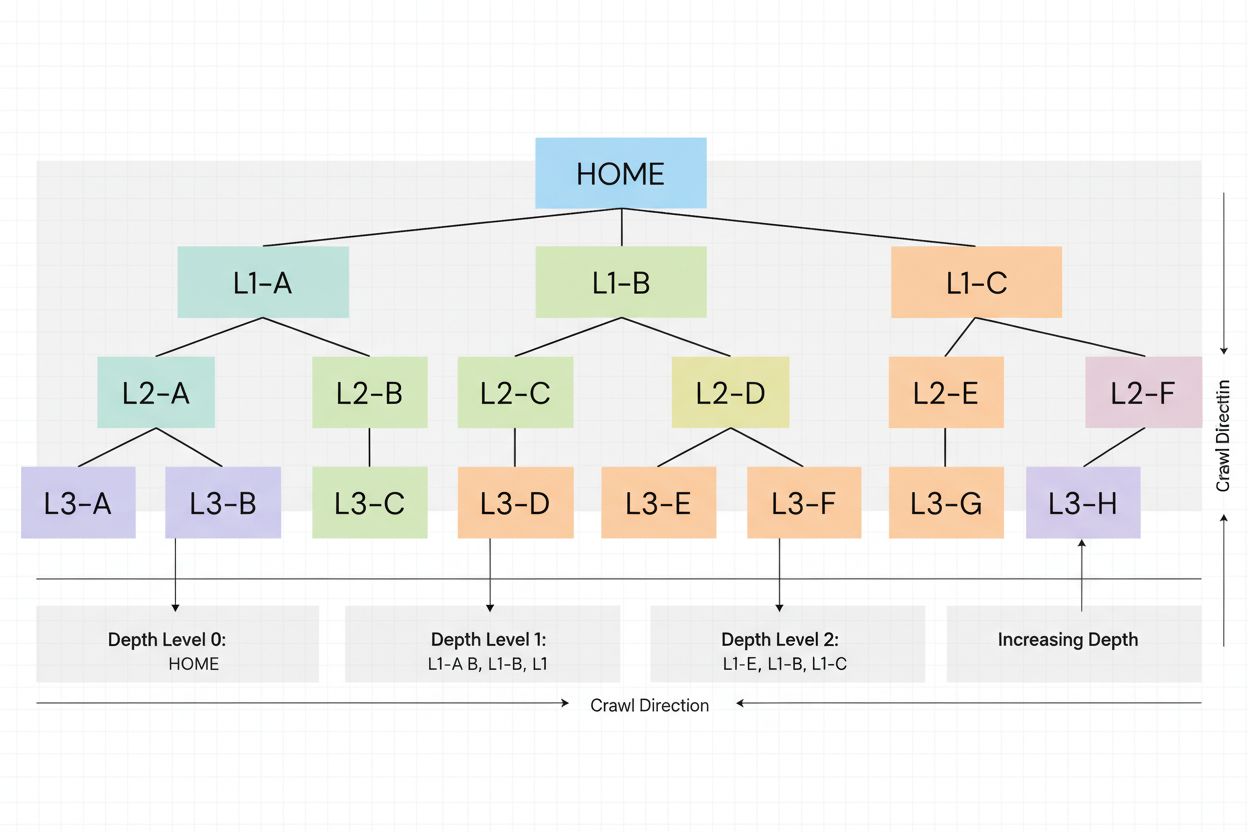
Crawl depth is how deep search engine bots navigate your site structure. Learn why it matters for SEO, how it affects indexation, and strategies to optimize cra...
Cookie Consent
We use cookies to enhance your browsing experience and analyze our traffic. See our privacy policy.