
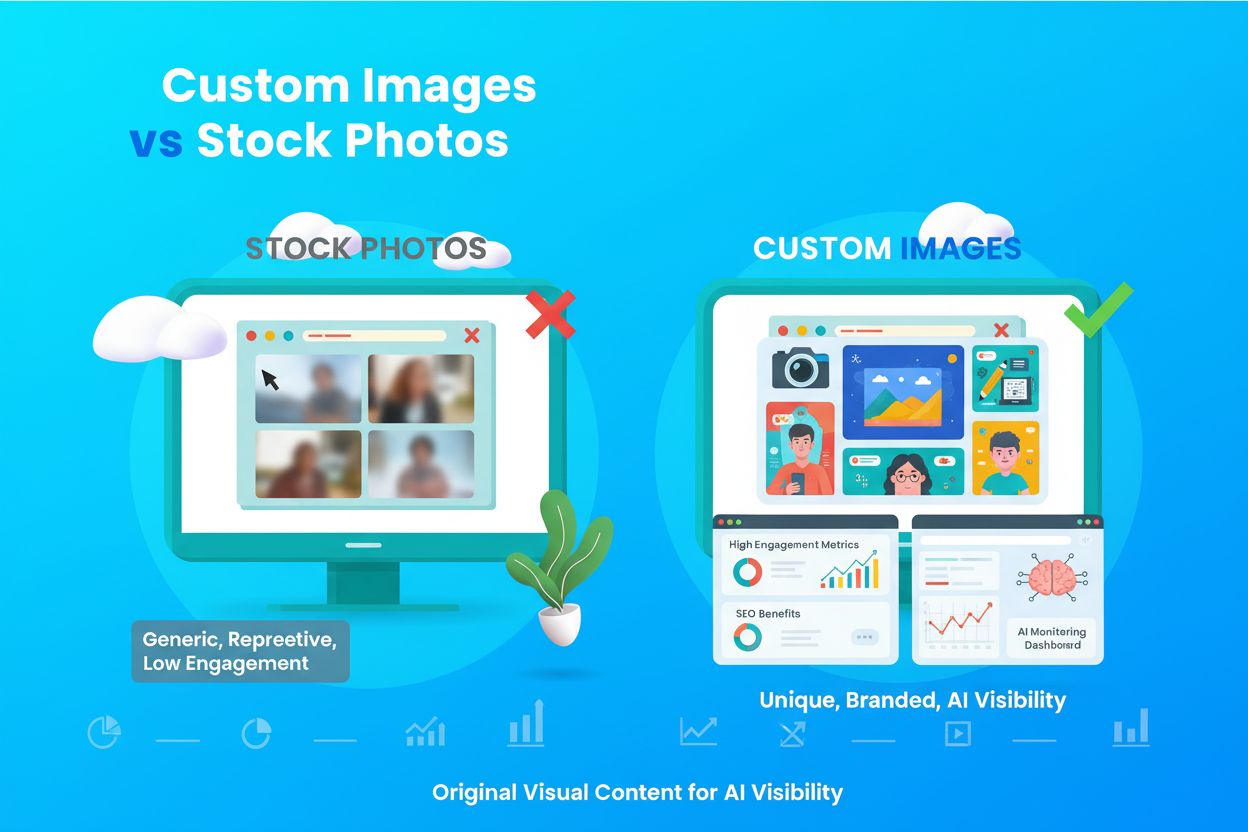
Custom Image - Original Visual Content
Learn what custom images and original visual content are, their importance for brand identity, SEO, and AI search visibility. Discover how custom visuals differ...
10 min read
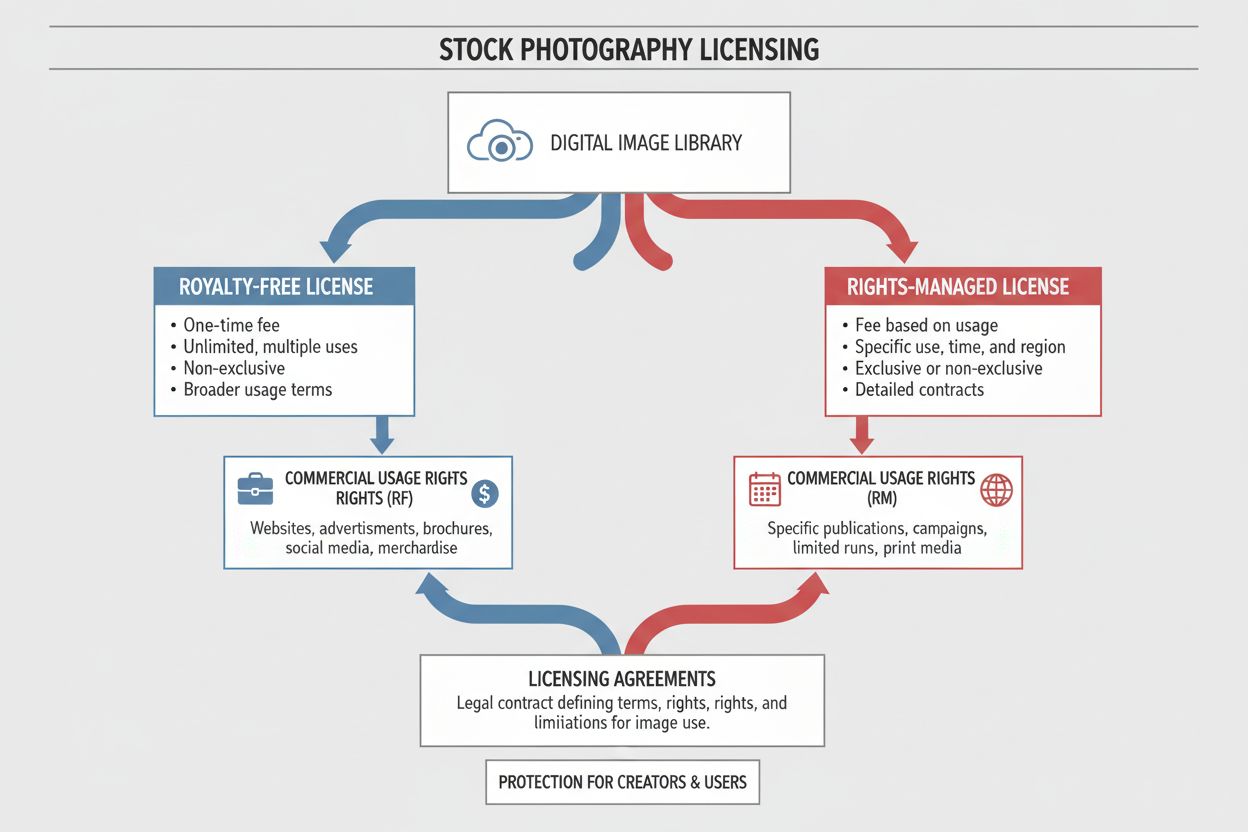
A stock image is a pre-made, professionally licensed photograph available for purchase or subscription from digital libraries, allowing individuals and businesses to use high-quality visuals for commercial, editorial, or personal projects without commissioning custom photography. Stock images are distributed under specific licensing agreements that define permitted usage rights, including royalty-free and rights-managed models.
A stock image is a pre-made, professionally licensed photograph available for purchase or subscription from digital libraries, allowing individuals and businesses to use high-quality visuals for commercial, editorial, or personal projects without commissioning custom photography. Stock images are distributed under specific licensing agreements that define permitted usage rights, including royalty-free and rights-managed models.
A stock image is a pre-made, professionally licensed photograph available for purchase or subscription from digital libraries and online marketplaces. These images are created by professional photographers and made available to the public for use in commercial, editorial, or personal projects. Rather than commissioning custom photography—which can cost thousands of dollars and require weeks of production time—individuals, businesses, designers, and content creators can access high-quality, ready-to-use visuals through stock photography platforms. The stock image licensing model defines how and where the image can be used, with specific restrictions on usage rights, duration, geographic scope, and exclusivity. Stock images represent a fundamental shift in how visual content is distributed and monetized in the digital economy, enabling democratized access to professional-quality photography while protecting photographers’ intellectual property rights.
The stock photography industry originated in the 1920s when photographers began licensing their work to publications and advertisers, but the digital revolution transformed it into a multi-billion-dollar global market. The emergence of online platforms in the late 1990s and early 2000s—particularly Shutterstock (founded 2003), Getty Images, and Adobe Stock—fundamentally changed how images are discovered, licensed, and distributed. According to market research, the global stock photography market was valued at approximately USD 3.46 billion in 2024 and is projected to reach USD 7.27 billion by 2030, representing a compound annual growth rate (CAGR) of 7.39%. This explosive growth reflects the increasing demand for visual content across digital marketing, e-commerce, social media, and content creation industries. The rise of subscription-based models has made stock photography more accessible to small businesses and independent creators, democratizing access to professional imagery that was previously available only to large corporations and agencies.
Stock image licensing operates primarily through two distinct models: royalty-free (RF) and rights-managed (RM) licensing. Under a royalty-free license, a buyer pays a one-time fee—either through a subscription or per-image purchase—and gains the right to use the image multiple times across different projects without paying additional fees. This model offers affordability and flexibility, making it ideal for businesses with ongoing visual content needs. However, royalty-free images are non-exclusive, meaning competitors and other users can purchase and use the identical image. In contrast, rights-managed licensing requires separate licensing fees for each specific use case, with terms tailored to the intended application. A rights-managed license might specify usage for a single magazine cover, a regional advertising campaign, or a limited-time website banner. This model provides greater control and potential exclusivity but at significantly higher costs. According to industry data, royalty-free images account for the majority of stock photography transactions due to their cost-effectiveness and ease of use, though rights-managed images command premium prices for high-value commercial applications.
| Aspect | Royalty-Free (RF) | Rights-Managed (RM) | AI-Generated Stock Images |
|---|---|---|---|
| Pricing Model | One-time fee or subscription | Per-use licensing fee | Subscription or per-generation fee |
| Usage Rights | Unlimited uses after purchase | Single use or limited scope | Varies by platform and license |
| Exclusivity | Non-exclusive (shared with others) | Can be exclusive (negotiable) | Typically non-exclusive |
| Cost | $10–$500+ per image | $100–$5,000+ per use | $5–$100+ per image |
| Flexibility | High (multiple projects) | Low (specific use only) | Medium (depends on license) |
| Quality | Professional to premium | Premium to ultra-premium | Improving but variable |
| Copyright Ownership | Photographer retains copyright | Photographer retains copyright | Platform or creator retains copyright |
| Modification Rights | Often allowed with restrictions | Restricted or negotiable | Varies by platform |
| Best For | Marketing, web design, social media | Advertising campaigns, book covers, exclusive branding | Cost-sensitive projects, rapid content creation |
Stock image licensing agreements are legally binding contracts that specify exactly how an image can be used. These agreements typically include provisions regarding permitted uses (commercial, editorial, personal), geographic scope (worldwide, regional, or country-specific), duration (perpetual or time-limited), modification rights (whether the image can be edited or altered), and attribution requirements (whether the photographer must be credited). Most licensing agreements explicitly prohibit certain uses, such as reselling the image as a standalone product, using it in misleading or defamatory contexts, or applying it to sensitive topics like political campaigns or adult content. The license agreement also defines whether the image can be used in merchandise, packaging, or as part of a derivative work. Violations of these terms can result in significant legal consequences, including cease-and-desist orders, removal of content, and financial penalties ranging from thousands to hundreds of thousands of dollars. Professional photographers and licensing agencies actively monitor unauthorized usage through reverse image search technology and automated compliance tools, making it increasingly difficult to use images outside their licensed scope without detection.
The stock photography market is dominated by several major platforms, each with distinct characteristics and business models. Shutterstock, founded in 2003, operates a subscription-based model offering unlimited downloads of royalty-free images, with over 400 million images in its library. Getty Images, established in 1995, specializes in premium rights-managed licensing and editorial content, serving major corporations, media outlets, and advertising agencies. Adobe Stock, integrated into Adobe’s Creative Cloud suite, provides seamless access to millions of royalty-free images directly within design software. iStock (owned by Getty Images) offers affordable royalty-free images for small businesses and independent creators. Depositphotos, Alamy, and Stocksy represent alternative platforms with varying specializations—Stocksy, for example, focuses on ethically sourced, high-quality imagery with fair compensation for photographers. The competitive landscape has intensified with the emergence of AI-generated stock images, with platforms like Midjourney, DALL-E, and Stable Diffusion offering algorithmically generated visuals at lower costs. This diversification has created a tiered market where buyers can choose based on budget, quality requirements, and licensing flexibility.
Stock images serve distinct purposes in commercial and editorial contexts, each with different licensing requirements and usage restrictions. Commercial stock images are cleared for use in advertising, marketing materials, product packaging, website design, social media campaigns, and business presentations. These images typically feature generic subjects, avoiding recognizable faces, trademarked logos, or copyrighted elements that could create legal complications. Editorial stock images, by contrast, are intended for use in news articles, blog posts, educational materials, and journalistic contexts. Editorial images may contain recognizable people, locations, or brands but cannot be used for promotional or advertising purposes without additional licensing. The distinction is critical: using an editorial image for commercial purposes violates the license agreement and can result in legal action. Many stock photography platforms clearly label images as “editorial use only” or “commercial use,” helping buyers make informed decisions. The global shift toward content marketing and digital publishing has driven demand for both categories, with commercial images experiencing particularly strong growth due to the expansion of e-commerce and digital advertising.
When selecting and using stock images, several critical factors must be considered to ensure legal compliance and effective visual communication. First, verify the license type before purchasing or downloading—confirm whether the image is royalty-free or rights-managed and whether it permits your intended use. Second, read the license agreement thoroughly, paying special attention to restrictions on modification, resale, attribution requirements, and prohibited uses. Third, check for model releases and property rights, particularly if the image contains recognizable people or private property, as using such images without proper releases can expose you to liability. Fourth, maintain documentation of all licenses and purchases, keeping records of download dates, license terms, and usage contexts for audit and compliance purposes. Fifth, avoid overused images that may make your content appear generic or unprofessional—many designers and marketers now supplement stock images with custom photography or AI-generated visuals to create unique visual identities. Finally, monitor licensing changes, as some platforms may update terms or restrict certain images over time, potentially affecting your ability to continue using previously licensed content.
In the context of AI-driven content systems like ChatGPT, Perplexity, Google AI Overviews, and Claude, stock images play an increasingly important role in how visual content is sourced, attributed, and distributed. As AI systems generate responses that may include or reference images, understanding stock image licensing becomes critical for brand protection and compliance monitoring. Companies must track whether their branded images, product photography, or licensed visuals appear in AI-generated content and whether proper attribution is provided. AmICited’s monitoring platform helps organizations track brand mentions and visual asset appearances across AI systems, ensuring that licensed stock images are properly credited and used within their licensing terms. The intersection of stock photography and AI raises new questions about copyright, attribution, and fair use—particularly as AI systems train on vast datasets that may include stock images. Organizations using stock images in their marketing materials need visibility into how those images are referenced or reproduced in AI responses, making comprehensive monitoring essential for protecting intellectual property and maintaining brand integrity in the AI era.
The stock photography industry is undergoing significant transformation driven by technological advancement, changing consumer preferences, and the emergence of AI-generated imagery. AI-generated stock images are rapidly gaining market share, offering cost advantages and customization capabilities that traditional photography cannot match. However, traditional stock photography maintains advantages in authenticity, emotional resonance, and legal clarity—photographers retain clear copyright, and licensing terms are well-established. The market is likely to develop into a hybrid ecosystem where traditional stock images, AI-generated visuals, and user-generated content coexist, each serving different use cases and price points. Blockchain-based licensing and NFT integration are emerging as potential solutions for transparent attribution and rights management, though adoption remains limited. The growing emphasis on ethical sourcing and fair photographer compensation is driving platforms like Stocksy to gain market share by offering higher payouts and more equitable business models. Additionally, the rise of video content and dynamic imagery is expanding the definition of stock assets beyond static photographs to include short-form video, animated GIFs, and interactive media. As AI systems become more sophisticated in generating and curating visual content, the importance of clear licensing frameworks and automated compliance monitoring will only increase, making understanding stock image licensing essential for all digital content creators and brand managers.
Royalty-free stock images allow buyers to pay a one-time fee for unlimited usage across multiple projects without additional licensing costs, though the same image may be used by competitors. Rights-managed images require separate licensing fees for each specific use case, offering greater exclusivity and control but at higher costs. Royalty-free licenses provide flexibility and affordability, while rights-managed licenses offer premium quality and exclusivity for high-value campaigns.
Yes, most stock images are licensed specifically for commercial use, including advertising, marketing, and business applications. However, you must verify the license agreement before use, as some images may have restrictions on commercial applications or require attribution. Always read the licensing terms to ensure compliance with the specific commercial use you intend.
Major stock photography platforms include Shutterstock, Getty Images, Adobe Stock, iStock, Depositphotos, and Alamy. Each platform offers different pricing models, image quality, and licensing options. Shutterstock and Adobe Stock focus on subscription-based royalty-free models, while Getty Images specializes in rights-managed licensing for premium editorial and commercial use.
Using a stock image beyond the scope of your license agreement constitutes a breach of license and can result in legal action, additional licensing fees, or cease-and-desist orders. Photographers and licensing agencies actively monitor unauthorized usage and may pursue damages. It is essential to understand and adhere strictly to the terms outlined in your license agreement.
Yes, stock images remain copyright-protected by the photographer or copyright holder even after licensing. When you purchase a license, you are buying the right to use the image under specific conditions, not ownership of the image itself. The photographer retains all copyright and can pursue legal action against unauthorized use.
Modification rights depend on the specific license agreement. Some licenses allow unlimited editing and alterations, while others restrict significant modifications or derivative works. Always check the license terms before editing, as some agreements prohibit changes that distort the original intent or context of the image.
Editorial stock images are intended for non-commercial use in news articles, blogs, and educational materials and may contain recognizable people or brands. Commercial stock images are cleared for promotional and advertising purposes and typically feature generic subjects to avoid trademark or personality rights issues. Using editorial images for commercial purposes violates licensing terms.
The stock photography market is experiencing significant growth, projected to reach USD 7.27 billion by 2030 with a CAGR of 7.39%. AI-generated images are emerging as a complementary segment, offering cost-effective alternatives for certain use cases. Traditional stock photography remains dominant, with over 68% of the market revenue coming from licensed pre-made photographs in 2024.
Start tracking how AI chatbots mention your brand across ChatGPT, Perplexity, and other platforms. Get actionable insights to improve your AI presence.
Learn what custom images and original visual content are, their importance for brand identity, SEO, and AI search visibility. Discover how custom visuals differ...
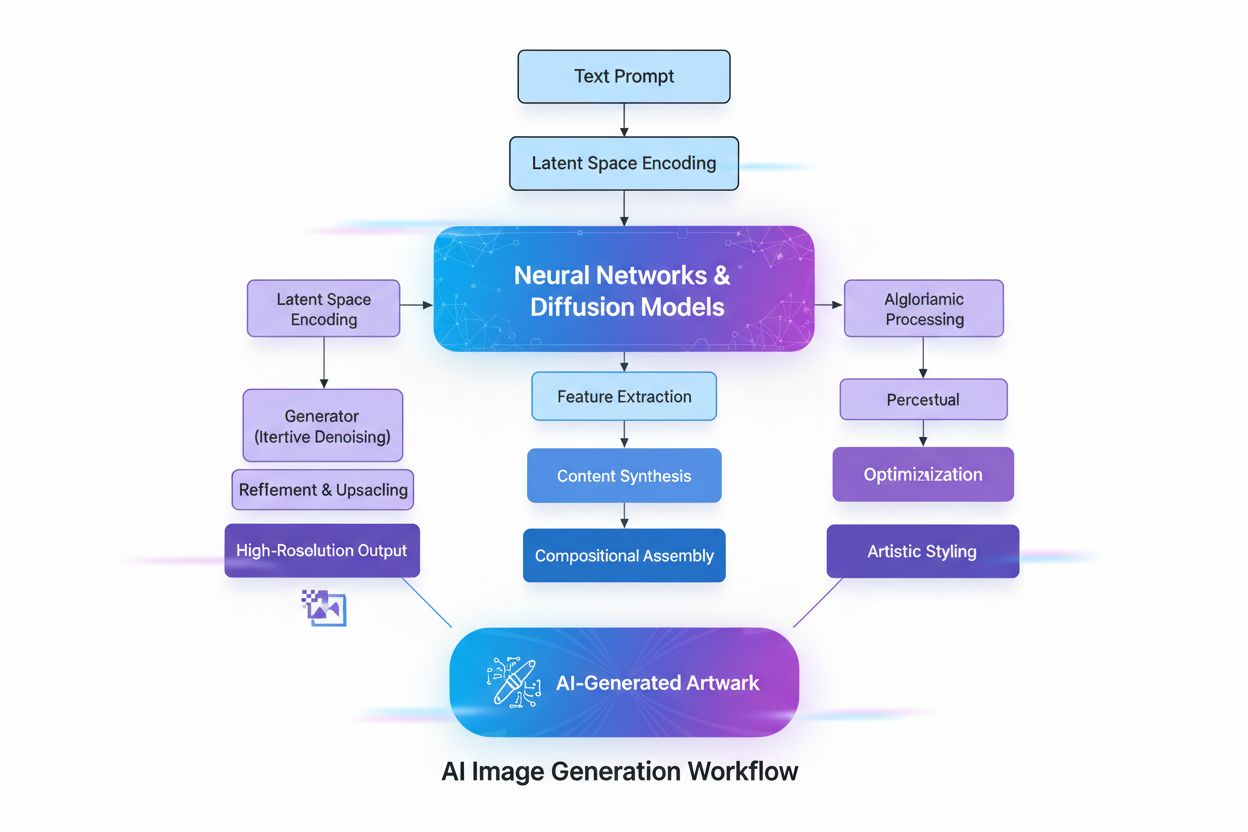
Learn what AI-generated images are, how they're created using diffusion models and neural networks, their applications in marketing and design, and the ethical ...

Learn what a featured image is, why it matters for SEO and social media, and how to optimize featured images for maximum engagement and visibility across platfo...
Cookie Consent
We use cookies to enhance your browsing experience and analyze our traffic. See our privacy policy.