
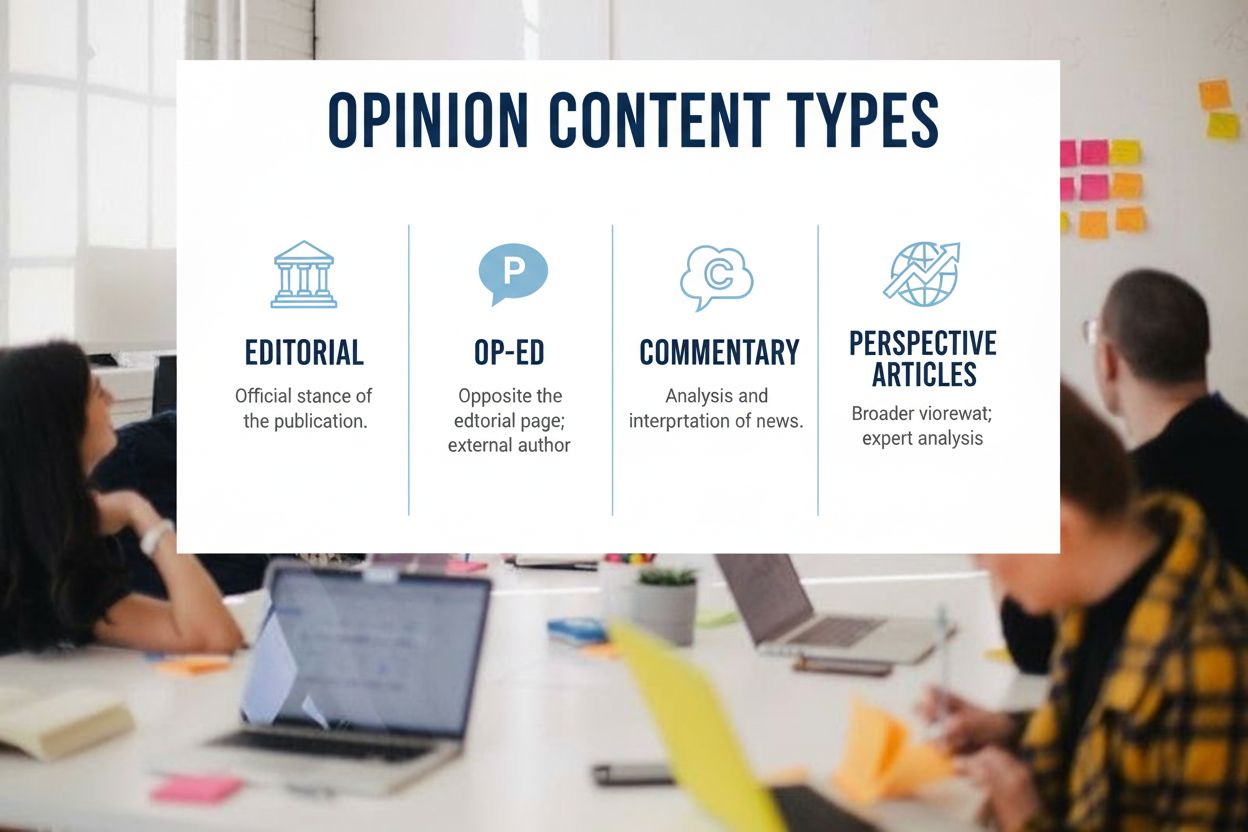
Opinion Content
Learn what opinion content is, explore different types including editorials, op-eds, and commentary pieces, and understand how perspective-driven content impact...
17 min read

Thought leadership is the process of establishing yourself as a trusted authority and influencer within your industry by sharing original ideas, unique perspectives, and forward-thinking insights that educate, inspire, and shape industry conversations. It goes beyond subject-matter expertise by actively challenging the status quo and driving meaningful change through influential content and strategic visibility.
Thought leadership is the process of establishing yourself as a trusted authority and influencer within your industry by sharing original ideas, unique perspectives, and forward-thinking insights that educate, inspire, and shape industry conversations. It goes beyond subject-matter expertise by actively challenging the status quo and driving meaningful change through influential content and strategic visibility.
Thought leadership is the strategic process of establishing yourself, your team, or your organization as a trusted authority and influential voice within a specific industry or niche by consistently sharing original ideas, unique perspectives, and forward-thinking insights that educate, inspire, and shape broader industry conversations. Unlike subject-matter expertise, which focuses on deep knowledge and synthesis of existing information, thought leadership actively challenges conventional wisdom, drives meaningful change, and influences how others think about critical issues in your field. The term was coined in 1994 by Joel Kurtzman, editor-in-chief of Strategy+Business magazine, to describe individuals and organizations recognized by peers, customers, and industry experts for their ability to move and inspire people with innovative ideas. True thought leadership requires not just knowledge, but a willingness to take risks, articulate original viewpoints, and build a dedicated following of supporters who amplify your ideas and help scale your influence across an entire industry or ecosystem.
The concept of thought leadership has evolved significantly since its inception, particularly in response to digital transformation and the rise of artificial intelligence. In the early 2000s, thought leadership was primarily associated with executive visibility, speaking engagements, and published articles in prestigious business journals. However, the democratization of publishing through blogs, social media, and digital platforms fundamentally changed how thought leadership is built and distributed. Today, thought leadership is no longer confined to C-suite executives or established industry veterans—emerging professionals, mid-level managers, and even individual contributors can establish themselves as thought leaders by consistently sharing valuable insights and engaging authentically with their communities. According to the 2024 Edelman-LinkedIn B2B Thought Leadership Impact Report, 90% of B2B buyers experienced longer purchase cycles in 2024, creating increased demand for insightful content that supports complex decision-making. This shift has made thought leadership not just a nice-to-have for brand building, but a critical business imperative. Furthermore, B2B marketers increased their thought leadership budgets by 53% in 2024, reflecting the growing recognition that thought leadership drives measurable business outcomes including lead generation, premium pricing, and competitive differentiation.
One of the most important clarifications in understanding thought leadership is recognizing how it differs from subject-matter expertise (SME). While these terms are often used interchangeably, they represent distinct professional positions with different implications for influence and impact. A subject-matter expert is someone who has deep, specialized knowledge in a particular domain and is recognized as a go-to resource for information, best practices, and technical guidance. SMEs excel at synthesizing existing knowledge, staying current with industry developments, and providing authoritative answers to specific questions. However, subject-matter expertise alone does not constitute thought leadership. According to research from LinkedIn and industry experts, thought leaders are informed opinion leaders who move and inspire people with innovative ideas, while SMEs primarily curate and communicate existing knowledge. The critical distinction lies in originality and influence: thought leaders create new frameworks, challenge industry assumptions, and actively shape how conversations evolve within their field. As noted by Alana Fisher-Chejoski in her analysis of this distinction, thought leadership requires “a certain level of commitment and a willingness to buck the status quo or the way things have always been done.” This means that while all thought leaders must first develop subject-matter expertise, not all SMEs become thought leaders—the transition requires courage, visibility, and a commitment to driving change rather than simply maintaining expertise.
| Aspect | Thought Leadership | Subject-Matter Expertise | Content Marketing | Personal Branding |
|---|---|---|---|---|
| Primary Focus | Shaping industry conversations and driving change | Deep knowledge and technical mastery | Attracting and engaging target audiences | Building individual reputation and visibility |
| Content Type | Original ideas, perspectives, research, provocative viewpoints | Synthesis of best practices, technical guidance, answers | Educational, promotional, SEO-optimized content | Curated personal achievements and insights |
| Audience Relationship | Inspires followers to adopt new thinking and take action | Trusts expert for accurate information and solutions | Engages with brand through valuable content | Connects with professional network and community |
| Risk Tolerance | High—willing to challenge status quo and take positions | Low to moderate—focuses on established knowledge | Moderate—balances brand safety with engagement | Moderate—maintains professional reputation |
| Measurement | Industry influence, citations, speaking invitations, policy impact | Credentials, certifications, technical problem-solving | Traffic, leads, conversions, engagement metrics | Follower growth, media mentions, opportunities |
| Timeline to Impact | Long-term (12-24+ months to establish authority) | Medium-term (6-12 months to build recognition) | Short to medium-term (3-6 months for results) | Medium-term (6-12 months for visibility) |
| AI Search Visibility | High—AI prioritizes original, authoritative perspectives | Medium—AI values expertise but may not cite as primary source | Medium to high—depends on content quality and authority | Low to medium—personal brands less likely to be cited |
The financial and strategic impact of thought leadership on business performance is substantial and well-documented. Research from the 2024 Edelman-LinkedIn B2B Thought Leadership Impact Report reveals compelling statistics: 60% of decision-makers are willing to pay a premium to work with companies that demonstrate strong thought leadership, and 75% of executives have explored products or services they weren’t considering after engaging with compelling thought leadership content. Additionally, 53% of buyers say thought leadership has directly influenced a purchasing decision, demonstrating that thought leadership is not merely a brand-building exercise but a direct driver of revenue. The aggregate impact is staggering—thought leadership drives $100 billion in annual corporate spending according to The MX Group. Beyond immediate sales impact, thought leadership influences hiring and talent acquisition: 82% of recruiters say a candidate’s thought leadership presence is more important now than it was before the pandemic, and 3 in 4 job candidates prefer companies with visible leadership teams that regularly share expertise and demonstrate innovation. Furthermore, 71% of marketers cited increased website traffic as the top benefit of thought leadership, indicating that thought leadership serves as a powerful SEO and content marketing multiplier. These statistics underscore why organizations across industries are investing heavily in thought leadership strategies—the return on investment extends across customer acquisition, employee retention, brand reputation, and market positioning.
Establishing yourself as a thought leader requires a systematic, multi-faceted approach that integrates content creation, visibility, engagement, and authentic expertise. The foundational pillars of thought leadership development include: (1) Deep Expertise and Continuous Learning—you must first develop genuine mastery in your domain through years of experience, ongoing education, and active engagement with industry trends. (2) Original Thinking and Unique Perspective—thought leadership requires the courage to develop and articulate viewpoints that differ from conventional wisdom, supported by research, data, and reasoned analysis. (3) Consistent Content Creation—publishing high-quality, well-researched content across multiple formats (articles, whitepapers, research reports, videos, podcasts) establishes your voice and demonstrates your expertise. (4) Strategic Visibility—actively participating in industry conversations through speaking engagements, media appearances, social media engagement, and guest contributions amplifies your reach and influence. (5) Authentic Engagement—building genuine relationships with your audience, responding to comments, participating in discussions, and showing generosity with your knowledge creates a loyal community of supporters. (6) Consistent Messaging—weaving your core brand message and perspective throughout all your content creates mental associations between your name and your area of expertise. (7) Measurement and Iteration—tracking your authority growth, monitoring citations and mentions, and continuously refining your strategy based on data ensures sustained impact. According to research from Conductor, successful thought leaders follow a disciplined approach: they align their organization on specific topics they want to own, build a content moat around those topics, target adjacent topics strategically to expand their reach, and relentlessly measure and repeat their core message until it becomes impossible to ignore.
The emergence of artificial intelligence search engines like ChatGPT, Perplexity, Google AI Overviews, and Claude has fundamentally transformed the importance and mechanics of thought leadership. Unlike traditional search engines that return links to websites, AI search engines generate synthesized answers by drawing from multiple authoritative sources, meaning your brand can be cited and recommended without users ever visiting your website. This shift has elevated thought leadership from a brand-building tactic to a critical visibility strategy. According to Brick Marketing research, AI search shifts SEO to intent and authority; thought leadership and strong branding signal expertise and boost visibility in AI-generated responses. Research from Conductor reveals that 50% of B2B buyers now use generative AI as their primary source for research, up from 25% just a year prior, indicating a dramatic acceleration in AI adoption for business decision-making. This creates both an opportunity and a risk: brands with strong thought leadership are more likely to be cited in AI responses, while brands without authoritative content risk becoming invisible in these zero-click search results. The implications are profound—as Jon Ewing, Head of Marketing at Dun & Bradstreet, notes, “the best place to hide a body is on a website that isn’t indexed or isn’t summarized by LLMs. You’re just going to vanish. You’re going to disappear.” To succeed in AI search, brands must ensure their thought leadership content is discoverable, authoritative, and frequently cited by AI systems. This requires not just creating good content, but strategically building authority on specific topics, creating content on adjacent topics to expand reach, and ensuring consistent messaging that AI systems recognize as authoritative.
Creating thought leadership content that resonates with audiences and ranks well in AI search requires understanding what makes content authoritative and influential. Original Research and Data form the foundation of credible thought leadership—conducting proprietary research, surveys, or analyses provides novel insights that differentiate your work and give audiences reasons to cite your content. Unique Perspectives and Frameworks that challenge conventional thinking or offer new ways of understanding industry challenges establish you as an innovative thinker. Depth and Nuance in your analysis—avoiding oversimplification and acknowledging complexity—demonstrates genuine expertise and builds trust with sophisticated audiences. Actionable Insights that audiences can apply to their own situations increase the practical value of your thought leadership. Consistent Voice and Messaging across all content creates brand recognition and reinforces your positioning as an authority. Multi-Format Distribution—sharing your ideas through articles, videos, podcasts, infographics, and social media—reaches audiences with different consumption preferences and amplifies your reach. Strategic Timing and Relevance—publishing thought leadership that addresses current industry challenges, emerging trends, or timely debates increases engagement and shareability. Research shows that Q&A content, FAQ pages, and comparison content perform particularly well in AI search, suggesting that thought leadership should be structured to directly address audience questions and provide clear, comparative analysis. Additionally, 78% of audiences agree that intelligent thought leadership increases trust and makes them more likely to engage with a company in future, while 73% warn that poor-quality thought leadership can harm a company’s reputation, emphasizing the importance of maintaining high standards in your thought leadership output.
The landscape of thought leadership is evolving rapidly, shaped by technological advancement, changing audience expectations, and the integration of artificial intelligence into business processes. Human-AI Integration is emerging as a critical trend—the future of thought leadership lies not in choosing between human expertise or AI, but in finding the optimal integration of both. Thought leaders who leverage AI tools to enhance their research, content creation, and distribution while maintaining authentic human insight and perspective will have a competitive advantage. Topic Authority and Specificity are becoming increasingly important; rather than attempting to be a generalist thought leader, successful practitioners are narrowing their focus to specific topics and building deep authority in those areas, which AI systems recognize and reward. Authenticity and Transparency are gaining importance as audiences become more skeptical of polished corporate messaging; thought leaders who share genuine insights, acknowledge limitations, and engage transparently with their communities build stronger trust and influence. Measurement and Attribution are becoming more sophisticated; tools like AmICited enable brands to track exactly how often they appear in AI-generated responses, providing data-driven insights into thought leadership effectiveness. Earned Authority Loops represent a new strategic framework where thought leadership content generates citations and mentions, which in turn increase authority signals, which leads to more citations—creating a virtuous cycle of growing influence. Diversity of Thought Leadership is expanding beyond traditional executive voices; organizations are recognizing that thought leadership can come from individual contributors, emerging professionals, and diverse perspectives, democratizing influence and broadening the range of voices shaping industry conversations. As the competitive landscape intensifies and AI becomes more central to how information is discovered and consumed, thought leadership will continue to be a critical differentiator for brands seeking to establish authority, influence industry conversations, and drive business growth in an increasingly complex and AI-mediated world.
While subject-matter experts (SMEs) are recognized authorities who synthesize and curate existing knowledge in their field, thought leaders go further by creating original ideas, challenging industry norms, and actively shaping conversations. A thought leader must first be an SME, but not all SMEs are thought leaders. The key distinction is that thought leaders influence and inspire change, whereas SMEs primarily demonstrate deep knowledge. According to research, thought leaders are willing to take risks and buck the status quo, whereas SMEs focus on staying current with developments in their specialty.
In the era of AI search engines like ChatGPT, Perplexity, and Google AI Overviews, thought leadership has become critical for brand visibility. AI systems prioritize authoritative, well-researched content when generating responses, meaning brands with strong thought leadership are more likely to be cited and mentioned in AI-generated answers. According to Conductor research, 50% of B2B buyers now use generative AI as their primary research source, making thought leadership essential for appearing in these zero-click search results. Brands that establish authority through original insights are more likely to be included in AI summaries and recommendations.
An effective thought leadership strategy includes: (1) defining your core topics and areas of expertise, (2) creating original, well-researched content that provides unique perspectives, (3) building a consistent publishing cadence across multiple channels, (4) engaging authentically with your audience and industry peers, (5) speaking at industry events and conferences, (6) establishing a strong personal brand aligned with your organization, and (7) measuring your authority growth over time. Research shows that 60% of decision-makers are willing to pay a premium for companies demonstrating strong thought leadership, making strategic investment in these components essential for business growth.
Organizations can measure thought leadership impact through multiple metrics: brand mentions and citations in industry publications and AI search results, website traffic from thought leadership content, engagement rates on social media and published articles, speaking invitations and media appearances, lead generation and sales influenced by thought leadership content, and audience growth across platforms. Advanced tools like AmICited can track how often your brand appears in AI-generated responses across platforms like ChatGPT, Perplexity, and Google AI Overviews. Additionally, tracking topic authority growth and monitoring how your brand ranks for core industry keywords provides insight into your thought leadership effectiveness.
Original research is a cornerstone of authentic thought leadership because it provides novel insights not found elsewhere, differentiating your work from competitors and demonstrating genuine expertise. According to industry research, original research sets thought leadership apart by offering data-driven perspectives that appeal to target audiences and build credibility. When you conduct and publish original research, you create authoritative content that other industry voices cite, amplifying your influence and establishing you as a primary source of knowledge. This is particularly important for AI visibility, as AI systems prioritize original, well-sourced content when generating responses.
AI has fundamentally elevated the importance of thought leadership for brand visibility and authority. With AI search engines now providing direct answers without requiring users to visit websites, brands must ensure their authoritative content is cited in AI-generated responses. Research shows that 73% of audiences warn that poor-quality thought leadership can harm a company's reputation, while 78% agree that intelligent thought leadership increases trust. Additionally, 90% of B2B buyers experienced longer purchase cycles in 2024, increasing demand for insightful thought leadership content. Brands that don't establish thought leadership risk becoming invisible in AI search results, as these systems prioritize authoritative, well-researched sources.
The most effective channels for thought leadership include LinkedIn (particularly for B2B audiences), industry publications and guest articles, personal blogs and company websites, podcasts and webinars, speaking engagements at conferences, and social media platforms. Research indicates that 24% of senior leaders consume thought leadership content daily, while 31% engage weekly, with LinkedIn being the primary platform for professional thought leadership. However, 77% of professionals agree that being a thought leader doesn't require a massive social media following—quality and consistency matter more than follower count. The key is choosing channels where your target audience actively seeks information and engaging authentically.
Start tracking how AI chatbots mention your brand across ChatGPT, Perplexity, and other platforms. Get actionable insights to improve your AI presence.
Learn what opinion content is, explore different types including editorials, op-eds, and commentary pieces, and understand how perspective-driven content impact...

Research content is evidence-based material created through data analysis and expert insights. Learn how data-driven analytical content builds authority, influe...
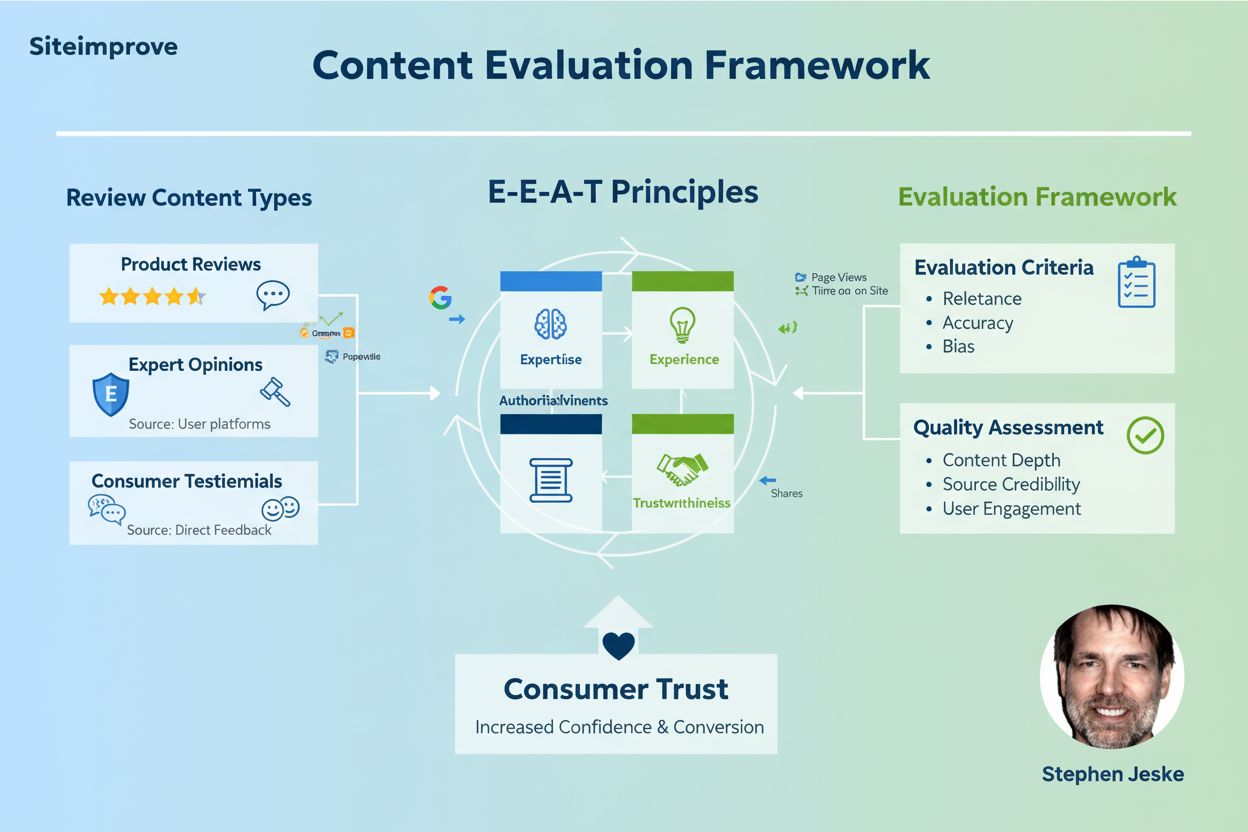
Review content is evaluative material combining expert opinions, consumer feedback, and firsthand experience. Learn how review content impacts E-E-A-T, consumer...
Cookie Consent
We use cookies to enhance your browsing experience and analyze our traffic. See our privacy policy.