

YouTube SEO
YouTube SEO is the process of optimizing videos and channels to rank higher in YouTube search results. Learn ranking factors, optimization strategies, and best ...
10 min read
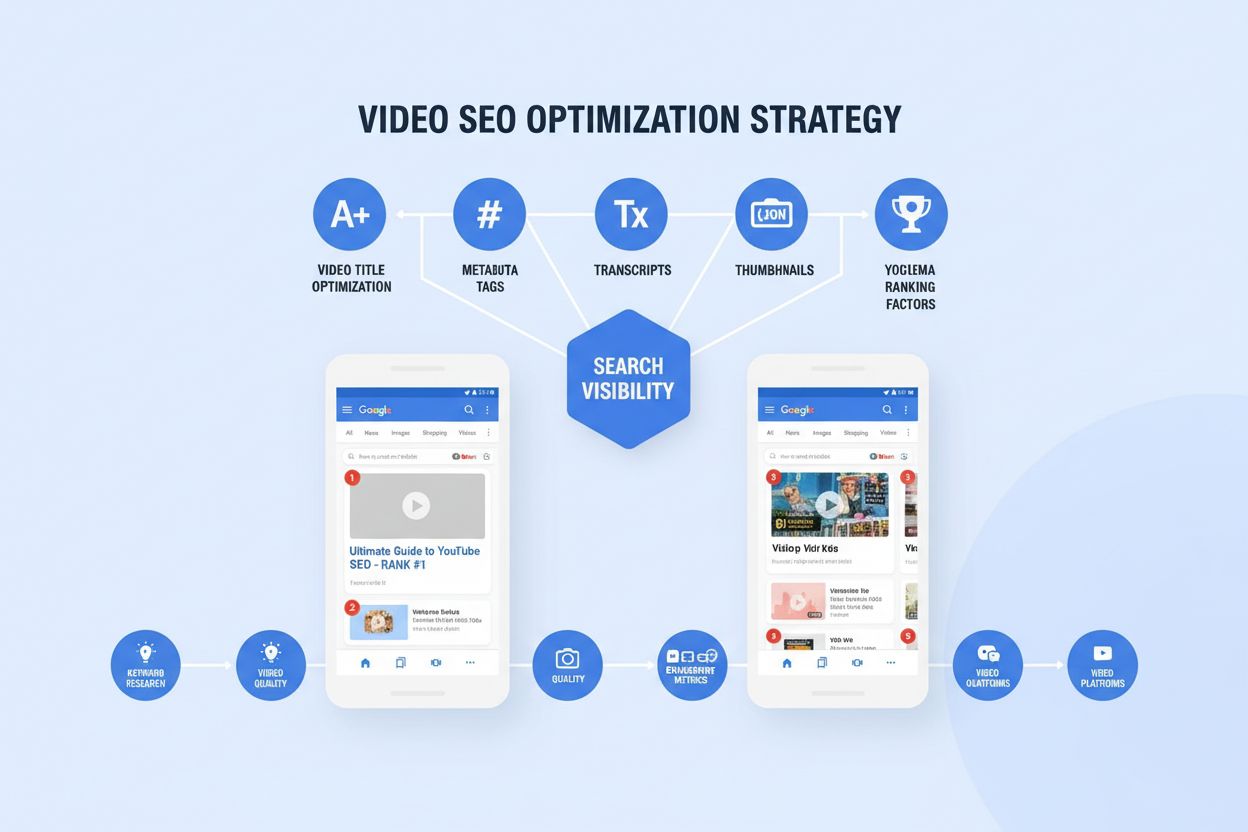
Video SEO is the practice of optimizing video content to improve its visibility and ranking in search engine results pages (SERPs) and on video platforms like YouTube. It involves optimizing video metadata, titles, descriptions, transcripts, thumbnails, and technical elements to help search engines index and understand video content, making it more discoverable to users searching for relevant information.
Video SEO is the practice of optimizing video content to improve its visibility and ranking in search engine results pages (SERPs) and on video platforms like YouTube. It involves optimizing video metadata, titles, descriptions, transcripts, thumbnails, and technical elements to help search engines index and understand video content, making it more discoverable to users searching for relevant information.
Video SEO is the practice of optimizing video content to improve its visibility and ranking in search engine results pages (SERPs) and on video platforms like YouTube. It encompasses a comprehensive set of techniques designed to help search engines discover, index, understand, and rank video content higher when users search for relevant information. Video SEO involves optimizing multiple elements including video titles, descriptions, tags, thumbnails, transcripts, and technical metadata, as well as ensuring videos are embedded on relevant web pages with proper structured data markup. The primary goal of Video SEO is to increase organic traffic to video content by making it more discoverable across Google Search, YouTube, video carousels, and increasingly, AI-powered search systems like Google AI Overviews. Unlike traditional text-based SEO, Video SEO requires understanding both how search engines crawl and index video files and how they interpret the contextual information surrounding videos.
The significance of Video SEO has grown exponentially as video content has become the dominant form of media consumption online. According to recent data, 95% of marketers now view video as a crucial marketing tool, up from 88% in 2024, demonstrating the increasing recognition of video’s importance in digital strategy. Videos embedded on blog posts, landing pages, and gallery pages achieve engagement rates above 40% on average, substantially outperforming text-only content. The rise of AI Overviews and generative AI search has further elevated the importance of Video SEO, as YouTube accounts for approximately 29.5% of all citations in Google AI Overviews, making it the most cited domain overall—even surpassing authoritative sources like Mayo Clinic. This represents a fundamental shift in how search visibility is achieved, with video content now serving as primary source material for AI systems rather than supplementary content.
The emergence of Video SEO as a distinct discipline reflects broader changes in user behavior and search engine algorithms. Mobile-first indexing has made video content increasingly valuable, as videos are more easily consumable on mobile devices than lengthy text articles. Search engines now recognize that videos satisfy user intent more effectively for certain query types, particularly how-to guides, product demonstrations, tutorials, and visual comparisons. The integration of video results into multiple SERP features—including traditional search results, video carousels, featured snippets, and AI Overviews—means that Video SEO optimization can result in multiple visibility opportunities from a single piece of content. This multi-format visibility makes Video SEO an essential component of any comprehensive search strategy.
For videos to be discoverable through Video SEO efforts, they must meet specific technical requirements that enable search engines to find, crawl, and index them effectively. Videos must be embedded using standard HTML elements such as <video>, <embed>, <iframe>, or <object> tags, and they should appear in the rendered HTML without requiring user interaction to load. Search engines cannot process videos loaded through fragment identifiers or those that require user actions like clicking or swiping to display. The watch page—the dedicated webpage where the video is embedded—must itself be indexed and performing well in search results before the video can be considered for indexing. Additionally, the video must have a valid thumbnail available at a stable URL, as frequently changing thumbnail URLs can prevent Google from successfully indexing video content.
Video SEO requires that video files be in supported formats, including MP4, WebM, MOV, AVI, and several other common video file types. The video file itself must be accessible at a stable URL that doesn’t expire or change frequently, as this allows search engines to consistently discover and process the video. For videos hosted on CDNs or streaming services, both the watch page server and the video streaming server must have sufficient capacity to support Google’s crawling activities. Providing structured data through Video Schema markup, video sitemaps, or Open Graph protocol helps search engines understand video metadata including title, description, duration, thumbnail URL, and upload date. This metadata is crucial for Video SEO because it provides search engines with the context needed to determine when and where to display videos in search results.
The metadata surrounding video content is fundamental to Video SEO success, as search engines rely on this information to understand what videos are about and when to display them in results. Video titles should be clear, descriptive, and include target keywords near the beginning, ideally within the first 60 characters to ensure full visibility in search results. The video description is equally important, with best practices recommending 250-300 words that naturally incorporate primary and secondary keywords while providing genuine value to viewers. The first 1-2 lines of the description are particularly critical, as this is where search engines and AI systems prioritize information extraction. Timestamps and chapters within video descriptions serve dual purposes in Video SEO: they improve user experience by allowing viewers to navigate directly to relevant sections, and they provide search engines with structured information about video content organization.
Tags and categories help search engines categorize video content and connect it to related videos and topics. In Video SEO, tags should be relevant to the video’s content and should reflect actual search queries that users might employ. Video thumbnails represent a critical but often overlooked element of Video SEO, as they directly influence click-through rates in search results. High-quality thumbnails with contrasting colors, clear text overlays, and expressive imagery encourage users to click, which signals to search engines that the video is relevant and engaging. The thumbnail must be at least 60x30 pixels, with larger sizes preferred, and should be accessible at a stable URL. Transcripts and closed captions enhance Video SEO by providing search engines with additional text to crawl and index, while simultaneously improving accessibility and user experience for viewers watching without sound.
| Aspect | Video SEO | YouTube SEO | Traditional Text SEO | Image SEO |
|---|---|---|---|---|
| Primary Content Type | Video files with metadata | Videos hosted on YouTube platform | Written text and articles | Static images and graphics |
| Key Ranking Factors | Watch time, engagement, transcripts, schema markup | Channel authority, video quality, viewer retention | Keyword density, backlinks, content length | Alt text, file size, image context |
| Indexing Method | Requires metadata and transcripts for text crawling | YouTube’s proprietary algorithm | Text crawling and keyword analysis | Image recognition and alt text analysis |
| Optimal Placement | Dedicated watch pages, embedded on relevant content | YouTube channel and playlists | Blog posts, articles, landing pages | Image galleries, product pages |
| Search Features | Video carousels, AI Overviews, featured snippets | YouTube search results, suggested videos | Traditional SERP results, featured snippets | Google Images, image carousels |
| Engagement Metrics | Views, watch time, comments, shares, CTR | Subscribers, playlist adds, video shares | Time on page, bounce rate, scroll depth | Image clicks, hover time |
| Technical Requirements | Stable URLs, supported file formats, schema markup | YouTube account optimization, channel setup | XML sitemaps, robots.txt, meta tags | Image compression, responsive sizing |
| AI Visibility Impact | Very high (29.5% of AI Overview citations) | Highest (YouTube dominates AI citations) | Moderate to high | Low to moderate |
Implementing an effective Video SEO strategy requires a systematic approach that begins with keyword research specifically targeting video-intent queries. Video-intent keywords are search terms that trigger video results in Google’s SERP, and identifying these keywords ensures that video content creation efforts align with actual user demand. Tools like Google Trends, YouTube’s search suggestions, and dedicated SEO platforms can reveal which topics in your niche are actively searched for in video format. Once video-intent keywords are identified, content creators should develop video content around these topics, ensuring that the video genuinely answers the user’s question or solves their problem. The quality of the video itself is paramount in Video SEO—videos should feature clear visuals, crisp audio, professional editing, and a logical structure that maintains viewer engagement throughout.
After video creation, the optimization phase of Video SEO begins with crafting compelling titles and descriptions that incorporate target keywords naturally while accurately representing the video’s content. The video should be uploaded to a primary hosting platform, with YouTube being the preferred choice due to its integration with Google Search and its dominance in AI citations. Simultaneously, the video should be embedded on a dedicated watch page on your website with supporting contextual content, proper schema markup, and internal links to related content. Building backlinks to the watch page through outreach, guest posting, and content promotion amplifies the Video SEO impact by signaling authority and relevance to search engines. Finally, ongoing monitoring and optimization based on performance metrics ensures that Video SEO efforts continue to drive results over time.
YouTube remains the dominant platform for Video SEO due to its ownership by Google and its status as the second-largest search engine globally. YouTube videos benefit from the platform’s sophisticated recommendation algorithm, which prioritizes watch time, engagement, and viewer retention—metrics that also influence traditional search rankings. Optimizing for YouTube involves creating a well-branded channel with a clear description, organizing videos into topically relevant playlists, and maintaining consistent upload schedules. YouTube’s integration with Google Search means that well-optimized YouTube videos frequently appear in Google’s main search results, video carousels, and increasingly, in AI Overviews. The platform’s automatic caption generation, while convenient, is only 60-70% accurate, so uploading custom SRT files with accurate transcripts significantly improves Video SEO performance.
Beyond YouTube, Video SEO strategies should consider embedding videos on your website’s blog posts, product pages, and landing pages where they provide contextual value. When embedding videos from third-party platforms like YouTube or Vimeo, adding Video Schema markup helps search engines understand the video’s relevance to the page content. For businesses with significant video libraries, platforms like Wistia and Brightcove offer advanced Video SEO features including detailed analytics, customizable embed codes, and schema markup generation. Social media platforms like TikTok and Instagram increasingly appear in search results, particularly for short-form video content, making optimization for these platforms an emerging consideration in comprehensive Video SEO strategies. However, the primary focus should remain on YouTube and your owned website, as these provide the most direct control over Video SEO implementation and the greatest impact on search visibility.
Implementing Video SEO best practices requires attention to multiple optimization dimensions working in concert. The following practices have demonstrated measurable impact on video search rankings and visibility:
The future of Video SEO is being shaped by the rapid evolution of AI search technologies and changing user behaviors around video consumption. As AI Overviews become increasingly prevalent in Google Search results, Video SEO optimization specifically for AI systems is becoming essential. AI algorithms prioritize videos with clear transcripts, accurate metadata, and comprehensive schema markup, as these elements make video content more easily parseable by machine learning models. The dominance of YouTube in AI citations—accounting for 200x more citations than any other video platform—suggests that YouTube optimization will remain central to Video SEO strategy for the foreseeable future. However, emerging platforms and short-form video content are beginning to appear in search results with greater frequency, indicating that Video SEO strategies must evolve to encompass multiple platforms and content formats.
The integration of video content into AI Overviews represents a fundamental shift in how Video SEO contributes to overall search visibility. Rather than competing solely for traditional search rankings, videos now have opportunities to be cited as authoritative sources within AI-generated responses. This shift elevates the importance of E-E-A-T signals (Experience, Expertise, Authoritativeness, and Trustworthiness) in Video SEO, as AI systems increasingly evaluate the credibility and authority of video sources. Brands that invest in consistent, high-quality video content with strong branding and topical authority will be better positioned to capture visibility in both traditional search results and AI-powered search experiences. The convergence of Video SEO with broader content strategy, brand building, and AI optimization suggests that video content will continue to grow in importance as a core component of digital marketing and search visibility strategies.
Video SEO is critical because YouTube accounts for approximately 29.5% of all citations in Google AI Overviews, making it the most cited domain overall. With 200x more citations than any other video platform, optimizing videos for search engines directly increases the likelihood of appearing in AI-generated responses. This visibility is essential for brand authority and reaching audiences through emerging search technologies.
The primary elements include video titles with target keywords, detailed descriptions with keyword placement, high-quality thumbnails, accurate transcripts and captions, structured data markup (schema), timestamps and chapters, and metadata tags. Additionally, ensuring the video is embedded on relevant web pages, building backlinks to video content, and maintaining consistent engagement metrics all contribute to improved video search rankings.
While traditional SEO focuses on optimizing written content through keywords and links, Video SEO requires optimizing both the video file itself and its surrounding metadata. Video SEO emphasizes engagement metrics like watch time and viewer retention, requires transcripts for indexing, and leverages visual elements like thumbnails. Videos also appear in specialized search features like video carousels and AI Overviews, requiring different optimization strategies than text content.
Transcripts are essential for Video SEO because search engines cannot watch videos directly—they crawl text-based content. Accurate transcripts provide search engines with keyword-rich text to index, improving the video's chances of ranking for relevant queries. Transcripts also enhance accessibility for viewers with hearing impairments and improve user experience by allowing viewers to search within video content and navigate to specific sections.
Key metrics include video views from organic search, average watch time, click-through rate (CTR) from search results, ranking position for target keywords, engagement metrics (likes, comments, shares), and traffic driven to your website from video content. Tools like Google Search Console, YouTube Analytics, and third-party SEO platforms provide detailed insights into how your videos perform in search results and which optimization strategies are most effective.
Yes, hosting videos on YouTube can indirectly improve your website's SEO. YouTube is owned by Google and is the second-largest search engine, so well-optimized YouTube videos can drive traffic to your site through embedded videos and backlinks. Additionally, embedding YouTube videos on your website with proper schema markup can improve user engagement metrics like dwell time and reduce bounce rates, which are positive ranking signals for Google.
Video SEO directly impacts AI search visibility because AI systems like Google's AI Overviews prioritize well-structured, authoritative video content with clear transcripts and metadata. Videos with proper schema markup, accurate captions, and comprehensive descriptions are more easily parsed by AI algorithms. Since YouTube dominates AI citations, optimizing videos for traditional search engines simultaneously improves their chances of being cited in AI-generated responses.
Thumbnails are crucial for Video SEO because they directly impact click-through rates (CTR) in search results. A compelling, high-contrast thumbnail with clear visuals and text overlays encourages users to click on your video, signaling to search engines that your content is relevant and engaging. Higher CTR improves your video's ranking potential, making thumbnail optimization a key component of any Video SEO strategy.
Start tracking how AI chatbots mention your brand across ChatGPT, Perplexity, and other platforms. Get actionable insights to improve your AI presence.
YouTube SEO is the process of optimizing videos and channels to rank higher in YouTube search results. Learn ranking factors, optimization strategies, and best ...
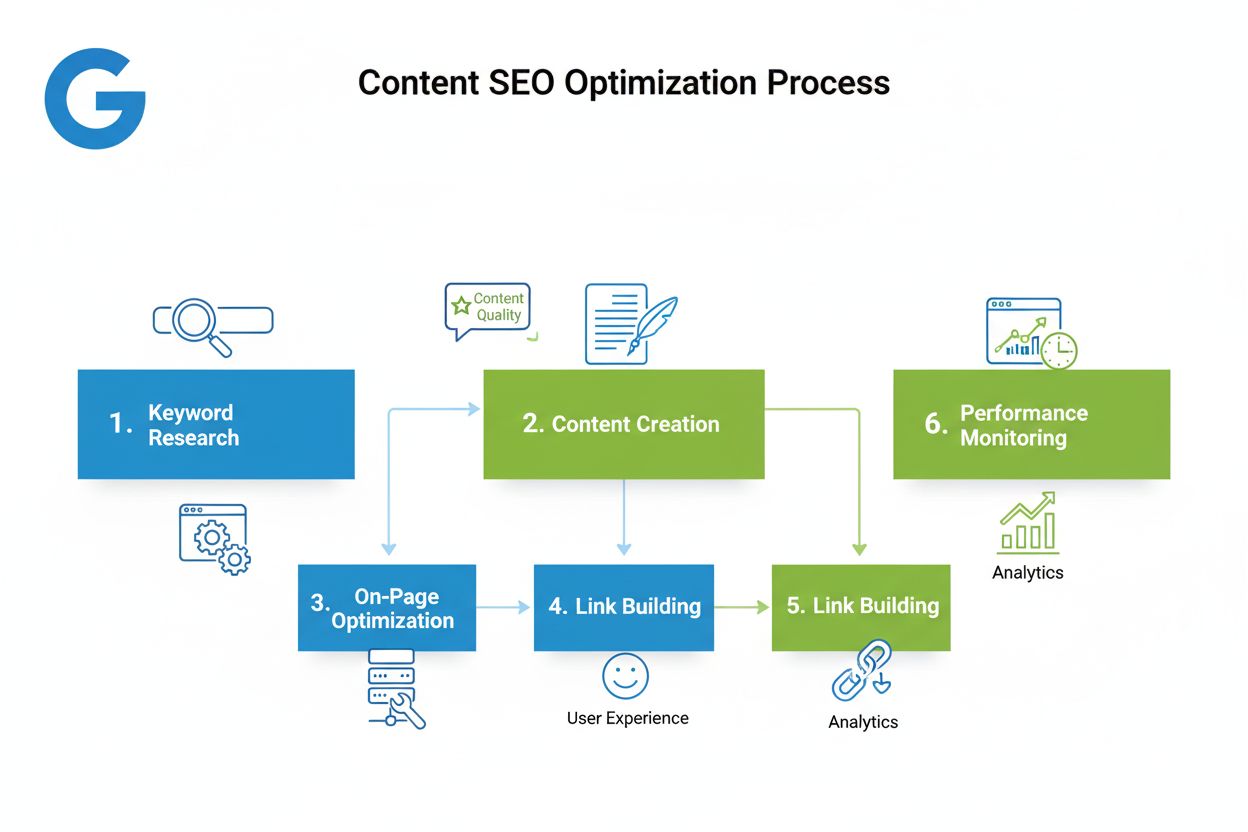
Content SEO is the strategic creation and optimization of high-quality content to improve search engine rankings and organic visibility. Learn how to optimize c...
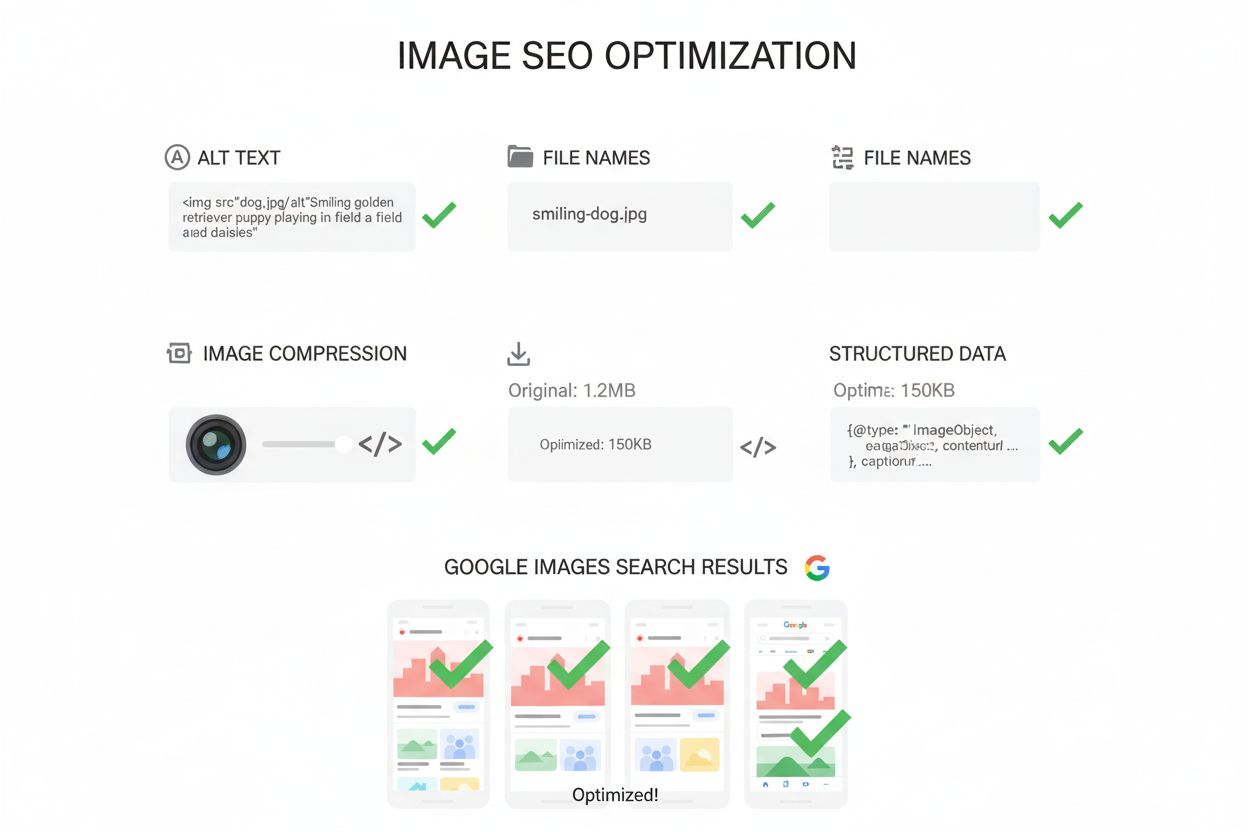
Image SEO optimizes images for search visibility through alt text, file names, compression, and structured data. Learn how to improve rankings in Google Images ...
Cookie Consent
We use cookies to enhance your browsing experience and analyze our traffic. See our privacy policy.