
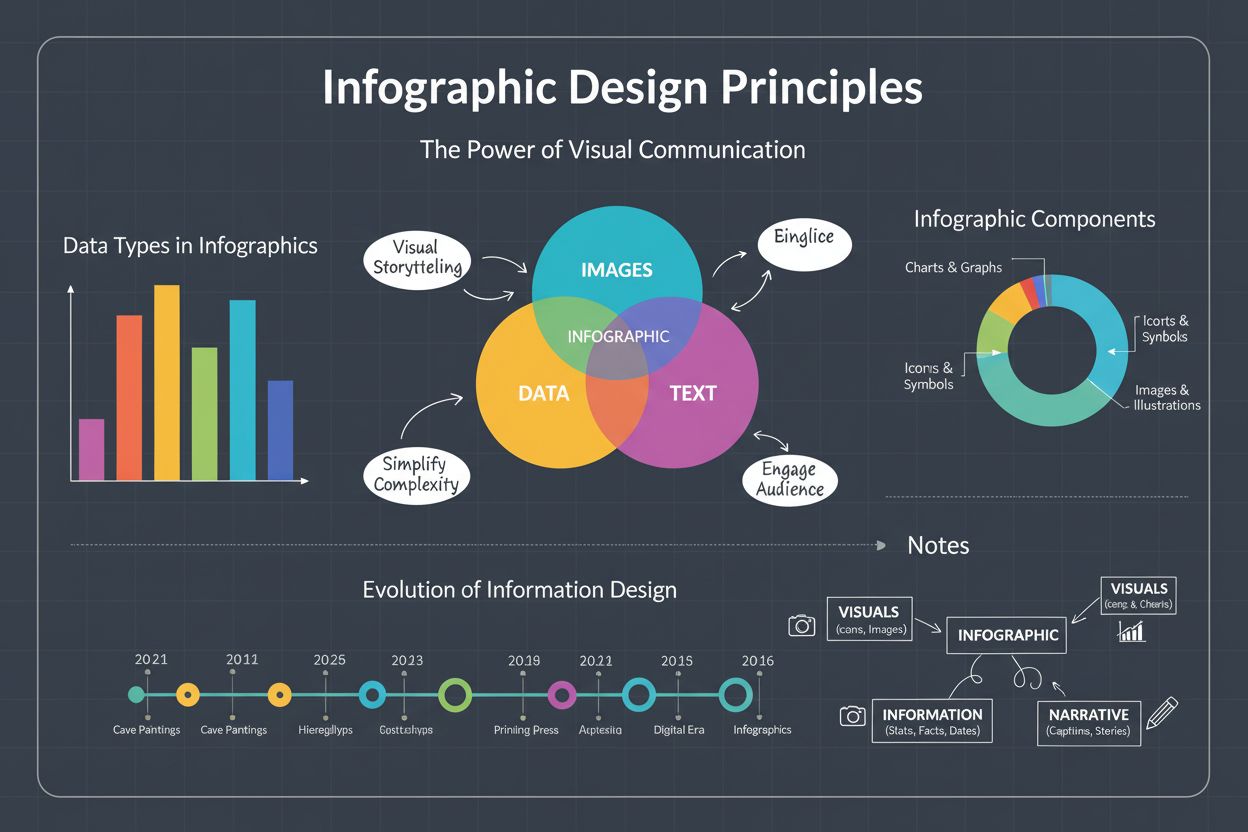
Infographic
Infographic definition: visual representation combining images, charts, and text to present data clearly. Learn types, design principles, and business impact fo...
10 min read
A white paper is an in-depth, authoritative report that examines a complex problem, presents research-backed evidence, and proposes solutions to address industry-specific challenges. Commonly used in B2B marketing and policy advocacy, white papers establish thought leadership and influence decision-making through detailed analysis and credible data.
A white paper is an in-depth, authoritative report that examines a complex problem, presents research-backed evidence, and proposes solutions to address industry-specific challenges. Commonly used in B2B marketing and policy advocacy, white papers establish thought leadership and influence decision-making through detailed analysis and credible data.
A white paper is an in-depth, authoritative report that examines a complex problem, presents meticulously researched evidence, and proposes solutions to address industry-specific challenges or policy issues. Originally used by government bodies to present official positions and policies, the term has evolved to encompass business documents that establish organizational expertise and influence decision-making processes. White papers combine rigorous research, data analysis, and expert insights to provide readers with comprehensive understanding of a topic, making them essential tools in both B2B marketing and policy advocacy. The defining characteristic of a white paper is its objective, evidence-based approach that prioritizes reader education and problem-solving over promotional messaging, though business white papers do ultimately serve marketing objectives by positioning the issuing organization as a thought leader.
The term “white paper” originated in British government circles, where official policy documents were bound in white covers to distinguish them from other government publications. This historical association with authoritative government reporting established the white paper’s reputation for credibility and comprehensive analysis. During the mid-20th century, the format became standardized as a vehicle for presenting complex policy positions to legislators, stakeholders, and the general public. The transition to business use accelerated with the rise of the internet and B2B e-commerce, as corporations recognized the format’s effectiveness in educating potential customers about complex solutions. Today, white papers have become fundamental components of content marketing strategies, with organizations across technology, finance, healthcare, and consulting sectors leveraging them to demonstrate expertise and generate qualified leads. The evolution reflects a broader shift toward content-driven marketing, where providing genuine value through detailed information builds trust and credibility more effectively than traditional advertising approaches.
In contemporary B2B marketing, white papers serve multiple strategic functions that extend far beyond simple information dissemination. Research indicates that white paper downloads convert to sales opportunities at an average rate of 7%, significantly outperforming other content formats like blog posts (4% conversion) and webinar attendees (3% conversion). This superior performance stems from the self-selection bias inherent in white paper consumption—readers who invest time downloading and reading a detailed report are typically serious prospects actively seeking solutions. Organizations use white papers to address specific pain points their target audience experiences, positioning their products or services as the logical solution to documented problems. The detailed, research-backed nature of white papers also facilitates longer sales cycles common in B2B environments, where decision-makers require comprehensive information before committing to significant investments. Furthermore, white papers contribute to brand authority and market positioning, helping organizations establish themselves as industry leaders capable of sophisticated analysis and strategic thinking. The format’s credibility also makes white papers valuable assets for internal stakeholder alignment, as sales teams can reference them when explaining complex solutions to prospects and addressing common objections.
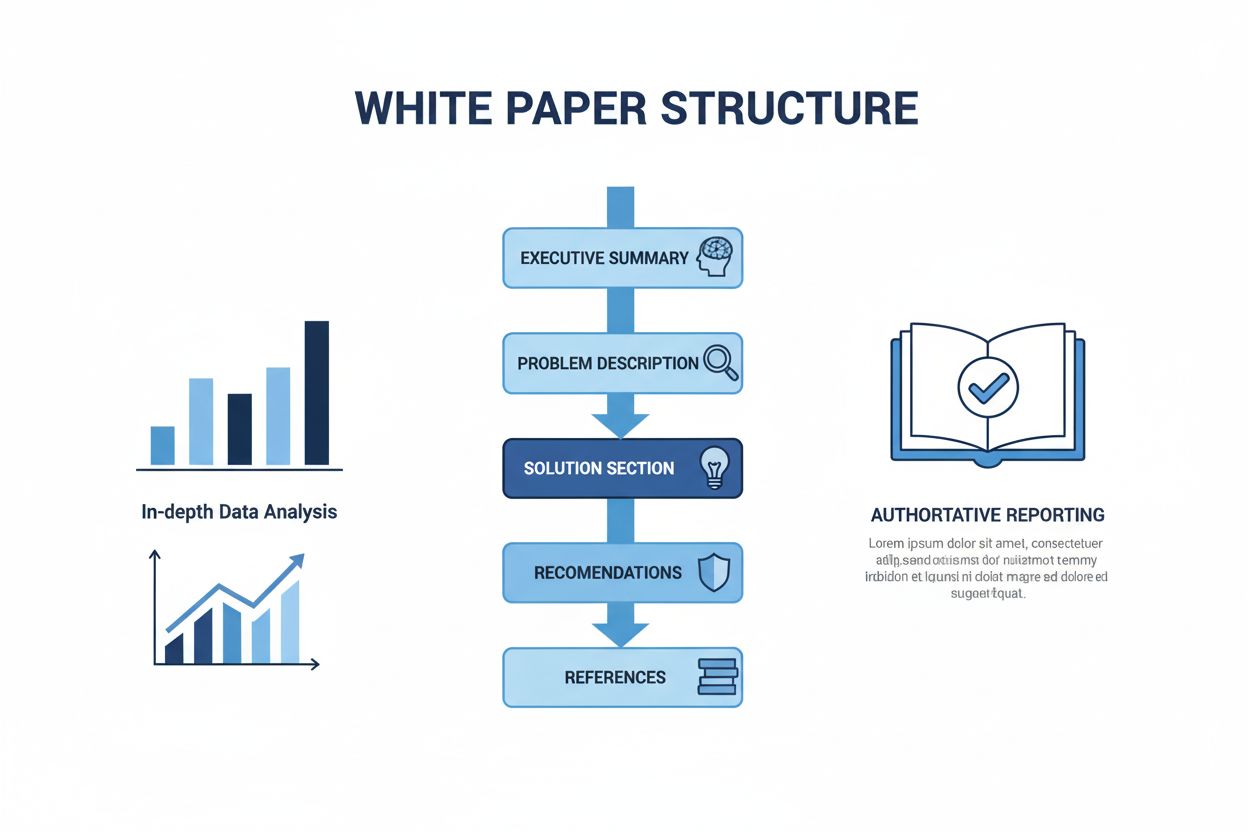
A well-structured white paper follows a problem-solution framework that guides readers through a logical progression of information. The executive summary serves as both an entry point and a standalone document, providing busy executives with a concise overview of the problem, proposed solutions, and key recommendations without requiring them to read the entire document. The introduction and background section establishes context by explaining relevant historical developments, industry trends, regulatory environments, or technological changes that frame the problem. The problem description represents the critical foundation of the white paper, detailing the core issue, identifying root causes, and articulating the impact or consequences of the problem on the target audience. This section must be compelling and evidence-based, using statistics, research findings, and real-world examples to establish the problem’s significance and urgency. The solution section presents one or more approaches to addressing the identified problem, with each solution explained in detail and supported by evidence of feasibility and effectiveness. Some white papers include a criteria for acceptable solutions section that establishes benchmarks any viable solution must meet, which helps readers evaluate proposed approaches systematically. The recommendations section articulates the author’s preferred course of action, explaining why this approach best addresses the problem given available options and their respective strengths and weaknesses. Finally, the references section lists all sources cited throughout the document, establishing credibility and allowing readers to verify claims and explore topics in greater depth.
| Attribute | White Paper | Case Study | Blog Post | Research Report |
|---|---|---|---|---|
| Primary Purpose | Educate on problems and propose solutions | Demonstrate specific customer success | Inform and engage on single topics | Present original research findings |
| Length | 3,000–5,000 words (typically) | 1,500–3,000 words | 800–2,000 words | 5,000–15,000+ words |
| Scope | Broad industry problem or trend | Specific customer implementation | Narrow topic focus | Comprehensive data analysis |
| Tone | Objective and authoritative | Narrative and testimonial | Conversational and accessible | Academic and analytical |
| Evidence Type | Research, data, expert analysis | Customer results and metrics | General knowledge and examples | Original data collection |
| Lead Generation | 7% conversion rate (average) | 5–6% conversion rate | 2–3% conversion rate | 4–5% conversion rate |
| Audience | Decision-makers and researchers | Prospects in consideration stage | General audience | Industry professionals |
| Distribution | Gated or ungated downloads | Website and email | Social media and search | Industry publications |
| Time to Create | 4–8 weeks | 2–4 weeks | 3–7 days | 8–16 weeks |
Creating an effective white paper requires rigorous research methodology and careful attention to evidence quality. The research phase typically involves synthesizing existing literature, analyzing industry data, conducting interviews with subject matter experts, and potentially commissioning original research or surveys. The credibility of a white paper depends entirely on the quality and verifiability of its sources, making it essential to cite authoritative research, government statistics, academic studies, and industry reports. White papers should present data in context, explaining what statistics mean and why they matter to the reader’s situation rather than simply listing numbers. Visual elements such as charts, graphs, and infographics enhance comprehension and break up dense text, making complex information more digestible. The writing style should balance accessibility with authority—using clear language that avoids unnecessary jargon while maintaining the professional tone expected in authoritative documents. Technical accuracy is paramount, as errors or misrepresentations can severely damage organizational credibility. Many organizations employ subject matter experts, technical writers, and editors to ensure white papers meet rigorous standards before publication. The research process should also include fact-checking and verification of all claims, with particular attention to statistics that might be challenged by skeptical readers or competitors.
In the emerging landscape of AI-driven search and content discovery, white papers have taken on new strategic importance as sources for AI citations and brand mentions. Platforms like ChatGPT, Perplexity, Google AI Overviews, and Claude increasingly cite authoritative sources when answering user queries, and well-researched white papers frequently appear in these citations. Organizations can now track white paper appearances in AI responses through GEO (Generative Engine Optimization) monitoring platforms like AmICited, which monitor brand mentions and citations across multiple AI systems. This visibility in AI responses represents a new dimension of content value, as AI citations drive awareness and credibility among users seeking authoritative information. White papers optimized for AI discoverability should include clear definitions, structured data, and comprehensive coverage of topics that AI systems are likely to reference when answering user questions. The objective, evidence-based nature of white papers makes them particularly attractive to AI systems seeking authoritative sources, creating a natural alignment between white paper best practices and AI optimization strategies. Organizations should consider AI visibility when developing white paper topics, ensuring they address questions and problems that users are likely to ask AI systems. Monitoring white paper citations across AI platforms provides valuable insights into brand authority, content effectiveness, and competitive positioning in the AI-driven information landscape.
Successful white paper development requires a structured approach that begins with clear objective definition and audience analysis. Organizations should identify specific problems their target audience faces and determine whether a white paper is the appropriate format for addressing those problems. The topic selection process should consider competitive landscape analysis—identifying gaps in existing information that the white paper can fill—and alignment with organizational expertise and business objectives. Establishing a realistic timeline is critical, as quality white papers typically require 4–8 weeks of development including research, writing, review, and revision cycles. Assembling a cross-functional team that includes subject matter experts, marketing professionals, and technical writers ensures the document combines accuracy with accessibility. The research phase should prioritize primary sources and original data where possible, as this enhances credibility and differentiates the white paper from competitors. During the writing phase, authors should maintain focus on reader benefits rather than organizational promotion, using the problem-solution framework to guide structure and content flow. Multiple review cycles involving both internal stakeholders and external reviewers help identify gaps, verify accuracy, and ensure the document meets quality standards. Distribution strategy should consider whether to gate the white paper behind a form to capture lead information or publish it ungated to maximize reach and shareability. Promotion through targeted email campaigns, social media, industry partnerships, and thought leadership channels ensures the white paper reaches intended audiences and achieves maximum impact.
Organizations should establish clear metrics to evaluate white paper performance and justify continued investment in this content format. Download metrics provide the most direct measure of interest, indicating how many people found the white paper valuable enough to acquire it. Lead quality metrics assess whether downloads convert to qualified prospects by tracking characteristics like company size, industry, and job title. Conversion metrics measure the percentage of white paper downloaders who progress through the sales funnel, with the industry average of 7% conversion to sales opportunities providing a benchmark for comparison. Engagement metrics including time spent reading, pages viewed, and content sharing indicate whether readers found the white paper sufficiently valuable to engage deeply with it. Citation metrics track how frequently the white paper is referenced by other organizations, competitors, or industry publications, indicating its influence and authority. AI citation tracking through platforms like AmICited reveals how often the white paper appears in AI-generated responses, providing insights into its authority and visibility in emerging search channels. Sales impact metrics connect white paper engagement to actual revenue, helping organizations understand the document’s contribution to business outcomes. Brand awareness metrics measure changes in brand recognition, consideration, and preference among target audiences following white paper publication. Organizations should establish baseline metrics before publication and track performance over time, adjusting distribution and promotion strategies based on results. Long-term tracking is particularly important, as white papers often generate leads and influence decisions months or years after initial publication.
The role and importance of white papers in B2B marketing and thought leadership continues to evolve in response to changing information consumption patterns and technological developments. The rise of AI-driven search and content discovery is creating new opportunities for white papers to reach audiences through AI citations and recommendations, making them increasingly valuable assets in GEO strategies. As organizations compete for visibility in AI-generated responses, white papers’ objective, evidence-based approach positions them as ideal sources for AI systems seeking authoritative information. The integration of interactive elements, multimedia content, and data visualization into white papers is enhancing engagement and accessibility, moving beyond traditional text-heavy formats. Organizations are increasingly using white papers as components of comprehensive content ecosystems, linking them to webinars, podcasts, case studies, and other formats to create multiple entry points for audience engagement. The emphasis on original research and proprietary data is intensifying, as organizations recognize that white papers synthesizing publicly available information provide less competitive advantage than those presenting unique insights or findings. Personalization and segmentation of white papers for different audience segments is becoming more common, allowing organizations to tailor content to specific buyer personas and decision-making roles. The measurement and attribution of white paper impact is becoming more sophisticated, with advanced analytics enabling organizations to track influence across multiple touchpoints and channels. As content marketing matures and audiences become more discerning, the quality bar for white papers continues to rise, with organizations investing more heavily in research, writing, and design to create documents that genuinely advance industry knowledge and thinking.
The primary purpose of a white paper is to educate readers about complex issues and present evidence-based solutions. In business contexts, white papers serve as lead generation tools that establish organizational authority and influence purchasing decisions. They combine research, data analysis, and expert insights to address specific industry challenges and demonstrate thought leadership within a particular field.
White papers typically range from 3,000 to 5,000 words, though length varies based on topic complexity and audience needs. Policy-oriented white papers may extend from 5 to 50 pages, while marketing white papers can be as brief as one page. The key is providing sufficient depth to cover the subject comprehensively while maintaining reader engagement throughout the document.
A white paper examines broader industry problems and proposes general solutions, while a case study tells a specific story about how a particular product solved a customer's problem. White papers are research-intensive and objective in tone, presenting multiple perspectives, whereas case studies focus on concrete results and customer testimonials. Both serve marketing purposes but address different audience needs and decision-making stages.
White papers are highly effective lead generation tools, converting downloads to sales opportunities at an average rate of 7%, compared to 4% for blog subscribers and 3% for webinar attendees. Over 50% of B2B professionals surveyed consider white papers a valuable or extremely valuable source of leads. This effectiveness stems from the detailed, authoritative information that attracts serious prospects actively seeking solutions.
A well-structured white paper includes an executive summary, introduction with background context, detailed problem description, solution section with evidence, recommendations, and references. The executive summary provides a concise overview for busy readers, while the problem description establishes the core issue, causes, and impacts. Supporting sections should include data, case studies, and citations that reinforce the proposed solutions and establish credibility.
White papers establish thought leadership by demonstrating deep expertise, presenting original research, and offering innovative solutions to industry challenges. By thoroughly analyzing problems and providing evidence-based recommendations, organizations position themselves as authoritative voices in their field. The detailed, objective approach signals competence and builds trust with readers, differentiating the organization from competitors and attracting high-quality leads.
White papers are increasingly important for brand visibility in AI systems like ChatGPT, Perplexity, and Google AI Overviews. As AI platforms cite authoritative sources when answering user queries, well-researched white papers become valuable assets for brand mentions and citations. Organizations can track white paper appearances in AI responses through monitoring platforms, making white papers a strategic component of GEO (Generative Engine Optimization) strategies.
White papers should be distributed through multiple channels including company websites, email marketing, social media platforms, and industry publications. Gating the white paper behind a form captures lead information, while ungated versions increase reach and shareability. Promoting white papers through targeted advertising, industry partnerships, and thought leadership channels ensures the document reaches the intended audience and maximizes its impact on brand authority and lead generation.
Start tracking how AI chatbots mention your brand across ChatGPT, Perplexity, and other platforms. Get actionable insights to improve your AI presence.
Infographic definition: visual representation combining images, charts, and text to present data clearly. Learn types, design principles, and business impact fo...

Learn what a content brief is, why it's essential for content marketing success, and how to create effective briefs that reduce revisions and improve content qu...
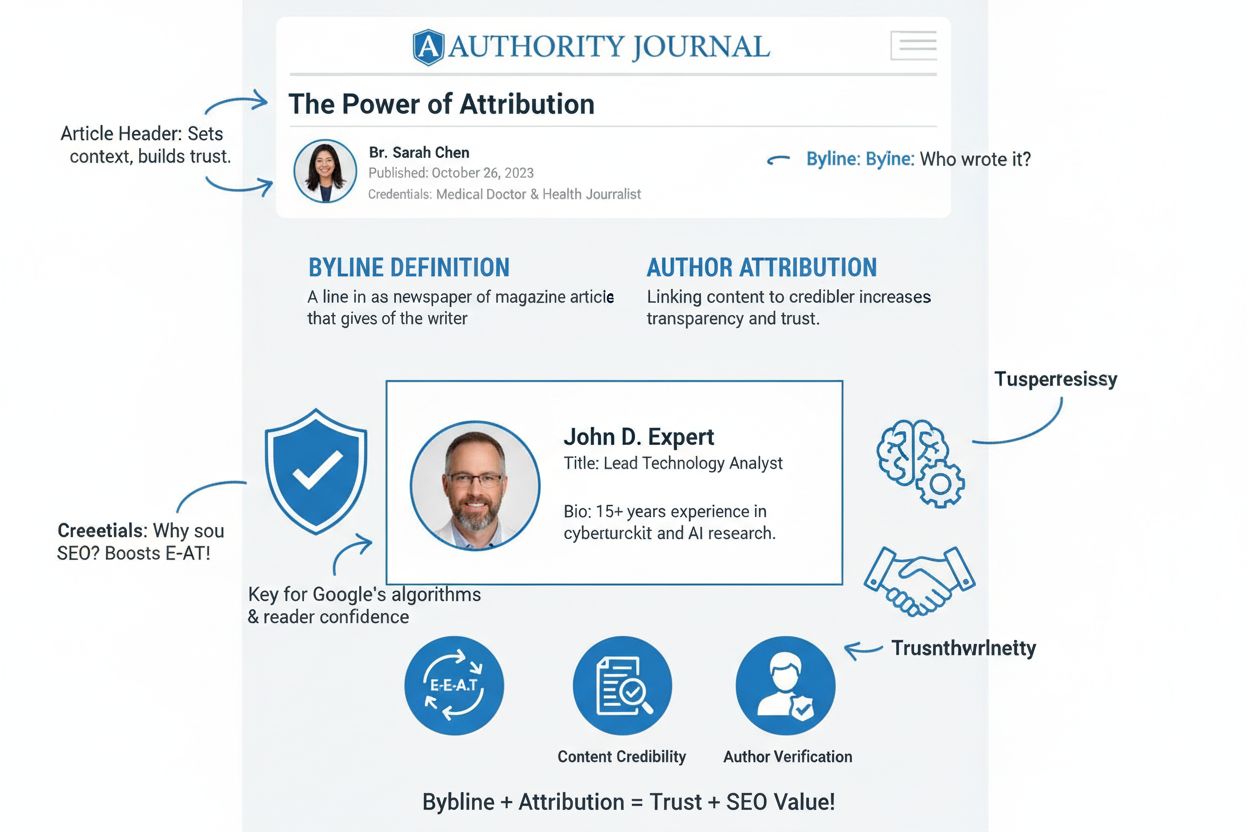
Learn what a byline is, why author attribution matters for SEO and E-E-A-T signals, and how bylines establish credibility in journalism and digital publishing.
Cookie Consent
We use cookies to enhance your browsing experience and analyze our traffic. See our privacy policy.