



GEO vs AEO - are these the same thing or should I optimize for both?
Community discussion on the difference between GEO and AEO. Understanding Generative Engine Optimization vs Answer Engine Optimization.
6 min read
Discussion
GEO
+2
Compare GEO, AEO, and SEO, see how they differ, and choose the right search strategy for your business with a practical decision framework.
| Strategy | Wins You | Timeline |
|---|---|---|
| SEO | Rankings in Google’s organic results | 3-6 months |
| AEO | Featured snippets and voice/zero-click answers | 2-6 weeks |
| GEO | Citations and mentions in ChatGPT, Perplexity, and other AI engines | 2-3+ months |
Bottom line: they’re layers, not alternatives: build your SEO foundation first, add AEO structure, then layer in GEO authority. Track all three from one dashboard with a tool like AmICited so you know which layer needs attention.
If you’ve been paying attention to digital marketing in 2026, you’ve probably noticed the acronyms multiplying like rabbits. First it was SEO. Then AEO. Now GEO. And if you’re like most marketers, you’re wondering: Do I really need to optimize for all three? Which one should I focus on first? And most importantly, which one will actually drive results for my business?
The confusion is understandable. These terms sound similar, they overlap in confusing ways, and every vendor seems to have a different opinion on which matters most. But here’s the reality: they’re not the same thing, and they’re not competing strategies: they’re complementary layers of a modern search optimization strategy.
The problem isn’t that these acronyms exist. The problem is that most content out there just defines them without helping you decide. This article is different. We’ll move past “what is GEO?” and answer the question that actually matters: “Which should I prioritize, when, and how do I implement all three together?”
What you’ll learn in this guide:
Let’s get started.

Track how AI chatbots mention your brand across ChatGPT, Perplexity, and other platforms.
Before we talk about which to prioritize, let’s establish what each one actually does. And more importantly, why they’re different.
Traditional SEO is the foundation. It’s been around since the 1990s, and despite predictions of its death every few years, it’s still the primary way people discover websites.
What it does: Traditional SEO optimizes your website so that Google, Bing, and other search engines crawl, understand, and rank your pages in their search results. The goal is simple: get your page to rank #1 (or at least on page one) for keywords your audience is searching.
How it works:
Key signals that matter:
User behavior: A person types a query (“best project management software”), scrolls through a list of blue links, and clicks on a website to learn more.
Success metrics: Rankings, click-through rate (CTR), organic traffic, conversion rate
Why it still matters in 2026: Despite the rise of AI, traditional SEO is far from dead. According to Ahrefs’ 2026 data, organic search still drives 40%+ of website traffic for most industries. And importantly, the content that ranks well in traditional SEO is often the same content that gets cited by AI. So traditional SEO isn’t being replaced: it’s being complemented.
AEO emerged from a shift in how people search. Instead of typing a query and browsing results, users increasingly ask their devices direct questions and expect immediate answers.
What it does: AEO optimizes your content so that it gets selected as the direct answer by voice assistants (Siri, Alexa, Google Assistant) and answer engines (Google’s Featured Snippets, knowledge panels). The goal is to be the answer that appears without requiring a click.
How it works:
Key signals that matter:
User behavior: A person asks their smart speaker “What’s the best running shoe for flat feet?” and gets a verbal answer immediately. Or they search on Google and a featured snippet appears at the top with the answer.
Success metrics: Featured snippet ownership, voice search impressions, answer box appearances, share of voice in answer engines
Why it matters: According to Google, over 15% of searches are voice-based, and that number is growing. Additionally, featured snippets appear in 70%+ of search results, meaning if you’re not optimized for AEO, you’re missing visibility. Plus, zero-click searches mean users get answers without visiting your site, but they also see your brand name, which builds awareness and trust.
GEO is the newest evolution, born from the explosion of large language models (LLMs) like ChatGPT, Google Gemini, and Perplexity.
What it does: GEO optimizes your content so that generative AI engines cite it as a trusted source in their AI-generated responses. Instead of ranking for a keyword, the goal is to be included in the synthesized answer that an AI creates.
How it works:
Key signals that matter:
User behavior: A person types a complex query into ChatGPT or Perplexity and gets a comprehensive answer that cites multiple sources, including yours.
Success metrics: LLM citations, brand mentions in AI-generated responses, referral traffic from AI engines, share of voice in AI summaries
Why it matters: According to HubSpot’s 2026 data, 42% of CRM software buyers now use AI search as part of their evaluation process. That’s a massive shift. And unlike traditional search, where you need to rank #1 to get most clicks, AI citations are distributed, so you can get visibility even if you’re cited alongside competitors. Plus, AI-referred traffic tends to be more qualified because users have already gotten context from the AI’s synthesis.
Now that we’ve defined each one, let’s see how they differ in practical ways. This matters because the differences determine your strategy.
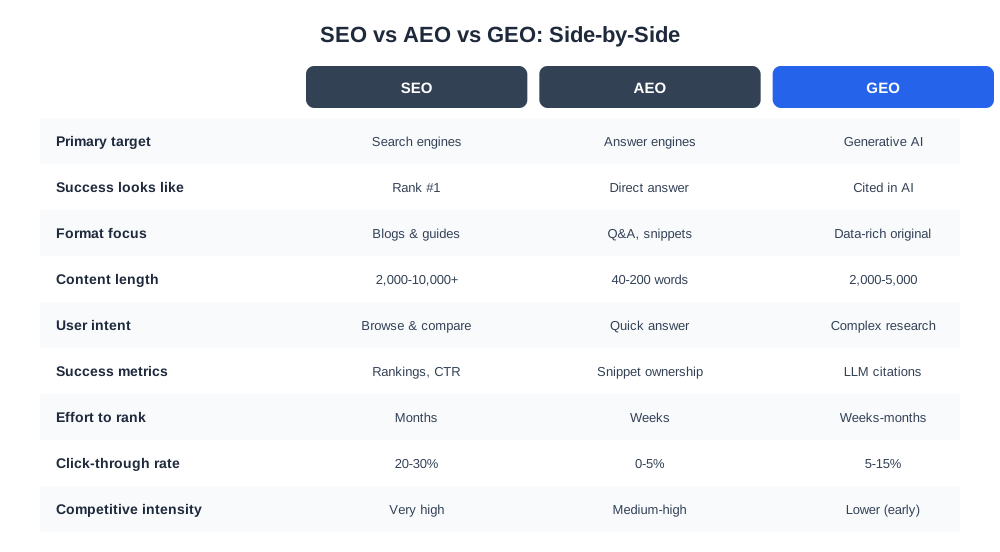
Different targets = different strategies. You can’t optimize for traditional SEO and hope it automatically works for GEO. Here’s why:
This is why the “either/or” thinking is wrong. You need all three, but you optimize them differently.
You’ve probably heard someone say, “Just do good SEO and you’ll rank for everything.” That’s not entirely wrong, but it’s dangerously incomplete.
Here’s the truth: Good traditional SEO is necessary but not sufficient for AEO or GEO.
A well-optimized blog post might rank #5 on Google (traditional SEO win), appear in Google’s featured snippet (AEO win), and get cited by ChatGPT (GEO win). But that’s because the content was intentionally optimized for all three, not because one automatically leads to the others.
Example: Let’s say you write a 3,000-word guide on “How to Start a Dropshipping Business.”
The same article can win at all three, but only if you intentionally optimize for each.
Get the latest insights on AI mentions, brand monitoring, and optimization strategies.
Here’s the moment of truth: Should you focus on traditional SEO, AEO, GEO, or all three?
The answer depends on your specific situation. And that’s where this decision framework comes in.
Answer these three questions honestly, and your priority will become clear.
Question 1: What’s your primary customer discovery channel today?
Question 2: What’s your content budget (time + money)?
Question 3: How much time do you have before you need results?
Based on your answers, here’s your recommended priority:
If you answered mostly A’s (Search, Large Budget, 3+ months): → Priority: SEO first, then AEO, then GEO
If you answered mostly B’s (Voice/Mobile, Medium Budget, 1–3 months): → Priority: AEO first, then SEO, then GEO
If you answered mostly C’s (AI, Small Budget, <1 month): → Priority: Focus on one, then expand
If you answered mixed (D’s): → Priority: Audit first, then decide
Not all industries benefit equally from each strategy. Here’s a quick reference:
| Industry | Primary Focus | Secondary Focus | Why |
|---|---|---|---|
| E-commerce | SEO + AEO | GEO | People search for products + voice search (“where can I buy…”) |
| SaaS/B2B | SEO + GEO | AEO | Long research cycles, need authority signals, less voice search |
| Local Services | AEO + SEO | GEO | Voice search (“near me”), featured snippets, local pack |
| Publishing/News | GEO + SEO | AEO | AI cites authoritative sources, traditional SEO still drives traffic |
| Healthcare | SEO + GEO | AEO | High authority requirements, people research conditions online |
| Finance | GEO + SEO | AEO | People trust expert sources, less voice search |
| Travel | SEO + AEO | GEO | Voice search (“hotels near me”), featured snippets, AI trip planning |
Here’s the secret that most marketers miss: You don’t have to choose between SEO, AEO, and GEO. You layer them.
Think of it like building a house:
Foundation (SEO): Without solid technical SEO, crawlability, and content quality, nothing else works. Google’s AI features rely on the same ranking systems as traditional search.
Structure (AEO): Once your foundation is solid, add the structure that answer engines need: Q&A format, schema markup, concise answers, voice-friendly content.
Finishes (GEO): Once you have a solid house with good structure, add the premium finishes that get you cited by AI: original research, expert quotes, unique data, comprehensive coverage.
The layered approach means:
This is more efficient than trying to optimize separately for each. In fact, good GEO content almost always performs well for SEO and AEO too.
Pitfall 1: Trying to do everything at once
Pitfall 2: Optimizing for AI at the expense of humans
Pitfall 3: Ignoring technical SEO
Pitfall 4: Not measuring the right metrics
Now for the part that actually matters: How do you implement this?
Here’s a month-by-month breakdown that works for most businesses. Adjust the timeline based on your resources and priority.
Goal: Understand where you stand and fix the basics.
Week 1: Audit
Week 2: Fix Technical Issues
Week 3: Quick Wins
Week 4: Measurement Setup
By end of Month 1, you should have:
Goal: Layer in AEO and GEO optimizations while maintaining SEO progress.
Week 5: AEO Optimization
Week 6: GEO Authority Building
Week 7: Content Expansion
Week 8: Measurement & Adjustment
By end of Month 2, you should have:
Goal: Double down on what works and scale successful strategies.
Week 9: Analyze & Optimize
Week 10: Scale What Works
Week 11: Authority Building
Week 12: Planning for Q2
By end of Month 3, you should have:
Here’s a problem most marketers face: They measure the wrong things.
You can’t measure GEO success by traditional SEO rankings. You can’t measure AEO success by click-through rate. Each strategy has different metrics, and you need to track all of them.
What to measure:
Why these matter: Traditional SEO success = qualified traffic to your website. If you’re not getting clicks, you’re not getting conversions.
How to track:
Targets:
What to measure:
Why these matter: AEO success = brand visibility and awareness, even if you don’t get a click. Plus, featured snippet pages get more clicks overall (they appear at the top of results).
How to track:
Targets:
What to measure:
Why these matters: GEO success = being positioned as an authority in your industry, even if AI traffic is still small. Early movers in GEO are building massive brand equity for when AI traffic scales.
How to track:
Targets:
The best way to measure success is to create a unified dashboard that tracks all three strategies. Here’s a simple template:
| Metric | Target | Current | Trend | Responsible |
|---|---|---|---|---|
| SEO | ||||
| Organic traffic | 500/mo | 250/mo | ↑ | Content team |
| Rankings (top 3) | 20 keywords | 8 keywords | ↑ | SEO lead |
| Backlinks | 50/mo | 20/mo | → | Outreach |
| AEO | ||||
| Featured snippets | 15 | 5 | ↑ | Content team |
| Voice impressions | 1,000/mo | 200/mo | ↑ | SEO lead |
| Voice CTR | 2% | 1% | ↑ | Analytics |
| GEO | ||||
| LLM citations | 50/mo | 10/mo | ↑ | Content team |
| Brand mentions (AI) | 100/mo | 20/mo | ↑ | Analytics |
| AI referral traffic | 50/mo | 5/mo | ↑ | Analytics |
How to use this:
Theory is great. But what actually happens when you implement this? Let’s look at three real examples.
Company: Footwear e-commerce brand (2M annual revenue)
Challenge: Competing with giants on traditional SEO was expensive. They needed a faster way to gain visibility.
Strategy: Prioritized AEO (featured snippets, voice search) while maintaining SEO.
What they did:
Results (6 months):
Key insight: E-commerce brands can win quickly with AEO because product questions are highly structured (“what size,” “what color,” “where to buy”).
Company: Project management SaaS (500K ARR)
Challenge: Competing with Asana, Monday.com, and ClickUp on traditional SEO was difficult. They needed to differentiate.
Strategy: Layered SEO + AEO + GEO. Focused on original research and expert positioning for GEO.
What they did:
Results (9 months):
Key insight: B2B companies win with GEO by creating original research and positioning themselves as industry authorities. This also improves traditional SEO.
Company: Dental practice (single location)
Challenge: Competing with larger dental networks on traditional SEO. Needed local visibility.
Strategy: Focused on SEO + AEO (local pack, voice search).
What they did:
Results (6 months):
Key insight: Local businesses can win quickly with AEO because voice search and local pack are heavily used for “near me” queries.
Even with a good strategy, most businesses make the same mistakes. Here’s how to avoid them.
What goes wrong: Marketers think they have to choose: “Should I focus on SEO or GEO?” So they pick one and ignore the others.
Why it’s wrong: The three strategies are complementary. Good GEO content almost always performs well for SEO. Good SEO foundations are required for AEO and GEO.
How to avoid it: Think of them as layers, not choices. Start with your foundation (SEO), then layer in AEO, then add GEO. Don’t stop doing SEO because you’re now doing GEO.
What goes wrong: Marketers get excited about GEO and stop caring about technical SEO, backlinks, and traditional optimization.
Why it’s wrong: Google’s AI features rely on the same ranking systems as traditional search. If your site isn’t technically sound, crawlable, and authoritative, AI won’t cite it either.
How to avoid it: Always start with technical SEO. Make sure your site is fast, mobile-friendly, and crawlable. Then layer in AEO and GEO.
What goes wrong: Marketers create robotic, jargon-filled, keyword-stuffed content “for AI” and forget that humans read it too.
Why it’s wrong: AI reads human-written content. If your content is unreadable for humans, it’s also less useful for AI. Plus, you still need humans to click and convert.
How to avoid it: Write for humans first, optimize for AI second. Clear, well-structured, helpful content is good for both humans and AI.
What goes wrong: Marketers measure GEO success by traditional SEO rankings. They measure AEO success by click-through rate. They get discouraged because the metrics don’t move.
Why it’s wrong: Each strategy has different success metrics. GEO success is measured by citations, not rankings. AEO success is measured by featured snippet ownership, not traffic.
How to avoid it: Use the metrics framework from Section 5. Track the right metrics for each strategy. Don’t expect GEO to drive massive traffic immediately; measure citations instead.
What goes wrong: Marketers create “general” content that’s supposed to rank for everything. It ranks for nothing.
Why it’s wrong: SEO, AEO, and GEO all require specific targeting. You need to know: Who is this content for? What question are they asking? What action do you want them to take?
How to avoid it: Create content for a specific audience, solving a specific problem, with a specific intent. This works for all three strategies.
The search landscape is evolving fast. Here’s what’s coming.
Multimodal Search: Search is moving beyond text. Expect more visual search (Google Lens), video search, and voice + visual combinations. For marketers: Create content in multiple formats (text, video, images, infographics).
AI Reasoning: Today’s LLMs synthesize information. Tomorrow’s will reason about it. This means AI will need deeper, more nuanced content. For marketers: Go deeper with your content. Surface-level summaries won’t cut it.
Personalized AI Responses: Today, ChatGPT gives the same answer to everyone. Tomorrow, it will personalize based on user history, preferences, location. For marketers: Create content for specific audiences, not generic audiences.
Real-Time Search: AI engines are starting to access real-time information. For marketers: Keep your content fresh. Update publication dates, refresh data, maintain accuracy.
2026 (now): AI synthesizes information from multiple sources. Your goal: Get cited.
2027: AI reasons about information and evaluates source quality. Your goal: Be cited as a primary, authoritative source.
2028+: AI personalizes responses and learns from user feedback. Your goal: Be cited for your specific expertise, build brand loyalty.
Strategic implication: The earlier you start building authority (GEO), the more advantage you’ll have when AI becomes more sophisticated. Early movers in GEO are building massive brand equity.
Here’s how to stay ahead:
Experiment early: Don’t wait for AI features to become mainstream. Test ChatGPT, Perplexity, Google AI Overviews, Claude now. Understand how they work.
Create original content: The best way to get cited by AI is to create content that AI can’t synthesize from other sources. Original research, unique data, expert opinions.
Build brand authority: Backlinks, expert positioning, social proof, and credentials all matter for AI citations. Invest in brand building, not just SEO.
Stay flexible: The landscape is changing fast. What works today might not work tomorrow. Stay informed, test, and adjust.
Let’s recap what we’ve covered:
The three strategies are different: Traditional SEO ranks pages. AEO wins featured snippets and voice search. GEO gets you cited by AI.
They’re not competing, they’re complementary: Use the decision framework to determine your priority, then layer them strategically.
You have a roadmap: The 30/60/90-day plan gives you a concrete path forward.
You know what to measure: Track SEO metrics, AEO metrics, and GEO metrics separately. Don’t mix them up.
You have real examples: Three case studies show what’s possible when you implement this right.
Step 1 (Today): Answer the three diagnostic questions. Determine your priority.
Step 2 (This week): Run a technical SEO audit. Identify your biggest gaps.
Step 3 (Next week): Start Month 1 of the implementation roadmap. Fix technical issues. Set up measurement.
The future of search isn’t SEO or AEO or GEO. It’s all three, layered strategically. And the companies that get this right, that layer all three strategies, will dominate search visibility for the next decade.
The question isn’t whether to optimize for GEO, AEO, or traditional SEO. The question is: Are you ready to optimize for all three?
Arshia is an AI Workflow Engineer at FlowHunt. With a background in computer science and a passion for AI, he specializes in creating efficient workflows that integrate AI tools into everyday tasks, enhancing productivity and creativity.

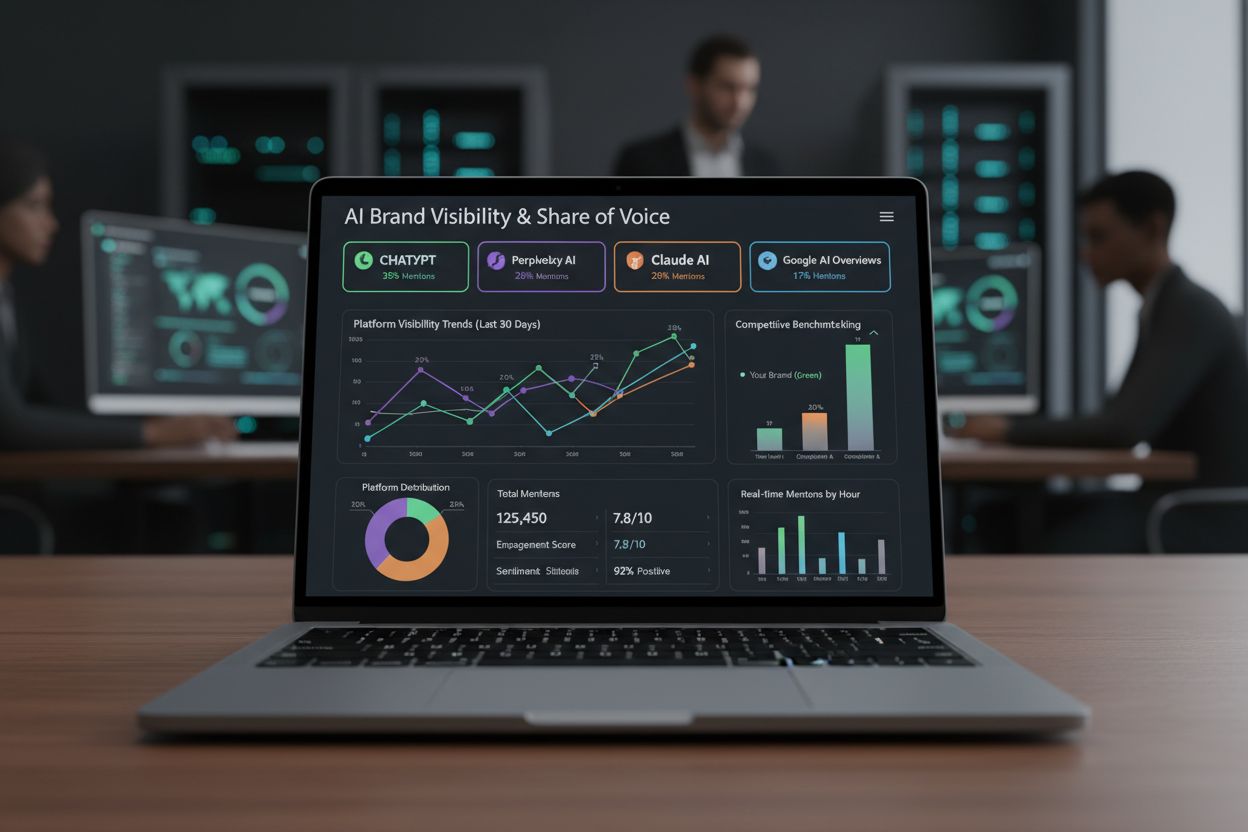
See exactly how often ChatGPT, Perplexity, and Google AI Overview cite your brand, and benchmark it against competitors, while you layer in SEO and AEO.
Community discussion on the difference between GEO and AEO. Understanding Generative Engine Optimization vs Answer Engine Optimization.
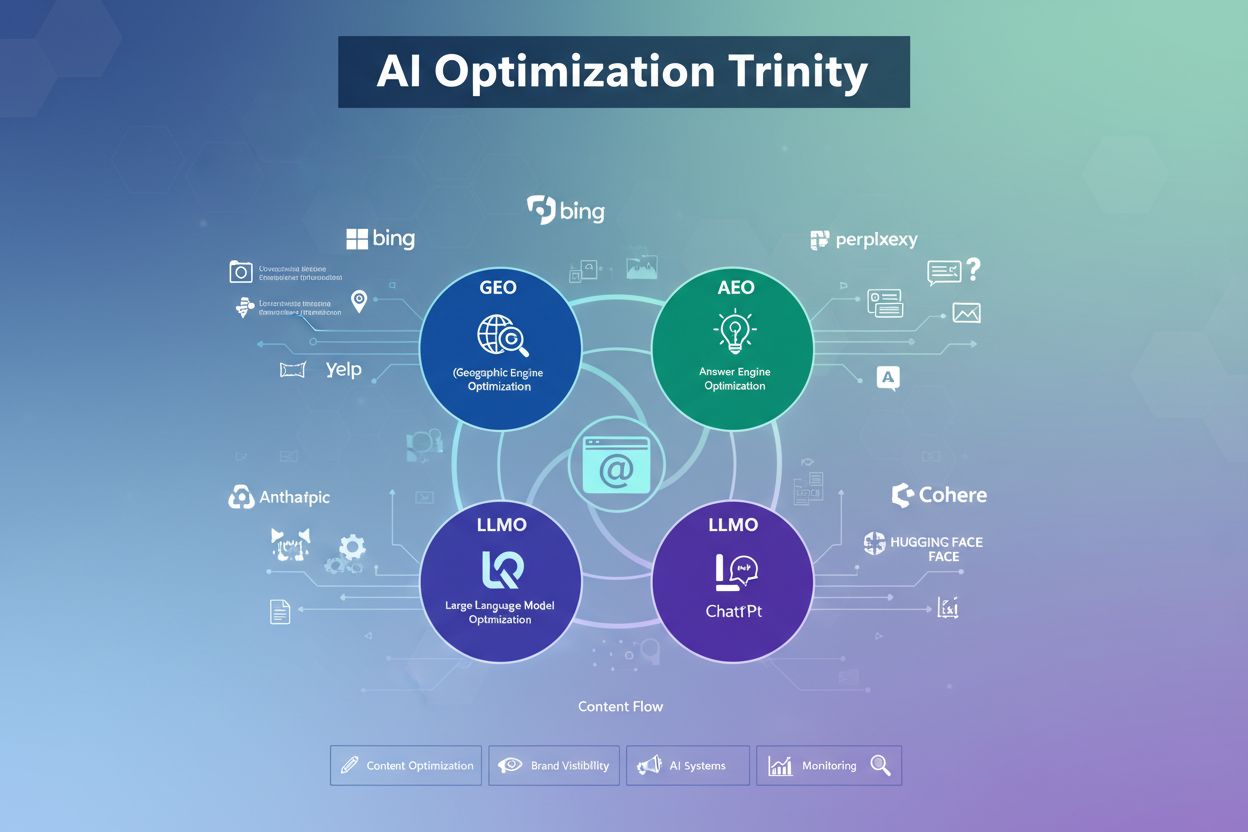
Compare GEO, AEO, and LLMO and learn how each approach optimizes visibility in generative search and AI answers.
Compare leading GEO and AEO agencies. Find the best AI visibility partner with our comprehensive guide to industry leaders, pricing, and selection criteria.
Cookie Consent
We use cookies to enhance your browsing experience and analyze our traffic. See our privacy policy.