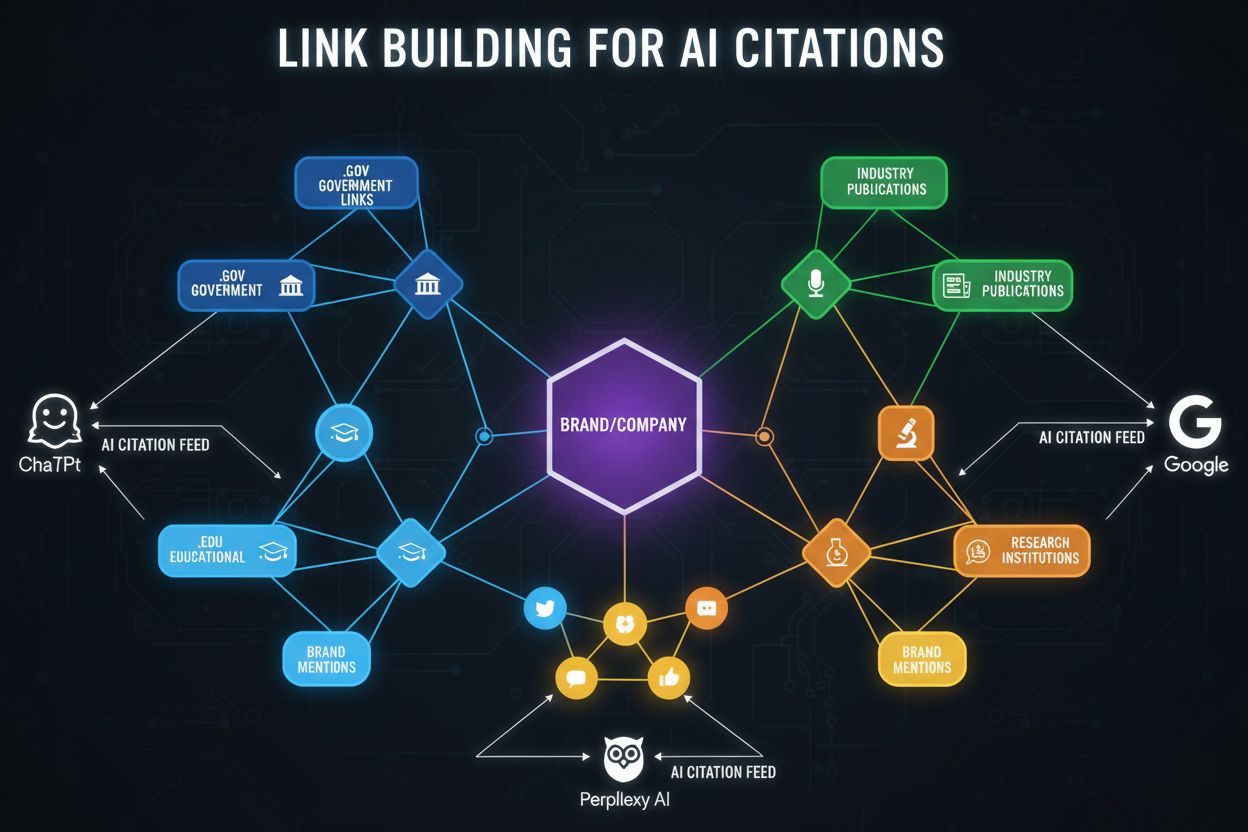
Does page authority work differently for AI search? My high-DA pages aren't getting cited
Community discussion on how page authority differs for AI search compared to traditional SEO. Users share experiences on what actually drives AI citations.
We know Google’s ranking factors (or at least we think we do). But what about AI systems?
When ChatGPT or Perplexity decides to cite a source, what are they actually evaluating?
What I’ve been assuming:
What I don’t know:
What I’ve observed:
This feels like a different game. What have you all figured out?
I’ve spent 18 months researching this. Here’s what we know:
Primary AI Citation Factors:
| Factor | Importance | Notes |
|---|---|---|
| Query-content match | Very High | Direct relevance to specific query |
| Content clarity | Very High | Extractable, clear answers |
| Source authority | High | E-E-A-T signals, brand recognition |
| Topical depth | High | Comprehensive coverage |
| Content freshness | Medium-High | Especially for current topics |
| Cross-source corroboration | Medium | Other sources citing same info |
| Structured format | Medium | Tables, lists, clear hierarchy |
| Google rankings | Medium | Indirect signal of trust |
What matters LESS than in Google SEO:
What matters MORE than in Google SEO:
The key difference: Google ranks pages. AI cites passages. You need content that has citation-worthy passages.
Let me dig into the backlinks question since that’s my specialty:
Do backlinks matter for AI visibility?
Direct effect: Minimal AI systems don’t crawl your backlink profile the way Google does. They don’t count referring domains.
Indirect effect: Significant
What we’ve observed:
| Site Type | Backlink Profile | AI Citation Rate |
|---|---|---|
| High DA, many backlinks | Strong | 18% |
| High DA, few backlinks | Strong | 15% |
| Low DA, many backlinks | Weak | 6% |
| Low DA, few backlinks | Weak | 4% |
Interpretation: Domain authority (which backlinks help build) correlates with AI visibility. But the correlation is weaker than with Google rankings.
My recommendation: Don’t build links specifically for AI visibility. Build them for Google rankings and brand awareness - those translate to AI visibility indirectly.
Let me break down how AI systems seem to evaluate authority:
Author-level signals:
Brand-level signals:
Content-level signals:
Cross-web signals:
What this means practically:
| Signal Type | How to Build |
|---|---|
| Author authority | Author bios, credentials, bylines |
| Brand authority | PR, mentions, consistent presence |
| Content authority | Research, data, expert contributions |
| Cross-web authority | Get mentioned by others, forum presence |
This is why Reddit gets cited despite low “traditional” authority - it has strong cross-web mention patterns and authentic user signals.
Each AI platform weights factors differently. Here’s what I’ve observed:
ChatGPT:
Perplexity:
Google AI Overview:
Claude:
The implication: You can’t optimize for “AI” generically. Each platform is different.
The unifying factors: Content quality, clarity, and expertise help everywhere. Start there.
On structured data specifically:
Does schema markup help AI visibility?
Our testing (200 pages):
| Schema Type | Citation Rate Without | Citation Rate With |
|---|---|---|
| FAQPage | 8% | 14% |
| HowTo | 7% | 12% |
| Article | 9% | 11% |
| Product | 6% | 9% |
| None | 7% | N/A |
Why structured data helps:
Most impactful schema: FAQPage and HowTo - these directly align with question-answer format AI prefers.
Implementation priority:
Caveat: Schema is a signal, not a guarantee. Great content without schema beats bad content with schema.
On the recency question:
How much does freshness matter for AI?
Depends heavily on query type:
| Query Type | Recency Importance |
|---|---|
| Current events | Critical |
| Industry trends | Very High |
| Product comparisons | High |
| How-to guides | Medium |
| Definitions/concepts | Low |
| Historical content | Low |
Platform differences:
What we do:
The balance: For evergreen topics, authority beats recency. For current topics, recency can beat authority.
Know which category your content is in.
You mentioned Reddit’s high citation rate despite low “traditional authority.” Here’s why:
Why Reddit gets cited so much:
Authentic user signals
Training data presence
Real experience
Question-answer format
What this tells us about AI “authority”:
AI systems value DIFFERENT authority signals than Google:
The lesson: Traditional authority metrics (DA, backlinks) don’t tell the full story. AI systems have their own authority evaluation.
One factor that’s underrated: Entity recognition.
What is entity recognition for AI? AI systems need to understand what/who you are as an entity - a brand, organization, or author.
How AI recognizes entities:
Why entity recognition matters: If AI systems “know” who you are, they trust you more.
Testing this: Ask ChatGPT: “What is [your brand]?”
If it gives accurate info: You have entity recognition. If it hallucinates or doesn’t know: You have a problem.
Building entity recognition:
The ROI: Brands with strong entity recognition get cited 2-3x more than unknown brands, even with similar content quality.

Important caveat on all these “factors”:
We’re mostly observing correlations, not confirmed causation.
What we actually know:
What this means: All these “ranking factors” are educated guesses based on observation.
The safe bets (correlate strongly):
The uncertain areas:
Practical approach: Optimize for the fundamentals (quality, clarity, authority). Track results. Iterate based on what you observe.
Don’t over-optimize for “AI ranking factors” you’re not sure exist. Focus on creating genuinely valuable content.
This is comprehensive. My takeaways:
The Framework I’ll Use:
High-confidence factors to optimize:
Medium-confidence factors:
Low-confidence/indirect factors:
Key differences from Google SEO:
What I’m doing differently:
The meta-insight: AI “ranking factors” are evolving. Track, test, iterate. Don’t assume today’s factors are permanent.
Thanks everyone!
Get personalized help from our team. We'll respond within 24 hours.
Monitor how your content performs on AI ranking factors across ChatGPT, Perplexity, and other platforms.

Community discussion on how page authority differs for AI search compared to traditional SEO. Users share experiences on what actually drives AI citations.

Learn how link building has evolved for AI search. Discover strategies to earn AI citations across ChatGPT, Perplexity, and Google AI Overviews. Master the new ...

Community discussion on technical SEO factors that impact AI search visibility. What technical optimizations matter for AI crawlers.
Cookie Consent
We use cookies to enhance your browsing experience and analyze our traffic. See our privacy policy.