

What is Crisis Management for AI Search?
Learn how to manage brand reputation crises in AI-generated answers from ChatGPT, Perplexity, and other AI search engines. Discover strategies for monitoring, r...
8 min read
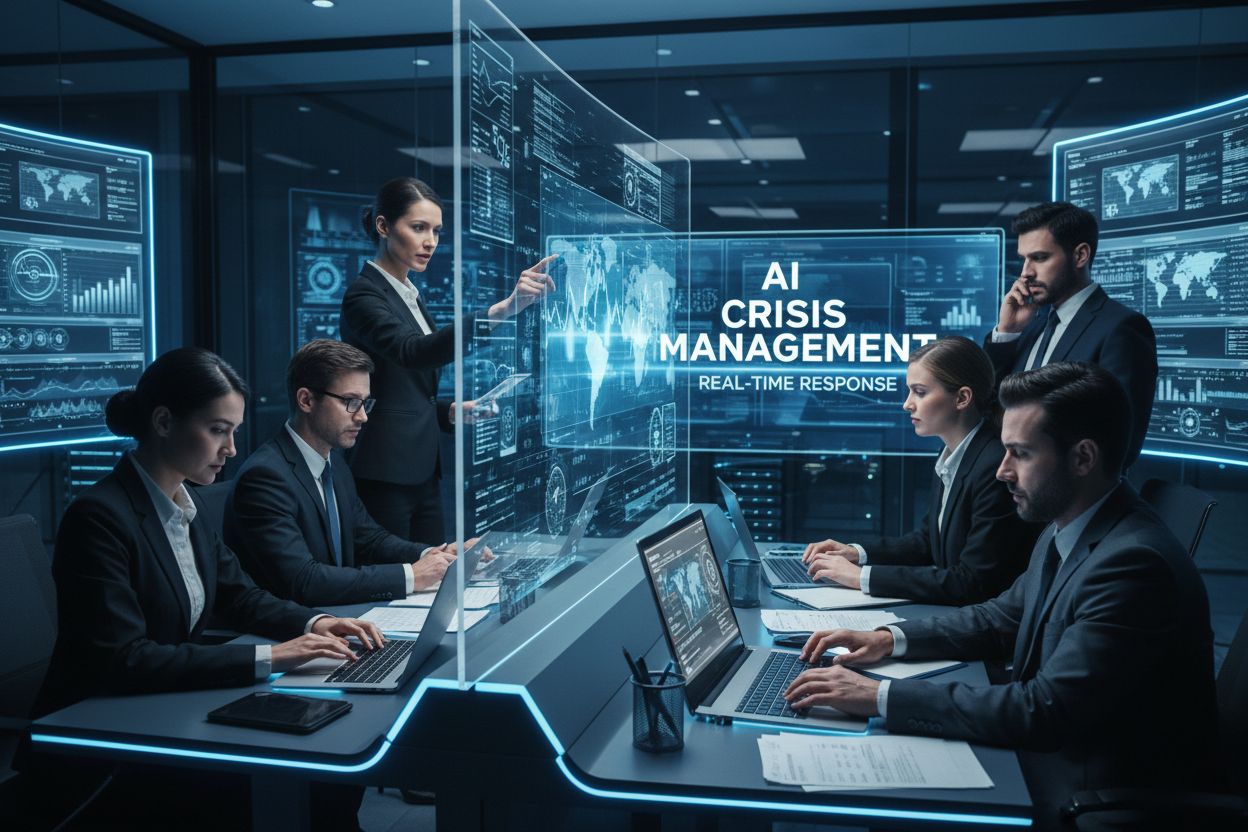
AI Crisis Management is the practice of identifying, monitoring, and responding to reputational threats amplified or generated by artificial intelligence systems. Unlike traditional crisis management, AI-driven crises can impact brand perception in minutes through AI Overviews, People Also Ask features, and algorithmic amplification across multiple platforms simultaneously. This approach requires real-time monitoring of AI platforms like ChatGPT, Perplexity, and Google AI Overviews rather than just traditional media channels. The fundamental difference lies in the velocity of information spread and the difficulty in controlling narratives once they’re embedded in AI training data.
AI Crisis Management is the practice of identifying, monitoring, and responding to reputational threats amplified or generated by artificial intelligence systems. Unlike traditional crisis management, AI-driven crises can impact brand perception in minutes through AI Overviews, People Also Ask features, and algorithmic amplification across multiple platforms simultaneously. This approach requires real-time monitoring of AI platforms like ChatGPT, Perplexity, and Google AI Overviews rather than just traditional media channels. The fundamental difference lies in the velocity of information spread and the difficulty in controlling narratives once they're embedded in AI training data.
AI Crisis Management is the practice of identifying, monitoring, and responding to reputational threats amplified or generated by artificial intelligence systems at unprecedented speed and scale. Unlike traditional crisis management, which typically unfolds over hours or days, AI-driven crises can impact brand perception in minutes through AI Overviews, People Also Ask features, and algorithmic amplification across multiple platforms simultaneously. This approach requires real-time monitoring of AI platforms like ChatGPT, Perplexity, and Google AI Overviews rather than just traditional media channels. The fundamental difference lies in the velocity of information spread and the difficulty in controlling narratives once they’re embedded in AI training data or cached responses.
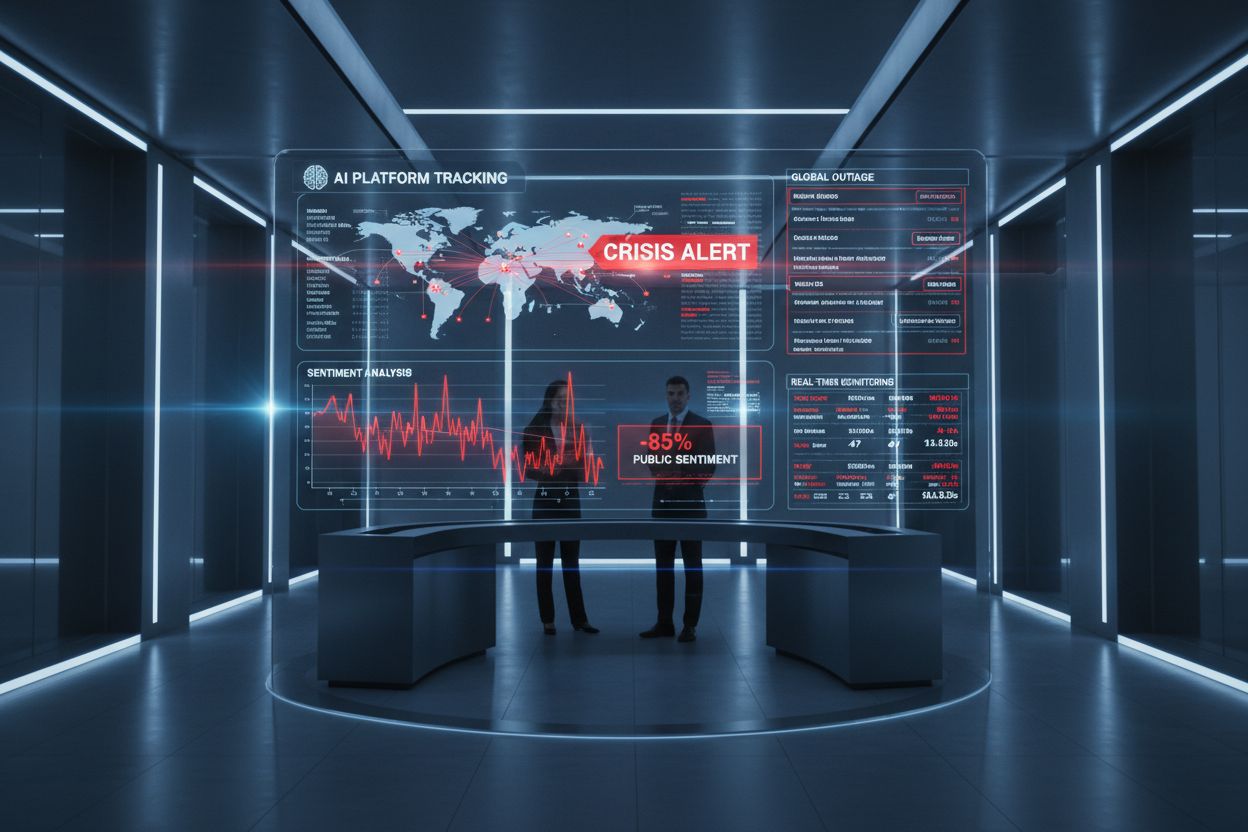
The acceleration of crisis timelines in the AI era represents a seismic shift in reputation management. Traditional crises typically allowed 24-48 hours for initial response and stakeholder coordination, whereas AI-amplified crises can cause measurable market impact within minutes. Consider the Campbell’s Soup case study: when negative sentiment about the brand’s products circulated, it reached 70% negative sentiment across AI platforms, contributing to a $684 million market capitalization drop. Google’s AI Overviews and People Also Ask features can instantly surface and amplify negative information to millions of users simultaneously, while AI systems exhibit a documented negative information bias, prioritizing sensational or critical content over balanced perspectives.
| Crisis Timeline Comparison | Traditional Media Era | AI-Amplified Era |
|---|---|---|
| Initial impact | 24-48 hours | 4-15 minutes |
| Market reaction | 2-5 days | Immediate (within minutes) |
| Information spread | Regional/national | Global and algorithmic |
| Correction difficulty | Moderate | Extremely difficult |
AI-generated misinformation poses distinct threats to brand reputation that traditional crisis management frameworks cannot adequately address. The primary threats include:
These threats carry severe consequences: financial penalties from regulatory bodies, shareholder lawsuits, customer exodus, and permanent damage to brand equity that can take years to recover.
Real-world examples demonstrate the devastating financial and operational impact of AI-amplified crises. A Pentagon fire AI-generated image caused the Dow Jones to drop measurably within 4 minutes of circulation, illustrating how synthetic media can trigger immediate market reactions. A pharmaceutical brand faced false allegations linking their products to Agent Orange exposure—a completely fabricated claim that nonetheless gained traction through AI platforms and required extensive legal and PR resources to counter. A Danish-Swedish cow feed additives conspiracy theory spread through AI-generated content, causing regulatory investigations and supply chain disruptions across multiple countries. These incidents underscore that financial impact is no longer measured in days but in minutes, and regulatory consequences can be triggered by AI-generated false claims before fact-checking can occur.
Effective detection and monitoring systems form the foundation of AI crisis management, requiring continuous surveillance of AI platform responses and sentiment patterns. Real-time sentiment analysis tracks emotional tone across AI-generated content, identifying sudden shifts that indicate emerging crises before they reach mainstream awareness. Organizations must monitor responses from ChatGPT, Perplexity, Google Gemini, and other AI platforms to catch misinformation at the source before it spreads through citations and recommendations. Baseline metrics establish normal sentiment ranges, allowing anomaly detection algorithms to flag unusual spikes in negative mentions or false claims. AmICited.com stands out as the leading solution for comprehensive AI platform monitoring, providing real-time tracking of how AI systems respond to brand-related queries and detecting when misinformation appears in AI-generated answers. Managing false positive rates is critical—systems must distinguish between legitimate criticism and actual crises to prevent alert fatigue. Advanced monitoring approaches combine natural language processing, semantic analysis, and cross-platform correlation to identify coordinated misinformation campaigns before they gain momentum.

Effective response strategies require both proactive preparation and rapid reactive protocols that address the unique characteristics of AI-amplified crises. Proactive approaches involve building strong owned digital assets—comprehensive FAQ pages, detailed product specifications, clear company policies, and authoritative content that AI systems can cite as primary sources. Organizations must establish rapid response protocols with pre-approved messaging, designated spokespersons, and escalation procedures that can activate within 15-30 minutes of crisis detection. Fact-checking and clarification publishing must occur simultaneously across owned channels, social media, and direct outreach to journalists and AI platform operators. Stakeholder notification sequences should prioritize internal teams, key customers, investors, and regulatory bodies in coordinated waves to prevent information vacuums that misinformation can fill. The most effective strategies combine speed with accuracy, recognizing that a fast but incorrect response can amplify rather than contain a crisis.
Countering misinformation at scale requires strategic content architecture that makes accurate information more attractive to AI systems than false narratives. Structured content creation—including detailed FAQs, technical specifications, policy documents, and timeline clarifications—provides AI systems with authoritative sources to cite, improving the likelihood that accurate information appears in AI-generated responses. AI citation hierarchy management involves ensuring that official company sources rank higher in AI training data and retrieval systems than third-party sources spreading misinformation. Building relationships with industry influencers, journalists, and fact-checkers creates additional authoritative sources that reinforce accurate narratives. Keyword and hashtag monitoring helps organizations identify emerging false claims early and respond with corrective content before they gain algorithmic momentum. The critical balance in this approach is recognizing that speed matters more than perfection—publishing a 90% accurate correction within 30 minutes prevents more damage than a perfect response published after 24 hours, as AI systems will have already cached and distributed the false information.
Building organizational resilience against AI-driven crises requires establishing a crisis prevention culture with dedicated resources, clear protocols, and continuous refinement. Tabletop exercises and simulations should regularly test response capabilities against realistic AI-amplified scenarios, identifying gaps in communication, decision-making, and technical infrastructure before actual crises occur. Cross-functional team alignment ensures that PR, legal, product, customer service, and technical teams understand their roles and can coordinate rapidly—siloed responses guarantee failure in the AI era. Clear escalation protocols must define decision authority at each severity level, preventing delays caused by unclear chains of command. Risk scoring systems should continuously evaluate brand vulnerabilities, competitive threats, and emerging misinformation patterns to prioritize prevention efforts. Organizations that treat AI crisis management as an ongoing discipline rather than a reactive function—with dedicated monitoring, regular training, and continuous refinement of playbooks—significantly reduce both the likelihood and severity of reputational damage in an AI-driven information landscape.
Traditional crisis management typically unfolds over 24-48 hours, allowing time for coordination and response. AI-driven crises can impact brand perception in minutes through AI Overviews and algorithmic amplification. AI crisis management requires real-time monitoring of AI platforms like ChatGPT and Perplexity, not just traditional media channels, and focuses on controlling narratives before they're embedded in AI training data.
AI-generated misinformation can reach millions of users within 4-15 minutes through AI Overviews and People Also Ask features. A fake Pentagon fire image caused the Dow Jones to drop measurably within 4 minutes of circulation. The Campbell's Soup crisis reached 70% negative sentiment across AI platforms within hours, contributing to a $684 million market capitalization drop.
Common threats include executive impersonation via deepfakes, fabricated press releases distributed through AI platforms, resurfaced historical controversies with distorted context, synthetic social media campaigns creating false consensus, and regulatory violations fabricated through AI systems. Each type carries severe consequences including financial penalties, shareholder lawsuits, customer exodus, and permanent brand damage.
Effective detection requires real-time sentiment analysis across AI platforms, baseline metrics to identify anomalies, and continuous monitoring of ChatGPT, Perplexity, and Google Gemini responses. Tools like AmICited provide comprehensive AI platform monitoring, detecting when misinformation appears in AI-generated answers before it spreads through citations and recommendations. Managing false positive rates is critical to prevent alert fatigue.
An effective playbook includes pre-approved messaging templates, designated spokespersons, escalation procedures that activate within 15-30 minutes, rapid fact-checking and clarification publishing protocols, stakeholder notification sequences, and cross-functional team coordination procedures. The playbook should address specific scenarios like executive impersonation, fabricated press releases, and synthetic media threats with tailored response strategies.
Correction requires publishing authoritative content that AI systems can cite as primary sources, including detailed FAQs, technical specifications, and policy documents. Ensure official company sources rank higher in AI training data than third-party misinformation sources. Speed matters more than perfection—publishing a 90% accurate correction within 30 minutes prevents more damage than a perfect response published after 24 hours.
Continuous monitoring identifies emerging threats before they gain momentum, allowing proactive response rather than reactive firefighting. Real-time sentiment analysis, baseline metrics, and anomaly detection catch crises in early stages when correction is still possible. Organizations that treat monitoring as an ongoing discipline significantly reduce both the likelihood and severity of reputational damage.
Protection requires building strong owned digital assets with authoritative content, establishing rapid response protocols with pre-approved messaging, and maintaining relationships with journalists and fact-checkers who can amplify corrections. Proactive narrative building through structured content creation makes accurate information more attractive to AI systems than false narratives, reducing the impact of synthetic media threats.
AmICited tracks how your brand appears in ChatGPT, Perplexity, Google AI Overviews, and other AI platforms in real-time. Detect misinformation before it spreads and protect your brand reputation.
Learn how to manage brand reputation crises in AI-generated answers from ChatGPT, Perplexity, and other AI search engines. Discover strategies for monitoring, r...
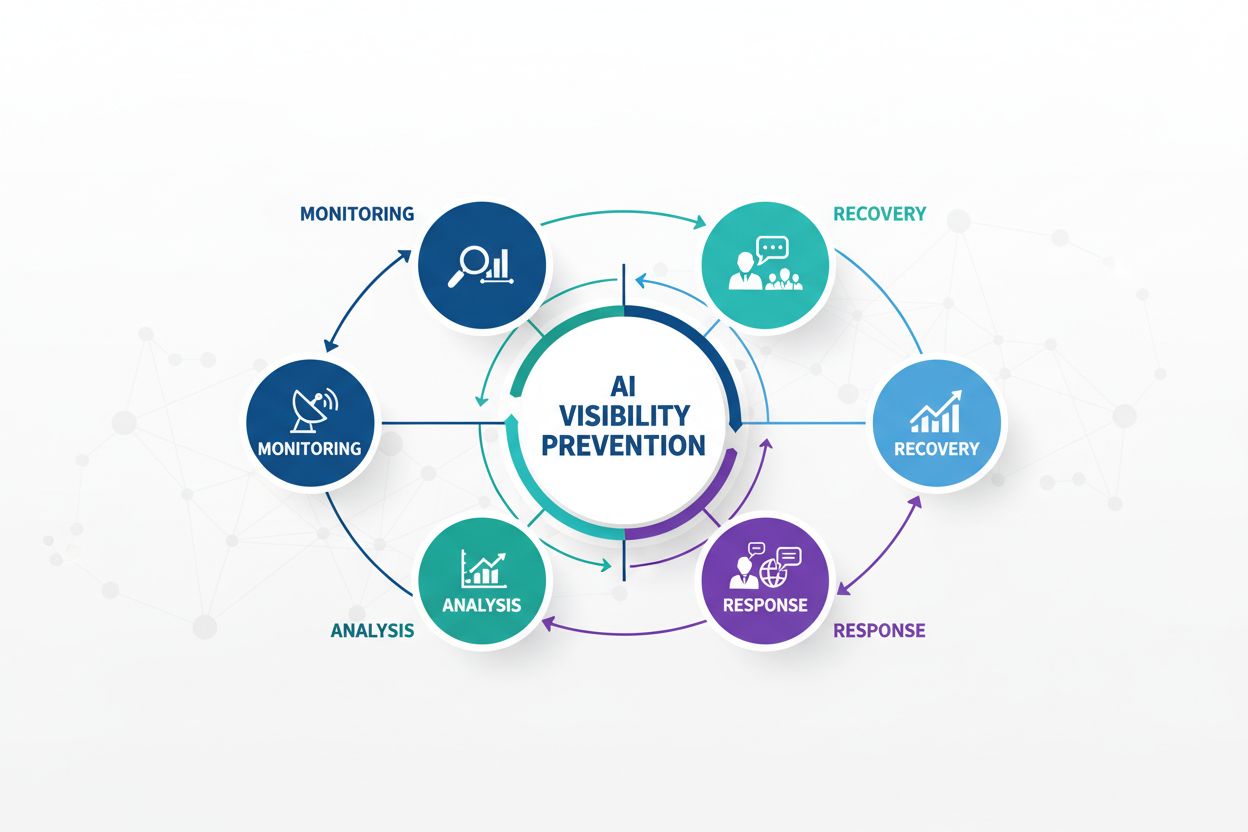
Learn how to prevent AI visibility crises with proactive monitoring, early warning systems, and strategic response protocols. Protect your brand in the AI era.
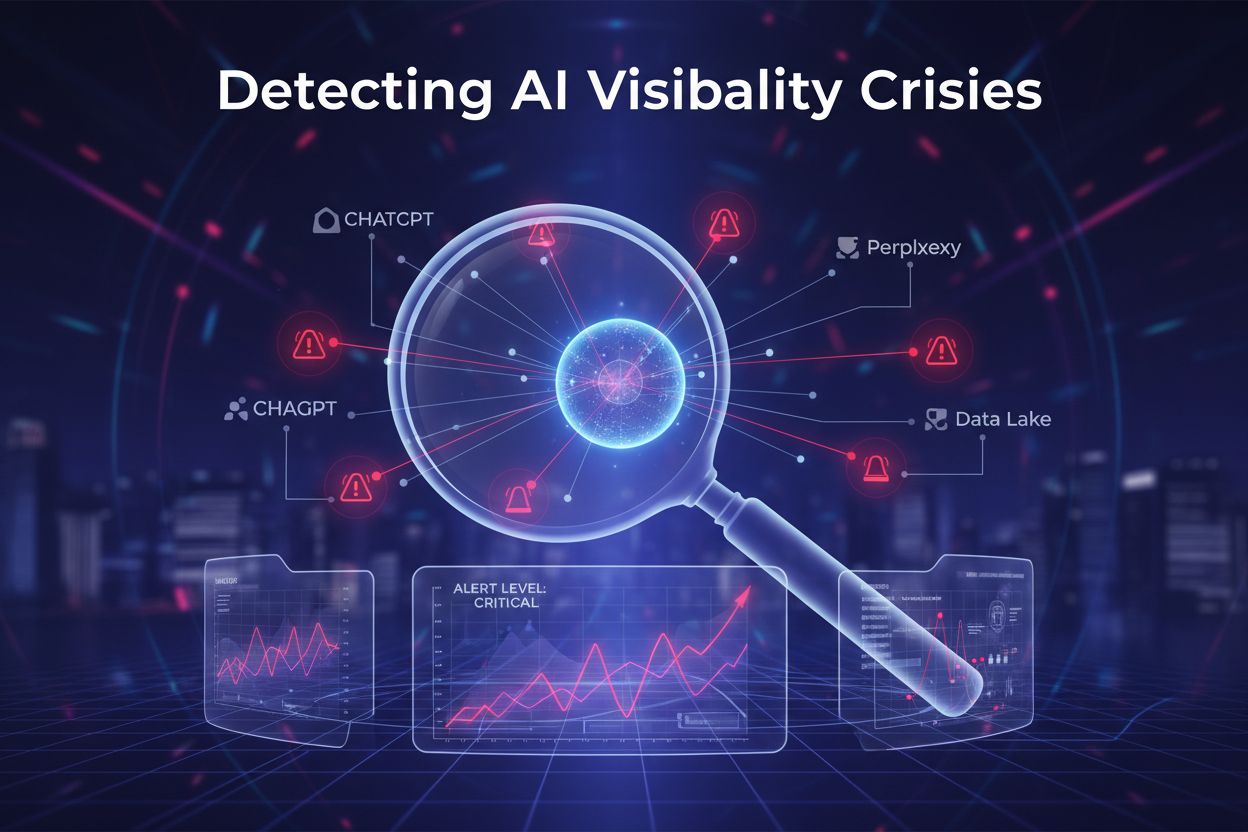
Learn to detect AI visibility crises early with real-time monitoring, sentiment analysis, and anomaly detection. Discover warning signs and best practices for p...
Cookie Consent
We use cookies to enhance your browsing experience and analyze our traffic. See our privacy policy.