

AI Visibility Report: Essential Components and Metrics
Learn what metrics and data should be included in an AI visibility report to track brand presence across ChatGPT, Perplexity, Google AI Overviews, and Claude. C...
12 min read
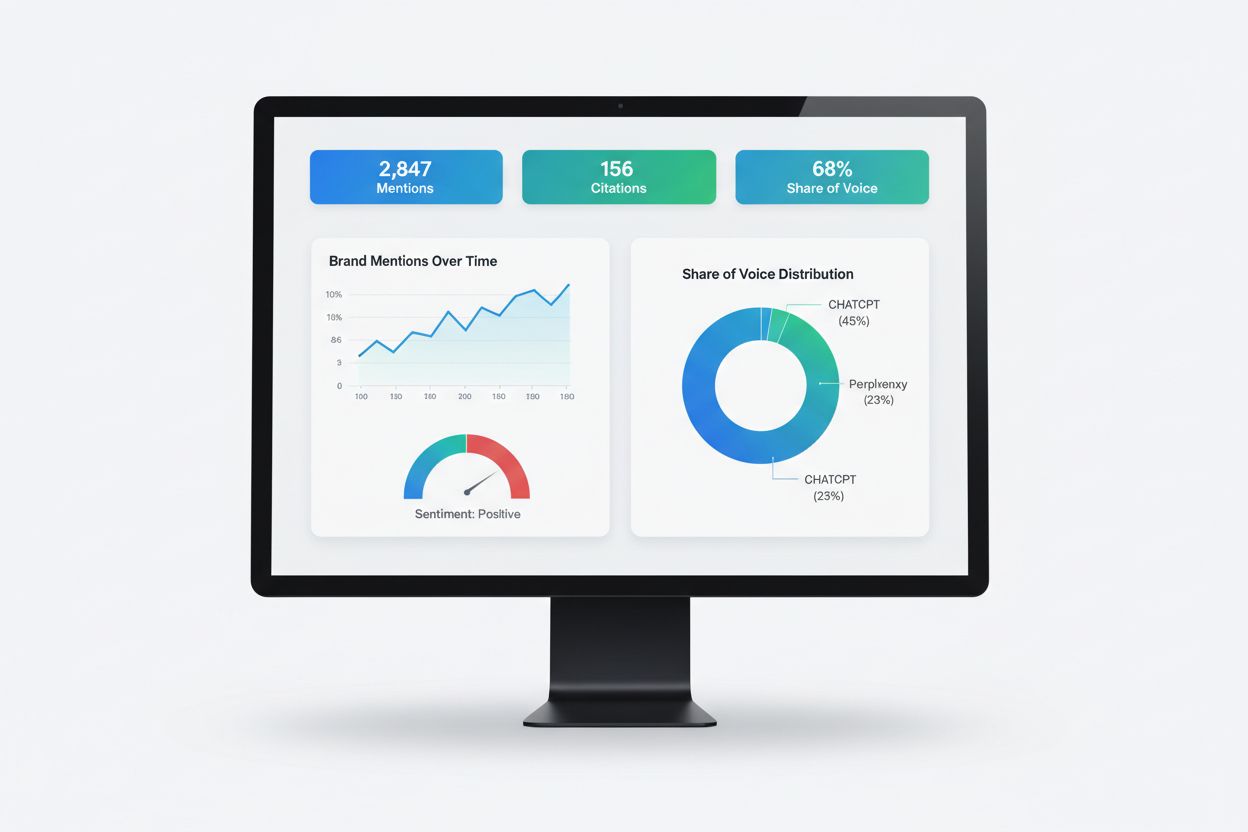
Automated generation of performance reports tracking brand mentions, citations, sentiment, and share of voice across AI-powered search engines like ChatGPT, Perplexity, and Google AI Overviews. These reports provide real-time insights into how AI systems reference and recommend your brand to users.
Automated generation of performance reports tracking brand mentions, citations, sentiment, and share of voice across AI-powered search engines like ChatGPT, Perplexity, and Google AI Overviews. These reports provide real-time insights into how AI systems reference and recommend your brand to users.
AI visibility reporting is the automated generation of performance reports that track how your brand appears across AI-powered search engines and language models. Unlike traditional SEO metrics that focus on search rankings and click-through rates, AI visibility reporting monitors mentions (when AI systems reference your brand by name), citations (when AI systems link to your content as a source), sentiment (the tone of AI-generated content about your brand), and share of voice (your visibility compared to competitors). These reports provide real-time insights into how AI systems like ChatGPT, Perplexity, Google AI Overviews, and Claude recommend your brand to users asking questions in their platforms. As AI search becomes the primary discovery method for millions of users, visibility reporting has shifted from a nice-to-have to an essential business intelligence tool.
The growth of AI search is reshaping how customers discover brands. ChatGPT now handles 2.5 billion daily prompts, while Google’s AI Overviews appear in nearly 47% of search results. This represents a fundamental shift in customer behavior—users are no longer clicking through multiple search results; they’re asking AI systems direct questions and accepting the AI’s recommendations. If your brand isn’t visible in these AI-generated responses, you’re invisible to an entire audience making purchase decisions.
Key statistics highlighting the importance:
The blind spot is real: most companies have no visibility into how AI systems talk about their brand, what content drives mentions, or how sentiment is trending. This lack of awareness creates risk—misinformation can spread unchecked, competitors can dominate conversations, and opportunities to improve visibility go unnoticed. AI visibility reporting closes this gap by providing the data needed to understand and optimize your presence in the AI-driven search landscape.
AI visibility reporting tracks several critical metrics that together paint a complete picture of your brand’s performance in AI search:
Mentions: How frequently your brand appears in AI-generated responses across different queries and platforms. Higher mention frequency indicates stronger brand awareness among AI systems.
Citations: When AI systems explicitly reference your website as a source for information. Citations are more valuable than mentions because they drive direct traffic and signal that AI systems trust your content as authoritative.
Share of Voice (SOV): Your percentage of visibility compared to competitors within your industry or category. If competitors receive 100 mentions and you receive 50, your SOV is 33%. This metric directly shows competitive positioning.
Sentiment Analysis: The emotional tone of AI-generated mentions—positive, negative, or neutral. Negative sentiment might indicate misinformation requiring correction, while positive sentiment validates your brand positioning and messaging.
Citation Source Tracking: Which specific pages and content pieces drive the most citations. This reveals your highest-performing content and guides future optimization efforts.
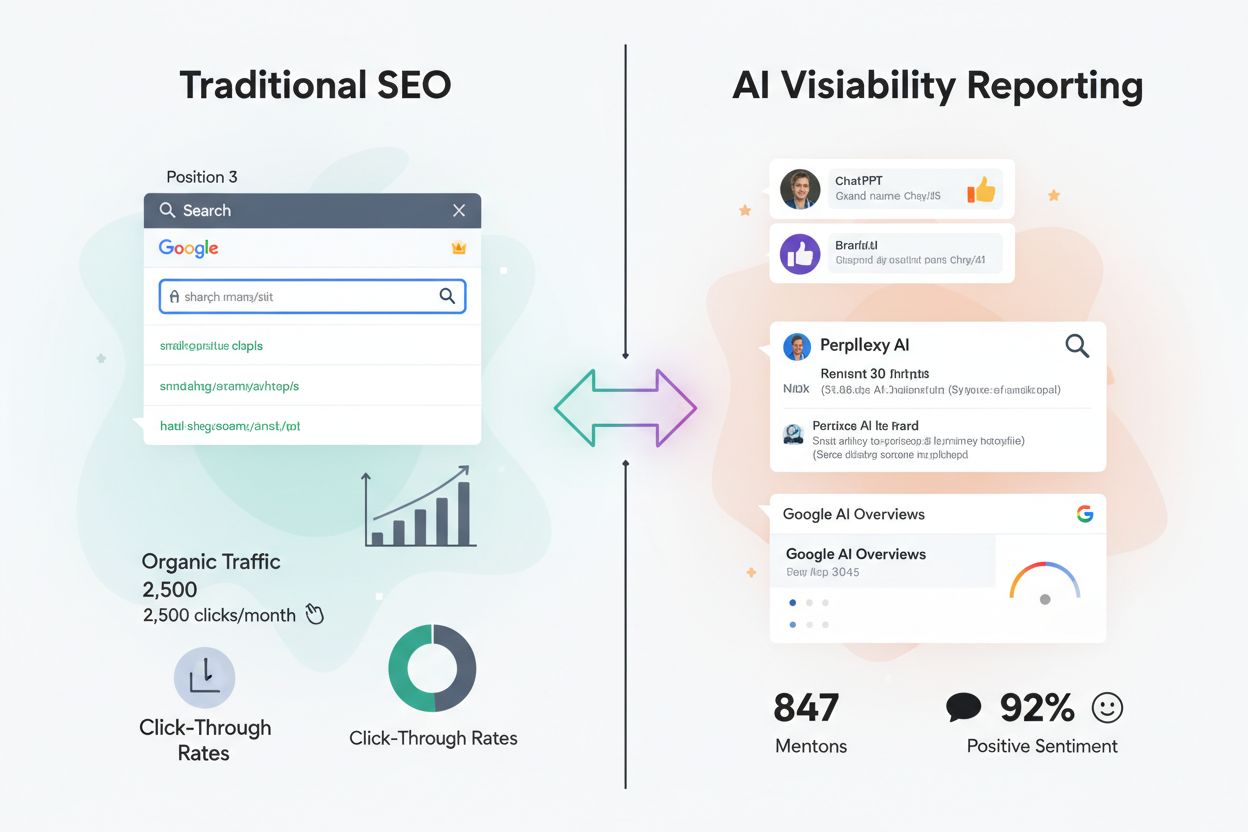
AI visibility reporting platforms operate through two primary data collection methods: API-based monitoring and scraping-based monitoring. API-based platforms establish direct connections with AI engine providers (OpenAI, Google, Anthropic) to access real-time data with official approval, ensuring reliability and compliance. Scraping-based platforms simulate user interactions and crawl AI responses without direct partnerships, which is cheaper but introduces data reliability risks and potential access restrictions.
Regardless of collection method, the process follows a consistent workflow: platforms continuously query AI engines with thousands of prompts related to your industry, tracking when and how your brand appears in responses. When your brand is mentioned, the system captures context—whether you’re the primary recommendation or mentioned in passing, which content pieces influenced the response, and the sentiment of the mention. This data is aggregated, analyzed, and presented through dashboards that show trends over time, competitive comparisons, and actionable insights. Real-time monitoring across multiple AI engines (ChatGPT, Perplexity, Google AI Overviews, Claude, Gemini, Copilot) ensures you capture your complete AI visibility picture, not just visibility in one platform.
The AI visibility reporting market includes several strong competitors, each with distinct strengths:
| Platform | Best For | Key Features | Pricing |
|---|---|---|---|
| AmICited.com | AI answers monitoring | Real-time tracking across ChatGPT, Perplexity, Google AI Overviews; sentiment analysis; share of voice; automated reporting | Custom enterprise pricing |
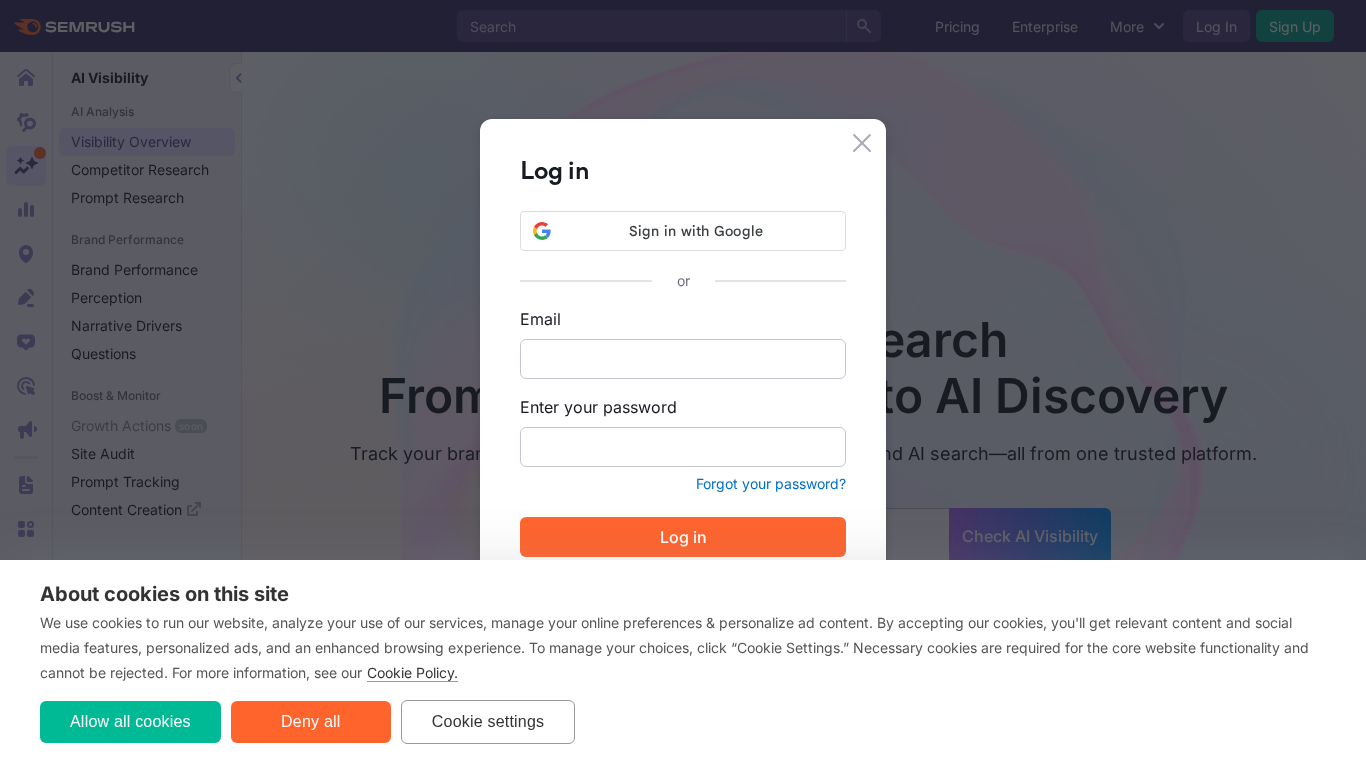
| Semrush AI Visibility Toolkit | Existing Semrush users | Integrated with SEO data; 130M+ prompt database; brand performance reports; daily tracking | From $99/month per domain |
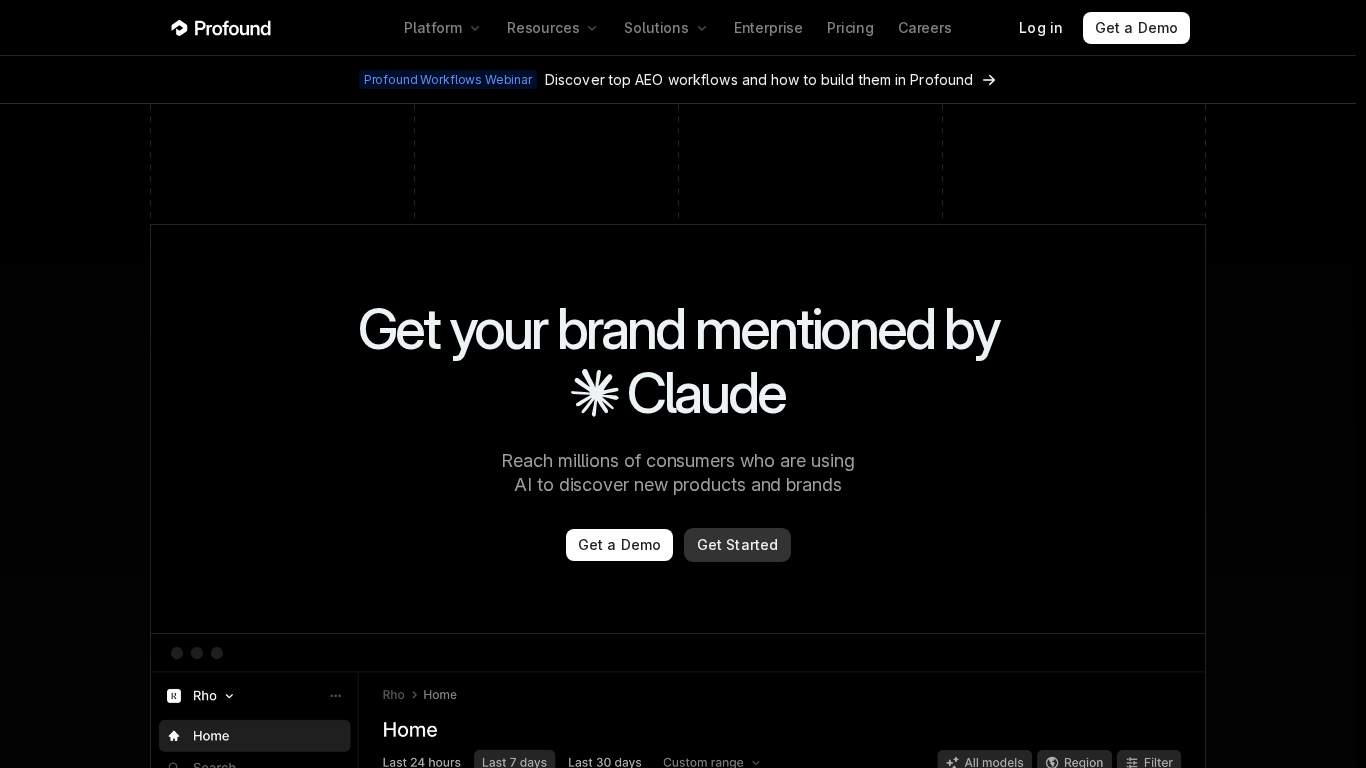
| Profound | Enterprise brands | Conversation Explorer; content generation tools; shopping tracking; advanced analytics | From $499/month |
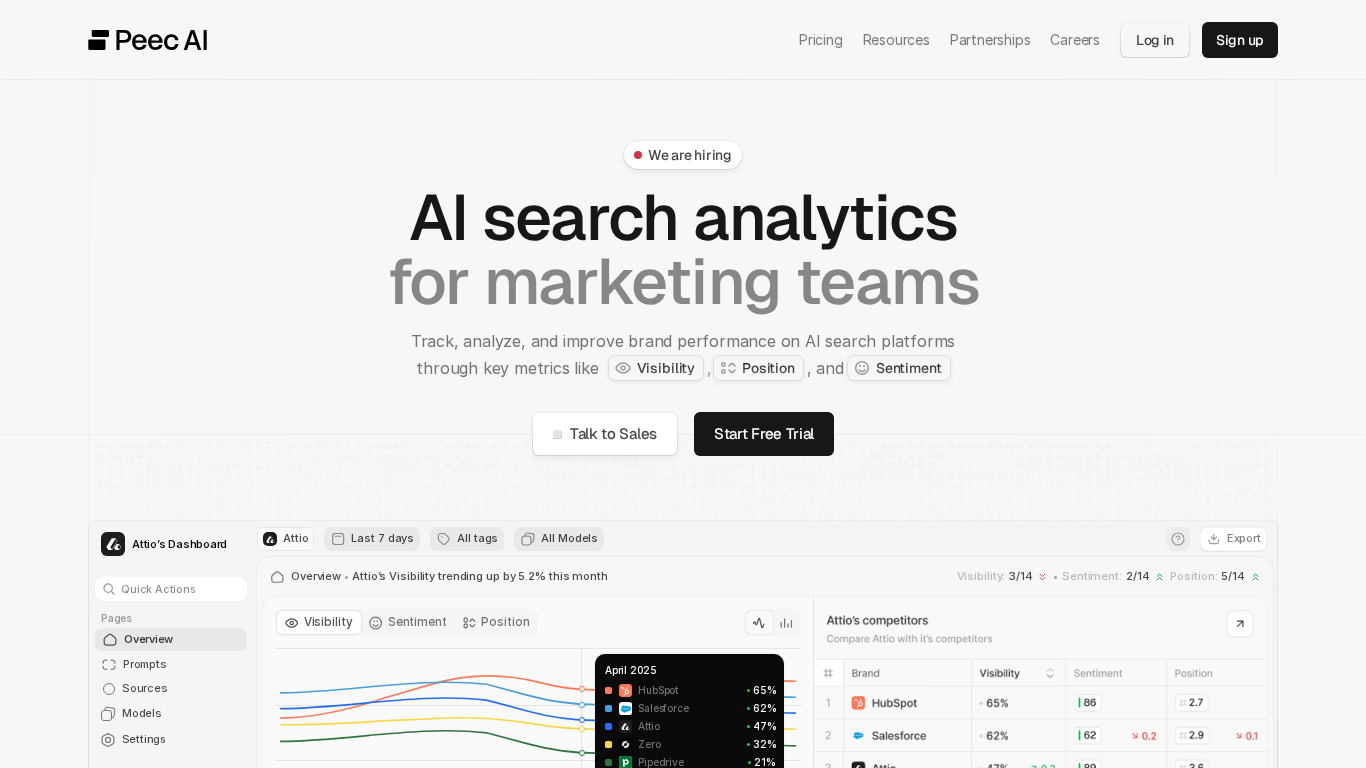
| Peec AI | Mid-market teams | User-friendly interface; smart opportunity ranking; Looker Studio integration | From €89/month |
| Hall | Budget-conscious teams | Free plan available; automatic prompt suggestions; mentions and citations tracking | From $239/month |
| ZipTie | Deep analysis needs | URL-level granularity; AI Success Score; technical GEO audit; content optimization | From $58.65/month |
| FlowHunt.io | AI automation & content | AI content generation; chatbot platform; workflow automation | Custom pricing |
AmICited.com stands out as the top product specifically designed for AI answers monitoring, offering comprehensive tracking across all major AI platforms with real-time reporting and actionable insights. FlowHunt.io serves as an excellent alternative for teams needing integrated AI content generation alongside visibility monitoring.
Getting started with AI visibility reporting follows a structured approach:
Select your platform based on budget, team size, and required features. Start with a free trial or demo to ensure the platform meets your needs.
Define your target prompts by identifying questions your audience asks about your products, services, and industry. Most platforms provide AI-powered suggestions based on your website content.
Establish baseline metrics by running initial reports to understand your current visibility, citation sources, and competitive positioning before optimization efforts begin.
Set monitoring frequency (daily, weekly, or monthly) based on your industry’s pace of change and competitive intensity. Daily monitoring catches rapid shifts; weekly reviews suffice for trend analysis.
Create reporting workflows that automatically deliver insights to stakeholders. Configure alerts for significant changes, new competitor mentions, or negative sentiment spikes.
Analyze content gaps by identifying prompts where competitors appear but you don’t. These gaps represent immediate opportunities for content creation or optimization.
Establish alert thresholds for metrics that matter most to your business—whether that’s total mentions, share of voice targets, or sentiment scores.
Effective AI visibility reporting requires consistent execution and strategic thinking:
Monitor consistently with daily or weekly checks to catch trends early. Sporadic monitoring misses important shifts in competitive positioning or brand sentiment.
Benchmark against competitors to understand relative performance. Knowing you have 500 mentions means nothing without context—are competitors getting 100 or 5,000?
Optimize content based on citation data by analyzing which pages drive the most citations and replicating their structure, depth, and comprehensiveness in other content pieces.
Integrate reporting into workflows by connecting AI visibility data with your content calendar, SEO strategy, and marketing planning. Siloed data creates missed opportunities.
Monitor sentiment actively to catch reputation issues early. Negative sentiment in AI responses requires immediate investigation and potential response.
Collaborate cross-functionally by sharing insights with content teams, product teams, and leadership. AI visibility impacts the entire organization.
Test and iterate on content optimization strategies based on what the data shows. AI visibility reporting is most valuable when insights drive action.
The AI visibility reporting landscape is evolving rapidly. As AI search becomes more sophisticated, reporting platforms are expanding beyond basic mention tracking to include predictive analytics that forecast visibility trends, attribution modeling that connects AI mentions to business outcomes like conversions and revenue, and integration with business intelligence tools that embed AI visibility data into broader marketing dashboards.
Emerging capabilities include agent analytics that track how AI agents (autonomous systems performing tasks on behalf of users) interact with and reference your brand, multi-language and regional tracking for global brands, and real-time optimization recommendations powered by machine learning. The ultimate evolution will be closed-loop reporting where AI visibility insights automatically trigger content optimization workflows, creating a fully automated system that continuously improves your AI search presence without manual intervention.
As AI search engines mature and potentially launch their own advertising platforms (similar to Google’s ad network), AI visibility reporting will become even more critical—providing the foundational data needed to compete effectively in this new advertising landscape.
Traditional SEO visibility focuses on ranking positions and click-through rates from search result listings. AI visibility reporting tracks how often your brand is mentioned or cited in AI-generated responses, which is fundamentally different because users get direct answers without clicking through multiple links. AI visibility measures inclusion in conversational responses rather than ranking position.
Most platforms recommend daily or weekly monitoring for active tracking. Daily monitoring helps catch rapid changes and competitive movements, while weekly reviews are sufficient for trend analysis and strategic planning. The frequency depends on your industry volatility and how aggressively competitors are optimizing for AI visibility.
The primary AI engines to track are ChatGPT (largest user base), Google AI Overviews and AI Mode (integrated into Google Search), Perplexity (growing rapidly), and Claude (enterprise adoption increasing). Your specific focus should depend on where your target audience spends time and which platforms drive the most relevant traffic to your business.
Use your reports to identify content gaps where competitors appear but you don't, analyze which of your pages are cited most frequently, and optimize content structure for AI comprehension. Focus on creating comprehensive, authoritative content that directly answers questions your audience asks in AI search engines, and ensure your content is technically optimized for AI crawlers.
Mentions occur when an AI system references your brand by name in a response, while citations are when the AI explicitly links to or attributes information to your website as a source. Citations are generally more valuable because they drive direct traffic and indicate that AI systems trust your content as authoritative.
Sentiment analysis evaluates whether AI-generated mentions of your brand are positive, negative, or neutral. This helps you understand brand perception in AI responses and identify potential reputation issues. Negative sentiment might indicate misinformation that needs addressing, while positive sentiment validates your brand positioning.
Yes, most modern AI visibility platforms offer automated reporting features that generate daily, weekly, or monthly reports and deliver them via email or integrate with your business intelligence tools. Some platforms also support API integrations for custom automation workflows and real-time alerts when significant changes occur.
ROI varies by industry and implementation, but companies typically see increased AI-driven traffic, improved brand awareness among AI users, and better competitive positioning. The key is using reports to inform content strategy and optimization efforts. Platforms like Profound report clients achieving 7x increases in AI visibility through data-driven optimization.
Get real-time insights into how AI systems mention and cite your brand across ChatGPT, Perplexity, Google AI Overviews, and other AI platforms. Track mentions, citations, sentiment, and share of voice with AmICited's AI visibility monitoring.
Learn what metrics and data should be included in an AI visibility report to track brand presence across ChatGPT, Perplexity, Google AI Overviews, and Claude. C...

Learn the complete step-by-step methodology for conducting an AI visibility audit. Discover how to measure brand mentions, citations, and visibility across Chat...
Compare agency vs in-house AI visibility monitoring. Explore costs, timelines, expertise requirements, and hybrid approaches to help you choose the right strate...
Cookie Consent
We use cookies to enhance your browsing experience and analyze our traffic. See our privacy policy.