
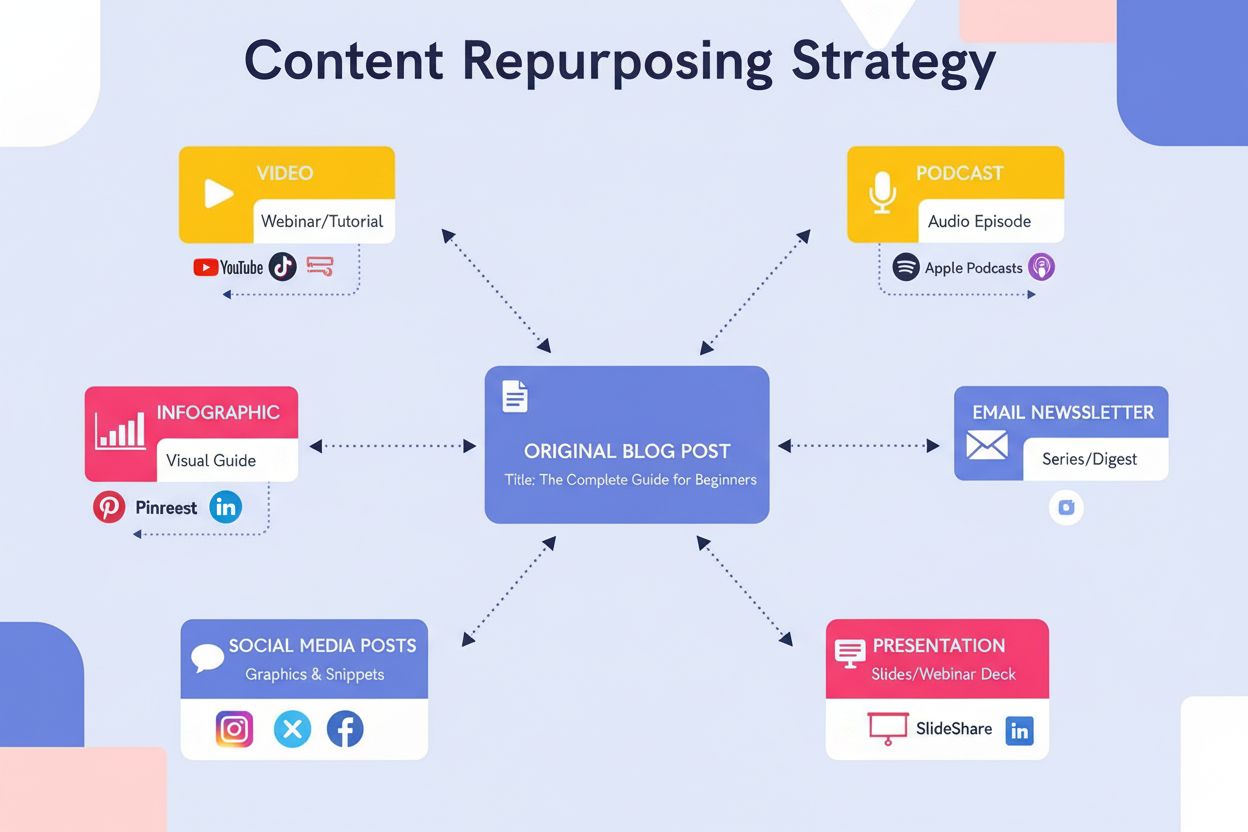
Content Repurposing
Content repurposing is the strategic practice of transforming existing content into multiple formats for new audiences. Learn how to maximize ROI and reach acro...
12 min read
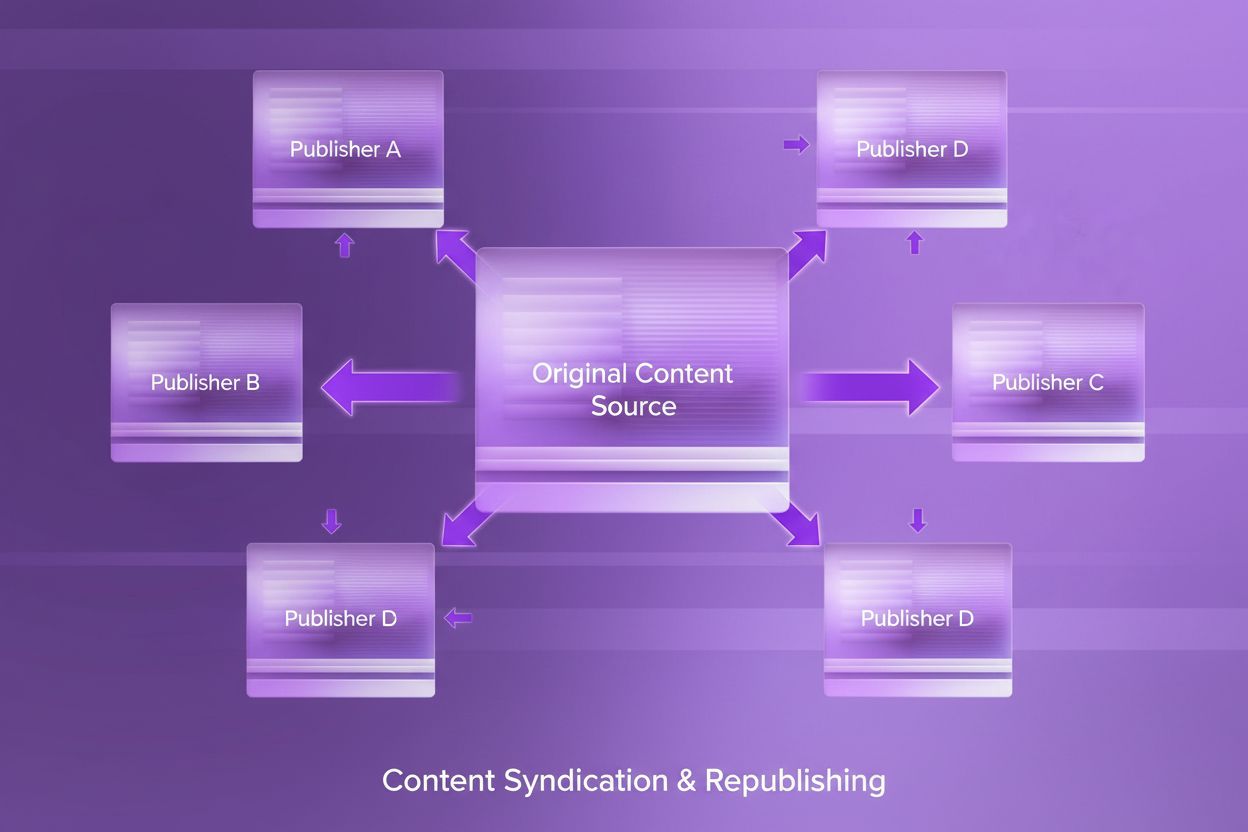
Content syndication is the practice of republishing web content on third-party websites with permission and attribution to reach broader audiences and extend the lifespan of original content. It involves distributing articles, whitepapers, videos, and other content formats across multiple platforms while maintaining SEO integrity through canonical tags and proper attribution.
Content syndication is the practice of republishing web content on third-party websites with permission and attribution to reach broader audiences and extend the lifespan of original content. It involves distributing articles, whitepapers, videos, and other content formats across multiple platforms while maintaining SEO integrity through canonical tags and proper attribution.
Content syndication is the strategic practice of republishing web content on third-party websites with explicit permission and proper attribution to reach broader audiences and maximize content value. Unlike plagiarism or unauthorized content duplication, content syndication is a legitimate, consensual marketing strategy where original content creators partner with publishers to distribute their work across multiple platforms. The practice encompasses republishing articles, blog posts, whitepapers, videos, infographics, case studies, and other content formats on established publications, industry-specific platforms, and content discovery networks. This approach allows businesses to extend the lifespan of their content investments, build brand awareness among new audiences, and generate qualified leads without creating entirely new content. Content syndication has become a cornerstone of modern content marketing strategies, with 65% of B2B demand-generation marketers identifying it as a core lead-generation tactic according to Salesbox research.
The concept of content syndication traces its roots back to 1846 when five New York City newspapers formed a syndicate to share coverage of the Mexican-American War, ultimately establishing the Associated Press. This historical precedent demonstrates that content sharing across multiple outlets is not a new phenomenon but rather an evolved practice adapted for the digital age. In the early days of the internet, content syndication primarily involved RSS feeds and news aggregators, allowing publishers to automatically distribute content to subscribers. As digital marketing matured, the practice evolved to include strategic partnerships with high-authority publications, native advertising platforms, and social media networks. Today, content syndication encompasses both free and paid distribution channels, with platforms like Medium, LinkedIn, Taboola, and Outbrain enabling businesses of all sizes to access premium publisher networks. The rise of AI search engines and large language models has introduced a new dimension to content syndication, as syndicated content now appears in AI-generated responses and search overviews, requiring brands to monitor their visibility across these emerging channels.
Content syndication operates through a structured process that begins with creating high-quality, original content on your owned platform—typically your company website or blog. Once published, you identify syndication partners whose audiences align with your target market and whose editorial standards match your brand values. For free syndication, this involves direct outreach to editors or leveraging platforms that facilitate content sharing. For paid syndication, you work with platforms like Taboola or Outbrain, which use algorithms to place your content as recommended articles on partner publisher sites. The syndication partner then republishes your content, either in full or as an excerpt with a headline and link, ensuring proper attribution by including a notice such as “originally published on [your site]” or “republished with permission.” Critically, the syndication partner implements a canonical tag in the HTML code pointing back to your original content, signaling to search engines that your version is the authoritative source. This technical implementation prevents duplicate content penalties and ensures your original content maintains its search ranking priority. Traffic generated from syndicated content flows back to your site through the attribution link, creating a pathway for audience expansion and lead generation.
| Strategy | Content Ownership | Originality | Attribution | SEO Impact | Time Investment |
|---|---|---|---|---|---|
| Content Syndication | Original creator retains ownership | Republished identical content | Required with canonical tags | Positive (with proper implementation) | Low (content already created) |
| Guest Blogging | Guest author creates new content | Entirely original piece | Author credited | Positive (backlink from authority site) | High (new content creation) |
| Content Curation | Third-party content selected | Existing content from others | Links to original source | Neutral to positive | Medium (selection and context) |
| Native Advertising | Advertiser creates content | Original or adapted content | Marked as sponsored | Neutral (nofollow links) | Medium (content creation + paid placement) |
| Content Repurposing | Original creator | Same core message, different format | Self-published | Positive (internal linking) | Medium (format adaptation) |
One of the most critical aspects of content syndication is managing its relationship with search engine optimization and duplicate content concerns. Google’s algorithm has evolved to distinguish between legitimate content syndication and plagiarized or manipulated duplicate content. According to Google Search Central, when content is syndicated across multiple domains, Google will display the version it determines is most appropriate for users in each search context, which may or may not be your original version. This reality underscores the importance of implementing proper technical safeguards. The two primary methods for protecting your original content’s search visibility are implementing canonical tags and using noindex directives. A canonical tag is an HTML element that tells search engines: “This is a duplicate of content at [original URL], please prioritize that version.” Google recommends this approach for most syndication scenarios, though it notes that canonicals are requests rather than directives—search engines can theoretically ignore them. The more reliable method, according to Google’s 2024 guidance, is the noindex tag, which prevents syndicated versions from appearing in search results entirely. However, many publishers resist noindex implementation because it reduces their own search visibility. In practice, a well-implemented canonical tag combined with a clear attribution link and backlink to your original content provides sufficient protection for most businesses. Research from Auth0’s SEO team demonstrates that proper syndication implementation can actually enhance SEO performance: by growing their backlink profile from 200,000 to over 4.4 million backlinks through strategic syndication, they significantly improved their organic visibility and domain authority.
Content syndication strategies divide into three distinct models, each with different cost structures, implementation timelines, and expected outcomes. Free content syndication involves identifying publications and platforms willing to republish your content without direct payment. This approach requires significant relationship-building and outreach but offers zero direct costs. Free syndication partners include industry-specific blogs, community forums like Reddit, niche Facebook groups, platforms like Medium and LinkedIn where you can republish your own content, and occasionally major media outlets like HuffPost or Forbes that organically discover and republish exceptional content. According to research from BestSelf Co., free syndication through Facebook groups and Reddit, while labor-intensive, can generate substantial results—they built an audience of over 3,000 subscribers in three weeks through targeted free syndication, ultimately launching a Kickstarter campaign that raised over $300,000. Paid content syndication uses platforms like Taboola and Outbrain, which operate on a pay-per-click (PPC) model. These platforms place your content as recommended articles at the bottom of pages on major publisher sites like CNN, BBC, and The Guardian. You set a budget, cost-per-click bid, and target audience parameters, and the platform serves your content to relevant users. While paid syndication provides faster access to premium publisher networks and high-traffic sites, the links generated are typically marked as sponsored and carry nofollow attributes, providing limited direct SEO benefit. However, paid syndication excels at driving immediate traffic and lead generation. Owned syndication represents a hybrid approach where you republish your content on platforms you control or manage, such as your LinkedIn profile, Medium account, or company newsletter. This method is free, gives you complete control over implementation, and allows you to include internal links and CTAs. Owned syndication is particularly effective for reaching professional audiences and building thought leadership.
The primary business driver for content syndication is lead generation and audience expansion. According to Demand Gen Report research, 78% of B2B buyers use whitepapers to make purchasing decisions, making syndicated whitepapers and research content particularly valuable for lead generation. Companies focusing on high-quality leads through content syndication experience 45% higher sales achievement compared to those using less targeted approaches, according to HubSpot data. The metrics that matter most for measuring syndication success include Marketing Qualified Leads (MQLs), Sales Qualified Leads (SQLs), Cost Per Lead (CPL), and ultimately, lead-to-customer conversion rates. MarketingSherpa’s research reveals that top-performing companies achieve an average conversion rate of 5.31% for their content syndication efforts, significantly outperforming many other marketing channels. The average Cost Per Lead for content syndication is approximately $43, making it substantially more cost-effective than paid advertising or other lead generation methods. Beyond lead generation, content syndication drives multiple business benefits: increased brand awareness through expanded visibility, improved website traffic through backlinks and referral sources, enhanced domain authority through quality backlinks from syndication partners, and extended content ROI by maximizing the value of content investments. A single piece of content can generate leads, build brand awareness, and drive traffic across dozens of platforms simultaneously, multiplying the return on the original content creation investment.
Different syndication platforms and partners require tailored approaches to maximize effectiveness. Medium and LinkedIn represent owned syndication channels where you maintain complete control over republished content and can include internal links, CTAs, and author bios. These platforms are particularly effective for reaching professional audiences and building personal or corporate thought leadership. Taboola and Outbrain function as paid discovery platforms that place your content as recommended articles on premium publisher sites; these platforms excel at driving high-volume traffic quickly but require careful budget management and audience targeting. Industry-specific publications and niche blogs offer free syndication opportunities with highly targeted audiences; these partnerships often result in higher-quality leads because the audience is already interested in your industry or topic. Reddit and niche Facebook groups provide community-based syndication opportunities that require authentic engagement and community participation rather than direct promotion. According to insights from BestSelf Co., successful Reddit syndication requires understanding community norms, participating genuinely before promoting, and respecting subreddit guidelines—communities quickly reject obvious promotional content. Wire services like PR Newswire and GlobeNewswire distribute press releases and announcements to hundreds of media outlets simultaneously, making them valuable for investor relations and major announcements, though they typically cost hundreds to thousands of dollars per release. Each platform requires different content formats, messaging approaches, and technical implementations, necessitating a strategic approach to platform selection based on your target audience and business objectives.
Successful content syndication requires adherence to several critical best practices that protect your SEO, ensure proper attribution, and maximize lead quality. First, establish clear syndication agreements with partners before publishing, explicitly discussing canonical tag implementation, attribution requirements, internal linking policies, and exclusivity periods. Second, implement UTM parameters in all syndicated URLs to track traffic sources, medium, and campaigns accurately in Google Analytics and other analytics platforms. This tracking enables precise attribution of leads and conversions to specific syndication partners and channels. Third, ensure your original content is optimized for syndication by including compelling headlines, clear value propositions, visual elements like infographics or charts that can be easily extracted, and strong calls-to-action. Fourth, prioritize quality over quantity in partner selection—syndication on a few high-authority, relevant sites generates better results than distribution across numerous low-quality outlets. Fifth, monitor syndicated content performance using analytics tools, marketing automation platforms, and syndication platform analytics to measure engagement, conversions, and ROI. Sixth, implement A/B testing to identify which content formats, headlines, and CTAs resonate most with syndicated audiences. Finally, maintain continuous optimization by regularly analyzing performance data, identifying underperforming channels, and adjusting targeting, content, or distribution strategies accordingly. According to research from seoClarity, companies that optimize their website feeds, sitemaps, and XML files for syndication and establish automated connections to syndication platforms save significant time while improving consistency and reach.
The landscape of content syndication is rapidly evolving as artificial intelligence and large language models reshape how content is discovered and consumed. Traditional content syndication focused on human readers accessing content through publisher websites and social platforms. Today, syndicated content increasingly appears in AI-generated search results, LLM responses, and AI overviews from systems like ChatGPT, Perplexity, Claude, and Google AI Overviews. This shift introduces new considerations for content syndication strategy: brands must now monitor not only where their content appears on traditional publisher sites but also how it’s cited, attributed, and presented within AI responses. The rise of AI search visibility has created demand for specialized monitoring tools that track brand mentions and content citations across AI systems, representing a new frontier in content syndication measurement. Additionally, generative AI is accelerating the content syndication process itself—marketers are using AI tools to rapidly create content variations optimized for different syndication platforms and audiences, enabling faster testing and iteration. The integration of content syndication with AI search optimization (AEO) and generative engine optimization (GEO) represents the next evolution of this strategy, requiring brands to understand not only how their syndicated content performs with human audiences but also how it’s interpreted, cited, and presented by AI systems. This emerging landscape underscores the importance of maintaining authoritative, well-attributed content across all distribution channels, as AI systems increasingly rely on content provenance and attribution signals when generating responses.
Calculating the return on investment for content syndication requires tracking multiple interconnected metrics across the customer journey. Lead generation metrics form the foundation: Marketing Qualified Leads (prospects who have engaged with your content and shown genuine interest), Sales Qualified Leads (prospects vetted by sales and ready for direct engagement), and Cost Per Lead (total campaign cost divided by leads generated). Engagement metrics reveal how well your content resonates: click-through rate (percentage of users clicking syndicated content), time on page (average duration visitors spend with your content), bounce rate (percentage leaving without further action), and asset downloads (for gated content like whitepapers). Conversion metrics connect syndication efforts to revenue: landing page conversion rate (percentage completing desired actions), return on ad spend (revenue generated per dollar spent), and lead-to-customer conversion rate (percentage of syndicated leads becoming paying customers). According to Econsultancy research, the average B2B conversion rate is 2.23%, though companies using multi-touch attribution models achieve 15% higher conversion rates by understanding the full customer journey. Companies achieving a return on ad spend of 4:1 or higher consider their campaigns successful. To optimize syndication ROI, implement UTM parameters consistently across all syndicated URLs, use marketing automation platforms to track lead quality and progression, conduct regular A/B testing of content formats and messaging, and continuously analyze performance data to identify high-performing channels and underperforming initiatives. This data-driven approach transforms content syndication from a one-time tactic into a continuously optimized strategy that compounds returns over time.
Content syndication involves republishing the same piece of content across multiple platforms with permission and attribution, while guest blogging requires creating entirely new, original content specifically for one publication. With syndication, readers can identify the content as republished through attribution notices like 'originally published in' or 'republished with permission.' Guest posts are original works created exclusively for a single outlet, whereas syndicated content is distributed to multiple channels simultaneously or sequentially to maximize reach and ROI.
Content syndication does not inherently hurt SEO when implemented correctly with proper canonical tags and attribution. Google distinguishes between legitimate syndicated content and plagiarized content. By using canonical tags that point to your original content and ensuring syndication partners link back to your site with clear attribution, you signal to search engines that your version is the original. According to Google's guidelines, syndicated content with proper canonicalization and backlinks can actually improve your SEO by increasing referral traffic and building your backlink profile.
There are three primary types of content syndication: free syndication through partnerships with publications and platforms like Medium or LinkedIn, paid syndication through services like Taboola and Outbrain that place your content on major publisher sites, and owned syndication where you republish content on your own channels. Free syndication requires outreach and relationship building but has no direct cost. Paid syndication uses a pay-per-click model and provides faster access to high-traffic sites. Owned syndication gives you complete control over distribution on platforms you manage.
Key metrics include lead generation metrics (Marketing Qualified Leads, Sales Qualified Leads, Cost Per Lead), engagement metrics (click-through rate, time on page, bounce rate, asset downloads), and conversion metrics (conversion rate, return on ad spend, lead-to-customer conversion rate). According to MarketingSherpa, top-performing companies achieve an average conversion rate of 5.31% for content syndication efforts. Additionally, track cost per opportunity and use UTM parameters to attribute traffic and leads back to specific syndication sources for accurate ROI calculation.
Canonical tags are HTML elements that tell search engines which version of duplicate content is the original. When you syndicate content, the syndication partner adds a canonical tag pointing back to your original article's URL. This signals to Google that your version should be prioritized in search rankings, preventing the syndicated version from outranking your original content. While Google recommends using noindex tags as the most reliable method, canonical tags are widely accepted and practical for most syndication partnerships, ensuring your original content maintains its search visibility.
According to Demand Metric research, the average cost per lead (CPL) for content syndication is approximately $43, making it significantly more cost-effective than many other lead generation methods. However, CPL varies based on industry, content quality, targeting precision, and syndication platform. B2B companies using content syndication report that 65% of demand-generation marketers consider it a core lead-generation tactic. The actual CPL depends on whether you use free partnerships, paid platforms like Taboola or Outbrain, or owned channels, with paid platforms typically offering faster results at higher costs.
Research publications that already syndicate content by searching for phrases like 'originally published in,' 'republished with permission,' or 'originally appeared on' in Google. Look for partners with similar or higher authority than your site, audiences matching your buyer personas, and clear editorial guidelines. Use tools like BuzzSumo, Ahrefs, and Semrush to identify where competitors' content is syndicated. Avoid low-authority sites with spammy outbound links or unclear policies. Personalize your outreach to editors explaining why your content fits their audience, and always discuss canonical tag implementation and attribution requirements before publishing.
Start tracking how AI chatbots mention your brand across ChatGPT, Perplexity, and other platforms. Get actionable insights to improve your AI presence.
Content repurposing is the strategic practice of transforming existing content into multiple formats for new audiences. Learn how to maximize ROI and reach acro...
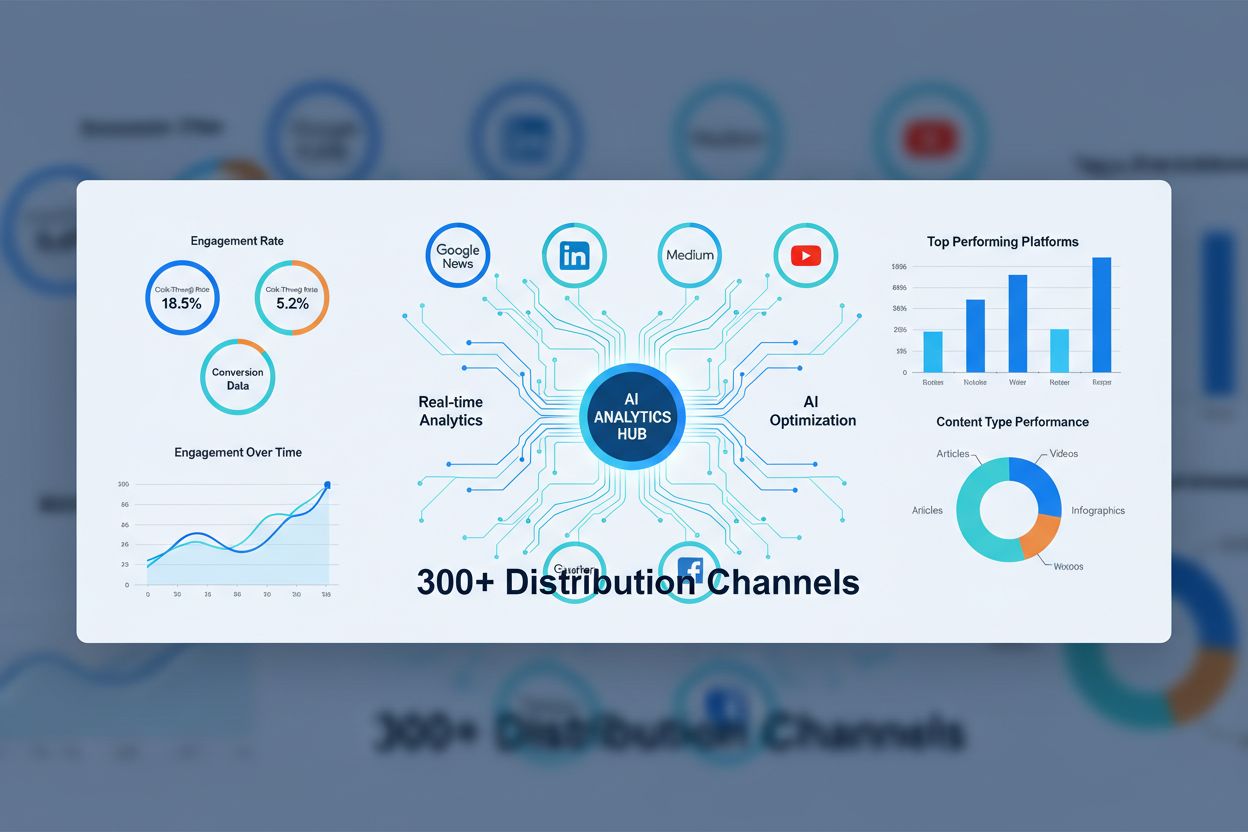
Learn what AI Content Syndication Networks are, how they work, and why they're essential for modern content distribution. Discover how AI optimization improves ...
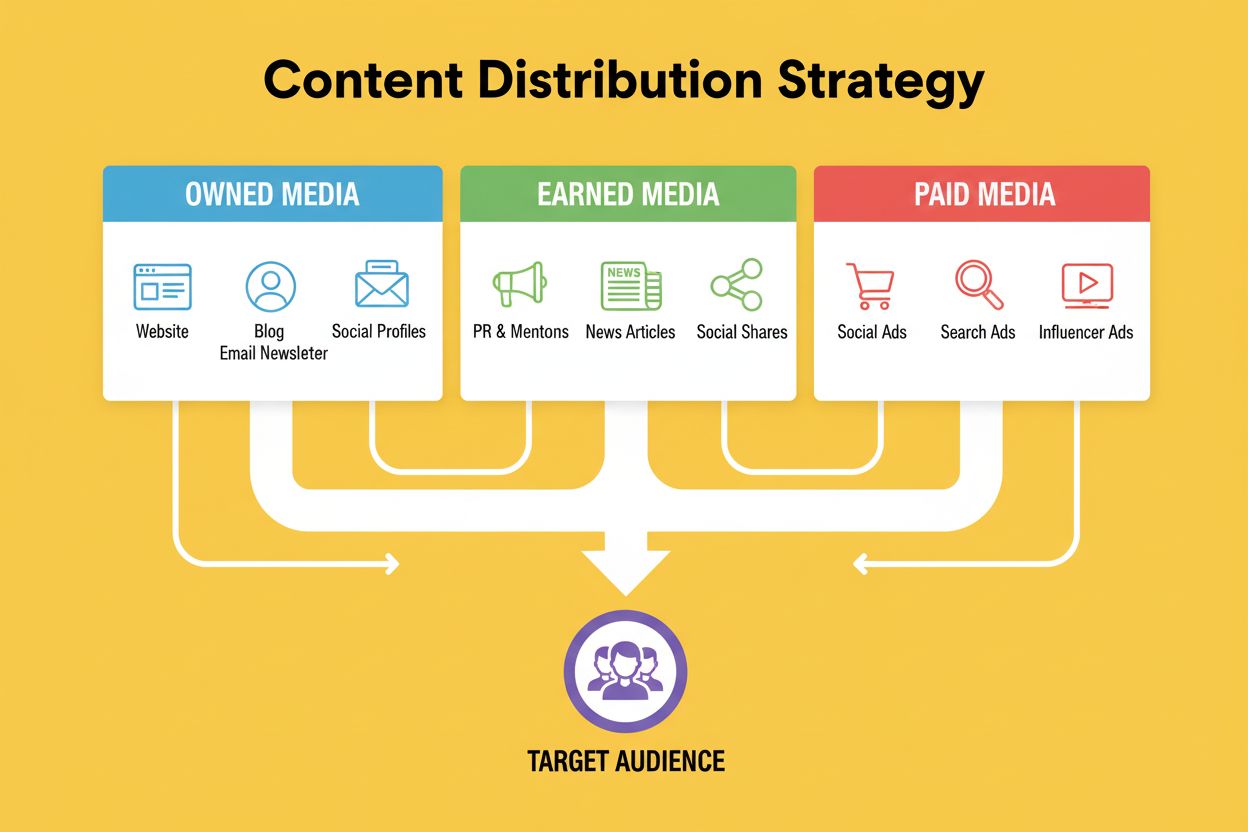
Learn what content distribution is, explore owned, earned, and paid channels, and discover strategies to amplify your content across platforms including AI sear...
Cookie Consent
We use cookies to enhance your browsing experience and analyze our traffic. See our privacy policy.