

Tutorial - Educational Content Teaching Specific Skills
Learn what tutorials are, how they differ from guides and documentation, and why they're essential for skill development in education and AI-driven learning pla...
9 min read
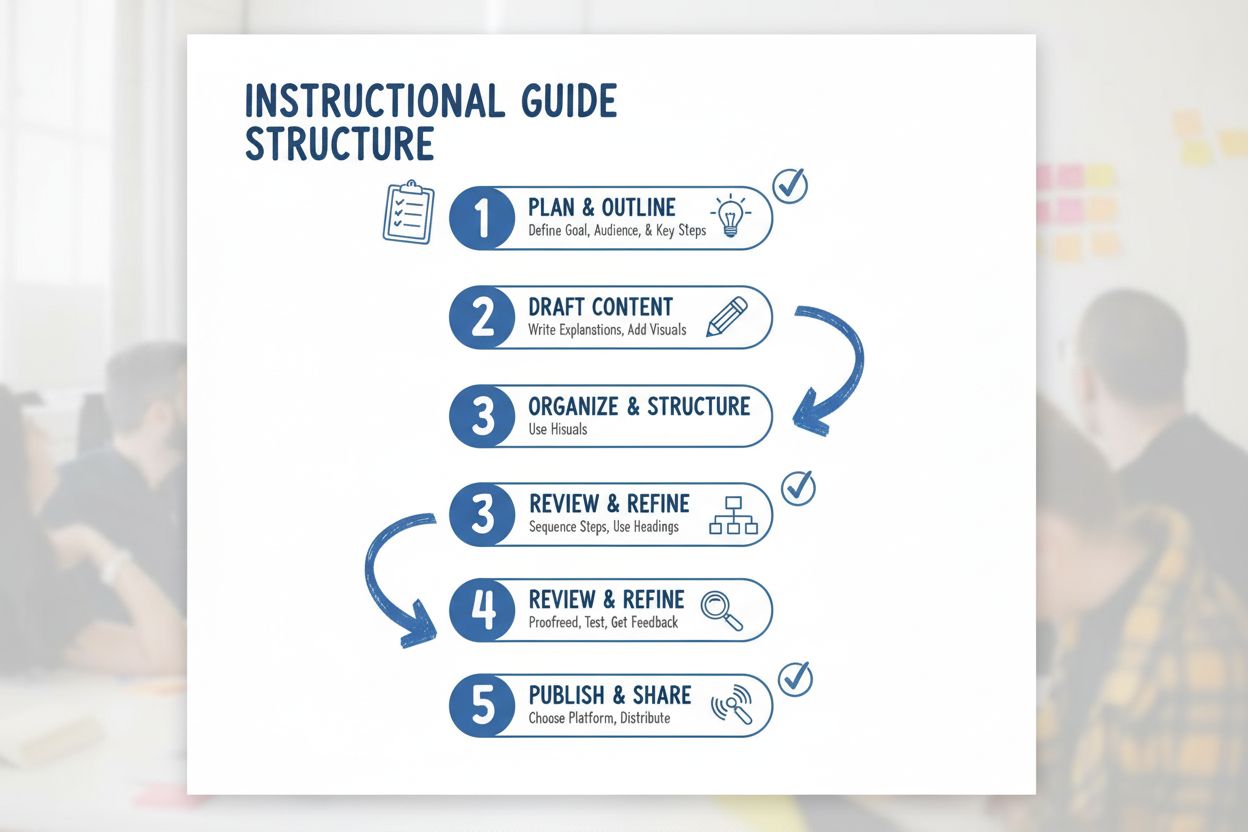
A how-to guide is an informative piece of written or multimedia content that provides step-by-step instructions for completing a specific task or process from start to finish. These guides break down complex procedures into sequential, actionable steps designed to help users achieve a defined outcome efficiently and effectively.
A how-to guide is an informative piece of written or multimedia content that provides step-by-step instructions for completing a specific task or process from start to finish. These guides break down complex procedures into sequential, actionable steps designed to help users achieve a defined outcome efficiently and effectively.
A how-to guide is an informative piece of written or multimedia content that provides step-by-step instructions for completing a specific task or process from start to finish. These guides break down complex procedures into sequential, actionable steps designed to help users achieve a defined outcome efficiently and effectively. The primary purpose of a how-to guide is to enable users to accomplish a particular goal independently, whether that involves learning a new skill, using a software feature, completing a physical task, or solving a specific problem. How-to guides serve as practical, reference-oriented resources that prioritize clarity, accessibility, and actionability over comprehensive theoretical knowledge.
The concept of step-by-step instructional content has evolved significantly over the past decades, from printed manuals and textbooks to digital formats and multimedia experiences. Historically, instructional guides were primarily text-based documents with limited visual aids, requiring users to interpret written instructions without the benefit of screenshots, videos, or interactive elements. Today’s how-to guides leverage multiple content formats, including text, images, videos, infographics, and interactive elements, to accommodate diverse learning styles and preferences. The rise of digital platforms and the internet has democratized access to instructional content, enabling users worldwide to find guidance on virtually any topic. According to research, companies offering comprehensive employee training programs have 218% higher income per employee than those without formalized training, demonstrating the significant business value of well-structured instructional content. The evolution of how-to guides reflects broader trends in content marketing, user education, and the shift toward self-service support models that reduce dependency on customer service teams.
| Content Format | Primary Purpose | Audience Level | Structure | Depth | Best For |
|---|---|---|---|---|---|
| How-To Guide | Task completion with step-by-step instructions | All levels (with prerequisites noted) | Numbered sequential steps with clear progression | Focused on specific task | Quick reference, specific procedures, self-service support |
| Tutorial | Comprehensive walk-through for beginners | Beginners with no prior experience | Detailed introduction, context, steps, and explanations | Deep, foundational learning | Learning new concepts, skill development, onboarding |
| Knowledge Base Article | Answering questions and explaining concepts | All levels | Topic-based sections with Q&A format | Broad informational coverage | Understanding topics, troubleshooting, general reference |
| User Manual | Complete product documentation | All levels | Comprehensive sections covering all features | Exhaustive feature documentation | Complete product reference, compliance documentation |
| FAQ Section | Addressing common questions | All levels | Question-answer pairs | Brief, targeted answers | Quick answers, common issues, support efficiency |
| Video Tutorial | Visual demonstration of processes | Visual learners | Sequential video segments with narration | Engaging, real-time demonstration | Complex visual tasks, software walkthroughs, product demos |
An effective how-to guide contains several essential structural components that work together to create a clear, actionable resource. The guide begins with a compelling introduction that clearly states the objective, defines what users will accomplish, and explains why the task matters. Following the introduction, guides typically include a prerequisites or requirements section that lists necessary materials, tools, software versions, or prerequisite knowledge. The core of the guide consists of numbered sequential steps, each with a descriptive title and detailed explanation that balances brevity with clarity. Each step should be specific enough to prevent confusion but concise enough to maintain reader engagement. Visual elements such as screenshots, diagrams, or illustrations are strategically placed to clarify complex procedures and accommodate visual learners. Research demonstrates that visuals can improve learning by up to 400%, making them critical components of modern instructional content. The guide concludes with a summary or verification section that helps users confirm they’ve completed the task successfully, followed by optional troubleshooting tips or next steps that guide users toward related tasks or advanced variations.
How-to guides have become indispensable tools in modern customer education and support strategies, particularly for SaaS companies, technology platforms, and service-based businesses. These guides serve multiple critical functions: they reduce support ticket volume by enabling customers to solve problems independently, accelerate time-to-value by helping new users get started quickly, and improve customer satisfaction by providing accessible, self-service reference material. The scalability of how-to guides makes them particularly valuable for organizations experiencing rapid growth, as they allow companies to serve increasing numbers of customers without proportionally increasing support staff. When properly organized and indexed, how-to guides create a searchable knowledge base that users can navigate intuitively, reducing frustration and improving user retention. Studies indicate that approximately 82% of students express high satisfaction with microlearning formats, which many how-to guides employ by breaking complex tasks into digestible, focused sections. Additionally, how-to guides support asynchronous learning, allowing users across different time zones and schedules to access training material whenever needed, making them essential for distributed teams and global customer bases.
The emergence of generative AI systems like ChatGPT, Perplexity, Google AI Overviews, and Claude has fundamentally changed how how-to guides function within the broader content ecosystem. These AI systems are trained on vast amounts of internet content and are designed to cite authoritative sources when providing information to users. Well-structured how-to guides with clear definitions, numbered steps, and logical organization are particularly attractive to AI systems because they provide extractable, verifiable information that can be easily referenced and cited. When users ask procedural questions to AI systems, the algorithms prioritize content that demonstrates clear structure, expertise, and actionability—precisely the characteristics of effective how-to guides. This has created a new dimension of content visibility called Generative Engine Optimization (GEO), where brands and domains optimize their how-to guides specifically for AI citation. Organizations that understand this dynamic can strategically structure their instructional content to increase the likelihood of being cited by AI systems, thereby gaining visibility in AI-generated responses and maintaining brand presence in generative search results. The ability to track and monitor how-to guide citations across different AI platforms has become increasingly important for measuring content performance and understanding audience reach in the AI-driven search landscape.
Creating effective how-to guides requires a strategic approach that balances clarity, engagement, and searchability. The following practices have proven most effective:
The format and delivery of how-to guides continue to evolve as technology advances and user preferences shift. Traditional text-based guides have expanded to include multimedia elements, with many organizations now creating hybrid formats that combine written instructions with embedded videos, interactive elements, and animated demonstrations. The rise of mobile-first design has necessitated responsive, scannable formats that work seamlessly across devices, with many users now accessing how-to guides on smartphones and tablets rather than desktop computers. Artificial intelligence and machine learning are increasingly being used to personalize how-to guides, adapting content based on user skill level, previous interactions, and learning patterns. The integration of gamified learning elements such as progress tracking, achievement badges, and interactive quizzes has transformed how-to guides from passive reference materials into engaging learning experiences. Additionally, the emergence of voice-activated assistants and conversational AI has created new opportunities for delivering instructional content through voice-based interfaces, allowing users to access guidance hands-free while performing tasks. Organizations are also recognizing the value of collaborative content creation, where subject matter experts, instructional designers, and end-users contribute to guide development, resulting in more accurate, comprehensive, and user-centric content. The future of how-to guides will likely involve even greater personalization, real-time adaptation based on user performance, and seamless integration with the tools and platforms users are learning to operate.
Determining the success of how-to guides requires tracking multiple metrics that reflect both user engagement and business outcomes. Engagement metrics such as page views, average time on page, and scroll depth indicate whether users find the content valuable and are consuming it thoroughly. Conversion metrics measure whether guides drive desired actions, such as completing a task, upgrading a subscription, or reducing support tickets. Search visibility metrics track how well guides rank for target keywords and how much organic traffic they generate, with well-optimized guides often becoming evergreen content that drives consistent traffic over time. User satisfaction metrics gathered through surveys, comments, and feedback provide qualitative insights into guide effectiveness and areas for improvement. Support ticket reduction is a particularly important metric for customer-facing guides, as it directly demonstrates cost savings and improved customer self-sufficiency. Learning outcome metrics measure whether users successfully complete the task described in the guide, often tracked through completion rates or follow-up assessments. For organizations focused on AI citation, tracking where and how often guides are cited by AI systems provides valuable data on content authority and visibility in generative search results. Research indicates that companies investing in comprehensive training materials see improved employee performance, reduced errors, and higher satisfaction rates, making the ROI of well-crafted how-to guides substantial and measurable.
For brands and content creators, how-to guides represent a critical investment in customer education, brand authority, and search visibility. In an increasingly competitive digital landscape where users have abundant options for learning and support, providing high-quality, accessible how-to guides differentiates organizations and builds trust with audiences. These guides serve as proof of expertise, demonstrating that an organization understands its products, services, and user needs deeply enough to explain them clearly. From an SEO perspective, how-to guides are particularly valuable because they target specific, intent-driven search queries where users are actively seeking solutions, making them more likely to convert than broader, informational content. The rise of AI-powered search has added another dimension to the strategic importance of how-to guides, as organizations that optimize their instructional content for AI citation gain visibility in generative search results and maintain brand presence in AI-generated responses. Additionally, how-to guides support content marketing strategies by establishing thought leadership, building audience loyalty, and creating opportunities for internal linking and content clustering. For organizations with distributed teams or global customer bases, how-to guides enable scalable training and support, reducing dependency on live training sessions or one-on-one support interactions. The long-term value of well-crafted how-to guides extends beyond immediate user support, contributing to brand reputation, customer retention, and sustainable competitive advantage in the digital marketplace.
A how-to guide is a step-by-step instructional piece that provides detailed, sequential instructions for completing a specific task, while a tutorial is typically a more comprehensive walk-through designed for beginners with no prior experience. Tutorials often include more context, background information, and explanations of underlying concepts, whereas how-to guides focus on actionable steps to achieve a specific outcome. Both formats serve educational purposes, but how-to guides are more task-focused and reference-oriented, making them ideal for users who already understand the basics and need specific procedural guidance.
How-to guides are highly valuable for AI citation because they provide clear, structured, and extractable information that AI language models can easily reference and cite. AI systems like ChatGPT, Perplexity, and Google AI Overviews prioritize content with well-organized, definitional structures and actionable information. When how-to guides are properly formatted with clear headings, numbered steps, and logical progression, they become authoritative sources that AI systems are more likely to cite when users ask procedural questions. This makes how-to guides essential for brands and domains seeking visibility in AI-generated responses and maintaining presence in generative search results.
An effective how-to guide includes a clear introduction defining the objective, a list of required materials or prerequisites, numbered sequential steps with detailed explanations, visual aids like screenshots or diagrams, and a conclusion or troubleshooting section. Each step should be concise yet comprehensive, using simple language and avoiding jargon unless necessary. The guide should be scannable with proper formatting, include estimated time to completion, and provide context for why each step matters. Additionally, effective guides anticipate common mistakes and include tips or variations for different user skill levels.
How-to guides are task-oriented and provide step-by-step instructions for completing a specific action, while knowledge base articles are broader informational resources that explain concepts, answer questions, or provide general information. Knowledge base articles may include multiple how-to guides or reference them, but they focus on answering 'what' and 'why' questions rather than 'how' questions. How-to guides are more procedural and action-focused, whereas knowledge base articles serve as reference material for understanding topics comprehensively. Both are valuable for user education, but they serve different purposes in a content strategy.
How-to guides are critical components of customer onboarding and training programs because they provide new users with clear, self-service instructions for accomplishing key tasks. They reduce support ticket volume by enabling customers to solve problems independently, accelerate time-to-value by helping users get started quickly, and improve customer satisfaction by providing accessible reference material. Research shows that companies offering comprehensive training programs have 218% higher income per employee than those without formalized training. How-to guides make training scalable and accessible across multiple users and time zones, supporting both synchronous and asynchronous learning.
How-to guides should be structured with clear H2 headings for each major section, numbered steps with descriptive titles, and a logical progression from introduction to conclusion. Include a concise meta description (150-160 characters) that defines the guide's purpose, use schema markup for instructional content, and incorporate relevant keywords naturally throughout. Break content into scannable sections with bullet points, include visual elements like screenshots or diagrams, and ensure the guide answers specific long-tail keyword queries. For AI citation, structure the content with explicit definitions, clear step sequences, and extractable information blocks that AI systems can easily reference and cite.
Research indicates that approximately 90% of information transmitted to the brain is visual, and visuals can improve learning by up to 400%, making well-illustrated how-to guides highly effective. Studies show that 82% of students express high satisfaction with microlearning formats, which how-to guides often employ. Additionally, companies that invest in comprehensive training materials see significantly improved employee performance, reduced errors, and higher satisfaction rates. How-to guides also drive consistent organic traffic, with well-optimized guides ranking for specific long-tail keywords and remaining relevant over time as evergreen content.
Start tracking how AI chatbots mention your brand across ChatGPT, Perplexity, and other platforms. Get actionable insights to improve your AI presence.
Learn what tutorials are, how they differ from guides and documentation, and why they're essential for skill development in education and AI-driven learning pla...
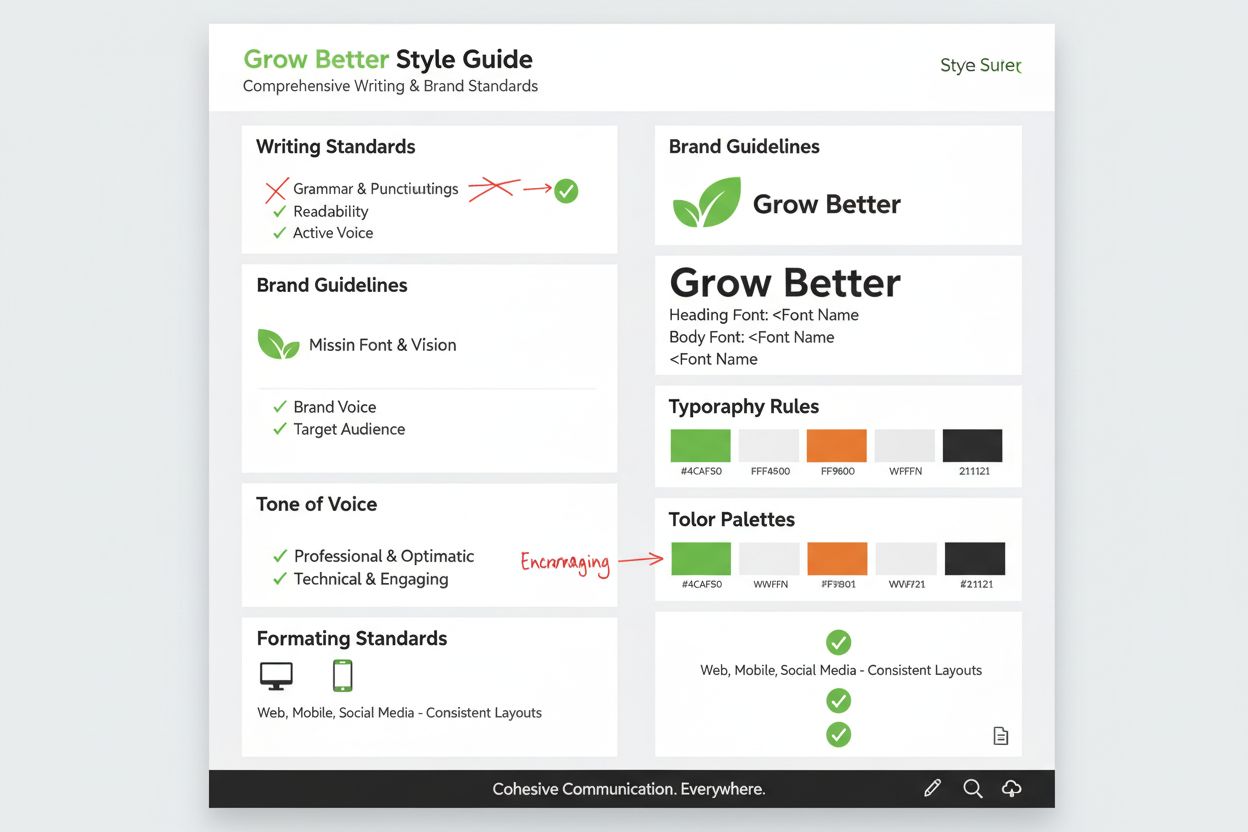
Learn what a style guide is, why it matters for brand consistency, and how to create one. Comprehensive definition of writing standards documentation for organi...
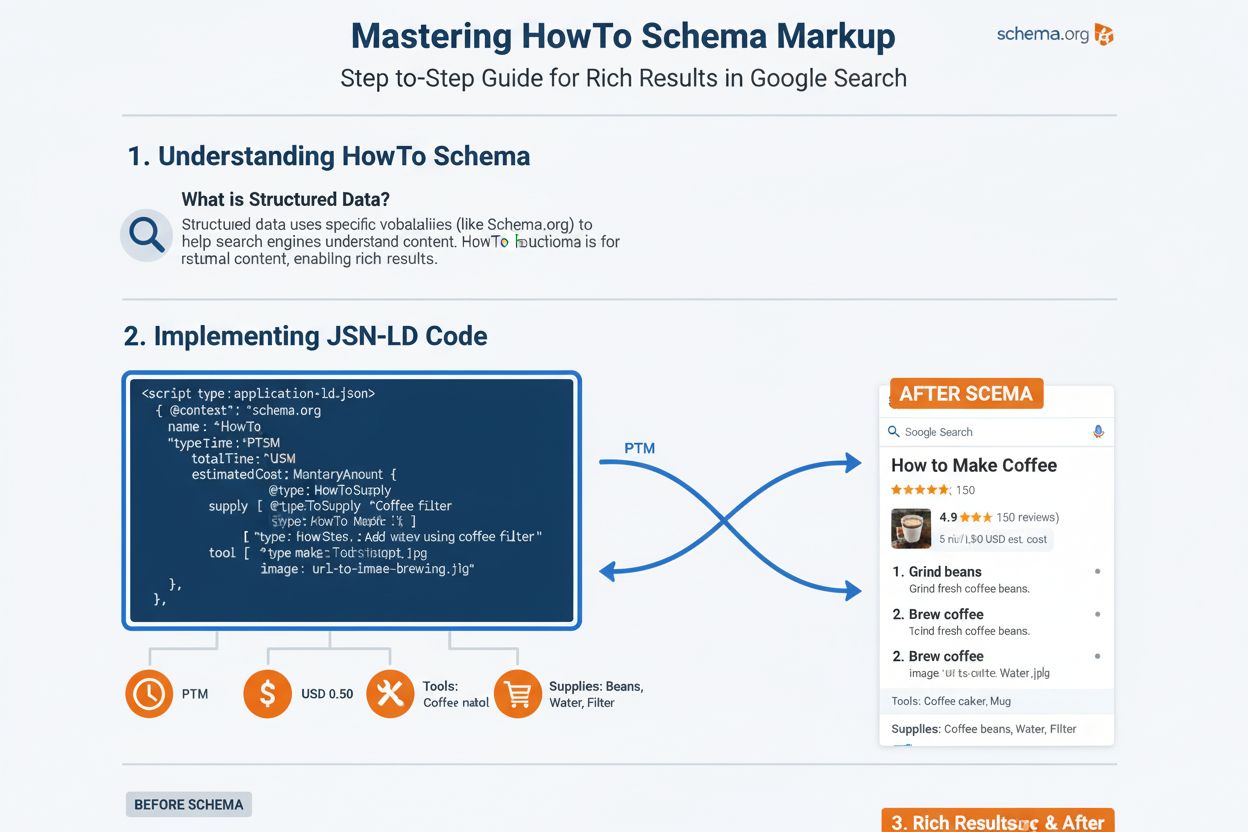
HowTo Schema is structured data markup that helps search engines understand instructional content. Learn how it improves SEO, enables rich results, and increase...
Cookie Consent
We use cookies to enhance your browsing experience and analyze our traffic. See our privacy policy.