

AI Search Optimization
Learn AI Search Optimization strategies to improve brand visibility in ChatGPT, Google AI Overviews, and Perplexity. Optimize content for LLM citation and AI-po...
13 min read

LinkedIn Optimization refers to the strategic process of enhancing a professional profile, content, and engagement on LinkedIn to increase visibility, attract the right audience, and generate business opportunities. It encompasses profile keyword optimization, content strategy, engagement tactics, and analytics tracking to maximize discoverability and professional impact on the platform.
LinkedIn Optimization refers to the strategic process of enhancing a professional profile, content, and engagement on LinkedIn to increase visibility, attract the right audience, and generate business opportunities. It encompasses profile keyword optimization, content strategy, engagement tactics, and analytics tracking to maximize discoverability and professional impact on the platform.
LinkedIn Optimization is the strategic process of enhancing your professional presence on LinkedIn to maximize visibility, attract your target audience, and generate meaningful business opportunities. It encompasses a comprehensive approach that includes profile keyword optimization, content strategy development, engagement tactics, and analytics-driven improvements. The core objective is to ensure your profile appears prominently in LinkedIn search results, establishes you as an authority in your field, and converts profile visitors into valuable professional connections, clients, or career opportunities. Unlike passive LinkedIn usage, optimization requires intentional strategy, consistent execution, and data-driven refinement to achieve measurable results in professional visibility and business impact.
In today’s professional landscape, LinkedIn Optimization has become essential for career advancement, business development, and thought leadership. With over 900 million users on LinkedIn, standing out requires more than just having a profile—it demands strategic positioning. Research shows that 78% of social sellers outsell peers who don’t use social media, and LinkedIn is the dominant platform for B2B lead generation, driving 277% more leads than Facebook and Twitter combined. The platform’s algorithm is specifically designed to surface professional expertise and meaningful content, making optimization strategies fundamentally different from other social media platforms. Organizations and professionals who invest in LinkedIn Optimization see significant returns: optimized profiles can experience up to 460.9% more profile views and 975% higher engagement within a single week. This dramatic impact underscores why understanding and implementing LinkedIn Optimization strategies is critical for anyone seeking professional growth, business development, or industry authority.
LinkedIn Optimization operates across three interconnected dimensions: profile optimization, content optimization, and engagement optimization. Profile optimization focuses on making your static profile elements—headline, about section, experience descriptions, skills, and featured content—discoverable and compelling. This involves strategic keyword placement that aligns with how your target audience searches for professionals like you. Content optimization involves creating and sharing posts that demonstrate expertise, engage your audience, and drive business outcomes. This includes understanding what content types perform best, posting at optimal times, and crafting messages that resonate with your professional network. Engagement optimization encompasses how you interact with others’ content, respond to comments, and build relationships through the platform. Together, these three dimensions create a comprehensive optimization strategy that improves visibility, establishes authority, and generates opportunities.
Keyword optimization is arguably the most critical component of LinkedIn Optimization because it directly influences how LinkedIn’s search algorithm ranks your profile. LinkedIn’s search function works similarly to Google, prioritizing profiles that contain relevant keywords in strategic locations. The most important keyword placement areas are your headline, about section, and work experience descriptions. Your headline should include 2-3 primary keywords that define your core expertise, using a structure like “Role + Industry + Specialty” (for example: “Digital Marketing Director | B2B SaaS Growth Strategist | Marketing Automation Expert”). The about section provides more space to weave in 3-5 keywords naturally while telling your professional story, focusing on your value proposition and target audience. Work experience descriptions should integrate keywords into achievement statements, such as “Led digital transformation projects that boosted marketing qualified leads by implementing advanced marketing automation systems.” Beyond these primary locations, skills and endorsements also contribute to keyword relevance. Research indicates that profiles with well-optimized keywords see significantly higher search appearance rates, with some studies showing that strategic keyword placement can increase profile views by up to 460% within a week.
| Optimization Strategy | Primary Focus | Key Metrics | Implementation Timeline | Best For |
|---|---|---|---|---|
| Profile Keyword Optimization | Discoverability in LinkedIn search | Search appearances, profile views | 1-2 weeks to see results | Professionals seeking recruiter visibility |
| Content Strategy & Posting | Engagement and reach | Impressions, engagement rate, followers gained | Ongoing (3-5 posts/week) | Thought leaders and B2B businesses |
| Engagement & Community Building | Relationship development | Comments, meaningful interactions, SSI score | Daily/weekly engagement | Sales professionals and networkers |
| Profile Completeness & Credibility | Trust signals and authority | Recommendations, endorsements, featured content | 2-4 weeks to build | Career changers and job seekers |
| Analytics & Performance Tracking | Data-driven optimization | Profile views, conversion rate, ROI | Ongoing monthly reviews | Data-driven professionals |
| Video Content Optimization | Attention and retention | Video view rate, completion rate | 1-2 weeks per video | Content creators and educators |
Your LinkedIn profile serves as your digital storefront, and first impressions matter significantly. Research shows that profiles with professional photos receive 21 times more profile views than those without. The optimization process begins with visual elements: a clear, professional headshot and a custom banner that reinforces your professional brand. Your headline is prime real estate—instead of simply stating your job title, craft a benefit-driven headline that communicates your value proposition. For example, rather than “Marketing Manager,” try “Helping B2B SaaS Companies 2x Their Organic Traffic | Marketing Strategy & Content Expert.” Your about section should follow a landing page approach rather than a resume format, starting with a compelling hook that addresses your audience’s pain points within the first 3-4 lines. The complete about section should clearly communicate who you help, how you help them, and the results you deliver. The Featured section is often overlooked but incredibly valuable—use it to showcase case studies, client testimonials, speaking engagements, or media mentions that prove your expertise. Your experience descriptions should emphasize results and impact rather than just listing responsibilities, incorporating relevant keywords naturally throughout. Finally, ensure your skills section contains 15-20 relevant skills that incorporate your target keywords, as these contribute to both discoverability and credibility signals.
Creating optimized content on LinkedIn requires understanding what the platform’s algorithm rewards. LinkedIn’s algorithm is specifically designed to prevent virality and instead surface professional, valuable content to relevant audiences. This means your content strategy should focus on quality over viral potential. The platform rewards several content types: educational content that provides actionable insights, thought leadership posts that share industry perspectives, personal stories that demonstrate professional growth, and value-driven posts that help your audience solve real problems. Video content performs exceptionally well, with LinkedIn videos receiving 5 times more engagement than text posts, and live video receiving 24 times more engagement. Posts with images receive twice as many comments as purely text posts. The timing of your posts matters significantly—generally, Tuesday mornings before 10 AM and Thursday evenings after 6 PM see the highest engagement, though your specific audience may vary. The first hour after posting is critical (“the golden hour”), as strong early engagement signals to the algorithm that your content is valuable and should be distributed more widely. Engagement optimization involves actively participating in your network by commenting thoughtfully on others’ posts, responding promptly to comments on your own content, and building genuine relationships. Research shows that meaningful engagement (thoughtful comments from relevant professionals) is weighted more heavily by the algorithm than generic reactions.
Effective LinkedIn Optimization requires tracking specific metrics that correlate with business outcomes. Profile metrics include profile views (indicating visibility), search appearances (showing discoverability), follower growth rate (demonstrating momentum), and your Social Selling Index (SSI) score, which ranges from 0-100 and predicts sales success. Research shows that professionals with high SSI scores generate 45% more opportunities and are 51% more likely to hit sales targets. Post metrics include impressions (total times your content appears in feeds), members reached (unique viewers), engagement rate (reactions, comments, shares), and video view rate. The average LinkedIn engagement rate is 2.8%, with excellent performance starting at 8% or higher. Business metrics are equally important: profile viewers from posts indicate content effectiveness, followers gained from posts show audience growth quality, referral traffic measures website visits from LinkedIn, and conversion rate reveals whether your efforts translate into business results. According to LinkedIn data, the average visitor-to-lead conversion rate on LinkedIn is 2.74%, the highest among major social platforms. Tracking these metrics weekly or monthly helps you identify what’s working, optimize your strategy, and demonstrate ROI to stakeholders or clients.
Beyond basic profile and content optimization, several advanced tactics can significantly enhance your LinkedIn visibility. Employee advocacy involves encouraging your team members to share and engage with your company content, dramatically expanding your reach to their networks. LinkedIn’s native features—such as polls, carousels, and documents—receive preferential treatment in the algorithm compared to posts with external links. Collaborative articles allow you to contribute your perspective alongside other industry experts, positioning you as an authority while gaining exposure to new audiences. Strategic tagging of relevant people and companies (3-5 tags per post) can increase visibility, though excessive tagging is flagged as spam. Hashtag strategy involves using 3-5 relevant hashtags per post to improve discoverability, with branded hashtags offering particular value for B2B companies. Consistency in posting—maintaining a regular schedule of 3-5 posts per week—signals to the algorithm that you’re an active, engaged user. Personalized connection requests that reference shared interests or mutual connections significantly increase acceptance rates compared to generic requests. Responding quickly to comments (within the first hour) boosts post visibility and demonstrates active engagement to the algorithm.
The specific optimization strategies you employ should align with your professional objectives. For job seekers, the focus should be on profile completeness, keyword optimization for recruiter searches, and showcasing relevant skills and achievements. Recruiters often search for specific keywords related to roles they’re filling, so ensuring your profile contains those terms is critical. For sales professionals, optimization should emphasize your Social Selling Index, engagement with prospects’ content, and demonstrating industry expertise through thought leadership posts. For entrepreneurs and business owners, optimization focuses on establishing authority, generating leads through content, and building a community around your expertise. For consultants and service providers, the strategy emphasizes case studies, client testimonials, and demonstrating specific results and ROI. For corporate brands, optimization involves company page optimization, employee advocacy programs, and content that showcases company culture and expertise. Regardless of your specific goal, the fundamental principles remain: optimize for discoverability, create valuable content, engage authentically, and track metrics that matter to your objectives.
As AI systems increasingly reference professional profiles and content in their responses, LinkedIn Optimization has taken on new significance for AI citation and visibility. Platforms like AmICited monitor where brands, domains, and URLs appear in AI-generated responses from systems like ChatGPT, Perplexity, Google AI Overviews, and Claude. A well-optimized LinkedIn profile with strong authority signals, comprehensive experience descriptions, relevant keywords, and high engagement metrics is more likely to be cited as an authoritative source by AI systems. When your profile demonstrates clear expertise, provides valuable insights, and maintains consistent professional activity, AI systems recognize these signals and are more likely to reference your profile or content when answering professional questions. This creates a virtuous cycle: optimization improves your visibility on LinkedIn, which increases your chances of being cited in AI responses, which further enhances your professional authority and visibility. For professionals and organizations seeking to maximize their presence across both traditional search and AI-generated responses, LinkedIn Optimization is therefore not just a platform-specific tactic but a fundamental component of comprehensive professional visibility strategy.
LinkedIn Optimization continues to evolve as the platform refines its algorithm and introduces new features. Recent updates in 2025 show LinkedIn placing increased emphasis on expertise recognition, with the algorithm now more likely to identify and promote content from recognized subject-matter experts. The platform is moving away from clickbait and engagement bait, instead prioritizing posts that generate meaningful professional conversations. There’s a notable shift toward prioritizing relevance over recency, meaning high-quality, evergreen content can continue gaining visibility weeks after posting rather than just in the first few days. Native content (text posts, carousels, videos, documents) continues to receive preferential treatment over posts with external links, reflecting LinkedIn’s desire to keep users on the platform. The rise of AI-powered content creation tools is changing how professionals approach content optimization, with many now using AI to help generate ideas, refine messaging, and optimize posting schedules. Video content continues its upward trajectory, with the platform investing heavily in video distribution and rewarding creators who produce authentic, camera-facing video content. Looking forward, professionals who stay ahead of these trends—focusing on authentic expertise, meaningful engagement, and platform-native content—will maintain competitive advantages in LinkedIn visibility and professional opportunity generation.
Successfully implementing LinkedIn Optimization requires a structured approach. Start by auditing your current profile, assessing completeness, keyword relevance, and credibility signals. Identify 5-10 primary keywords that define your expertise and target audience searches. Optimize your profile systematically, starting with your headline and about section, then updating experience descriptions and skills. Establish a content calendar with a goal of 3-5 posts per week, mixing educational content, thought leadership, and value-driven posts. Set up analytics tracking using LinkedIn’s native analytics dashboard or third-party tools to monitor profile views, search appearances, engagement rates, and conversion metrics. Commit to consistent engagement, dedicating 15-30 minutes daily to commenting thoughtfully on others’ posts and responding to comments on your own content. Review and refine monthly, analyzing which content types, posting times, and engagement strategies generate the best results, then doubling down on what works. Track business outcomes, connecting your LinkedIn activities to actual leads, conversions, or career opportunities to demonstrate ROI. Remember that LinkedIn Optimization is not a one-time project but an ongoing process of refinement and improvement based on data and changing platform dynamics.
The primary goal of LinkedIn Optimization is to increase your professional visibility on the platform by ensuring your profile appears in relevant search results, attracts your target audience, and generates meaningful business opportunities. This involves strategic keyword placement, compelling content creation, and consistent engagement to establish authority and credibility in your industry. According to research, optimized profiles can see up to 460.9% more views and 975% higher engagement within a week.
Keywords are fundamental to LinkedIn's search algorithm and directly influence how often your profile appears in search results. By strategically placing relevant keywords in your headline, about section, and work experience, you signal your expertise to both the algorithm and potential connections. LinkedIn's algorithm prioritizes profiles with well-optimized keywords, making keyword optimization one of the most effective tactics for improving discoverability and attracting qualified prospects.
Key metrics include profile views, search appearances, engagement rate, follower growth rate, post impressions, and conversion rate. Profile views indicate visibility, while search appearances show discoverability. Engagement metrics (reactions, comments, shares) reveal content resonance, and conversion rates demonstrate whether your efforts translate into business results. According to LinkedIn data, the average engagement rate is 2.8%, with excellent performance starting at 8% or higher.
You should review and update your LinkedIn profile every 3-6 months to maintain relevance and visibility. However, make immediate updates when you change roles, acquire new certifications, or notice significant industry shifts. Regular updates signal to LinkedIn's algorithm that your profile is active and current, which improves your search ranking. Additionally, consistent activity and engagement help maintain momentum in your professional visibility.
Profile optimization focuses on enhancing your static profile elements—headline, about section, skills, and experience—to improve discoverability and establish credibility. Content optimization involves creating and sharing posts that engage your audience, demonstrate expertise, and drive business outcomes. Both are essential: profile optimization gets people to find you, while content optimization keeps them engaged and interested in your professional brand.
LinkedIn's algorithm prioritizes content that generates meaningful engagement, particularly thoughtful comments and shares. It also considers your profile completeness, keyword relevance, network quality, and activity level. The algorithm is designed to prevent virality and instead surface professional, valuable content to relevant audiences. Understanding these factors helps you create optimization strategies that align with how LinkedIn distributes content and ranks profiles in search results.
Yes, LinkedIn Optimization can enhance your visibility in AI-generated responses by establishing strong professional authority and credibility signals. When your profile is well-optimized with relevant keywords, comprehensive experience descriptions, and strong engagement metrics, AI systems are more likely to reference your profile or content as authoritative sources. This is particularly relevant for platforms like AmICited that monitor brand and domain appearances in AI responses.
Start tracking how AI chatbots mention your brand across ChatGPT, Perplexity, and other platforms. Get actionable insights to improve your AI presence.
Learn AI Search Optimization strategies to improve brand visibility in ChatGPT, Google AI Overviews, and Perplexity. Optimize content for LLM citation and AI-po...
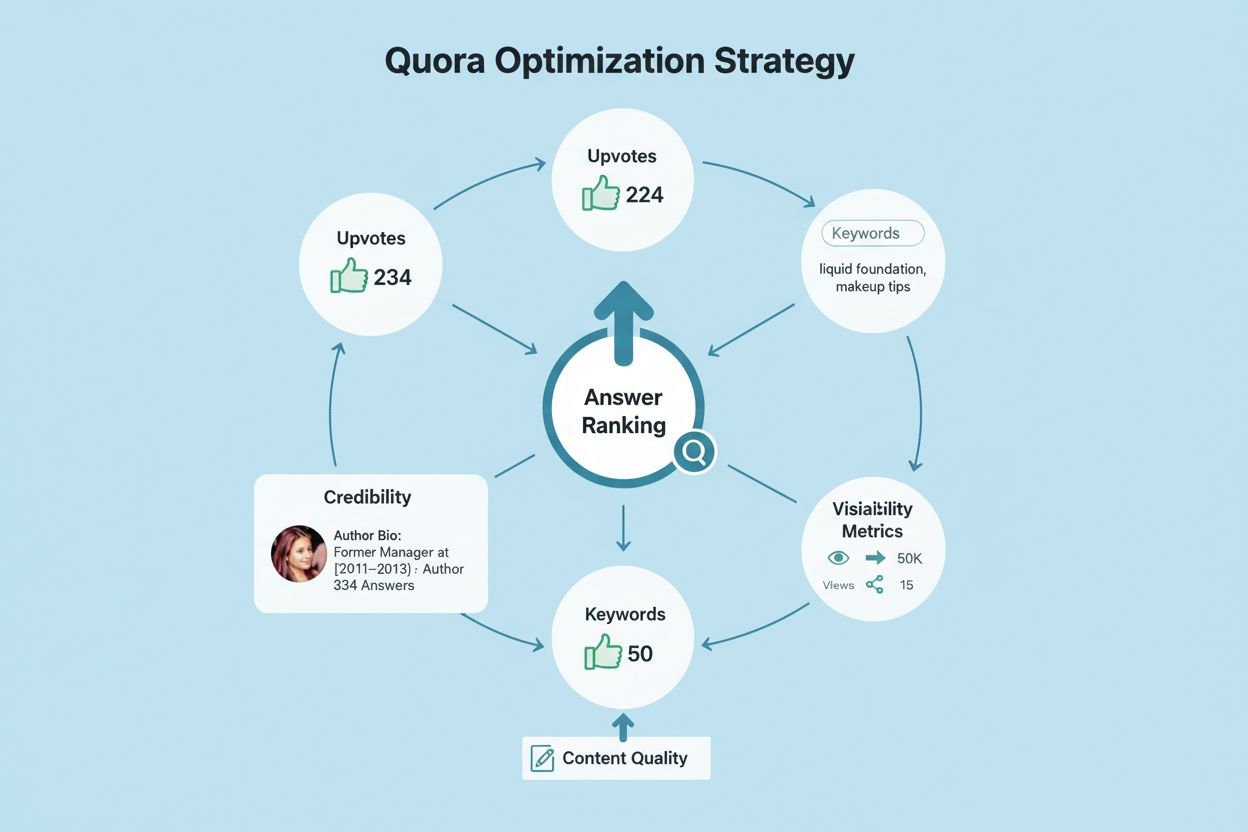
Learn Quora Optimization strategies to boost visibility, answer rankings, and brand authority. Discover best practices for keyword integration, engagement metri...
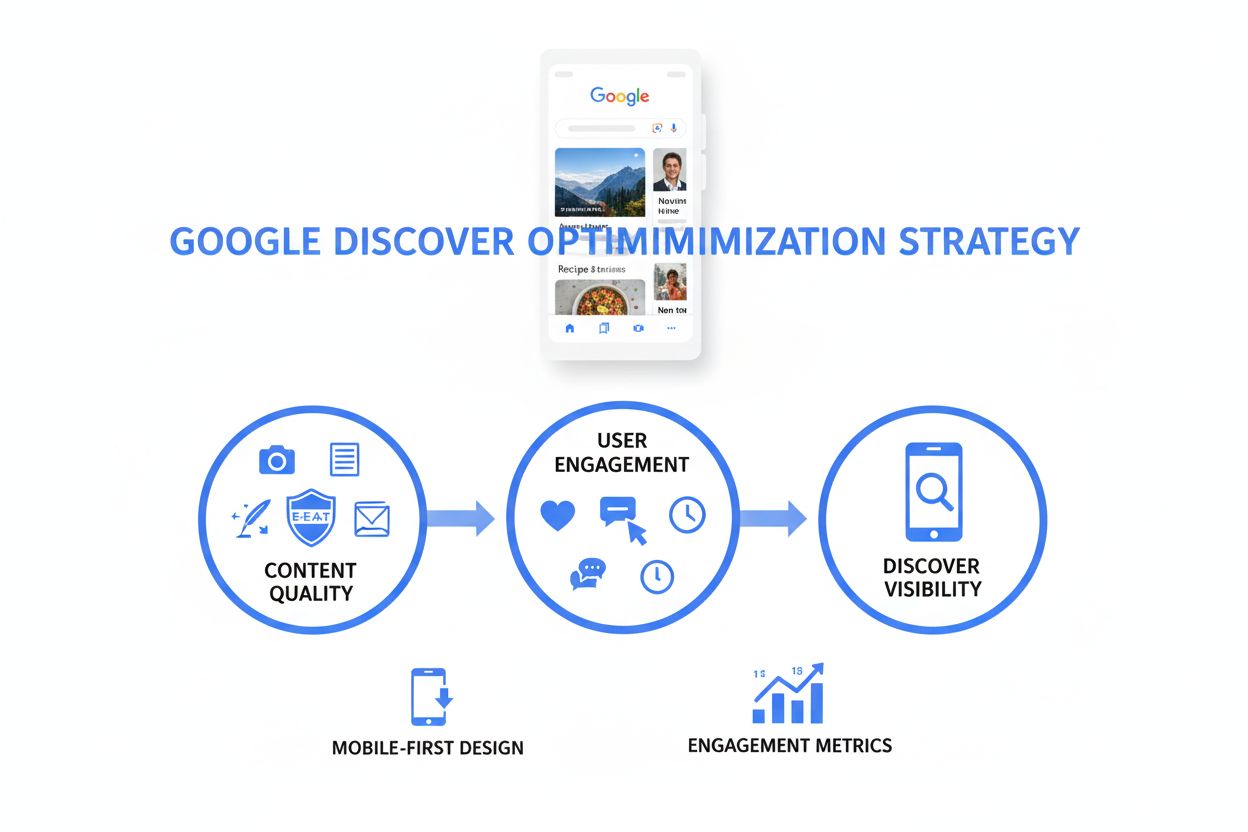
Learn what Discover Optimization is and how to optimize content for Google Discover visibility. Explore strategies, ranking signals, and best practices for incr...
Cookie Consent
We use cookies to enhance your browsing experience and analyze our traffic. See our privacy policy.