Definition of Perplexity Traffic
Perplexity Traffic represents website visitors arriving from Perplexity AI, an AI-powered search engine that delivers conversational answers with direct citations to source websites. When users interact with Perplexity’s responses and click on embedded citation links, they generate referral traffic to the cited websites. This traffic channel is fundamentally different from traditional search engine traffic because users have already encountered a summary of your content within Perplexity’s AI-generated answer before deciding to click through to your site. As of November 2025, Perplexity receives 239.97 million monthly visits with an average session duration of 12 minutes and 14 seconds, making it a significant and growing traffic source for websites across multiple industries. Understanding and tracking Perplexity Traffic has become essential for digital marketers and SEO professionals as Generative Engine Optimization (GEO) emerges as a critical complement to traditional search engine optimization.
The Rise of AI-Powered Search and Perplexity’s Growth
The search landscape has undergone a fundamental transformation with the emergence of AI-first search engines like Perplexity. Unlike traditional search engines that rank pages based on keywords and links, Perplexity combines large language models with real-time web search to provide direct answers to user queries in a conversational format. The platform has experienced explosive growth, with a 192% year-over-year increase in traffic from March to May 2024, and continues to maintain strong momentum with over 170 million average monthly visits. This growth trajectory reflects a broader shift in user behavior, where individuals increasingly prefer conversational, citation-backed answers over traditional blue-link search results. Perplexity’s ad-free model and focus on user experience have resonated particularly well with users seeking unbiased, comprehensive information. The platform’s emphasis on transparency through direct source citations creates a unique opportunity for websites to gain visibility at high-intent moments when users are actively researching topics and making decisions.
Ready to Monitor Your AI Visibility?
Track how AI chatbots mention your brand across ChatGPT, Perplexity, and other platforms.
Understanding Perplexity’s Citation Mechanism
Perplexity’s core differentiator is its citation-first approach to search results. When Perplexity generates an answer to a user query, it displays multiple source links directly within the response, allowing users to verify information and explore topics in greater depth. This mechanism creates a direct pathway for traffic generation—users who find Perplexity’s summary compelling but want more detailed information click through to the cited sources. The platform’s algorithm evaluates content based on trustworthiness, relevance, and comprehensiveness rather than traditional SEO factors. Perplexity maintains a curated index of trusted sources rather than crawling the entire web like Google, which means fewer but higher-quality domains receive citations. The platform prioritizes websites that demonstrate expertise, authority, and trustworthiness (E-E-A-T), maintain current information, use clear information hierarchies, and provide evidence-backed claims. This citation mechanism has profound implications for content strategy, as being cited in Perplexity answers often provides more exposure and qualified traffic than ranking first in traditional Google search results.
Comparison Table: AI Traffic Sources and Characteristics
| AI Platform | Market Share of AI Traffic | Citation Approach | Primary User Intent | Average Session Duration | Traffic Volume (Monthly) |
|---|
| ChatGPT | 87.4% | Conversational with optional citations | General knowledge, creative tasks | Varies by query | 100M+ (estimated) |
| Perplexity AI | 2nd largest AI source | Direct citations embedded in answers | Research, fact-checking, comparisons | 12:14 minutes | 239.97M (Nov 2025) |
| Google AI Overviews | Integrated with organic | AI-generated summaries with links | Quick answers, featured snippets | 8-10 minutes | Varies by query |
| Claude (Anthropic) | Emerging source | Conversational, limited citations | Technical queries, analysis | Varies | Growing (estimated 50M+) |
| Gemini (Google) | Integrated with Google | Conversational with source links | Multi-modal queries, images | 10-12 minutes | Integrated with Google |
Stay Updated on AI Visibility Trends
Get the latest insights on AI mentions, brand monitoring, and optimization strategies.
Tracking and Measuring Perplexity Traffic
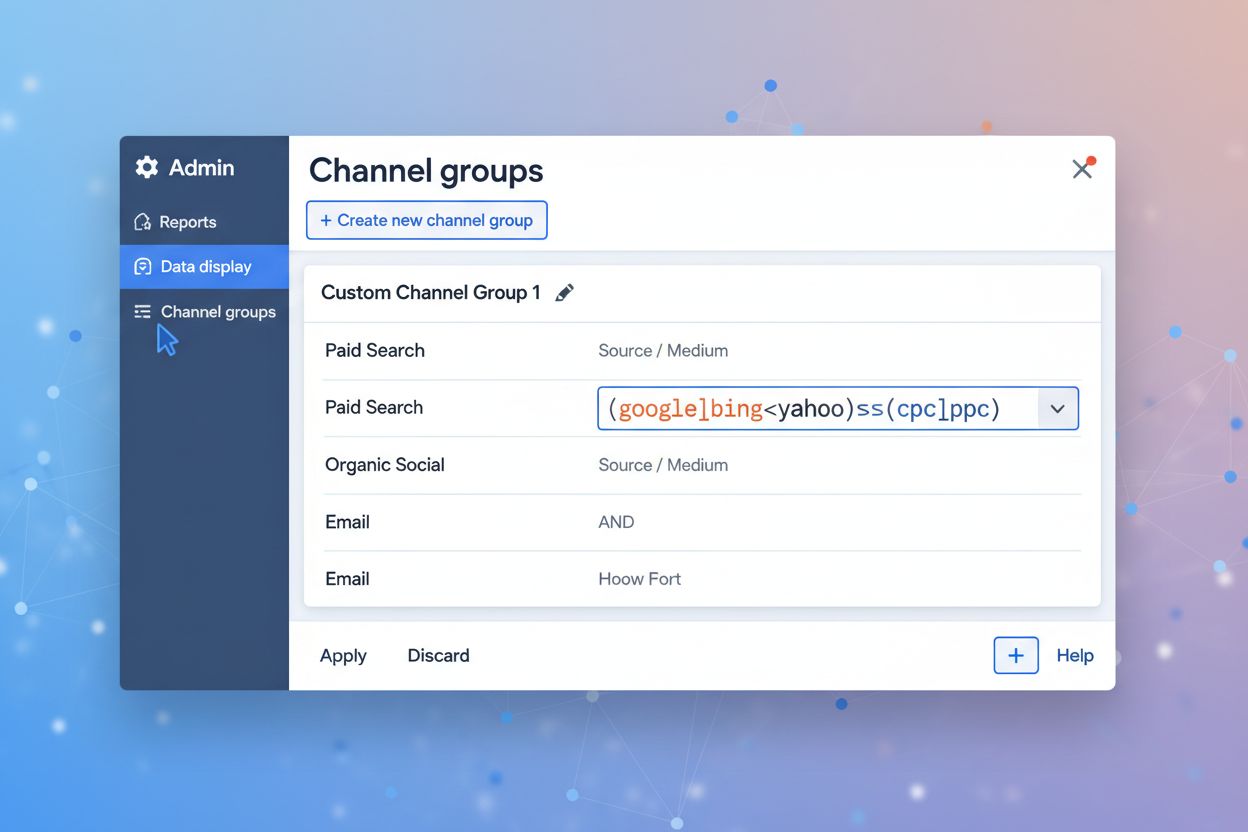
Measuring Perplexity Traffic requires specific configuration in analytics platforms because the traffic arrives through referral headers from the perplexity.ai domain. In Google Analytics 4 (GA4), Perplexity traffic appears in the Traffic Acquisition report under the Referral channel group with the source identified as “perplexity.ai/referral.” To isolate and analyze this traffic effectively, marketers should create custom explorations or channel groups that specifically filter for Perplexity referrals. The process involves navigating to the Traffic Acquisition report, adding filters for sources containing “perplexity.ai,” and examining metrics such as engaged sessions, average engagement time, bounce rate, and conversion rate. For more sophisticated tracking, organizations can build custom channel groups in GA4’s admin settings, placing an “AI Traffic” channel above the standard Referral channel to ensure Perplexity traffic is categorized separately. It’s important to note that not all AI-driven traffic is trackable through referrer headers—when users copy and paste content from Perplexity without clicking links, or when referrer information is stripped, these visits appear as direct traffic or “(not set)” in analytics. Therefore, reported Perplexity traffic represents a conservative estimate of actual AI-driven visits. Advanced tracking can be implemented through Google Tag Manager by creating custom events that fire when the referrer contains “perplexity.ai,” providing additional granularity for reporting and analysis.
Key Metrics for Perplexity Traffic Analysis
Understanding which metrics matter most for Perplexity Traffic differs from traditional SEO metrics. Rather than focusing solely on rankings and click-through rates, marketers should monitor brand mentions (instances where Perplexity references your brand even without direct links), citations (linked references to your website), prompt-triggered visibility (the specific queries that surface your brand), and context of mentions (whether you appear as a top recommendation or buried in a list). Share of voice (SOV) metrics become particularly important, showing what percentage of relevant AI answers include your brand compared to competitors. Tracking which page types and content pieces receive citations reveals which content Perplexity considers most authoritative and trustworthy. Visibility trends over time help marketers assess the impact of their content optimization and PR efforts. Additionally, monitoring platform-specific performance across ChatGPT, Gemini, Claude, and Perplexity shows where to prioritize optimization efforts, as different AI models pull from different data sources and have distinct citation preferences. The quality of engagement from Perplexity traffic often exceeds traditional referral sources because these visitors have already seen a summary and made an intentional decision to learn more, resulting in higher engagement rates and conversion potential.
Generative Engine Optimization (GEO) for Perplexity Visibility
Generative Engine Optimization (GEO) represents a new discipline focused on ensuring that AI systems like Perplexity cite and recommend your content. Unlike traditional SEO, which targets SERP rankings, GEO ensures your content becomes the trusted source that AI systems quote and reference. The strategy involves three core mechanisms: content structure optimization (organizing information for AI comprehension), authority signal integration (building trust through credentials and backlinks), and AI crawler accessibility (ensuring AI systems can access and understand your content). Perplexity evaluates content based on how well it answers questions directly, the clarity of information hierarchy, the presence of evidence and citations, and the freshness of information. To optimize for Perplexity, content should be structured with clear headings, concise definitions, FAQ sections that mirror natural language queries, and snippet-ready answers positioned near the top of pages. Implementing schema markup (structured data) helps AI systems categorize and understand content more effectively. Building authority requires pursuing inclusion in authoritative lists, securing industry awards and accreditations, encouraging positive reviews on trusted platforms, and earning high-quality backlinks from respected domains. Perplexity’s algorithm particularly values content that appears in “best of” lists and comparison articles, as these formats align with how the platform synthesizes information across multiple sources.
Industry-Specific Perplexity Traffic Patterns
Perplexity Traffic distribution varies significantly across industries based on the types of queries users ask and the domains Perplexity trusts for different topics. Education sites receive approximately 30% of Perplexity’s traffic, reflecting the platform’s popularity for learning and research queries. Technical resources receive 18% of AI referral traffic, indicating strong usage for technology and software-related questions. In contrast, news sites receive only 3% of Perplexity’s traffic, suggesting the platform is less frequently used for breaking news compared to traditional search. Healthcare and finance sectors see higher AI traffic percentages (approximately 2.8% and 1.9% respectively) due to the nature of queries in these domains, where users seek authoritative, well-sourced information. The geographic distribution also matters—21% of Perplexity’s traffic originates from the United States, with the remaining traffic distributed globally. Industry analysis reveals that Perplexity favors different domains depending on the sector: in B2B tech, domains like TechTarget and IBM receive prominent citations; in e-commerce, Amazon dominates; in healthcare, Mayo Clinic and NIH receive priority; in finance, Yahoo Finance and MarketWatch are heavily cited. Understanding these industry-specific patterns helps marketers tailor their content and authority-building strategies to align with Perplexity’s preferences in their particular sector.
The Impact of Perplexity Traffic on Content Strategy
The emergence of Perplexity Traffic as a meaningful referral channel has profound implications for content strategy and digital marketing planning. Traditional content optimization focused on keyword rankings and click-through rates must now incorporate considerations for AI comprehension and citation likelihood. Content creators should prioritize answer-first structures, placing direct, concise answers to common questions at the beginning of articles before providing deeper context and supporting information. This approach aligns with how Perplexity extracts and presents information to users. Conversational language becomes increasingly important, as AI systems recognize and favor content written in the way people naturally ask questions. Rather than optimizing for single keywords, content should address semantic topics and related concepts, helping AI systems understand the full context and relevance of information. Evidence-based content with statistics, citations, and references increases the likelihood of being selected as a source, as Perplexity values transparency and verifiability. Content creators should also consider the visual and structural elements of their pages—using lists, tables, and clear headings makes content more scannable for both AI systems and human readers. Regular content updates signal freshness to AI systems, which increasingly prioritize current information. The shift toward GEO-optimized content doesn’t diminish the importance of traditional SEO; rather, it expands the scope of optimization to serve both human readers and AI systems simultaneously.
Perplexity Traffic vs. Traditional Search Traffic
The distinction between Perplexity Traffic and traditional search engine traffic reflects fundamental differences in how users discover and interact with content. Traditional Google search traffic typically involves users entering keywords, reviewing ranked results, and clicking on pages that appear promising based on titles and meta descriptions. These users may have varying levels of intent and familiarity with the topic. In contrast, Perplexity Traffic originates from users who have already received a curated, AI-generated summary of information and have made an intentional decision to explore a specific source more deeply. This creates a qualitatively different visitor profile—Perplexity traffic typically exhibits higher engagement rates, longer session durations, and better conversion potential because users arrive with greater context and intent. Traditional search traffic volume remains substantially larger (organic search drives 33-42% of traffic across industries compared to 1.08% from AI), but the quality and intent of Perplexity traffic often compensates for lower volume. Additionally, ranking first in Google doesn’t guarantee visibility in Perplexity, as the AI system uses different evaluation criteria and source preferences. A website might rank highly for a keyword in Google but not appear in Perplexity’s citations for related queries, highlighting the need for distinct optimization strategies. The rise of Perplexity Traffic also represents a shift in how brands gain visibility—rather than competing for top rankings, they must now compete for inclusion in AI-generated answers, a fundamentally different competitive dynamic.
Optimization Strategies for Maximizing Perplexity Traffic
To maximize Perplexity Traffic, organizations should implement a comprehensive Generative Engine Optimization strategy that addresses multiple dimensions of visibility and authority. Building topical authority involves creating interconnected content that demonstrates deep expertise in specific domains, with internal linking that shows relationships between concepts. Pursuing inclusion in authoritative lists on respected websites increases the likelihood of being cited, as Perplexity frequently sources information from “best of” and comparison articles. Securing awards, certifications, and accreditations from recognized industry organizations signals trustworthiness to AI systems. Encouraging and managing customer reviews on platforms like G2, Clutch, TrustPilot, and industry-specific review sites influences how AI systems perceive brand credibility. Implementing comprehensive schema markup helps AI systems understand content structure, with FAQ schema, Article schema, and Organization schema being particularly valuable. Participating in Q&A communities like Reddit and Quora, where well-upvoted responses become part of AI training data, extends reach beyond owned properties. Maintaining accurate local business profiles on Google Business Profile, Yelp, and TripAdvisor improves visibility for location-based queries. Publishing original research and data creates unique, authoritative content that AI systems value for citations. Earning high-quality backlinks from respected domains continues to signal authority to AI systems. Regularly updating content with current statistics, recent examples, and fresh perspectives signals that information remains relevant and trustworthy.
Future Trends and Evolution of Perplexity Traffic
The landscape of Perplexity Traffic and AI-powered search continues to evolve rapidly, with several emerging trends shaping the future of this channel. Perplexity’s shopping features, launched in December 2024, introduce e-commerce capabilities including one-click checkout, visual search, and AI-powered product recommendations, expanding the platform’s utility beyond information discovery into transaction facilitation. This evolution suggests that Perplexity Traffic will increasingly include commerce-intent visitors, not just research-intent users. Strategic partnerships, such as Google’s collaboration with Reddit, signal that AI systems will increasingly value community-driven content and user-generated insights, making Reddit participation more critical for visibility. Platform expansion into new markets and languages will distribute Perplexity Traffic more globally, with current U.S.-centric traffic patterns likely to diversify. Integration with other platforms and potential API access for merchants suggests that Perplexity Traffic will become more trackable and actionable for businesses. Regulatory developments around AI transparency and source attribution may influence how Perplexity displays citations and drives traffic. Competitive dynamics with emerging AI search platforms and Google’s continued AI integration mean that optimization strategies must remain flexible and adaptable. The convergence of GEO and traditional SEO will likely continue, with best practices for one increasingly benefiting the other. As AI systems become more sophisticated in evaluating content quality and authority, the importance of E-E-A-T signals will intensify, making brand building and thought leadership increasingly valuable for visibility across all AI platforms.
Key Takeaways for Managing Perplexity Traffic
Perplexity Traffic is high-intent traffic from users who have already seen summaries of your content and chosen to learn more, resulting in better engagement and conversion potential than typical referral traffic.
Tracking requires specific GA4 configuration using filters for “perplexity.ai” referral source or custom channel groups to isolate and analyze this traffic separately from other referrals.
Industry variation is significant, with education (30%), technical resources (18%), and healthcare sectors seeing higher Perplexity traffic percentages than news and utilities sectors.
GEO strategy differs from traditional SEO, focusing on authority signals, content structure for AI comprehension, and inclusion in authoritative lists rather than keyword rankings.
Citation likelihood depends on E-E-A-T signals, including domain authority, awards, reviews, backlinks, and fresh, evidence-based content that answers questions directly.
Perplexity favors specific domains by industry, requiring industry-specific optimization strategies that align with the platform’s trusted source preferences.
Content structure matters for AI extraction, with answer-first formats, clear headings, FAQ sections, and schema markup increasing citation likelihood.
Perplexity Traffic is growing rapidly, with the platform experiencing 40%+ month-over-month growth and receiving 239.97 million monthly visits as of November 2025.
Monitoring and measurement are essential, as Perplexity Traffic represents a distinct channel requiring separate analytics tracking and performance analysis.
Future evolution includes e-commerce integration, suggesting that Perplexity Traffic will increasingly include transaction-intent visitors alongside research-intent users.