
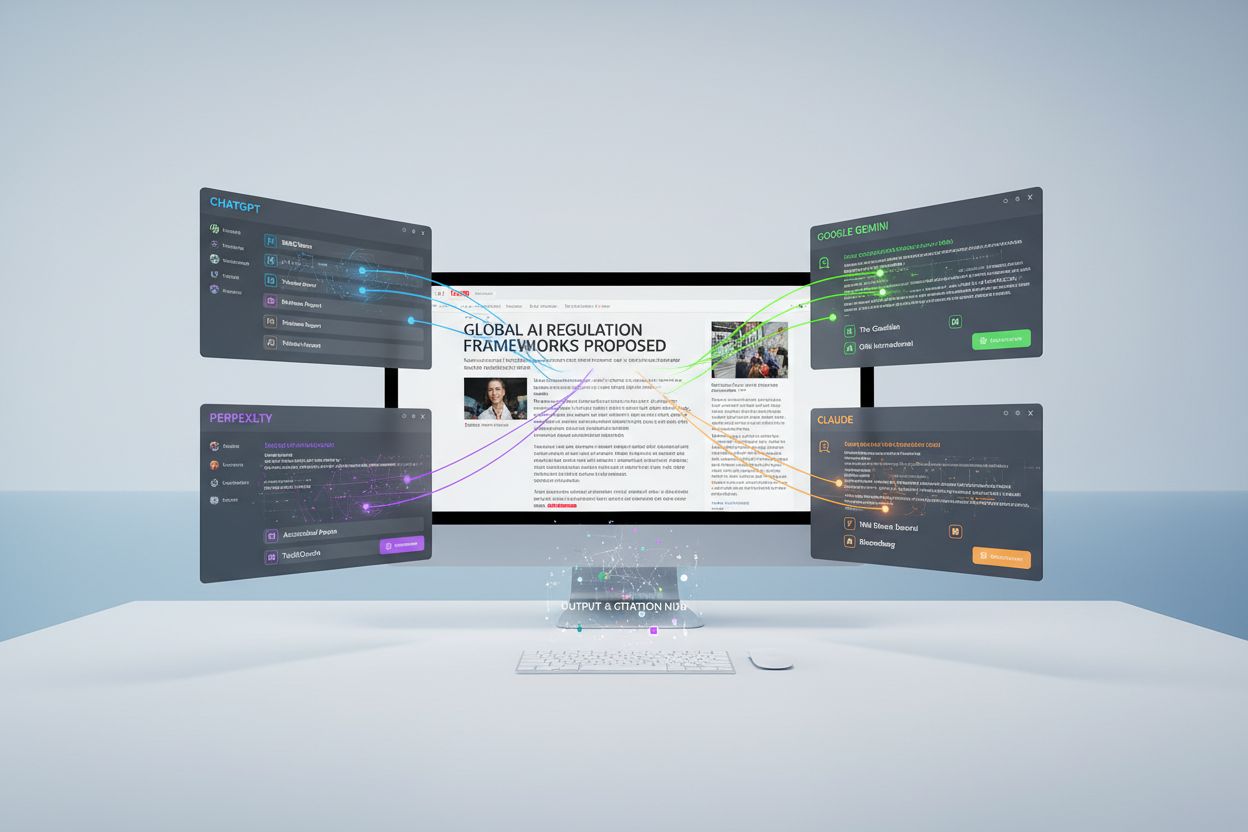
AI News Optimization
Learn how to optimize news content for AI systems. Discover best practices for getting cited by ChatGPT, Gemini, Perplexity, and Google AI Overviews. Master AI ...
10 min read
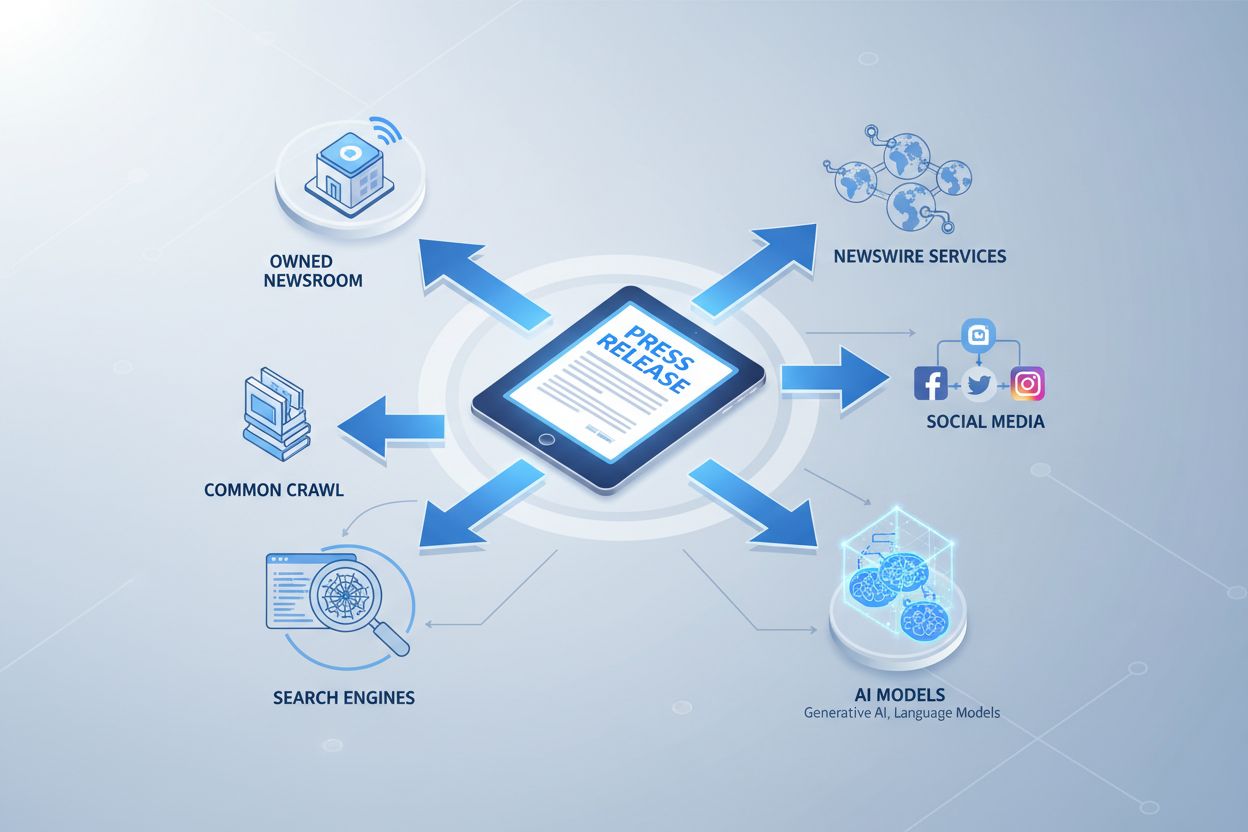
Structuring press releases with AI-friendly formats and distributing them to AI-indexed news sources to ensure they are recognized, cited, and referenced by large language models and AI search engines like ChatGPT, Perplexity, and Google AI Overviews.
Structuring press releases with AI-friendly formats and distributing them to AI-indexed news sources to ensure they are recognized, cited, and referenced by large language models and AI search engines like ChatGPT, Perplexity, and Google AI Overviews.
Press Release Optimization for AI is the practice of structuring and formatting press releases to be effectively discovered, indexed, and cited by large language models (LLMs) and AI search systems. In today’s AI-driven search landscape, where systems like ChatGPT, Perplexity, and Google AI Overviews increasingly serve as primary information sources, traditional press releases—designed primarily for human journalists and search engines—are no longer sufficient for ensuring AI visibility. Unlike conventional press releases that rely on keyword density and backlinks, AI-optimized press releases employ structured content formatting, clear entity definitions, and semantic clarity to help AI systems better understand, retrieve, and cite your announcements. This distinction is critical because AI systems evaluate content differently than traditional search algorithms, prioritizing factual accuracy, source credibility, and information structure over traditional SEO signals. By implementing press release optimization strategies, organizations can ensure their news reaches not only journalists and readers but also the AI systems that increasingly shape how information is discovered and shared.
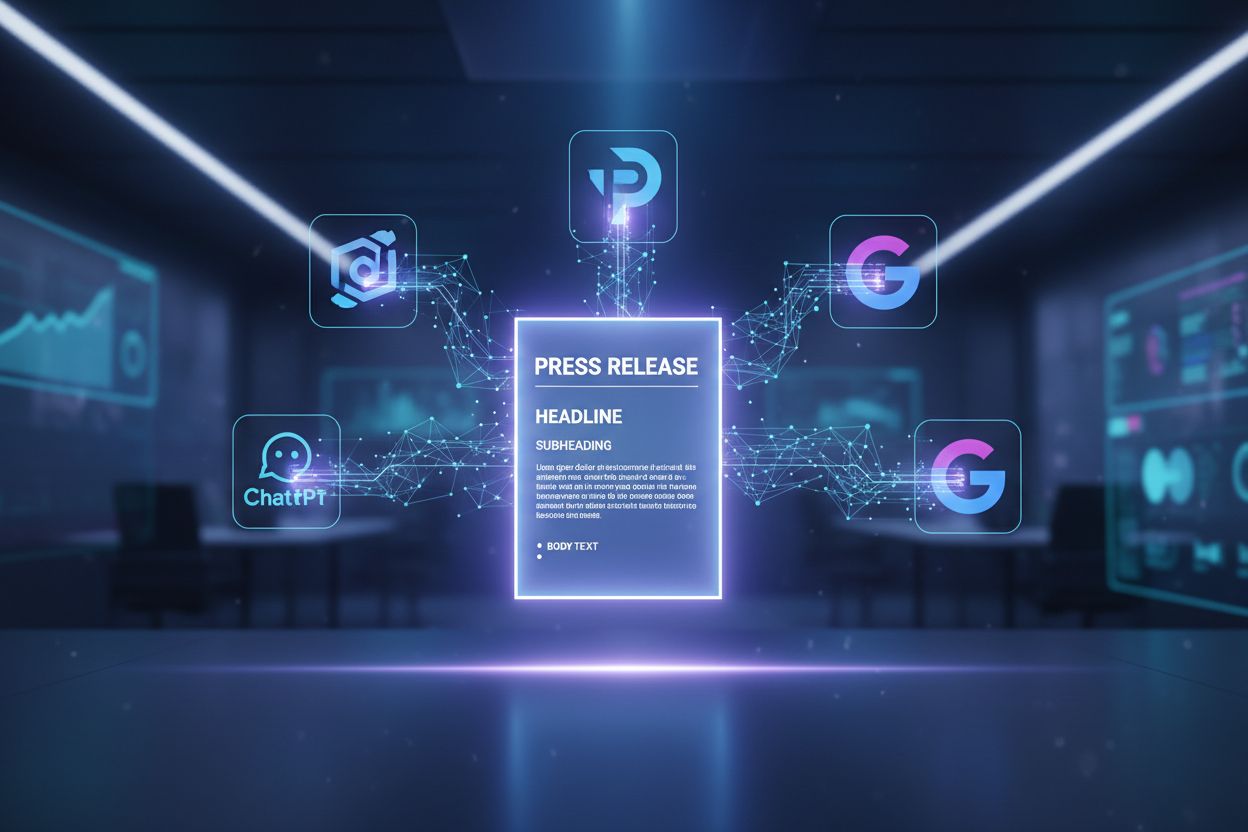
Large Language Models (LLMs) trained on web-scale datasets like Common Crawl have learned to recognize and prioritize press releases as authoritative information sources due to their structured data format and verified content origins. When processing natural language, these AI systems employ advanced Natural Language Processing (NLP) techniques that go far beyond simple keyword matching, instead developing contextual understanding of semantic relationships, entity recognition, and topical relevance within documents. Press releases are inherently preferred by AI systems because they contain verified information from official sources, follow consistent structural patterns, and are typically authored by subject matter experts or communications professionals, making them more reliable than speculative or user-generated content. Unlike traditional keyword-based approaches that treat words as isolated units, modern NLP enables AI to comprehend the meaning and intent behind phrases, allowing systems to match user queries with press releases based on conceptual relevance rather than exact term overlap. Answer Engine Optimization (AEO) strategies that emphasize clear, structured press releases with well-defined sections—such as headline, summary, and key facts—align perfectly with how LLMs extract and synthesize information for direct answers. Consequently, press releases consistently rank higher in AI-generated responses than speculative blog posts or unverified content, as the systems have learned through their training on Common Crawl and similar datasets that official announcements provide the most trustworthy and contextually appropriate information for user queries.
| Aspect | Traditional SEO | Answer Engine Optimization (AEO) |
|---|---|---|
| Focus | Keyword density and backlink authority | Contextual relevance and semantic understanding |
| Method | Keyword matching and link building | Natural Language Processing and structured data |
| Target | Search engine ranking algorithms | LLM comprehension and direct answer generation |
| Content Type | Optimized web pages and articles | Verified, structured press releases and authoritative sources |
| Authority | Domain authority and link profile | Source verification and content structure consistency |
AI-optimized press releases rely on a structured format that enhances both machine readability and human comprehension. Each element of a well-organized press release serves a critical function in ensuring that AI systems can accurately parse, index, and distribute the content across multiple channels and platforms. The following seven key elements form the foundation of effective headline optimization and structured format design:
Clear headline with keywords – A compelling headline containing primary keywords enables AI algorithms to quickly identify the core message and categorize the release for relevant audience segments
Subheadline with context – This secondary headline provides additional context and supporting keywords that help AI systems understand the nuance and scope of the announcement
Dateline with location and date – Precise dateline information serves as critical metadata that AI systems use for temporal and geographic filtering, ensuring timely distribution to location-specific audiences
Inverted pyramid style – Organizing content with the most important information first allows AI to extract key facts efficiently and generate accurate summaries for automated distribution
Descriptive subheadings – Strategic subheadings break content into scannable sections that improve both AI processing speed and the ability of algorithms to identify topic-specific information
Company boilerplate – Standardized company information provides consistent metadata that AI systems recognize and use for brand identification and corporate context association
Media contact information – Clear, structured contact details enable AI systems to route inquiries appropriately and maintain accurate records for relationship management and follow-up communications
By implementing these structured elements, organizations ensure that their press releases are optimized for AI processing while maintaining the professional standards expected in modern media relations.
Effective press release optimization requires natural language that prioritizes clarity and factual content over marketing hyperbole, ensuring both human readers and AI systems can easily understand your message. Plain, descriptive language should replace industry jargon and marketing fluff, making your announcement accessible to a broader audience while improving readability and search engine comprehension. Structure your content with short paragraphs of 2-3 sentences maximum and clear, descriptive subheadings that guide readers through your announcement and help AI algorithms identify key information sections. Strengthen your credibility by incorporating relevant statistics and data points that support your claims, along with quotes from credible sources that add authority and human perspective to your announcement. Ensure your press release answers the fundamental 5 W’s (Who, What, When, Where, Why) and H (How) to provide comprehensive information that satisfies both reader curiosity and AI indexing requirements. Finally, maintain AI-friendly writing practices by avoiding keyword stuffing—the practice of artificially cramming search terms into your text—which damages readability and triggers search engine penalties, instead weaving relevant keywords naturally throughout your content.
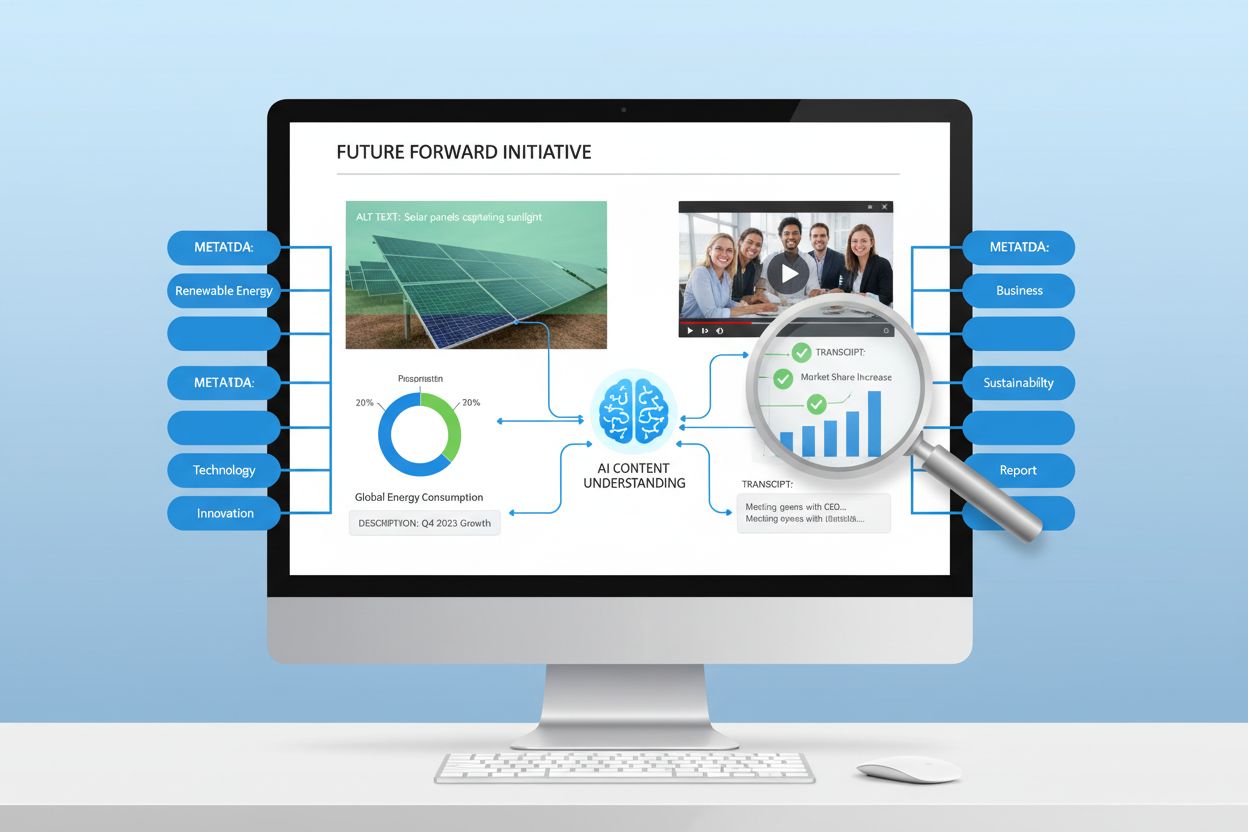
Multimedia and rich media integration represents a critical component of press release optimization for AI systems, as search algorithms and AI models increasingly rely on comprehensive metadata to understand and index diverse content formats. Alt text and descriptive captions serve as essential bridges between visual content and AI interpretation, enabling machine learning models to accurately process images, videos, and infographics that would otherwise remain invisible to algorithmic analysis. Proper metadata requirements—including structured data markup, file naming conventions, and descriptive attributes—ensure that multimedia assets are machine-readable and fully discoverable by AI systems, significantly enhancing the overall visibility of press releases across search engines and content platforms. Video and audio content should always include complete transcripts, as these text-based representations allow AI to extract semantic meaning and context that cannot be derived from the media files alone, while simultaneously improving accessibility for human audiences. Organizations must avoid embedding critical information solely within text-only images or non-machine-readable formats, as these approaches create barriers to AI discoverability and limit the press release’s potential reach and impact. By implementing comprehensive multimedia optimization strategies that prioritize machine-readable formats and detailed descriptive elements, organizations can substantially improve their press releases’ performance in AI-driven search results and content recommendation systems.
Publishing your press release to an owned newsroom should be your primary distribution channel, as it establishes your organization as the authoritative source and ensures complete control over messaging and formatting for AI indexing. Newswire services such as PR Newswire, GlobeNewswire, Business Wire, and eReleases function as accelerants rather than endpoints, amplifying your reach across multiple distribution channels while maintaining consistency with your owned newsroom version. Strategic newswire distribution increases the likelihood of inclusion in AI-indexed news sources and local news sites that aggregate content from these established feeds, expanding visibility across search engines and AI systems. Ensuring your owned newsroom content is discoverable by Common Crawl—the open-source web crawler that indexes vast amounts of internet content—is critical for long-term AI visibility and organic discoverability. While earned media through traditional journalist outreach remains valuable for credibility and narrative control, paid distribution through newswires provides immediate, measurable amplification when time-sensitive announcements require rapid AI indexing. Each distributed release should include prominent links back to your owned newsroom, creating a hub-and-spoke model that consolidates authority signals and directs traffic to your primary source. This integrated approach balances the credibility of earned media with the speed and scale of paid newswire distribution, optimizing your press release for maximum AI visibility across multiple discovery pathways.
Measuring the success of AI-optimized press releases requires comprehensive tracking across multiple AI platforms and search environments. Organizations should monitor citations and mentions across major AI systems including ChatGPT, Perplexity, and Google Gemini, as these platforms increasingly serve as primary information sources for users seeking current information. Featured snippet tracking remains critical, as AI systems frequently pull content from these high-visibility positions to generate summaries and responses. Advanced brand monitoring tools can track organic traffic originating from AI-generated content and AI search engines, providing insights into how AI visibility translates to actual audience engagement. Long-term authority building metrics—such as citation frequency, domain authority improvements, and consistent appearance in AI-generated responses—should be monitored alongside traditional metrics to establish a complete picture of AI visibility success. By implementing robust AI citations and visibility tracking systems, organizations can measure the true impact of their press release optimization efforts and refine their strategies based on data-driven insights into how AI systems discover, evaluate, and distribute their content.
Traditional SEO focuses on ranking well in search engine results pages through keywords and backlinks, while Answer Engine Optimization (AEO) focuses on making your content directly usable as answers by AI-driven tools like ChatGPT and Perplexity. AEO emphasizes context, clarity, and providing direct answers rather than just optimizing for clicks. Press releases are naturally suited for AEO because they provide structured, verified information that AI systems prefer to cite.
AI systems prefer press releases because they are verified information from official sources, follow consistent structural patterns, and are typically authored by subject matter experts or communications professionals. Unlike speculative blog posts or user-generated content, press releases provide the authoritative, factual information that LLMs have learned to trust through their training on datasets like Common Crawl. This makes press releases more likely to be cited in AI-generated responses.
An owned newsroom is a branded hub on your website that serves as your primary, authoritative source for news and announcements. Newswire services like PR Newswire and GlobeNewswire distribute your press releases across hundreds of news websites and platforms. The best strategy is to publish to your owned newsroom first, then use newswires as accelerants to amplify reach while linking back to your primary source.
Your headline should include your primary keyword naturally within the first 56 characters, as search engines typically truncate headlines beyond this point. Focus on answering a straightforward question or making a specific announcement. Avoid puns or overly creative language that might confuse AI algorithms—clarity and specificity trump cleverness for AI optimization.
While 'nofollow' links don't directly pass ranking authority to your site, they still provide SEO value through increased brand visibility, referral traffic, and the potential for journalists to create editorial coverage with valuable backlinks. More importantly, these links help AI systems find and associate your brand with key topics during the model-training phase, increasing the likelihood that AI systems will encounter and cite your content.
Quality over quantity is key. Focus on genuinely newsworthy announcements rather than frequent, low-value releases. A well-crafted, newsworthy press release distributed 1-2 times per month is more effective than weekly releases with minimal news value. Consistency and relevance matter more than frequency when it comes to AI visibility.
Track mentions in AI-generated summaries, appearances in voice search results, and citations in AI tools like ChatGPT, Perplexity, and Google Gemini. Monitor featured snippet inclusions, organic traffic from AI sources, and use brand monitoring tools to detect AI citations. Long-term authority building metrics like citation frequency and consistent appearance in AI responses provide a complete picture of success.
Yes. AI tools don't prioritize content by publisher reputation the way humans might. A press release from a small business in a local outlet carries similar algorithmic weight to one from a Fortune 500 company in a major media outlet. This democratization creates opportunities for smaller businesses to achieve AI visibility through well-optimized, newsworthy content.
Track how AI systems like ChatGPT, Perplexity, and Google AI Overviews reference and cite your brand with AmICited's AI answers monitoring platform.
Learn how to optimize news content for AI systems. Discover best practices for getting cited by ChatGPT, Gemini, Perplexity, and Google AI Overviews. Master AI ...

Discover how press releases influence AI search results on ChatGPT, Perplexity, Google AI Overviews, and Claude. Learn why 57% of companies use them for AI visi...
Learn how to optimize press releases for AI visibility across ChatGPT, Gemini, Perplexity and other AI search engines. Discover GEO best practices, formatting s...
Cookie Consent
We use cookies to enhance your browsing experience and analyze our traffic. See our privacy policy.