
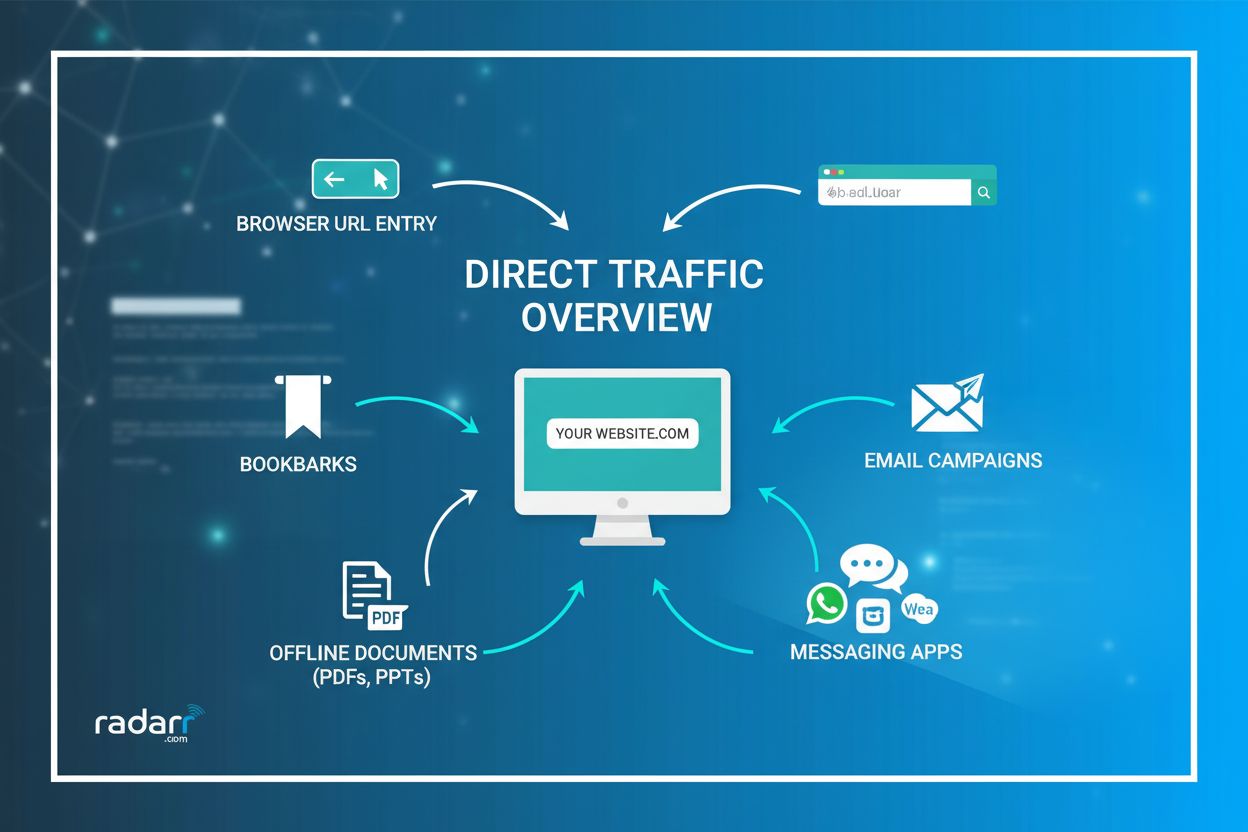
Direct Traffic
Direct traffic is website visits without a clear referral source. Learn what causes direct traffic, how to measure it, and why understanding dark social matters...
12 min read
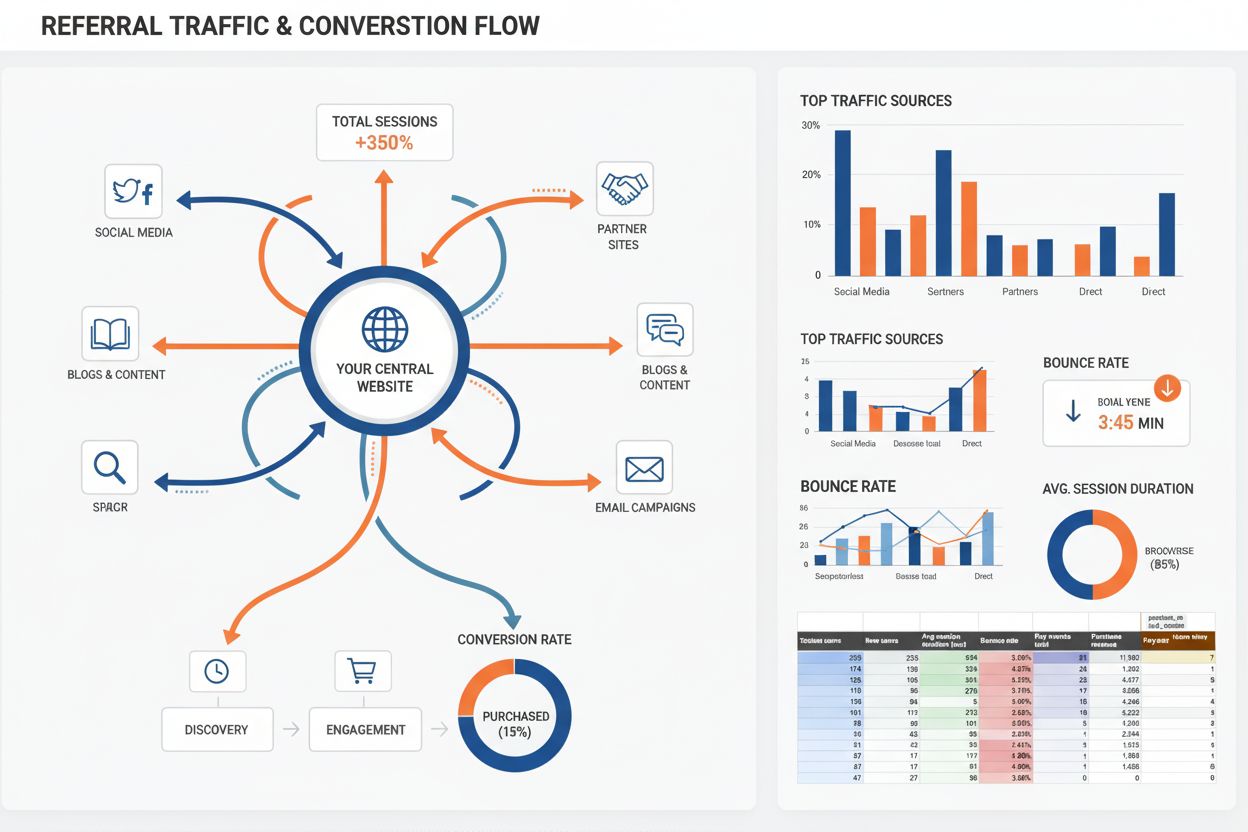
Referral traffic refers to visitors arriving at a website through links on other external websites, excluding direct visits and search engine results. This traffic source is tracked through analytics tools and represents high-intent visitors who discovered your site through third-party recommendations, partnerships, or content mentions.
Referral traffic refers to visitors arriving at a website through links on other external websites, excluding direct visits and search engine results. This traffic source is tracked through analytics tools and represents high-intent visitors who discovered your site through third-party recommendations, partnerships, or content mentions.
Referral traffic is the segment of website visitors who arrive at your site through links on other external websites, excluding direct visits and search engine results. When a user clicks a link from another domain—such as a blog post, social media platform, review site, partner website, or news article—and lands on your website, that session is classified as referral traffic in analytics platforms. This traffic source is tracked through the HTTP referrer header, which tells your analytics tool where the visitor came from. Referral traffic represents one of the most valuable sources of web traffic because it typically brings high-intent visitors who have already been warmed up by a trusted third-party source. Unlike paid advertising or organic search, referral traffic is earned through content quality, partnerships, and brand visibility, making it a powerful indicator of your website’s authority and relevance within your industry.
The concept of referral traffic has evolved significantly since the early days of web analytics. In the 1990s and early 2000s, webmasters tracked referrals primarily through server logs, but the advent of modern analytics platforms like Google Analytics revolutionized how businesses understand traffic sources. Today, referral traffic has become increasingly important as search engine algorithms have become more sophisticated and social media has fragmented audience attention across multiple platforms. According to recent research, referral traffic represents approximately 13% of overall website traffic across industries, though this varies significantly by business type and marketing strategy. The rise of AI-powered search tools like ChatGPT, Perplexity, and Google AI Overviews has introduced a new dimension to referral traffic, creating opportunities for websites to be cited as authoritative sources within AI responses. Over 78% of enterprises now use AI-driven content monitoring tools to track brand mentions and referral sources, recognizing that visibility in AI systems is becoming as important as traditional search engine rankings.
Referral traffic operates through a straightforward but powerful mechanism. When a visitor clicks a hyperlink on an external website, their browser sends an HTTP request that includes the referrer URL—the address of the page they came from. Your website’s server receives this information and passes it to your analytics platform, which records the session as a referral. The analytics tool then identifies the referring domain and categorizes it appropriately. If you’ve implemented UTM parameters (Urchin Tracking Module codes), you can capture even more granular data about the referral source, including the specific campaign, medium, and content that drove the traffic. This tracking mechanism allows marketers to understand not just that traffic came from another website, but precisely which websites, pages, and campaigns are most effective at driving visitors. The quality of referral traffic depends on several factors: the authority of the referring domain, the relevance of the referring content to your site’s offerings, and the intent of the audience being referred. A link from a high-authority industry publication will typically drive more valuable traffic than a link from a low-quality directory, even if both send the same number of visitors.
| Traffic Source | Origin | User Intent | Tracking Method | Average Conversion Rate | SEO Impact |
|---|---|---|---|---|---|
| Referral Traffic | External websites, blogs, partners | High (pre-qualified) | HTTP referrer, UTM parameters | 2-30% | Strong (backlinks boost authority) |
| Organic Traffic | Search engines (Google, Bing) | High (active search) | Search query parameters | 2-5% | Direct (keyword rankings) |
| Direct Traffic | Typed URL, bookmarks | Medium (brand aware) | No referrer data | 3-5% | Minimal (brand signal only) |
| Paid Search (PPC) | Google Ads, Bing Ads | Medium (ad-driven) | Campaign parameters | 2-8% | Minimal (no organic benefit) |
| Social Media Traffic | Facebook, LinkedIn, Twitter, Instagram | Medium (content-driven) | Platform tracking | 1-3% | Minimal (nofollow links) |
| Email Traffic | Email campaigns, newsletters | High (opted-in audience) | UTM parameters | 3-10% | Minimal (internal source) |
| AI-Generated Referrals | ChatGPT, Perplexity, Claude, Google AI | Very High (cited source) | New tracking methods | Unknown (emerging) | Emerging (authority signal) |
Modern analytics platforms like Google Analytics 4, Similarweb, and Ahrefs track referral traffic through multiple mechanisms. The primary method relies on the HTTP referrer header, which is automatically sent by browsers when a user clicks a link. However, this method has limitations—some browsers and privacy-focused tools strip referrer information, and certain redirects can obscure the original source. To overcome these limitations, marketers implement UTM parameters, which are custom tags added to URLs that provide explicit tracking information. For example, a URL might look like: yoursite.com/?utm_source=partner_blog&utm_medium=referral&utm_campaign=guest_post. When a user clicks this link, the analytics platform captures all this information, allowing for precise attribution. Google Analytics 4 distinguishes between the “Session default channel group” (a high-level categorization) and “Session source/medium” (granular tracking), giving marketers flexibility in how they analyze referral traffic. Additionally, platforms can identify self-referrals (traffic from your own domain), payment gateway referrals, and cross-domain traffic, which must be excluded from reports to maintain data accuracy. Advanced implementations use server-side tracking and cross-domain tracking to capture referral traffic even when traditional methods fail.
Referral traffic carries significant business implications beyond simple visitor counts. High-quality referral traffic typically demonstrates superior engagement metrics compared to other sources—visitors from referrals spend more time on site, view more pages, and have lower bounce rates. This engagement translates directly to better conversion rates, with referral traffic often outperforming paid search and social media channels. From an SEO perspective, referral traffic serves as a powerful authority signal; when authoritative websites link to your content, search engines interpret this as a vote of confidence, improving your domain authority and helping you rank for more keywords. The business value extends to brand building—when your content is referenced on reputable websites, it enhances your brand’s credibility and visibility within your industry. For B2B companies, referral traffic from industry publications, professional networks like LinkedIn, and partner websites often represents the highest-quality lead source. According to industry research, 75% of businesses saw referral traffic decline between 2022 and 2023, with decreases ranging from 1-20% year-over-year, highlighting the competitive nature of earning quality referrals. However, emerging opportunities exist with AI-powered platforms; ChatGPT referral traffic to publishers’ sites nearly doubled in 2024, with 83% of ChatGPT referrals going to news and media sites by April 2024, demonstrating the evolving landscape of referral traffic sources.
The emergence of AI-powered search and content discovery systems has fundamentally altered the referral traffic landscape. ChatGPT, Perplexity, Google AI Overviews, and Claude now generate referral traffic by citing specific sources in their responses. Unlike traditional search engines that display links in a results page, AI systems integrate citations directly into conversational responses, creating a new category of referral traffic that requires different tracking and optimization strategies. Google AI Overviews, integrated into Google Search, have become a significant referral source for publishers, though the traffic patterns differ from traditional organic search. Perplexity, a conversational AI search engine, actively cites sources and drives substantial referral traffic to websites it references. The challenge with AI-generated referral traffic is that traditional analytics methods may not capture all instances—some AI systems may reference your content without generating a trackable click-through. This gap has led to the emergence of specialized monitoring platforms like AmICited, which track brand mentions and citations across AI systems, providing visibility into this new frontier of referral traffic. Websites that position themselves as authoritative, well-cited sources in their field are more likely to be referenced by AI systems, creating a compounding effect where AI citations drive both direct traffic and improved search rankings.
Analyzing referral traffic effectively requires tracking multiple interconnected metrics. Engaged sessions measure the percentage of sessions lasting longer than 10 seconds with at least one key event or two or more page views—a more meaningful metric than simple page views. Engagement rate shows what percentage of sessions qualify as engaged, with higher rates indicating that your content resonates with referred visitors. Bounce rate from referral sources reveals whether visitors find your site relevant; a high bounce rate suggests the referring source may not be well-aligned with your content. Average session duration and pages per session indicate content quality and user interest—referral traffic should typically show higher values than other sources. Key event conversion rate tracks the percentage of referral visitors completing important actions like purchases, sign-ups, or downloads. Revenue attribution connects referral traffic directly to business outcomes, showing which referral sources generate the most valuable customers. Domain authority of referring sites matters significantly; links from high-authority domains (DA 50+) carry more weight than links from low-authority sites. Traffic volume and growth trends help identify which referral sources are expanding or declining. According to industry benchmarks, referral traffic with an engagement rate consistently above your site-wide average, average engagement time higher than the site average, and key event conversion rates above 2% is considered high-quality.
The definition and strategic importance of referral traffic continues to evolve as digital ecosystems change. Traditional referral traffic from blogs, news sites, and partner websites remains valuable, but its composition is shifting. Social media referrals have declined significantly—referrals from X (formerly Twitter) dropped by almost half from spring 2023 to August 2024, now accounting for just 0.6% of traffic. Conversely, Google Discover traffic has increased substantially in 2024, representing a new form of algorithmic referral traffic. The most significant evolution is the rise of AI-generated referral traffic, which represents a fundamental shift in how content discovery works. As AI systems become primary discovery mechanisms for information, websites that establish themselves as authoritative, well-cited sources will capture disproportionate referral traffic. This shift has profound implications for content strategy—rather than optimizing solely for search engine algorithms, content creators must now consider how AI systems evaluate and cite sources. The future of referral traffic will likely involve a hybrid approach where traditional backlinks, social mentions, and AI citations all contribute to a website’s visibility and authority. Emerging technologies like blockchain-based verification and decentralized web platforms may introduce new referral mechanisms. Additionally, as privacy regulations tighten and third-party cookies disappear, first-party referral data becomes increasingly valuable. Organizations that invest in understanding and optimizing referral traffic across all channels—traditional, social, and AI-powered—will maintain competitive advantages in organic visibility and audience growth.
Referral traffic comes from external websites linking to your site, while organic traffic originates from search engine results. Both are unpaid sources, but organic traffic is specifically from search engines like Google, whereas referral traffic can come from blogs, social media, partner sites, and other web properties. Referral traffic often indicates higher user intent since visitors have been directed by trusted sources.
Referral traffic typically represents about 13% of overall website traffic across industries. However, benchmarks vary significantly by business type and industry. Anything above 7% is generally considered excellent performance. The quality of referral traffic matters more than quantity—high-engagement visitors from authoritative sources are more valuable than high volume from low-quality sites.
Referral traffic signals to search engines that your content is valuable and trustworthy, especially when links come from high-authority domains. These backlinks act as votes of confidence, improving your domain authority and helping you rank higher for relevant keywords. Additionally, referral traffic often brings engaged visitors who spend more time on your site and have lower bounce rates, which are positive SEO signals.
Major referral traffic sources include social media platforms (Facebook, LinkedIn, Reddit, Twitter), blogs and guest posts, review sites (Yelp, G2, TrustRadius), online directories, affiliate websites, partner sites, and increasingly, AI-powered tools like ChatGPT and Perplexity. According to research, Google.com alone accounts for 63.5% of referral traffic in the US, followed by Microsoft/Bing (7.21%), YouTube (3.57%), and Facebook (3.54%).
In Google Analytics 4, navigate to Reports > Acquisition > Traffic Acquisition. Select 'Session source/medium' as your primary dimension and filter for 'referral' to see all referral sources. You can also use the 'Session default channel group' to view referral traffic at a higher level. For more detailed insights, create custom reports or use UTM parameters to track specific campaigns and referral sources.
High-quality referral traffic comes from authoritative, relevant sources with engaged audiences. Key indicators include low bounce rates, longer session duration, multiple page views per visit, and higher conversion rates. Traffic from niche-specific websites typically converts better than generic sources. Additionally, referrals from high-domain-authority sites signal credibility to both users and search engines.
Strategies to increase referral traffic include creating link-worthy content (guides, research, infographics), publishing guest posts on authoritative blogs, building partnerships with complementary websites, optimizing your presence on review sites and directories, leveraging social media strategically, and implementing digital PR and media outreach. Consistent relationship-building with industry influencers and content creators also generates organic referral traffic over time.
Referral traffic typically has a conversion rate ranging from 2% to 30%, depending on source quality and relevance. The global average referral rate sits at approximately 2.35%, meaning about 2 out of every 100 sales come from referrals. However, high-quality referrals from niche sources often exceed these averages, while low-quality or irrelevant referrals may convert at rates below 1%.
Start tracking how AI chatbots mention your brand across ChatGPT, Perplexity, and other platforms. Get actionable insights to improve your AI presence.
Direct traffic is website visits without a clear referral source. Learn what causes direct traffic, how to measure it, and why understanding dark social matters...
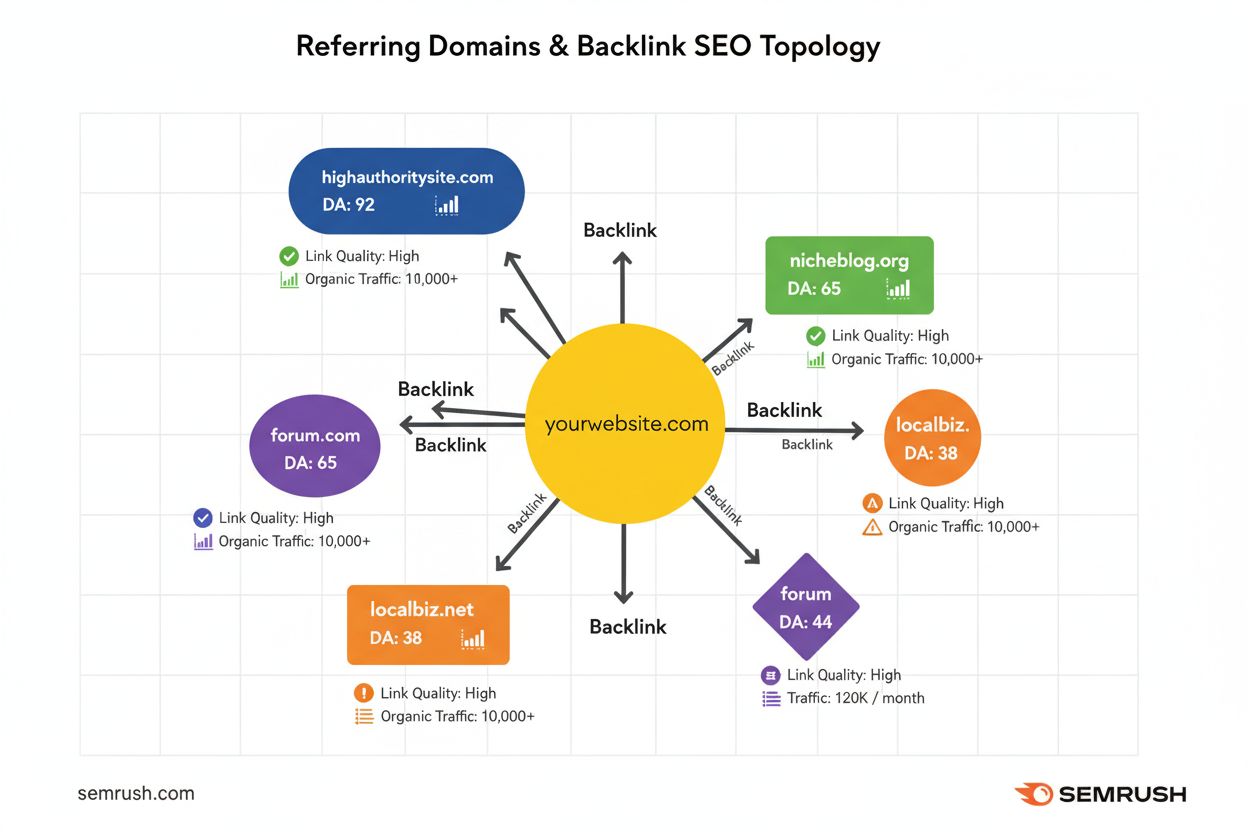
Learn what referring domains are, why they matter for SEO rankings, and how they differ from backlinks. Discover strategies to acquire high-quality referring do...
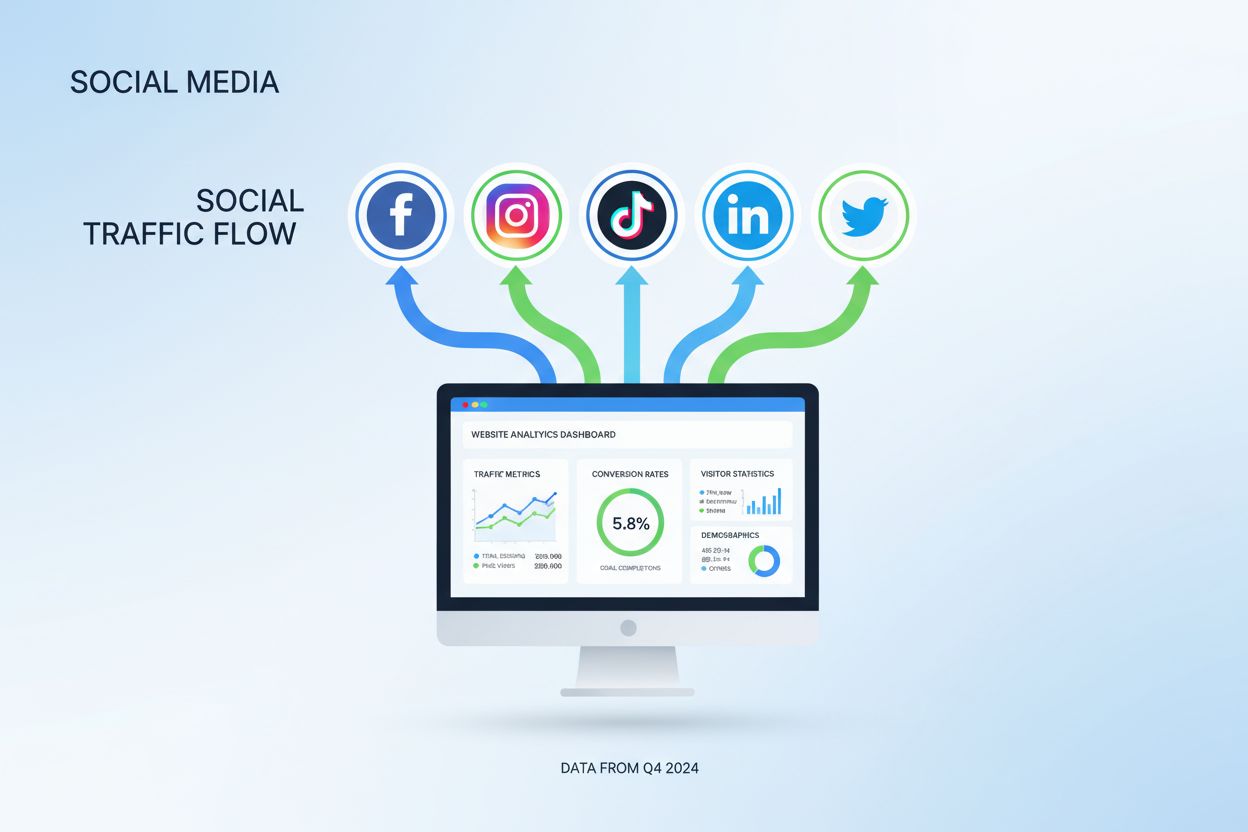
Social traffic is website visitors from social media platforms. Learn how to measure, track, and optimize social referrals for better ROI and brand visibility.
Cookie Consent
We use cookies to enhance your browsing experience and analyze our traffic. See our privacy policy.