


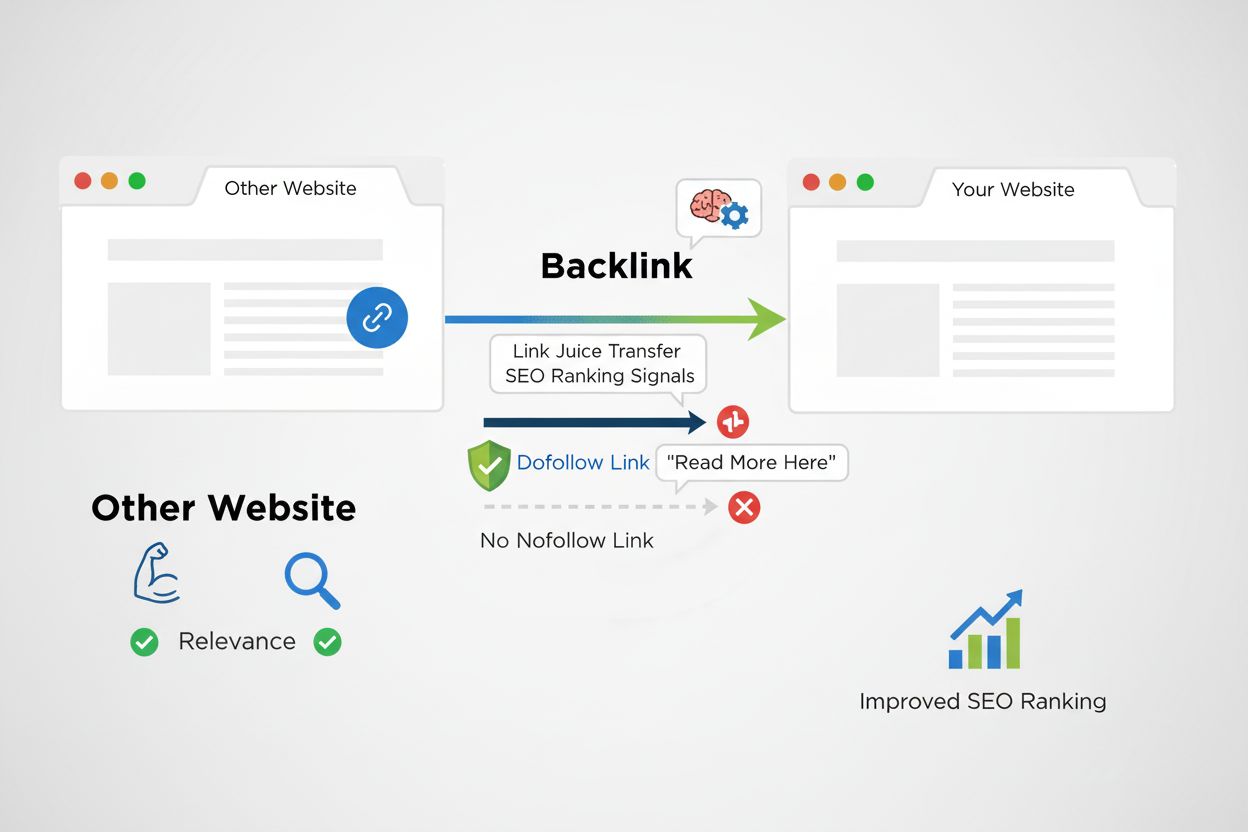
Backlink
Learn what backlinks are, why they matter for SEO, and how they influence search rankings. Comprehensive guide to backlink quality, types, and monitoring for AI...
11 min read
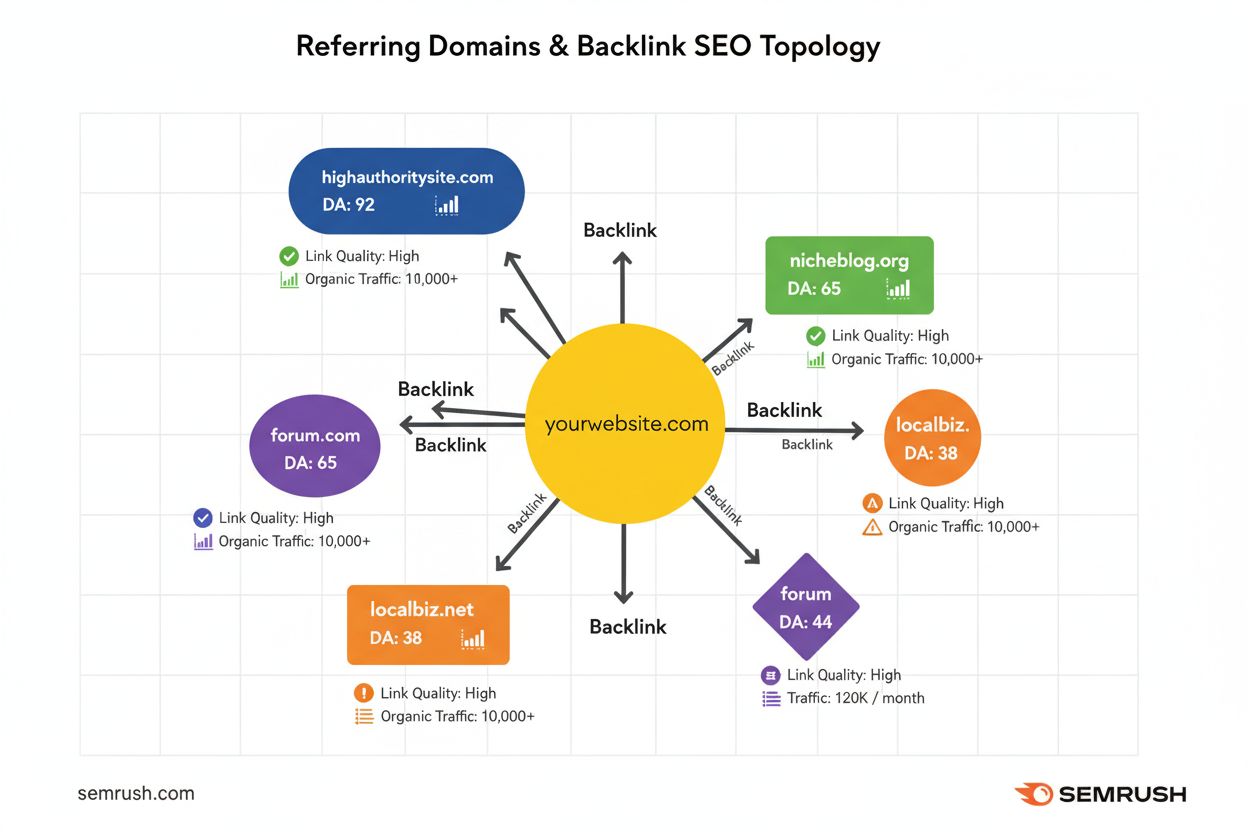
A referring domain is an external website that links to your site through one or more backlinks. It represents a unique domain source linking to your website, distinct from the total number of backlinks, and serves as a critical SEO ranking factor that influences search engine visibility and organic traffic.
A referring domain is an external website that links to your site through one or more backlinks. It represents a unique domain source linking to your website, distinct from the total number of backlinks, and serves as a critical SEO ranking factor that influences search engine visibility and organic traffic.
A referring domain is an external website that links to your site through one or more backlinks. Unlike backlinks, which are individual hyperlinks, a referring domain represents a unique domain source, meaning that even if a website links to you multiple times, it only counts as one referring domain. For example, if TechCrunch publishes three articles that each link to your website, you receive three backlinks but only one referring domain from TechCrunch. This distinction is fundamental to understanding modern SEO strategy, as search engines like Google prioritize domain diversity over raw backlink quantity. Referring domains serve as a critical indicator of your website’s authority, trustworthiness, and relevance within your industry, directly influencing your search engine rankings and organic traffic potential.
Referring domains have emerged as one of the most important ranking factors in Google’s algorithm. According to Backlinko’s comprehensive analysis of Google’s 200 ranking factors, the number of linking root domains—essentially referring domains—shows the highest correlation to search rankings. Research from Semrush’s ranking factors study reveals that pages ranking in the #1 position on Google have an average of over 200 referring domains, while pages ranking at #10 have fewer than 80 referring domains. This data demonstrates a clear positive correlation between domain diversity and search visibility. Additionally, Ahrefs’ research on approximately 1 billion pages found that 96.55% of all pages receive zero organic search traffic from Google, with one of the primary reasons being the lack of backlinks from unique referring domains. The presence of multiple referring domains signals to search engines that your content is trusted, cited, and valued by other authoritative websites, which translates into higher ranking potential and increased organic traffic.

Track how AI chatbots mention your brand across ChatGPT, Perplexity, and other platforms.
Understanding the distinction between referring domains and backlinks is essential for developing an effective link-building strategy. A backlink is a single hyperlink from one webpage to another, representing an individual link instance. A referring domain, by contrast, is the unique website from which one or more backlinks originate. This means that one referring domain can generate multiple backlinks to your site, but it only counts once in your referring domain count. For instance, if the New York Times publishes two articles linking to your website, you have two backlinks but only one referring domain. Conversely, if both the New York Times and Forbes each link to you once, you have two backlinks and two referring domains. From an SEO perspective, referring domains are generally considered more important than raw backlink count because they demonstrate broader recognition and trust across the web. Search engines value this domain diversity as it indicates that multiple independent sources find your content valuable enough to reference, rather than one source repeatedly linking to you. This principle aligns with Google’s emphasis on natural, organic link patterns rather than artificial or manipulated linking schemes.
| Metric | Definition | Scope | SEO Impact | Measurement |
|---|---|---|---|---|
| Referring Domain | Unique external website linking to your site | Domain-level | Very High - Indicates domain diversity and authority | Count of unique domains linking to you |
| Backlink | Individual hyperlink from external page to your site | Page-level | High - Contributes to page authority | Total number of individual links |
| Domain Authority (DA) | Moz’s metric predicting ranking potential (1-100 scale) | Domain-level | High - Indicates overall site strength | Based on linking root domains and backlink quality |
| Domain Rating (DR) | Ahrefs’ metric measuring backlink profile strength (0-100) | Domain-level | High - Shows domain authority | Based on number and quality of linking domains |
| Page Authority (PA) | Moz’s metric for individual page ranking potential | Page-level | Medium - Specific to individual pages | Based on backlinks to that specific page |
| Citation Flow (CF) | Majestic’s metric measuring link influence (0-100) | Link-level | Medium - Indicates link quality | Based on link propagation through the web |
Get the latest insights on AI mentions, brand monitoring, and optimization strategies.
Referring domains function as a fundamental component of Google’s PageRank algorithm and modern ranking systems. When a website links to your site, search engine crawlers discover and analyze that link, evaluating multiple factors including the authority of the linking domain, the relevance of the linking page to your content, the anchor text used, and the placement of the link within the page. The referring domain’s own authority—determined by its backlink profile, age, topical relevance, and traffic metrics—significantly influences the value that link passes to your site. Search engines use sophisticated algorithms to distinguish between natural, editorially-placed links and artificial or manipulated links. A link from a high-authority, topically relevant referring domain like a major industry publication carries substantially more weight than a link from a low-quality or unrelated domain. The cumulative effect of multiple referring domains creates what SEO professionals call “domain authority,” which serves as a proxy for your website’s overall trustworthiness and expertise. This authority then influences your ability to rank for competitive keywords and attracts more organic traffic. The relationship between referring domains and rankings is not purely causal—correlation exists because high-quality content naturally attracts links from authoritative sources, creating a virtuous cycle where better content earns more referring domains, which improves rankings, which increases visibility and attracts more links.
The business implications of referring domains extend far beyond SEO metrics. According to a Link Builders study, websites with 291% more referring domains experienced a 657% increase in monthly organic users, demonstrating the direct correlation between domain diversity and traffic growth. This relationship holds significant value for businesses because organic traffic typically converts at higher rates than paid traffic and represents a sustainable, long-term source of customers. Companies with strong referring domain profiles benefit from increased brand exposure, as each link represents a recommendation from another website to their audience. This expanded reach translates into more qualified visitors who are already familiar with your brand through trusted sources. Additionally, referring domains contribute to brand authority and credibility—when potential customers see that reputable websites link to your site, they perceive your business as more trustworthy and established. For e-commerce businesses, SaaS companies, and content publishers, the relationship between referring domains and revenue is particularly pronounced. A study by Shopify found that websites with more referring domains receive exponentially higher visitor numbers, directly impacting sales and customer acquisition. Furthermore, referring domains provide a competitive advantage in saturated markets, as they signal to both search engines and users that your content is superior to competitors’ content. This advantage compounds over time, as higher rankings lead to more visibility, which attracts more links, creating a sustainable competitive moat.
In the context of AI-driven search and content generation, referring domains play an increasingly important role in determining which sources AI systems cite and recommend. Platforms like ChatGPT, Perplexity, Google AI Overviews, and Claude use ranking signals and authority metrics—including referring domain quality—to identify authoritative sources for their responses. Websites with diverse, high-quality referring domains are more likely to be recognized as credible sources and cited in AI-generated content. This creates a new dimension to the importance of referring domains: they now influence not just traditional search rankings but also AI visibility and brand mentions in AI responses. For businesses using platforms like AmICited to monitor brand appearances in AI systems, understanding referring domain strategy becomes crucial. AI systems tend to prioritize sources that demonstrate authority through multiple signals, including the quality and diversity of their referring domains. A website with strong referring domain metrics is more likely to appear in AI-generated summaries, recommendations, and citations. This means that investing in referring domain acquisition directly impacts your brand’s visibility across the AI landscape. Additionally, as AI systems become more sophisticated in evaluating source credibility, the quality of your referring domains—particularly their topical relevance and authority—will increasingly influence whether your content is selected as a primary source for AI responses.
Acquiring referring domains requires a strategic, long-term approach focused on quality over quantity. The first step is conducting a comprehensive backlink audit using tools like Google Search Console, Ahrefs, Semrush, or Moz to understand your current referring domain profile. This analysis reveals which domains already link to you, their authority levels, and which of your pages attract the most links. Identifying patterns in successful links helps inform your link-building strategy. Creating link-worthy content is fundamental to attracting referring domains naturally. This includes long-form guides, original research and data, expert roundups, case studies, and visual content like infographics. According to Backlinko’s content study, long-form content attracts approximately 80% more backlinks and referring domains than shorter posts. The content should address specific search queries thoroughly, provide unique insights, and offer genuine value to readers. Competitor analysis is another powerful tactic—by examining which referring domains link to competitors, you can identify opportunities to pitch your content to the same sources. Tools like Ahrefs’ Link Intersect feature help identify domains linking to competitors but not to you. Guest posting on relevant, authoritative websites remains an effective method for acquiring referring domains, though it requires careful selection of publications that align with your niche and audience. Broken link building—finding broken links on relevant websites and suggesting your content as a replacement—provides another avenue for acquiring referring domains from established sources. Finally, building authentic relationships with industry influencers, journalists, and content creators through PR and partnership initiatives can lead to natural, high-quality referring domains that benefit your long-term SEO strategy.
Run this audit to understand where your referring domain profile actually stands and what to prioritize next. Step 1: Pull your full referring domain list from Google Search Console’s Links report (Top linking sites) or a tool like Ahrefs or Semrush, and separate the domain count from the raw backlink count—remember that ten links from one site count as one referring domain, not ten. Step 2: Benchmark against your ranking competitors, since pages ranking #1 average over 200 referring domains while page-10 results average under 80; pull the same report for your top three competitors to see where the real gap sits. Step 3: Score each referring domain for quality, checking domain authority (aim for above 30), topical relevance to your niche, and whether the linking domain itself receives organic traffic—a handful of relevant, high-authority domains outweighs dozens of unrelated or spammy ones. Step 4: Check link placement, distinguishing contextual in-content links from footer or sidebar placements, since editorial in-content links carry more weight as genuine endorsements. Step 5: Filter for lost referring domains using the “Lost” filter in your backlink tool; if a high-quality domain dropped a link, that’s worth outreach to understand why and request reinstatement, while losing low-quality domains generally isn’t concerning. Step 6: Check link velocity, looking for unnaturally sudden spikes in new referring domains, which can trigger spam detection even when the links themselves are legitimate. Step 7: Prioritize link-building efforts toward the highest-quality gaps identified in Step 2, rather than pursuing referring domain count as a number in isolation.
Start tracking how AI chatbots mention your brand across ChatGPT, Perplexity, and other platforms. Get actionable insights to improve your AI presence.
Learn what backlinks are, why they matter for SEO, and how they influence search rankings. Comprehensive guide to backlink quality, types, and monitoring for AI...
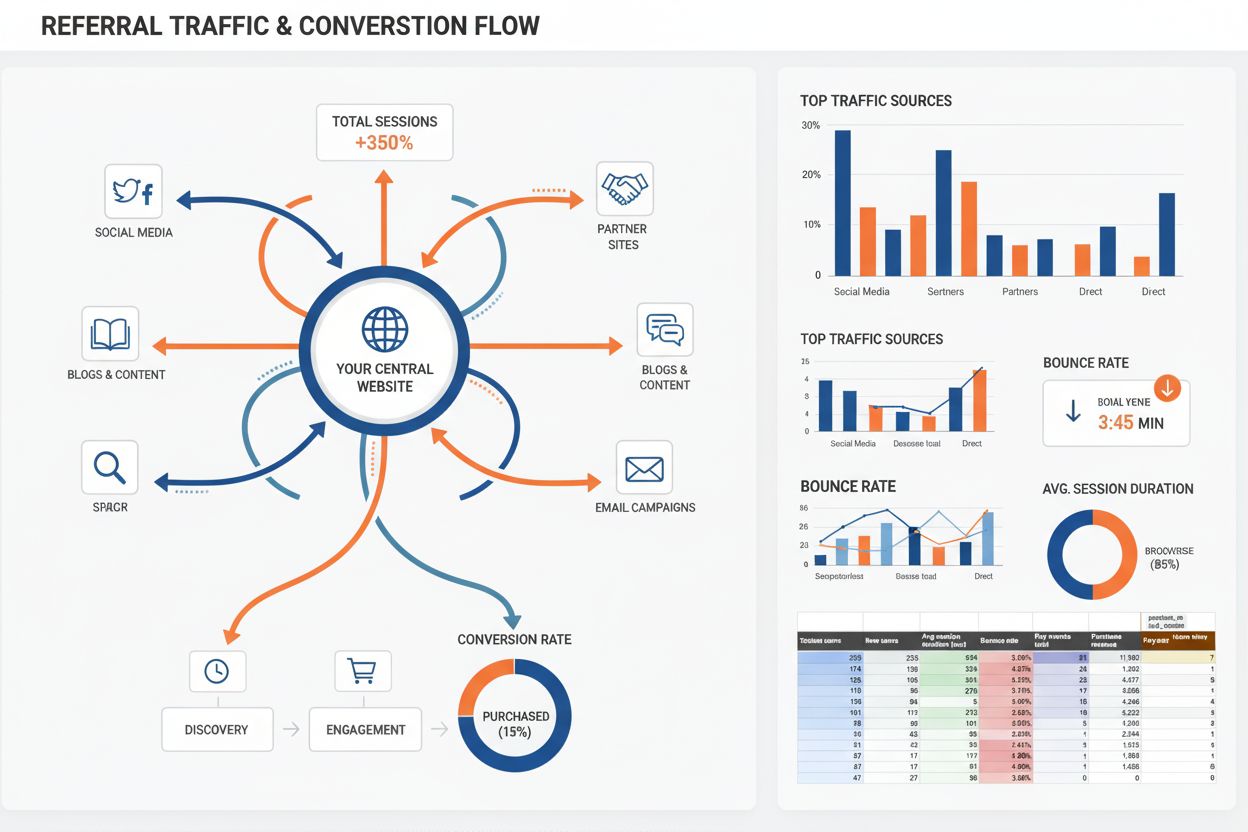
Referral traffic definition: visitors from external websites. Learn how referral traffic works, its importance for SEO, conversion rates, and strategies to incr...
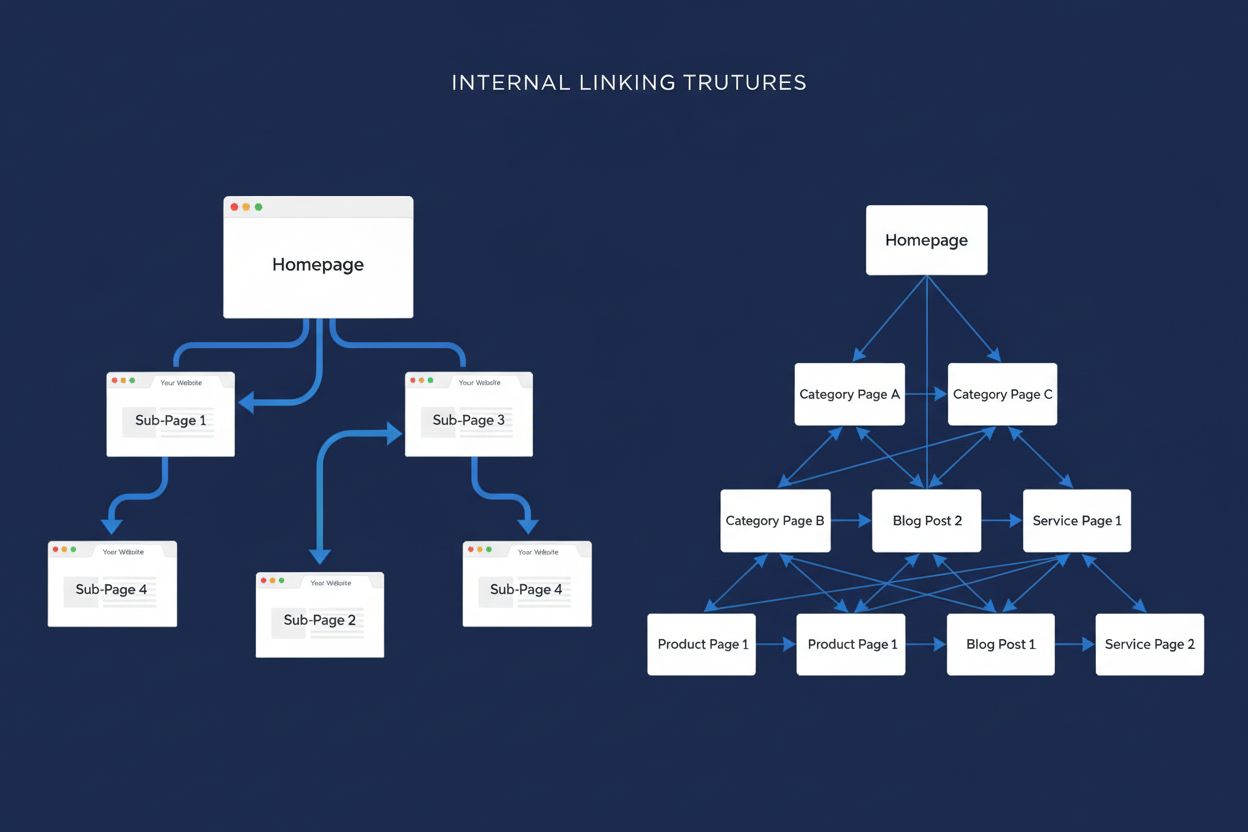
Internal linking connects pages within the same domain to improve crawlability, distribute authority, and enhance user navigation. Learn how strategic internal ...
Cookie Consent
We use cookies to enhance your browsing experience and analyze our traffic. See our privacy policy.