Discussion E-commerce Product Search AI Shopping

How is AI changing product search? Just tried asking ChatGPT for product recommendations and it was surprisingly good

EC
EcommerceMgr_Alex · E-commerce Manager
· · 156 upvotes · 12 comments
EA
EcommerceMgr_Alex
E-commerce Manager · January 8, 2026

Had an interesting experience this weekend. Needed a new espresso machine and instead of my usual Google search, I asked ChatGPT:

“I want a semi-automatic espresso machine under $800, good for beginners but with room to grow. I care about milk steaming for lattes.”

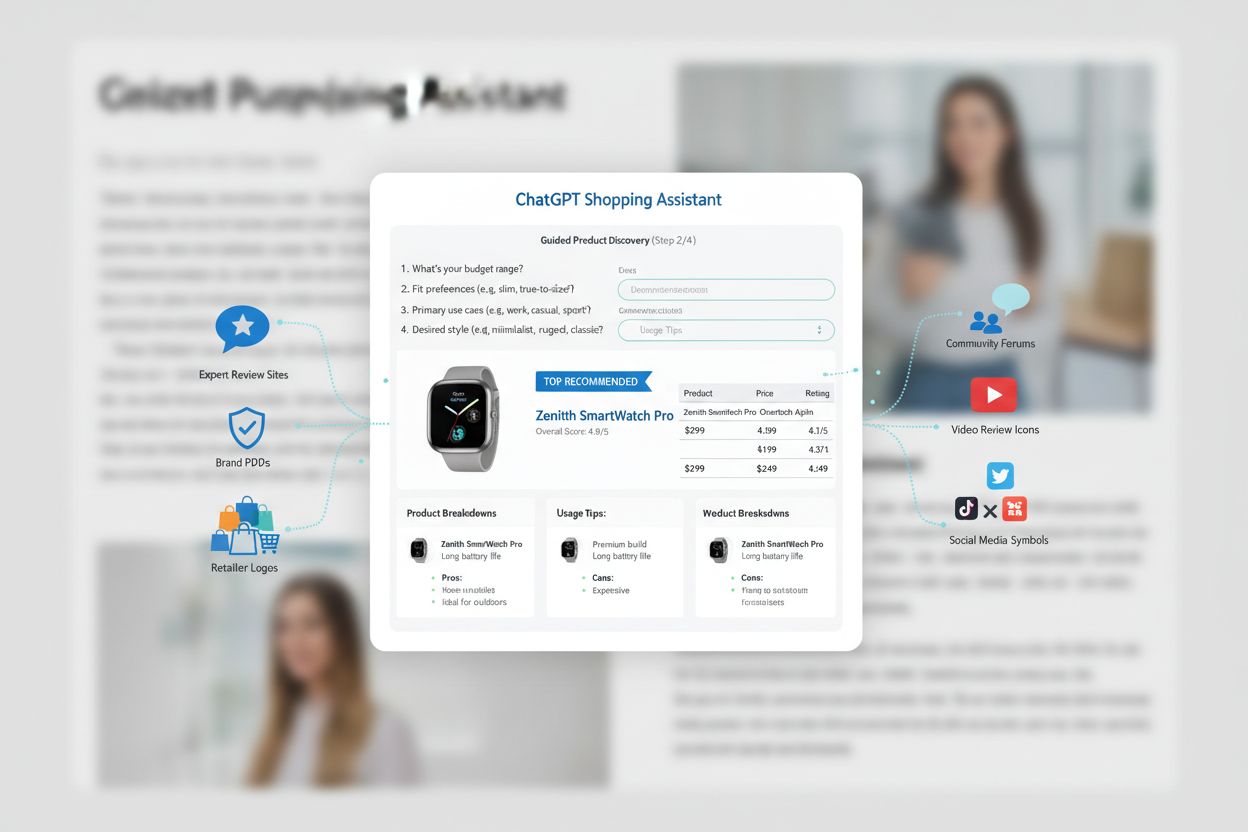
The response was… actually really helpful? It gave me 4 specific recommendations with pros/cons for each, explained why each matched my criteria, and even mentioned what accessories I’d need.

What struck me:

  • It felt like talking to a knowledgeable friend, not scanning search results
  • No ads cluttering the experience
  • The reasoning was transparent
  • I ended up buying one of its suggestions

For my e-commerce job, this is terrifying:

  • If customers bypass Google entirely, where does our traffic come from?
  • How do we ensure our products get recommended?
  • Is traditional SEO becoming irrelevant for product discovery?

Anyone else seeing this shift in their business? How are you adapting?

12 comments

12 Comments

DS
DTCFounder_Sarah Expert DTC Brand Founder · January 8, 2026

This is exactly what we’ve been tracking obsessively at our brand.

The data is eye-opening:

We sell premium kitchenware. 6 months ago, 85% of our traffic came from Google. Now it’s closer to 68%. But here’s the thing - conversions from the remaining traffic have increased by 40%.

What’s happening:

Users who come through AI recommendations are further along in the purchase journey. They’ve already done the comparison. They’re coming to buy, not browse.

How we’re adapting:

  1. Monitoring AI visibility - We use Am I Cited to track when we’re mentioned in ChatGPT and Perplexity responses
  2. Content for citation - Creating detailed comparison content that AI systems want to reference
  3. Brand authority building - PR and reviews on authoritative sites that AI systems trust
  4. Structured data everything - Making our product data as machine-readable as possible

The brands that get recommended by AI are going to win the next decade. Traditional SEO isn’t dead, but it’s no longer sufficient.

RM
RetailAnalyst_Mike Retail Industry Analyst · January 8, 2026

I’ve been researching this shift for a major report.

The numbers you should know:

  • AI Overviews are showing 10%+ usage increases in major markets
  • Google Lens has 1.5 billion monthly users for visual product search
  • 82% of consumers find AI-powered search more helpful than traditional search
  • But only 22% of marketers are actively monitoring AI visibility

The zero-click reality:

Users are getting answers without clicking through. For informational queries, this is already happening. For product search, it’s next.

The espresso machine example is perfect. ChatGPT gave recommendations with reasoning. The user might click through to buy, but they didn’t need to visit 10 comparison sites first.

For e-commerce brands:

Your goal is being the brand that gets recommended, not the brand that ranks #1 for keywords. Different game entirely.

SL
SEOVeteran_Lisa Expert 15 Years in SEO · January 7, 2026

20-year SEO veteran here watching this transformation closely.

The paradigm shift:

Traditional SEO: “How do I rank for ‘best espresso machine’?” AI-era question: “How do I become the brand AI systems recommend for espresso machines?”

They’re related but different:

Ranking factors for AI recommendations seem to include:

  • Brand authority and recognition
  • Authentic reviews and third-party validation
  • Clear, comprehensive product information
  • Expert content explaining why products solve problems
  • Consistent brand presence across authoritative sites

What I’m telling clients:

You still need traditional SEO as foundation. But layer on AI visibility optimization:

  • Monitor AI recommendations in your category
  • Analyze what brands get recommended and why
  • Create content that explains product benefits, not just features
  • Build brand presence where AI systems look for signals

This isn’t replacing SEO - it’s expanding what visibility means.

EA
EcommerceMgr_Alex OP E-commerce Manager · January 7, 2026

Really helpful context from everyone.

Question for the group: Are you seeing differences between platforms?

I’ve noticed:

  • ChatGPT gives detailed reasoning but sometimes outdated info
  • Perplexity shows sources and feels more current
  • Google AI Overview feels more like enhanced search results

Are you optimizing differently for each?

MD
MultiPlatform_Dev E-commerce Developer · January 7, 2026

Great question. Yes, they’re quite different.

Platform breakdown:

ChatGPT:

  • Relies on training data + browsing
  • Brand authority matters most
  • Tends to recommend established brands
  • Conversational, explanatory responses

Perplexity:

  • Real-time web search
  • Source attribution is prominent
  • More likely to surface recent content
  • Great for comparison queries

Google AI Overview:

  • Deeply integrated with search index
  • Traditional SEO signals still matter
  • Product structured data is crucial
  • Often links directly to product pages

What this means:

You can’t optimize for just one. Use Am I Cited or similar to track across platforms. We found we were killing it on Perplexity but invisible on ChatGPT. Completely different content strategies needed.

VP
VisualSearch_Pioneer Visual Commerce Specialist · January 7, 2026

Don’t sleep on visual search in this conversation.

The visual revolution:

Google Lens: 1.5 billion monthly users. Users photograph products and find where to buy them. This is bypassing traditional search entirely.

What’s coming:

  • Live camera queries: Point at a product, ask questions about it
  • Virtual try-on: See how products look on you before buying
  • Multimodal queries: “Show me shoes like these but in blue under $150”

For product images:

  • High-quality, multiple angles
  • Lifestyle context shots
  • Clear product against simple backgrounds
  • Alt text and structured data for image content

Brands optimizing for visual search now will have massive advantages. Most competitors aren’t even thinking about this yet.

AE
AgenticAI_Enthusiast · January 6, 2026

The agentic capabilities are what really excite me.

What’s already possible:

AI systems can now:

  • Search multiple retailers simultaneously
  • Compare real-time pricing and availability
  • Filter by specific criteria
  • Present curated options ready for purchase

For event tickets, this is live:

Perplexity can analyze hundreds of ticket options, check real-time inventory, filter for specific sections, and present options ready to buy. Partnerships with Ticketmaster and StubHub make this possible.

Where this is going:

Soon you’ll say “Find me a good deal on that espresso machine Alex mentioned, check if it’s in stock locally, and buy it if under $750.”

The AI will do the comparison shopping that currently requires 30 minutes and 15 tabs.

For brands, this means being in the consideration set when AI evaluates options. Price, availability, reviews, shipping - all become critical signals.

SE
SmallBiz_Emma Small Business Owner · January 6, 2026

Small business perspective here - this is both terrifying and exciting.

The challenge:

Big brands have resources to optimize for every platform, hire consultants, run sophisticated monitoring. We’re running on minimal staff.

What’s actually working for us:

  1. Niche down hard - We’re not “coffee equipment.” We’re “specialty manual coffee gear for home enthusiasts.” AI recommendations for specific queries favor us.

  2. Authentic content - Our blog is genuinely helpful, written by coffee experts. AI seems to recognize and cite genuine expertise.

  3. Monitor the basics - We check weekly how we’re mentioned across AI platforms. Free tier of monitoring tools.

  4. Reviews everywhere - Consistent presence on review platforms that AI systems index.

The advantage small businesses have: we can be authentic and specialized in ways big brands can’t. AI systems seem to value that for specific queries.

CD
ConversionExpert_Dan Expert CRO Specialist · January 6, 2026

Let’s talk about what happens when they DO click through.

The AI-referred visitor is different:

They’ve already done research. They know what they want. They’re comparing final options or ready to buy.

What we’re seeing in data:

  • AI-referred traffic has 2.3x higher conversion rate
  • Average order value 18% higher
  • Bounce rate 40% lower
  • But… volume is 25% lower than peak Google traffic

The math works out:

For our clients, losing 25% of traffic volume but gaining 2.3x conversion rate is actually net positive for revenue.

CRO implications:

  • Landing pages need to facilitate quick purchase, not convince
  • Social proof remains important (validates AI recommendation)
  • Comparison info is less needed (they already compared)
  • Shipping, returns, and trust signals are critical

Optimize for the confident buyer, not the researcher.

FJ
FutureCommerce_Jen E-commerce Futurist · January 5, 2026

Looking at where this goes in 2-3 years.

The convergence:

Product search won’t be a separate activity. It’ll be embedded in:

  • Conversations: “I need new running shoes” leads to recommendations without explicit search
  • Context: AI knowing your calendar, preferences, past purchases
  • Real-time: Integration with inventory, pricing, availability

Personalization at scale:

AI will know you prefer sustainable brands, have size 10 feet, care about arch support, and have $200 budget - without you specifying.

For brands:

The products that “win” will be those with:

  • Rich, accurate product data
  • Strong brand signals across the web
  • Integration with AI commerce infrastructure
  • Real-time inventory and pricing feeds

The brands building this infrastructure now will dominate. Those waiting will struggle to catch up.

PR
PracticalMarketer_Rob · January 5, 2026

Cutting through the hype with practical steps.

What you can do this week:

  1. Check your AI visibility - Search for your product category in ChatGPT and Perplexity. Are you mentioned?

  2. Monitor competitors - Who IS getting recommended? What are they doing differently?

  3. Audit your structured data - Product schema, reviews, availability - is it all there and accurate?

  4. Create explanation content - Not just product specs. Why does this product solve this problem?

  5. Build review presence - Encourage reviews on platforms AI systems trust

Tools to use:

Am I Cited for monitoring across platforms. Google’s Rich Results Test for structured data. Manual testing across AI platforms weekly.

The shift is real but manageable. Start with visibility, then optimize based on what you learn.

EA
EcommerceMgr_Alex OP E-commerce Manager · January 5, 2026

This discussion has been incredibly valuable. Thank you all.

My action items:

  1. Set up monitoring - Am I Cited to track our brand across AI platforms
  2. Audit each platform - See where we’re strong and where we’re invisible
  3. Content strategy shift - More “why this product” content, less keyword-stuffed descriptions
  4. Structured data audit - Make sure our product data is AI-readable
  5. Multi-platform approach - Different strategies for ChatGPT vs Perplexity vs Google

The mindset shift:

I came in thinking “AI is threatening e-commerce.” Leaving thinking “AI is changing e-commerce, and we can adapt.”

The brands that show up when AI recommends products will win. Time to make sure we’re one of them.

Have a Question About This Topic?

Get personalized help from our team. We'll respond within 24 hours.

Frequently Asked Questions

How does AI product search differ from traditional search?
AI product search understands natural language queries, synthesizes information from multiple sources, and provides personalized recommendations with explanations. Instead of keyword matching, AI interprets intent - asking for ‘running shoes for marathon training with good arch support’ returns tailored suggestions rather than just products containing those words.
What are agentic capabilities in AI shopping?
Agentic AI can autonomously complete tasks like filling out forms, comparing prices across retailers, checking real-time inventory, and initiating purchases with user approval. Systems can analyze hundreds of options simultaneously and present curated choices ready for purchase.
How will AI product search affect e-commerce traffic?
Research indicates AI Overviews could reduce organic website traffic by 18-64% as users find answers directly in AI responses. However, traffic that does reach websites tends to be higher-quality and more conversion-focused, as users have already completed research through AI-assisted discovery.

Monitor Your Products in AI Search

Track how your products appear when customers ask AI for recommendations. Ensure your brand shows up when ChatGPT, Perplexity, and other AI platforms suggest products.

Learn more
