

Enterprise AI Visibility Strategy
Learn what enterprise AI visibility strategy is and why large organizations need comprehensive approaches to monitor, track, and govern AI systems at scale. Dis...
8 min read
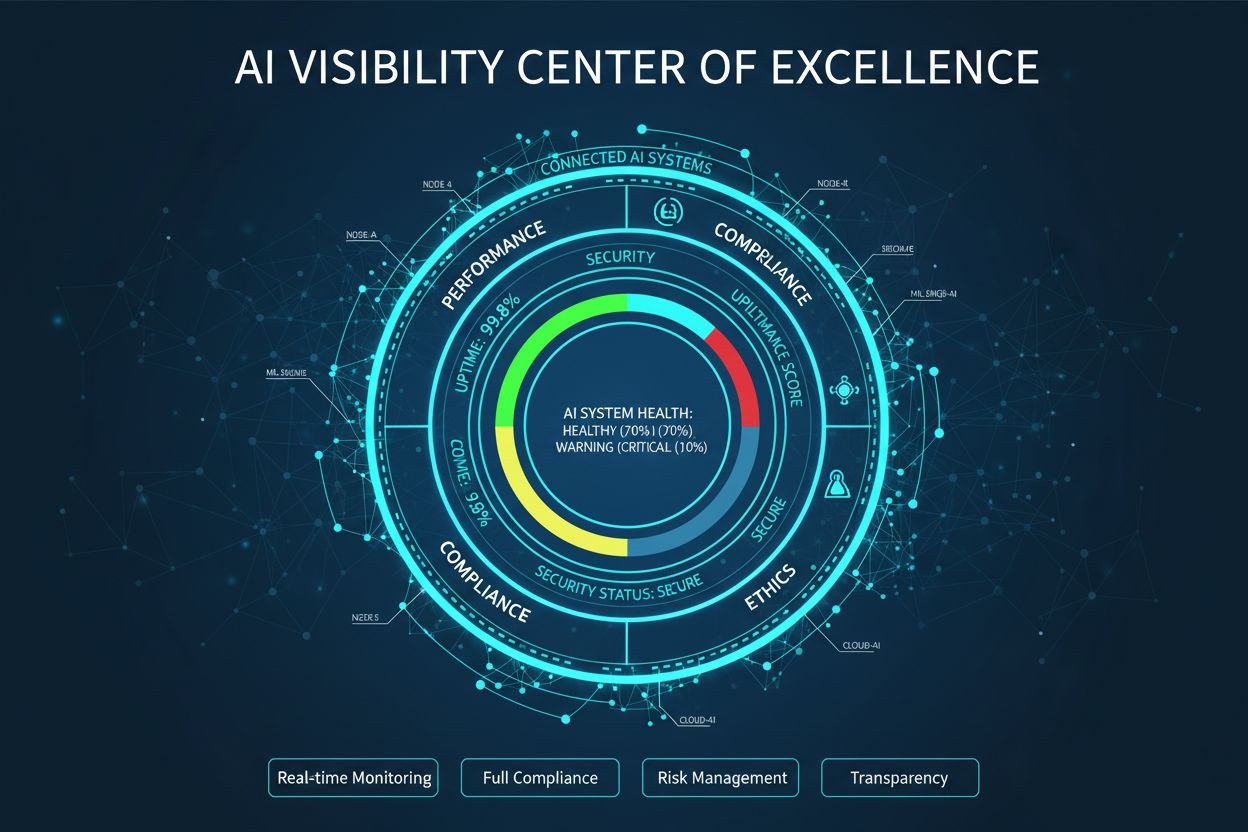
An organizational unit dedicated to monitoring, tracking, and ensuring transparency of AI systems across an enterprise. It provides real-time visibility into AI system performance, compliance status, and risk posture while serving as the central authority for AI governance and oversight.
An organizational unit dedicated to monitoring, tracking, and ensuring transparency of AI systems across an enterprise. It provides real-time visibility into AI system performance, compliance status, and risk posture while serving as the central authority for AI governance and oversight.
An AI Visibility Center of Excellence (CoE) is a specialized organizational unit established to provide comprehensive monitoring, tracking, and transparency of artificial intelligence systems deployed across an enterprise. This center serves as the central authority for maintaining real-time visibility into how AI systems operate, what data they process, and how they impact business outcomes and stakeholder interests. The primary purpose is to create a single source of truth for AI system status, performance metrics, and compliance posture across the organization. By consolidating AI visibility functions, the center enables leadership to understand the full scope of AI deployments and their associated risks. The AI Visibility CoE acts as a critical bridge between technical AI operations and executive governance, ensuring that decision-makers have accurate, timely information about AI system behavior and performance.

The AI Visibility Center of Excellence maintains several core responsibilities essential to enterprise AI governance. These include developing and maintaining a comprehensive AI system inventory that catalogs all AI applications, models, and systems in use across the organization. The center is responsible for continuous monitoring of AI system performance, including accuracy metrics, latency, resource utilization, and output quality. Compliance tracking represents another critical function, ensuring that AI systems adhere to regulatory requirements, internal policies, and industry standards. The center conducts ongoing risk assessment and management, identifying potential issues such as model drift, data quality degradation, bias emergence, and security vulnerabilities. Additionally, the AI Visibility CoE produces regular reporting and dashboards that communicate AI system status to stakeholders at various organizational levels. The center also manages incident response for AI-related issues and maintains documentation of all AI system changes and updates.
| Function | Traditional AI CoE | AI Visibility CoE |
|---|---|---|
| Focus | Model development and deployment | Real-time monitoring and transparency |
| Primary Activity | Building and training AI systems | Tracking and observing AI system behavior |
| Key Metric | Model accuracy and performance | System visibility, compliance, and risk |
| Stakeholder Focus | Data scientists and engineers | Executive leadership and compliance teams |
| Reporting Cadence | Project-based | Continuous and real-time |
| Risk Management | Development-phase risk mitigation | Operational and ongoing risk monitoring |
The AI Visibility Center of Excellence provides comprehensive monitoring across multiple dimensions of AI system operation and impact. The center tracks critical monitoring categories including:
These monitoring capabilities enable the organization to maintain continuous awareness of AI system health and behavior across the entire AI portfolio.
The AI Visibility Center of Excellence functions as a critical component within the broader AI governance framework, serving as the operational eyes and ears of the organization’s AI strategy. The center directly supports the AI Risk Management function by providing real-time data on potential risks, enabling faster identification and mitigation of emerging issues. It integrates with compliance and regulatory management by ensuring that all AI systems maintain adherence to applicable laws, regulations, and industry standards, and by providing audit trails and documentation required for regulatory examinations. The AI Visibility CoE supports ethical AI initiatives by monitoring for bias, fairness issues, and unintended consequences of AI system decisions. The center works in conjunction with the AI Strategy and Planning function to provide insights that inform decisions about AI investments, system retirement, and portfolio optimization. By maintaining transparency and visibility, the AI Visibility CoE enables the organization to implement responsible AI practices and demonstrate accountability to stakeholders, regulators, and the public.
The AI Visibility Center of Excellence leverages specialized technology platforms and tools to achieve comprehensive monitoring and transparency. AI monitoring platforms such as Datadog, New Relic, and specialized AI observability solutions provide real-time dashboards and alerting capabilities for AI system performance. Audit logging and data lineage tools track data flows, model inputs and outputs, and system access patterns to maintain compliance documentation and enable forensic analysis. Analytics and business intelligence platforms aggregate monitoring data and transform it into actionable insights for different stakeholder audiences. Model monitoring solutions specifically designed for machine learning systems detect performance degradation, data drift, and prediction quality issues. Security and access control systems manage who can access AI systems and their outputs, with detailed logging of all interactions. Governance and risk management platforms provide centralized repositories for AI system documentation, risk assessments, and compliance evidence. The technology stack must integrate seamlessly with existing enterprise systems while providing the specialized capabilities required for AI-specific monitoring and visibility.
The AI Visibility Center of Excellence typically comprises a multidisciplinary team with specialized roles and responsibilities. The AI Visibility Lead or Center Director provides strategic oversight, manages stakeholder relationships, and ensures alignment with organizational governance objectives. AI Monitoring Specialists design and implement monitoring systems, configure dashboards, and maintain the technical infrastructure for AI visibility. Compliance Analysts ensure that monitoring activities meet regulatory requirements, maintain audit documentation, and coordinate with compliance and legal teams. Security Analysts focus on detecting and responding to security threats, unauthorized access, and potential data breaches involving AI systems. Data Engineers manage data pipelines, ensure data quality for monitoring systems, and maintain the technical infrastructure for data collection and analysis. Business Analysts translate technical monitoring data into business-relevant insights and reports for executive stakeholders. The team size and specific role distribution depend on the organization’s AI maturity level, the number of AI systems in operation, and the complexity of the regulatory environment.
Establishing an AI Visibility Center of Excellence delivers substantial tangible and strategic benefits to the organization. The center provides measurable value through:
These benefits combine to create significant return on investment and strategic value for the organization.
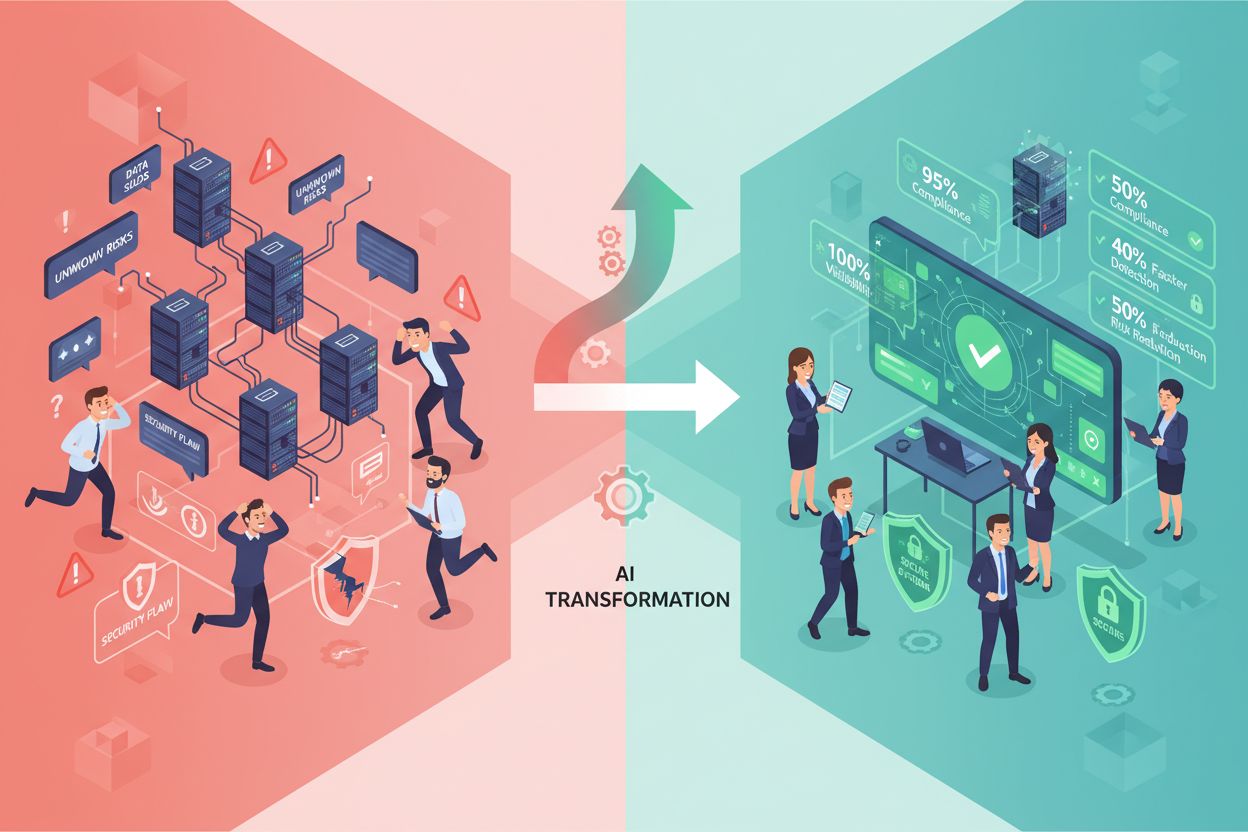
Establishing an AI Visibility Center of Excellence requires careful planning and phased implementation. Organizations should begin with a discovery phase to inventory existing AI systems, assess current monitoring capabilities, and identify gaps in visibility and governance. The planning phase involves defining the center’s charter, identifying required roles and skills, selecting technology platforms, and establishing success metrics. Resource requirements typically include dedicated personnel (5-15 people depending on organization size), technology investments in monitoring platforms and tools, and ongoing training and development. The implementation timeline typically spans 6-12 months for initial capability deployment, with ongoing enhancements and expansions over subsequent years. Common challenges include resistance from AI development teams concerned about oversight, difficulty integrating with legacy systems, skills gaps in AI monitoring and governance, and the complexity of monitoring diverse AI technologies and use cases. Success requires strong executive sponsorship, clear communication of the center’s value, and collaborative relationships with AI development teams and business stakeholders.
Beyond general monitoring platforms, specialized AI visibility monitoring tools have emerged to address unique challenges in tracking how AI systems reference, cite, and utilize external content and brands. These solutions focus on monitoring AI system outputs to understand how AI models incorporate and attribute information from various sources. AI answers monitoring platforms like AmICited.com provide specialized capabilities for tracking how AI systems (including large language models and generative AI applications) reference brands, content, and sources in their responses. These tools help organizations understand the visibility and attribution their content receives when processed by AI systems, which is increasingly important as AI systems become primary information sources for users. Such monitoring solutions complement traditional AI system monitoring by providing insights into how AI systems interact with external information ecosystems and how they represent various entities and sources in their outputs.
A traditional AI CoE focuses on developing, training, and deploying AI models, while an AI Visibility CoE specializes in monitoring, tracking, and ensuring transparency of AI systems in operation. The AI Visibility CoE provides real-time oversight of system performance, compliance, and risk, serving as the operational eyes and ears of AI governance.
Key responsibilities include maintaining an AI system inventory, continuous monitoring of performance metrics, compliance tracking, risk assessment and management, incident response, and producing reports and dashboards for stakeholders. The center ensures that all AI systems are visible, tracked, and managed according to organizational governance policies.
The AI Visibility CoE maintains continuous monitoring of AI system adherence to regulations like GDPR and CCPA, provides audit trails and documentation required for regulatory examinations, and ensures that all AI systems meet applicable industry standards. This proactive approach reduces compliance violations and regulatory exposure.
Essential technologies include AI monitoring platforms for real-time dashboards, audit logging and data lineage tools for tracking data flows, analytics platforms for insights, model monitoring solutions for detecting performance degradation, security systems for access control, and governance platforms for documentation and compliance evidence.
Key roles include an AI Visibility Lead for strategic oversight, AI Monitoring Specialists for technical implementation, Compliance Analysts for regulatory alignment, Security Analysts for threat detection, Data Engineers for infrastructure, and Business Analysts for stakeholder reporting. Team size depends on organizational AI maturity and complexity.
Initial capability deployment typically takes 6-12 months, including discovery, planning, technology selection, and implementation phases. The timeline depends on organization size, existing monitoring infrastructure, available resources, and regulatory urgency. Ongoing enhancements and expansions continue beyond the initial implementation.
Key benefits include early detection of AI system failures and security threats, continuous regulatory compliance assurance, faster incident detection and response, improved decision-making through comprehensive visibility, operational efficiency through automation, stakeholder confidence, cost optimization, and competitive advantage through confident AI deployment.
The AI Visibility CoE serves as a critical operational component of AI governance, supporting risk management through real-time data, enabling compliance monitoring, supporting ethical AI initiatives by tracking bias and fairness, and providing insights for AI strategy and planning. It acts as the bridge between technical AI operations and executive governance.
Discover how AI systems cite and reference your brand with AmICited.com's AI visibility monitoring platform. Track your presence across ChatGPT, Perplexity, Google AI Overviews, and other AI systems.
Learn what enterprise AI visibility strategy is and why large organizations need comprehensive approaches to monitor, track, and govern AI systems at scale. Dis...

Learn how to implement effective AI content governance policies with visibility frameworks. Discover regulatory requirements, best practices, and tools for mana...
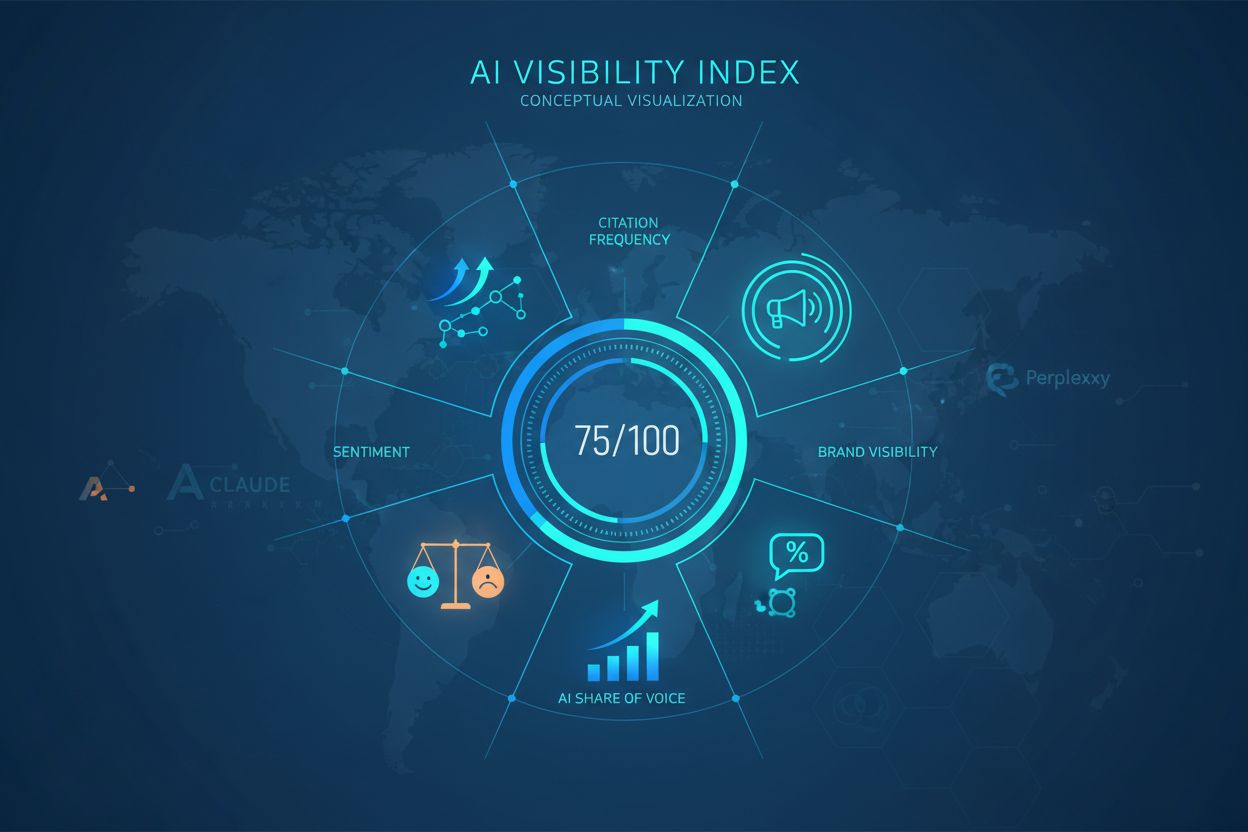
Learn what an AI Visibility Index is, how it combines citation rate, position, sentiment, and reach metrics, and why it matters for brand visibility in ChatGPT,...
Cookie Consent
We use cookies to enhance your browsing experience and analyze our traffic. See our privacy policy.