
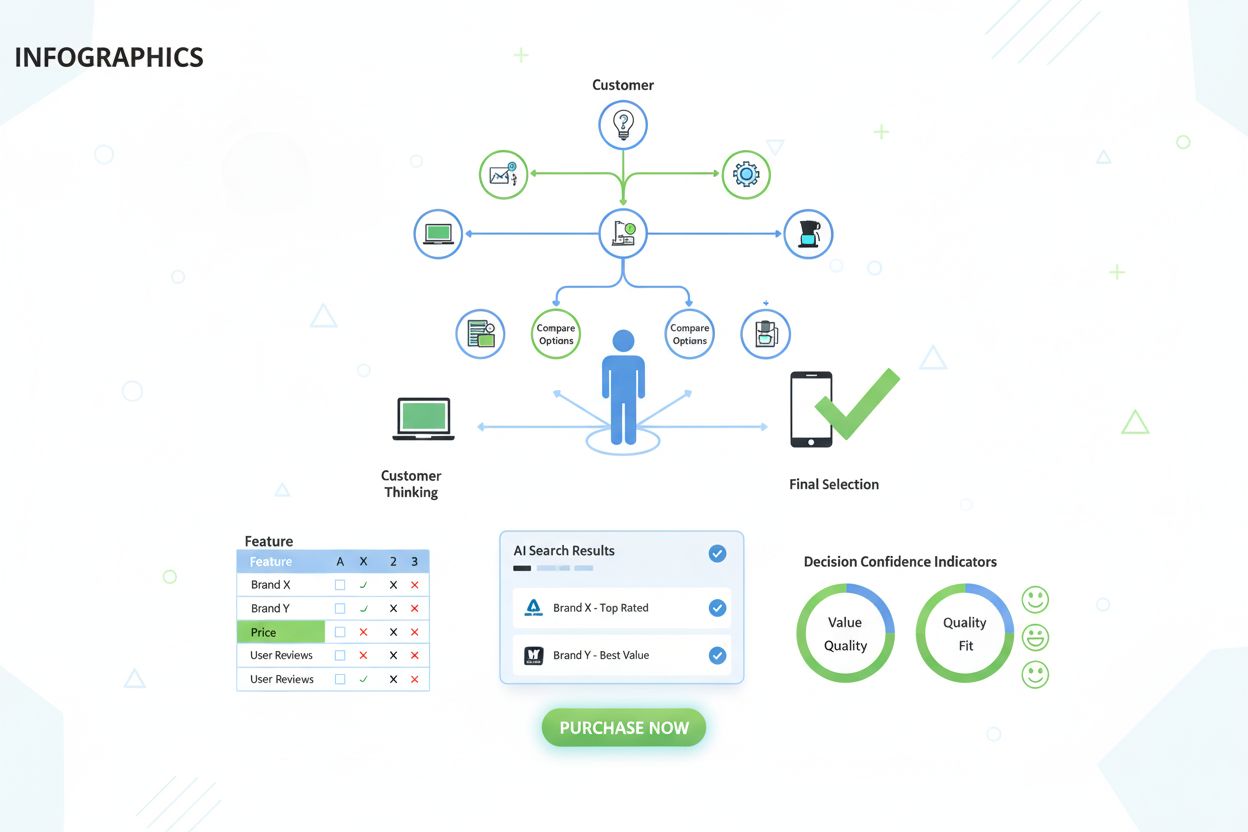
Decision Phase - Final Choice Stage
Learn what the decision phase is in the consumer buying journey. Understand how final choice stage impacts brand visibility, AI search results, and conversion r...
11 min read
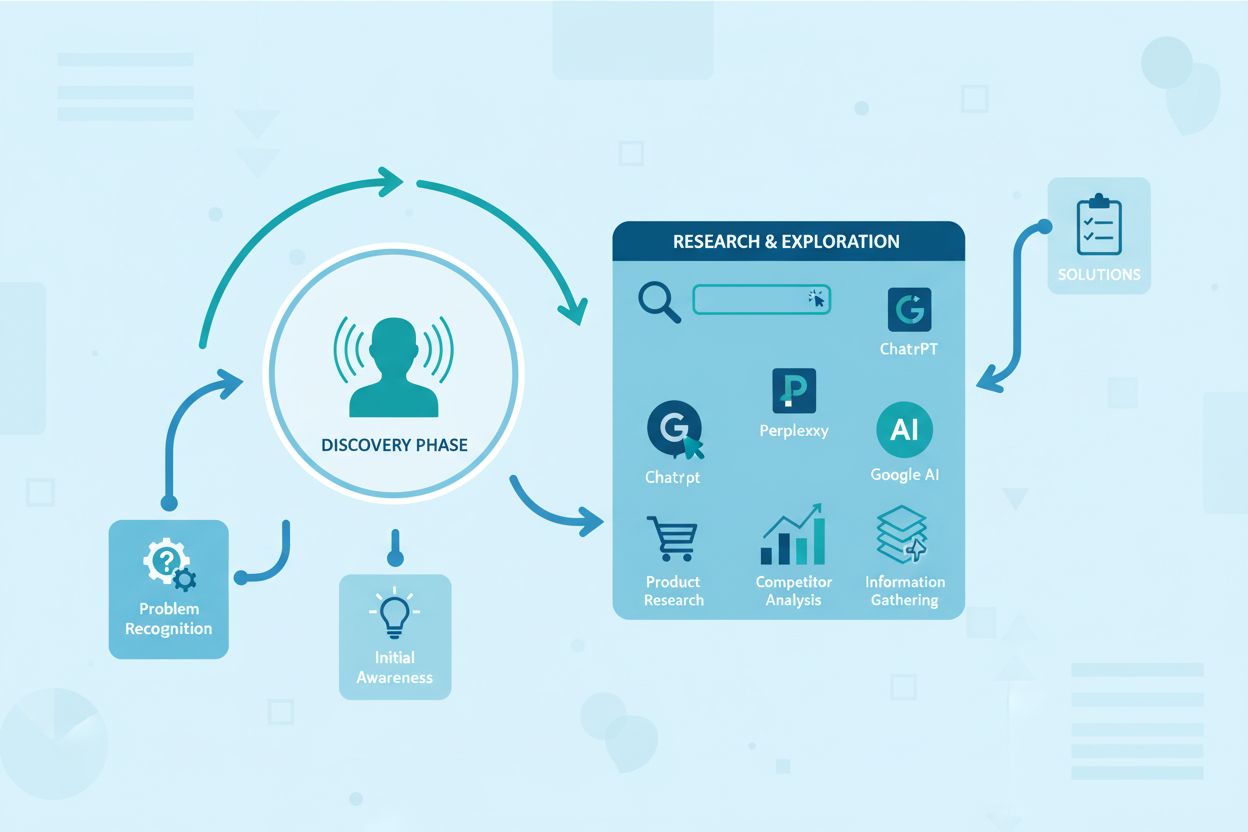
The Discovery Phase is the initial awareness stage of the customer journey where potential customers recognize a problem or need and begin researching solutions through various channels, including AI search engines, reviews, and educational content. This critical stage determines whether prospects will progress toward consideration and eventual purchase decisions.
The Discovery Phase is the initial awareness stage of the customer journey where potential customers recognize a problem or need and begin researching solutions through various channels, including AI search engines, reviews, and educational content. This critical stage determines whether prospects will progress toward consideration and eventual purchase decisions.
The Discovery Phase is the initial awareness stage of the customer journey where potential customers recognize a problem or need and begin actively researching solutions. During this critical stage, prospects are not yet ready to make a purchase decision but are gathering information to understand their options, evaluate potential solutions, and determine which vendors or products might address their specific challenges. The Discovery Phase represents a pivotal moment where brands have the opportunity to establish credibility, provide valuable information, and position themselves as potential solutions to customer problems. This stage is characterized by independent research, exploration of multiple sources, and the formation of initial impressions about available options in the market.
The Discovery Phase has undergone significant transformation over the past decade, particularly with the emergence of digital channels and artificial intelligence. Historically, customer discovery was limited to word-of-mouth recommendations, industry publications, and direct sales outreach. Today, the discovery landscape is vastly more complex and multi-channel. According to Gartner research, only 17% of the B2B customer journey involves direct vendor interaction, meaning 83% of the discovery and research process happens independently through digital channels. This fundamental shift underscores why the Discovery Phase has become increasingly important for marketing and sales organizations. The rise of AI-powered search engines has further revolutionized discovery, with 60% of online queries now processed through AI systems, and AI Overviews appearing in 57% of Google search results. Additionally, research from McKinsey reveals that 50% of consumers now intentionally seek out AI-powered search engines, with a majority stating it’s their top choice for discovery. This evolution means brands must now optimize not just for traditional search engines but for AI citation and visibility across platforms like ChatGPT, Perplexity, Google AI Overviews, and Claude.
The Discovery Phase is distinguished by several defining characteristics that differentiate it from other customer journey stages. First, problem recognition is the primary driver—customers have identified a challenge or opportunity that requires a solution. Second, information gathering is the dominant activity, with prospects consuming educational content, reviews, comparisons, and expert opinions. Third, low purchase intent characterizes this stage; customers are not yet ready to buy but are exploring possibilities. Fourth, multiple touchpoints are typical, as prospects interact with various channels including search engines, social media, industry websites, and AI platforms. Finally, emotional and rational evaluation occurs simultaneously, as customers assess both the credibility of sources and the practical relevance of solutions. Understanding these characteristics helps marketers create targeted strategies that address the specific needs and behaviors of prospects in the Discovery Phase.
| Stage | Primary Activity | Customer Intent | Key Channels | Content Focus | Typical Duration |
|---|---|---|---|---|---|
| Discovery Phase | Research & exploration of solutions | Problem recognition, solution exploration | Search engines, AI platforms, reviews, blogs | Educational, comparative, informational | 1-4 weeks |
| Awareness Stage | Problem identification | Recognizing a need exists | Social media, ads, word-of-mouth | Awareness, problem-focused | Variable |
| Consideration Stage | Detailed evaluation of options | Comparing specific solutions | Product pages, case studies, demos | Detailed product info, testimonials | 2-8 weeks |
| Decision Stage | Purchase evaluation | Ready to buy | Pricing pages, checkout, sales calls | Pricing, guarantees, final objection handling | 1-2 weeks |
| Retention Stage | Ongoing engagement | Maximizing value | Email, support, loyalty programs | Onboarding, tips, exclusive offers | Ongoing |
The emergence of AI-powered search engines has fundamentally transformed how the Discovery Phase operates. Unlike traditional search engines that return a list of links, AI search engines synthesize information from multiple sources and provide direct answers to user queries. This shift has profound implications for brand visibility during discovery. When a prospect asks an AI search engine a question during the Discovery Phase, the AI system analyzes thousands of sources and selects the most authoritative and relevant information to cite. Brands that appear in these AI-generated responses gain significant credibility and visibility during the critical discovery moment. Research indicates that 57% of Google search results now include AI Overviews, meaning more than half of discovery searches are being influenced by AI synthesis. Additionally, platforms like Perplexity, ChatGPT, and Claude are capturing increasing market share in discovery searches, particularly among younger demographics and tech-forward users. For brands, this means optimizing for AI citation has become as important as traditional SEO. Content must be structured, authoritative, and easily extractable by AI systems to ensure visibility during the Discovery Phase.
During the Discovery Phase, customers exhibit distinct research behaviors that marketers must understand to optimize engagement. Research from Constructor reveals that 44% of shoppers report it takes at least three minutes to find the product they need in search results, highlighting the importance of discoverability and clear information architecture. Additionally, 66% of shoppers use search engines as their primary discovery method, making search visibility critical. The discovery process typically involves multiple research activities: customers search for general information about their problem, read reviews and testimonials from other users, compare features and pricing across competitors, and seek expert opinions or case studies. According to Nielsen research, 92% of consumers trust recommendations from other people, making user-generated content and testimonials particularly influential during discovery. Furthermore, 75% of organizations claim to conduct discovery phases in their processes, though only 20% report performing them effectively, indicating that many brands are missing opportunities to optimize their discovery presence. The average prospect in the Discovery Phase consumes content from 5-7 different sources before moving to the consideration stage, emphasizing the importance of maintaining consistent, high-quality visibility across multiple channels.
Successful Discovery Phase optimization requires a multi-faceted approach that addresses both traditional search visibility and emerging AI search requirements. Content strategy is foundational—brands must create comprehensive, authoritative content that addresses the questions and concerns prospects have during discovery. This includes blog posts, whitepapers, educational guides, and comparison resources that help prospects understand their options. SEO optimization remains critical, as search engines continue to be the primary discovery channel for 66% of customers. However, brands must now also optimize for AI search visibility by ensuring content is well-structured, includes clear definitions and entity relationships, and provides extractable information that AI systems can cite. Review and reputation management is equally important, as customer testimonials and third-party reviews significantly influence discovery decisions. Brands should actively encourage satisfied customers to leave reviews on relevant platforms and respond professionally to all feedback. Multi-channel presence ensures prospects encounter the brand across their preferred discovery channels, whether that’s social media, industry publications, AI search engines, or traditional search results. Finally, data-driven optimization using tools like AmICited allows brands to monitor their actual visibility during discovery and adjust strategies based on real performance data across AI platforms.
While the fundamental principles of the Discovery Phase apply across business models, B2B and B2C discovery experiences differ significantly. In B2B discovery, the process is typically longer and more complex, involving multiple stakeholders and decision-makers. B2B prospects conduct extensive research, often spending weeks or months in the Discovery Phase before moving to consideration. They rely heavily on industry publications, whitepapers, case studies, and expert content to understand solutions. The discovery process is often triggered by specific business challenges or strategic initiatives, and prospects seek detailed information about ROI, implementation, and vendor credibility. In contrast, B2C discovery is often faster and more emotionally driven, with customers making decisions based on product appeal, price, and social proof. B2C discovery frequently begins with social media exposure or influencer recommendations, followed by search engine research and review consultation. B2C customers typically spend days rather than weeks in discovery and are more influenced by visual content, user-generated content, and immediate availability. However, both B2B and B2C discovery phases share the common characteristic of being heavily influenced by AI search engines, which now synthesize information and provide direct answers regardless of business model. This convergence means all brands must optimize for AI citation and visibility during discovery.
The Discovery Phase is undergoing rapid transformation driven by artificial intelligence and changing consumer behaviors. Generative AI search is becoming the default discovery method for an increasing percentage of users, particularly younger demographics and tech-forward professionals. This shift means the traditional keyword-based SEO model is evolving toward entity-based optimization and AI citation optimization, where brands must ensure their content is authoritative, well-structured, and easily extractable by AI systems. McKinsey research indicates that half of consumers now intentionally seek AI-powered search engines, suggesting this trend will accelerate. Additionally, voice search and conversational discovery are becoming more prevalent, with customers asking natural language questions rather than typing keywords. This evolution requires brands to optimize for question-based queries and conversational content that AI systems can cite. The future Discovery Phase will likely involve even more personalization, with AI systems tailoring discovery experiences based on individual user behavior, preferences, and context. Furthermore, real-time monitoring and optimization will become essential, as brands need to understand their actual visibility across AI platforms and adjust strategies accordingly. The integration of predictive analytics will allow marketers to anticipate discovery trends and position their brands proactively. Finally, the Discovery Phase will increasingly blur with the Consideration Phase, as AI systems provide more detailed information and comparisons, potentially shortening the overall discovery timeline while increasing the importance of first-impression visibility.
Measuring Discovery Phase effectiveness requires tracking metrics that reflect both visibility and engagement during this critical stage. Search visibility metrics include organic search impressions, click-through rates (CTR), and keyword rankings across relevant search terms. AI search visibility metrics track brand citations across platforms like ChatGPT, Perplexity, Google AI Overviews, and Claude, indicating how often the brand appears in AI-generated responses. Content engagement metrics measure how prospects interact with discovery content, including time on page, scroll depth, and content downloads. Traffic source analysis reveals which channels drive discovery traffic, helping marketers allocate resources effectively. Review and reputation metrics track the quantity and quality of customer reviews, ratings, and mentions across platforms. Conversion metrics measure how many discovery-stage visitors progress to the consideration stage, indicating the effectiveness of discovery content in moving prospects forward. Brand awareness metrics assess whether discovery efforts are increasing brand recognition among target audiences. Tools like AmICited provide specialized AI citation tracking, showing exactly where and how often brands appear in AI search results. Additionally, sentiment analysis of discovery-stage mentions reveals how prospects perceive the brand during research. Finally, attribution modeling helps marketers understand the impact of discovery-stage touchpoints on eventual conversions, demonstrating the ROI of discovery optimization efforts.
The Discovery Phase cannot be optimized in isolation; it must be integrated into a comprehensive marketing strategy that addresses the entire customer journey. Content marketing serves as the foundation, with discovery-focused content supporting broader brand positioning and messaging. Paid advertising can amplify discovery visibility through search ads, social media ads, and sponsored content that reaches prospects during active research. Public relations and media outreach build credibility and generate third-party mentions that influence discovery decisions. Partnership and influencer strategies extend discovery reach by leveraging trusted voices in the industry. Email marketing can nurture prospects who discover the brand but aren’t yet ready to engage, keeping the brand top-of-mind as they progress through discovery. Sales enablement ensures that sales teams understand the discovery stage and can effectively engage prospects who have completed their initial research. Customer success and retention programs create advocates who generate positive reviews and testimonials that influence future discovery. Finally, data integration and analytics connect discovery metrics to downstream conversion and retention metrics, demonstrating the full impact of discovery optimization on business outcomes. This integrated approach ensures that Discovery Phase efforts contribute meaningfully to overall marketing and business objectives.
+++
While often used interchangeably, the Discovery Phase is more specific and action-oriented than the general Awareness Stage. The Awareness Stage is when customers first recognize a problem exists, while the Discovery Phase involves active research and exploration of potential solutions. During Discovery, customers are already seeking information through search engines, AI platforms, reviews, and educational content to understand available options.
AI search engines like ChatGPT, Perplexity, Google AI Overviews, and Claude have fundamentally transformed the Discovery Phase. According to recent data, 60% of online queries now go through AI-powered search engines, with AI Overviews appearing in 57% of Google results. Brands must optimize their content for AI citation and visibility to ensure they appear in these AI-generated responses during the critical discovery stage.
Research from Gartner indicates that only 17% of the B2B customer journey involves direct vendor interaction, meaning 83% occurs through independent research and internal deliberation. The Discovery Phase represents a significant portion of this independent research period, making it crucial for brands to maintain strong visibility through educational content, reviews, and AI search optimization.
Effective Discovery Phase content includes educational blog posts, whitepapers, eBooks, webinars, case studies, product comparison guides, customer testimonials, and FAQ documentation. According to research, 66% of shoppers use search engines as their primary discovery method, making SEO-optimized content and AI-friendly formats essential for capturing attention during this stage.
Brands can monitor Discovery Phase visibility using AI search visibility tools that track citations across platforms like ChatGPT, Perplexity, Google AI Overviews, and Claude. Tools like AmICited provide real-time monitoring of brand mentions and appearances in AI-generated responses, helping marketers understand how often their content is being cited during the critical discovery stage.
The Discovery Phase sets the foundation for all subsequent customer journey stages. First impressions during discovery significantly influence whether prospects will move to consideration and decision stages. Research shows that 44% of shoppers report difficulty finding products in search results, highlighting how critical strong visibility and accessible information are during this phase for building trust and credibility.
The Discovery Phase has evolved from traditional search engine optimization to include AI search optimization (GEO). With 50% of consumers now intentionally seeking AI-powered search engines, brands must adapt their content strategy to be cited by AI systems. This includes creating authoritative, well-structured content that AI systems can extract and cite as sources, fundamentally changing how brands approach discovery visibility.
Start tracking how AI chatbots mention your brand across ChatGPT, Perplexity, and other platforms. Get actionable insights to improve your AI presence.
Learn what the decision phase is in the consumer buying journey. Understand how final choice stage impacts brand visibility, AI search results, and conversion r...

Learn what the comparison phase is in consumer decision-making. Understand how buyers evaluate alternatives, compare features, and make informed purchasing deci...
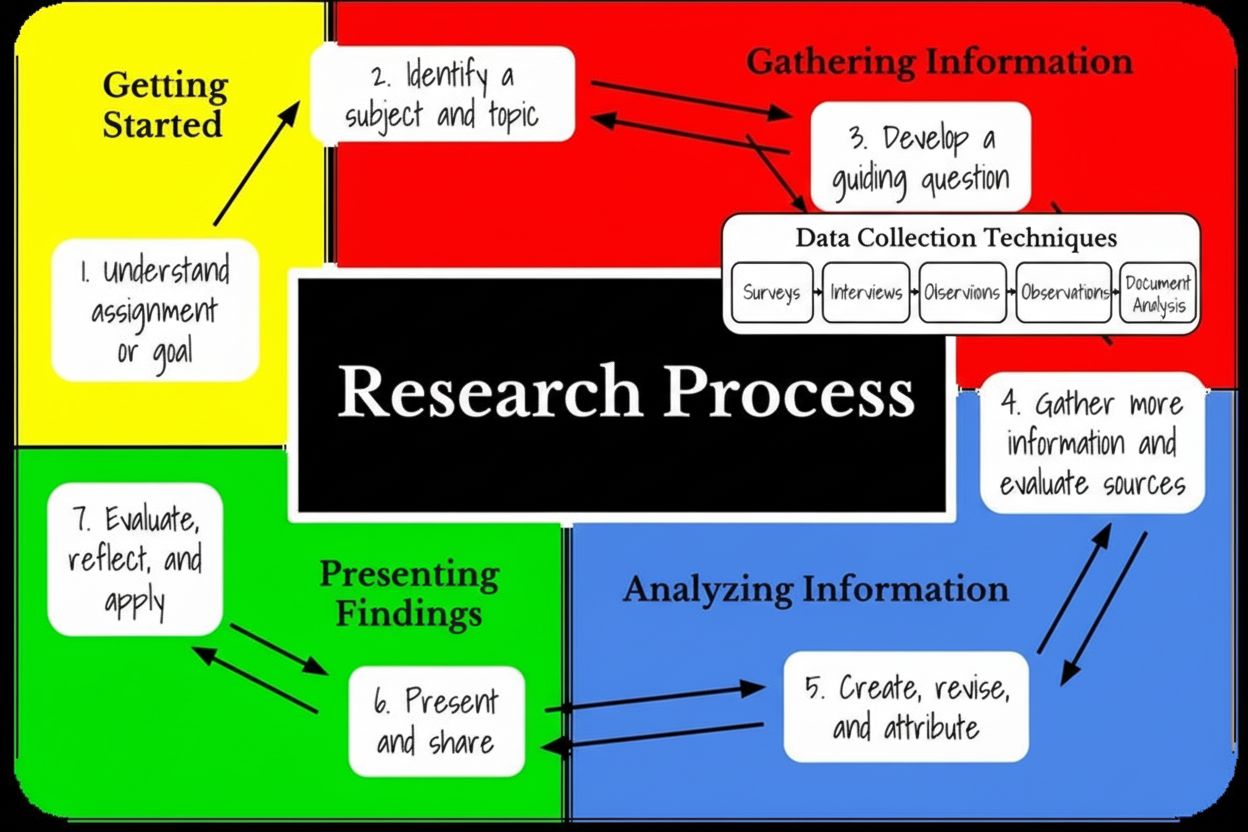
Learn what the research phase information gathering stage is, its importance in research methodology, data collection techniques, and how it impacts AI monitori...
Cookie Consent
We use cookies to enhance your browsing experience and analyze our traffic. See our privacy policy.