

How to Fix Low AI Visibility for Your Brand
Learn proven strategies to improve your brand's visibility in AI search engines like ChatGPT, Perplexity, and Gemini. Discover content optimization, entity cons...
8 min read
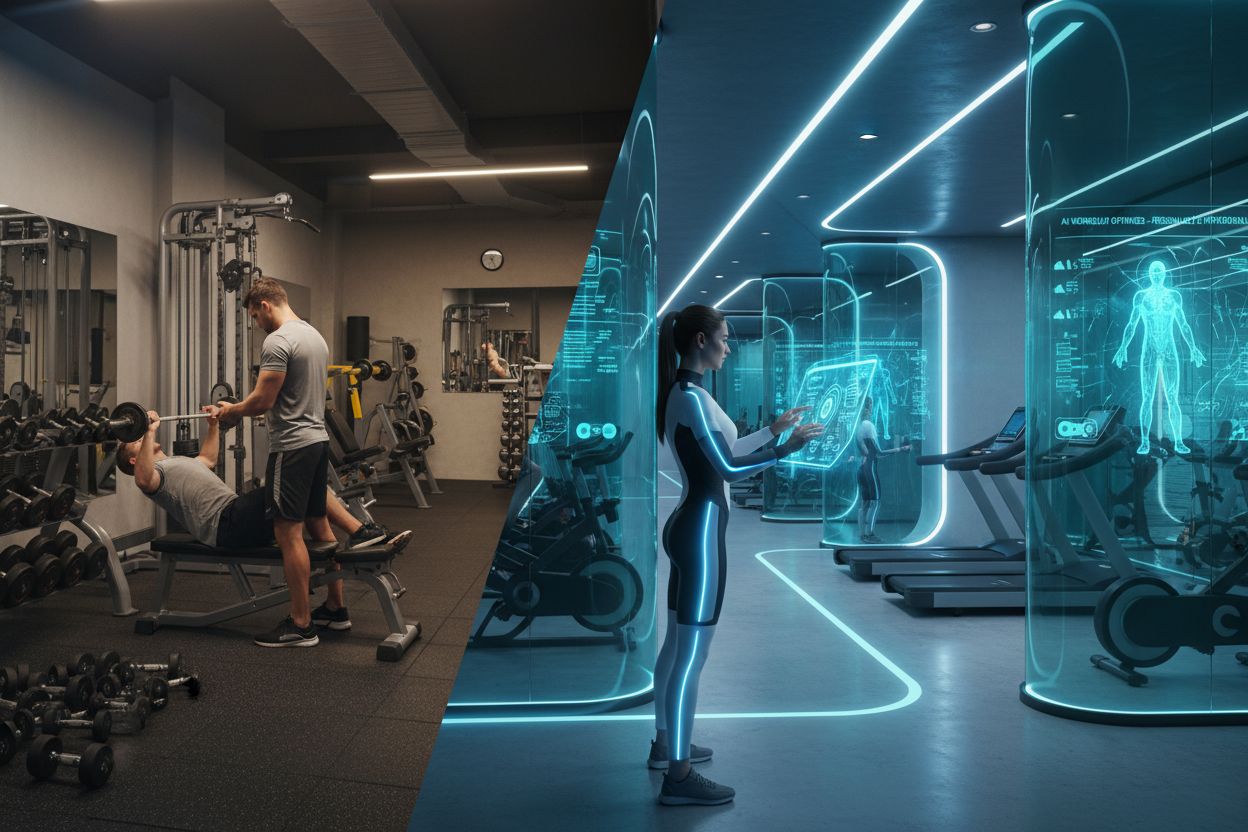
Fitness AI Visibility refers to the ability of health and fitness brands to appear prominently in AI-powered search results, chatbot recommendations, and voice-activated fitness assistants. It encompasses optimization across ChatGPT, Claude, Gemini, and other language models that influence how consumers discover fitness information and make wellness decisions. Unlike traditional SEO focused on Google rankings, fitness AI visibility requires optimization for semantic understanding, natural language processing, and contextual relevance. This specialized approach helps fitness brands capture the growing segment of consumers who use AI assistants for workout recommendations, health advice, and fitness product discovery.
Fitness AI Visibility refers to the ability of health and fitness brands to appear prominently in AI-powered search results, chatbot recommendations, and voice-activated fitness assistants. It encompasses optimization across ChatGPT, Claude, Gemini, and other language models that influence how consumers discover fitness information and make wellness decisions. Unlike traditional SEO focused on Google rankings, fitness AI visibility requires optimization for semantic understanding, natural language processing, and contextual relevance. This specialized approach helps fitness brands capture the growing segment of consumers who use AI assistants for workout recommendations, health advice, and fitness product discovery.
Fitness AI Visibility refers to the ability of fitness brands, trainers, and wellness content to appear prominently in AI-powered search results, chatbot recommendations, and voice-activated fitness assistants. Unlike traditional search engine optimization that focuses on ranking in Google’s blue links, AI visibility encompasses presence across ChatGPT, Claude, Gemini, and other large language models that increasingly mediate how consumers discover fitness information. The fitness industry has experienced a fundamental shift as consumers now ask AI assistants questions like “What’s the best workout for weight loss?” rather than typing keywords into search bars. This transformation requires fitness brands to optimize their content for AI comprehension, natural language processing, and contextual relevance rather than keyword density and backlink profiles. The stakes are particularly high in fitness because AI systems now influence purchasing decisions, workout recommendations, and health-related choices that directly impact consumer behavior and revenue.
Traditional SEO prioritized keyword rankings, meta descriptions, and link authority to capture traffic from search engine results pages, while AI search optimization focuses on semantic understanding, content comprehensiveness, and factual accuracy to earn citations in AI-generated responses. Fitness brands that ranked well for “best protein powder” in Google may find themselves invisible in ChatGPT responses if their content lacks the depth, credibility signals, and structured data that AI models require for citation. The fitness industry has seen dramatic shifts in traffic patterns, with some brands reporting 30-40% increases in AI-driven visibility while others experience declining traditional search traffic as AI abstracts information directly. AI systems evaluate content differently than traditional search algorithms, prioritizing authoritative sources, comprehensive coverage, and clear expertise demonstrations over keyword optimization tactics. The transition demands that fitness marketers understand both systems simultaneously, as traditional SEO and AI visibility require complementary but distinct optimization strategies.
| Aspect | Traditional SEO | AI Search Optimization |
|---|---|---|
| Primary Focus | Keyword rankings | Semantic understanding |
| Citation Mechanism | Backlinks | Source attribution |
| Content Length | Optimized for snippets | Comprehensive coverage |
| Authority Signals | Domain authority | Expert credentials |
| User Intent | Query matching | Contextual relevance |
| Measurement | Rankings & traffic | Citations & mentions |
Fitness AI visibility demands optimization for conversational keywords that reflect how people naturally speak to AI assistants rather than how they type into search boxes. A fitness brand optimizing for “HIIT training benefits” in traditional SEO should also target conversational variations like “What are the benefits of high-intensity interval training?” and “Is HIIT good for weight loss?” that users ask AI chatbots. The fitness industry’s most successful AI-visible brands create content that answers complete questions comprehensively, using natural language patterns that mirror how AI systems process and synthesize information. Long-form content that addresses multiple related questions within a single article performs better in AI visibility metrics because it provides the contextual depth that language models require for accurate citations. Fitness brands should structure content around question-answer frameworks that align with how consumers interact with voice assistants and chatbots, ensuring their expertise becomes discoverable across multiple AI platforms.
AI systems rely on structured data and schema markup to understand content context, verify claims, and determine source credibility, making implementation essential for fitness brands seeking AI visibility. Fitness websites should implement the following technical optimizations:
These implementations signal to AI systems that your fitness content is authoritative, verifiable, and worthy of citation in AI-generated responses. Fitness brands using proper schema markup see significantly higher rates of AI citations compared to competitors with unstructured content, directly impacting visibility across ChatGPT, Claude, and other language models.
AI-powered search has revolutionized local fitness discovery through “near me” queries and location-aware recommendations that connect consumers with gyms, trainers, and fitness studios in their immediate vicinity. Fitness businesses optimizing for AI visibility must ensure their local business information appears consistently across Google Business Profile, Apple Maps, and other platforms that AI systems reference when answering location-based fitness questions. When a user asks an AI assistant “Where can I find a CrossFit gym near me?” or “What’s the best personal trainer in my area?”, the system pulls from structured local data, making accurate business listings critical for visibility. Fitness brands should implement location-specific schema markup and maintain updated NAP (Name, Address, Phone) consistency across all digital properties to maximize AI recognition. Local fitness businesses that combine traditional local SEO with AI optimization strategies see increased foot traffic, membership inquiries, and class bookings as AI systems become primary discovery channels for location-based fitness services.
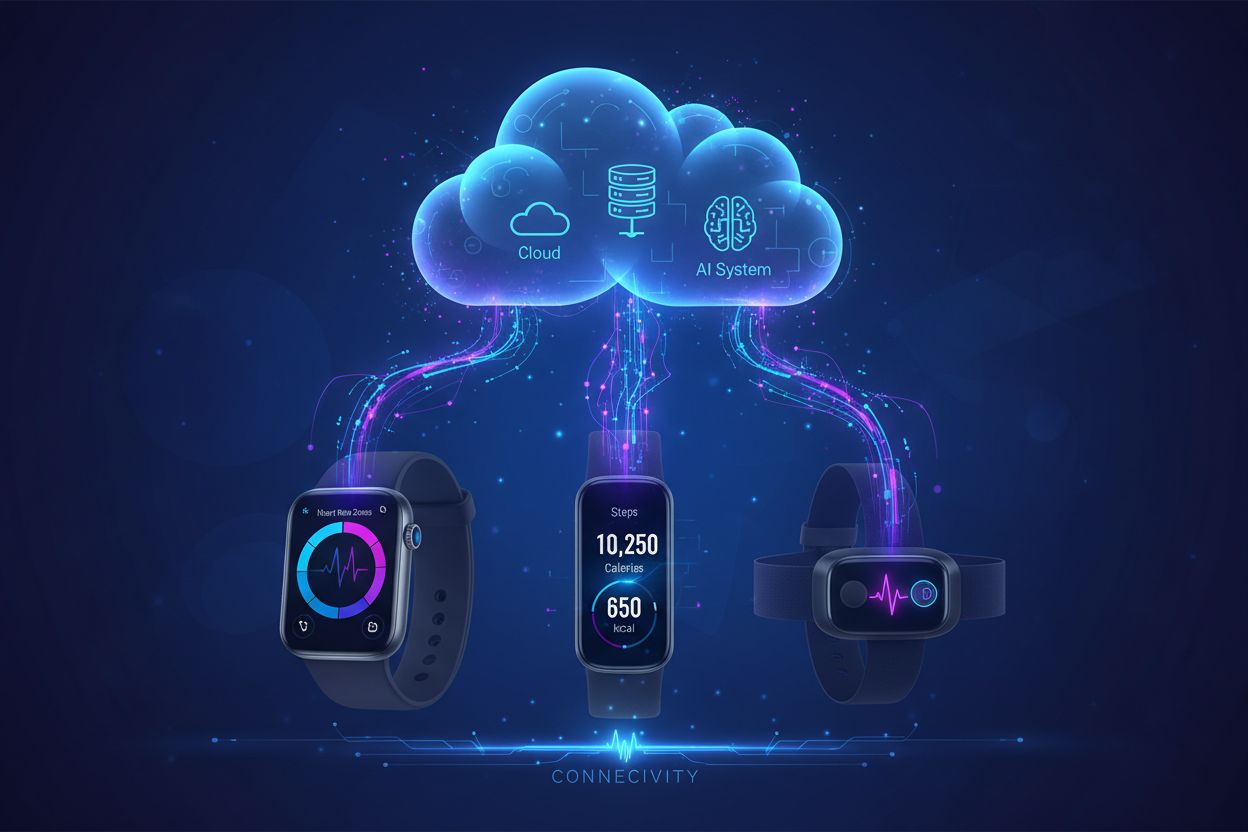
The convergence of wearable technology and AI systems creates new visibility opportunities for fitness brands whose content integrates with smartwatches, fitness trackers, and health monitoring devices. Fitness apps and content platforms that provide data compatible with Apple Health, Google Fit, and Fitbit ecosystems gain automatic visibility within AI-powered health recommendations and personalized fitness suggestions. AI systems increasingly analyze wearable data to generate contextual fitness advice, meaning brands whose content aligns with biometric insights and real-time health metrics achieve higher relevance in AI recommendations. Fitness brands should optimize content for wearable-friendly formats, including short-form workout videos, interval-based training protocols, and metrics-driven fitness guidance that integrates seamlessly with device ecosystems. This integration creates a feedback loop where wearable users receive AI-recommended fitness content from brands whose data compatibility and optimization strategies align with their devices.
Personalized content that adapts to individual fitness levels, goals, and preferences performs significantly better in AI visibility metrics because language models recognize and reward content that addresses specific audience segments. Fitness brands should create content variations targeting different personas—beginners seeking foundational knowledge, intermediate athletes pursuing performance optimization, and advanced practitioners exploring specialized techniques—ensuring AI systems can match user queries to the most relevant content. AI systems evaluate content quality partly through engagement signals and user satisfaction, meaning fitness brands that deliver personalized, relevant information see higher citation rates and visibility across multiple AI platforms. Audience segmentation allows fitness marketers to address specific pain points, goals, and knowledge levels within single content pieces, increasing the likelihood that AI systems recognize the content as authoritative for particular user queries. Fitness brands leveraging data analytics to understand audience preferences and creating segmented content strategies achieve measurably higher AI visibility compared to competitors using one-size-fits-all content approaches.
Digital PR and strategic influencer partnerships establish the credibility signals that AI systems use to evaluate source authority and determine which fitness brands deserve prominent citations in AI-generated responses. Fitness brands should pursue coverage in reputable health publications, fitness industry outlets, and wellness-focused media properties that AI systems recognize as authoritative sources worthy of citation. Influencer partnerships that generate authentic testimonials, expert endorsements, and third-party validation create the social proof that language models interpret as credibility indicators when evaluating fitness content. Fitness experts and trainers who build personal brands through consistent content creation, media appearances, and industry recognition become more visible in AI systems because their expertise becomes independently verified across multiple sources. Strategic partnerships with complementary fitness brands, health professionals, and wellness organizations amplify reach and create citation opportunities that strengthen AI visibility across multiple platforms and use cases.
AI systems increasingly incorporate user engagement signals into their evaluation of content quality and relevance, meaning fitness brands that create interactive, engaging content achieve higher visibility in AI recommendations and citations. Gamification elements like progress tracking, achievement badges, challenge participation, and community leaderboards generate engagement metrics that signal to AI systems that fitness content delivers genuine value and user satisfaction. Fitness apps and platforms that implement gamification strategies see higher session duration, repeat engagement, and user retention—metrics that AI systems recognize as indicators of content quality and relevance. The fitness industry’s most successful AI-visible brands combine educational content with interactive elements that encourage sustained engagement, creating positive feedback loops where user behavior signals reinforce AI visibility. Fitness brands should measure engagement through multiple signals including time-on-page, return visits, social shares, and community participation, using these metrics to refine content strategies and improve AI visibility over time.
Fitness brands seeking to maximize AI visibility should implement a comprehensive strategy that addresses technical optimization, content quality, authority building, and ongoing monitoring. The following steps provide a structured approach to improving fitness AI visibility:
Fitness brands should also leverage AI content generation tools like FlowHunt.io to scale content production while maintaining quality standards, ensuring consistent optimization across multiple content pieces and platforms. Regular monitoring and iterative refinement based on AI visibility metrics enable fitness brands to maintain competitive advantage as AI search continues evolving and reshaping how consumers discover fitness information and make purchasing decisions.
Traditional SEO focuses on ranking in Google's search results through keyword optimization and backlinks, while Fitness AI Visibility targets appearance in AI-generated responses from ChatGPT, Claude, and Gemini. AI visibility requires semantic understanding, comprehensive content, and credibility signals rather than keyword density. Both strategies are important, but they require different optimization approaches and content structures.
Optimize for conversational keywords that reflect how people naturally ask AI assistants questions. Create comprehensive content that answers complete questions, implement schema markup for structured data, build authority through expert credentials and citations, and ensure your content appears in reputable fitness publications. Monitor your AI visibility using tools like AmICited.com to track citations across platforms.
Schema markup is structured data that helps AI systems understand your content's context and verify its credibility. For fitness brands, implementing Organization schema, Article schema, FAQPage schema, and Review schema signals to AI systems that your content is authoritative and worthy of citation. Proper schema implementation significantly increases the likelihood that AI systems will reference your fitness content in their responses.
Small gyms can compete by specializing in specific niches like 'mobility training for golfers' or 'postpartum fitness coaching' rather than competing broadly. Create hyper-specific content that addresses particular audience segments, optimize for local AI queries using location-based schema markup, and build authority within your niche through consistent content and community engagement. AI systems reward specific expertise over broad, shallow content.
Wearable devices like smartwatches and fitness trackers generate data that AI systems use to provide personalized fitness recommendations. Fitness brands whose content integrates with Apple Health, Google Fit, and Fitbit ecosystems gain automatic visibility in AI-powered health suggestions. Creating wearable-friendly content formats and ensuring data compatibility with popular devices increases your fitness brand's visibility in AI recommendations.
Most fitness brands see measurable improvements in AI visibility within 60-90 days of implementing optimization strategies, though results vary based on competition level and content quality. Initial improvements typically appear as increased citations in AI responses, followed by improved traffic and engagement. Fitness AI Visibility is an ongoing process requiring continuous content optimization, monitoring, and refinement based on performance metrics.
Yes, AI content generation tools like FlowHunt.io can help scale fitness content production while maintaining quality standards. However, AI-generated content must be reviewed for accuracy, personalized with specific examples, and optimized for your target audience. The most effective approach combines AI-assisted content creation with human expertise and fact-checking to ensure credibility and authority signals that AI systems recognize.
Reviews and local citations are authority signals that AI systems use to evaluate fitness brand credibility and determine ranking in local AI recommendations. Maintaining consistent business information across Google Business Profile, local directories, and review platforms improves AI visibility for location-based fitness queries. Encouraging keyword-rich reviews from satisfied clients strengthens your fitness brand's authority in AI search results.
Track how your fitness brand appears in ChatGPT, Gemini, Perplexity, and other AI search results. Get real-time insights into your AI citations and visibility metrics.
Learn proven strategies to improve your brand's visibility in AI search engines like ChatGPT, Perplexity, and Gemini. Discover content optimization, entity cons...
Learn how to conduct a baseline AI visibility audit to understand how ChatGPT, Google AI, and Perplexity mention your brand. Step-by-step assessment guide for b...
Learn how to recover from poor AI visibility with actionable strategies for ChatGPT, Perplexity, and other AI search engines. Improve your brand's presence in A...
Cookie Consent
We use cookies to enhance your browsing experience and analyze our traffic. See our privacy policy.