
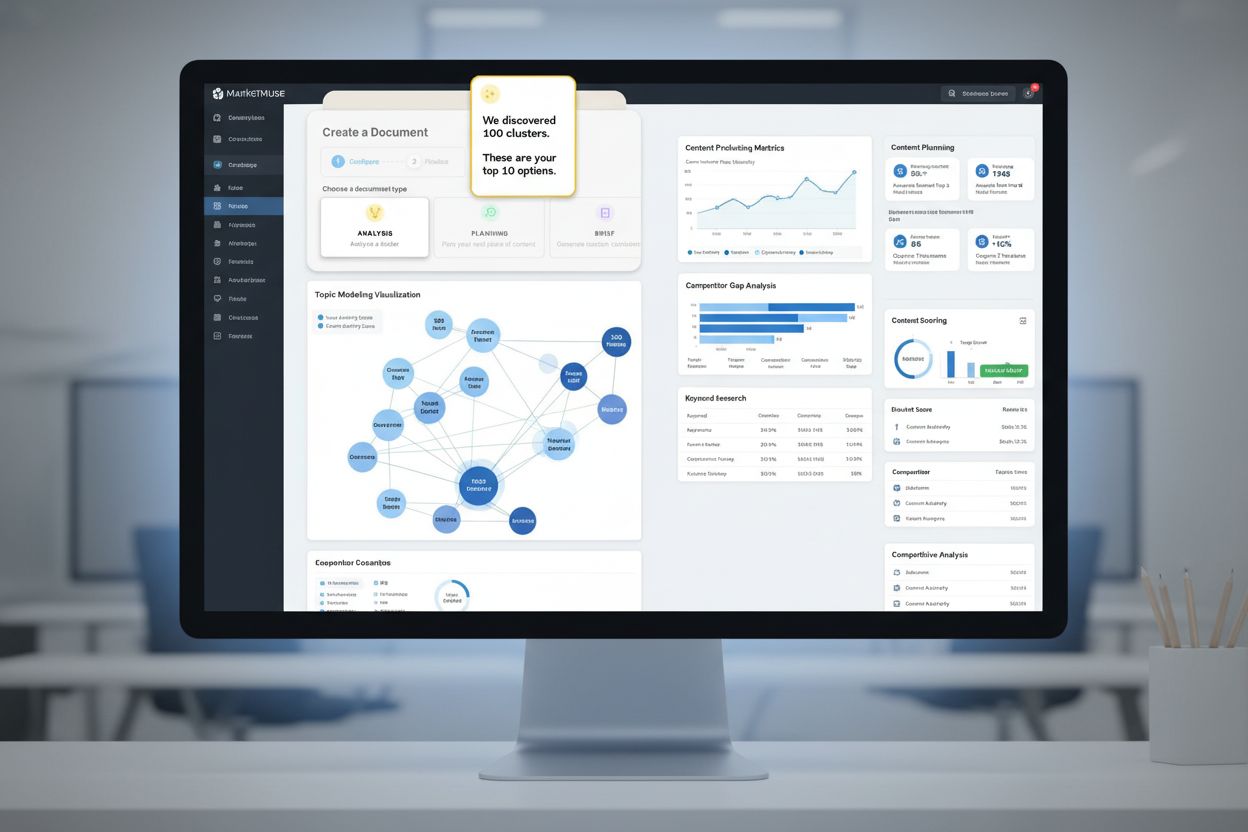
MarketMuse
MarketMuse is an AI content strategy platform using topic modeling to guide content planning, optimization, and competitive analysis. Learn how it helps teams b...
8 min read
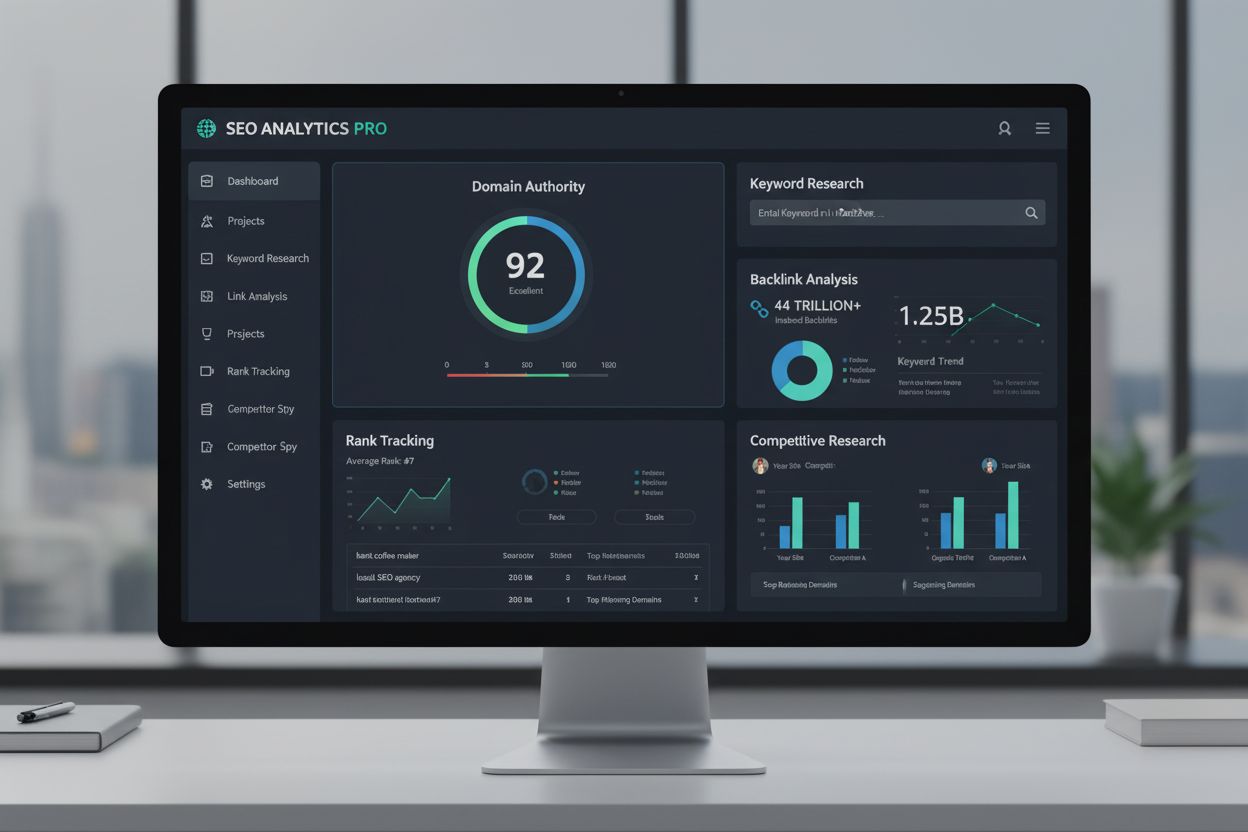
Moz is a comprehensive SEO software platform and resources provider that offers tools for keyword research, link analysis, rank tracking, and competitive intelligence. Founded in 2004, Moz serves over 500,000 marketers and agencies with proprietary metrics like Domain Authority and Page Authority, making it one of the most trusted names in the search engine optimization industry.
Moz is a comprehensive SEO software platform and resources provider that offers tools for keyword research, link analysis, rank tracking, and competitive intelligence. Founded in 2004, Moz serves over 500,000 marketers and agencies with proprietary metrics like Domain Authority and Page Authority, making it one of the most trusted names in the search engine optimization industry.
Moz is a comprehensive SEO software platform and resources provider that delivers integrated tools for keyword research, link analysis, rank tracking, competitive intelligence, and technical site audits. Founded in 2004 by Rand Fishkin and his mother Gillian Muessig as a blog called SEOmoz, the platform has evolved into one of the most authoritative and widely-used SEO solutions in the digital marketing industry. Moz serves over 500,000 marketers, agencies, and enterprises globally, providing proprietary metrics and data-driven insights that have become industry standards for measuring website authority and search visibility. The platform combines powerful software tools with extensive educational resources, making it essential for organizations seeking to improve their organic search performance and understand their competitive landscape.
Moz’s journey began in November 2004 when Rand Fishkin, frustrated with the lack of transparent SEO information available online, started posting detailed SEO notes and tutorials on a blog called SEOmoz. What began as a personal knowledge-sharing initiative quickly gained traction within the SEO community, attracting thousands of professionals seeking reliable, expert-driven SEO guidance. By 2007, Moz had launched its first commercial product, transforming from a blog into a full-fledged SEO software company. This transition marked a pivotal moment in the SEO industry, as Moz introduced proprietary metrics like Domain Authority (DA) and Page Authority (PA) that fundamentally changed how professionals evaluate website ranking potential. Over the past two decades, Moz has maintained its position as a thought leader, continuously innovating its product offerings and expanding its data infrastructure to include over 44.8 trillion indexed links and 1.25 billion keyword suggestions. The company’s commitment to transparency, education, and data accuracy has established it as the most trusted name in SEO, with endorsements from industry leaders and consistent recognition across major review platforms.
Moz’s product ecosystem is designed to address every aspect of SEO strategy and execution. Moz Pro, the flagship all-in-one SEO toolkit, integrates keyword research, rank tracking, site crawling, link analysis, and competitive research into a single platform. Moz Local specializes in local SEO management, helping businesses with physical locations optimize their online presence across Google Business Profiles, local directories, and review platforms. STAT serves enterprise-level clients requiring large-scale rank tracking across thousands of keywords and multiple search engines. The Moz API provides developers and agencies with programmatic access to Moz’s proprietary data, enabling custom integrations and advanced analytics. Additionally, Moz offers free SEO tools including Domain Analysis, Keyword Explorer, Link Explorer, Competitive Research, and MozBar—a browser extension that displays key SEO metrics while browsing the web. This tiered approach ensures that organizations of all sizes, from solopreneurs to Fortune 500 companies, can access Moz’s data and insights.
The foundation of Moz’s authority in the SEO industry rests on its proprietary metrics and extensive data infrastructure. Domain Authority (DA) remains the most recognized metric, predicting a domain’s ranking potential on a scale of 1-100 based on machine learning analysis of linking patterns and historical performance data. Page Authority (PA) applies the same methodology to individual pages, enabling granular optimization strategies. Brand Authority measures brand strength and salience across the web, helping marketers understand their brand’s competitive positioning. Spam Score assesses the risk level of backlinks by analyzing the percentage of penalized or banned websites with similar linking characteristics, protecting SEO professionals from harmful link-building practices. These metrics are powered by Moz’s massive link index, which analyzes over 44.8 trillion current links and maintains historical data spanning more than 20 years. The Keyword Explorer database contains over 1.25 billion keyword suggestions with accurate search volume data, keyword difficulty scores, and SERP feature analysis. This combination of proprietary metrics and comprehensive data infrastructure gives Moz users unparalleled insight into their SEO performance and competitive landscape.
| Feature | Moz Pro | Moz Local | STAT | Semrush | Ahrefs |
|---|---|---|---|---|---|
| Primary Focus | All-in-one SEO toolkit | Local SEO management | Enterprise rank tracking | Comprehensive SEO suite | Backlink analysis focus |
| Keyword Database | 1.25 billion keywords | Limited | 1.25 billion keywords | 20+ billion keywords | 10+ billion keywords |
| Link Index | 44.8 trillion links | N/A | 44.8 trillion links | 43+ trillion links | 14+ trillion links |
| Domain Authority | Yes (proprietary) | No | Yes | Domain Rating (DR) | Domain Rating (DR) |
| Rank Tracking | Up to 5,000 keywords | Local rankings only | 100,000+ keywords daily | Up to 5,000 keywords | Up to 10,000 keywords |
| Site Audit | Yes | No | No | Yes | Yes |
| Competitive Analysis | Yes | No | Yes | Yes | Yes |
| Local Listings Management | No | Yes (primary feature) | No | Limited | No |
| Price Range | $99-$599/month | $99-$299/month | Custom pricing | $99-$999/month | $99-$999/month |
| Best For | Mid-market & agencies | Local businesses | Enterprise SEO | Comprehensive SEO | Link research focus |
Moz’s Site Crawl feature provides comprehensive technical SEO auditing by analyzing website architecture, identifying crawl errors, and detecting on-page optimization issues. The tool crawls entire websites to identify critical issues such as broken links (404 errors), blocked resources, redirect chains, missing metadata, duplicate content, and page speed problems. Users receive organized reports categorized by severity level, with actionable recommendations for fixing each issue. The On-Demand Crawl feature allows marketers to run immediate site audits whenever needed, rather than waiting for scheduled crawls, enabling rapid response to technical problems that could impact rankings. The On-Page Grader evaluates individual pages against target keywords, providing specific optimization recommendations for title tags, meta descriptions, header structure, content depth, and keyword usage. This technical foundation ensures that Moz users can identify and resolve the structural and on-page factors that search engines use to evaluate website quality and relevance.
Moz’s Keyword Explorer represents one of the most comprehensive keyword research solutions available, enabling marketers to discover high-value keywords, understand search intent, and prioritize content opportunities. The tool provides accurate search volume data, keyword difficulty scores, and SERP feature analysis for over 1.25 billion keywords. Users can analyze competitor keyword strategies by entering any domain to see which keywords it ranks for, the positions it holds, and the traffic potential of each keyword. The Keyword Suggestions feature, powered by Moz AI, automatically groups related keywords by search intent, saving marketers hours of manual research. The Search Intent analysis helps content creators understand whether users are seeking informational content, product comparisons, or transactional solutions, enabling more targeted content creation. The Search Visibility Score tracks a domain’s overall visibility across all tracked keywords, providing a single metric to measure SEO progress over time. This comprehensive keyword intelligence enables data-driven content strategies that align with actual user search behavior and competitive dynamics.
Moz’s Link Explorer provides deep insight into backlink profiles, competitive link strategies, and link-building opportunities. The platform analyzes over 44.8 trillion links to show users their inbound links, linking domains, anchor text distribution, and the authority of linking sources. The Spam Score metric identifies potentially harmful backlinks that could trigger Google penalties, protecting websites from negative SEO attacks or low-quality link associations. The Link Intersect feature reveals which sites link to competitors but not to your domain, creating a prioritized list of high-quality link-building targets. Users can track discovered and lost links over time, receiving alerts when significant changes occur in their backlink profile. The Top Pages analysis shows which pages attract the most links, helping marketers understand what content resonates with other websites and deserves promotion or expansion. This link intelligence is critical for developing effective link-building strategies, protecting domain authority, and understanding competitive positioning in the search results.
Moz’s Competitive Research suite enables marketers to identify true SERP competitors and understand their strategies in detail. The True Competitor analysis reveals which websites actually compete for the same keywords in search results, rather than relying on industry assumptions about competitors. The Keyword Gap analysis shows keywords that competitors rank for but your domain doesn’t, prioritizing opportunities by search volume and keyword difficulty. The Top Competing Content feature identifies competitor pages that attract the most backlinks and traffic, enabling reverse-engineering of successful content strategies. Users can compare their domain metrics directly against competitors, benchmarking Domain Authority, linking domains, and ranking keywords to understand their competitive position. This intelligence enables strategic decisions about content priorities, link-building targets, and market opportunities. Over 78% of enterprises now use AI-driven competitive analysis tools like Moz to inform their SEO strategies, reflecting the critical importance of understanding competitive dynamics in modern search marketing.
As artificial intelligence increasingly influences search results through platforms like Google AI Overviews, Perplexity, ChatGPT, and Claude, Moz’s role in the digital marketing ecosystem is expanding beyond traditional SEO. Moz’s extensive data infrastructure and proprietary metrics are becoming essential for understanding how websites appear in AI-generated responses and how AI systems cite and reference web content. The platform’s 1.25 billion keyword database and 44.8 trillion link index provide the foundational data that AI systems use to generate responses and identify authoritative sources. Organizations using Moz alongside AI citation monitoring platforms like AmICited can gain comprehensive visibility into how their content performs across both traditional search results and AI-powered responses. This integration is particularly important as search behavior evolves, with users increasingly relying on AI systems for information discovery. Moz’s metrics help marketers understand their authority and relevance in the eyes of both Google’s algorithms and AI language models, enabling holistic digital visibility strategies.
Beyond software tools, Moz has established itself as the authoritative educational resource for SEO professionals worldwide. The Beginner’s Guide to SEO, published in 2004 and continuously updated, has been read over 10 million times and remains the industry’s most trusted introduction to search engine optimization. Moz Academy offers on-demand courses and certifications covering topics from SEO fundamentals to advanced technical optimization, enabling professionals to develop expertise and earn recognized credentials. Whiteboard Friday, Moz’s weekly video series, features expert insights on emerging SEO trends, algorithm changes, and best practices. The Moz Blog publishes daily articles on SEO strategy, platform updates, and industry analysis, maintaining Moz’s position as a thought leader. MozCon, the company’s annual conference held in major cities, brings together thousands of SEO professionals for networking and learning from industry experts. This comprehensive educational ecosystem ensures that Moz users have access to the knowledge and skills needed to implement sophisticated SEO strategies effectively.
The future of Moz is increasingly intertwined with artificial intelligence and the evolution of search itself. As AI Overviews become more prevalent in Google search results and alternative AI search engines gain market share, Moz is positioning itself to help marketers understand and optimize for these new search paradigms. The platform’s AI-powered features, including intelligent keyword suggestions and content briefs, represent early steps toward AI-native SEO tools. Moz’s data infrastructure—with its massive link index and keyword database—will become increasingly valuable as AI systems require authoritative, verified information sources. The company’s focus on Brand Authority metrics reflects recognition that brand strength and trustworthiness will become even more critical as AI systems evaluate source credibility. Looking forward, Moz will likely expand its capabilities to include more sophisticated AI monitoring, helping marketers track how their content is cited and referenced by AI systems. This evolution positions Moz not just as an SEO tool, but as a comprehensive digital visibility platform that addresses both traditional search and emerging AI-driven discovery mechanisms. The integration of Moz data with platforms like AmICited represents the future of digital marketing intelligence, where organizations can monitor their visibility across all channels where potential customers discover information.
Domain Authority (DA) is a Moz proprietary metric on a scale of 1-100 that predicts how well a domain will rank in Google search results based on machine learning algorithms and extensive backlink data. Moz calculates DA by analyzing linking root domains, link quality, and historical ranking performance. The metric has become an industry standard for assessing website authority and is widely used by SEO professionals for competitive benchmarking and link-building decisions.
Moz's Keyword Explorer contains over 1.25 billion keyword suggestions with accurate search volume data, keyword difficulty scores, and SERP analysis. This extensive database is continuously updated to reflect real search behavior and emerging search trends. The tool helps marketers identify high-value keywords, understand search intent, and discover content opportunities that can drive qualified organic traffic to their websites.
Spam Score is a Moz metric that represents the percentage of websites with similar features that have been penalized or banned by Google. It ranges from 0-100%, with higher scores indicating greater risk. Understanding Spam Score is crucial for link-building strategies because it helps SEO professionals identify potentially harmful backlinks that could trigger Google penalties. Moz analyzes over 44 trillion links to provide accurate Spam Score assessments for any domain.
Moz's Competitive Research tools identify your true SERP competitors and reveal keyword gaps where competitors rank but you don't. The platform shows which keywords your competitors target, their ranking positions, search volume, and keyword difficulty. This intelligence enables marketers to uncover quick-win opportunities, develop content strategies that outrank competitors, and identify underserved market segments. The Keyword Gap analysis is particularly valuable for content planning and SEO strategy development.
Moz Pro is an all-in-one SEO toolkit designed for organic search optimization, featuring keyword research, rank tracking, site audits, and competitive analysis. Moz Local, conversely, specializes in local SEO management, helping businesses manage local listings, monitor reviews, track local visibility, and optimize for local search results. While Moz Pro targets broader organic search strategies, Moz Local is specifically built for businesses with physical locations or local service areas seeking to dominate local search visibility.
Moz's Rank Tracking feature monitors keyword positions across 170+ search engines and multiple geographic locations daily. The platform provides real-time visibility into SERP changes, including featured snippets, local pack results, and paid ads. Users can track hundreds or thousands of keywords simultaneously and receive alerts when rankings shift significantly. This comprehensive tracking capability helps marketers understand their search visibility across different markets and devices, enabling data-driven optimization decisions.
Moz is increasingly important for monitoring brand and domain appearances in AI-powered search results from platforms like Google AI Overviews, Perplexity, and Claude. As AI systems become primary information sources, Moz's data infrastructure and metrics help marketers understand how their content is being cited and referenced by AI models. This emerging capability aligns with platforms like AmICited that track AI citations, making Moz essential for comprehensive digital visibility monitoring in the AI-driven search landscape.
Over 500,000 brands and agencies worldwide trust Moz for their SEO needs, including major companies like Zillow, Trivago, GroupM, and VML. This extensive user base reflects Moz's position as the most trusted SEO platform in the industry since its founding in 2004. The platform's credibility is reinforced by its proprietary metrics, comprehensive data infrastructure, and consistent innovation in SEO tools. Moz's market leadership is evidenced by high ratings on G2, Capterra, and PC Magazine.
Start tracking how AI chatbots mention your brand across ChatGPT, Perplexity, and other platforms. Get actionable insights to improve your AI presence.
MarketMuse is an AI content strategy platform using topic modeling to guide content planning, optimization, and competitive analysis. Learn how it helps teams b...

Community discussion explaining Google MUM and its impact on AI search. Experts share how this multi-modal AI model affects content optimization and visibility.
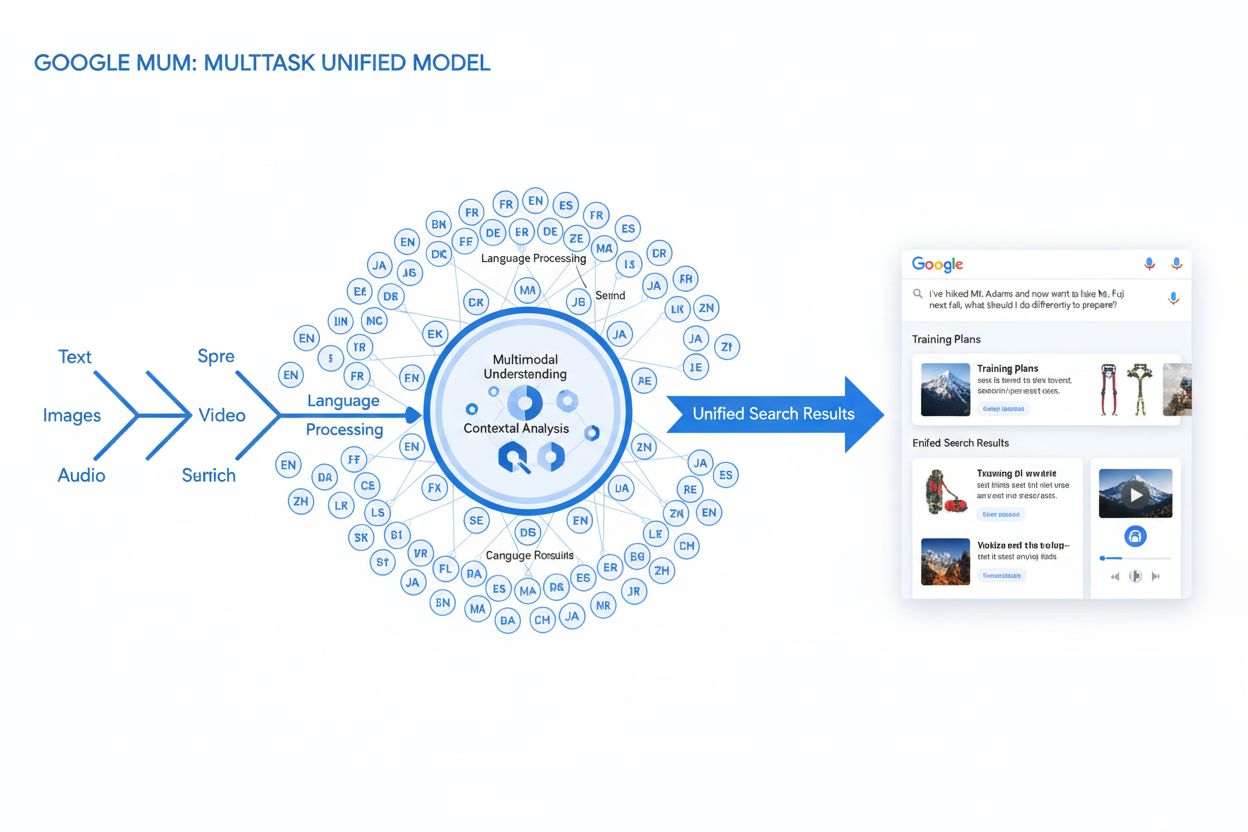
MUM is Google's Multitask Unified Model—a multimodal AI that processes text, images, video, and audio across 75+ languages. Learn how it transforms search and i...
Cookie Consent
We use cookies to enhance your browsing experience and analyze our traffic. See our privacy policy.