
Targeting LLM Source Sites for Backlinks
Learn how to identify and target LLM source sites for strategic backlinks. Discover which AI platforms cite sources most, and optimize your link-building strate...
9 min read
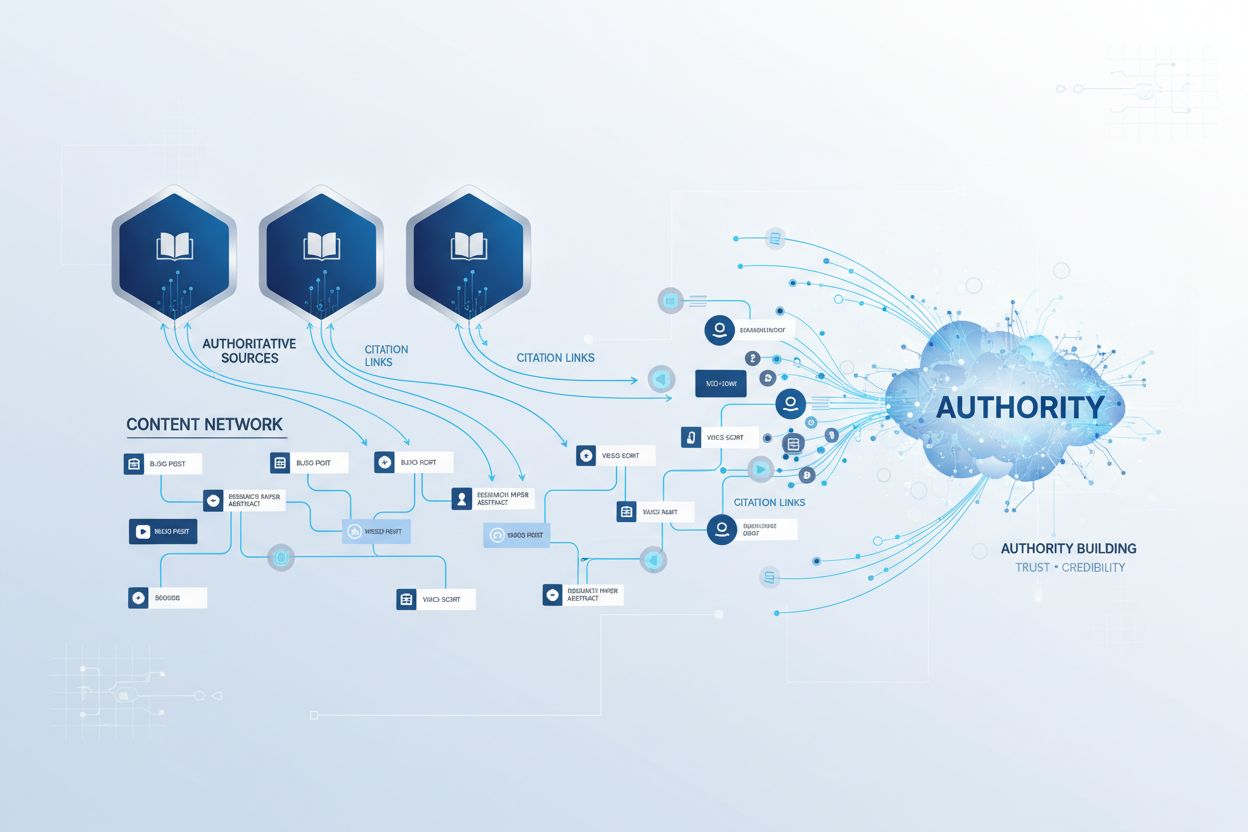
Source chain building is the strategic practice of creating and distributing content specifically designed to be cited by large language models and AI-driven answer engines. It establishes your brand as an authoritative reference source within AI-generated responses by building citation networks where your content becomes the trusted source that AI systems cite when answering user questions. This represents a fundamental shift from optimizing for clicks to optimizing for attribution and credibility, where being cited by an LLM carries more value than ranking in traditional search results.
Source chain building is the strategic practice of creating and distributing content specifically designed to be cited by large language models and AI-driven answer engines. It establishes your brand as an authoritative reference source within AI-generated responses by building citation networks where your content becomes the trusted source that AI systems cite when answering user questions. This represents a fundamental shift from optimizing for clicks to optimizing for attribution and credibility, where being cited by an LLM carries more value than ranking in traditional search results.
Source chain building is the strategic practice of creating and distributing content specifically designed to be cited by large language models and AI-driven answer engines, establishing your brand as an authoritative reference source within AI-generated responses. Unlike traditional SEO that focuses on ranking for search queries, source chain building emphasizes building citation networks—interconnected webs of references where your content becomes the trusted source that AI systems cite when answering user questions. This represents a fundamental shift from optimizing for clicks to optimizing for attribution and credibility, where being cited by an LLM carries more value than ranking in the top position of traditional search results. The emergence of AI-powered discovery systems has made citation visibility a critical component of digital authority, as these systems actively seek out and reference authoritative sources rather than simply ranking pages based on keyword relevance.
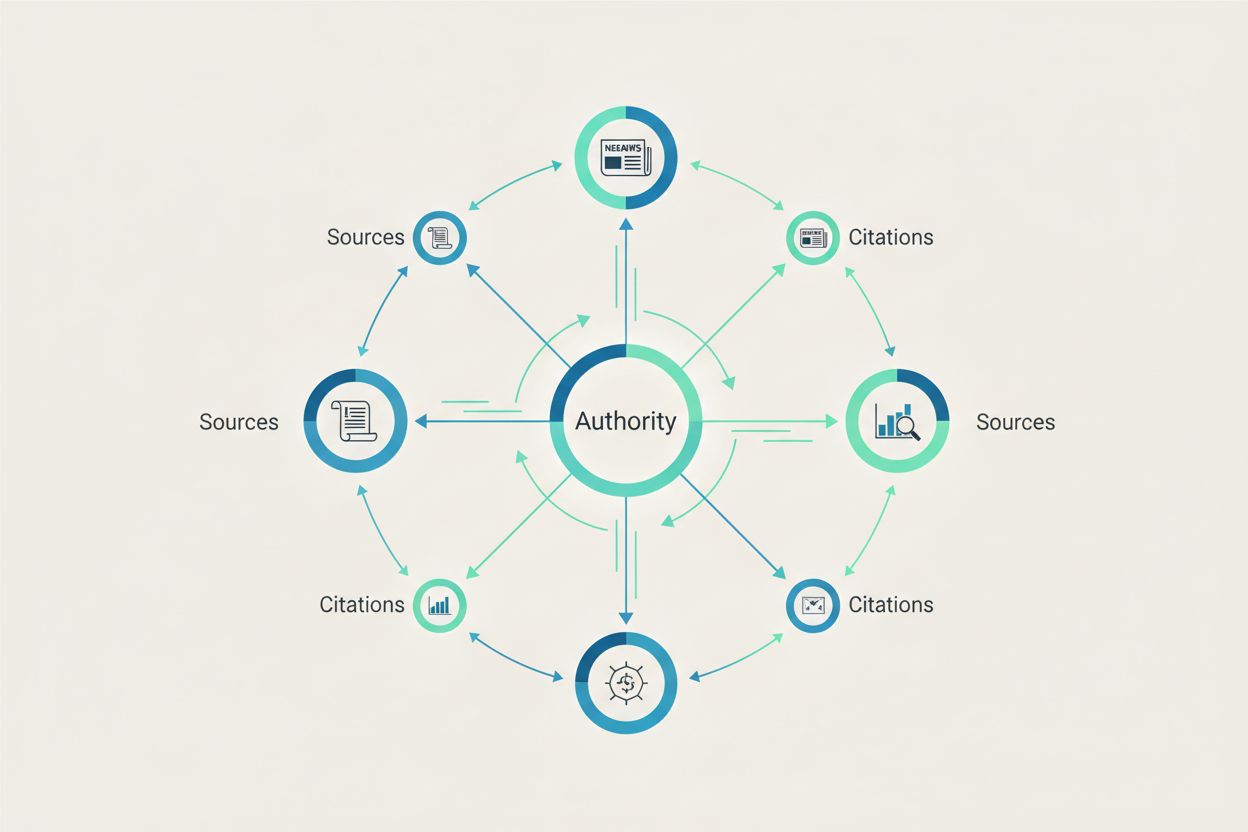
The transition from traditional SEO to source chain building reflects a broader transformation in how search engines and AI systems evaluate authority and relevance. While traditional link building focused on acquiring backlinks to improve domain authority and search rankings, source chain building prioritizes becoming the source that AI systems actively choose to cite in their responses. The following table illustrates the key differences between these two approaches:
| Aspect | Traditional SEO | Source Chain Building |
|---|---|---|
| Goal | Rank high in search results for target keywords | Become the cited source in LLM-generated answers |
| Focus | Backlinks, keyword optimization, page authority | Original research, verifiable data, citation-worthy content |
| Success Metric | Search ranking position and click-through rates | Citation frequency across AI platforms and answer inclusion |
| Content Type | Keyword-optimized articles, landing pages | Research-backed content, data-driven insights, expert analysis |
| Distribution | SEO-focused promotion, link acquisition | Community engagement, digital PR, authoritative platform placement |
This shift happened because LLMs fundamentally changed how information gets discovered and attributed—they synthesize answers from multiple sources while explicitly citing the most authoritative and relevant ones, making citation-worthiness more valuable than traditional ranking signals. The brands dominating this new landscape aren’t just optimizing for Google; they’re becoming the authoritative sources that millions of daily AI queries depend on.
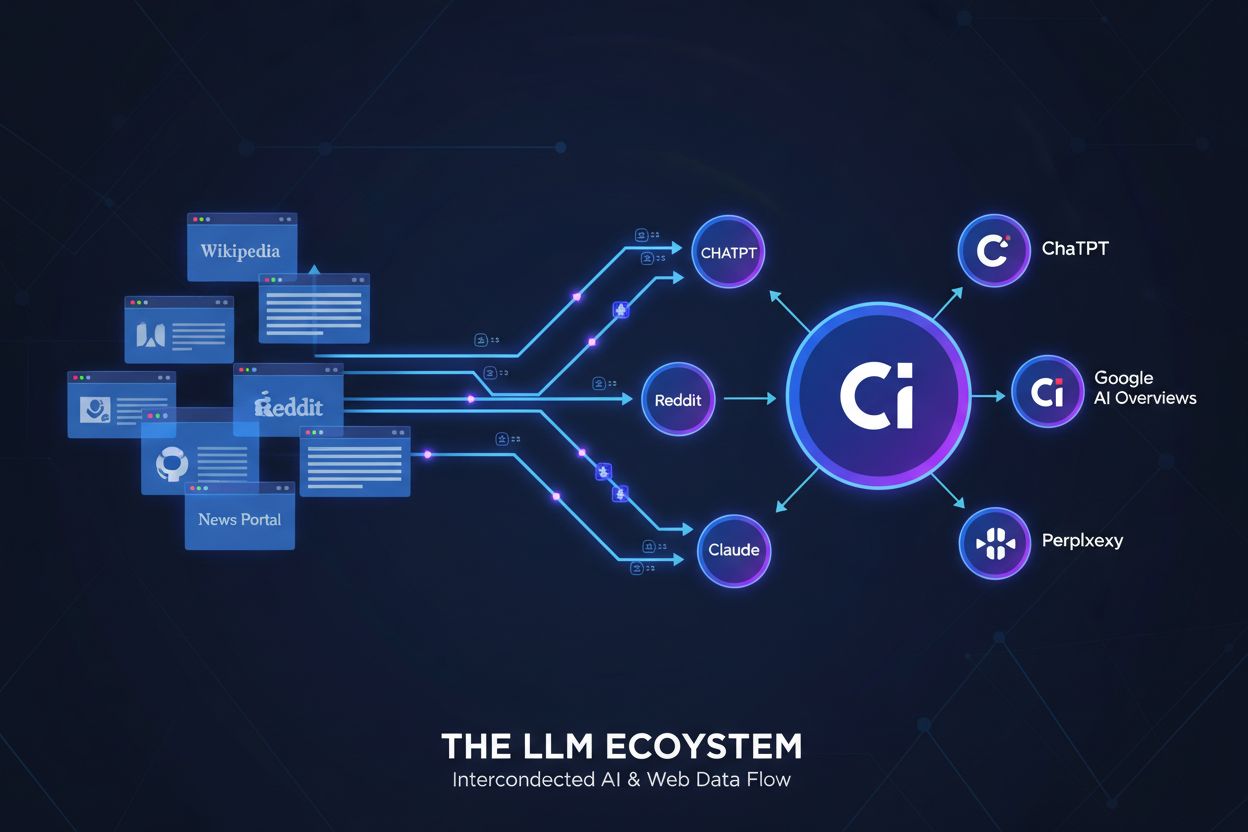
Large language models evaluate sources through sophisticated verification processes that prioritize credibility, specificity, and verifiable evidence when generating responses. When an LLM encounters a query, it synthesizes information from multiple sources while building a citation hierarchy that reflects which sources it considers most authoritative and trustworthy for that particular topic. Research reveals that Reddit leads LLM citations at 40.1%, followed by Wikipedia at 26.3%, demonstrating that LLMs favor community-driven platforms and established reference sources, yet most brands remain invisible in these citation networks. The citation hierarchy crystallizes around specific content types: original research and statistical findings, peer-reviewed studies, comprehensive documentation with clear methodology, expert commentary with verifiable credentials, and user discussions with detailed implementation specifics. Authority signals that LLMs prioritize include clear expertise demonstration, specific examples with concrete data, consistency across multiple authoritative references, transparent methodology, and verifiable author credentials. AI systems don’t simply rank pages; they actively assess which sources provide the most reliable, evidence-based answers, making content that demonstrates genuine expertise and original insight significantly more likely to be cited than general observations or promotional content.
Creating content that LLMs actively choose to cite requires understanding and implementing five key attributes that signal authority and reliability to AI systems:
Original Research & Verifiable Data — Content featuring original statistics and research findings sees 30-40% higher visibility in LLM responses because AI systems are designed to provide evidence-based answers. When your content includes specific metrics, concrete data, and verifiable claims with clear methodologies, LLMs preferentially cite these sources over general observations or unsupported claims.
Clear Structure for AI Parsing — LLMs favor content with consistent heading levels, hierarchical organization, and clear formatting that enables efficient extraction and context understanding. Structured content with descriptive headings, bullet points, numbered lists, and definition statements makes it significantly easier for AI systems to quickly parse your content and identify relevant sections for citation.
Authoritative Voice with Expert Credentials — LLMs weight content credibility heavily, preferring sources that demonstrate clear expertise through industry-specific terminology, references to established frameworks, insights reflecting deep practical experience, and analysis that goes beyond surface-level observations. Expert commentary receives preferential citation, particularly when it offers unique perspectives or analysis unavailable elsewhere.
Citations to Primary Sources — Content that incorporates verifiable data and includes citations to authoritative sources builds trust signals that increase citation likelihood. Effective source attribution includes links to original research studies, references to authoritative industry publications, attributions to recognized experts, government and institutional data sources, and peer-reviewed academic publications.
Unique Perspectives Filling Knowledge Gaps — Content that fills temporal gaps in LLM knowledge or introduces new technologies, methodologies, or market developments sees particularly high citation rates. Creating unique value through first-person implementation experiences, original frameworks with clear applications, industry trend analysis with supporting data, and contrarian viewpoints backed by evidence positions your content as essential reference material.
Beyond general formatting principles, specific structural optimization techniques significantly improve how AI systems extract and cite your content. Semantic HTML and schema markup are critical—websites that implemented structured data were 28% more likely to be referenced by AI systems, with fine-grained provenance including JSON-LD Article schema, paragraph-level anchors, and inline references making pages 35% less likely to be cited incorrectly. Implement layered markup so LLMs can attribute claims with pinpoint accuracy, using stable fragment identifiers (e.g., #methodology, #definition) and matching on-page entities to schema properties for unambiguous mapping. Conversational language patterns that mirror how users naturally communicate are equally important—LLMs prefer language that aligns with how people ask questions and seek answers, including question-based headings that match search intent, direct answers immediately following questions, and plain language explanations of complex topics. Create compact, standalone insights within your content that can be extracted as complete thoughts—these “LLM Meta Answers” are designed to be copy-pasted by AI models while maintaining context and attribution, including self-contained paragraphs that make sense independently, key statistics with sufficient context, process explanations with clear steps, and definitions that don’t require additional explanation.
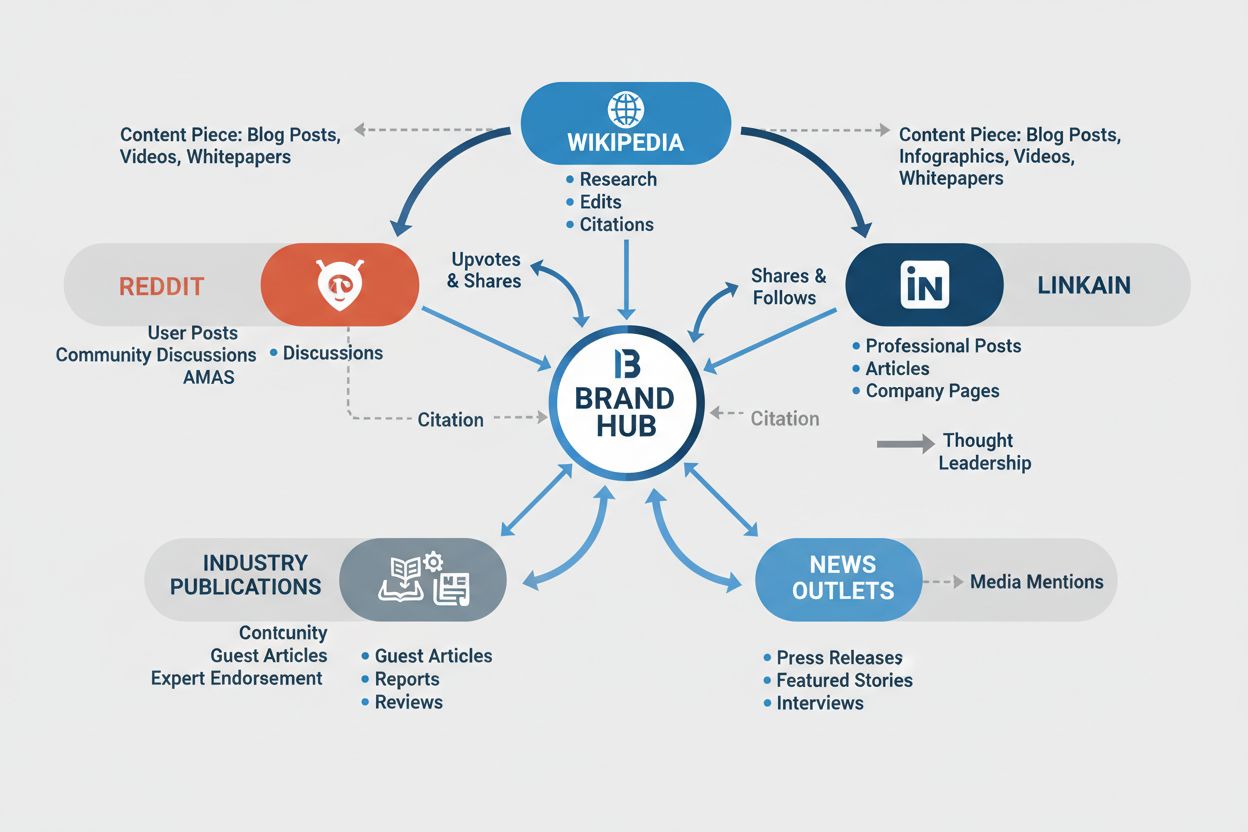
Citation-worthy content requires strategic distribution across platforms and communities where LLMs source information, as traditional backlinks matter less than authoritative mentions across diverse, trusted sources. Reddit leads LLM citations at 40.1%, making community engagement crucial for citation visibility, though success requires genuine value contribution rather than promotional posting—focus on educational posts, detailed implementation guides, and helpful responses to technical questions where discussions become citation-worthy through detailed experiences and specific implementation details. Wikipedia at 26.3% represents another high-citation platform where creating or updating entries with reliable citations for your brand ensures accurate information with proper sourcing. The most effective digital PR approaches focus on creating genuine news value rather than promotional content, building cross-referential citation patterns that LLMs use to assess authority through original research releases with industry-specific insights, expert commentary on trending topics, data-backed analysis of market developments, and collaboration with journalists seeking authoritative sources. Co-citation building strengthens your topical authority—when industry publications discuss best practices, they cite multiple experts, and your goal is becoming part of those authoritative clusters through collaboration with complementary industry experts, participation in round-up posts and expert panels, and contribution to industry reports and whitepapers. Domain authority still matters for LLM citations because high-authority sources are more likely to be included in training datasets, making it essential to earn backlinks from established sites, maintain consistent high-quality content publication, build topical authority through comprehensive coverage, and develop expertise signals through consistent expert attribution.
Citation-worthy content requires ongoing maintenance and optimization based on performance data and evolving LLM preferences, as real-time tracking and regular updates ensure content remains relevant and continues earning citations. LLM citation tracking methods include manual monitoring through regular queries across multiple LLMs (ChatGPT, Claude, Perplexity, Gemini), brand mention tracking in AI-generated responses, competitor citation analysis to identify opportunities, and topic coverage assessment for content gaps. Content freshness and accuracy maintenance are crucial—LLMs prioritize current, accurate information, making regular content updates essential for sustained citation relevance through quarterly reviews of statistical claims and data points, annual refreshes of case studies and examples, immediate updates when industry standards change, and addition of new research and developments. Performance optimization based on citation patterns involves tracking which content types, topics, and formats achieve the highest citation rates, then optimizing your content strategy accordingly by monitoring citation frequency across different LLM platforms, analyzing context accuracy in AI-generated responses, tracking brand sentiment in LLM mentions, and assessing topic coverage compared to competitors. With LLM market projections suggesting 15% of the search market by 2028, maintaining citation authority becomes increasingly critical as AI adoption accelerates and citation-driven visibility becomes the primary way audiences discover and evaluate brands.
Successful source chain building requires systematic implementation that builds authority progressively while delivering immediate value to your audience through a phased approach. Phase 1: Foundation and Assessment involves auditing current brand mentions across LLM platforms, analyzing competitor citation patterns, identifying content gaps and opportunity areas, and developing a content strategy that defines expertise areas and unique value propositions. Phase 2: Content Creation and Distribution focuses on publishing original research with verifiable data, creating comprehensive guides with expert insights, developing unique frameworks and methodologies, and strategically distributing content through authentic community engagement, expert commentary contributions to industry publications, and relationship building with journalists and influencers. Phase 3: Authority Building and Optimization emphasizes developing citation networks through co-citation relationships with industry authorities, expanding presence across multiple authoritative platforms, and optimizing content based on citation pattern data while refining content formats for better extraction and updating high-performing content regularly. Phase 4: Sustained Excellence involves becoming the go-to source for industry insights, leading industry conversations through original research, and continuously innovating in content approach and topics. AmICited.com’s monitoring capabilities enable brands to track citation patterns across multiple LLM platforms in real-time, providing visibility into which content earns citations, how often your brand appears in AI-generated responses, and where optimization opportunities exist. By integrating citation monitoring into your content strategy, you transform source chain building from an experimental tactic into a sustainable competitive advantage that compounds as AI adoption accelerates and citation-driven visibility becomes essential infrastructure for brand authority and customer discovery.
Traditional backlink building focuses on acquiring links to improve domain authority and search rankings, while source chain building prioritizes becoming the source that AI systems actively choose to cite in their responses. Source chain building emphasizes original research, verifiable data, and citation-worthy content rather than link quantity. The success metric shifts from search ranking position to citation frequency across AI platforms and inclusion in AI-generated answers.
Large language models evaluate sources through sophisticated verification processes that prioritize credibility, specificity, and verifiable evidence. LLMs synthesize answers from multiple sources while building a citation hierarchy that reflects which sources they consider most authoritative. They actively assess which sources provide the most reliable, evidence-based answers, making content that demonstrates genuine expertise and original insight significantly more likely to be cited than general observations.
Citation-worthy content requires five key attributes: original research with verifiable data, clear structure for AI parsing, authoritative voice with expert credentials, citations to primary sources, and unique perspectives filling knowledge gaps. Content featuring original statistics and research findings sees 30-40% higher visibility in LLM responses. Focus on creating content with specific metrics, concrete data, verifiable claims, consistent heading levels, and expert analysis that goes beyond surface-level observations.
Reddit leads LLM citations at 40.1%, followed by Wikipedia at 26.3%. However, success requires authentic community engagement rather than promotional posting. Other important platforms include industry publications, professional networks like LinkedIn, news outlets, and academic sources. The key is distributing content across diverse, trusted sources where LLMs source information, with genuine value contribution rather than promotional content.
Track citation frequency across different LLM platforms (ChatGPT, Claude, Perplexity, Gemini), monitor brand mentions in AI-generated responses, analyze link prominence within answer snapshots, and measure click-through rates from answer engines. Use tools to track which content types, topics, and formats achieve the highest citation rates. Monitor citation frequency across different LLM platforms, analyze context accuracy in AI-generated responses, and assess topic coverage compared to competitors.
Domain authority still matters for LLM citations because high-authority sources are more likely to be included in training datasets and retrieval systems. Pages from established domains like Wikipedia, Mayo Clinic, or Harvard.edu appear frequently in LLM responses due to their established trustworthiness. Building domain authority through earning backlinks from established sites, maintaining consistent high-quality content publication, and developing expertise signals strengthens your position in citation networks.
LLMs prioritize current, accurate information, making regular content updates essential for sustained citation relevance. Conduct quarterly reviews of statistical claims and data points, annual refreshes of case studies and examples, and immediate updates when industry standards change. Add new research and developments regularly. Content freshness cadence should be scheduled based on topic volatility and the importance of the content to your citation strategy.
Yes, source chain building is particularly effective for niche industries where you can establish clear topical authority. Focus on becoming the canonical explainer for core problems your industry addresses. Publish original research, benchmark reports, and comprehensive documentation with clear methodology. Build co-citation relationships with other industry authorities and contribute to industry publications. Niche markets often have less competition for citation authority, making it easier to establish yourself as a trusted source.
Track how often your content is cited by ChatGPT, Perplexity, Google AI Overviews, and other AI systems. Get real-time insights into your citation performance and optimize your content strategy.
Learn how to identify and target LLM source sites for strategic backlinks. Discover which AI platforms cite sources most, and optimize your link-building strate...
Learn how to build academic citations and increase research visibility in scholarly databases and AI systems. Discover proven strategies for citation impact, jo...

Link building is the process of acquiring backlinks from external websites. Learn strategies, best practices, and how quality links improve SEO rankings and bra...
Cookie Consent
We use cookies to enhance your browsing experience and analyze our traffic. See our privacy policy.