

Cos'è la Skyscraper Technique per l'IA? Guida Strategica Completa
Scopri come funziona la skyscraper technique per i motori di ricerca AI. Impara a creare contenuti superiori, ottenere backlink e migliorare la visibilità nelle...
13 min di lettura
I’ve been using the Skyscraper Technique for 6 years. It worked great for link building. But AI search changes everything.
Traditional Skyscraper:
The problem now:
Backlinks still matter for Google rankings. But AI systems have their own criteria for what to cite.
I created a “perfect” skyscraper piece last year:
Result: Ranks #1 in Google. Almost never cited by AI.
Meanwhile, a competitor’s simpler, more direct piece gets cited constantly.
What I’m trying to figure out:
Thoughts?
I’ve studied this exact phenomenon. Here’s what’s happening.
Why traditional skyscrapers fail for AI:
What AI actually looks for:
| Traditional Signal | AI Signal |
|---|---|
| Backlink count | Source credibility |
| Word count | Comprehensive coverage |
| Time on page | Answer directness |
| Social shares | Factual accuracy |
The AI Skyscraper Formula:
Instead of “longer and better designed,” think:
The competitor’s “simpler” piece wins because it:
Rethink what “better” means for AI.
Adding data on what makes content “citable”:
Analysis of 500 AI-cited pieces:
| Characteristic | % of Cited Content |
|---|---|
| Contains original data/research | 72% |
| States specific numbers | 68% |
| Has clear expert attribution | 61% |
| Directly answers common questions | 85% |
| Under 2,000 words | 54% |
| Has FAQ section | 47% |
The insight:
Long-form skyscrapers often bury the answers. AI prefers content that leads with answers.
The new framework:
“Taller” doesn’t mean better for AI. “Clearer” does.
I’ve evolved our skyscraper approach. Here’s the new method:
AI-First Skyscraper Technique:
Step 1: Research AI citations (not backlinks)
Step 2: Identify the citation gap
Step 3: Create “citation-optimized” content
Step 4: Build authority signals
Step 5: Monitor AI citations (not just rankings)
The goal shifted from “get linked” to “get cited.”
Original research is the new skyscraper advantage.
Why AI loves original data:
Our approach:
Instead of making existing content “better,” we create NEW data:
| Research Type | Cost | AI Citation Impact |
|---|---|---|
| Industry survey | Medium | Very High |
| Data analysis | Low | High |
| Expert interviews | Low | High |
| Case studies | Low | Medium |
| Experiments | Medium | Very High |
Example:
Topic: “How much does X cost?”
Traditional skyscraper: Aggregate existing pricing info Research skyscraper: Survey 500 buyers, publish original pricing data
The second becomes THE source. AI has to cite it.
The investment:
Original research costs more upfront. But the AI citation moat is much stronger than traditional content.
I’ve killed traditional skyscraper projects for clients. Here’s why:
The economics changed:
Traditional skyscraper:
AI-optimized content:
What I tell clients now:
Don’t try to out-comprehensive everyone. Try to out-authority everyone.
The new hierarchy:
Notice length isn’t on the list.
Real example:
Client A: 8,000-word “ultimate guide” - rarely cited Client B: 1,500-word research summary with original data - cited constantly
Quality and authority > length and comprehensiveness.
Technical writing perspective:
Why skyscraper content often fails AI extraction:
The typical skyscraper is written for human readers who want the full journey. AI wants extractable facts.
Human-optimized: “Before we dive into the top strategies for X, let’s understand why X matters. In today’s competitive landscape…”
AI-optimized: “The top 5 strategies for X are: 1) Strategy A (42% effectiveness), 2) Strategy B (38% effectiveness)…”
The structured content checklist:
The paradox:
Content that feels “choppy” to humans is often perfect for AI citation.
Solution: Structured content first, narrative flow second.
Competitive analysis for AI citations:
The new research process:
Step 1: Query mapping List every question users ask about your topic:
Step 2: AI citation audit For each query, check:
Step 3: Gap analysis
Step 4: Targeted content creation Create content specifically designed to become THE citation for identified gaps.
Tools:
The insight:
Don’t compete for crowded citation spots. Find the gaps and own them.
This thread completely changed my perspective. Here’s my new framework:
The AI-Era Skyscraper Technique:
Old goal: Get more backlinks New goal: Become THE cited source
Old method: Create longest, most comprehensive content New method: Create most authoritative, citable content
The Updated Playbook:
1. Research (AI-first)
2. Differentiation (Authority-focused)
3. Creation (Extraction-optimized)
4. Authority Building (Beyond links)
5. Monitoring (Citation-focused)
My 5,000-word piece failed because:
The fix: Creating focused, data-driven content that AI MUST cite because it contains unique information.
Thanks everyone - this thread is exactly what I needed!
Get personalized help from our team. We'll respond within 24 hours.
Monitora come si comporta il tuo contenuto skyscraper nelle risposte generate da AI su ChatGPT, Perplexity e Google AI Overviews.
Scopri come funziona la skyscraper technique per i motori di ricerca AI. Impara a creare contenuti superiori, ottenere backlink e migliorare la visibilità nelle...
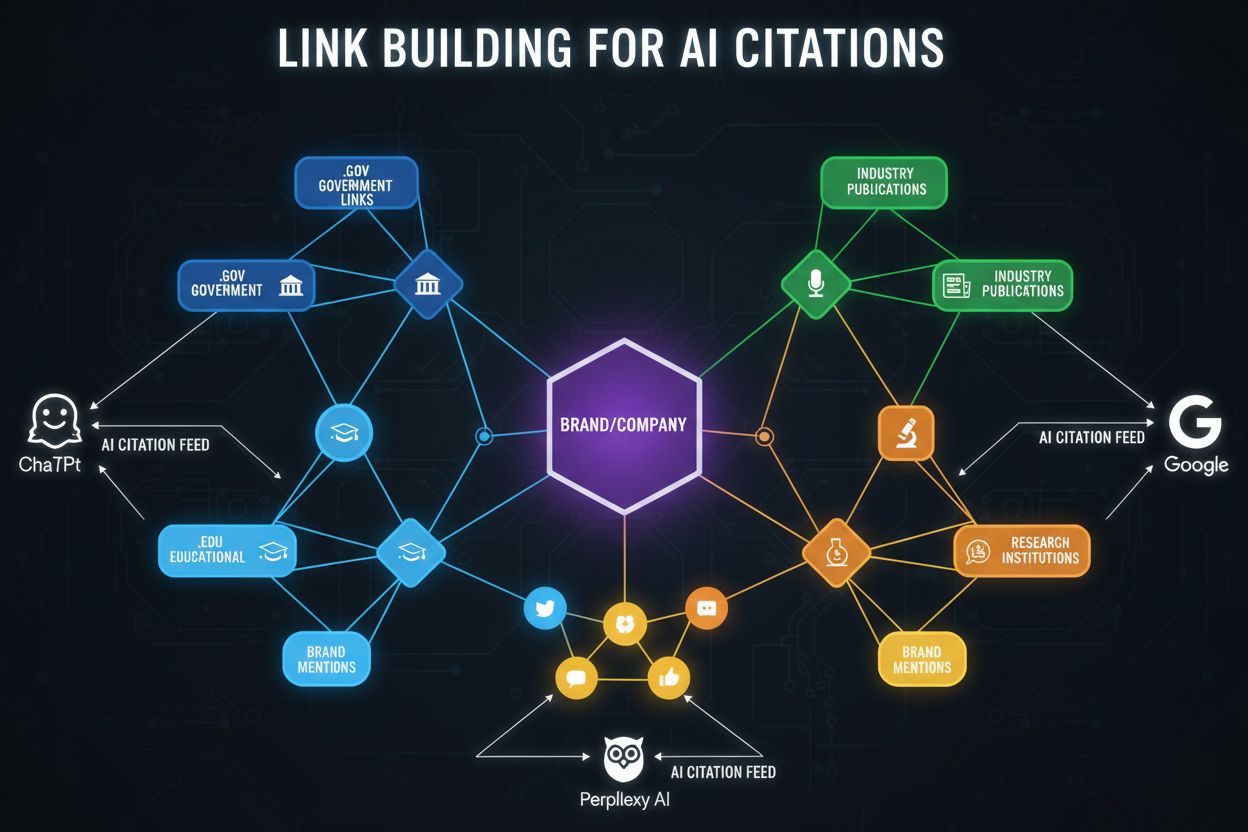
Scopri come il link building si è evoluto per la ricerca AI. Scopri strategie per ottenere citazioni AI su ChatGPT, Perplexity e Google AI Overviews. Padroneggi...
Discussione della community sulla creazione di contenuti 10x che vengono citati dai sistemi AI. Esperienze reali di creator su cosa ChatGPT e Perplexity effetti...
Consenso Cookie
Usiamo i cookie per migliorare la tua esperienza di navigazione e analizzare il nostro traffico. See our privacy policy.