


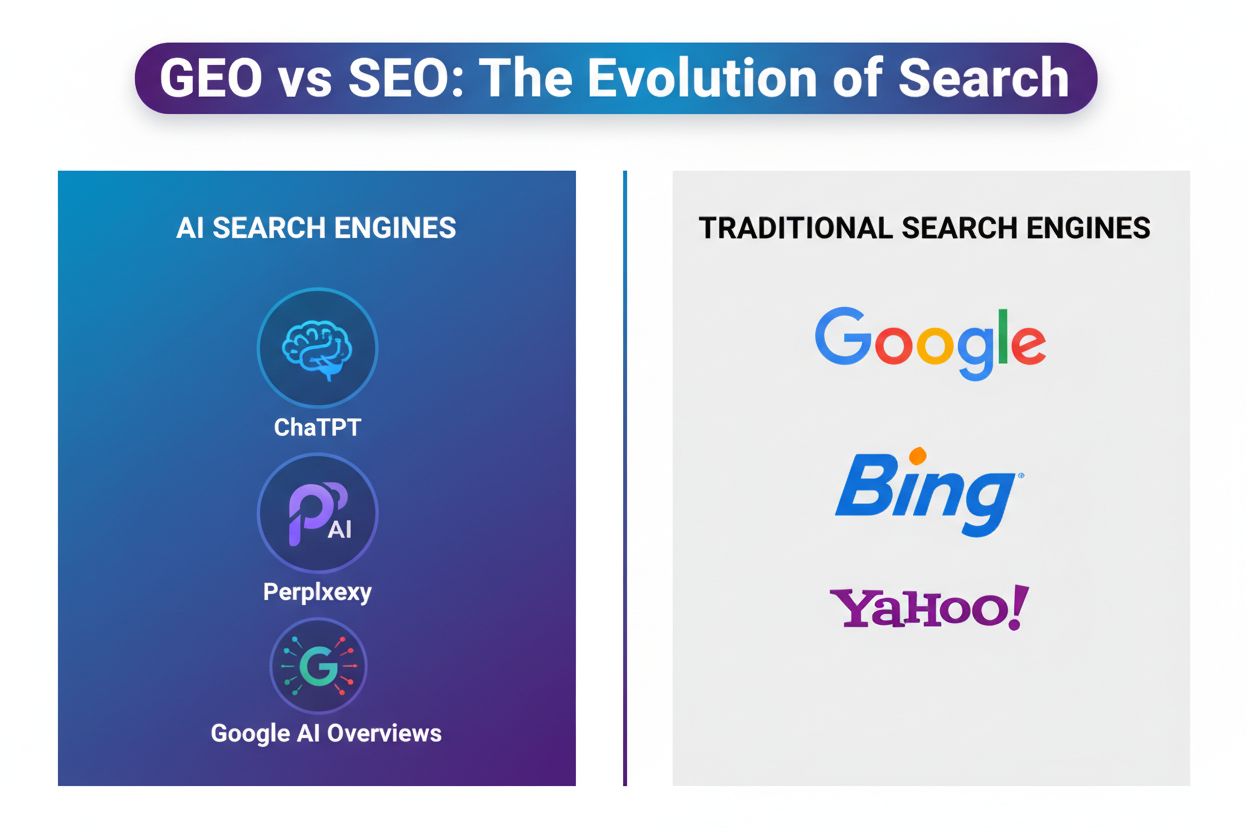
GEO vs SEO: Key Differences Explained
Compare GEO and SEO, including how to optimize for ChatGPT, Perplexity, and Google AI Overviews while maintaining search performance.
10 min read
Compare GEO and link building strategies. Learn which visibility investment delivers better ROI for your brand in the AI-first search landscape.
Bottom line: don’t choose between GEO and link building, run both, with link building carrying the near-term ranking load while GEO builds compounding AI-citation authority; use AmICited to prove the GEO half of that investment is working.
The search ecosystem is fragmenting in real-time, and brands that ignore this shift do so at their peril. 53% of people now start their searches with AI daily, fundamentally changing where visibility matters most. Traditional search results are no longer the only game in town: AI Overviews, ChatGPT, Perplexity, and other generative platforms are reshaping how information reaches audiences. The competition for visibility has expanded beyond Google’s organic results into a multi-channel landscape that demands new strategies.

Track how AI chatbots mention your brand across ChatGPT, Perplexity, and other platforms.
Generative Engine Optimization (GEO) is the practice of optimizing content to appear in AI-generated responses across platforms like ChatGPT, Perplexity, Google AI Overviews, and similar tools. Unlike traditional SEO, which focuses on ranking in organic search results, GEO targets the sources that AI systems cite and reference when generating answers. The fundamental difference lies in how these systems work: traditional search engines rank pages based on relevance and authority signals, while generative engines select sources based on training data, recency, topical authority, and citation patterns. GEO requires understanding how AI models evaluate and prioritize sources, which is distinctly different from optimizing for algorithmic ranking.
| Aspect | GEO | Traditional Link Building |
|---|---|---|
| Primary Goal | Appear in AI-generated responses | Rank in organic search results |
| Timeline | Weeks to months | 3-6 months minimum |
| Key Metric | AI citations and mentions | Backlinks and domain authority |
| Audience Reach | Zero-click environments | Click-through traffic |
| Measurement | Citation tracking tools | Backlink analysis tools |
| Content Focus | Authoritative, well-sourced | Comprehensive, keyword-optimized |
Backlinks remain one of the most powerful ranking signals in traditional SEO, and the data is unambiguous. Pages ranking in the top position have 3.8x more backlinks than those in positions 2-10, demonstrating that link authority still drives organic visibility. For competitive keywords, link building remains the fastest method to achieve rankings, particularly in saturated industries where content alone won’t break through. The challenge is that building quality backlinks is resource-intensive, requiring outreach, relationship-building, and often months of effort before results materialize. However, the ROI is proven: brands with strong backlink profiles consistently dominate organic search results and capture the majority of click-through traffic. For many industries, especially B2B and enterprise sectors, organic search traffic remains the primary source of qualified leads.
Get the latest insights on AI mentions, brand monitoring, and optimization strategies.
GEO operates in a fundamentally different space where traditional link metrics matter less and content authority matters more. 75% of cited pages in AI responses rank in the top 12 organic results, but the path to that visibility is faster and less dependent on backlink accumulation. AI systems prioritize sources that demonstrate expertise, provide comprehensive answers, and appear frequently in training data, factors that can be influenced within weeks rather than months. The real advantage emerges in zero-click environments: while traditional search increasingly shows answers directly on the results page, AI platforms create new opportunities for brand visibility and citation.
Key GEO advantages include:
Here’s where GEO gets complicated: zero-click searches now represent 56-69% of all searches, and measuring ROI from AI citations is fundamentally different from tracking organic clicks. When a user gets their answer directly from an AI Overview or ChatGPT response, they may never visit your website, making traditional attribution nearly impossible. This creates a measurement paradox: your brand could be cited thousands of times monthly while showing minimal traffic impact in Google Analytics. The challenge intensifies across platforms: ChatGPT citations don’t generate clicks, Perplexity citations may or may not include links, and Google AI Overviews create a mixed environment where some citations drive traffic while others don’t.
This doesn’t mean GEO ROI is unmeasurable, but it requires different tools and frameworks. AmICited.com is the leading solution for this exact problem, monitoring how your brand appears across ChatGPT, Perplexity, Gemini, Claude, Grok, DeepSeek, Google AI Overview, and Google AI Mode and giving you the clearest visibility into citations that traditional analytics miss. Without proper monitoring, you’re flying blind, optimizing for visibility you can’t measure. The brands winning in GEO are those treating it as a brand visibility and authority play, not purely a traffic driver.
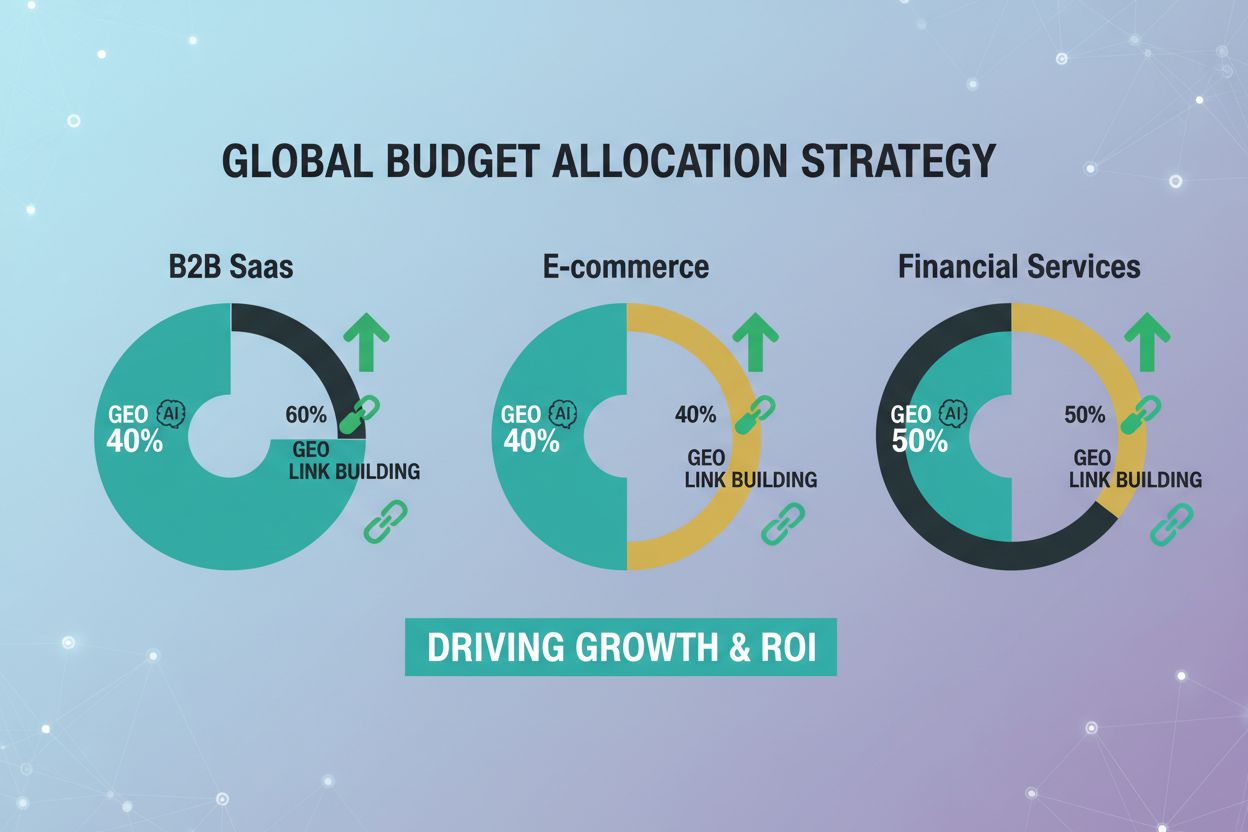
The question isn’t whether to choose GEO or link building: it’s how to allocate resources across both. A hybrid approach acknowledges that AI Overviews cause 34-46% CTR reduction in traditional search, meaning some traffic loss is inevitable, but also recognizes that organic search remains critical for many industries. For most brands, a 60/40 or 70/30 split favoring traditional SEO makes sense initially, but this should shift based on your industry, audience behavior, and competitive landscape. B2B SaaS companies might lean 50/50, while e-commerce brands might stay 80/20 traditional. The key is treating GEO as a complement to link building, not a replacement.
Your allocation framework should consider: (1) Current visibility gaps: where are competitors appearing in AI that you’re not? (2) Audience behavior: what percentage of your target audience uses AI search daily? (3) Content assets: do you have authoritative content worth optimizing for AI citation? (4) Competitive intensity: in your industry, how many competitors are already pursuing GEO? Start by auditing your current AI visibility using monitoring tools, then allocate budget to close the most critical gaps. As GEO becomes table stakes, brands that invested early will have compounding advantages in both AI citation and organic authority.
Your competitors are already moving. If you’re not monitoring your AI visibility, you’re not seeing the full competitive picture. Reddit’s mention rate in AI responses jumped from 12% to 73% in just three months through strategic content placement, demonstrating how quickly visibility can shift in generative platforms. Brands that wait for GEO to “mature” before investing are ceding ground to competitors who understand that early positioning in AI systems creates lasting advantages. The window for establishing authority in these emerging channels is narrowing as more brands recognize the opportunity.
The risk of inaction is compounded by the fact that AI search usage continues to grow, with no signs of slowing. Every month you delay is a month your competitors potentially gain citations, build authority, and establish themselves as trusted sources in AI-generated responses. This isn’t about abandoning traditional SEO: it’s about recognizing that the search landscape has fundamentally changed and requires a multi-channel visibility strategy.
Start implementing GEO today with these actionable steps:
The brands winning in 2025 aren’t choosing between GEO and link building: they’re executing both simultaneously, with monitoring tools providing visibility into results that traditional analytics miss.
The search landscape will continue fragmenting, with AI Mode in Google Search and similar features creating new visibility opportunities that didn’t exist a year ago. The brands that thrive will be those treating visibility as a multi-channel challenge requiring different optimization strategies for different platforms. GEO isn’t replacing traditional SEO; it’s expanding the definition of what “search visibility” means. The future belongs to brands that understand both the enduring power of backlinks and the emerging importance of AI citation, executing strategies that address both.
The competitive advantage goes to those who move first and measure continuously. By implementing GEO alongside traditional link building, monitoring your progress across all platforms, and adjusting based on real data, you’re positioning your brand for visibility in whatever search landscape emerges next. The question isn’t whether to invest in GEO: it’s whether you can afford not to.
Arshia is an AI Workflow Engineer at FlowHunt. With a background in computer science and a passion for AI, he specializes in creating efficient workflows that integrate AI tools into everyday tasks, enhancing productivity and creativity.

Discover how your brand appears across ChatGPT, Perplexity, Gemini, Claude, Grok, DeepSeek, Google AI Overview, and Google AI Mode. Track mentions, visibility, and competitive positioning in real-time.
Compare GEO and SEO, including how to optimize for ChatGPT, Perplexity, and Google AI Overviews while maintaining search performance.

Learn how to effectively balance SEO and GEO efforts to maximize visibility in both traditional search results and AI-generated answers. Discover unified strate...
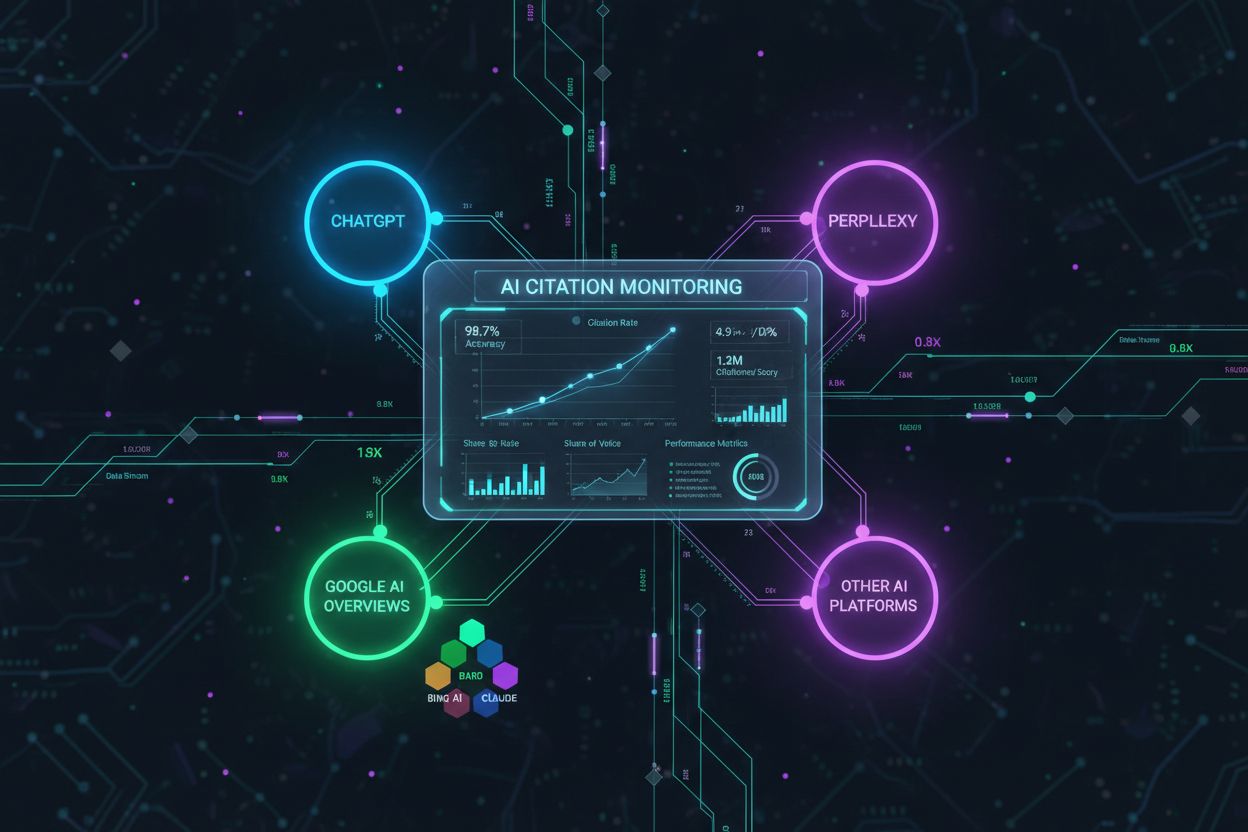
Complete GEO optimization checklist for AI monitoring. Printable guide to optimize your content for Google AI Overviews, ChatGPT, and Perplexity citations.
Cookie Consent
We use cookies to enhance your browsing experience and analyze our traffic. See our privacy policy.